The Countries Where Dessert Is Still a Daily Ritual, Data Confirms
Looking around the world today, one thing becomes crystal clear: desserts aren’t just an occasional treat anymore. They’ve become part of daily life in many countries, woven into cultural fabric like tea time or morning coffee. Recent data from food research companies and consumer surveys reveals fascinating patterns about where people satisfy their sweet tooth every single day. Let’s explore which nations have turned dessert from luxury to daily necessity.
Germany Leading the Sweet Revolution
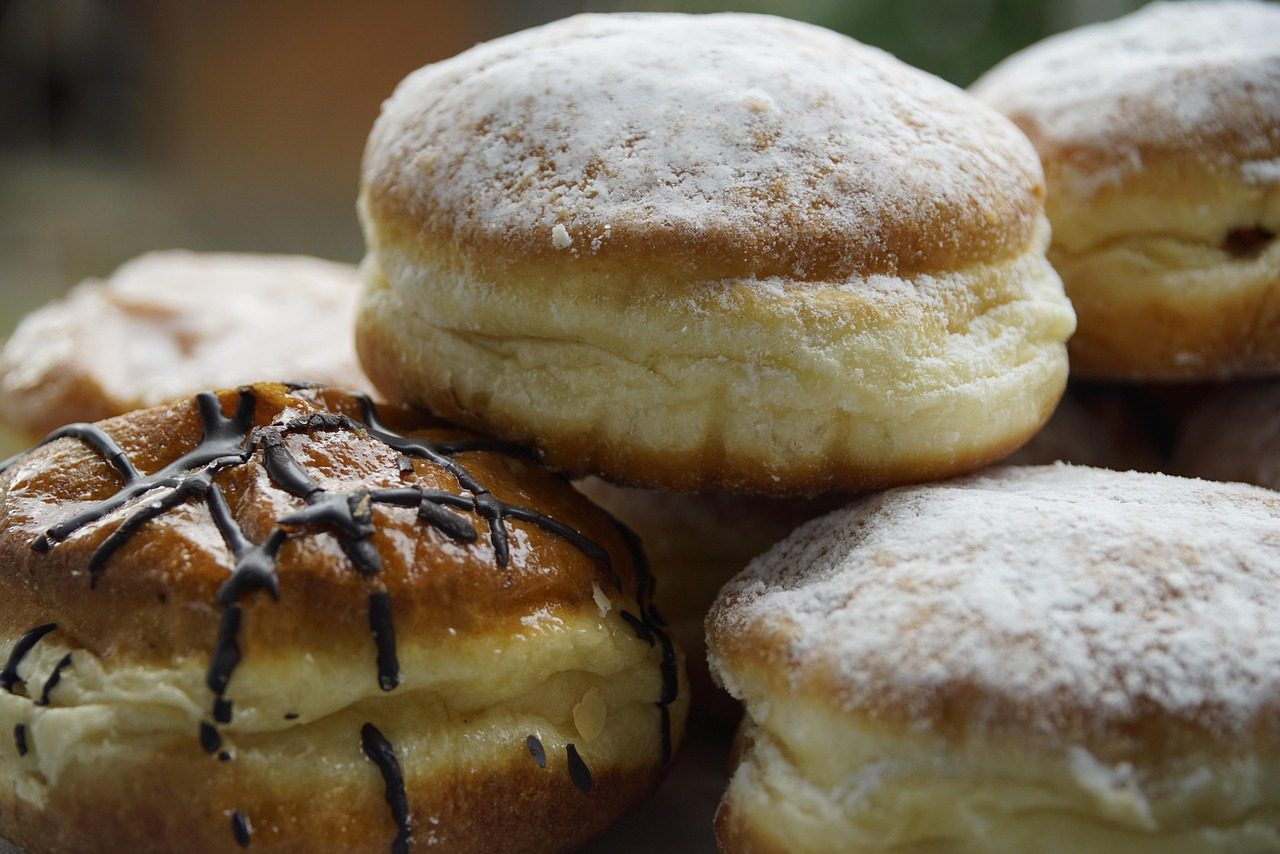
In Germany, Belgium and the UK as well as Czechia, Finland and Norway, more than half of respondents are eating candy or chocolate frequently. Germany is the second-largest consumer of sugar in the world. According to the Washington Post, an average German citizen would consume 102.9 grams of sugar daily. The numbers paint a picture of a nation where sweets have become part of the daily routine.
Germany was the top performer with the largest share in the Europe Confectionery Market by contributing 19.6% of total regional value in 2024. The country’s market status is defined by its dual role as a major producer and one of the continent’s most consistent consumers of confectionery. This isn’t just about occasional indulgence anymore. Think about it: when sugar intake reaches over one hundred grams daily, dessert has clearly become embedded in the culture itself.
European Nations Embrace Daily Sweet Habits
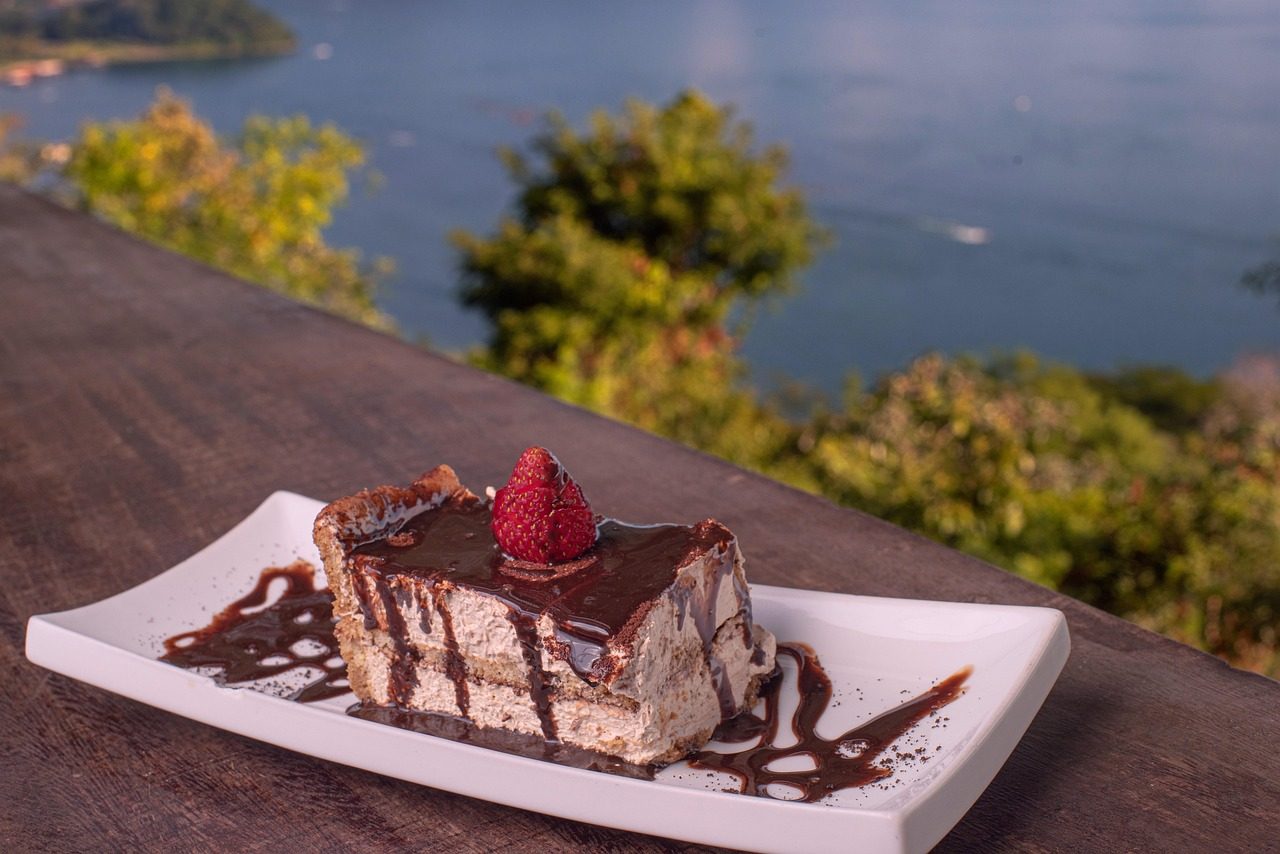
Western European consumers – across Italy, France, the United Kingdom, Spain and Germany – rarely pass up a chance for something sweet, according to Datassential’s Desserts in Europe report, which surveyed approximately 500 consumers in each country. In fact, almost all consumers surveyed across all five countries say they eat dessert – ranging from a bowl of fresh fruit to pastry or cheesecake – at some point every day.
However, in Italy, dessert is most commonly consumed at breakfast. Overall, when asked how often they enjoyed a dessert when dining out, Italian consumers reported the most, at 2.2, on average, in the last week, while Brits claimed the fewest, at 1.1. Italy shows us how deeply dessert integrates into daily rhythms when it becomes part of the morning meal itself.
The Netherlands’ Sweet Tooth Statistics
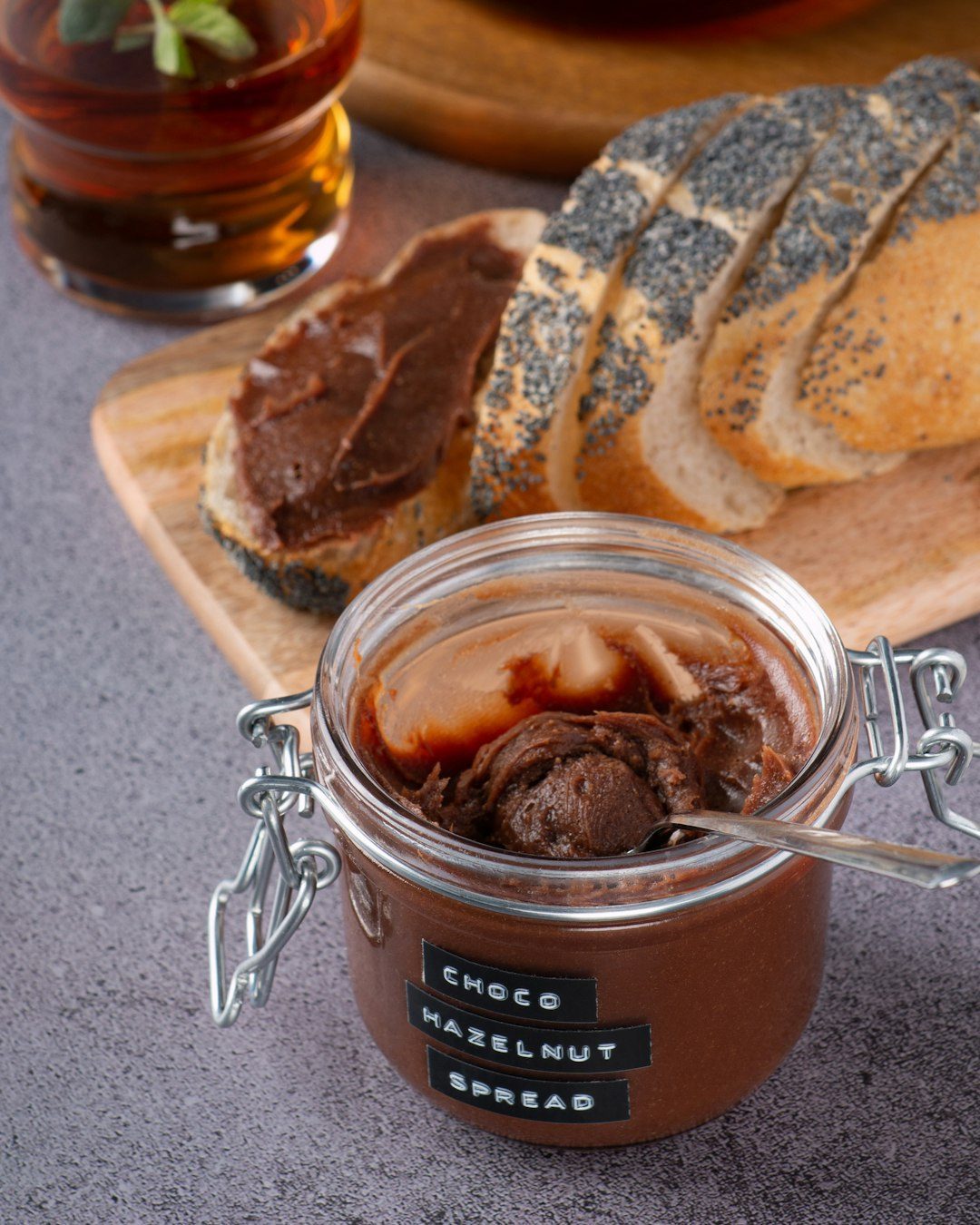
The Netherlands comes third on our list. Sources indicate that the per capita sugar consumption is 102.5 grams per day, doubling the WHO’s recommended amount of 50 grams. According to the National Library of Medicine (NLM), the main foods accounting for the high sugar intake in the Netherlands include non-alcoholic beverages, cakes, cookies, candy, sweets, dairy, chocolates and other sweet foods.
What strikes me as remarkable is how normalized these consumption levels have become. The NLM further indicates that very few people adhere to the WHO guidelines on low sugar intake of less than 5% of total energy. When daily dessert consumption becomes this routine, we’re looking at a fundamental shift in eating culture.
United States: The Sweet Consumption Champion
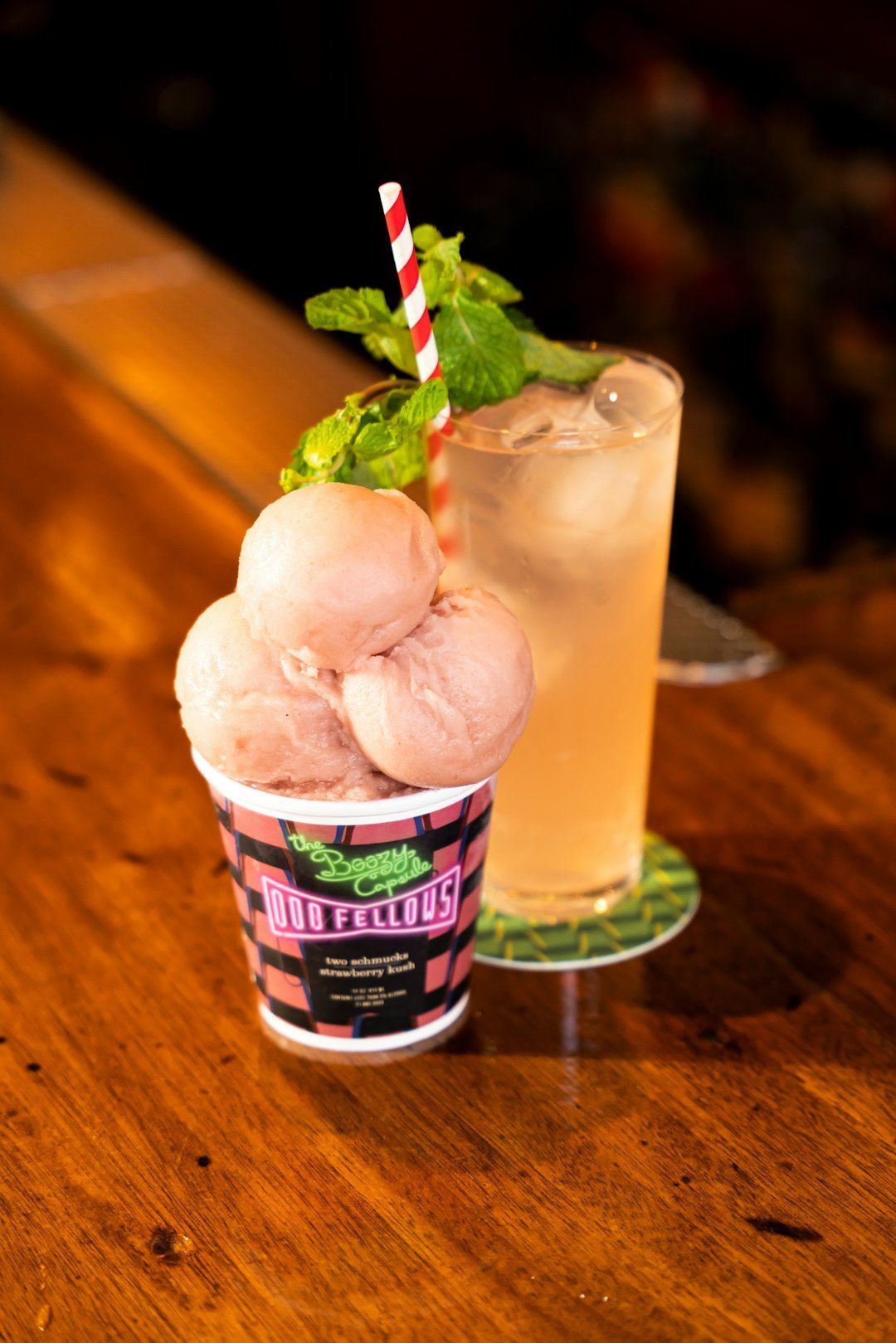
The United States is the biggest consumer of sugar on the globe. According to sources, the country’s per capita sugar consumption is 126.4 grams daily. That translates to more than ten times the lowest recommended intake of 11grams per day. In a survey from late 2023, 53% of consumers reported they had dessert in the past day, and 18% admit that they eat desserts once a week.
The American dessert culture has evolved into something quite extraordinary. With the average American indulging in 23 pounds of ice cream per year, it’s no wonder the global ice cream market is set to skyrocket to nearly $100 billion by 2027. These numbers suggest dessert has transcended special occasions to become routine sustenance.
France’s Gourmet Dessert Dedication
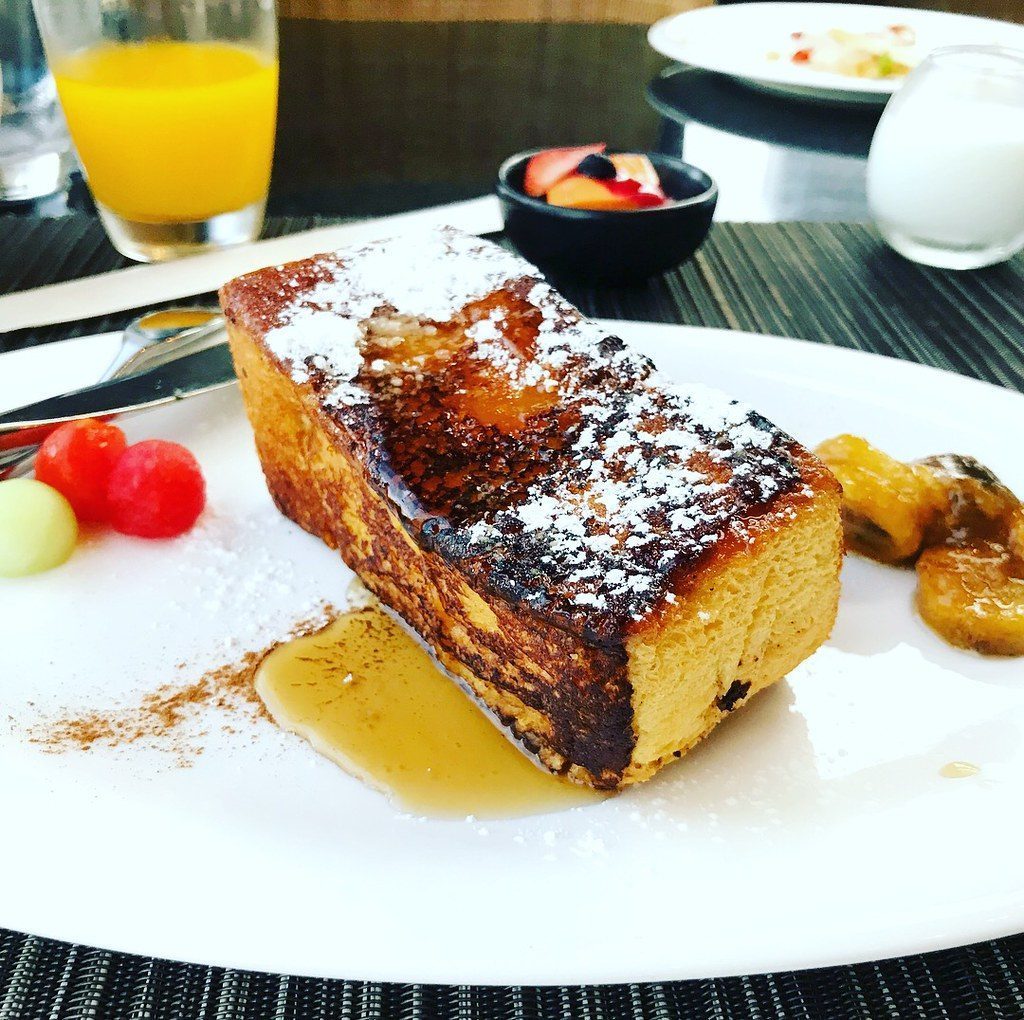
When it comes specifically to those who are most likely to order a dessert at a restaurant or other foodservice operation, French consumers rank No. 1. They are most likely to order a dessert at least a quarter of the time they eat lunch or dinner at a restaurant or other foodservice operation, followed closely by Spanish consumers.
In France, this is most often crème brûlée, tied with fresh fruit, chocolate mousse, and fondant au chocolat (chocolate lava cake.) In France, home-made desserts are more common in comparison with other European countries, but there are still plenty of ways for foodservice operators to market their desserts for takeaway. France demonstrates how dessert culture maintains both tradition and daily accessibility.
South Korea’s Traditional Sweet Transformation
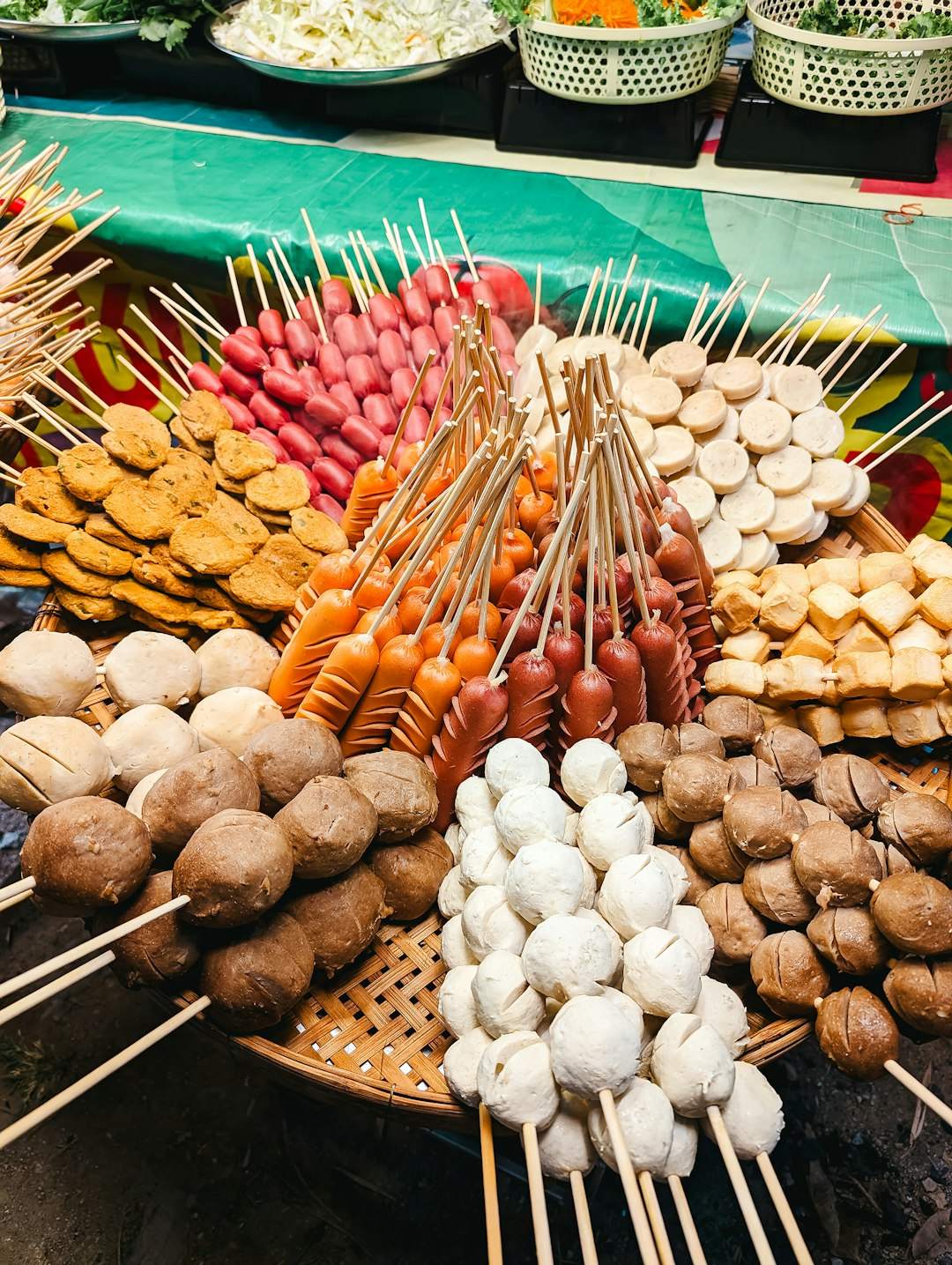
Retro has become the latest dessert fad in South Korea. Dubbed “halmaenial,” the trend has seen millennials embrace the tastes and preferences traditionally associated with their grandparents’ generation. Young Koreans are falling head over heels for traditional Korean desserts. These delicious treats are not only a feast for the eyes – thanks to their colorful, attractive presentation – but also full of nutritious goodness.
Traditionally, seasonal fruits are favorite desserts for Koreans: strawberries in spring, watermelon and yellow melon in summer, and apples and pears in autumn and winter. Tea and coffee are popular drinks to have after a meal as well. In the past, it was customary in Korea to serve tea, sweets, cookies and rice cakes to guests outside of formal meal times or as snacks during meetings. These delicacies were elegantly arranged on plates to please the eye, arouse the taste buds and stimulate conversation.
Japan’s Wagashi and Modern Sweet Culture
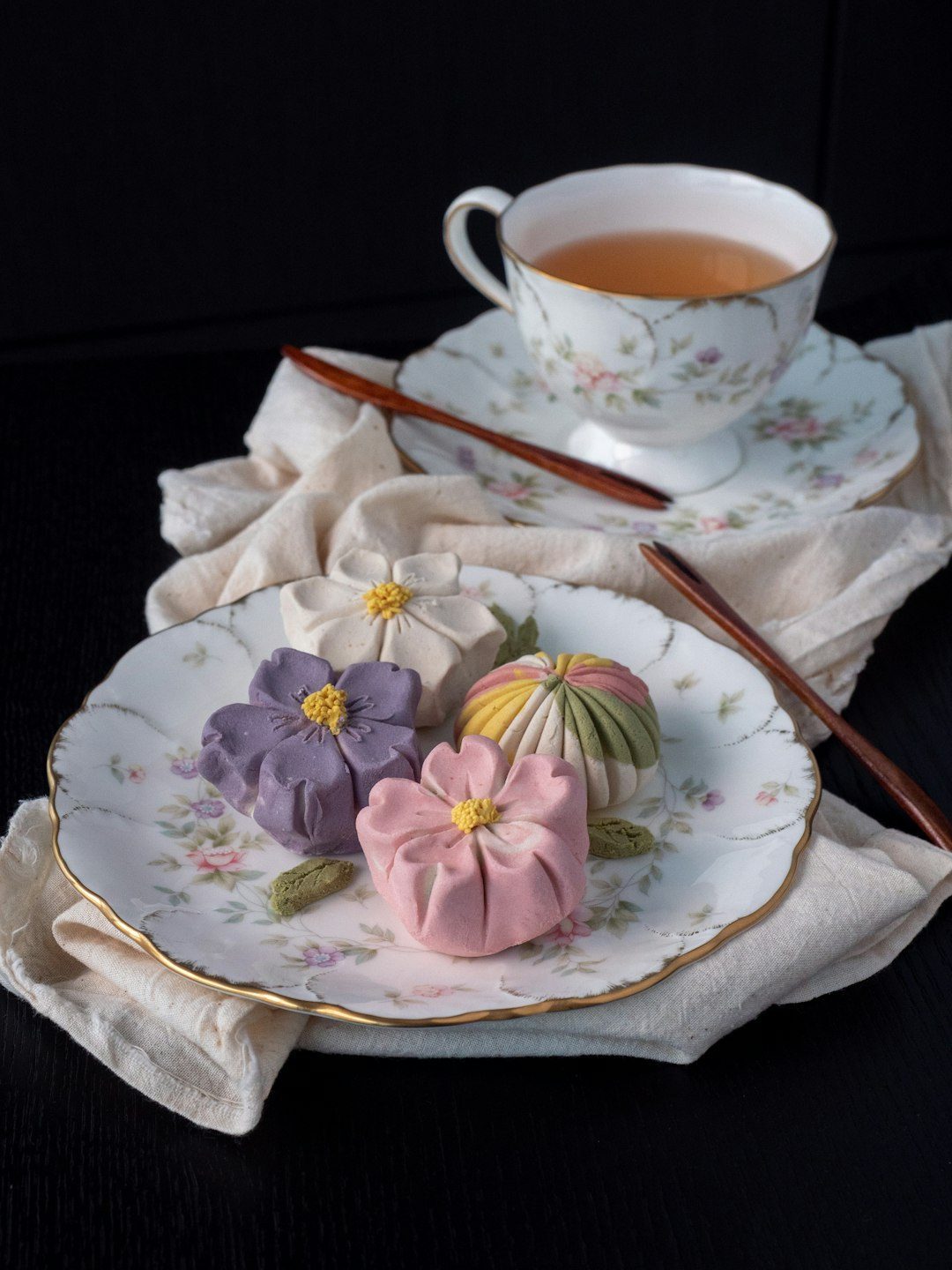
In Japan, the Confectionery Market is heavily influenced by the country’s unique cultural traditions and preferences. Traditional Japanese sweets, or wagashi, continue to hold a significant market share, with consumers favoring their distinct flavors and textures. Sweets are hugely popular in Tokyo, especially among the local young female crowd, with new trends constantly emerging and fads changing rapidly. What’s driving Tokyo’s trendy sweets scene is the “kawaii” (cute) and photogenic visuals.
The meals segment continued to dominate the airline food service market, holding approximately 46% of the market share in 2024. However, the quality remained questionable at best./p>
Turkey’s Growing Dessert Market
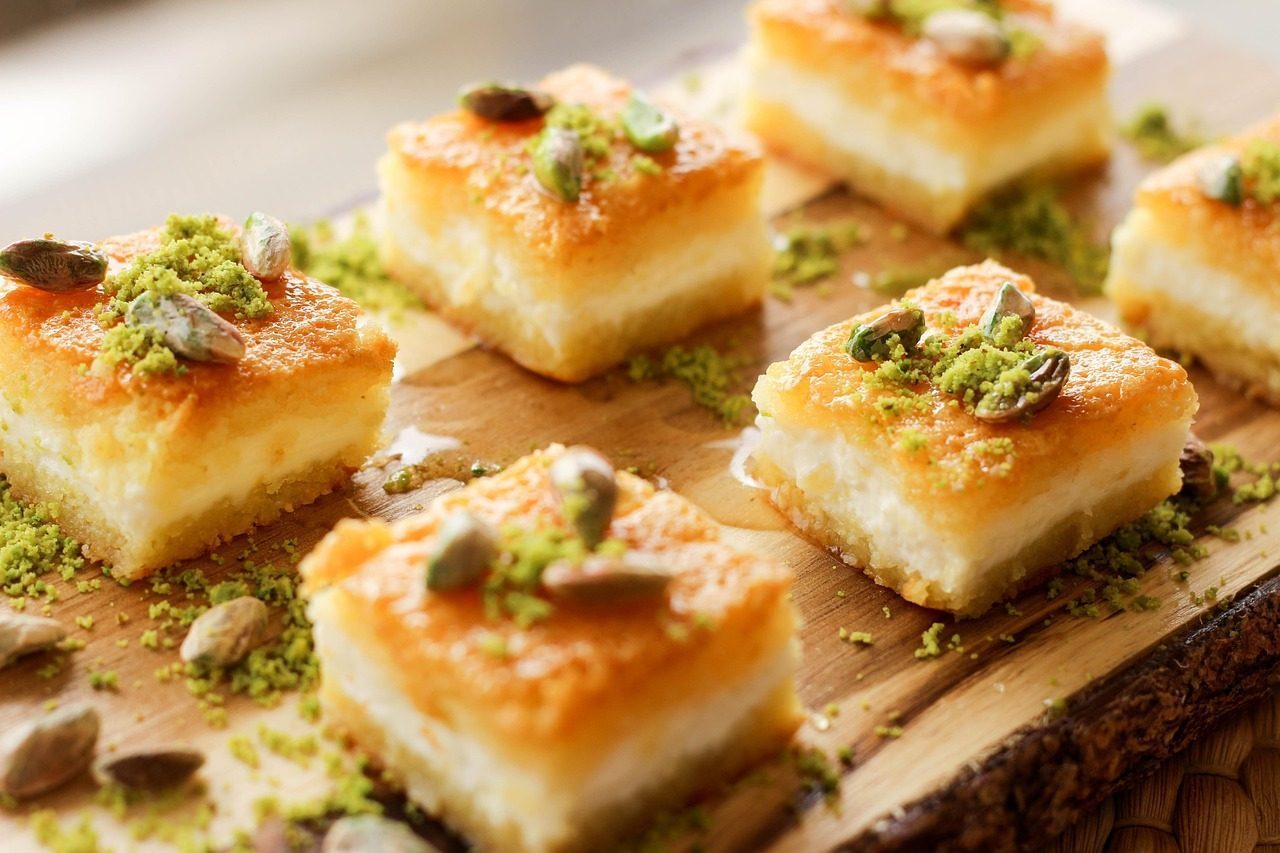
Ice cream in Turkey is expected to record double-digit growth in retail volume and current value sales in 2025. The Turkish market represents an interesting case where dessert consumption appears to be transitioning from occasional to more frequent. Turkey’s position as both a European and Middle Eastern cultural bridge creates unique dessert traditions that locals embrace daily.
Traditional Turkish sweets like baklava and lokum have evolved from special occasion treats to everyday indulgences. The growth statistics suggest Turks are incorporating more dessert variety into their daily routines, matching patterns we see across other countries where desserts have become normalized.
The Economics Behind Daily Dessert Culture
By 2023, the market value had escalated to USD 553.11 billion. The upward trend continued, with estimates placing the market at USD 586.20 billion for 2024 and a further increase to USD 619.20 billion in 2025. In the restaurant industry, 60% of operators offered desserts as a regular part of their menus.
These numbers tell us something profound about global eating patterns. The global desserts market was expected to reach $114.3 billion by 2024. When markets grow this consistently, it indicates consumer behavior has fundamentally shifted. Desserts aren’t luxury items anymore; they’re expected components of daily food culture.
The evidence is overwhelming. From Germany’s sugar consumption levels to Korea’s traditional dessert renaissance, from France’s restaurant dessert habits to America’s astronomical ice cream intake, dessert has evolved from special treat to daily ritual across numerous countries. These aren’t just statistics about sweet preferences; they represent a fundamental cultural transformation where dessert has become as routine as any other meal component.
How Social Media Turned Dessert Into Performance Art

Instagram didn’t just change how we share food photos – it fundamentally altered dessert consumption patterns worldwide. The rise of “Instagrammable desserts” has created an entirely new category of daily treats that people actually plan their days around. In Tokyo, cafés report that 73% of customers photograph their desserts before eating them, and this behavior has spread globally at shocking speed. We’re not just eating dessert anymore; we’re curating experiences, and that psychological shift makes daily dessert consumption feel less indulgent and more like participating in culture. The viral nature of elaborate desserts – from Dubai’s gold-flaked pastries to Seoul’s towering bingsu – has normalized the idea that dessert deserves the same attention as main courses. What’s particularly fascinating is how this digital phenomenon has actually increased foot traffic to dessert-focused establishments by up to 40% in major cities, proving that social media influence translates directly into real-world eating habits. Young adults aged 18-34 now visit dessert shops an average of 2.3 times per week, compared to just 0.8 times weekly a decade ago.