5 of the Poorest Towns in America That Still Offer a High Quality of Life
Poverty statistics paint a stark picture, but they rarely tell the whole story. In 2024, the official national poverty rate fell to 10.6 percent, with 35.9 million people still living in poverty across the United States. Yet hidden inside those numbers are towns and cities where low incomes and genuine livability coexist in ways that consistently surprise outsiders. Community, culture, affordable housing, and natural surroundings are things no census spreadsheet can fully capture – and the places below prove that point better than most.
1. Detroit, Michigan – The Comeback City Carrying a Heavy Weight
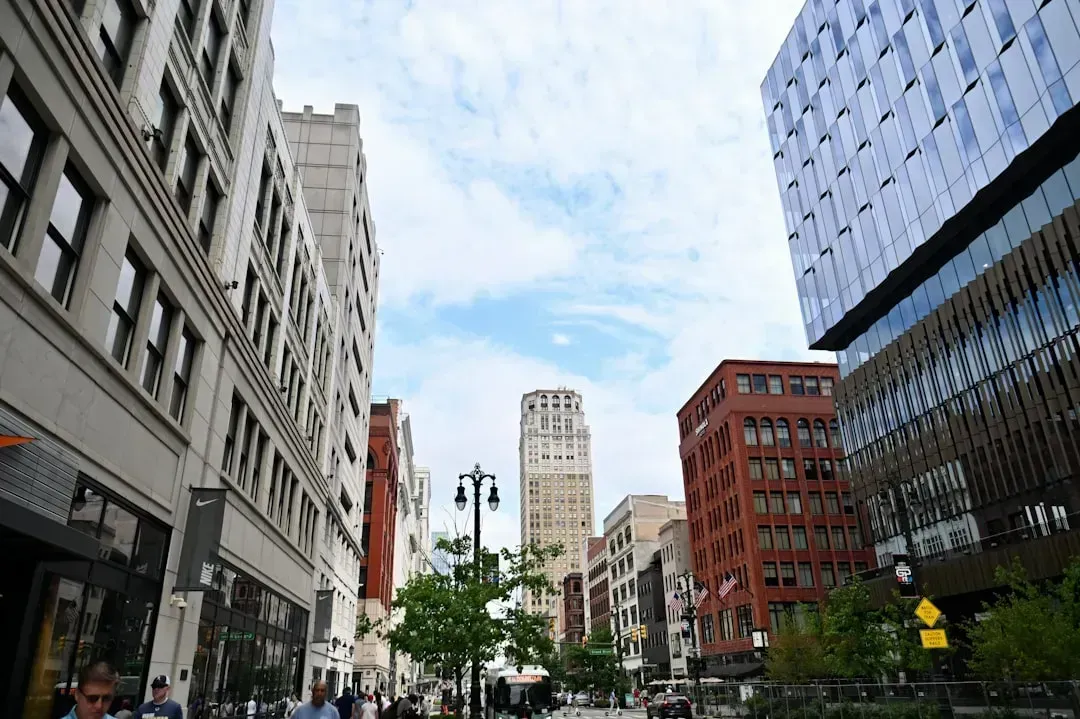
Amid Detroit’s much-discussed comeback, more than a third of the city’s residents experienced poverty in 2024, a rate higher than any the city has seen since 2017, according to data released by the U.S. Census Bureau. Detroit’s poverty rate stood at 34.5%, up from 31.9% in 2023, while the median household income increased only slightly from $38,080 to $39,209. In 2024, Detroit had the highest poverty rate of any city with a population greater than 500,000 people. Those numbers are real, and anyone honest about the city has to acknowledge them without flinching.
Still, Detroit has assets that dollars-and-cents data simply cannot account for. A small but significant part of downtown has made a genuine comeback, led by Rocket Companies founder Dan Gilbert, who has invested hundreds of millions of dollars into the area, while Ford spent $950 million refurbishing the iconic Michigan Central Station. For two consecutive years, over 90 percent of Detroit’s labor force has been employed, with 93 percent of Detroit residents currently employed, up from 82 percent in 2014. The city’s housing costs remain remarkably low, its arts and music scene is nationally recognized, and its sense of community identity is as fierce as anywhere in the country.
2. Cleveland, Ohio – Slow Progress With Big Cultural Wins
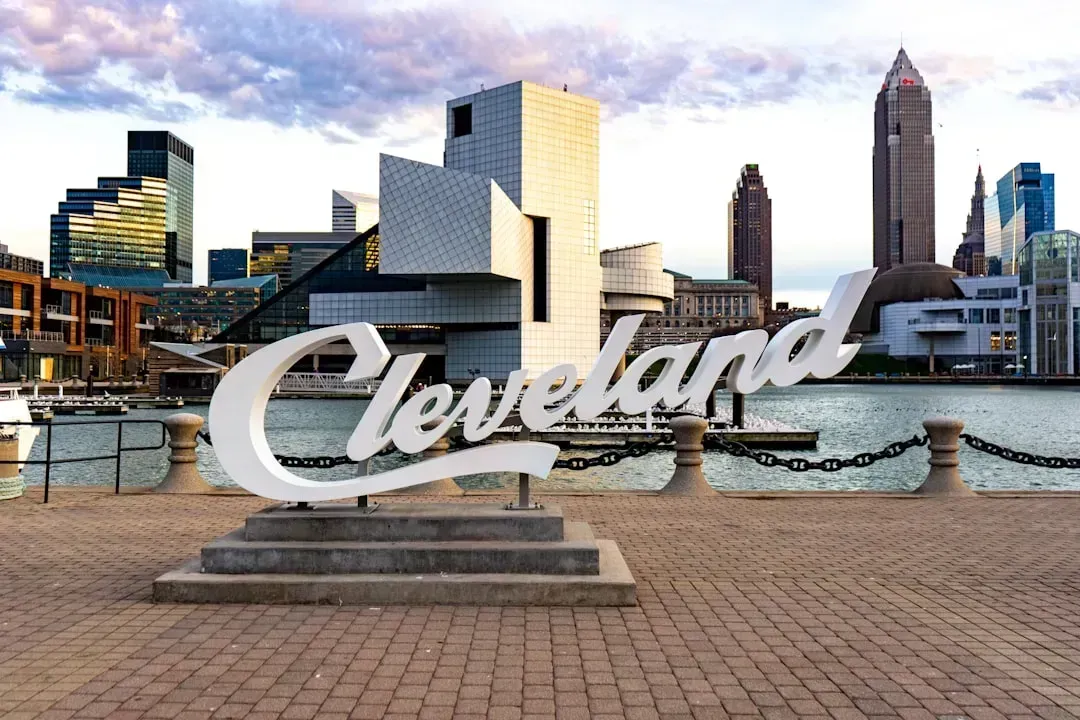
Poverty rates for Cleveland decreased from 30.7 percent in 2023 to 28.3 percent in 2024, and the city saw an estimated 7,000 fewer people living in poverty alongside an overall population increase of around 4,000 residents. That turnaround reflects something real happening on the ground. For the first time in recent years, the population of Cleveland actually increased instead of decreasing. Ten years ago the population was just over 376,000 residents, with gradual decline until 2024, and increases in population in mid-sized cities like Cleveland typically lead to economic growth, community stability, and eventual decreases in poverty.
The Rock and Roll Hall of Fame, a spectacular lakefront, a nationally respected medical corridor anchored by the Cleveland Clinic, and affordable housing make daily life here far better than the numbers first suggest. For anyone who loves culture, sports, and a city with something to prove, Cleveland delivers in ways that routinely surprise outsiders. The cost of living remains well below national norms, which means that even modest incomes stretch considerably further here than they would in most American cities. Cleveland is a place where real estate, dining, and entertainment are all within reach of families that elsewhere would be priced out entirely.
3. Hartford, Connecticut – Poorest City in a Wealthy State
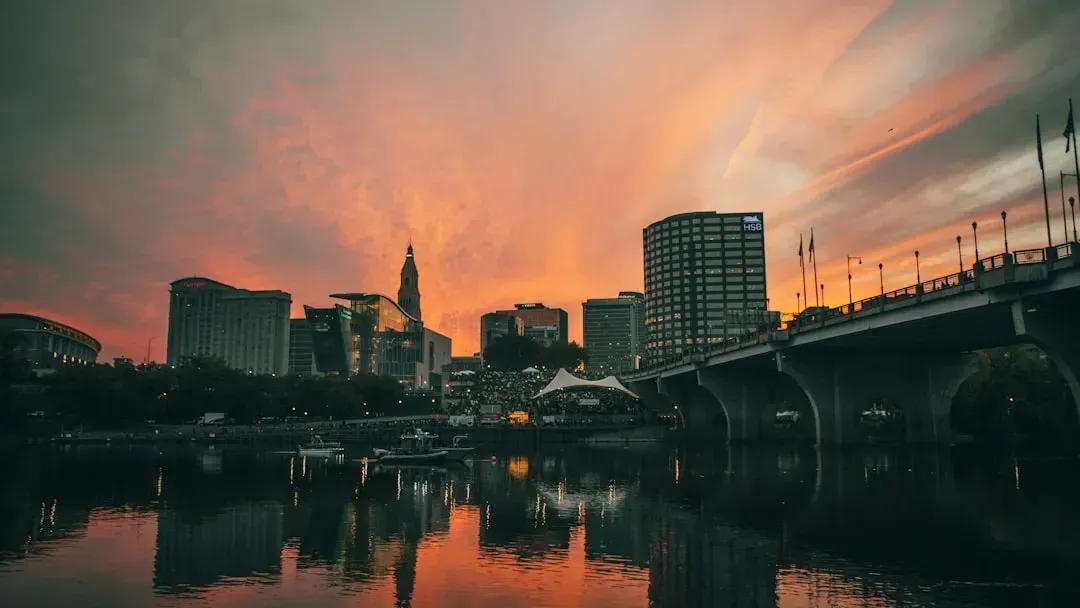
Hartford ranked among the poorest cities in the U.S. in 2025. Hartford may be poor, but it is located in one of the richest states in the country, where underfunded schools and limited job opportunities remain real concerns. Following the Civil War, Hartford was actually the richest city in the United States, largely due to the Industrial Revolution, but the once-busy factories shut their doors long ago, and today Hartford is the poorest city not just in one of the richest states but in the entire country. That contrast is genuinely hard to process when you stand on its streets.
The city has world-class museums, including the Wadsworth Atheneum, the oldest public art museum in the country, and residents benefit from Connecticut’s extensive public infrastructure, including transit links and state-funded social services that are among the most generous in the nation. The proximity to Yale University’s medical system, strong nonprofit networks, and a deeply historic urban core give residents access to services and cultural richness that pure income statistics completely miss. Surrounded by one of the wealthiest regions in America, Hartford residents can access resources that most low-income cities could only dream of.
4. Laredo, Texas – Bicultural Identity on the Rio Grande

About 22.4 percent of Laredo, Texas residents had an income below the poverty level in 2023, which was nearly 39 percent greater than the poverty level across the entire state of Texas. The 2025 projected population for Laredo is 263,619, with the city ranked as the 11th most populated in Texas, growing at an annual rate consistent with U.S. Census Bureau estimates. The economic pressures here are undeniable, rooted in geography, migration patterns, and a labor market that has historically struggled to keep pace with population growth.
Despite that, Laredo has a vibrant binational culture, a deeply rooted family structure, and a sense of community identity that feels almost unshakeable. Its bicultural heritage means residents enjoy two distinct traditions of food, music, celebration, and language that give the city a richness no income bracket can measure. The city has been actively working on solutions, with the City Council developing formal plans to incentivize developers to build affordable multi-family housing, and within the 2024–2025 city budget, about $1 million was earmarked for housing programs including support for first-time homeowners. The median property value in Laredo remains far below national averages, meaning that for many working families, homeownership is still an achievable reality.
5. Dayton, Ohio – Aviation Roots and Honest Progress
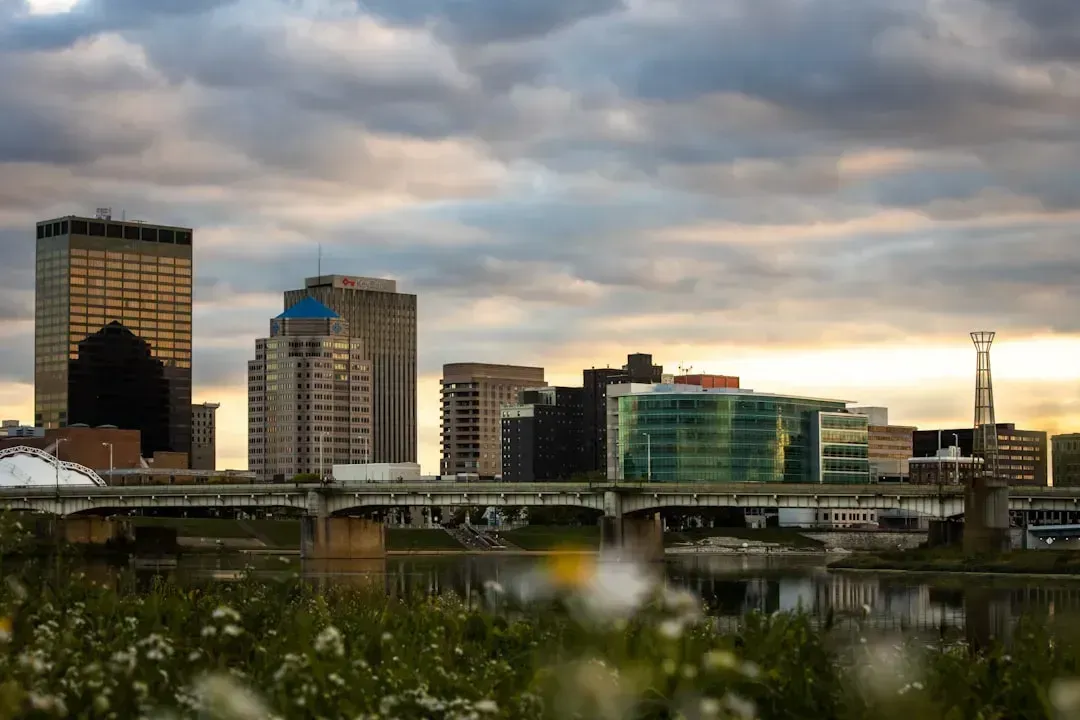
The cost of living in Dayton is 3.5 percent below the national average, the unemployment rate dropped to 4.9 percent compared to 5.3 percent in 2024, and severe housing problems fell from 11.3 percent in 2024 to 10 percent in 2025. These are modest gains, but they represent a steady direction of travel that residents and city planners are quietly proud of. Dayton has faced decades of deindustrialization and population loss, yet the city has refused to define itself entirely by those setbacks.
Dayton is the birthplace of aviation and home to the National Museum of the United States Air Force, the largest military aviation museum in the world, which is free to the public – the kind of civic asset that makes daily life more interesting in ways that income statistics never account for. The city’s arts district and river corridor have attracted genuine investment and new energy in recent years. Access and convenience make it easier for residents to navigate daily life, and proximity to parks, jobs, grocery stores, public transit, and libraries all play a role in creating a vibrant, enjoyable community. For a city still working through serious economic challenges, Dayton offers a daily quality of life that continues to outperform what its poverty numbers would lead you to expect.