10 Bands Critics Once Slammed – Now Considered Legends
There is something deeply satisfying about watching the critics get it spectacularly wrong. Music history is littered with moments where the gatekeepers of taste dismissed the very bands that would go on to define entire generations. Honestly, it is almost a rite of passage. The louder the booing from the press, the bigger the legacy seems to become.
What makes this pattern so fascinating is how often it repeats itself. A new sound arrives, writers struggle to put it in a box, and out come the poison pens. Years later, those same publications quietly revise their star ratings and act like nothing happened. Let’s dive in.
1. Led Zeppelin – Too “Foppish” to Matter
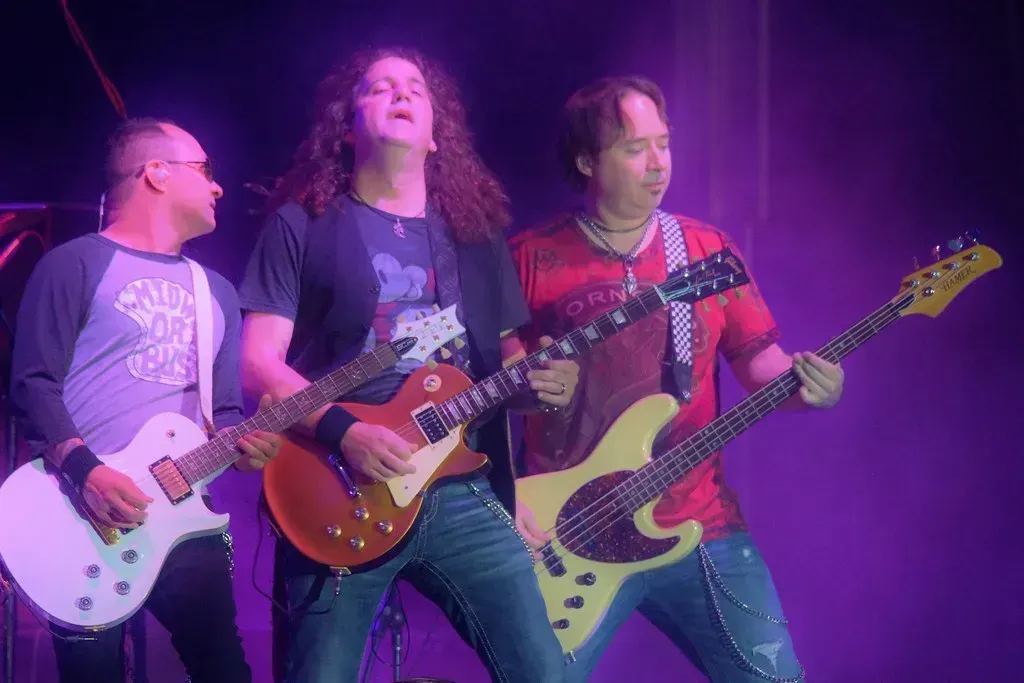
Led Zeppelin’s self-titled debut album, now ranked among the greatest rock records ever made, was not initially received well by critics. That’s putting it politely. Rolling Stone famously panned the band by criticizing everything from their authenticity, calling them a lesser version of the Jeff Beck Group, to Jimmy Page’s multiple roles, referring to him as “a very limited producer and a writer of weak, unimaginative songs.”
Robert Plant was compared unfavorably to Rod Stewart. The entire band was dismissed as derivative and overblown. Critics on both sides of the Atlantic seemed to line up just to take a swing. Numerous publications in England also tore into their fellow countrymen, yet these nay-saying voices were soon drowned out by fans who bought the debut en masse, launched it to No. 10 on the Billboard 200, and eventually put the source of songs like “Good Times Bad Times” and “Communication Breakdown” in the Grammy Hall of Fame in 2004.
2. Black Sabbath – Just Noise From Birmingham

Upon release in the U.K. on February 13, 1970, the Black Sabbath debut album received mixed to negative reviews. Critics such as Lester Bangs dismissed it as a stiff imitation of Cream, while Robert Christgau was equally scathing. The band’s dark, heavy sound struck most tastemakers as clumsy and simplistic. The album was given negative reviews by many critics. Lester Bangs dismissed it in a Rolling Stone review as “discordant jams with bass and guitar reeling like velocitised speedfreaks all over each other’s musical perimeters.”
Here is the thing though – fans didn’t care. It sold in substantial numbers despite being panned, giving the band their first mainstream exposure, and has since been certified Platinum in both the US and UK, and is now generally accepted as the first heavy metal album. In 2003, Rolling Stone ranked the debut No. 241 on its “500 Greatest Albums of All Time,” and in 2017, placed it fifth on its “100 Greatest Metal Albums of All Time.” From noise to holy text. Quite the journey.
3. The Velvet Underground – Too Dark and Too Weird
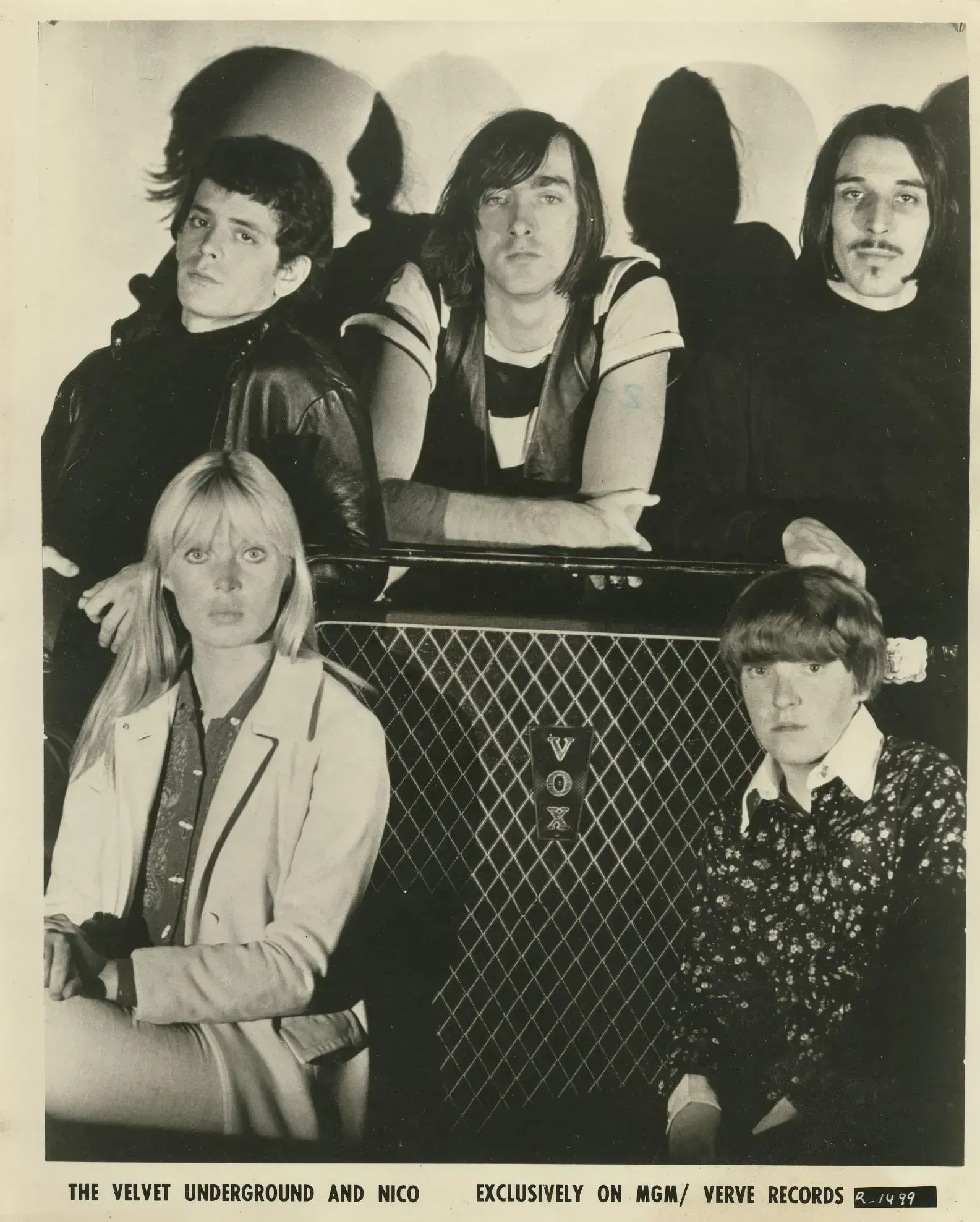
Original source: Publicity photo circulated to press by MGM Records/Verve, Public domain)
Their 1967 debut, featuring the iconic Warhol banana cover, sold poorly and was widely hated by critics for its dark focus on drug addiction, sado-masochism, and urban decay. While the rest of the world was celebrating the Summer of Love, Lou Reed and John Cale were exploring the sonic possibilities of drones and dissonance. Early reviews called them gimmicky. One San Francisco paper described their live show as “if this is what America’s waiting for, we are going to die of boredom… joyless.”
The reversal of fortune is nothing short of staggering. The Velvet Underground are in all probability the most influential band in the entire history of rock music. One of the most widespread anecdotes in rock music, attributed to Brian Eno, is that only a tiny fraction of people initially bought their first album, and today each one of them is either a music critic or a rock musician. The Velvets gave birth to pessimistic psychedelic rock and that which one day came to be known as New Wave. Not bad for a band critics called boring.
4. Queen – An Embarrassment to Serious Rock

Queen was at once one of the most popular and beloved rock bands of all time, yet treated as an embarrassment by serious critical opinion. Especially during their rise and height of popularity in the 1970s and ’80s, critics considered the band at best a karaoke-guilty pleasure, at worst genuinely dreadful, even offensive music. The gap between public love and critical contempt was enormous. Think of it as a stadium full of screaming fans versus one snooty reviewer shaking his head in the corner.
It’s a more extreme delta between the public and the critics than almost any other legacy rock band. The kind you’d expect from a novelty act or one-hit wonder, not one of the best-selling and influential rock bands of all time. Yet Queen’s enduring victory is that they remained relevant and loved despite the critics, proving that popularity, hit songs and star power eventually win out over fads, fashion and serious opinion. History settled the debate a long time ago.
5. The Rolling Stones – Slightly Missing the Mark
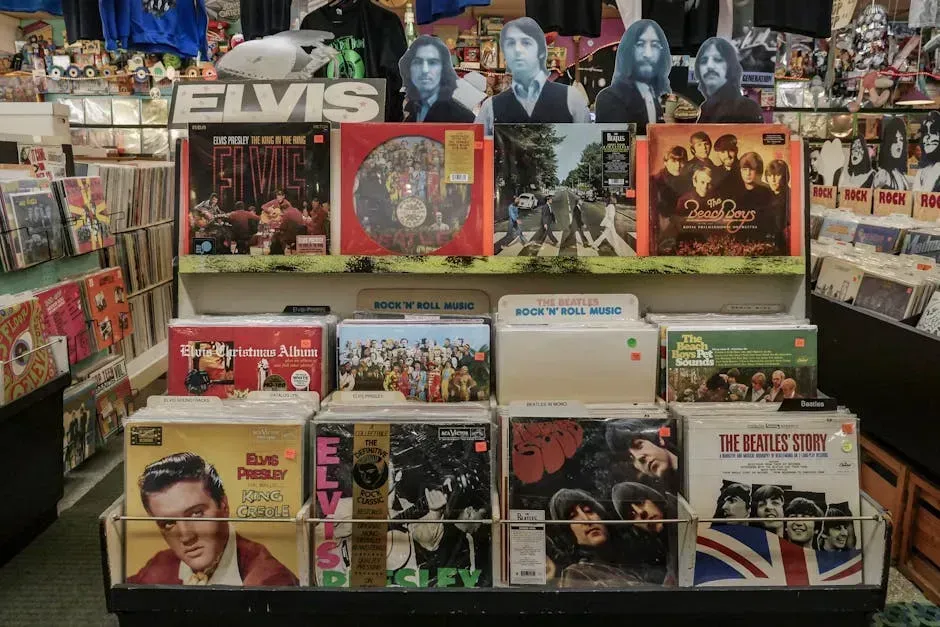
When the Rolling Stones released “Exile on Main St.” in 1972, critics collectively yawned at what they deemed inconsistent and what Rolling Stone writer Lenny Kaye said “once again slightly miss[ed] the mark” and left him thinking the best Stones album of the band’s mature period was yet to come. Kaye wasn’t alone in his opinion. It sounds almost comical in retrospect. The album they dismissed is one of the most treasured double albums in rock history.
However, “Exile on Main St.” would later be deemed not just the best album of the Stones’ career, but also one of the greatest rock records in music history. In fact, in 2003, Rolling Stone ranked it No. 7 in its list of the 500 Greatest Albums. Critics at the time considered it “too long” and “uneven,” yet relatively quickly, it turned out to be yet another Stones classic enshrined as one of the best around. Hindsight is a brutal thing.
6. KISS – A Gimmick in Makeup
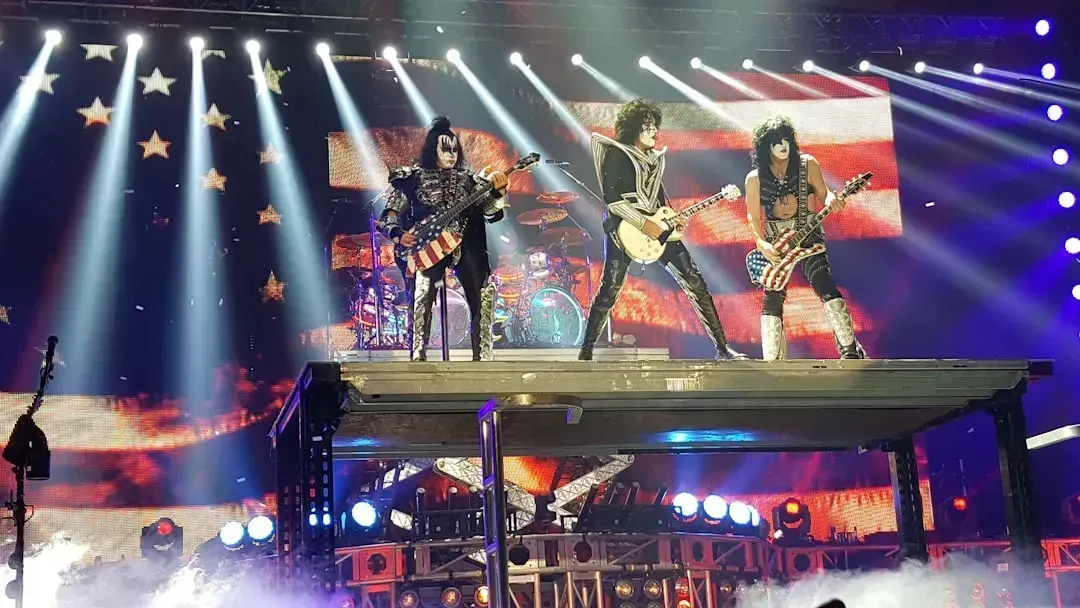
Nobody does spectacle like KISS, and nobody got more grief for it either. Critics spent decades calling them a gimmick, a marketing machine, a band more interested in lunchboxes than licks. But in 2014, the Rock and Roll Hall of Fame said otherwise, and that building does not hand out plaques to gimmicks. The fire-breathing, the face paint, the platform boots – all of it was treated as evidence that there was nothing real underneath.
The makeup was the point. KISS understood that rock and roll was theater before most bands admitted it. Gene Simmons breathing fire and Paul Stanley working a crowd of 80,000 people was not a distraction from the music. It was the whole package, delivered with maximum commitment. It is easy to forget that KISS pioneered many aspects of a rock show that are now so commonplace they are taken for granted – pyrotechnics, elaborate stage designs, extravagant outfits, fervent crowd interaction. Every arena rock show since owes them a debt.
7. The Stooges – Three-Chord Sludge

Critics at the time were baffled by Iggy Pop’s confrontational stage presence and the band’s repetitive, three-chord sludge. However, as the 1970s progressed, their raw, aggressive minimalism became the literal blueprint for the entire punk movement. By the time the Sex Pistols and The Ramones emerged, they weren’t just fans of The Stooges – they were disciples. What the press dismissed as crude and tuneless turned out to be the most radical creative statement of the era.
What was once dismissed as mere “noise” was revealed to be a radical stripping away of rock’s pretension, leaving behind a pure, dangerous energy that redefined what it meant to be a rock band in the modern age. I think it’s one of the most satisfying reversals in all of rock history. The band that sounded like it was falling apart was actually building something entirely new. Every punk, post-punk, and garage band since has been living in their shadow.
8. The Beatles – Nothing Special on Abbey Road
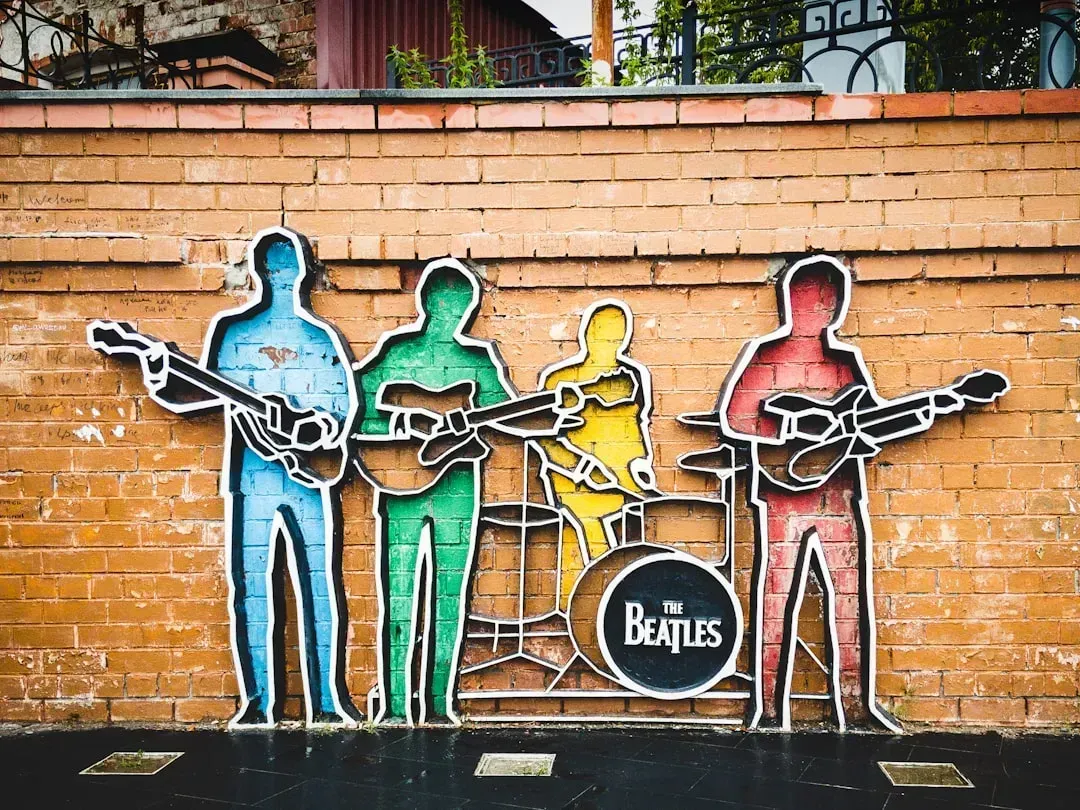
If “Abbey Road,” a masterpiece by the Beatles, can appear on this list, then clearly no record is safe. The Fab Four’s 11th studio album was turned into road kill by critics like Nik Cohn of The New York Times, who said the tracks are “nothing special.” Even the sainted Beatles were not immune from baffling critical misjudgment. Sgt. Pepper got similar treatment from certain corners. One critic branded the entire Sgt. Pepper record as an “undistinguished collection of work,” and even attacked the famous cover – lauded today as one of the most creative album designs of all time – as “busy, hip, and cluttered.”
Critics were also experiencing a time-compressed innovation cycle that even the greatest high-tech companies have never matched. That’s not so much a failing of music journalists as testimony to the towering achievements of the most amazing quartet in 20th century music. It’s hard to say for sure whether those reviewers knew they were wrong in the moment, or whether the sheer velocity of the Beatles’ evolution simply left everyone behind. Either way, the verdict of history couldn’t be clearer.
9. Guns N’ Roses – Too Much Chaos
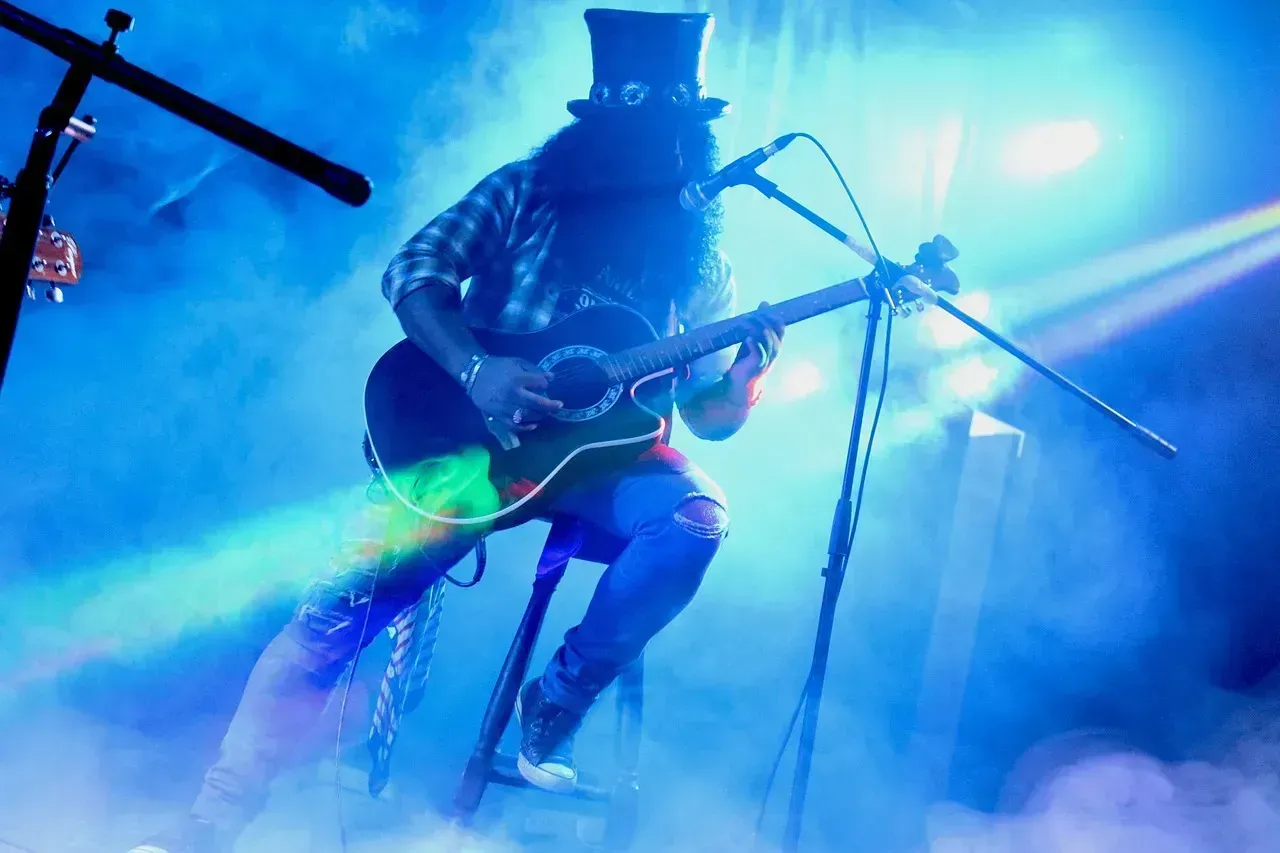
Guns N’ Roses were a mess, and they were magnificent because of it. Band drama, legendary lateness, public feuds, and an ego collision so spectacular it became its own tabloid genre. The Rock Hall inducted them in 2012 anyway, because the music was simply too important to leave out. Critics struggled to take them seriously for years, focusing on the circus rather than the songs. It was a mistake of historic proportions.
Appetite for Destruction is one of the best debut albums in rock history. Welcome to the Jungle, Sweet Child O’ Mine, Paradise City – all on the same record. That’s an absurd concentration of classic songs for a first album. Slash’s guitar tone on that record became the blueprint for an entire generation of hard rock players. You can argue about everything else, but that debut speaks for itself in a way that makes argument feel slightly ridiculous.
10. My Chemical Romance – Lightweight Pretty-Boy Pop

My Chemical Romance, with their early 2000s output, initially received a deeply hostile reception from mainstream rock audiences and were ignored by critics. They were dismissed as lightweight, pretty-boy guitar pop. And yet the band are now sagely touted as “the last true rock band” and heralded with 10/10 retrospective album reviews. The turnaround in critical opinion has been almost vertiginous. The same outlets that shrugged them off later competed to crown them as generation-defining artists.
It is a pattern so familiar it almost feels scripted by now. They say hindsight is 20/20, and nowhere is this more apparent than in the world of music criticism. Time and again, great artists are panned upon their release, only to be later reappraised as geniuses. My Chemical Romance proved that a band can survive the critics entirely, build a devoted global audience on pure emotional honesty, and then watch the press come crawling back. Their story is, honestly, one of the most vivid modern examples of this entire phenomenon.