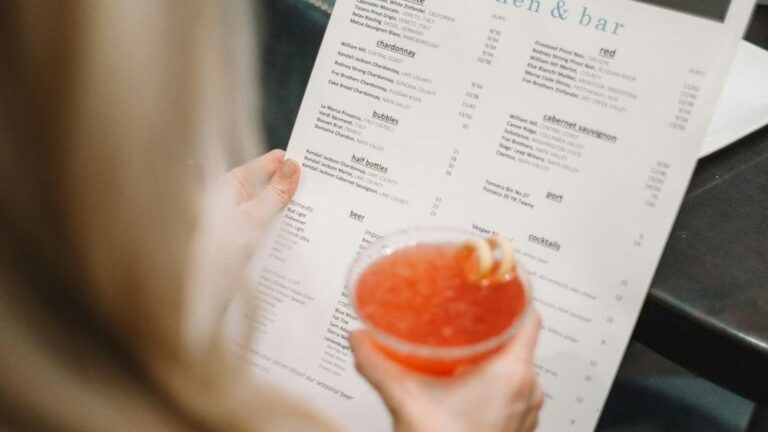
The Evolution of Dining – From Classic Diners to Delivery Apps, Data Shows
The dining landscape has undergone a seismic transformation in recent years, fundamentally reshaping how Americans eat, where they eat, and what they expect from their dining experiences. What began with classic diners serving comfort food to working-class communities has evolved into a sophisticated ecosystem of delivery apps, ghost kitchens, and technology-driven restaurants. This evolution reflects broader changes in society, from urbanization and technological advancement to shifting economic priorities and generational preferences.
In 1955, the restaurant industry comprised just twenty-five percent of the family food dollar, but by 2023, that number reportedly rose to approximately fifty-six percent, with Americans now consistently spending more on eating out than on groceries. This dramatic shift underscores a fundamental change in American dining culture that spans decades of evolution.
The Golden Age of American Diners
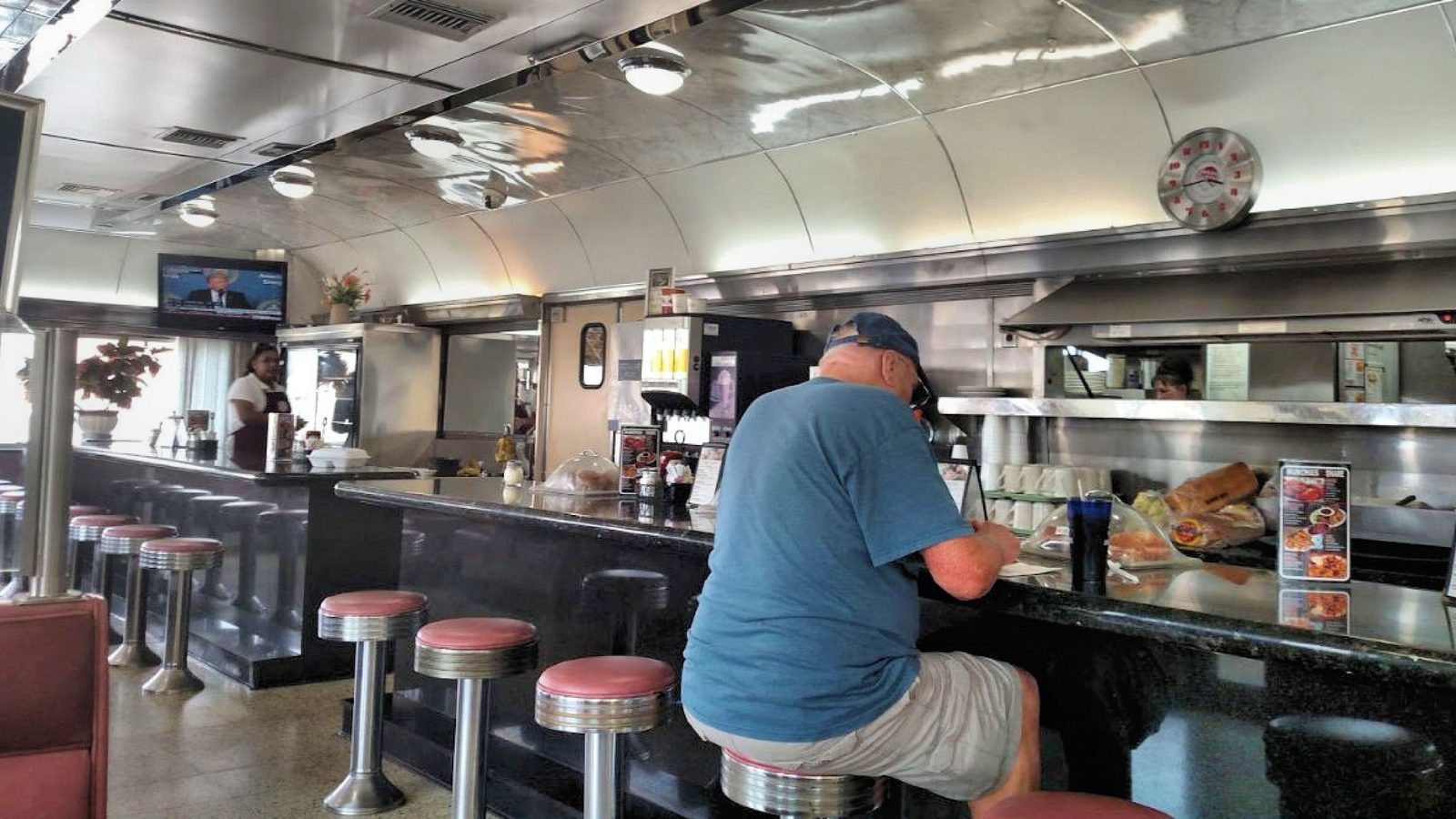
Classic diners retained an audience with the American middle-class, providing comfort and familiarity to people who had grown up with the working-class diner. These establishments were more than just restaurants; they were community gathering places that offered consistency through their prefabricated designs while maintaining individuality through varied food offerings and local management styles. At first, people who had grown up with the working-class diner were intimidated by the newer restaurants where they were unsure of how to dress or what codes of conduct were acceptable. Diners represented accessibility and democratic dining, where anyone could enjoy a hearty meal regardless of their social status or economic background.
The Rise of Fast-Food Franchising
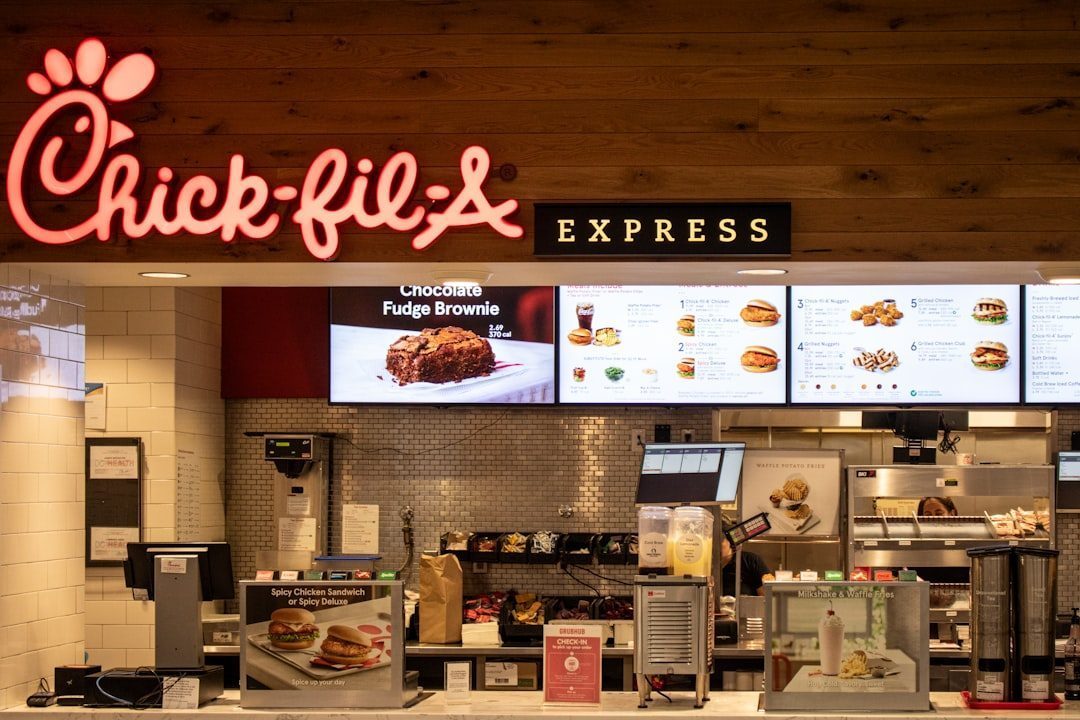
Creating a food franchise ultimately led to the decline of the American diner, as franchising ensured reliability and consistency, no matter what state or city the restaurant was located. The convenience of being able to spot a familiar franchise, and know it was a safe choice was widely appealing, and still is today. The McDonald brothers pioneered this transformation by introducing self-service walk-up counters and strategically building their restaurants in neighborhoods near schools and suburbs, attracting upper-class families with children. The McDonald brothers set a precedent for other entrepreneurs which allowed for the rise of other fast-food restaurants such as Carter’s, Biff’s, Hardee’s, Sandy’s, and many more, and along with the rise of the convenient fast-food restaurant came the decline of classic American diners.
The Current Diner Crisis
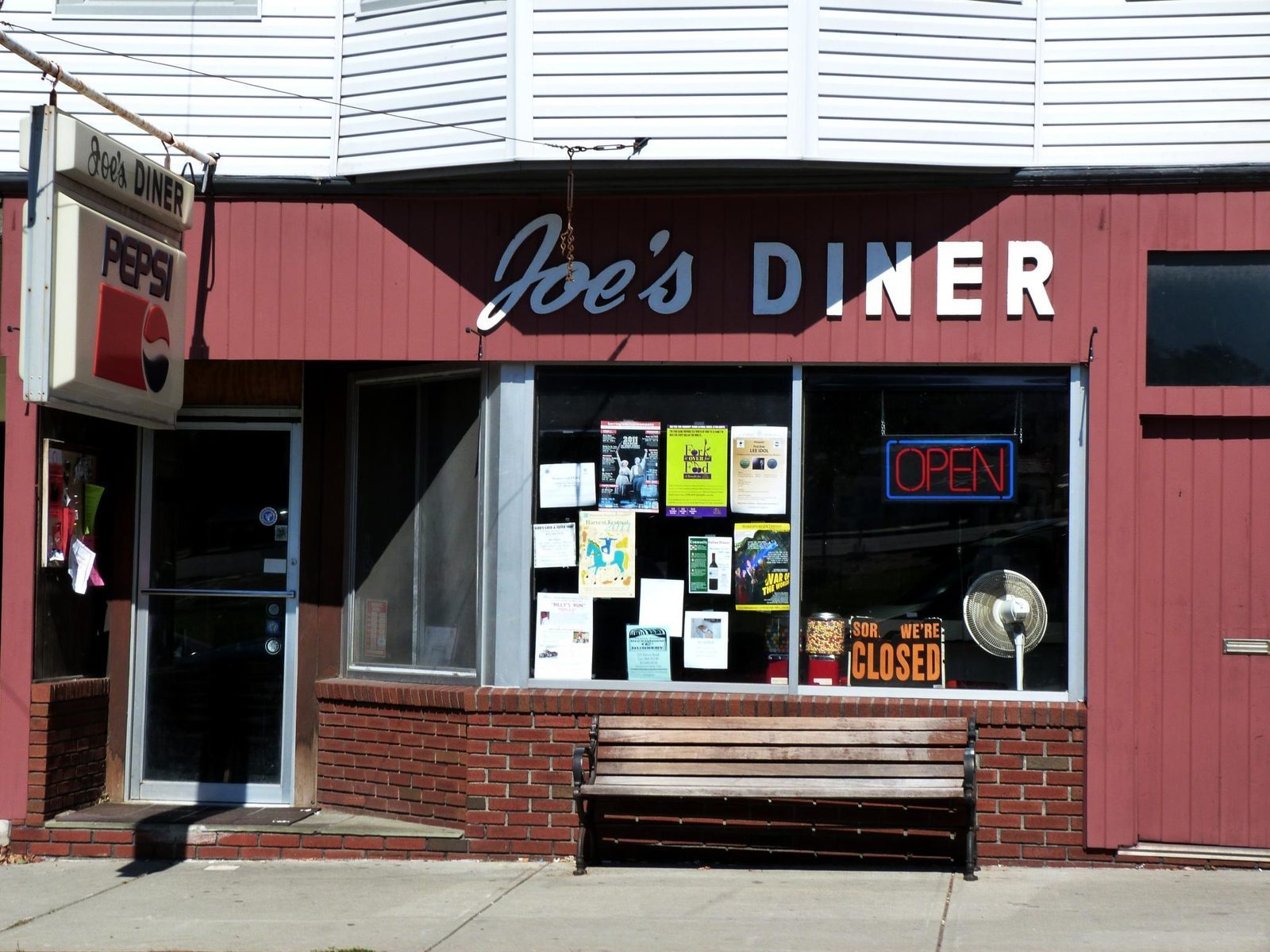
According to industry reports, 24/7 restaurants in the United States have declined significantly from 2020 to 2025, with this decline being especially pronounced in major metropolitan areas. Part of the challenge is that diners sell affordable food, and the profit margins can’t keep up with the rent, with rising rents and low profit margins forcing many diners across the U.S. to close. Rents are exorbitant right now, with landlords being greedy and trying to get as much as possible, which is why some of these diners are closing. This economic pressure has devastated iconic diner destinations, with Long Island experiencing numerous closures of beloved establishments that once served as community cornerstones.
Technology Integration in Modern Restaurants
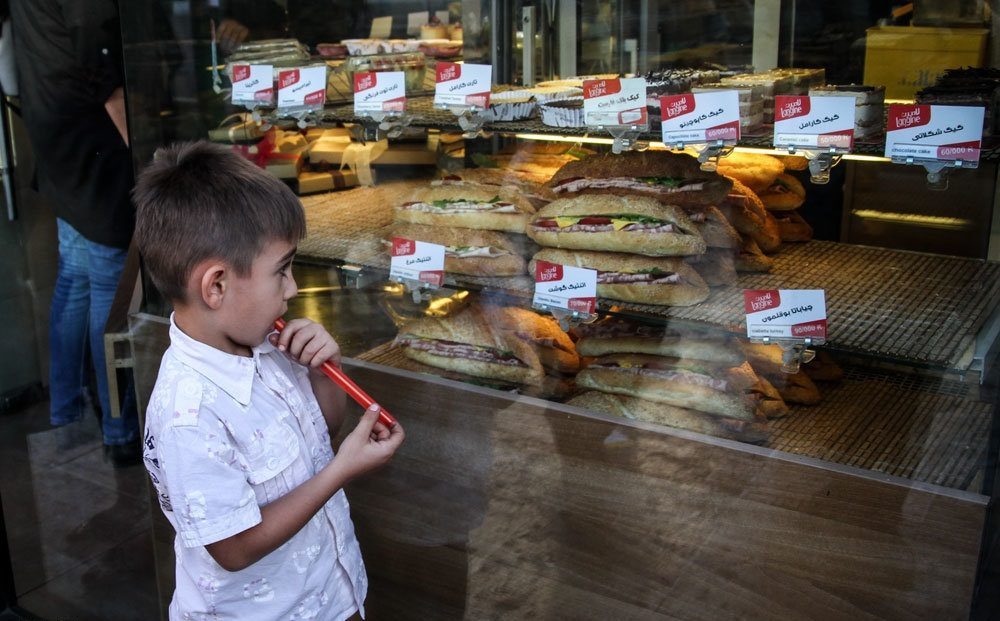
Nationally, diners have taken notice of the rise in self-service options, with spikes in review mentions of “iPad checkout” up 291%, “ordering kiosk” up 238%, and “self checkout” up 235%, while they also encountered other cost cutting solutions that replace table service, such as “counter service” up 203%. At higher-end restaurants typically known to provide fine dining experiences, Yelp data shows significant increases in mentions of “self service” up 159% for $$$ restaurants and up 29% for $$$$ restaurants. Restaurants are rapidly adopting technology to combat rising labor costs and streamline operations, fundamentally changing the traditional dining experience.
The Food Delivery Revolution
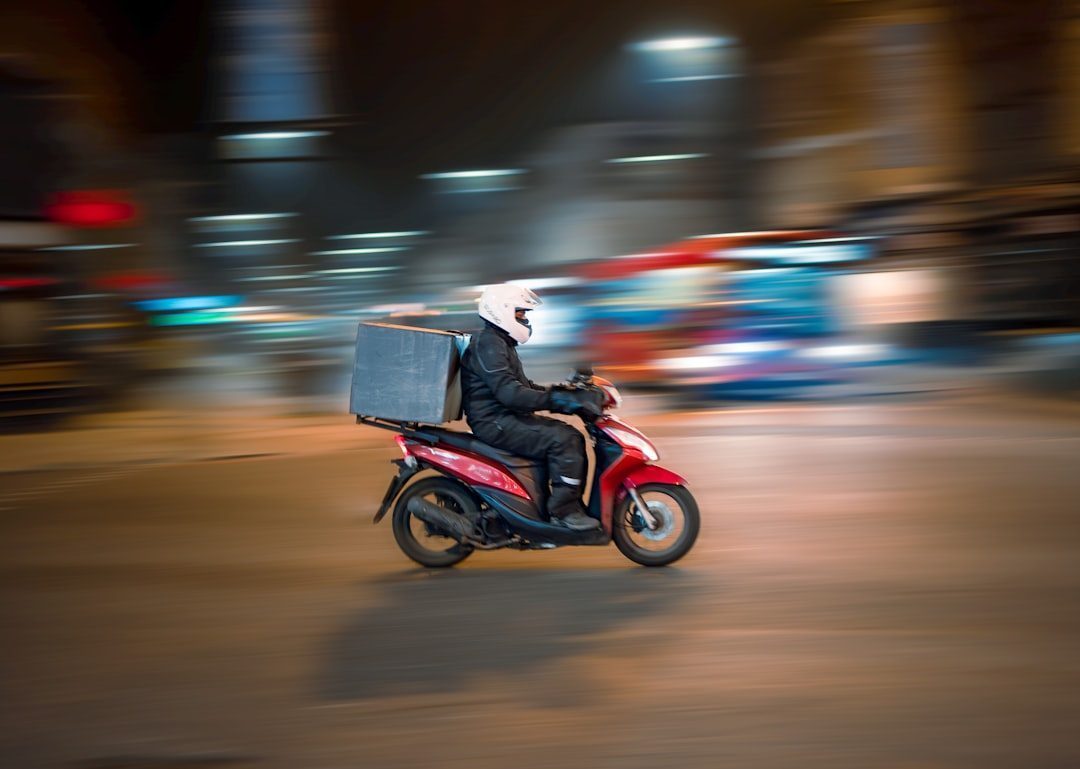
The global online food delivery market size was estimated at approximately USD 290 billion in 2024 and is projected to exceed USD 500 billion by 2030, driven by the increasing penetration of smartphones and internet connectivity. In 2025, the global meal delivery market is worth around USD 173.57 billion, with the platform-to-customer model still being the most popular, and in the U.S., over 65% of people use food delivery services, while China remains the biggest market overall. This explosive growth represents a fundamental shift in how consumers access restaurant food, creating entirely new business models and customer expectations.
Market Dominance of Delivery Apps
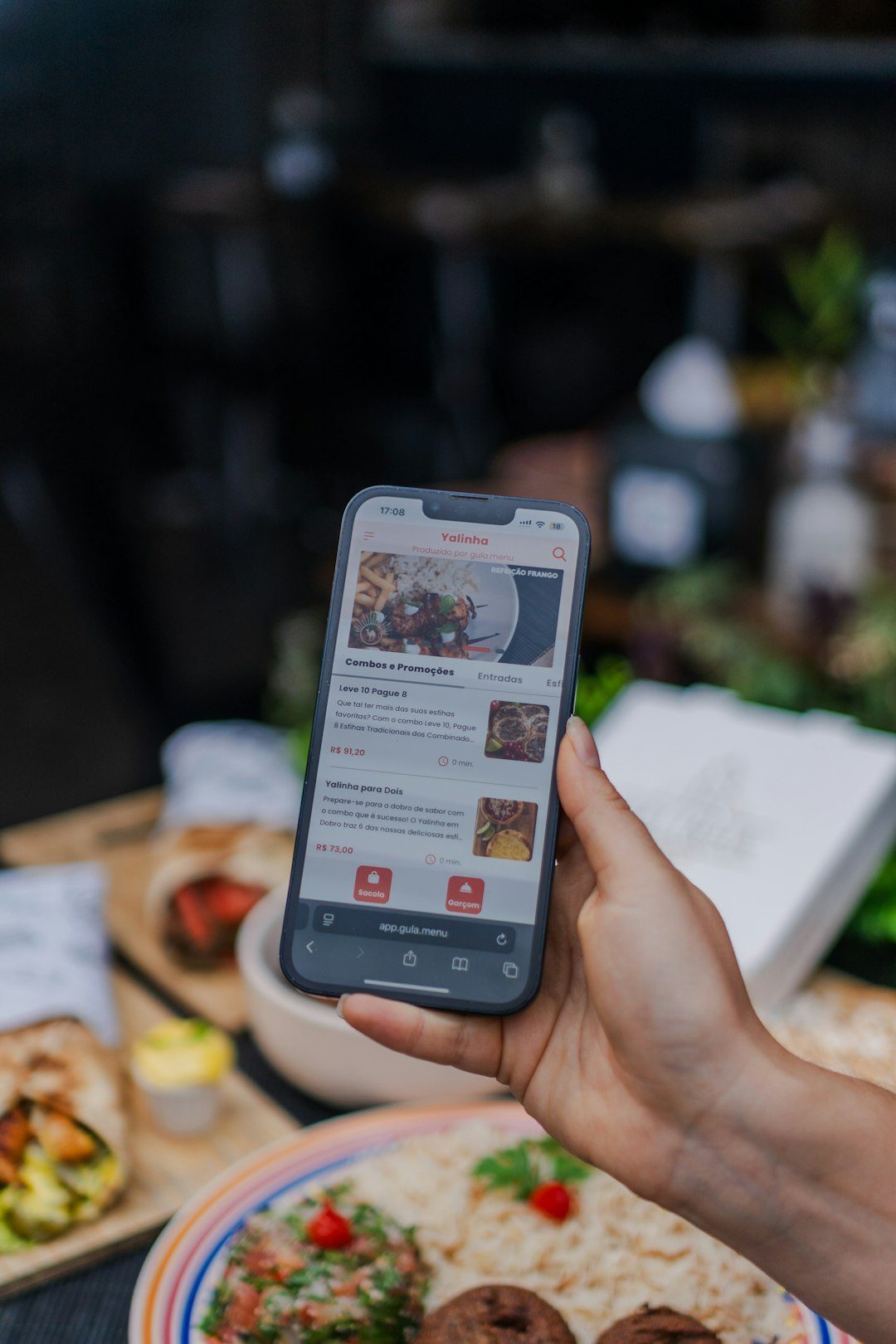
DoorDash continued to dominate the U.S. online food delivery market in 2024, holding a significant majority share, followed by Uber Eats. These two giants have effectively cornered the market, placing most delivery orders through mobile apps, with seven of every ten food delivery orders being made through apps, reflecting the growing trend towards mobile-first experiences. DoorDash is the clear favorite across all generations, with 73% of diners saying they use it, while Uber Eats follows in second place, with 56% of diners using the platform, and Grubhub trails at 34%.
Ghost Kitchens and Virtual Restaurants
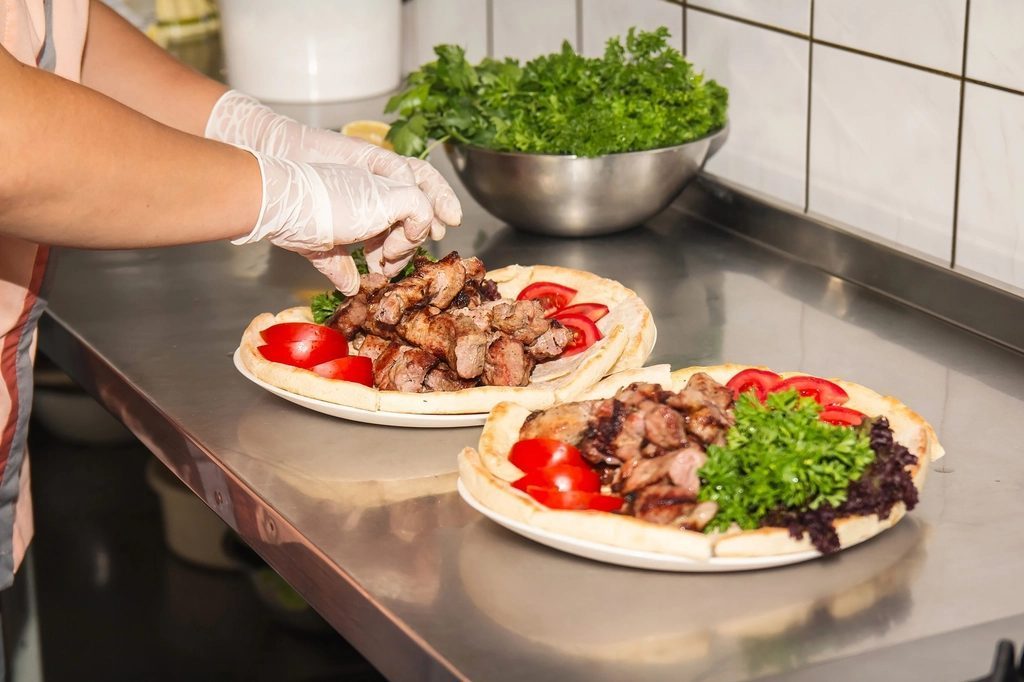
There are thousands of ghost kitchen businesses operating across the U.S., representing a new category of food service that exists purely for delivery. These virtual restaurants operate without traditional dining rooms, optimizing their operations entirely around food delivery and takeout orders. Ghost kitchens allow restaurateurs to test new concepts with lower overhead costs while serving multiple virtual restaurant brands from a single location. This model has gained significant traction as delivery demand surged, offering entrepreneurs a way to enter the restaurant market without the massive capital investment required for traditional brick-and-mortar establishments.
Changing Consumer Preferences and Spending

This year, diners reported spending an average of $54 when dining out at a restaurant – up from $48 in 2023, with Millennials and Gen X leading the way as the biggest spenders. In a 2024 national survey by US Foods, 55% of consumers said they prefer dining out at restaurants rather than ordering takeout or delivery, a sharp increase from the 43% who favored dining out in 2023, with 57% having preferred takeout/delivery in 2023, suggesting that as pandemic-era habits recede, the social and experiential draw of restaurants is reasserting itself. However, cost consciousness remains strong, with searches for budget-friendly options increasing significantly.
The Search for Value in an Inflated Market
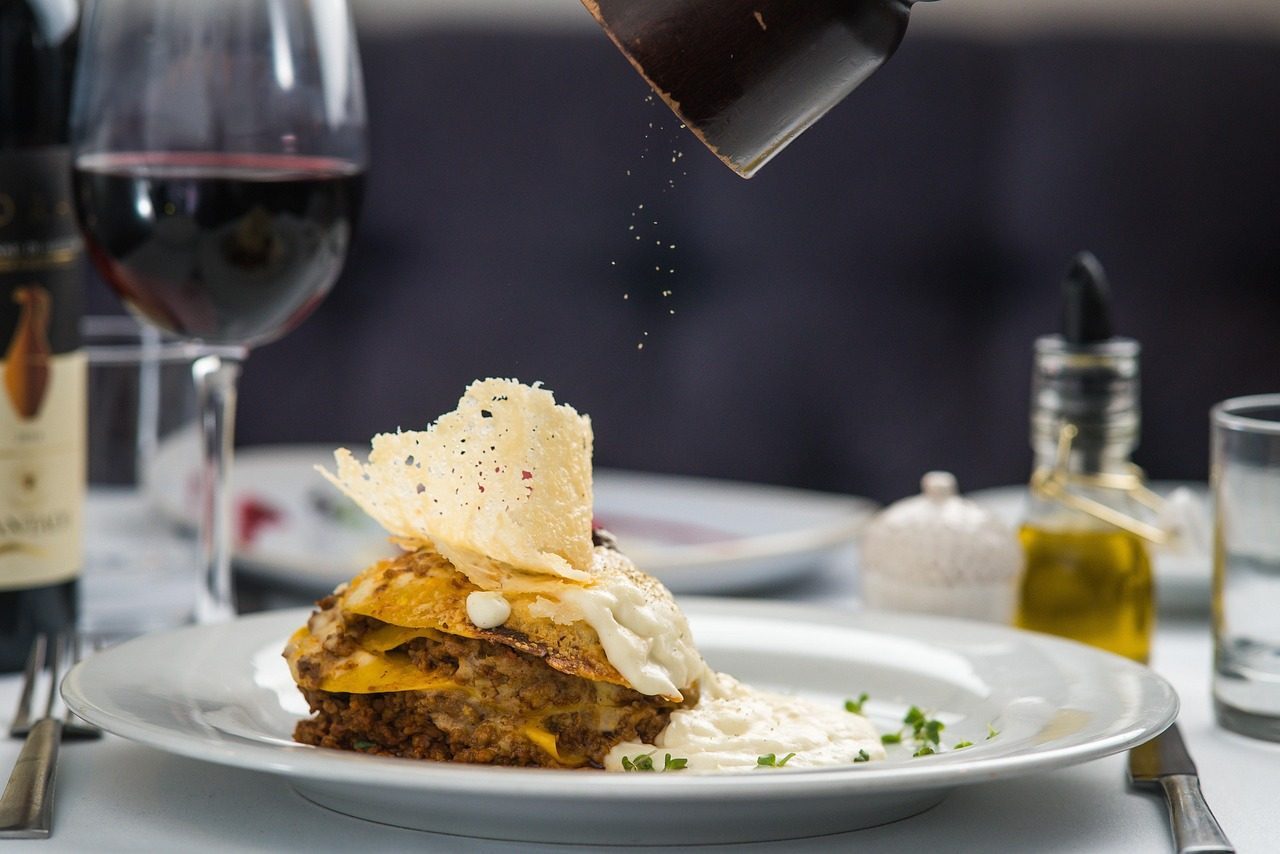
With inflation raising the cost of essentials like groceries and rent, many consumers are taking a closer look at their discretionary spending, with diners seeking ways to enjoy social and culinary experiences without breaking their budgets, and Yelp search data from the first quarter of 2025 shows an increase in searches for budget-friendly dining choices compared with the same period last year. Searches for “cheap eats” are up 21%, with searches for “meal deal” up 117%, and those for “value meal” having climbed 22%. This trend reflects a fundamental shift in consumer priorities, where diners still want to eat out but are increasingly selective about where and how they spend their money.
Industry Adaptation and Survival Strategies
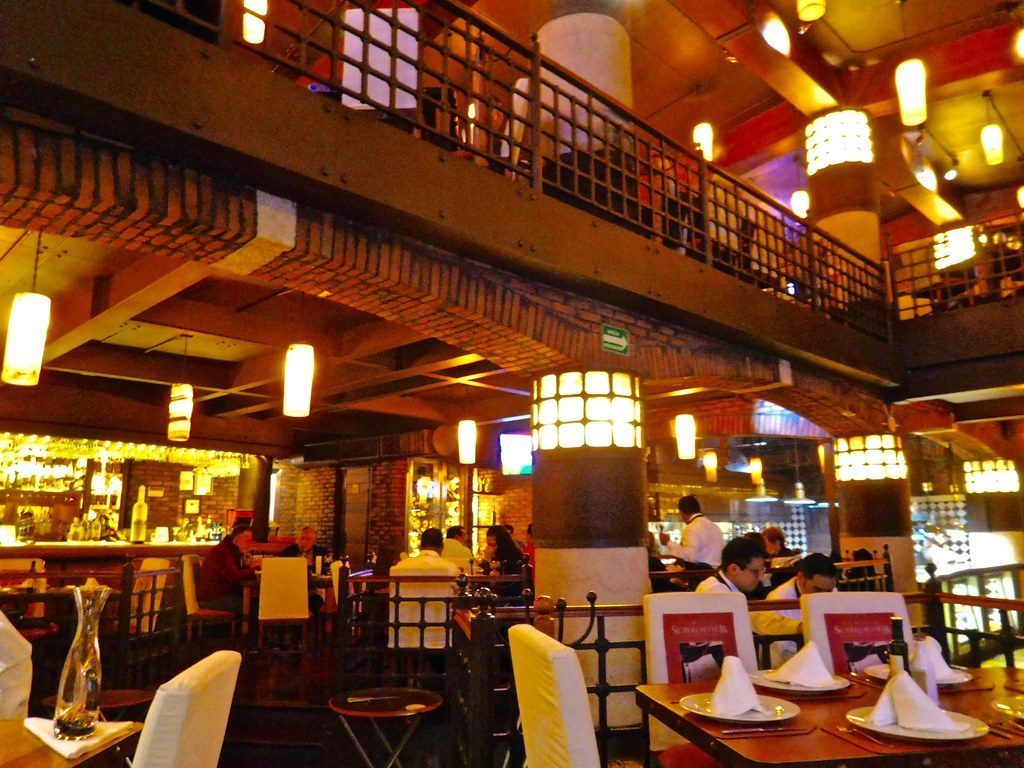
To drive customer traffic, 47% of operators plan to add new discounts, deals or value promotions, while the majority of restaurant operators across all segments – including 90% of fine dining operators and 87% of casual dining operators – say building on-premises business is more important for their success than greater off-premises business. Many surviving or newly opened 24/7 establishments are adopting innovative operational strategies to remain viable, including the use of self-service kiosks, mobile ordering platforms, and streamlined menus – measures that help reduce labor requirements and enhance efficiency, particularly in high-traffic or tourist-heavy areas. Restaurants are becoming increasingly sophisticated in their approach to balancing technology adoption with maintaining the human elements that diners still value.
The transformation from classic diners to delivery apps represents more than just technological progress; it reflects fundamental changes in how Americans live, work, and socialize. While the nostalgic charm of traditional diners continues to hold appeal for many, the convenience and efficiency of modern food delivery systems have reshaped consumer expectations permanently. The most successful restaurants today are those that can navigate this complex landscape, offering both the warmth of human connection and the efficiency of digital innovation. What do you think about this dramatic shift in dining culture?