4 Things Legal Experts Say You Can’t Dump on Your Driveway – Yet Many Do
Your driveway might seem like your personal territory, but there are strict rules about what you can and cannot put there. What looks harmless to you could actually be breaking local, state, or even federal laws. Certain materials pose serious environmental threats or violate health codes, and homeowners across the country continue to dump them anyway, often without realizing they’re breaking the law.
From motor oil spills to construction debris sitting for weeks, these violations happen more often than you’d think. Many people assume their property gives them carte blanche to do whatever they want. That’s not quite how it works. Let’s dig into what legal experts warn against leaving on your driveway.
Motor Oil and Automotive Fluids
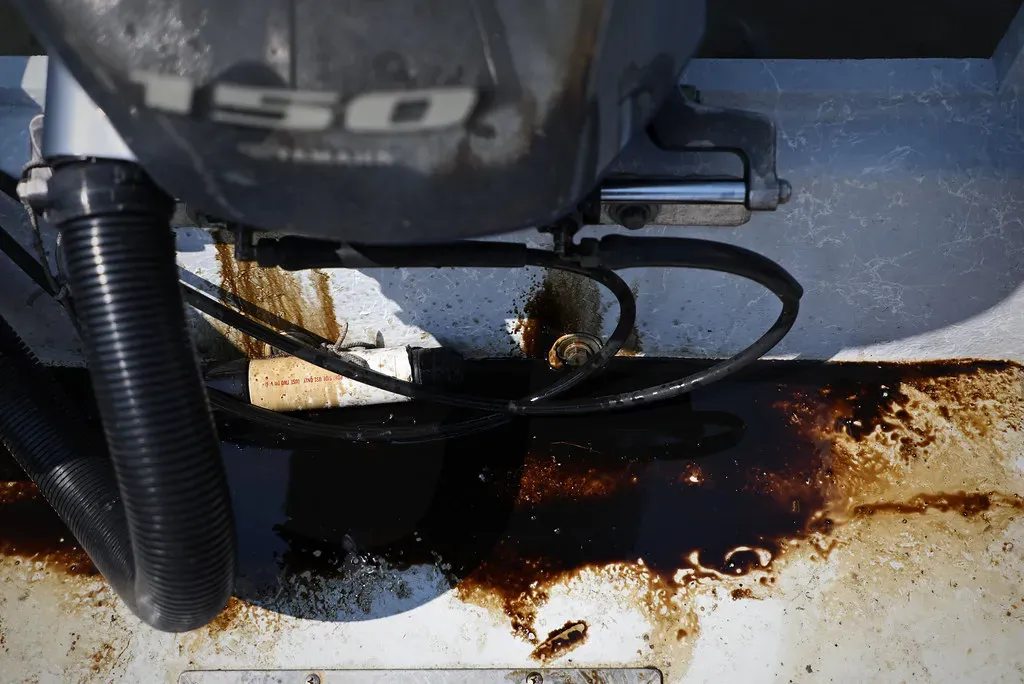
It is illegal to discard used oil in a dumpster, down a sewer, in the water, or on the ground. Spilling or dumping motor oil on your driveway is a violation that can carry surprisingly harsh penalties. One quart of used motor oil can contaminate a quarter of a million gallons of water. Used motor oil is considered hazardous waste, and if your neighbor is improperly disposing of it, they may be in violation of RCRA regulations. Under California Penal Code 374.3, illegal dumping on public or private property is punishable by fines of up to $10,000. Additionally, per Section 117555 of the California Health and Safety Code, violators may face up to six months in jail. Even if you’re working on your car and a spill happens accidentally, you’re legally required to clean it up immediately. Negligent violations carry a one-year sentence and up to $25,000 in fines for the first offense. Become a repeat offender, and you’ll face up to six years and over $100,000 in fines.
Lawn Chemicals and Pesticides
Applying lawn chemicals near your driveway and letting runoff carry them into storm drains is another major violation. Keep sidewalks, driveways, and streets clean and free of pesticides. Stormwater flowing from sewers could carry pesticides into water sources. Don’t apply lawn chemicals near curbs, gutters, streets and driveways. When rain or irrigation water washes pesticides off impervious surfaces like driveways, those chemicals head straight into local waterways. Many other pesticides should not be applied if rain is in the forecast for the next 24 hours because stormwater runoff can pick up recently applied pesticides, become contaminated, and then flow into vulnerable areas. Many homeowners don’t realize that sweeping fertilizer granules off the driveway back onto grass is actually a requirement. Apply fertilizer on sidewalks, driveways or other impervious surfaces. If fertilizer spills onto these surfaces, you MUST sweep it up to prevent it from washing into drains or waterways.
Construction and Demolition Debris
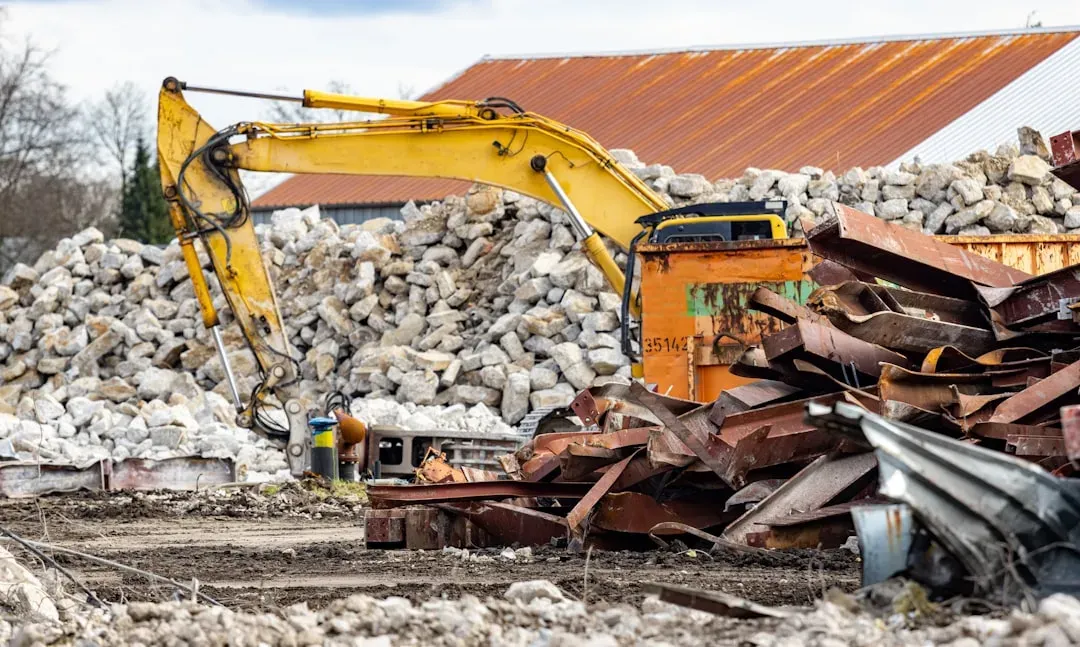
That pile of old shingles, drywall, or broken concrete sitting on your driveway for weeks? Probably illegal. Illegal dumping on public and private property is punishable by a fine of up to $10,000 and six months in jail. Municipal codes typically restrict how long construction materials can be stored on driveways, with many capping it at around 30 days per year. Local regulations vary on the maximum time you can keep a dumpster in your driveway, but many cities put the cap at 30 days per calendar year. Our typical dumpster rental period is seven to 10 days – well within most city limits. According to a public works report, the department anticipates a 15% increase in reported illegal dumping cases in 2024 to over 15,800. There were 14,500 reported cases in 2023. Junk can be used materials, scrap metal or car parts, construction debris, furniture, trash, or inoperable vehicles. The frustration comes when homeowners think they’re just temporarily storing materials during a renovation, but neighbors report violations and code enforcement shows up. I think most people genuinely don’t know there are time limits.
Yard Waste and Organic Debris

Never blow, rake, sweep, hose or otherwise dispose of leaves or grass clippings into the storm drain. Piling grass clippings, leaves, or tree branches on your driveway might seem innocent enough, but it’s actually a code violation in many jurisdictions. While organic, these materials clog storm drainage systems and create breeding grounds for pests. Illegal dumping is the disposal of waste, trash, junk, furniture, tires, construction materials or debris, etc., in unauthorized or undesignated areas which is prohibited. Illegal dumping is commonly found in uninhabited or otherwise deserted areas, vacant lots, along roadways, in alleys, and at construction sites. Some cities have specific ordinances about yard waste placement, requiring it to be bagged or bundled and set out only on designated collection days. Leaving it scattered across your driveway between pickups could lead to fines or citations. Accumulations of rubbish such as vehicle parts, tires, appliances, discarded household items, lumber, construction materials, trash, branches and yard waste in your yard also violate nuisance codes
These regulations exist for good reason. They protect water quality, prevent environmental contamination, and keep neighborhoods looking decent. Still, enforcement varies wildly depending on where you live. Your driveway is yours, sure, but what you put on it affects everyone downstream. Have you checked your local codes lately?