10 Illegal Electrical Add-Ons Inspectors Say Homeowners Still Try to Install
You’d think by now everyone would know better. Yet electrical inspectors around the country keep shaking their heads at the same violations cropping up year after year. Homeowners, fueled by YouTube tutorials and a stubborn belief that electrical work isn’t that complicated, continue to install dangerous, code-breaking modifications that can void insurance policies, spark house fires, and tank home values during sales. These illegal upgrades can void insurance coverage, create fire hazards, and lead to serious penalties if discovered during inspections.
Let’s be real, plenty of these mistakes come from good intentions. Someone wants to save a few hundred bucks or tackle a weekend project. The problem is that the NEC revision is an open process that produces a new code every three years, and what was acceptable in a house built decades ago often doesn’t cut it anymore. Here are ten electrical add-ons that remain stubbornly popular despite being flat-out illegal in most jurisdictions.
Upsizing Circuit Breakers to Stop Tripping

Replacing a 15-amp breaker with a 20- or 30-amp breaker to stop tripping is illegal and extremely dangerous as this allows wiring to carry more current than it was designed for, dramatically increasing fire risk. It’s honestly one of the most reckless shortcuts homeowners attempt. Breakers trip for a reason – they’re protecting your home from overheating wires hidden inside your walls. When you swap in a higher-amp breaker, you basically remove that safety valve, allowing too much current to flow through undersized wiring.
A breaker is matched to load capacity and wire size, and larger breakers allow more and more current to flow through before they trip, catch on fire or blow out your home’s electricity system. The consequences here aren’t hypothetical. This exact violation shows up regularly on inspector lists as a leading cause of preventable electrical fires.
Permanent Extension Cord Installations

Extension cords are designed for temporary use and lack the insulation and load capacity needed for long-term power delivery, with fire investigators repeatedly linking permanent extension-cord setups to overheating and house fires. Still, inspectors constantly encounter cords run through walls, stapled along baseboards, or snaked behind furniture as permanent wiring solutions. According to data cited by safety organizations, extension cords are involved in more than 3,000 home fires annually.
U.S. codes require fixed wiring to be installed in approved conduit, raceways, or walls. Extension cords simply aren’t built to handle constant use, and their thin insulation degrades quickly when pinched, crushed, or exposed to heat. The thing is, many folks don’t realize this until an inspector flags it or worse, until smoke appears.
Missing or Improperly Placed GFCI Protection
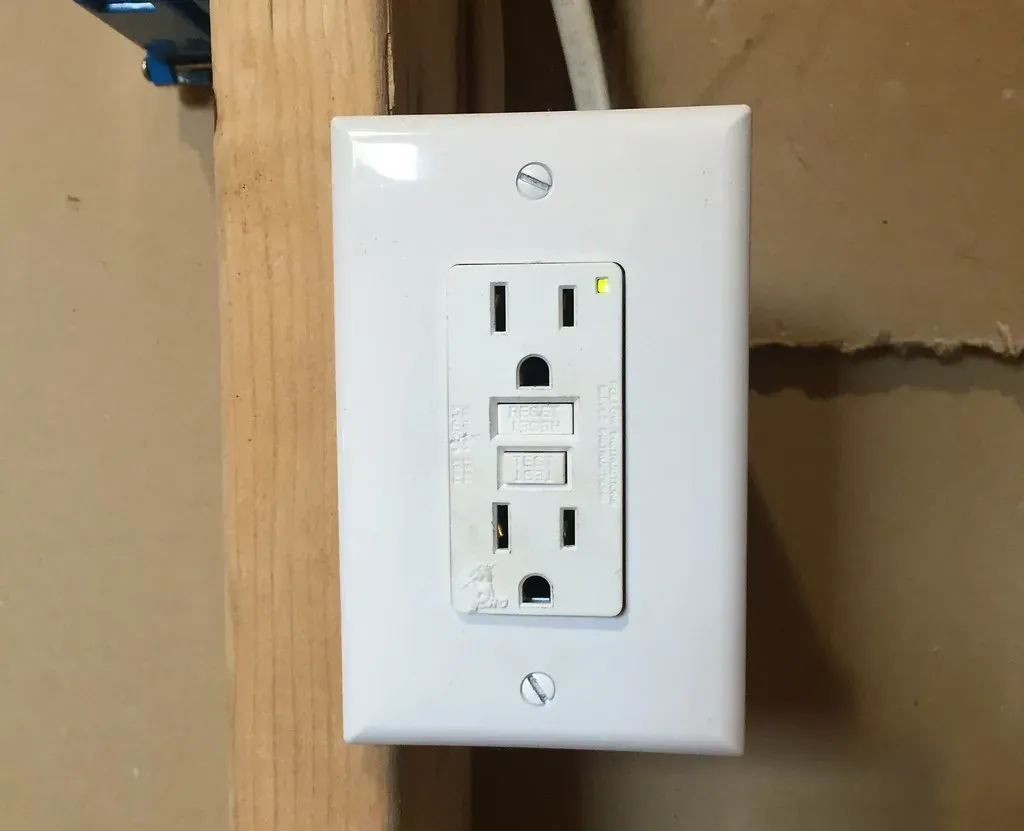
Ground Fault Circuit Interrupters can be lifesavers, literally. They cut power within milliseconds when current leakage is detected, preventing electrocution in wet areas. Both GFCIs and AFCIs are required by modern U.S. code in areas where shock or arc hazards are high such as kitchens, bathrooms, and bedrooms, and disabling them removes critical safety layers that prevent electrocution and electrical fires. Despite this, older homes often lack them entirely, and newer installations sometimes put them in inaccessible spots.
The NEC requires kitchen and garage receptacles to be GFCI-protected but it’s very hard to move a fridge if the GFCI trips, which is why the NEC requires GFCIs to be installed in a readily accessible location. Homeowners who hide GFCI outlets behind appliances or inside cabinets create a frustrating and potentially unsafe situation when the device trips and needs resetting.
Installing Ungrounded Three-Prong Outlets
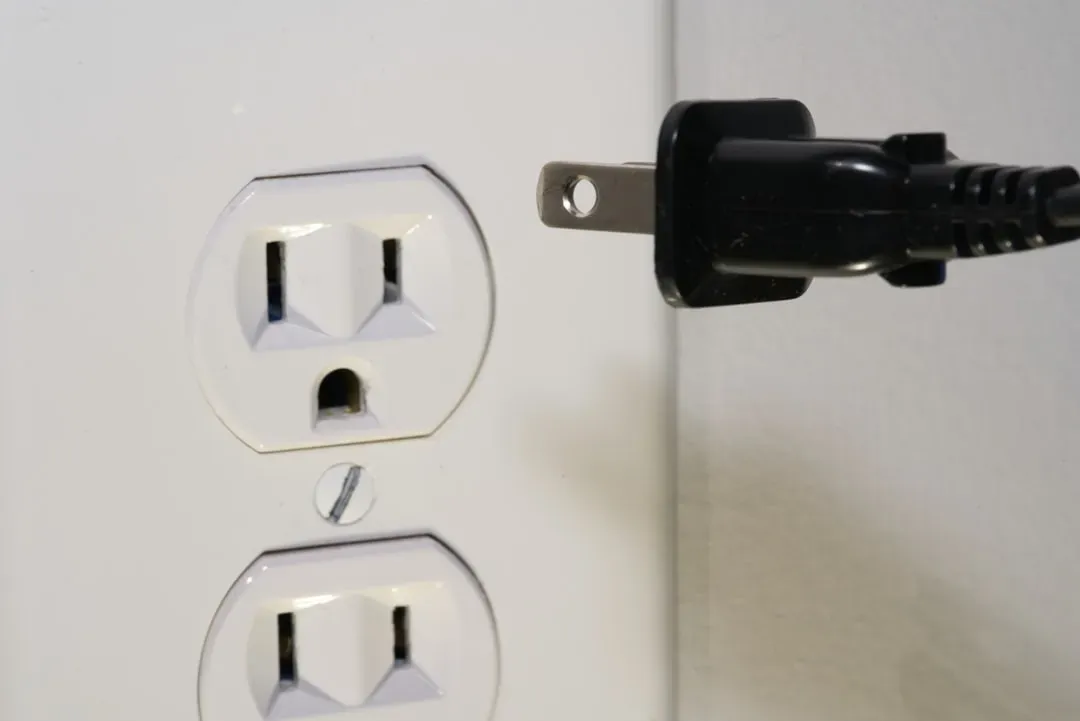
This one’s a classic in older homes. Some homeowners add outlets without connecting them to a grounded system especially in older houses, and un-grounded outlets violate electrical code and put users at risk of shock especially when plugging in metal-cased appliances or electronics. The temptation is understandable – nobody wants to deal with two-prong outlets when everything modern requires three prongs. Swapping the outlet without actually running a ground wire, though, creates a false sense of security.
A previous homeowner swapped out the two-slot non-grounding type receptacles for three-slot grounding-type ones, and that was a code violation. Certified electricians emphasize that grounding remains essential for surge protection and personal safety, and there are code-compliant workarounds involving GFCI protection and proper labeling when actual grounding isn’t feasible.
Ceiling Fans on Light Fixture Boxes
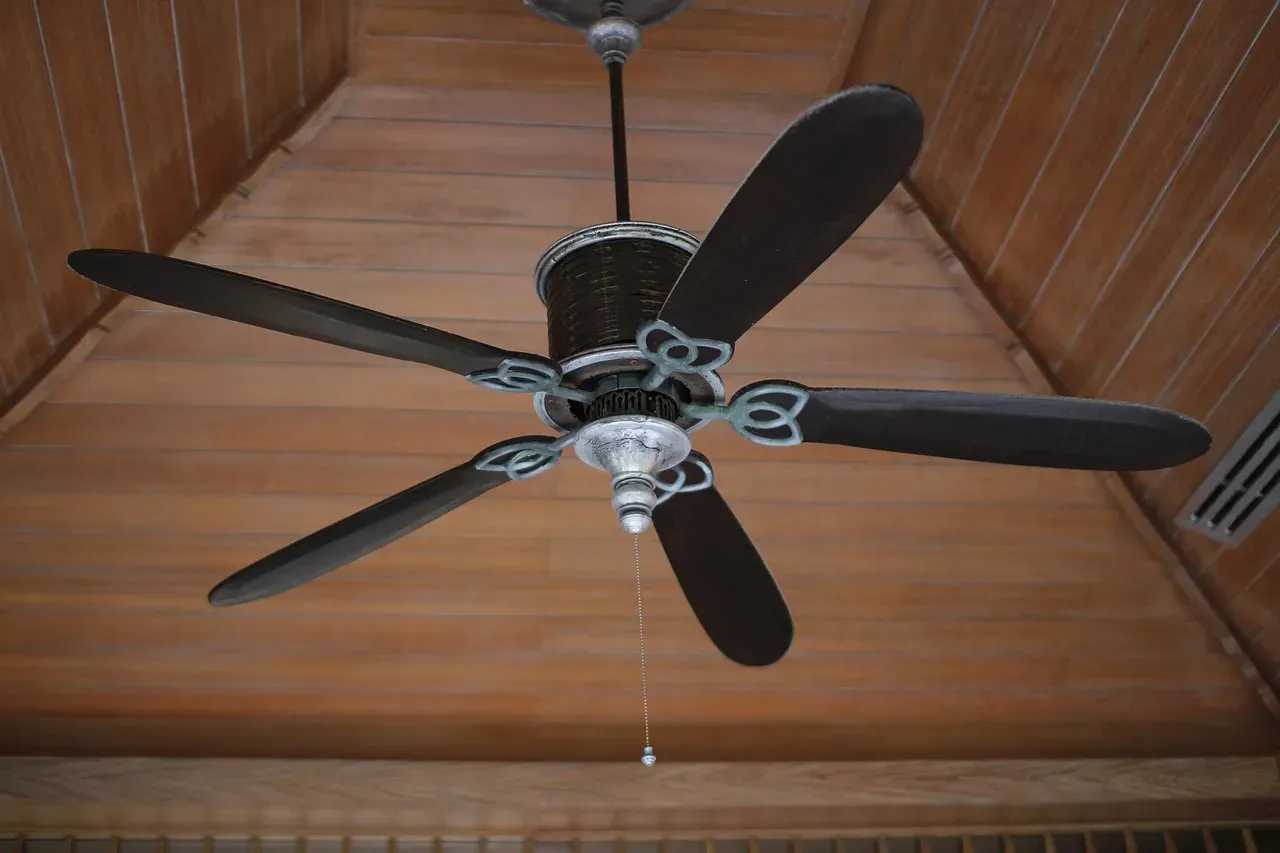
Some homeowners mount heavy ceiling fans to boxes designed only for light fixtures, and electricians warn that these boxes cannot handle the weight or vibration of fans and failures have caused injuries and structural damage. The vibration from a spinning fan gradually loosens a standard junction box, and eventually the whole assembly can come crashing down. U.S. building codes specify fan-rated boxes for any overhead fan installation.
Fan-rated boxes are specifically engineered with extra bracing and stronger mounting hardware. They’re not expensive, and the installation isn’t dramatically different. Yet inspectors routinely find standard boxes supporting ceiling fans, a violation that’s both dangerous and easily preventable.
Insufficient Outlet Spacing
Building codes dictate specific outlet spacing to eliminate the need for extension cords and power strips. National Electrical Code requires outlets roughly every twelve feet, ensuring that a typical floor lamp, alarm clock, television or tabletop lamp with about a six-foot-long fixture cord can be placed anywhere along the wall with a receptacle within six feet from the end of a wall length. When homeowners skip outlets during remodeling or fail to add them in new spaces, they force occupants into unsafe workarounds.
Many homeowners rely on extension cords and power strips when there aren’t enough receptacles, but unfortunately extension cords aren’t designed to handle large amounts of electricity and don’t resolve this electrical code violation. Proper outlet placement isn’t just about convenience – it’s fundamentally about reducing fire hazards.
Overstuffed Electrical Boxes

All boxes must be large enough to provide sufficient free space for all enclosed conductors to prevent overcrowding and possible physical damage. When too many wires get crammed into a single junction box, insulation rubs and tears, exposing bare conductors. Too many wires running into an electrical box is called overcrowding, because the wires rub against each other the insulation becomes torn and frayed, and exposed wires lurking behind walls pose a significant safety risk and are also an electrical code violation.
The NEC provides detailed tables for calculating proper box fill, yet many electricians don’t appear to consult this table and inspectors said crowded conductor boxes are a common NEC violation. It’s one of those issues that seems minor until it causes a short circuit or worse.
Adding Circuits Without Panel Capacity Evaluation
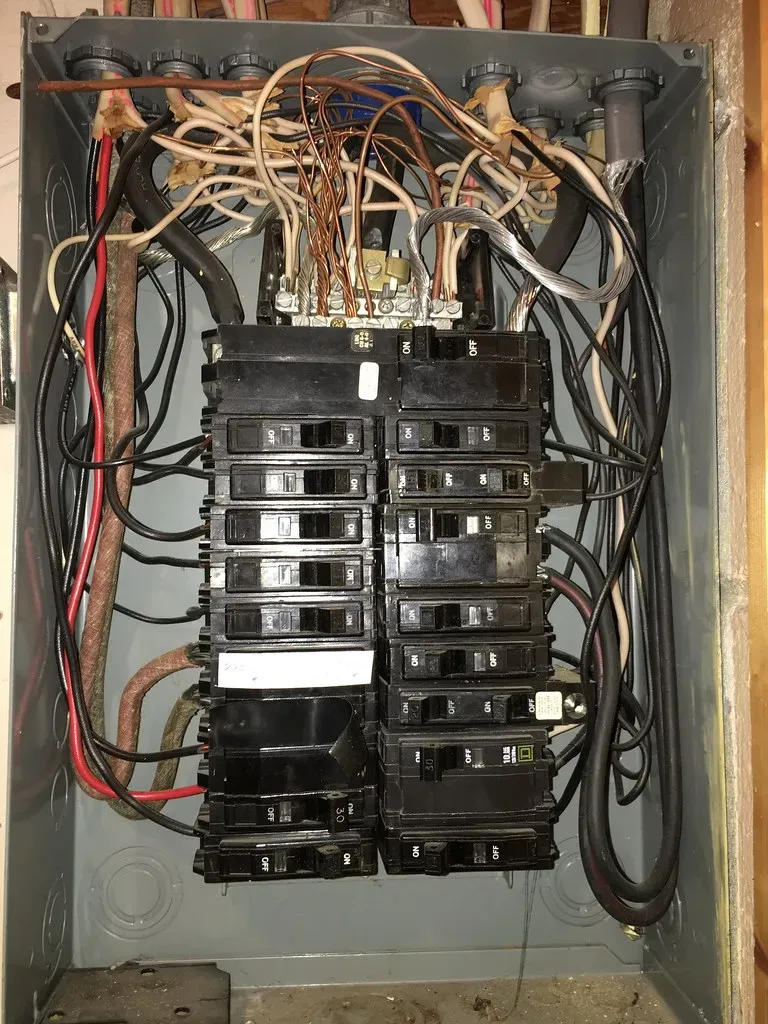
Electrical panels must be evaluated for available capacity before adding circuits, and unpermitted additions often overload panels, create unsafe heat buildup, and violate local codes. Homeowners sometimes think they can simply add another breaker to power a new room or appliance, ignoring whether the panel and service can actually handle the increased load.
Home inspectors frequently flag these illegal upgrades when homes are sold, sometimes requiring expensive corrections. Proper load calculations aren’t optional – they’re critical for preventing panel overheating and ensuring your electrical system operates safely under real-world conditions.
Using Indoor Extension Cords Outdoors
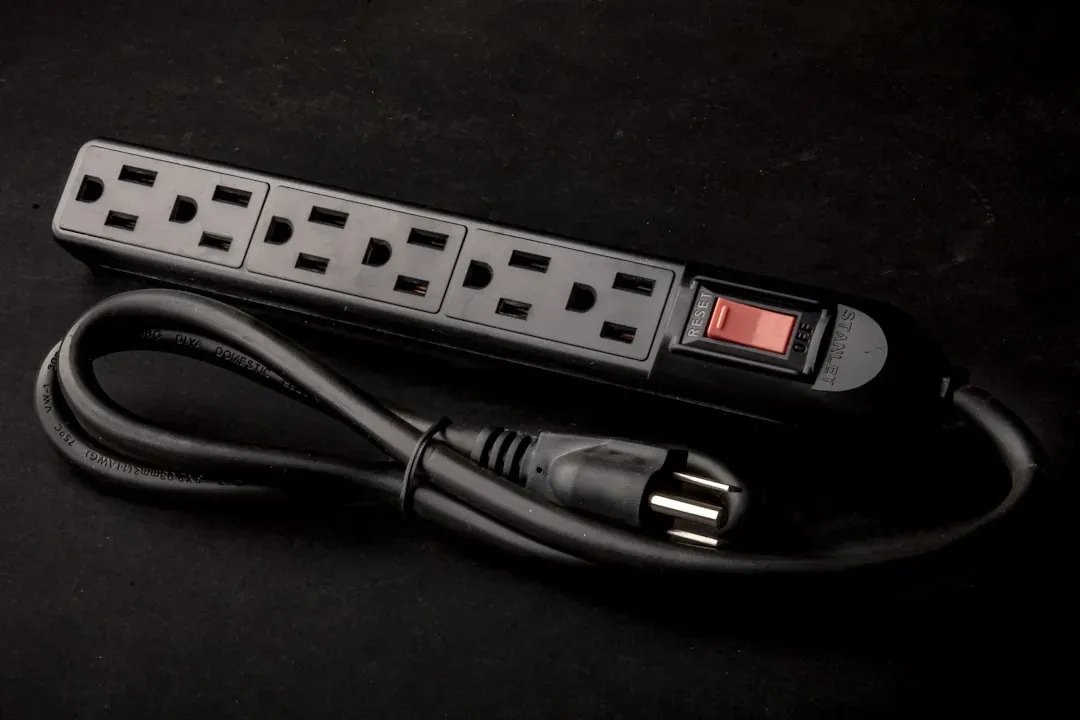
Indoor cords are not built to handle weather or moisture yet many people use them for outdoor lighting or tools, and according to the U.S. Consumer Product Safety Commission using the wrong cord type can lead to insulation breakdown and serious electric shocks. The insulation on indoor cords deteriorates rapidly when exposed to sunlight, rain, and temperature extremes. The NEC specifically requires cords marked W for outdoor use.
In addition to causing damage breaking this rule could render insurance claims following electrical accidents void. It’s a surprisingly common mistake – grabbing whatever cord is handy to power holiday lights or a lawn tool – but one with serious consequences.
Disabling AFCI or GFCI Protection

Some homeowners get frustrated by nuisance tripping and decide the solution is to remove the protection entirely. Some homeowners disable ground-fault or arc-fault protection because of nuisance tripping, yet disabling them removes critical safety layers that prevent electrocution and electrical fires. Arc-fault circuit interrupters detect dangerous electrical arcing that can ignite fires inside walls, while GFCIs prevent deadly shocks in wet locations.
Both devices are required by modern U.S. code in areas where shock or arc hazards are high such as kitchens bathrooms and bedrooms. Rather than bypass these protections, the correct response to frequent tripping is identifying and fixing the underlying problem – whether that’s a faulty appliance, damaged wiring, or moisture infiltration. Tampering with safety devices is never the answer, and inspectors will flag it immediately.