The Average Net Worth of Americans at Age 71 – How You Stack Up
The Peak Years Before the Decline

Net worth for Americans in their 70s begins to decline gradually, with an average of $1.79 million according to the Federal Reserve’s 2022 Survey of Consumer Finances. That sounds impressive, honestly, until you realize what’s driving that number. The median figure tells a different story, one that’s much closer to reality for most people. For Americans in their 70s, the median net worth is $410,000, which means half of all people in this age bracket have less than that amount saved. Let’s be real here: reaching 71 means you’re past the typical retirement age, drawing down on decades of accumulated wealth.
How the Median Paints a Truer Picture
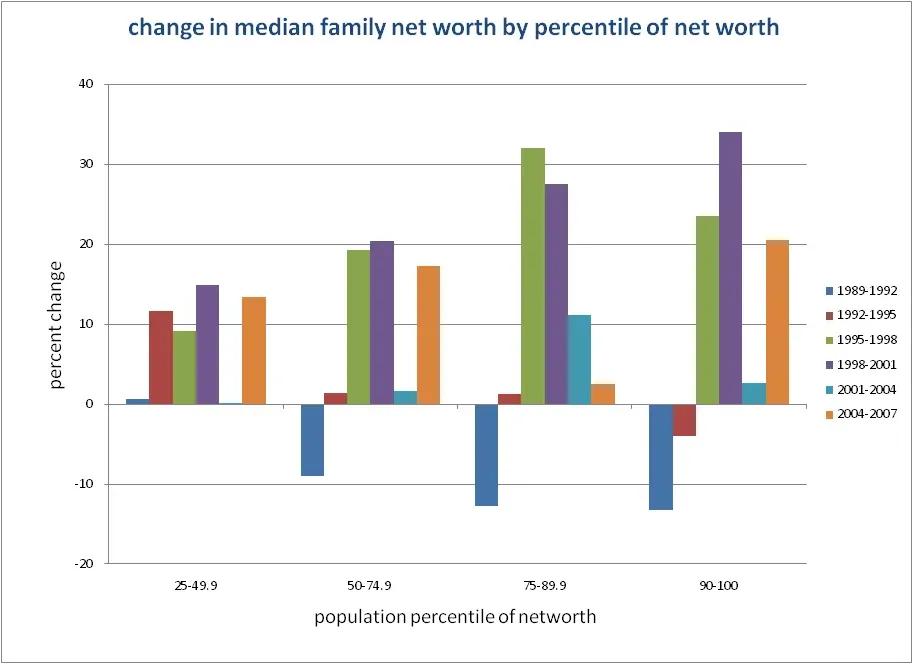
Median net worth by age may be more representative of the state of wealth across the country because it looks at the 50th percentile of earners, those right in the middle, while average net worth factors in outliers of people with very high and very low net worths. Think of it this way: if you’re in a room with nine broke college students and one billionaire, the average net worth looks fantastic. The median? Not so much. For those 75 and older, median net worth dipped to $335,600, showing that as people age deeper into retirement, their wealth decreases as they withdraw from savings for living expenses and healthcare costs.
Where That Wealth Actually Lives

Your net worth at 71 isn’t just sitting in a checking account somewhere. Retirement assets accounted for roughly one third of all household financial assets in the U.S. at the end of June 2025, with total retirement assets totaling $45.8 trillion. For most people, that means a combination of 401k accounts, IRAs, Social Security benefits, and home equity. The average 401k balance for people in their 70s is $431,962, while the median is just $106,654. Here’s the thing that’s hard to accept: if you’re in your early 70s and sitting on less than half a million across all your accounts, you’re probably looking at a tighter retirement than you imagined.
The Reality Check Nobody Wants

Americans think they need $1.26 million to retire comfortably in 2025, yet the median retirement savings for those aged 65 to 74 are $200,000, which falls far below that target. I know it sounds crazy, but the gap between expectation and reality is widening. It’s hard to say for sure what happened to derail so many retirement plans, though inflation, medical costs, and helping adult children financially all play a role. Nearly all U.S. adults age 66 to 71 had non-mortgage debt according to a 2025 LendingTree report, with the median amount across the 50 largest metro areas exceeding $11,000.
Why the 70s Mark a Turning Point

Net worth often dips when people retire, likely due to living on Social Security and fixed incomes while inflation increases costs, including more medical expenses and transitions to assisted living. At 71, most Americans have already been retired for several years. The average age to retire is 65 for men and 63 for women, so it’s not surprising to see average and median 401k balance figures start to decline in people’s 70s as they start withdrawing from their accounts. The compounding that worked in your favor for decades now works in reverse. Every withdrawal chips away at your principal.
Social Security as the Safety Net

In 2024, Social Security remained the most common source of retirement income, with 81 percent of retirees having one or more sources of private income, including 37 percent with pension income and 50 percent with interest, dividends, or rental income. For many 71-year-olds, Social Security isn’t just supplemental income; it’s the primary lifeline. According to the United States Social Security Administration, Social Security is on track to be depleted by 2035, at which point a portion of the benefits will be paid from ongoing tax revenue. That looming threat adds another layer of anxiety to retirement planning.
The Wealth Gap Grows Wider With Age

Approximately 57 percent of all wealth in the U.S. is currently owned by Americans over the age of 55, with most concentrated among the Baby Boomer generation. Yet that wealth isn’t distributed evenly within that age group. The median net worth of Americans between 65 and 74 was about 11 times higher at $410,000 compared to those younger than 35. Still, within the 70-plus age group, disparities persist based on education, race, and lifetime earnings. Those who entered retirement with substantial assets continue to thrive, while others struggle.
Housing: The Hidden Wealth Wildcard

For the past year or so, both stock and real estate prices have been hitting fresh records, with the median price of an existing home hitting a record $435,500 in June 2025. For 71-year-olds who own their homes outright, that represents a significant portion of their net worth. Home equity can be tapped through reverse mortgages or downsizing, though many Americans are reluctant to move. People in this demographic often have accumulated wealth from decades of working and adding to investments that benefit from compound interest, and they’ve paid off their mortgage while enjoying the full value of their home equity.
The Gender and Education Divide

There has been a decline in overall sense of financial security among men, with 42 percent describing their financial situation as fair or poor, though roughly 40 percent of men who are regularly saving for retirement believe they are saving enough compared to just 30 percent of women. Education plays an equally stark role. In 2022, the median net worth of Americans with a college degree was $464,400, while the median net worth of Americans with a high school diploma was $107,000. At 71, these disparities are magnified by decades of compound returns on higher incomes and better investment access.
What the Numbers Mean for You

If you’re 71 and wondering how you stack up, the honest answer depends on where you fall in the distribution. As of 2022, the average net worth for Americans 65 to 74 was $1,794,600, but remember that’s heavily skewed by ultra-wealthy households. The median net worth of Americans between 65 and 74 was $410,000, which is a more realistic benchmark. If you’re significantly below that median, you’re not alone, though it does mean adjustments might be necessary. Maybe that means working longer, downsizing, or cutting back on discretionary spending. Roughly about half of Americans in this age bracket are in the same boat.
At 71, you’ve likely already learned that retirement looks different than you imagined. Whether your net worth exceeds expectations or falls short, understanding where you stand among your peers matters less than having a plan that works for your specific situation. What do you think about these numbers? Do they match your experience?