Food Experts Say Mayo Isn’t the Best Match for Tuna Sandwiches – Here’s Why
The classic tuna sandwich has dominated American lunch boxes and delis for decades. Yet recent food science research and nutrition experts are challenging one of its core components. Most of us have experienced the tragedy of a sad tuna salad sandwich: a watery mess mixed with greasy mayo served between pale slices of white bread. That’s too bad, of course, since canned tuna is affordable, readily accessible, and quite nutritious. The debate isn’t about whether tuna sandwiches deserve a place on our plates, but whether mayonnaise is truly the best companion for this nutritious fish.
The Caloric Reality of Traditional Mayo
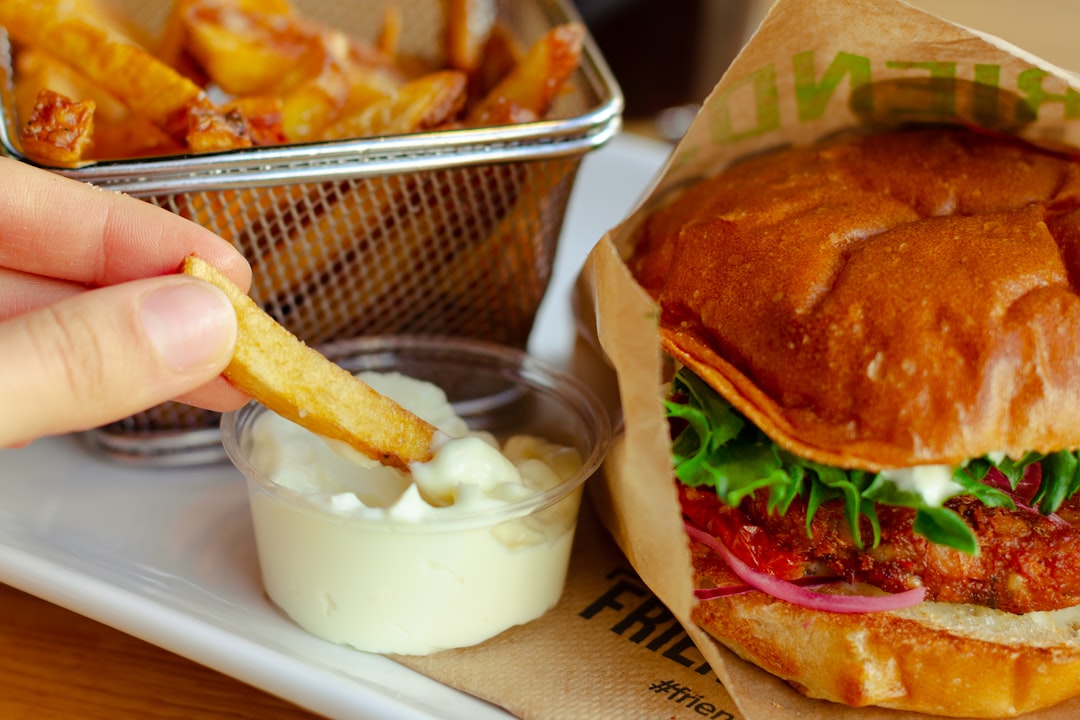
Because regular mayonnaise is a fat, it’s high in calories — containing about 94 calories in just 1 tablespoon. Therefore, the more regular mayonnaise you add to your tuna salad the higher in calories it will be. When used in small amounts, these calories may not have a significant impact, but larger portions can quickly add up.
The typical tuna sandwich requires at least two tablespoons of mayo to achieve that creamy texture most people expect. This means you’re adding nearly 200 calories before considering the bread, tuna, or any vegetables.
Hidden Health Risks in Commercial Mayonnaise
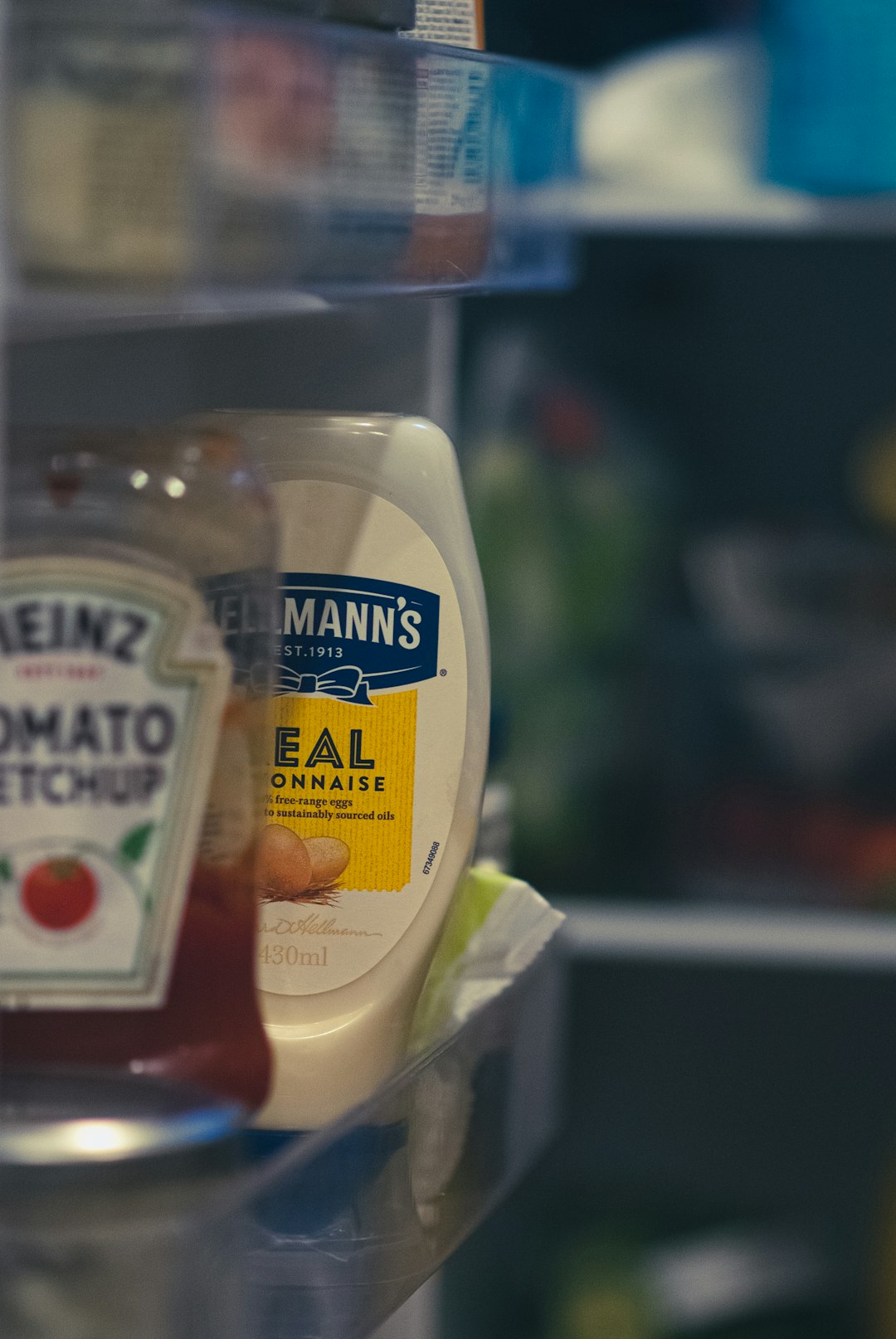
Commercial mayonnaise brands contain seed oils, which are high in inflammatory omega-6 linoleic acid. Unfortunately, research links high linoleic acid consumption to health problems, including inflammation, obesity, chronic pain, heart disease, cancer, and more. A single tablespoon of mayonnaise made with soybean oil contains significant amounts of linoleic acid, and a large sandwich or a serving of egg salad or tuna salad normally contains about two tablespoons of mayo.
This creates a problematic scenario where your healthy tuna choice becomes overshadowed by potentially harmful fats. The problem is that until recently, humans evolved on diets containing only 1-2% of their daily calories from linoleic acid, which they derived from minimally processed food sources like nuts, grains, and meat. This omega-6 fat is required in low amounts, but higher intakes increase inflammation and disease risk.
Saturated Fat Concerns for Heart Health
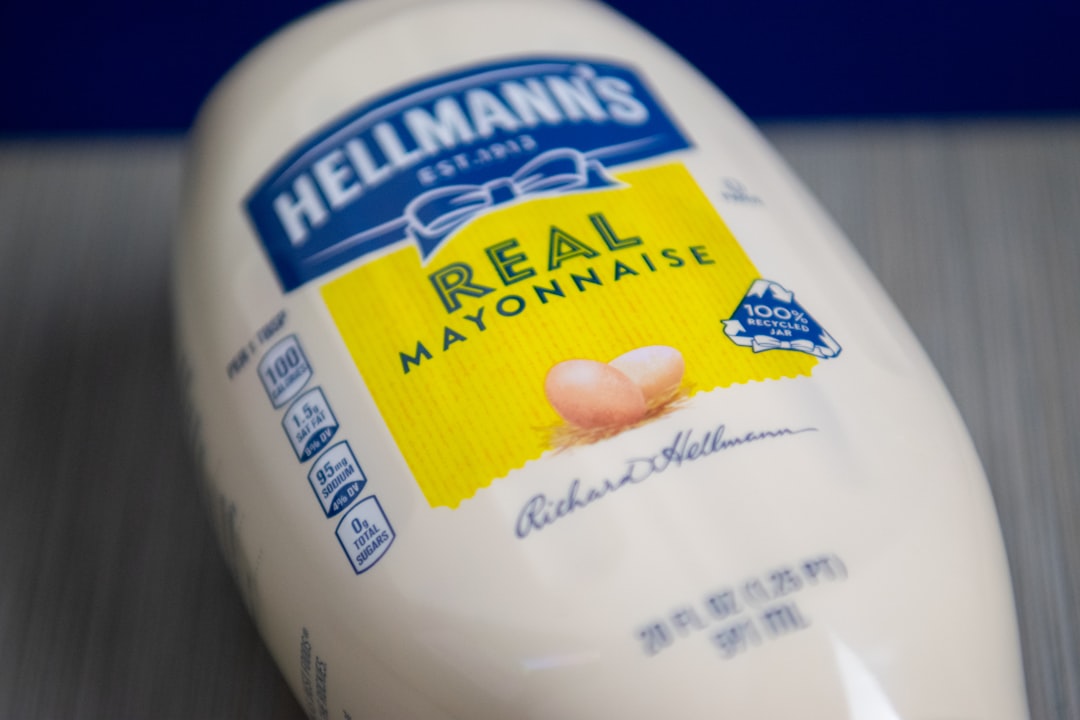
The health benefits can be negated if you load up with mayonnaise, for example, because that condiment is high in saturated fat. You’ll find about 1.6 grams (g) of this unhealthy fat per tablespoon according to the USDA. That’s about 12 percent of the daily recommended limit set forth by the American Heart Association – in just one tablespoon!
Heart health is an important consideration for many people, especially those with a family history of cardiovascular disease. While tuna is beneficial for heart health, mayonnaise can be less favorable due to its fat content.
Greek Yogurt: The Protein-Packed Alternative
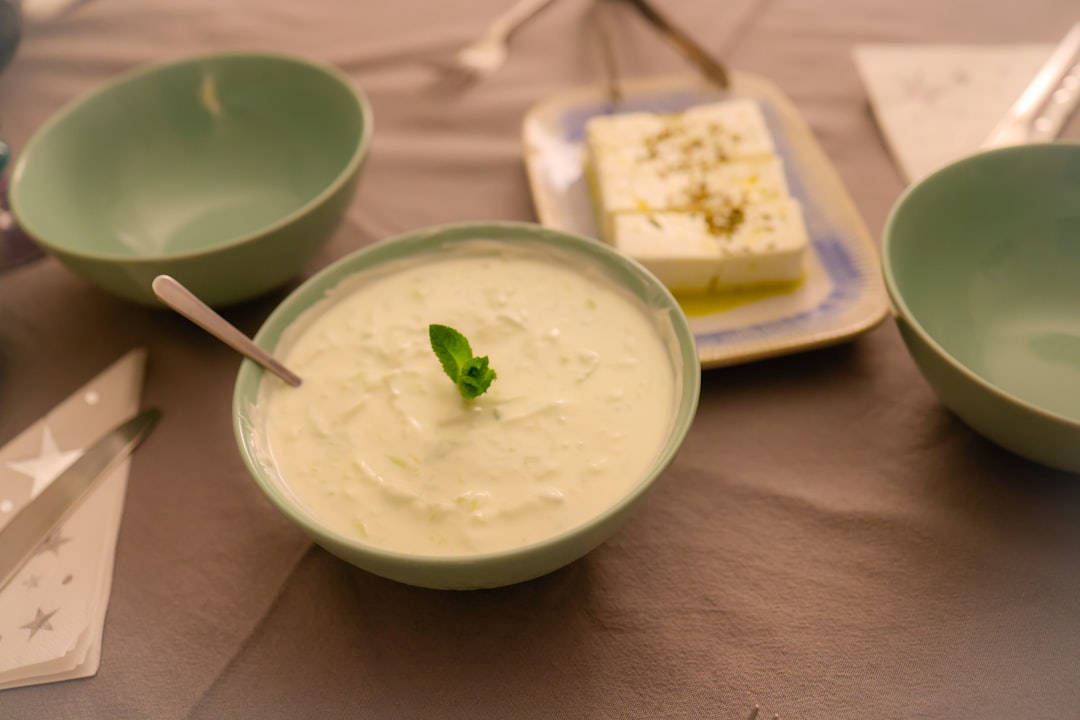
Greek yogurt offers a creamy, tangy, and nutritious substitute for mayonnaise in tuna salad. Greek yogurt has a thicker and creamier texture than regular yogurt and contains more protein. Between that and the dairy product’s relatively similar consistency to mayo, it’s easy to see why Greek yogurt is an excellent choice for anyone seeking a less nutritionally detrimental tuna salad.
Traditional tuna salad is made with mayonnaise. As a Registered Dietitian, I make it more nutrient-dense by using protein-packed Greek yogurt instead, which has significantly less fat and calories than mayonnaise. Multiple registered dietitians recommend this swap for its superior nutritional profile and remarkably similar texture.
Sour Cream: The Tangy Solution
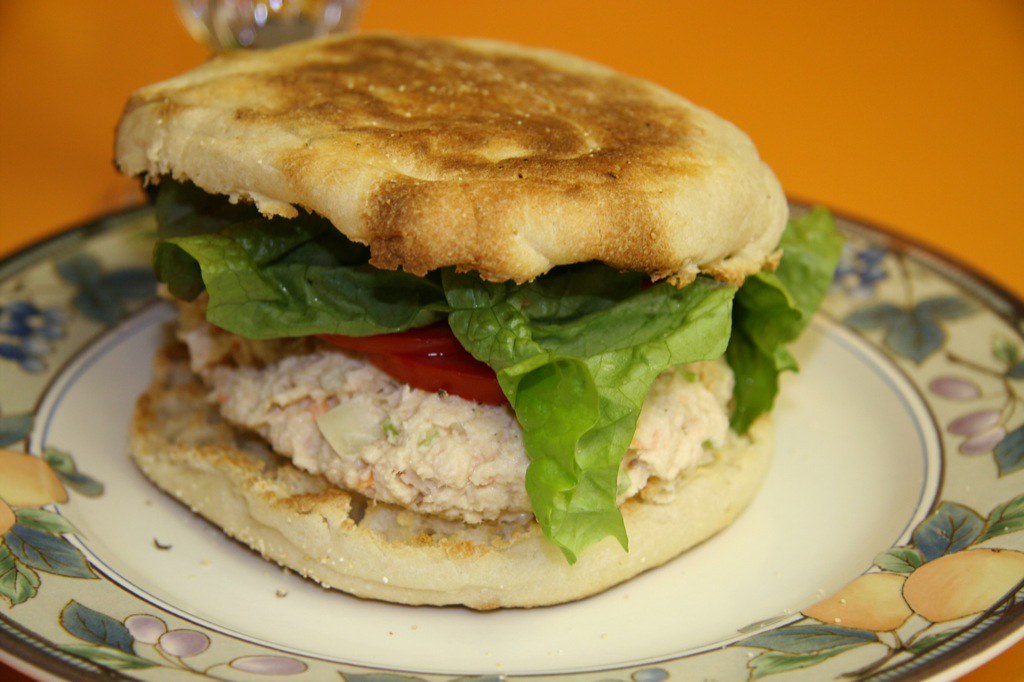
You can switch things up by adding a slice or two of cucumber or including lettuce and tomato for that refreshing bite, but if you truly want to enhance the taste of this dish, culinary specialists suggest replacing mayonnaise with sour cream instead. Sour cream serves as a perfect mayonnaise alternative because it delivers that wonderfully rich and velvety consistency. All while providing a mildly sweet zest that amplifies the tuna’s overall taste without overwhelming it – plus it’s a healthier option too.
Sour cream also boasts the additional advantage of typically containing less fat than mayonnaise, making it a somewhat healthier alternative that still provides a wonderfully rich and creamy flavor.
Avocado: Nature’s Creamy Powerhouse
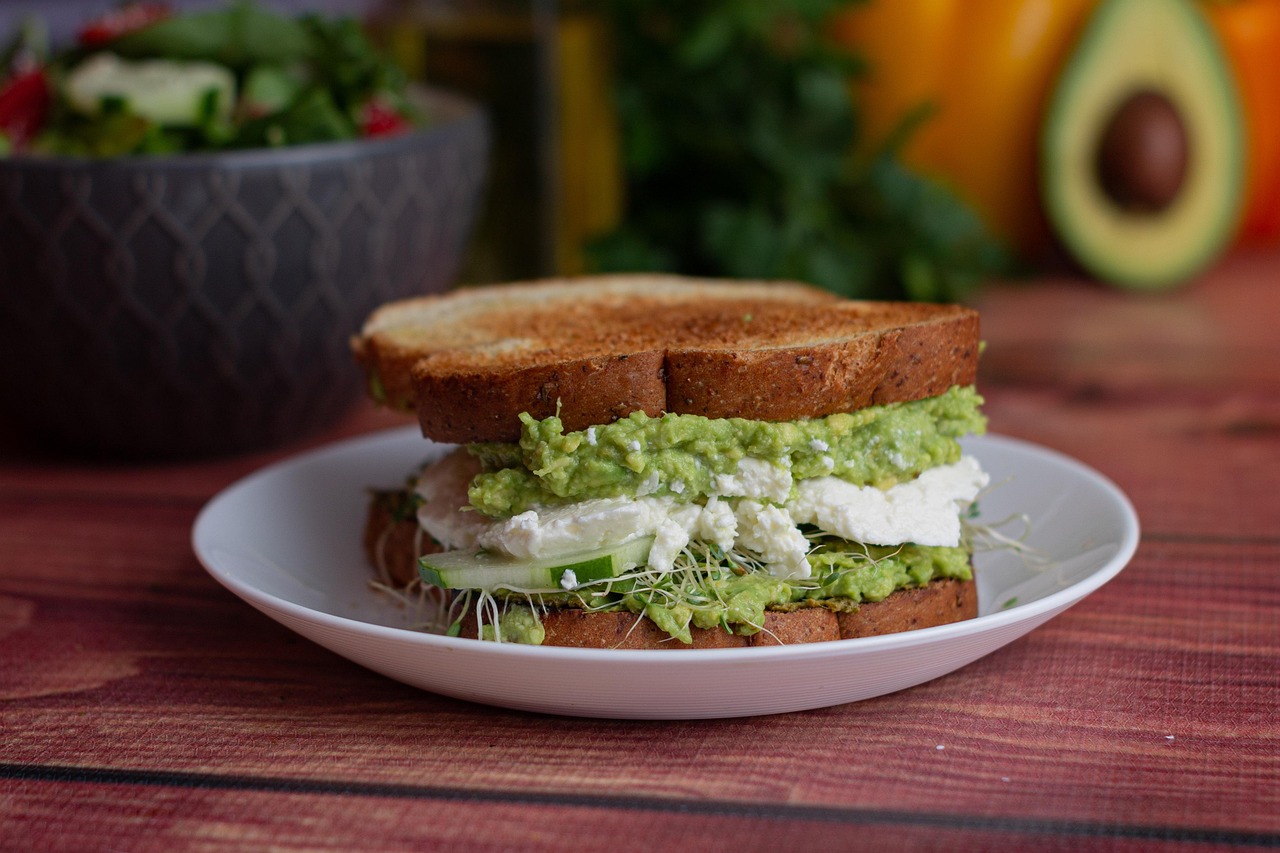
“If you’ve never had a tuna sandwich with avocado – please go try it,” says food blogger Jenna Dziak. “I love it with lots of salt and pepper and some vinegary hot sauce, too.” Another great alternative is avocado. Avocado is rich in heart-healthy monounsaturated fats, fiber, and vitamins like potassium and vitamin E. It offers a creamy texture similar to mayo but with more nutrients and fewer unhealthy fats. Mashed avocado can be mixed with tuna for a nutrient-dense, flavorful option.
The healthy fats in avocado actually help your body absorb fat-soluble vitamins better than the processed oils found in commercial mayonnaise.
Hummus: Mediterranean Magic
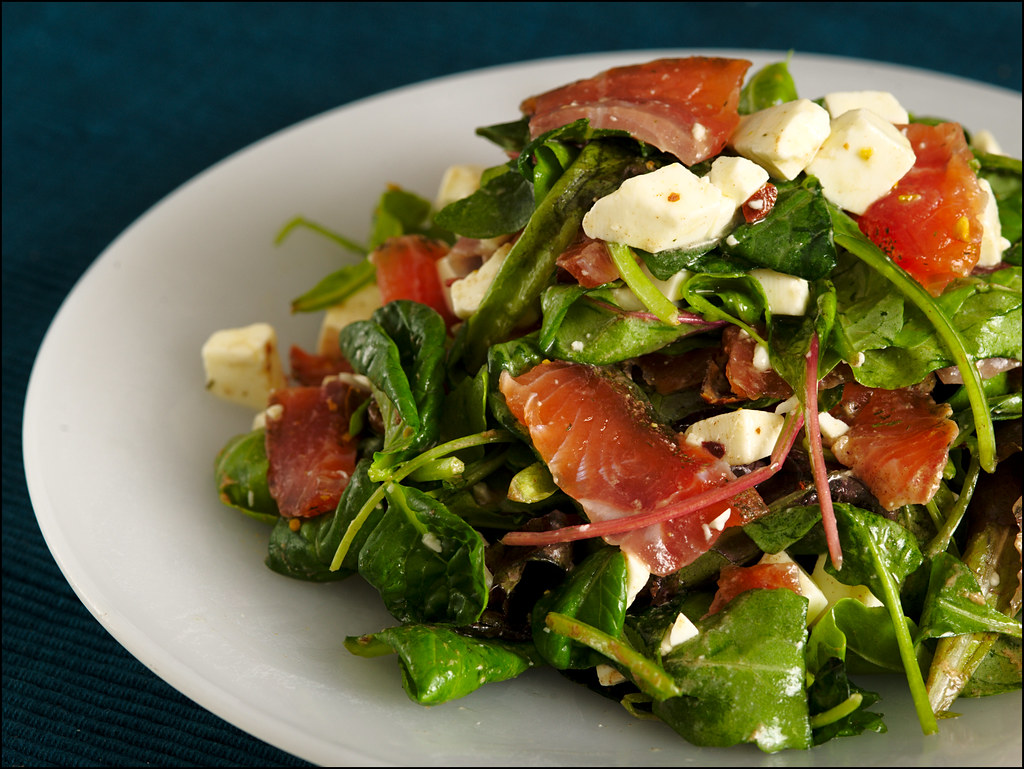
On its own, hummus is often a garlicky, savory spread that has tons of protein, fiber, and calcium (and very little fat). But when you add this chickpea-based spread to tuna instead of mayonnaise, you’ll find both tuna and hummus work well with the other to build layers of flavor. Seeing how tuna and white bean salad is a classic lunch combo, it makes perfect sense the bean-based Mediterranean spread also pairs so well with canned tuna.
While hummus isn’t always the perfect option, with tuna salad, it’s a pretty great substitute for mayonnaise. While there are many variations on the basic hummus recipe, typically, as a base, hummus will be a mash of chickpeas, olive oil, tahini, and a bit of intrigue in the form of lemon juice and garlic.
Cottage Cheese: The Protein Champion
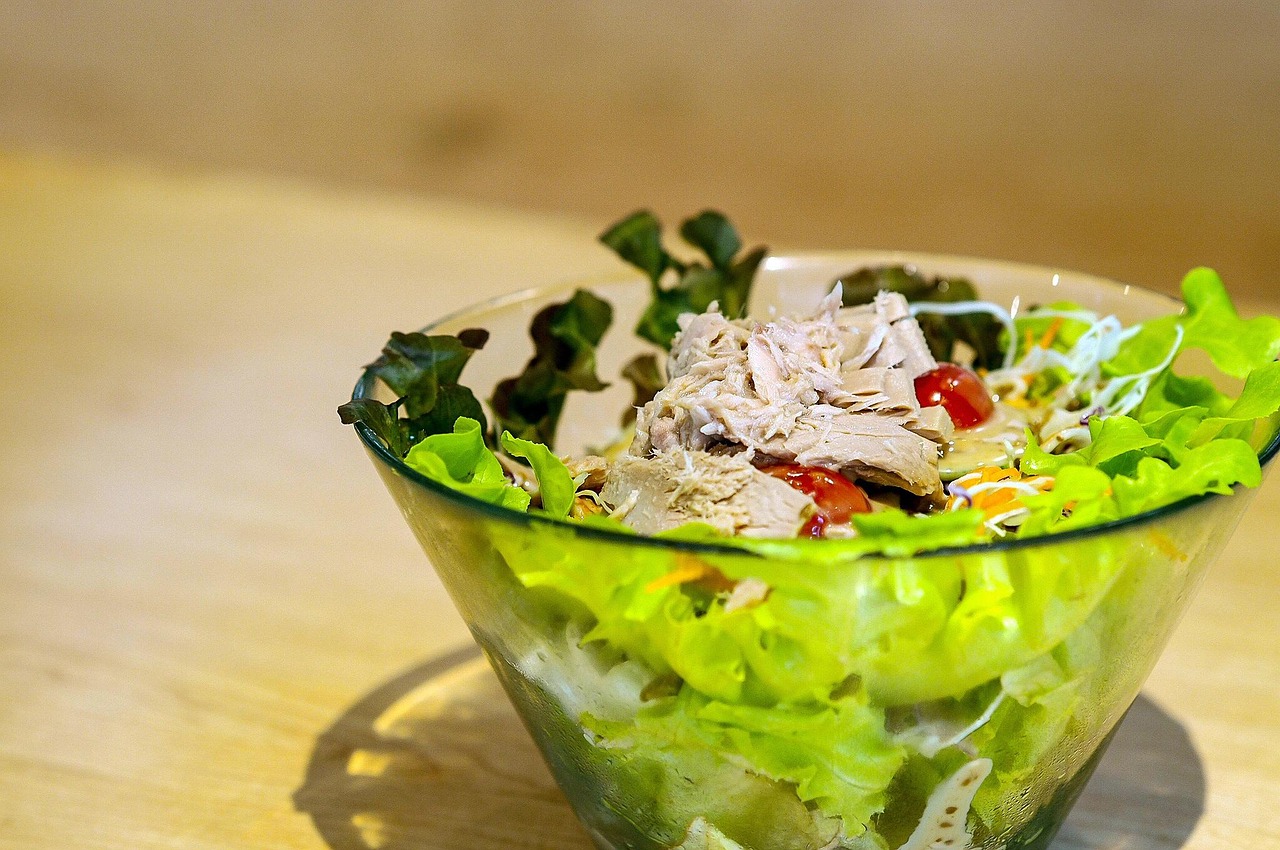
Some cottage cheese tuna salad recipes can provide around 29 grams of protein per serving and uses cottage cheese in place of mayo. It’s just as delicious as classic tuna salad but made a little bit lighter and higher protein! It’s high protein! Such tuna salad preparations can pack substantial protein per serving, so it’s going to keep you full and satisfied and support your protein intake goals.
Cottage cheese provides the creamy base that mayo lovers crave while dramatically boosting the protein content. This makes your tuna sandwich more satisfying and helps maintain stable blood sugar levels throughout the afternoon.
Olive Oil and Lemon: Mediterranean Simplicity
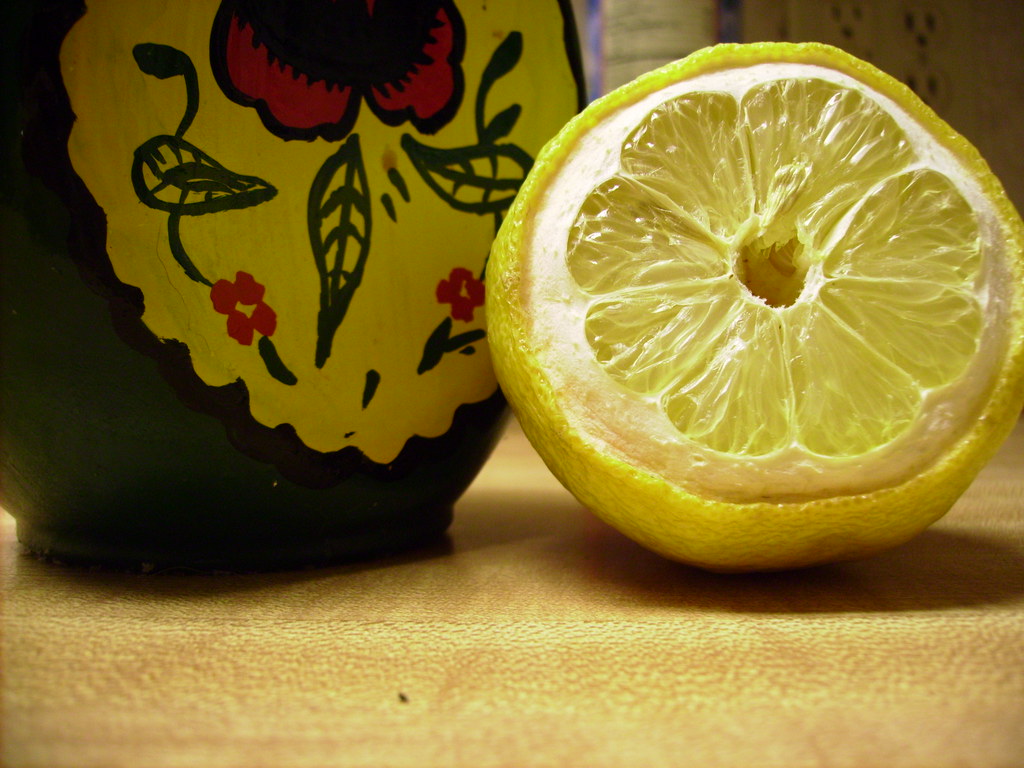
Mayonnaise – and too much of it – has given the traditional tuna salad a not-so-great reputation. We’ve changed that with this nutritious recipe that combines white wine vinegar and heart-healthy olive oil to produce a tasty meal. Adding your own fresh extra virgin olive oil is the key to the best tuna salad ever! The olive oil from the can doesn’t taste fresh and can be fishy.
This combination creates a lighter, more Mediterranean-style tuna salad that lets the natural flavor of the fish shine through. The olive oil provides healthy monounsaturated fats while lemon adds brightness and vitamin C.
What Nutrition Experts Really Think
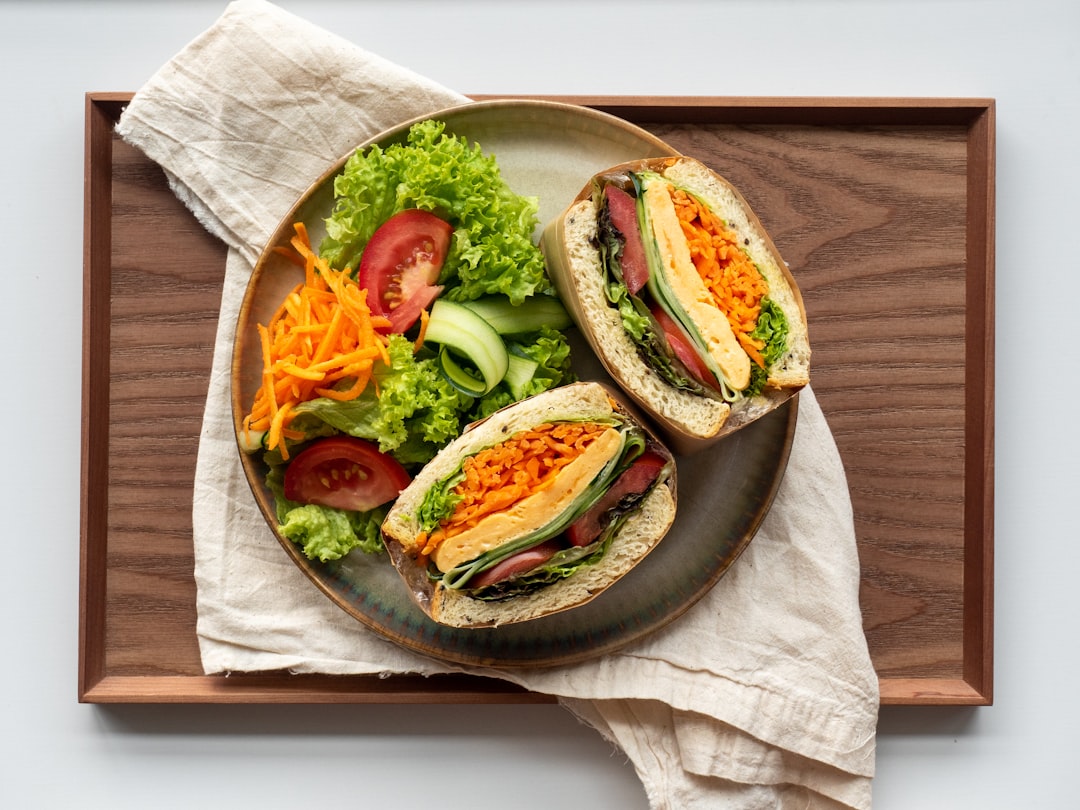
Plus, there are mayo alternatives, like avocado on sandwiches or Greek yogurt in tuna salad. Some recipe developers, like Aubrey Babb, think these mayonnaise-free options are “great substitutes” and “arguably even better” than the real thing. But Kusher cautions while “these substitutes all taste great – and some even have a healthier macronutrient profile than mayo – they do not taste like mayo.”
As a dietitian, I get asked to share healthy lunch ideas quite a bit! This is one that you can meal prep ahead of time or make when you’re in a time-pinch. 😊 So next time you want a quick lunch, use up that extra can of tuna you have in your pantry and make this Mediterranean Tuna Salad! Multiple registered dietitians consistently recommend moving away from mayonnaise-based preparations.
The evidence is clear from food scientists, registered dietitians, and nutrition experts: mayo might not deserve its throne in the tuna sandwich kingdom. While taste preferences remain personal, the health benefits of alternatives like Greek yogurt, avocado, and olive oil combinations offer compelling reasons to experiment. Your taste buds might surprise you, and your body will definitely thank you. What do you think about ditching the mayo? Tell us in the comments.