6 Nations Where Coffee Culture Is Rapidly Taking Off
Coffee used to be the preserve of certain corners of the world. You know the ones – Italy with its espresso, Scandinavia with its daily rituals, the United States with its drive-through obsession. Those markets are pretty well established at this point, almost saturated even.
The real action now? It’s happening in places where coffee was once an afterthought, where tea ruled supreme or where instant granules were considered perfectly adequate. These emerging markets are building their own coffee cultures from the ground up, fueled by rising incomes, changing lifestyles, and a younger generation hungry for the kind of café experiences they see online. The transformation is happening fast, and honestly, it’s fascinating to watch. Let’s dive in.
China: From Tea Nation to Coffee Powerhouse
An estimated 12,000 new coffee shops opened in China over the past year, bringing the total number of outlets to an estimated 67,000 by the end of 2024. That’s not a typo. The market was forecast to reach a value of 313.3 billion yuan in 2024 according to forecasts, reflecting just how dramatically China’s relationship with coffee has shifted. For a country steeped in thousands of years of tea culture, this is nothing short of revolutionary.
Luckin Coffee operates over 20,000 stores across China as of 2024, which gives you an idea of how aggressive the expansion has been. Local chains are adapting to Chinese tastes with incredible speed, developing unique flavor profiles that blend international coffee expertise with traditional preferences. The growth extends far beyond Beijing and Shanghai, too. This growth extends beyond major metropolitan areas to include emerging “new first-tier” cities, where younger and working-class consumers are driving demand for affordable and convenient coffee options.
India: Where Tradition Meets Innovation
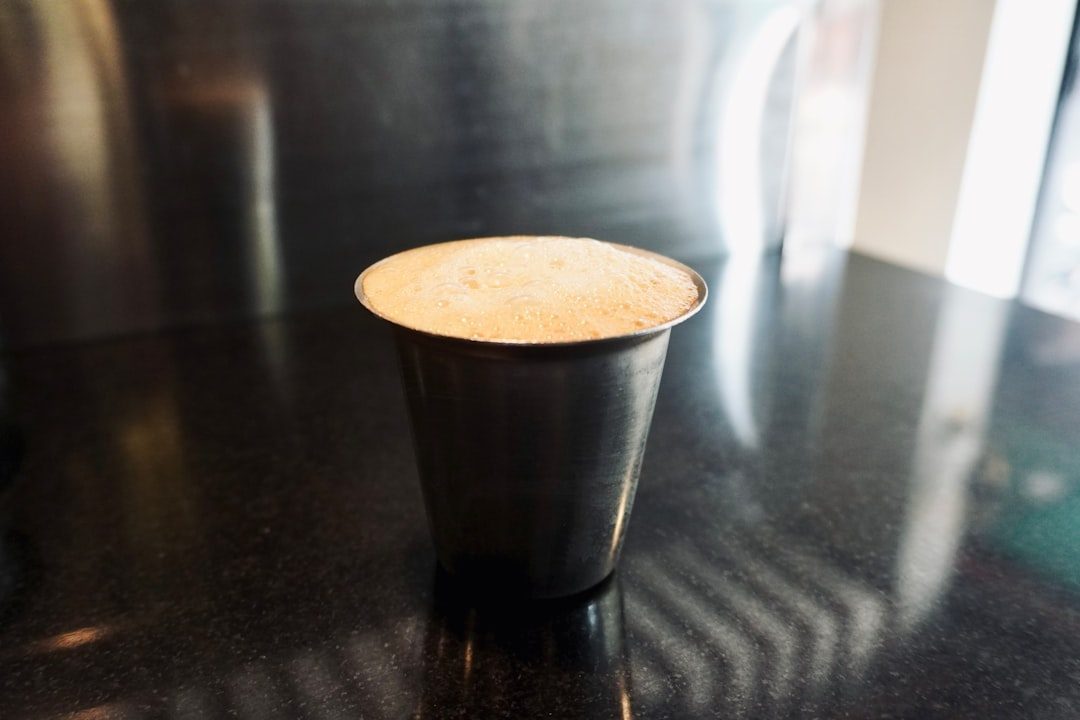
India has always produced coffee, particularly in the southern regions. Consuming it domestically, though? That’s the newer part of the story. Coffee consumption is estimated to have increased to 91,000 tonne in 2023 from 84,000 tonne in 2012, according to research by the Coffee Board of India and CRISIL.
Coffee consumption is primarily steered by India’s younger generation (25-34 years) who seek premium offerings and are willing to experiment with new varieties. Specialty coffee shops like Blue Tokai Coffee Roasters and Third Wave Coffee have carved out dedicated followings, offering single-origin beans and direct-trade sourcing that emphasizes transparency. India’s ready-to-drink coffee market is projected to expand at a compound annual growth rate of around 5%, with projections reaching up to USD 12 billion by 2030. The functional coffee trend is also picking up steam, with health-conscious consumers seeking blends enriched with superfoods and probiotics.
South Korea: The Café on Every Corner Phenomenon

South Korea’s coffee obsession borders on the extreme. It’s estimated there are now over 75,000 coffee shops across the country, which is the equivalent of one café per every 700 people. Let that sink in for a moment. Average per capita consumption reaching over 405 cups annually, which places South Korea among the world’s highest coffee consumers per person.
The total number of coffee shops, coffee-to-go points, and cafés reached the historic record of 99,000 outlets at the end of 2022. What’s driving this? Partly, it’s the country’s busy corporate culture and work-life dynamics. Coffee shops have become essential social spaces, workspaces, and even dating spots. Companies in the South Korea coffee market are increasingly deploying AI-powered coffee kiosks across transport terminals, business districts, and universities. Brands like B:eat, Takeout Drawing are rolling out robotic baristas, merging the country’s tech prowess with its caffeine addiction.
Saudi Arabia: A Billion-Dollar Coffee Awakening
Coffee has deep cultural roots in Saudi Arabia, where traditional Arabic coffee (Gahwa) has been served for centuries. What’s new is the explosion of specialty coffee culture and modern café chains. The Saudi Arabian coffee market, worth USD 1.38 billion in 2024, is set to grow significantly, reaching USD 2.27 billion by 2033.
As of 2024, the number of coffee shops in Saudi Arabia stands at about 3,556, according to the World Coffee Portal. Local brands are leading the charge. Half Million reportedly launched with just $130 in 2018 and now boasts 56 stores across over 14 cities. Barn’s Café reached a significant milestone by opening its 800th outlet in Jeddah, Saudi Arabia, solidifying its position as the largest homegrown café chain in the Middle East in November 2024. The Saudi government declared 2022 the “Year of Saudi Coffee” and established the Saudi Coffee Company with serious investment plans to develop domestic production, roasting operations, and barista training academies.
Vietnam: Producer Turned Consumer
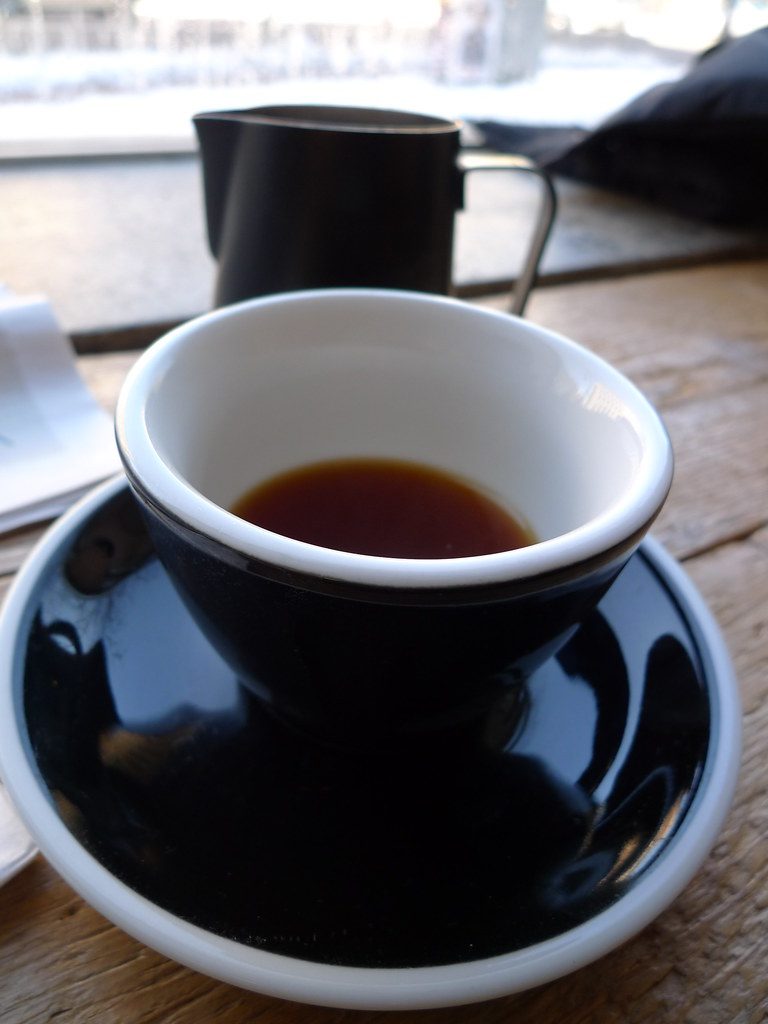
Vietnam is the world’s second-largest coffee exporter, producing massive quantities of robusta beans for global markets. For decades, the country focused almost exclusively on production rather than consumption. That’s changing as a new generation discovers café culture and specialty coffee experiences right at home.
The rise of trendy coffee shops in cities like Ho Chi Minh City and Hanoi reflects growing domestic interest in premium coffee. Vietnamese consumers are exploring beyond traditional ca phe sua da (iced coffee with condensed milk) to experiment with pour-overs, cold brews, and single-origin roasts. Local roasters are emerging to meet this demand, creating a fascinating dynamic where one of the world’s largest coffee producers is simultaneously developing its own vibrant consumption culture. The domestic market still has enormous room to grow, considering Vietnam’s large population and increasing disposable incomes.
Indonesia: Unlocking Domestic Potential
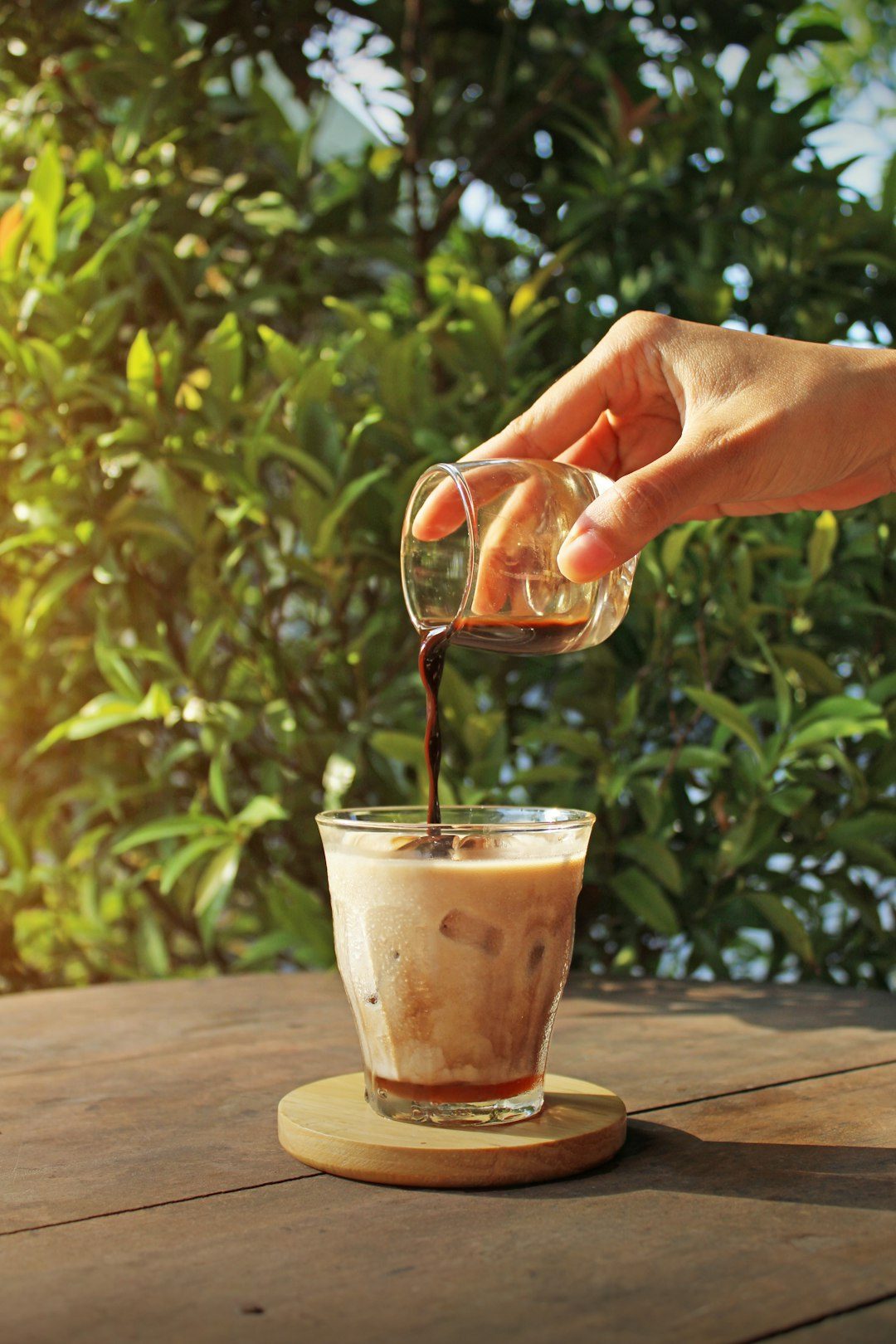
Like Vietnam, Indonesia is better known as a coffee producer than consumer. The country grows exceptional beans across islands like Sumatra, Java, and Sulawesi. Yet historically, most of these beans were exported while Indonesians stuck primarily to instant coffee or traditional kopi tubruk.
That’s shifting as specialty coffee shops proliferate in Jakarta, Bali, and other urban centers. Indonesian consumers are developing a taste for the high-quality arabica and robusta beans their own country produces. The younger, urban middle class is driving this transformation, seeking out third-wave coffee shops that emphasize bean origin, roasting techniques, and brewing methods. Local roasters are capitalizing on Indonesia’s incredible coffee diversity, offering beans from specific regions and processing methods that highlight unique flavor profiles. The potential here is massive – imagine a country of nearly 280 million people discovering the premium coffee that’s been growing in their backyard all along.