Top 6 Most Corrupt Tourist Countries, Transparency Data Shows
Traveling to distant corners of the world can offer incredible experiences, yet some destinations carry hidden risks beyond the usual concerns about pickpockets or overpriced souvenirs. Recent transparency data reveals startling corruption levels in popular tourist destinations that fundamentally change the travel experience. When corruption infiltrates tourism infrastructure, it transforms what should be seamless cultural exchanges into complicated navigation of bribery, inflated costs, and safety concerns.
The reality hits travelers differently depending on their awareness and preparation. Some destinations that appear in glossy travel magazines harbor systemic corruption that affects everything from visa processing to hotel quality. Let’s explore the destinations where corruption creates the most significant challenges for international visitors.
South Sudan: Oil Wealth Meets Tourist Nightmares
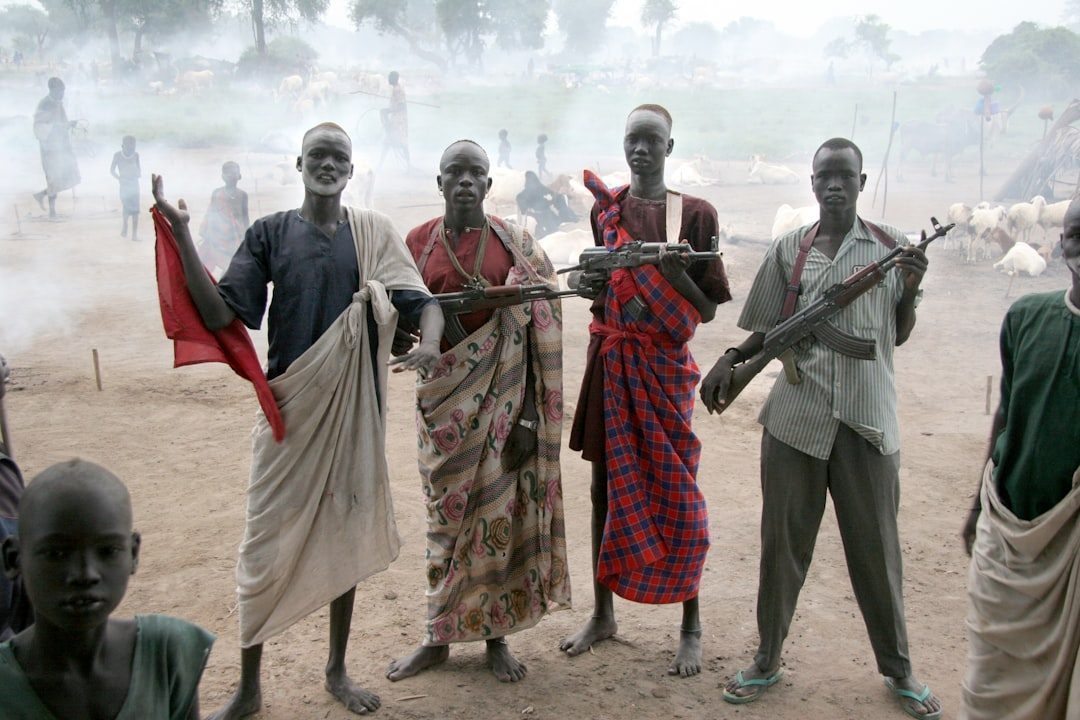
South Sudan consistently ranks as the world’s most corrupt nation, scoring just 11 points on Transparency International’s 2024 Corruption Perceptions Index. Transparency International describes a “kleptocratic system” where oil revenues and aid funds are siphoned by elites. For the few tourists brave enough to visit, this corruption manifests in extraordinary ways that make even basic travel arrangements treacherous.
The country’s tourism infrastructure barely functions due to systematic theft of resources meant for development. More than half of South Sudan’s residents need humanitarian assistance ranging from food and shelter to healthcare. Travelers encounter inflated costs, unreliable services, and potential safety risks as corrupt officials prioritize personal gain over visitor welfare.
Since 2013, just two years after becoming a country, South Sudan fell into civil war with conflicts between tribal groups loyal to members of the newly established government fighting for control. The ongoing instability makes tourism extremely dangerous, with corruption exacerbating already challenging security conditions.
Venezuela: Natural Beauty Overshadowed by Systemic Corruption
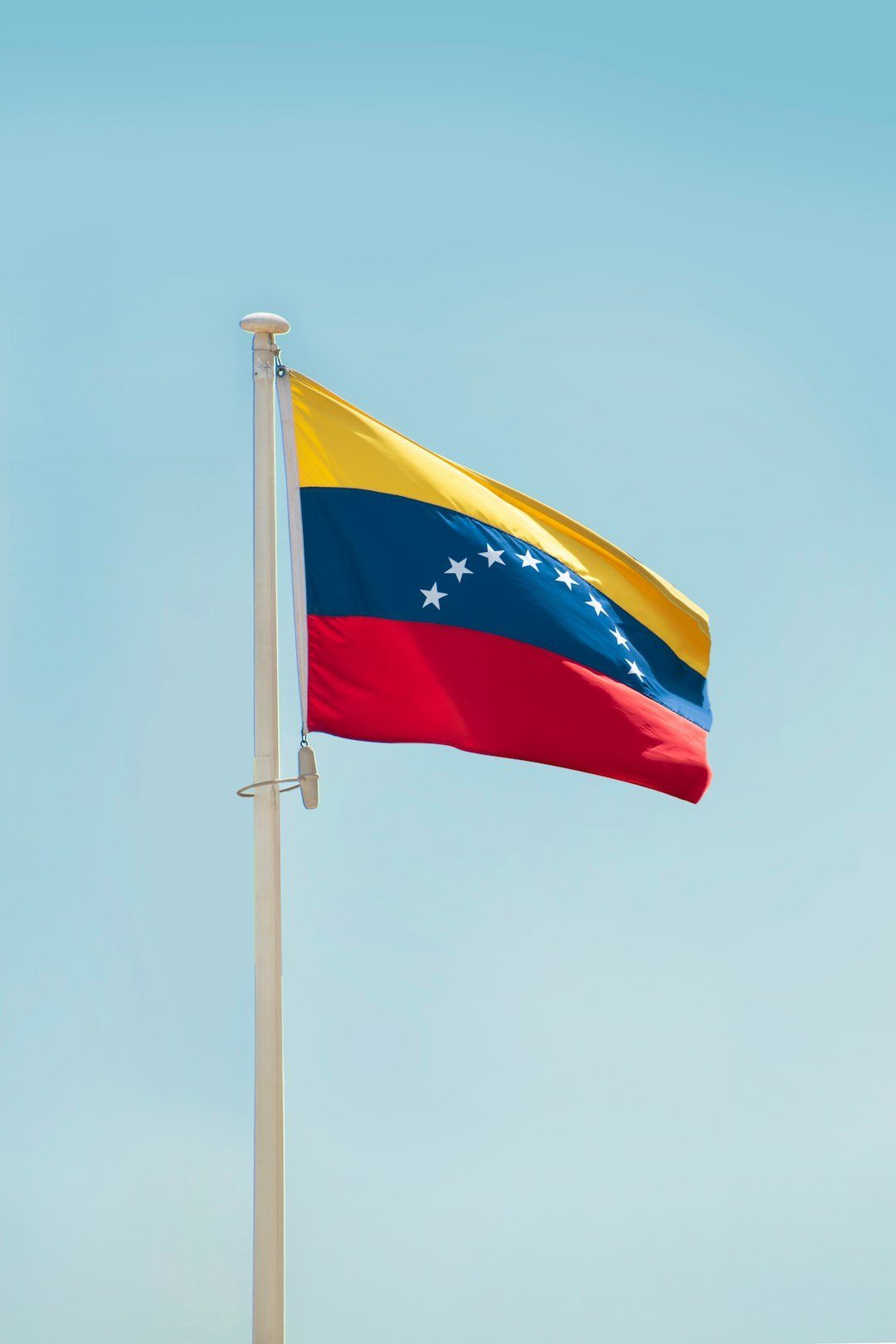
Venezuela scores 13 points on the corruption index, with its prolonged economic crisis deepening public sector corruption under political protection. Venezuela ranks among the most corrupt worldwide, alongside countries like Syria and Somalia. The nation’s stunning landscapes and rich culture remain largely inaccessible to international tourists due to pervasive corruption affecting every aspect of travel.
Citizens of Venezuela are migrating away from the country at a high rate to avoid unjust imprisonment, crime organizations, and drug cartels, with tourists and journalists recently becoming targets of the violence. The tourism sector suffers as corrupt practices create additional costs and safety risks that deter visitors from experiencing the country’s natural wonders.
Venezuela stands among the states with the most significant decline in the Corruption Perceptions Index, particularly among authoritarian states. This deterioration directly impacts tourism infrastructure, making previously manageable destinations increasingly problematic for international travelers.
Nicaragua: Central America’s Corruption Capital
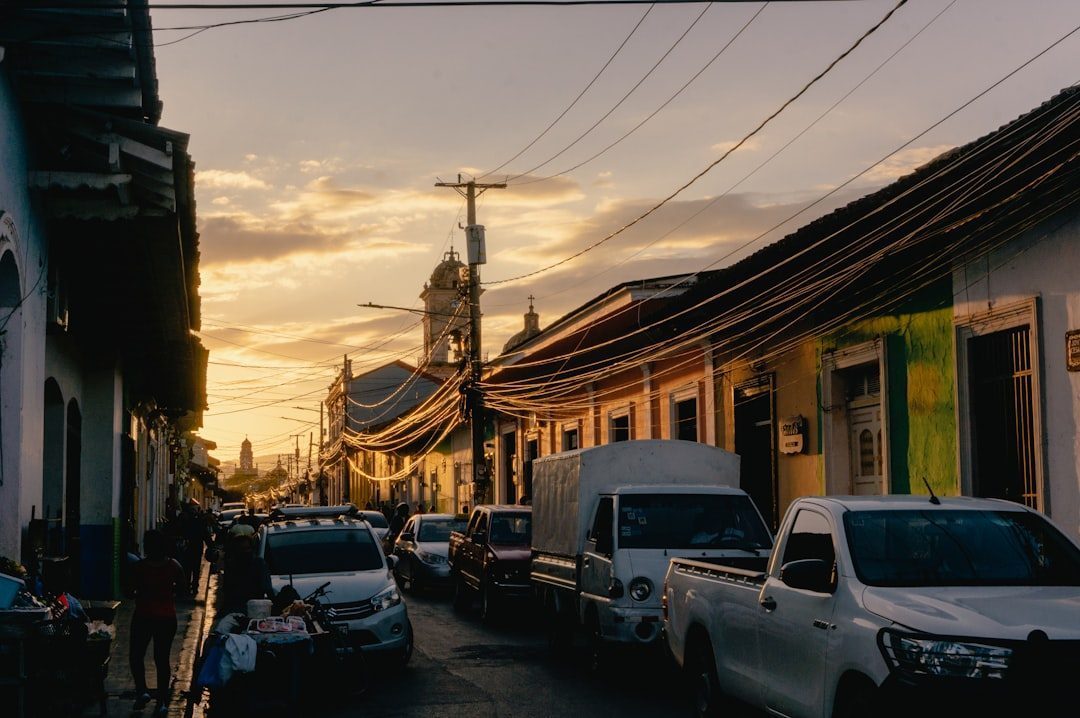
Nicaragua is considered the most corrupt country in Central America and the second most corrupt in the Americas after Venezuela, scoring 17 points on the 2024 index. Decades of power consolidation under Daniel Ortega have eroded institutions meant to check corruption. Despite its beautiful lakes and volcanic landscapes, the country presents significant challenges for tourists.
Political favoritism and lack of judicial independence under a repressive regime have led to widespread corruption, affecting every facet of governance and limiting citizens’ rights and freedoms. While Nicaragua is celebrated for its stunning lakes and volcanoes, it remains overshadowed in the tourist circuit, with the country garnering attention for its alleged lack of political liberties and transparency concerning state finances, as corruption in Nicaragua is deeply ingrained.
Tourists encounter corruption in various forms, from inflated permit fees to demands for unofficial payments at government checkpoints. The systematic nature of corruption means that even routine travel activities become complicated by requests for additional fees or bribes.
Somalia: Failed State Status Impacts Tourism

Somalia ties among the most corrupt globally with a score of 11 points, as the government continues to grapple with institutional patronage and embezzlement. Somalia was ranked as the most corrupt country in the world for several recent years, experiencing fluctuations in its corruption score between 2019 and 2022. The country’s tourism potential remains entirely theoretical due to security concerns and systemic corruption.
Limited tourism infrastructure exists, and what remains often operates through corrupt networks rather than legitimate business practices. The absence of functioning government institutions means tourists have little recourse when encountering corrupt practices or safety issues.
Even humanitarian organizations struggle with corruption in Somalia, making tourism virtually impossible. The few international visitors are typically aid workers or journalists, rather than leisure tourists, highlighting how corruption can completely destroy a tourism sector.
Syria: War and Corruption Create Tourist Wasteland
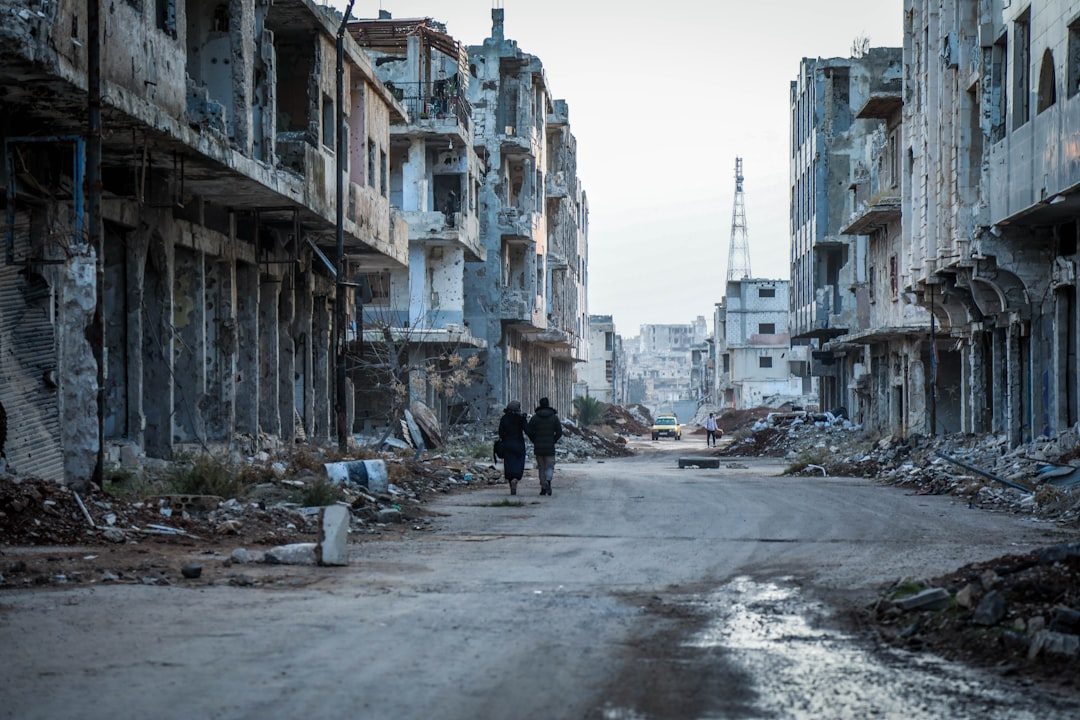
Syria scores 13 points on the corruption index, ranking among the four most corrupt countries globally. The ongoing conflict has created an environment where corruption flourishes unchecked, making tourism essentially nonexistent. What was once a destination rich in historical sites and cultural heritage now presents insurmountable challenges for international visitors.
Government institutions operate primarily for personal enrichment rather than public service, creating massive barriers for any form of legitimate tourism development. The few tourism-related services that exist often require unofficial payments or connections to corrupt networks.
Archaeological treasures and historical sites suffer from neglect and theft, partly due to corrupt officials who prioritize personal gain over cultural preservation. This corruption not only destroys tourist attractions but also erases irreplaceable human heritage for future generations.
Yemen: Humanitarian Crisis Fuels Tourism Corruption
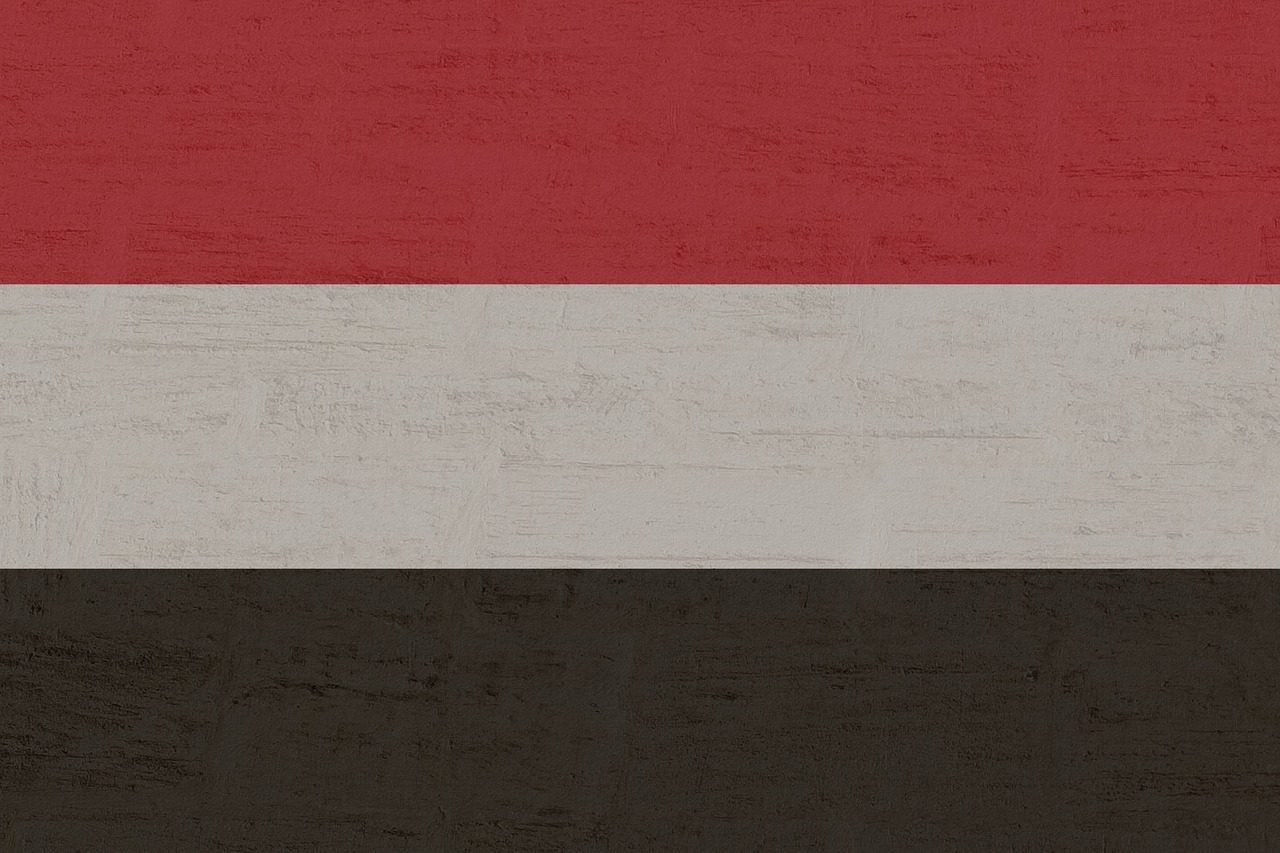
Yemen scores 16 points on the corruption scale, making it one of the world’s most corrupt countries. The ongoing humanitarian crisis creates conditions where corruption becomes a survival mechanism, fundamentally altering any possibility of normal tourism operations.
Government services exist primarily as opportunities for extraction rather than public service, meaning tourists face constant demands for unofficial payments. Basic necessities like safe transportation, reliable accommodation, and secure communication become complicated by corrupt practices at every level.
Many countries severely affected by corruption are simultaneously popular tourist destinations, though Yemen represents the extreme end where corruption completely prevents tourism development. The convergence of conflict, corruption, and humanitarian crisis creates an environment entirely unsuitable for international visitors, demonstrating how corruption can completely destroy tourism potential.