How Safe Is South America? Countries Ranked Safest to Most Dangerous
Argentina: The Continent’s New Safety Leader

Argentina took second position in the 2024 Global Peace Index for South America, scoring 1.911 out of 5 points and ranking 54th globally. This came as something of a surprise, given the country’s economic volatility, yet safety isn’t always tied to financial stability. The homicide rate stands at just 4.7 per 100,000 inhabitants, considerably lower than neighboring Brazil, Colombia, or Mexico. Honestly, the contrast between Argentina’s economic struggles and its relatively peaceful streets shows how multifaceted safety really is.
Argentina enjoyed a Level 1 travel advisory from the U.S. State Department as of mid-2025, rated as Exercise Normal Precautions. The southern region of Patagonia offers particularly safe conditions for travelers, while Buenos Aires requires typical urban awareness. Argentina closed the gap on longtime leader Uruguay. Petty theft remains a concern in major cities, especially pickpocketing in tourist zones, but violent crime against visitors remains relatively uncommon.
Uruguay: The Longtime Champion Still in Top Ranks
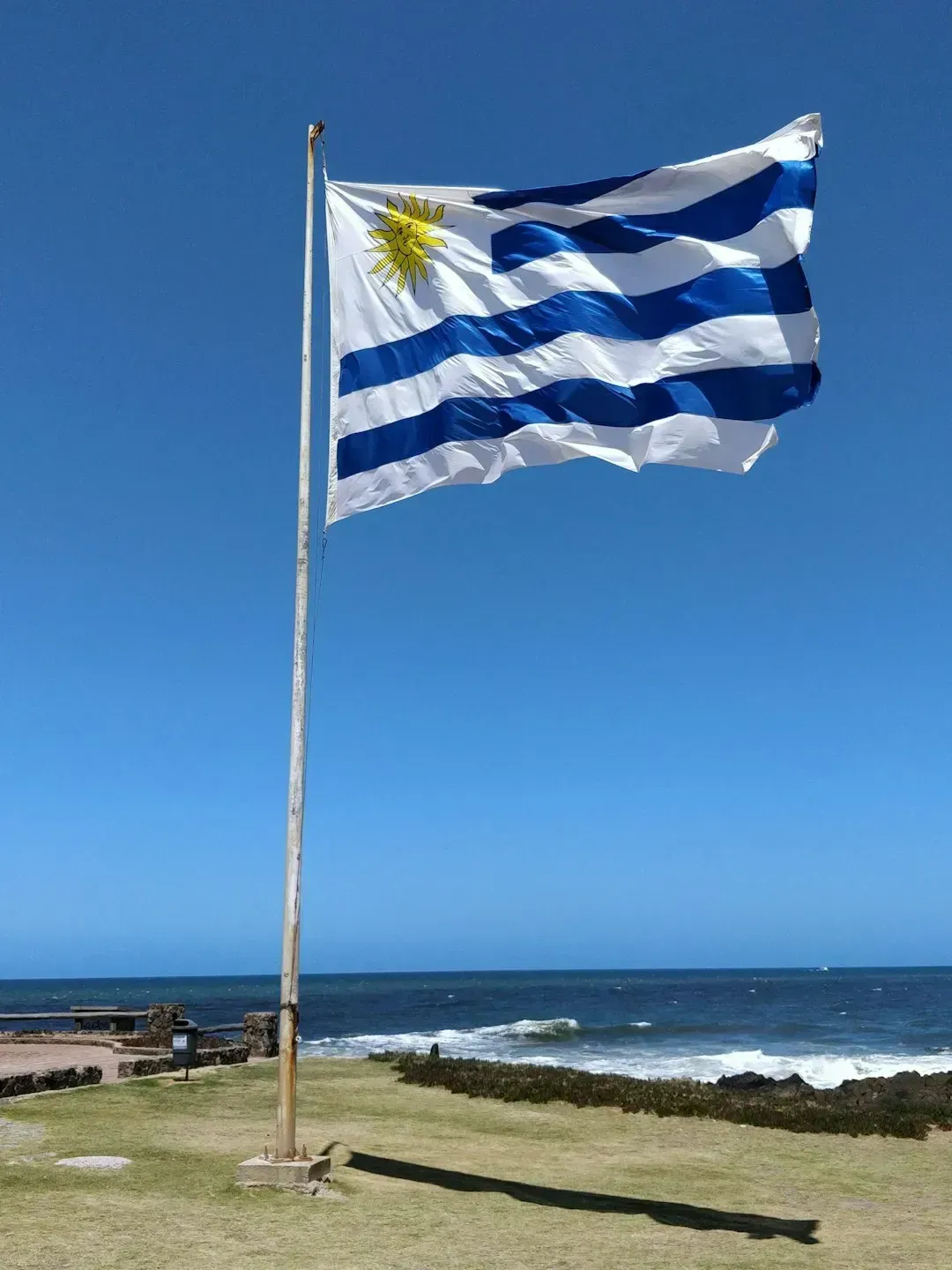
In 2024, Uruguay was ranked the most peaceful country in South America by the Global Peace Index and had a low homicide rate in the region, at around 11 per 100,000 in recent years. Let’s be real, that’s less than half the rate in the United States. Uruguay consistently ranks as one of the most politically stable countries in Latin America, with reliable institutions, strong rule of law, and low corruption levels. The country maintains a calm atmosphere that borders on meditative, drawing expats seeking predictability and peace.
Uruguay earned a Level 2 travel ranking from the U.S. State Department, with robberies being a particular concern. Still, the overall feeling in cities like Montevideo remains relaxed compared to many other South American capitals. Uruguay is known for its relatively low tolerance for corruption and crime, reflected in its consistently high rankings for safety among South American nations, with a strong legal system and societal emphasis on law and order.
Chile: Geographic Diversity With Strong Safety Record
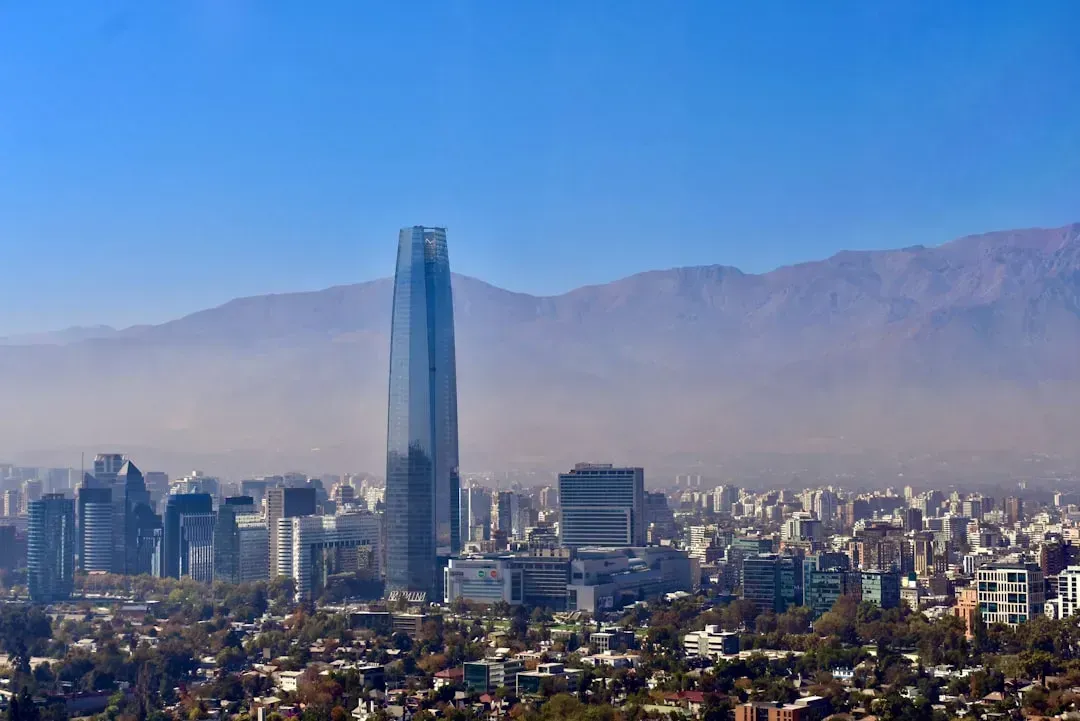
According to the Global Peace Index 2024, Chile ranked third in South America for safety and 58th globally, with a homicide rate of around 6.7 per 100,000, well below the Latin American average. The wealthiest nation on the continent has invested heavily in infrastructure, creating safer travel conditions. Chile earned a Level 2 travel ranking from the U.S. State Department, largely due to occasional protests and demonstrations, but these tend to be localized events rather than widespread dangers.
Thanks to its educated population, stable governance, and the relative absence of powerful drug cartels, Chile provides a generally safe environment, reinforced by measures such as the Comisaría Virtual, an online police platform. Remote areas like the Atacama Desert and Patagonia present minimal crime risks, though Santiago requires standard urban caution. I think the real beauty here is how you can explore everything from glaciers to wine country without constant safety concerns.
Paraguay and Bolivia: Overlooked But Relatively Safe Options
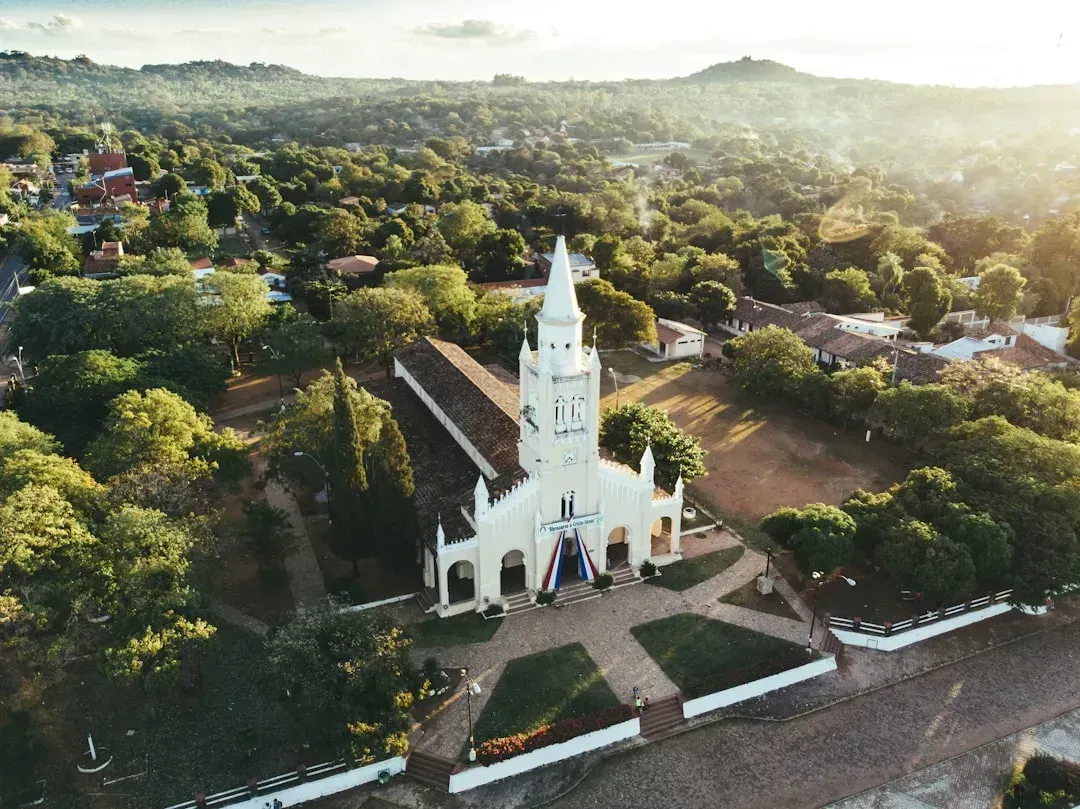
According to the Global Peace Index 2024, Paraguay ranked 4th in South America for safety. Its intentional homicide rate is around 7.6 per 100,000, well below the regional average and significantly safer than neighbors like Brazil or Bolivia. Paraguay is one of the least-visited countries in South America, but also one of the safest, with a Level 1 travel advisory as of mid-2025. This landlocked nation rarely makes headlines, which actually helps keep it off the radar of mass tourism chaos.
Bolivia reportedly ranked around 83rd globally on the 2025 Global Peace Index. Bolivia enjoyed a Level 2 travel advisory as of mid-2025, due to civil unrest and the possibility of demonstrations. The country offers spectacular attractions from the Uyuni salt flats to Amazon tours, though travelers should remain alert in urban areas like La Paz where petty crime occurs. Here’s the thing: both countries offer authentic experiences without the overwhelming tourist infrastructure, and for many travelers, that’s precisely the appeal.
The More Dangerous End: Venezuela, Colombia, and Ecuador
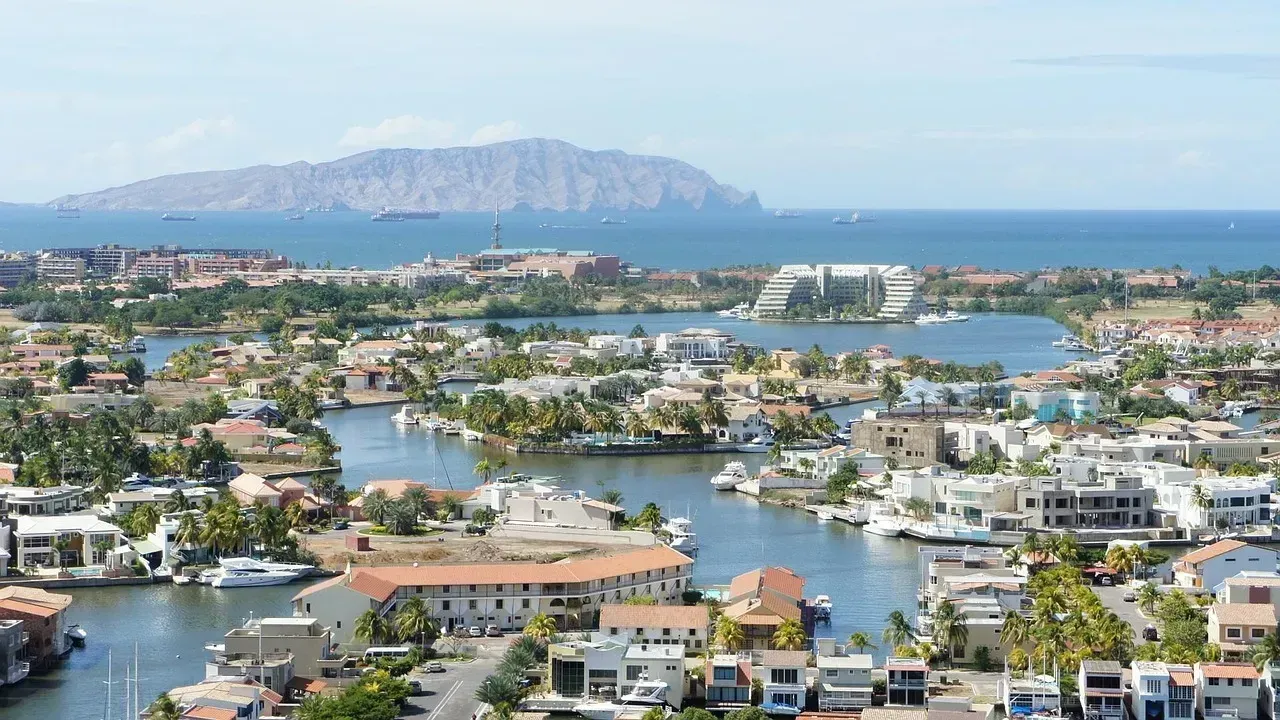
The latest Global Peace Index has ranked Colombia among the least-safe countries in South America, placing it 140th out of 163 countries globally and citing high levels of homicides, access to weapons, internal conflict, and displaced people. Violent crime such as homicide, assault, and armed robbery is widespread, while organized criminal activities including extortion, robbery, and kidnapping are common in some areas. Major cities like Bogotá and Medellín have improved in recent years, yet border regions remain extremely dangerous.
Ecuador is considered one of the more dangerous countries in South America for visitors and residents alike. Violent crime and organized gang activity increased sharply through 2023 and 2024, driven by drug-trafficking conflicts and the criminal justice challenges that followed, particularly in coastal cities such as Guayaquil and the Esmeraldas region. Ecuador declared a state of emergency in early 2024 in response to rising violence, and while some crime figures dipped slightly that year, the country continued to record one of the highest homicide rates in the region. U.S. travel advisories reflect these risks, designating several areas, including parts of Guayaquil and surrounding provinces, as Level 4 “Do Not Travel” due to crime and terrorism threats, while the overall advisory for Ecuador remained at Level 2: Exercise Increased Caution. State Department, the most severe warning available, discourages all travel to the country due to crime, civil unrest, and risk of detention.
South America’s safety landscape has improved overall in recent years, making many destinations accessible with proper precautions. What do you think about traveling to these countries? Would safety concerns stop you, or are the experiences worth the calculated risk?