7 Menu Red Flags Chefs Say Mean You Should Walk Out
The Never-Ending Novel Menu
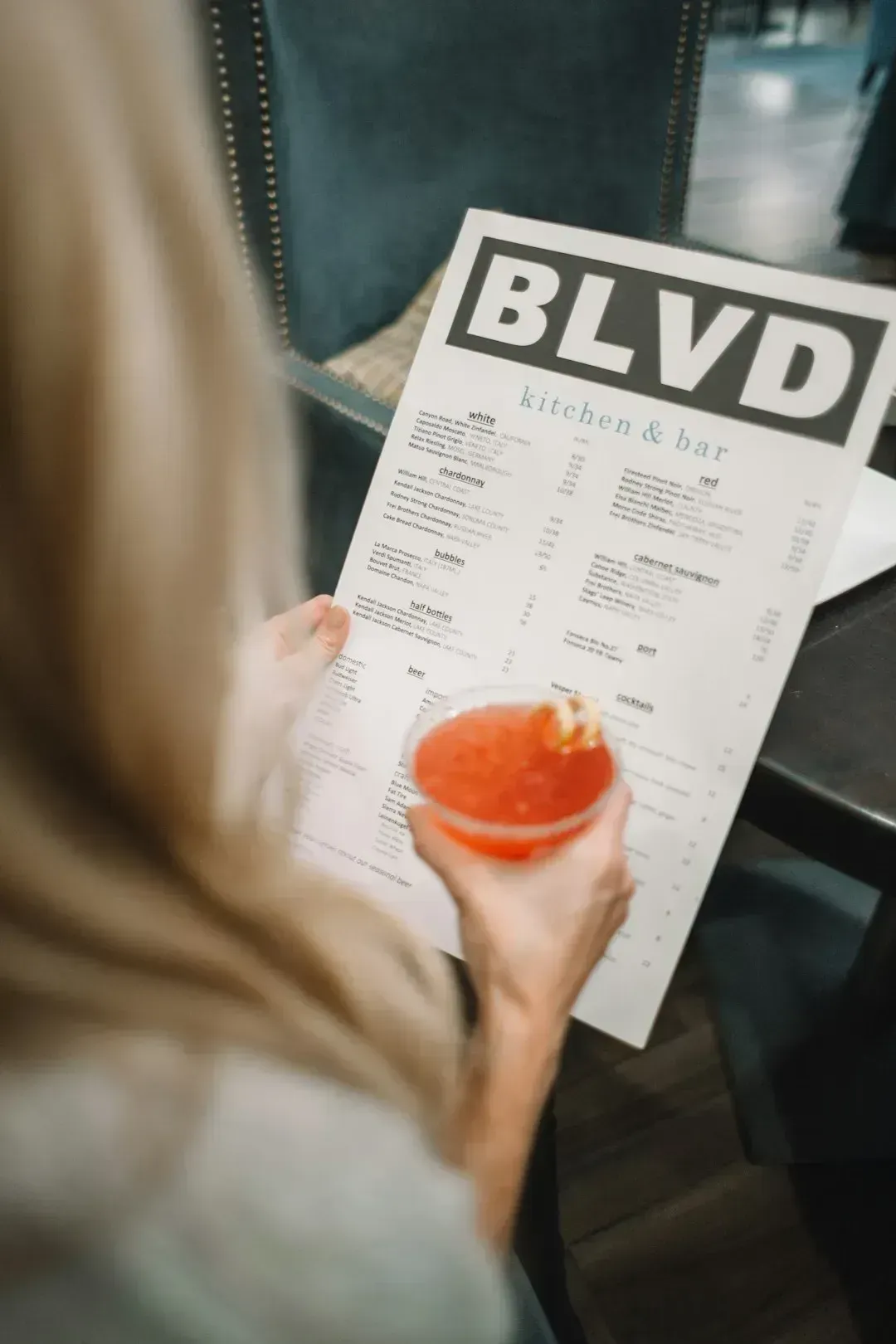
Here’s the thing. If the restaurant has a menu that’s 10 pages long and spans Italian food to Indian to Chinese, that’s a big red flag because with so many dishes and so many different types of cuisine, it’s a clear sign that a restaurant hasn’t mastered any of them. I’ve seen this countless times during my own dining experiences, and honestly, it rarely ends well.
One chef told us that a giant menu could indicate “either the kitchen has a high capacity for handling many different dishes, or that many of the dishes are not fresh,” explaining that “what often happens is that the quality of food suffers.” Let’s be real, when you’re juggling that many items, something’s gotta give. If there are 100 dishes, when do you think was the last time somebody ordered the same meal you’re ordering? If you choose a dish that doesn’t have a lot of turnover, it might be made with old ingredients that have been sitting around in the back since the last time someone picked it off the menu.
Food quality also suffers with a super-size menu because kitchen staff cannot gain experience preparing a reasonable number of dishes well or devote equal attention to a myriad of items at the same time. Think about it this way: would you rather eat at a place that does five things brilliantly, or fifty things poorly?
Grimy, Sticky, or Torn Menus
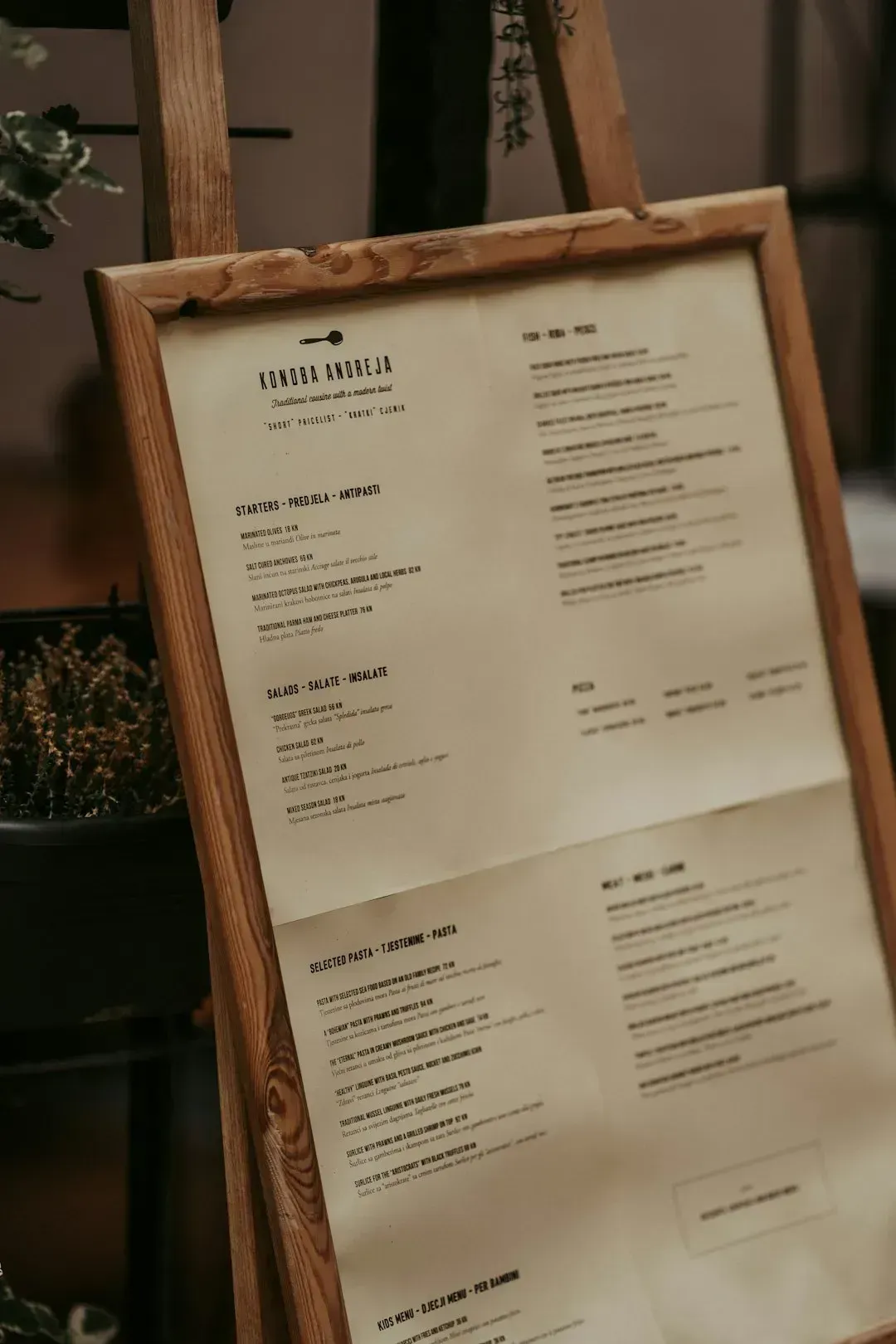
If the restaurant delivers torn, worn or dirty menus, that tells you the waitstaff isn’t adequately trained, or the manager doesn’t pay attention to his or her restaurant environment, and menus with bread crumbs, food stains and spilled sauces signal they’re not cleaned regularly, meaning if the staff isn’t paying attention to this detail, they may be missing even bigger things. I know it sounds crazy, but the menu itself can tell you volumes about kitchen cleanliness.
Condiments that are missing caps, have crusty caps, or are not re-filled, and sticky or splotchy menus can be a sign that things are not cleaned routinely. When menus are sticky, stained, or falling apart, the adage “how you do one thing is how you do everything” comes to mind because if they can’t present their menus with pride, what else are they hiding?
Plus, menus get handled by dozens of people every single day. If they’re visibly filthy, imagine what the surfaces you can’t see look like back in the kitchen.
The Overly Enthusiastic Daily Special Push
You may notice your server pushing you the chef’s special with unusual enthusiasm, which could be suspicious because while the specials are genuine chef creations, it could also be a way to dispose of ingredients that are about to expire, so if your server is overly insistent, consider ordering something else. I’ve worked in enough kitchens to know how this game works.
Restaurant servers push the special of the day, and their reasons may be more economic than culinary, with one executive chef and owner saying “when I go out to eat at other restaurants, I never order the specials.” Gordon Ramsay won’t order soup du jour at a restaurant either, and he recommends asking your waiter what the soup du jour was yesterday, as their answer can clue you into how fresh and daily that soup special really is; if the specials were items like roast chicken and veg, and now the soup of the day is a chicken vegetable soup, that’s a big red flag that the kitchen is using older, leftover ingredients.
Nothing wrong with using yesterday’s chicken in soup per se, unless they’re charging you premium prices and calling it fresh. That’s where things get a little sketchy.
Unpleasant or Overpowering Cleaning Product Smells
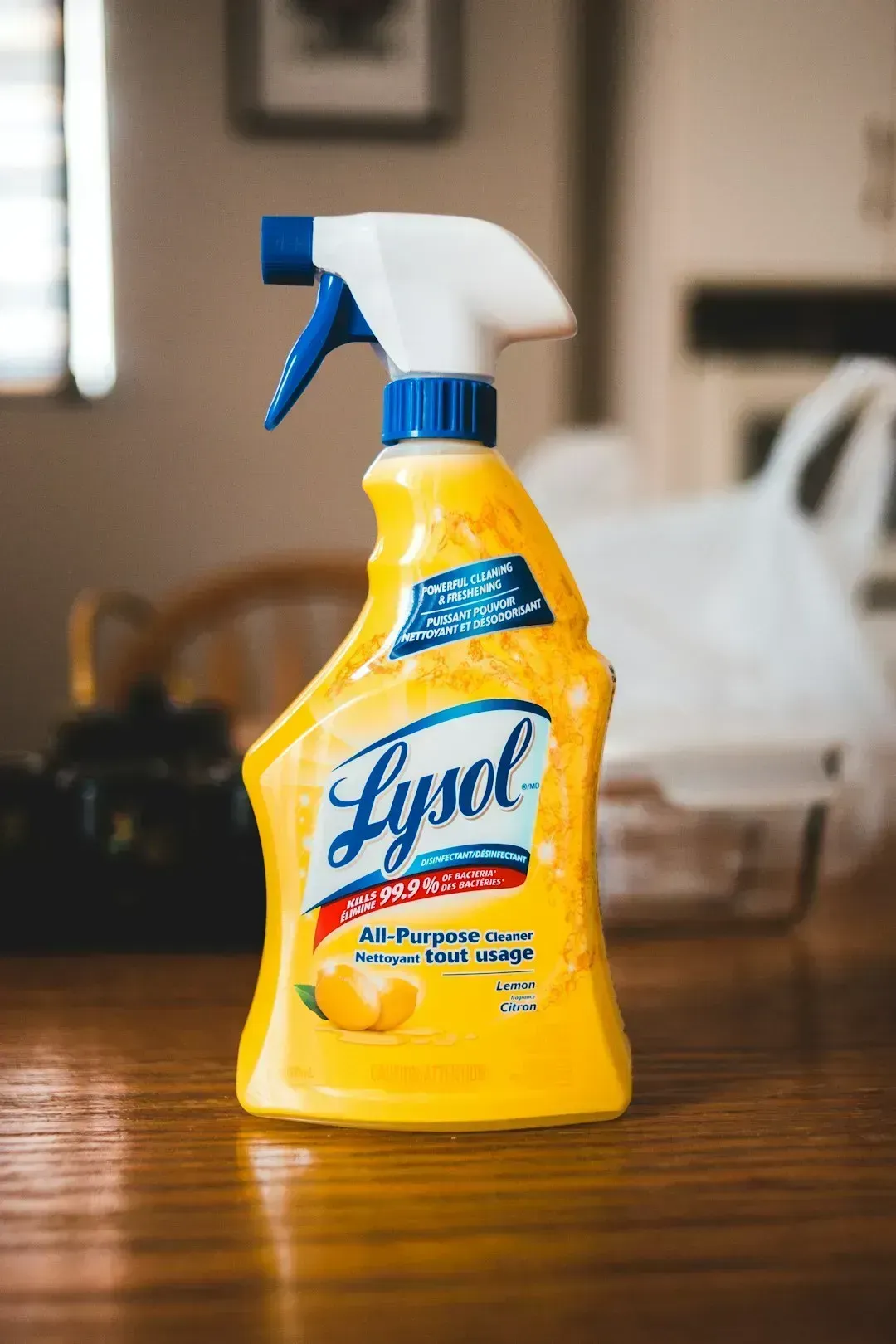
Overpowering bleach or cleaning product odors during service hours suggests that they are covering up another smell; this could also mean that the staff is cleaning during meal prep, which is a health code violation, as your food could get contaminated with unwanted chemicals. Honestly, this one makes me nervous every time I encounter it.
A clean restaurant should smell like food, not like a hospital. If you walk in and get hit with that overwhelming chemical scent, your body is trying to tell you something. Listen to it. There’s a difference between maintaining cleanliness and desperately trying to mask something else entirely.
Fresh air or subtle food aromas are what you want. Anything else is cause for concern, and probably means you should find another spot for dinner.
A Miserable or Frustrated Staff

One staff member looking miserable must mean a bad day, but when you see it in the faces of the entire staff, then it reflects poor management, meaning that the staff is frustrated about the management, and it could extend to food quality and cleanliness standards. I think this gets overlooked far too often by diners.
When the host and waiters are obviously not engaged, this can be a warning sign of a bad restaurant because great establishments are excited about their food and want to share it with the world, so a lack of engagement can be a symptom of a work culture that isn’t cultivating any care. The vibe in a restaurant matters more than people realize.
If nobody working there seems happy to be there, what are the chances they’re putting love and attention into your meal? Slim to none, in my experience. Happy staff usually means better food, better service, and better everything.
Neglected Exteriors and Common Areas
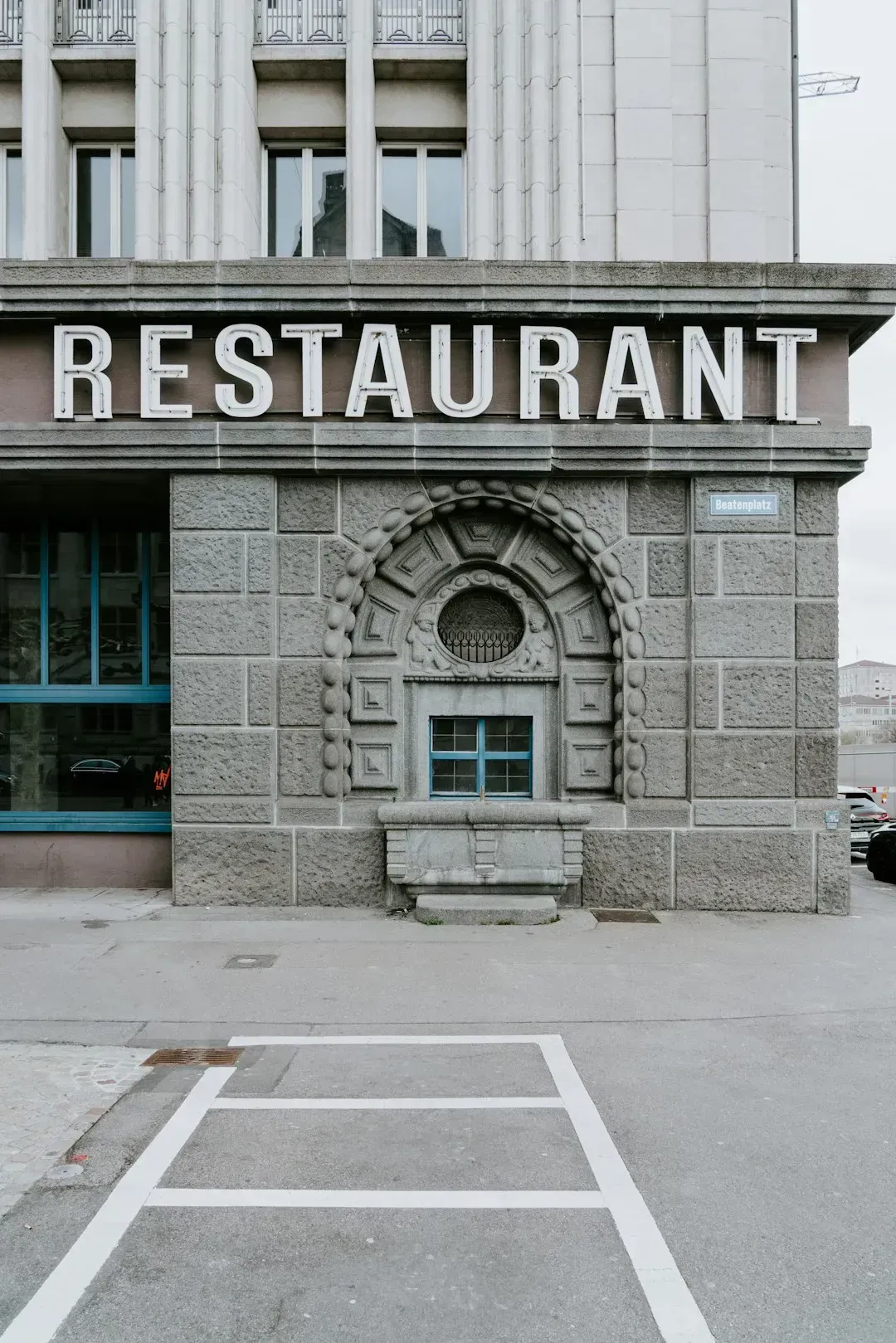
If you get out of your car and come face-to-face with open dumpsters, trash and cigarette butts on the ground, you may want to keep driving, and dirty windows and doors are also a sign the restaurant isn’t focused on cleanliness, and that may carry over into the areas where your food is prepared. First impressions count, even before you step inside.
While a restaurant doesn’t have to be slick, if it looks very shabby or like nobody cares for it, that’s a bad sign, with one chef saying he always takes a look around at the common areas, noting that “floors, menus, waiting area – if those look cared for, the rest usually falls in line.” There’s a difference between a restaurant that’s a little worn and old but has a lot of heart and one that people don’t give a damn about, as dirty floors, tables that haven’t been wiped down properly, baseboards that have never seen a duster are all bad signs.
It’s hard to say for sure, but I’ve noticed that restaurants with spotless lobbies and clean windows tend to have spotless kitchens too. Neglect in one area often predicts neglect everywhere else.
Multiple Conflicting Cuisines or Themes
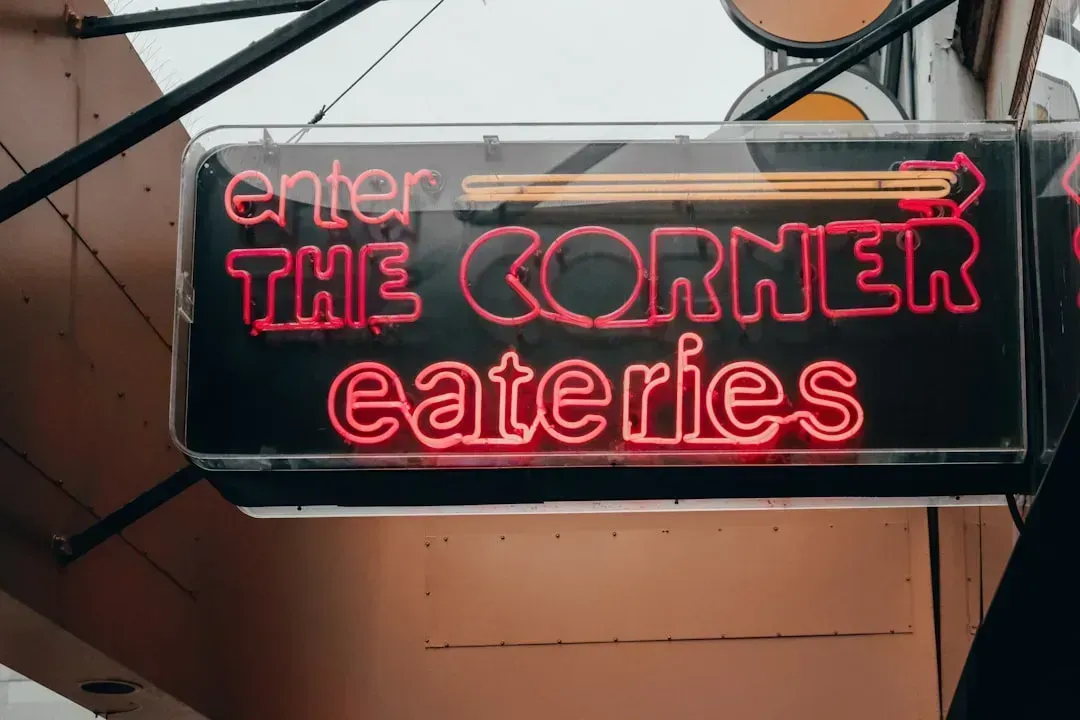
When a restaurant’s dishes are unified by a single cuisine or concept, the chef and kitchen staff are most likely well-taught in making such meals, so you can be more confident in the quality of the food; in contrast, if a restaurant advertises itself as French but features a section for Chinese fare halfway through the menu, we wouldn’t blame you for feeling a little bit weirded out and discouraged from ordering. Specialization matters in cooking just like it does everywhere else.
Themes, styles and designs are a great way for restaurants to promote their personality to guests, but too many may be a red flag, with one publicist in Austin, Texas saying “all restaurants have a look and feel, that’s what attracts customers,” noting that “if you end up somewhere that has too many themes, such as a cool dive bar inside but a nautical-themed beach bar out back, this can sometimes be an indication service and management are not in sync behind the scenes.”
I once ate at a place that tried to be Italian, Mexican, and Asian all at once. None of it was good. Jack of all trades, master of none, as they say. When a restaurant can’t decide what it wants to be, that confusion usually shows up on your plate.