6 Countries That Eat the Most Bread – and 2 That Rarely Do, Study Shows
The world of bread consumption tells fascinating stories about culture, tradition, and economics across the globe. Recent data from World of Statistics reveals dramatic differences in how nations approach this fundamental food staple. Some countries consume hundreds of pounds of bread per person annually, while others barely touch it. These patterns reflect deep cultural preferences, agricultural traditions, and evolving dietary habits that shape how entire populations eat. So let’s dive into the remarkable world of global bread consumption and discover which nations lead the pack.
Turkey: The Undisputed Bread Champion
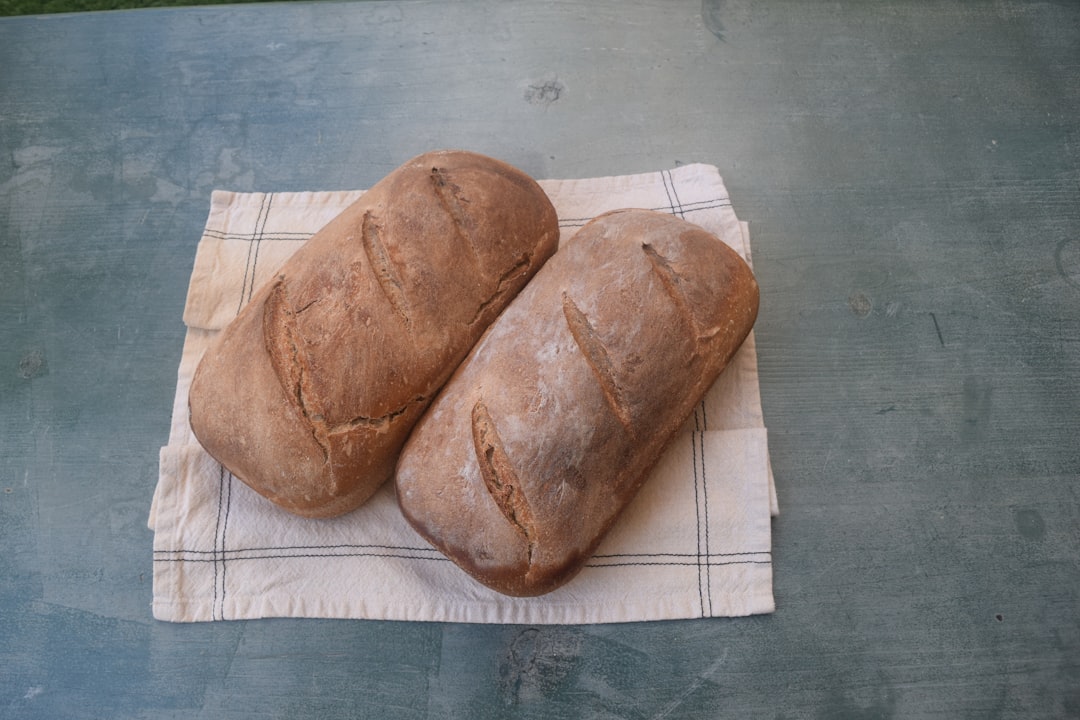
Turkey reportedly leads in bread consumption, with citizens consuming approximately 104-120 kilograms (229-264 pounds) of bread per person each year. Turkish people eat more than three times their own body weight in bread annually. One factor that contributes to this extraordinary consumption is that bread is eaten with every meal in Turkey – breakfast, lunch, and dinner – leading to bakeries that operate all day long rather than just in the morning. Bread is considered vital for every person, rich or poor, making it an element that brings citizens together.
Serbia: A Strong Second Place

Serbia claims the second position in global bread consumption with 135 kilograms per capita annually. Serbia consumes the second highest amount with 135 kilograms (297 pounds) of bread eaten per person on an annual basis, though still a far cry from the amount enjoyed in Turkey. The substantial bread consumption in Serbia reflects the Balkan region’s deep connection to wheat-based foods and traditional bread-making practices that have sustained communities for generations. This level of consumption demonstrates how bread remains central to Serbian daily meals and cultural identity.
Bulgaria: Maintaining Balkan Traditions

Bulgaria rounds out the top three bread-consuming nations with 131.1 kilograms per capita per year. Bulgaria consumes approximately 131.1 kg (289 lb) of bread per person. Bulgarian bread culture encompasses both traditional dark breads and modern varieties, with bakeries serving as community gathering points. The country’s position among the world’s top bread consumers reflects centuries of grain cultivation in the fertile Danube plains and the enduring importance of bread in Bulgarian hospitality and daily nutrition.
Ukraine: Eastern European Bread Heritage
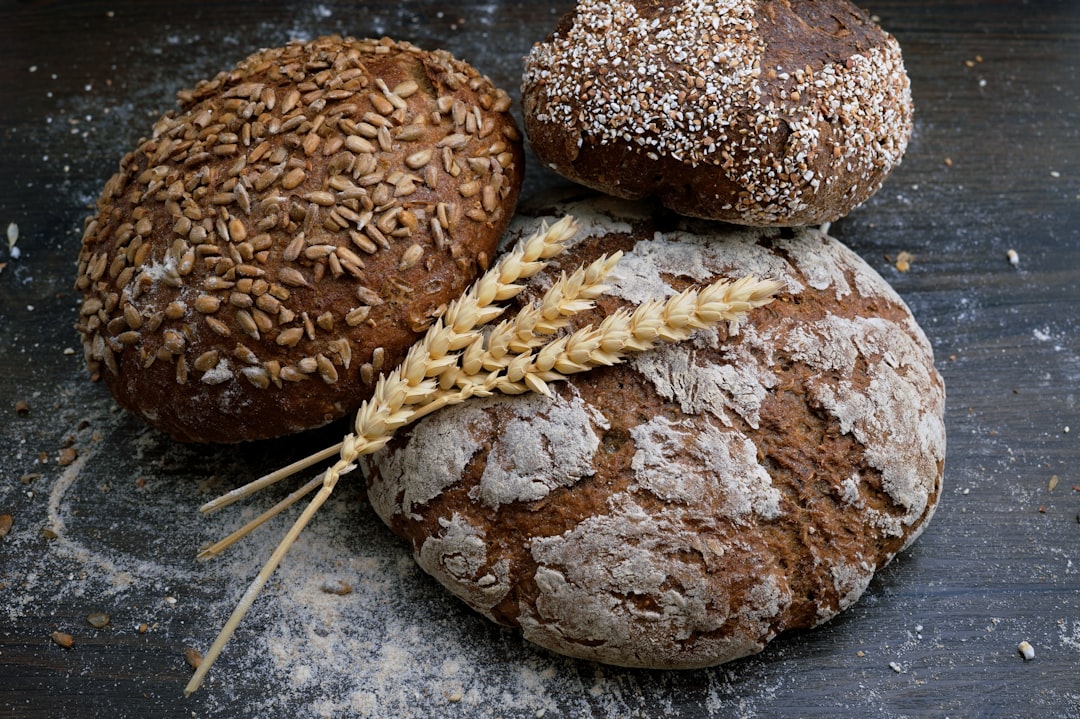
Ukraine demonstrates significant bread consumption at 88 kilograms per capita annually. The nation’s bread culture draws from rich agricultural traditions in one of the world’s most fertile regions, often called the “breadbasket of Europe.” Ukrainian bread varieties range from traditional dense rye breads to lighter wheat varieties, with each region maintaining distinct baking traditions. The relatively high consumption reflects bread’s role as both sustenance and cultural symbol in Ukrainian society, where sharing bread represents hospitality and community bonds.
Cyprus: Mediterranean Bread Culture

Cyprus consumes 74 kilograms of bread per capita each year, representing the Mediterranean approach to bread consumption. The island’s bread culture blends Greek, Turkish, and Middle Eastern influences, resulting in diverse bread types from village-style loaves to specialty breads for religious celebrations. Cypriot bread consumption reflects the Mediterranean diet’s emphasis on grains as foundational foods, with bread accompanying most meals and serving as a vehicle for local olive oils, cheeses, and other traditional foods.
Argentina: Leading Latin American Consumption
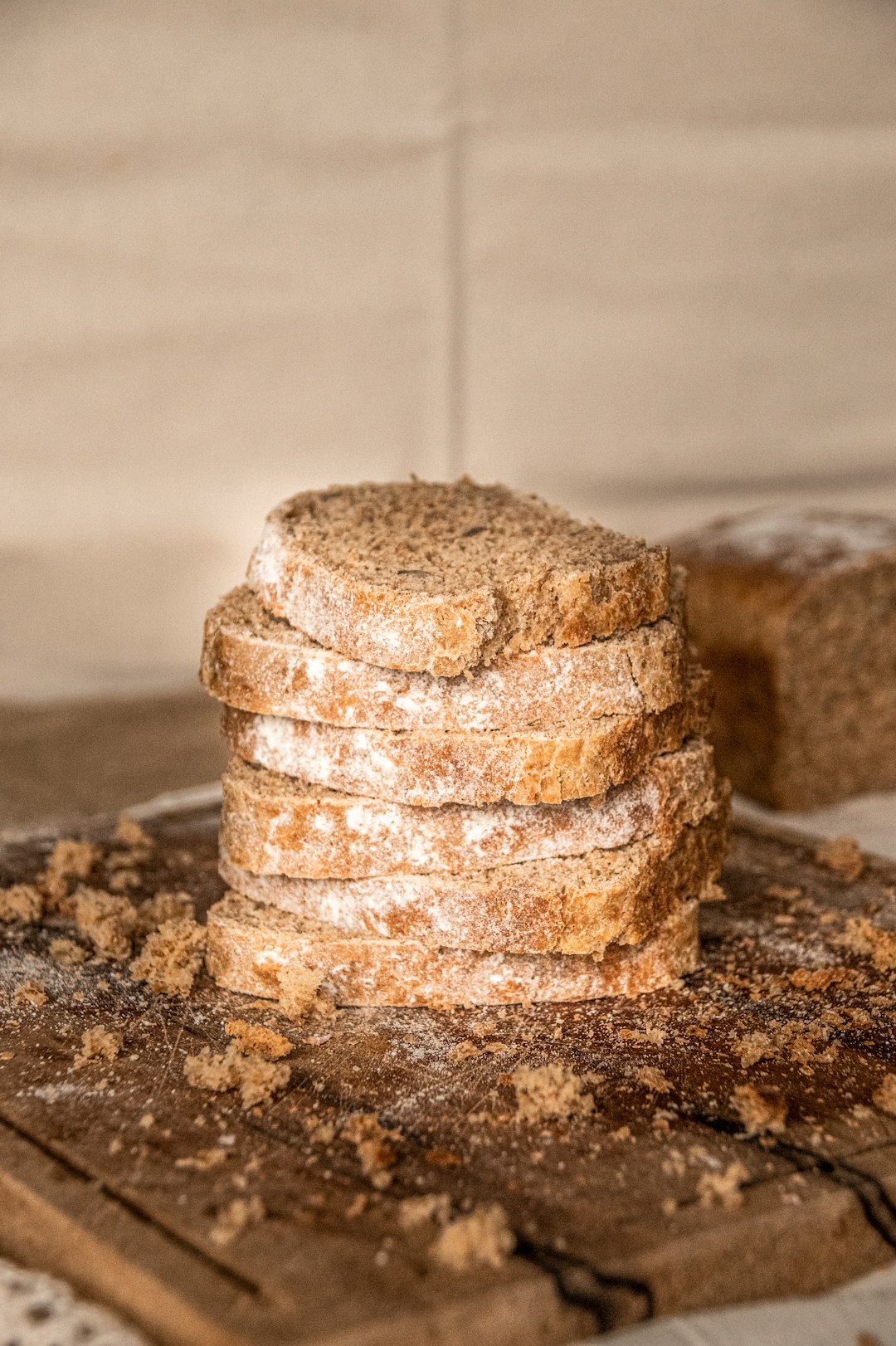
Argentina stands out in Latin America with 72 kilograms of bread consumed per capita annually. The country’s bread culture stems from significant European immigration, particularly from Italy and Spain, which introduced diverse bread-making traditions. Argentine bakeries, called panaderías, are neighborhood institutions that produce everything from crusty French-style baguettes to soft sandwich breads. The nation’s wheat production capabilities support this substantial consumption, making fresh bread accessible and affordable across the country.
India: Minimal Bread Consumption
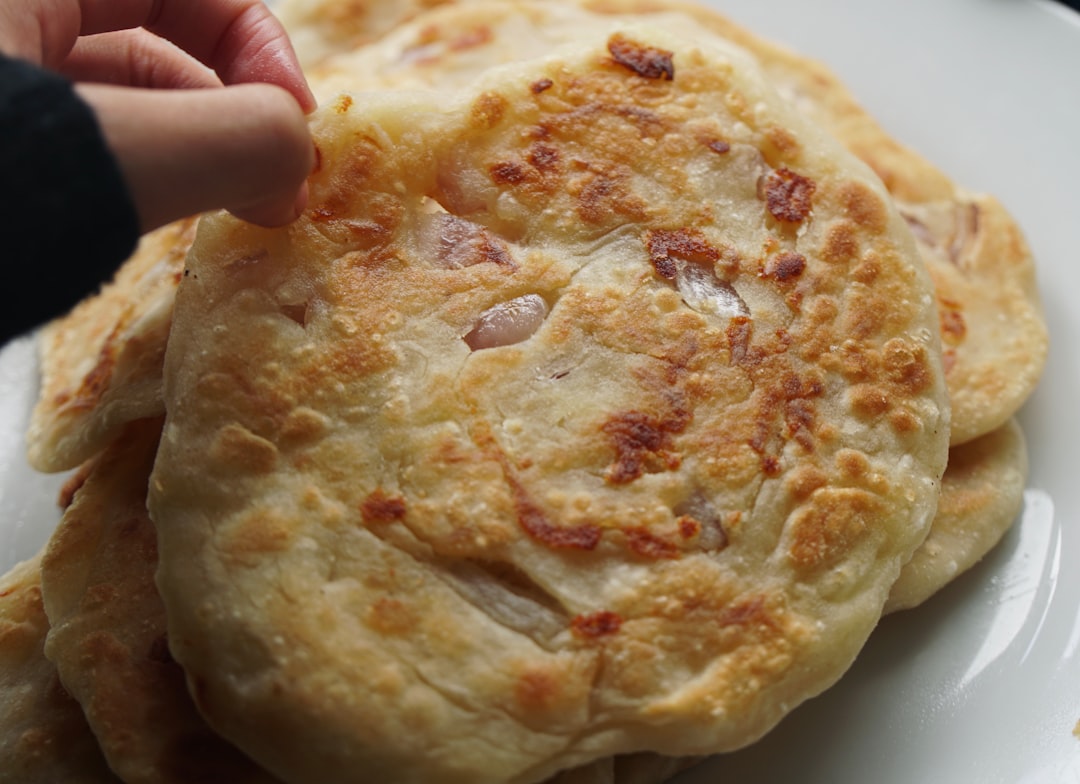
India has relatively low bread consumption at approximately 7-8 kilograms per person annually. With low annual per capita bread consumption, India is among the lower consumers of bread among countries listed, as bread is not traditionally a staple in Indian cuisine, where rice, roti (a type of flatbread), and other grains dominate. Traditional Indian flatbreads like chapati and roti differ significantly from Western-style leavened bread, focusing instead on unleavened wheat preparations cooked on griddles rather than baked in ovens.
China: Surprisingly Low Despite Population
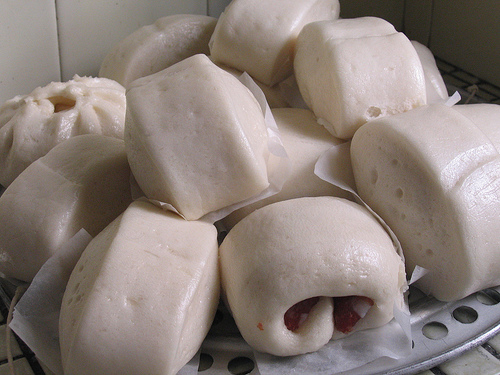
China, despite its population exceeding 1.4 billion people, consumes only 5.83 kilograms (almost 13 pounds) of bread per capita per year. The traditional bread in China is mantou, made by steaming or deep-frying dough from wheat flour, and in Northern China it’s often eaten as an alternative staple to rice. Though bread consumption remains low compared to Western nations, China reportedly experienced significant annual growth rates in bread and bakery product consumption from 2007 to 2016, with its share of global consumption surging from 2% in 2007 to 7% in 2016.
These dramatic differences in bread consumption reveal how geography, culture, and tradition shape our daily eating habits. From Turkey’s bread-centric meals to India’s preference for traditional flatbreads, each nation tells its own story through what appears on the dining table. What do you think drives these remarkable differences in bread consumption worldwide?