6 Nations That Value Breakfast Most – and 3 That Often Skip It, Data Confirms
Recent global research reveals fascinating patterns in how different nations approach their morning meals. While some countries treat breakfast as a sacred ritual that anchors the entire day, others have increasingly embraced a culture where skipping the first meal has become commonplace. The numbers tell a compelling story about cultural priorities, economic factors, and changing lifestyles across continents.
Belgium: The Breakfast Champions Lead by Example
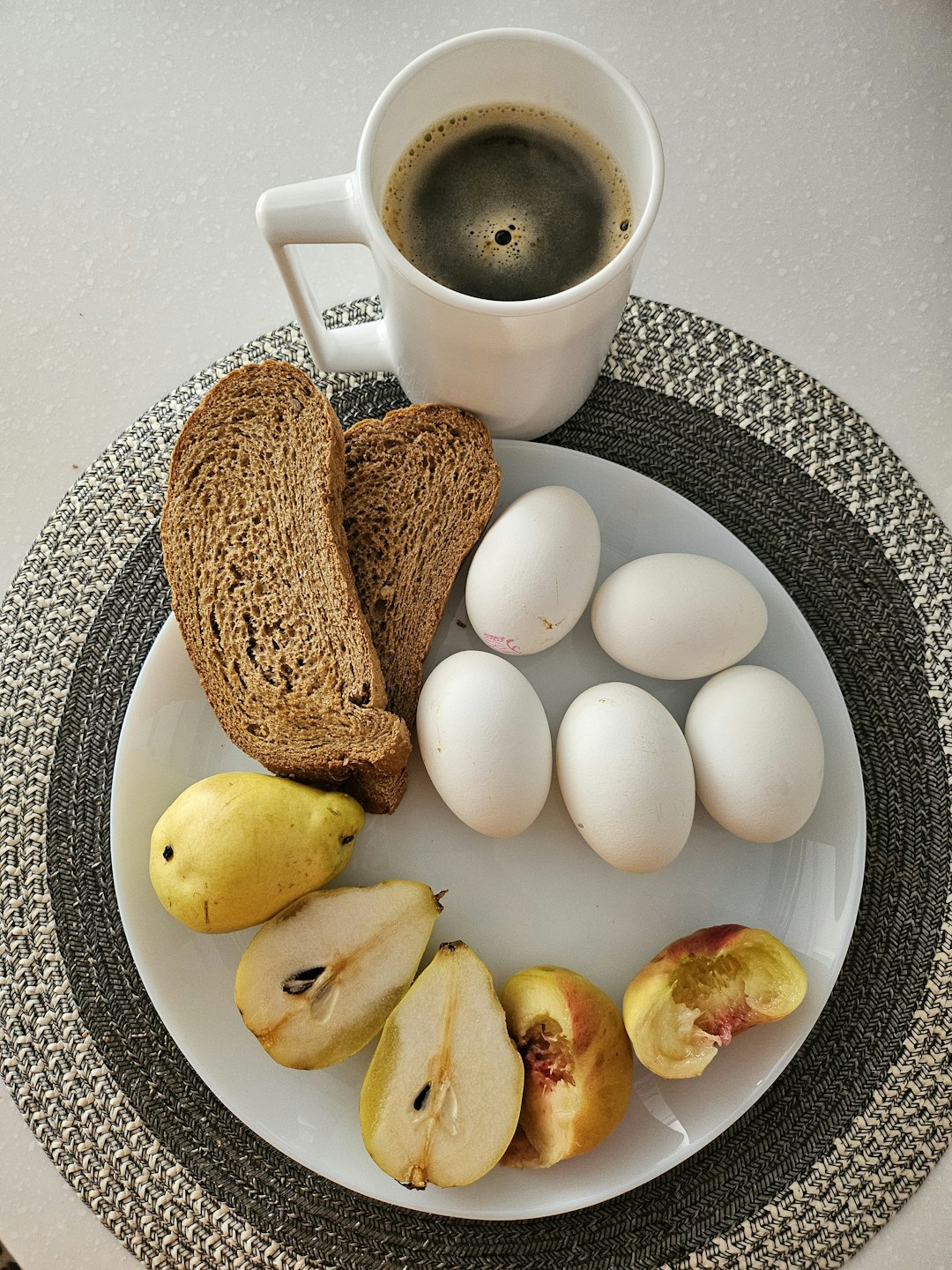
Belgium stands out as the undisputed global leader in breakfast cereal consumption, with residents consuming an impressive 13 kilograms per person annually in 2024. This remarkable figure represents more than double the consumption rate of many other developed nations. Belgian breakfast culture emphasizes starting the day with substantial nourishment, and this commitment extends beyond just cereals to include fresh breads, pastries, and hearty coffee traditions. From 2013 to 2024, Belgium showed the most notable growth rate in breakfast cereal imports with a compound annual growth rate of 7.6 percent, and recorded the highest rates of growth with regard to the value of imports at 10.0 percent.
United Kingdom: Morning Rituals Remain Strong
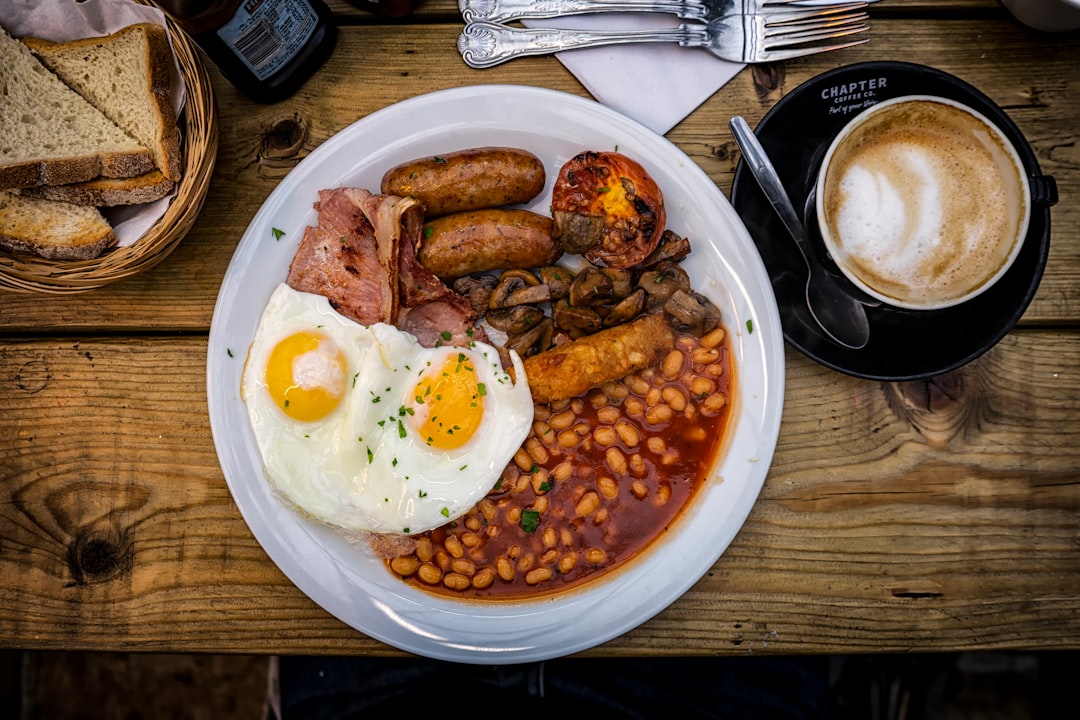
The UK ranks as the second-highest consumer of breakfast cereals globally, with 9.6 kilograms consumed per person in 2024. British breakfast culture has evolved significantly from the traditional full English breakfast to include more diverse morning options. Cooked breakfasts have gained ground as an at-home choice, increasing from 19 percent to 25 percent of at-home breakfast eaters between 2022 and 2024, contributing to strong egg sales growth of 10 percent in 2024. Despite economic pressures, the British remain committed to their morning meal traditions, though health considerations increasingly influence their choices.
Netherlands: Consistent Morning Commitment
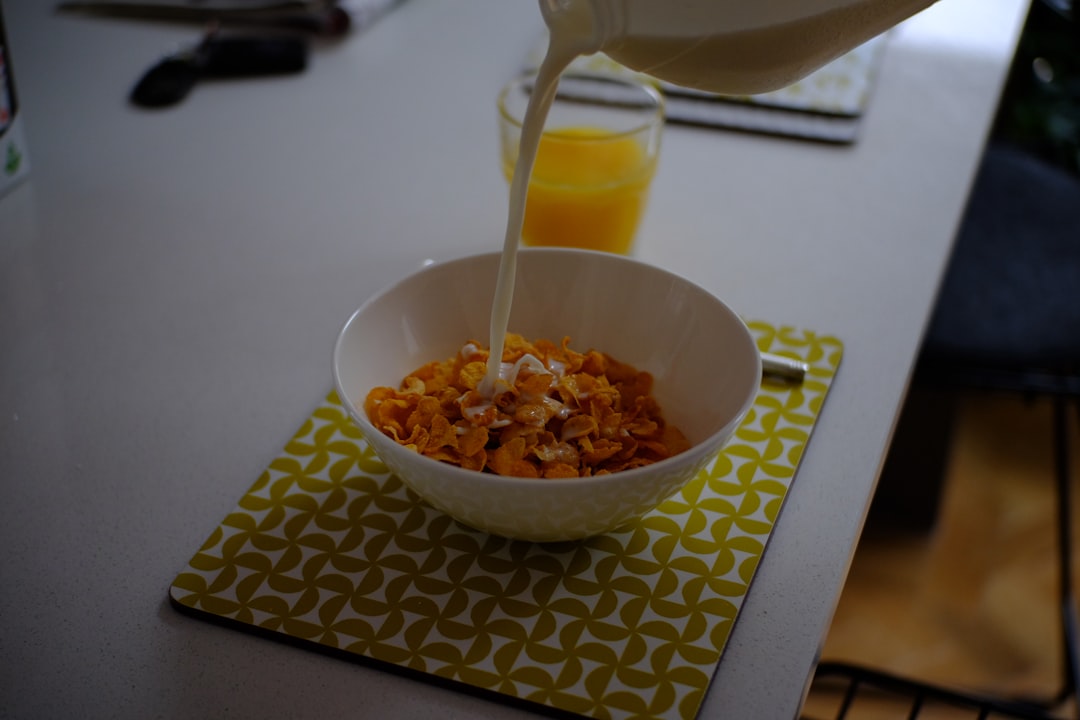
The Netherlands maintains a strong breakfast tradition with 6.8 kilograms of breakfast cereals consumed per person annually. Dutch breakfast culture emphasizes practicality and nutrition, with many families gathering around the breakfast table before starting their daily routines. The country’s breakfast habits reflect broader European trends toward healthier morning options. The Netherlands ranked among the top importers of breakfast cereals globally in 2024, importing 139,000 tons and representing a significant portion of total global imports.
United States: Maintaining Morning Momentum Despite Challenges

The United States ranks among the countries with the highest volumes of breakfast cereal consumption globally in 2024, combining with China and India to account for 38 percent of global consumption. However, American breakfast consumption patterns show concerning trends. US high school students’ daily breakfast intake dropped significantly from 38.0 percent to 27.0 percent between 2013 and 2023. Recent data shows that 38 percent of American consumers eat eggs for breakfast on a typical day, followed by toast or bagels at 32 percent, and cereal or oatmeal at 29 percent. Currently, 75 percent of US adults believe that eating breakfast is an important part of staying healthy.
Germany: European Breakfast Excellence

Germany secured its position as the second-largest importer of breakfast cereals globally in 2024, importing 194,000 tons. German breakfast culture traditionally centers around bread, cold meats, and cheeses, but has increasingly embraced international breakfast options. Germany leads alongside the UK and France in both production and consumption of breakfast cereals in Western Europe, with a noticeable shift towards high-protein, high-fiber, and low-sugar cereals. The country’s strong breakfast culture reflects broader German values of thoroughness and preparation for the day ahead.
Mexico and Brazil: Latin American Leaders

Latin America leads other regions in at-home breakfast consumption, with three in five consumers in Mexico and Brazil saying they eat breakfast at home. These nations demonstrate some of the strongest cultural commitments to breakfast globally. Mexican breakfast traditions include substantial morning meals featuring eggs, beans, tortillas, and fresh fruit, while Brazilian breakfast culture emphasizes coffee, fresh breads, and tropical fruits. In consumer trends research, consumers name finances as the main reason that they eat at home more often, with about half of consumers globally saying that eating at home is cheaper or saves money.
Meanwhile, three nations show troubling patterns of breakfast skipping that have become increasingly prominent in recent years.
France presents a paradoxical picture. France showed a significant decrease in daily breakfast consumption from 2002, joining 10 other countries including Belgium, Germany, Croatia, Spain, Poland, Russian Federation, Ukraine, Latvia, Lithuania and Norway in this concerning trend. Despite France’s renowned culinary culture, busy modern lifestyles and changing work patterns have led many French citizens to abandon their traditional morning meal of coffee and pastries.
Spain faces similar challenges despite its strong food culture. Breakfast in Spain is typically consumed later at 09:00 hours compared with 07:00 hours in countries like Sweden, Norway and France. Spain joined France and nine other countries in showing a significant decrease in daily breakfast consumption from 2002. The Spanish tradition of late dining may contribute to reduced appetite for substantial morning meals.
Italy rounds out this concerning trio. The modern breakfast in Italy often consists of a simple caffè latte with bread or rolls, butter and jam, along with fette biscottate and biscotti, though hot coffee may sometimes be replaced by hot tea depending on personal taste. However, like its Mediterranean neighbors, Italy has seen declining breakfast consumption rates among younger populations who increasingly skip morning meals due to time constraints and lifestyle changes.
The global trend is concerning, with Chinese primary and middle school students’ daily breakfast consumption declining sharply from 86.5 percent in 1992 to 62.4 percent in 2017, suggesting this isn’t just a European phenomenon. These patterns reflect broader changes in how modern societies balance time, health, and traditional meal structures in an increasingly fast-paced world.