Why Some Countries Are Turning Toward Insect Protein, Report Finds
The world is witnessing a remarkable shift in how nations view their protein supply chains. What was once considered a fringe idea is now becoming mainstream policy as governments worldwide grapple with food security challenges and environmental pressures. The transformation isn’t happening in obscure corners of the world either – it’s taking place in major economies and developed nations that are reshaping their entire approach to sustainable nutrition.
Market Explosion Shows Global Appetite for Change
The numbers tell an extraordinary story of rapid growth, with the global insect protein market projected to grow from USD 1.45 billion in 2024 to USD 17.95 billion by 2035, at a CAGR of 25.7%. This isn’t just steady growth – it’s an explosion that reflects fundamental shifts in how countries think about protein production.
Industry analyses reveal the market was estimated at USD 483.1 million in 2023 and is expected to grow at a CAGR of 16.9% from 2024 to 2030 to reach USD 1.51 billion by 2030. These projections represent one of the fastest-growing sectors in alternative proteins.
Growing consumer awareness of the need to consume nutritious food products and a growing desire for healthy lives are expected to fuel demand for insect protein throughout the forecast period. The momentum is building across multiple continents simultaneously.
Environmental Crisis Drives Urgent Policy Shifts
Insects require up to 12 times less feed than cattle, produce 100 times fewer greenhouse gases, and according to the FAO’s 2024 assessment, insect farming could reduce agricultural CO₂ emissions by 300 million tonnes annually if scaled appropriately. These aren’t marginal improvements – they represent game-changing environmental benefits.
Furthermore, insects may produce 150 tons of insect protein per hectare annually and use significantly less water – 100 gallons of water yields 6g of beef protein, 18g of chicken protein, or 238g of cricket protein. The resource efficiency is staggering when compared to traditional livestock.
According to FAO data, livestock contribute about 9 percent of total carbon dioxide emissions, 37 percent of methane, and 65 percent of nitrous oxide, equating to approximately 18% to climate change in CO2 equivalent. Countries are recognizing they need alternatives.
Asia Pacific Emerges as Innovation Leader
In countries such as China, Thailand, and Vietnam, production and consumption of insect protein have increased in response to population growth, lifestyle patterns in food consumption, and increased urbanization. These nations aren’t just adapting – they’re leading.
Thailand, China, and South Korea are emerging as key markets, implementing supportive government policies and adopting advanced farming technologies to expand insect production. The integration of traditional practices with modern technology has created competitive advantages.
South Korea leads with the highest CAGR of 17.7%, reflecting strong innovation and consumer interest, while the European Union follows at 17.5%, and the United Kingdom and United States show growth rates of 17.0% and 16.8% respectively. The momentum spans both Eastern and Western markets.
European Union Breaks Regulatory Barriers
Europe accounted for the largest revenue share of over 36.81% in 2023 and the European Union’s approval in 2021 to use insect protein in feed for chickens and pigs has catalyzed market expansion. These regulatory changes represent a fundamental shift in European food policy.
France leads with 26.3% of European market share in 2024 and submitted the first dossiers for mealworm and cricket novel food approval to the European Food Safety Authority. The country has positioned itself as a regulatory pioneer.
Six insect-derived products have been authorized as of the third quarter of 2024, with eight positive EFSA opinions, giving confidence that foods derived from insects are safe for human consumption. This regulatory framework is opening doors across the continent.
Singapore Becomes Asia’s Regulatory Pioneer
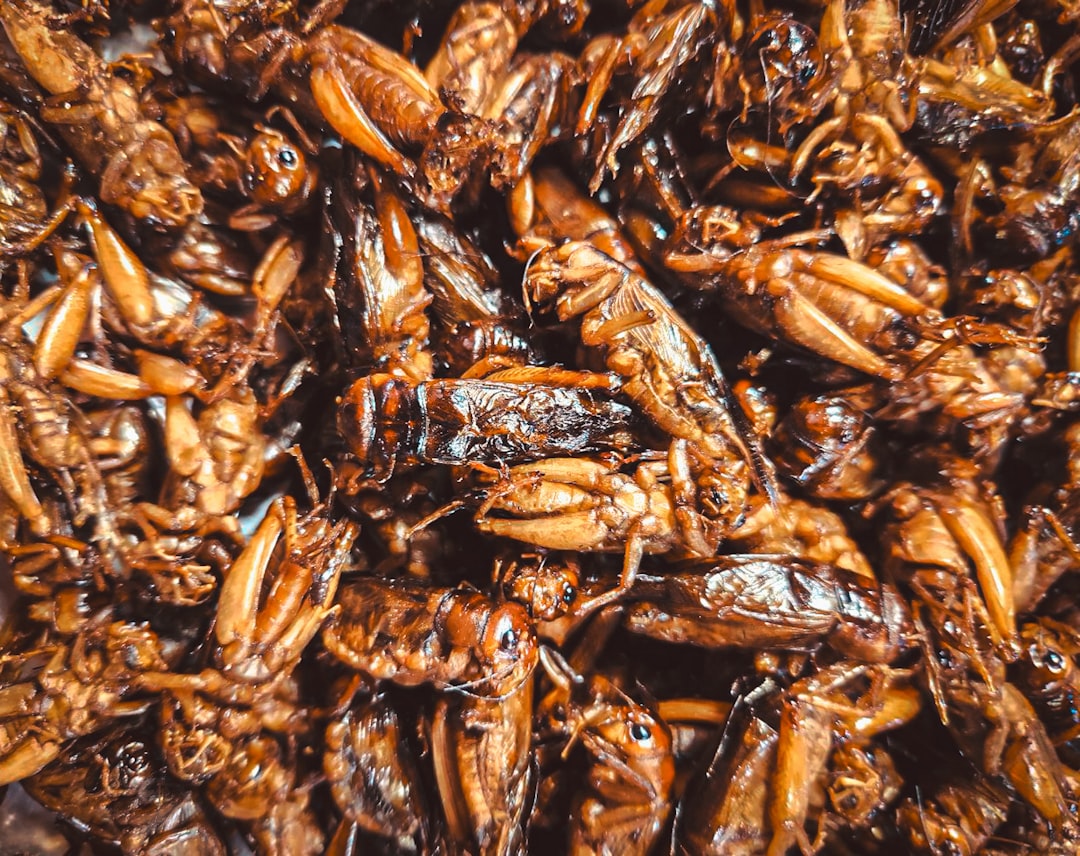
In July 2024, the Singapore Food Agency approved 16 insects for human consumption as food, with approved insects including silkworm pupa and mealworms. This makes Singapore a crucial test case for Asian regulatory approaches.
Singapore’s guidelines were developed following a thorough scientific review, taking reference from countries including the European Union, Australia, New Zealand, South Korea and Thailand. The city-state is building on global best practices.
Singapore’s first start-up to make food from insects conducted workshops at almost a hundred schools before approval, with surveys showing about 80% of students would be willing to try insects after approval. Educational initiatives are paving the way for acceptance.
Thailand Sets Global Production Standards
Thailand is the world’s biggest cricket producer with a Standard for cricket farming (Good Agricultural Practices for Cricket Farm, Thai Agricultural Standard 8202-2017). The country has established itself as the global center for insect agriculture.
The aim is to produce crickets of good quality which are safe for consumers, and the development was connected to cricket exports, particularly to accessing EU markets. Thai standards are becoming international benchmarks.
Thailand is working on creating breeding guidelines, with the ACFS expected to release good agricultural practices guidelines for cricket breeding. These standards are crucial for global trade expansion.
Food Security Concerns Drive Government Investment
With the world population expected to reach 9.8 billion by 2050, current meat and dairy production systems are becoming unsustainable due to their excessive land, water, and greenhouse gas emissions. Governments are recognizing the urgent need for alternatives.
The increasing global population, projected to reach 9.8 billion by 2050, presents a critical challenge for sustainable food production. This demographic pressure is forcing policy makers to consider insect protein seriously.
The Food and Agriculture Organization encourages the use of insect protein to feed the world’s expanding population, claiming in 2020 that insects produce up to 2000 times more protein per hectare than cattle. International organizations are backing the transition.
Animal Feed Applications Lead Market Adoption
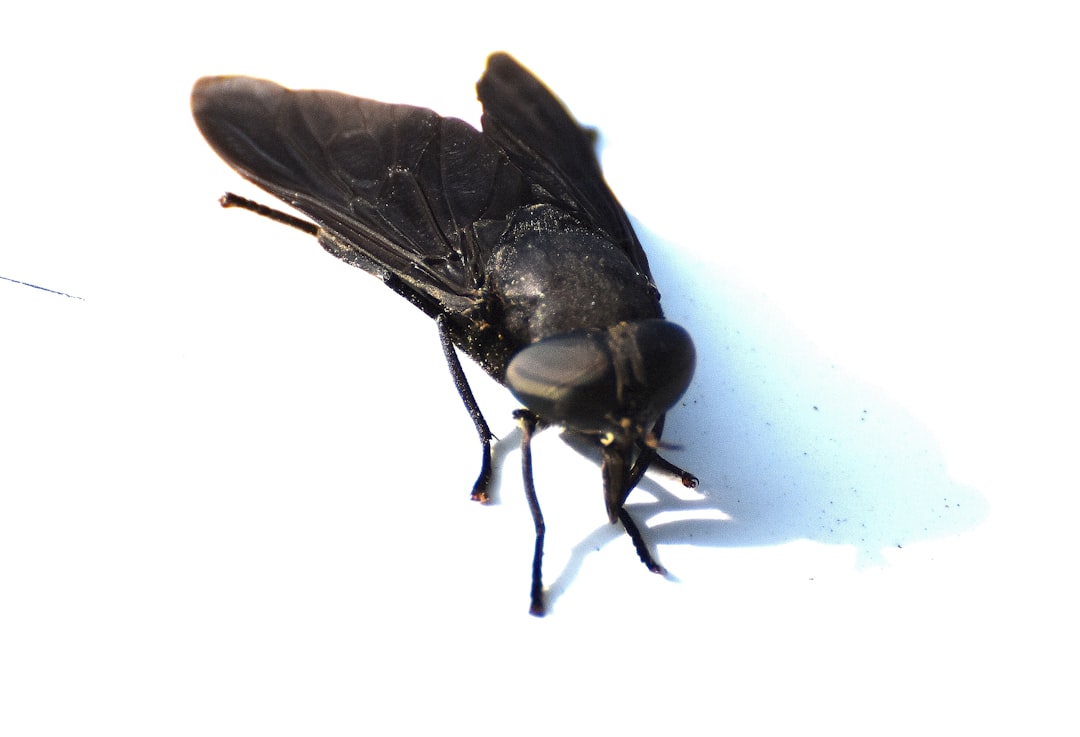
In 2024, the animal feed segment accounted for the largest share due to increasing demand for sustainable and nutrient-rich alternatives to conventional feed sources like soy and fishmeal. This sector is driving immediate commercial applications.
Black Soldier Fly Larvae dominated the European market due to their exceptional bioconversion efficiency, converting two kilograms of organic waste into one kilogram of biomass within 14 days. The efficiency numbers are compelling to feed manufacturers.
According to the FAO’s 2024 report, BSF-based protein could replace up to 30% of fishmeal in aquaculture, with leading firms producing BSF protein at scale for poultry and fish feed. The applications are expanding rapidly across multiple animal sectors.
Investment Capital Flows Signal Confidence
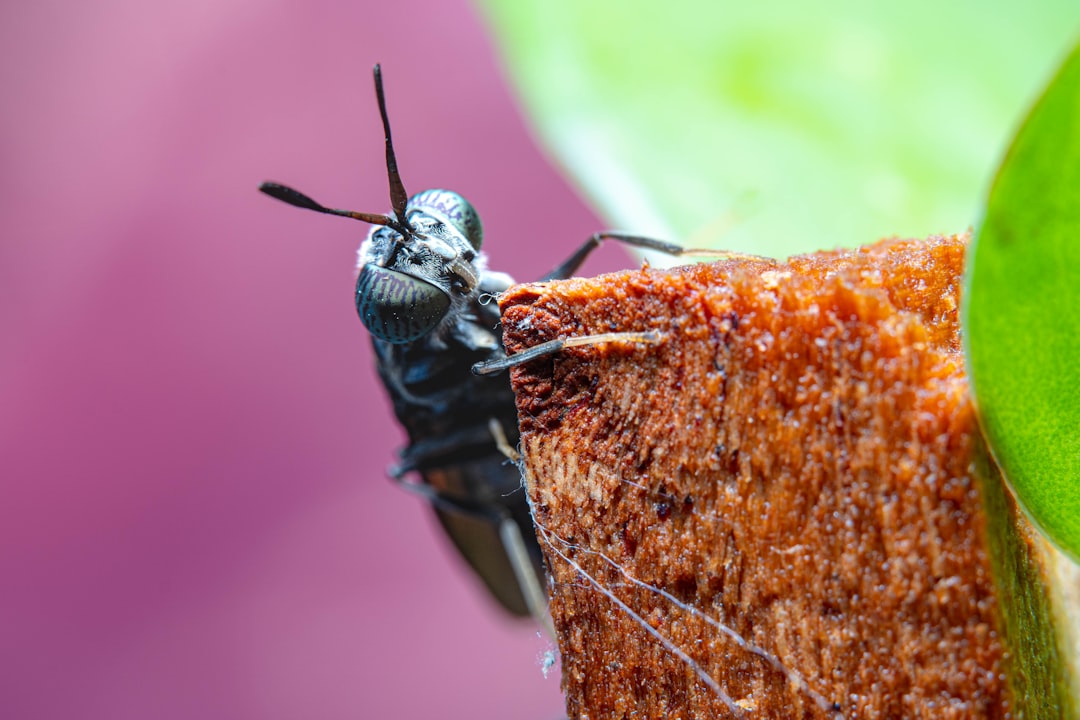
In January 2024, the European Investment Bank announced a credit deal with Protix, a Netherlands-based insect component company, to help it expand its sustainable protein manufacturing. Major financial institutions are backing the sector.
In October 2023, Tyson Foods announced an investment in Protix, with the collaboration including creation of a plant in the United States that used animal waste to breed black soldier flies. Traditional meat companies are diversifying into insect protein.
Nutrition Technologies secured $8.5 million Series A to set up the largest commercial-scale insect protein production facility in Southeast Asia, aiming to produce over 18,000 tonnes annually. Investment is flowing to scale production infrastructure.
Technical Innovations Address Consumer Concerns
AI-driven larval monitoring, robotic harvesting, and renewable energy-powered drying have reduced production costs by 22% since 2020, as reported by the Technical University of Berlin. Technology is solving the scaling challenges.
Advanced processing technologies are creating insect-based ingredients indistinguishable from conventional proteins in food applications. Product development is addressing the major consumer acceptance barrier.
The suppression of the HiNATt gene increased amino acid retention by 1.8-fold, with histidine and methionine levels rising by more than 2.5 times, addressing nutritional limitations. Scientific advances are improving the nutritional profile.
The global shift toward insect protein isn’t just a trend – it’s becoming a necessity driven by environmental, economic, and food security imperatives. Countries that establish regulatory frameworks and production capabilities now will have significant advantages in the protein economy of the future. What started as an alternative is quickly becoming mainstream policy across diverse economies worldwide.