8 Forgotten Kitchen Gadgets That Once Made Life Easier, Survey Shows
Modern kitchens are filled with sleek appliances and high-tech gadgets, yet many ingenious tools that once graced countertops across America have quietly vanished from our culinary landscape. These forgotten helpers weren’t victims of poor design or lack of purpose. Instead, they fell prey to changing lifestyles, evolving technology, and our collective shift toward simpler cooking methods.
A survey by The Harris Poll revealed that many respondents miss certain discontinued products. While the biggest kitchen concern for many homeowners is “decluttering” their space, according to recent research from MasterBrand’s 2025 Kitchen Trend Survey, these eight once-beloved gadgets tell a fascinating story of innovation lost to time. Let’s explore the ingenious tools that once promised to revolutionize cooking but somehow disappeared from our kitchen drawers.
Rotary Egg Beaters – The Original Hand Mixer Revolution
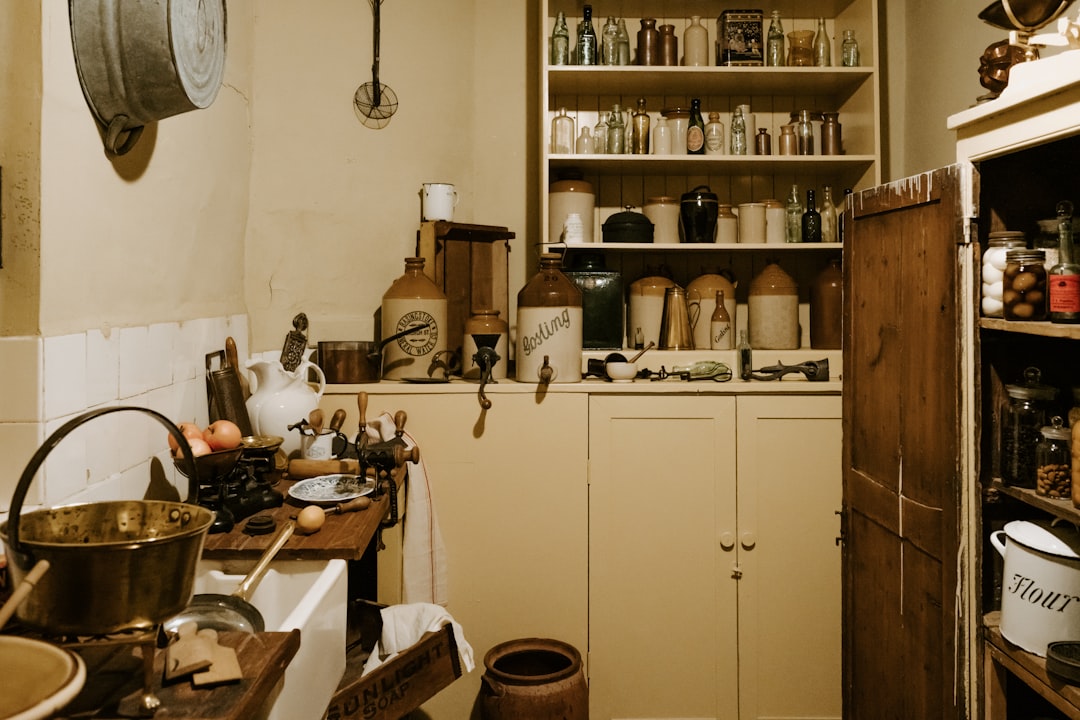
Go back a handful of decades, though, and you’d probably find a rotary egg beater in most kitchens. Popularized in the 1870s and 1880s, it was a pretty nifty idea that used a series of gears attached to a hand crank. A little bit of effort was exerted to spin the crank, which was transferred through the gears, magnified, and spun the beaters. These mechanical marvels transformed the tedious task of whisking eggs by hand into an effortless operation. The simple yet effective design meant perfect meringues and fluffy scrambled eggs were within everyone’s reach, long before electric mixers became household staples.
Poached Egg Pans – The Breakfast Perfection Tool
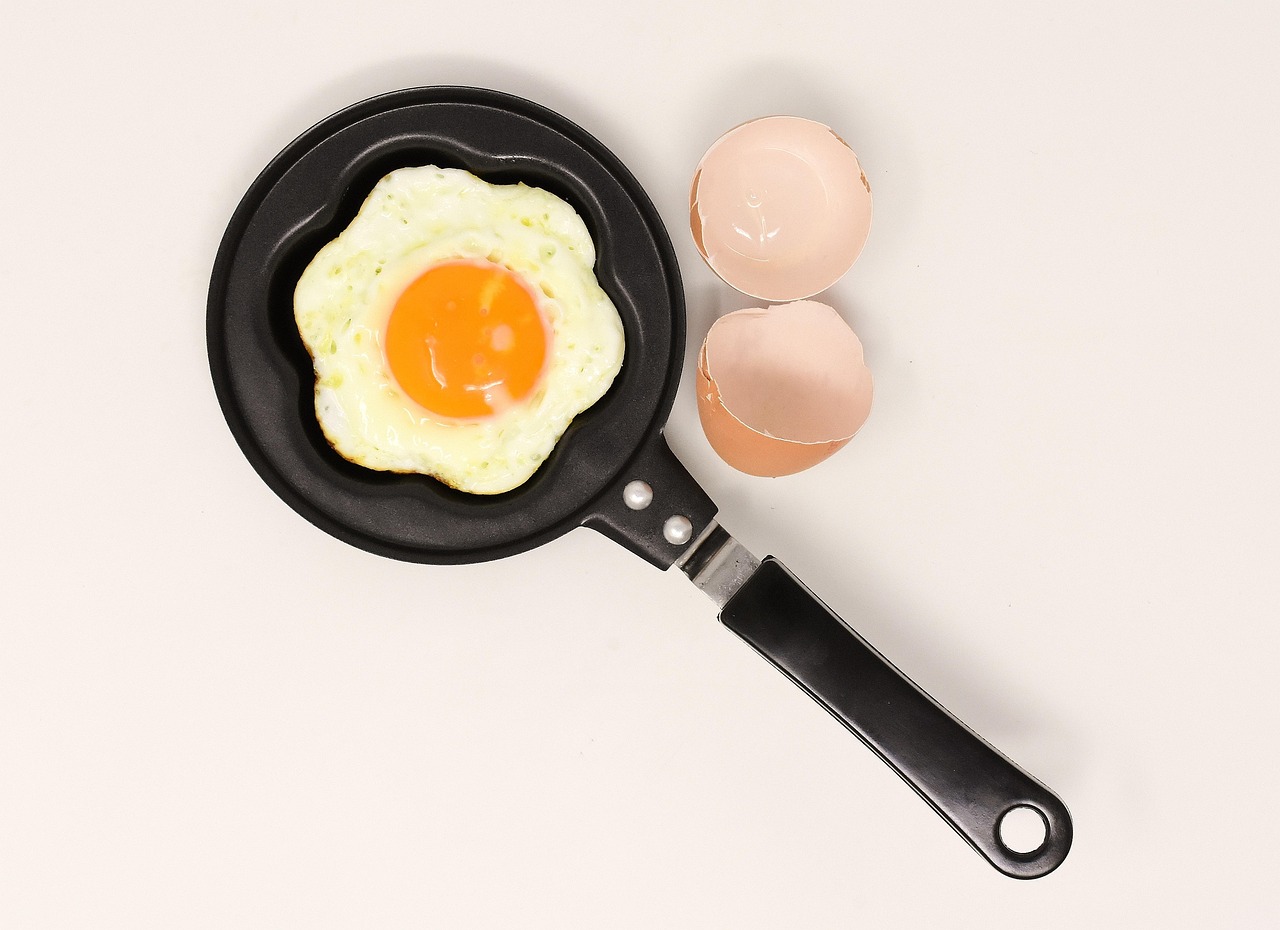
These pans have largely become obsolete, perhaps because people have gotten better in the kitchen and figured out that you can make perfect poached eggs using just a big pan of water, some vinegar, and a little technique. However, poached egg pans never disappeared, and are still available online. In our personal view, they should make a comeback – we’re kind of sick of ruining our poached eggs over here. These specialized pans featured individual cups that sat above simmering water, creating the perfect environment for consistently shaped eggs. Their decline reflects our modern preference for mastering traditional techniques over relying on specialized equipment.
Egg Coddlers – The Victorian Era’s Soft-Boiled Solution
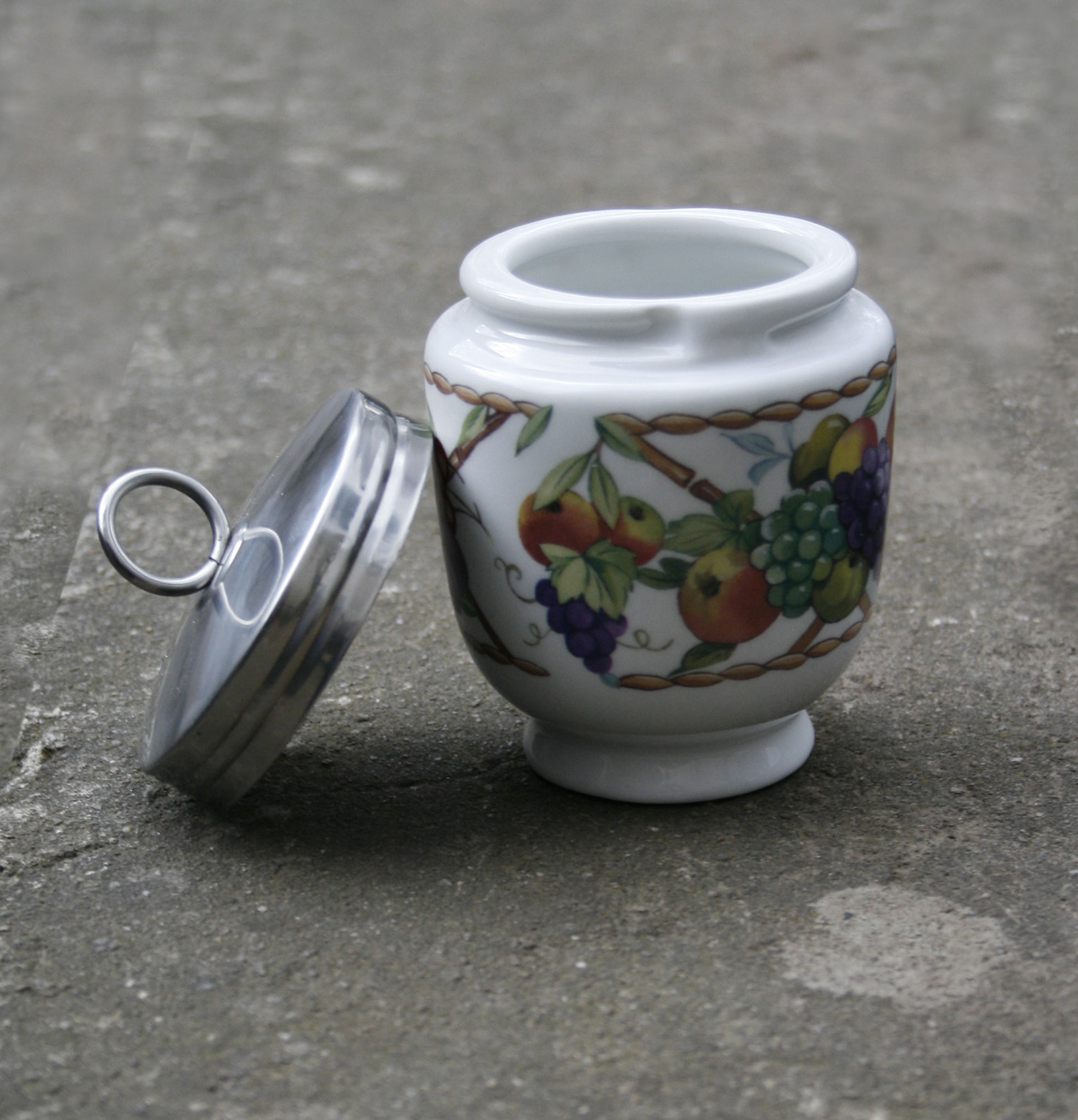
The egg coddler has to be one of the most beautiful kitchen tools around. These objects (which were used – no prizes for guessing – to coddle eggs) came in intricately painted designs and operated as much as a serving utensil as they did a cooking tool. It’s not clear exactly when egg coddlers were invented, or who invented them, but they started to gain popularity in late 19th century Europe. It might be because coddling as a form of cooking endured a major decline. Nowadays, you’re far more likely to find a poached, fried, or boiled egg than a coddled one, despite how tasty and easy to make they are. These porcelain beauties created perfectly soft-centered eggs while doubling as elegant serving vessels.
The Hot Dogger – Electric Cooking’s Strangest Chapter

Then, we got to The Hot Dogger and thought, “Well, that’s a dumb idea that someone’s younger sibling was definitely electrocuted with.” The Hot Dogger was a bizarre thing made by Presto in the 1970s, and when we say this thing breaks about a dozen rules of health, safety, and common sense, we’re not exaggerating. To use this weird little thing, you’d open the lid and spike each end of the hot dog on very, very sharp electrodes, which would then cook the dog in a way that gives us flashbacks to “The Green Mile.” This specialized appliance used electrical current to cook hot dogs by sending electricity directly through them – no water or pan needed. The speed was impressive, but the concept of electrocuting your food eventually lost its appeal. Modern food safety concerns quickly relegated this innovation to novelty status.
Cherry Pitters – Summer’s Mechanical Marvel
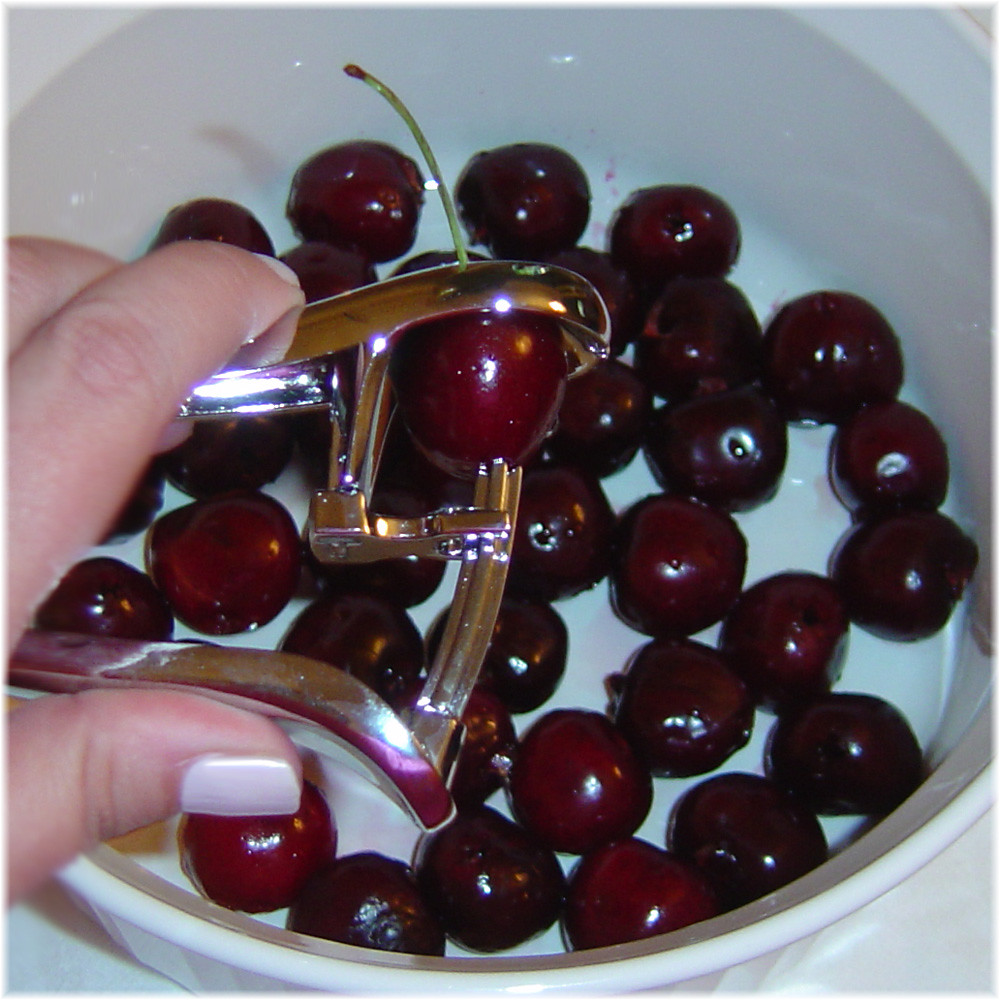
The cherry pitter has to be one of the most entertaining kitchen tools ever invented. These tools, as you might have guessed, pull the pits out of cherries using an automated process, allowing you to avoid having to fiddle around with your knife. Operating with hand-crank technology, these fairly large, fairly daunting-looking machines were first clamped onto the side of your table or worktop. Each cherry was fed into a hopper on top of the machine. As you turned the crank, the pit was extracted, and the pit and cherry fell in different directions. This process could make creating homemade cherry-based treats way quicker. These industrial-looking contraptions transformed cherry pie preparation from an hours-long ordeal into a swift, satisfying operation that made the entire kitchen smell like summer.
Butter Molds – Artistry Meets Daily Necessity
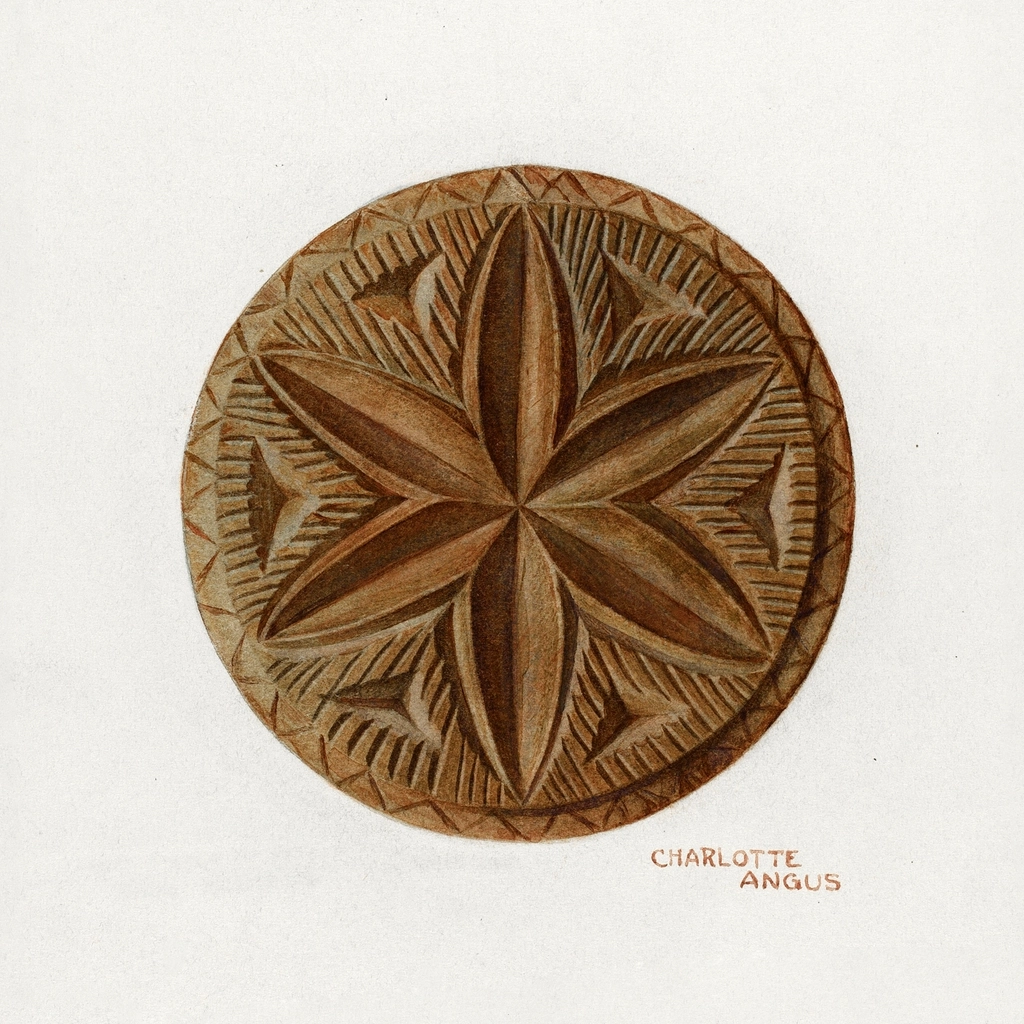
With the rise of mass-produced dairy and a more time-pressed population, though, butter molding became a way more niche exercise. That said, there has been a minor revival in interest in butter molds; vintage molds have become a collector’s item, common in antique circles and at flea markets. These wooden or ceramic tools pressed intricate patterns into homemade butter, transforming a basic ingredient into decorative table centerpieces. From pastoral scenes to geometric designs, butter molds reflected the era’s appreciation for beauty in everyday items. The shift toward store-bought butter eliminated the need for these artistic implements.
Electric Knife – The Holiday Carving Solution
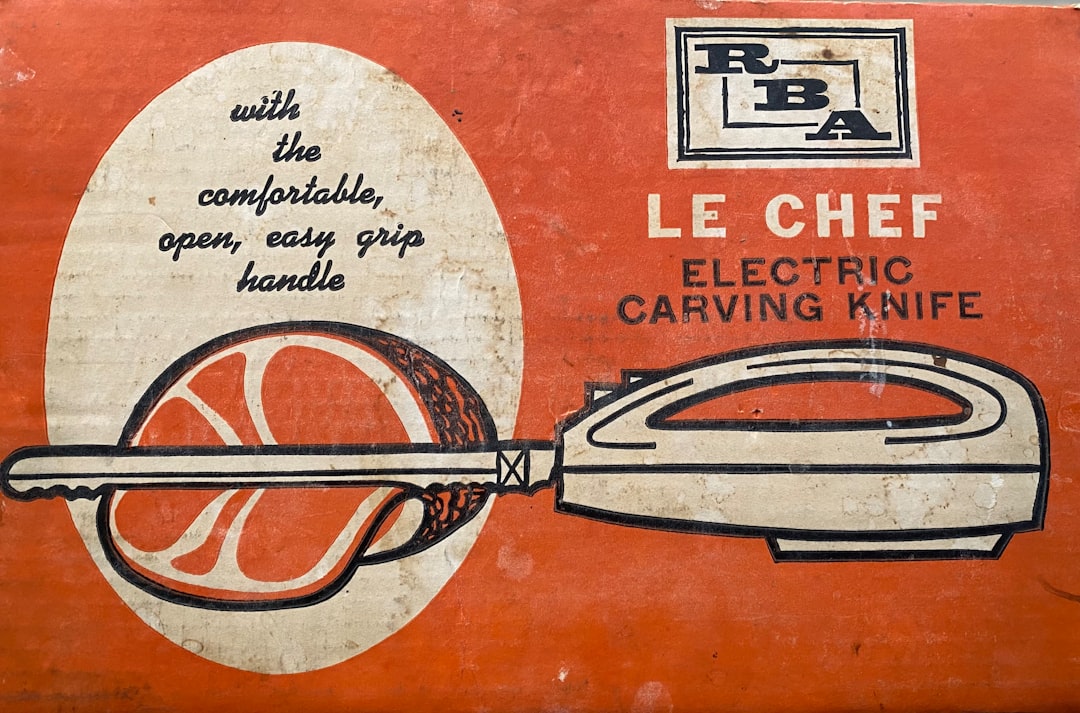
This buzzing blade sensation of the 1960s promised to make carving the Sunday roast as easy as guiding a hot knife through butter. Households across America displayed these status symbols during holiday gatherings, despite their limited practicality and storage challenges. The early models with their chunky handles and cloth-covered cords now command surprising prices at vintage appliance auctions. These vibrating carving tools represented the height of modern convenience, appearing at nearly every Thanksgiving table throughout the seventies. Their decline coincided with our renewed appreciation for traditional carving skills and simplified kitchen storage.
Fondue Sets – The Social Dining Revolution
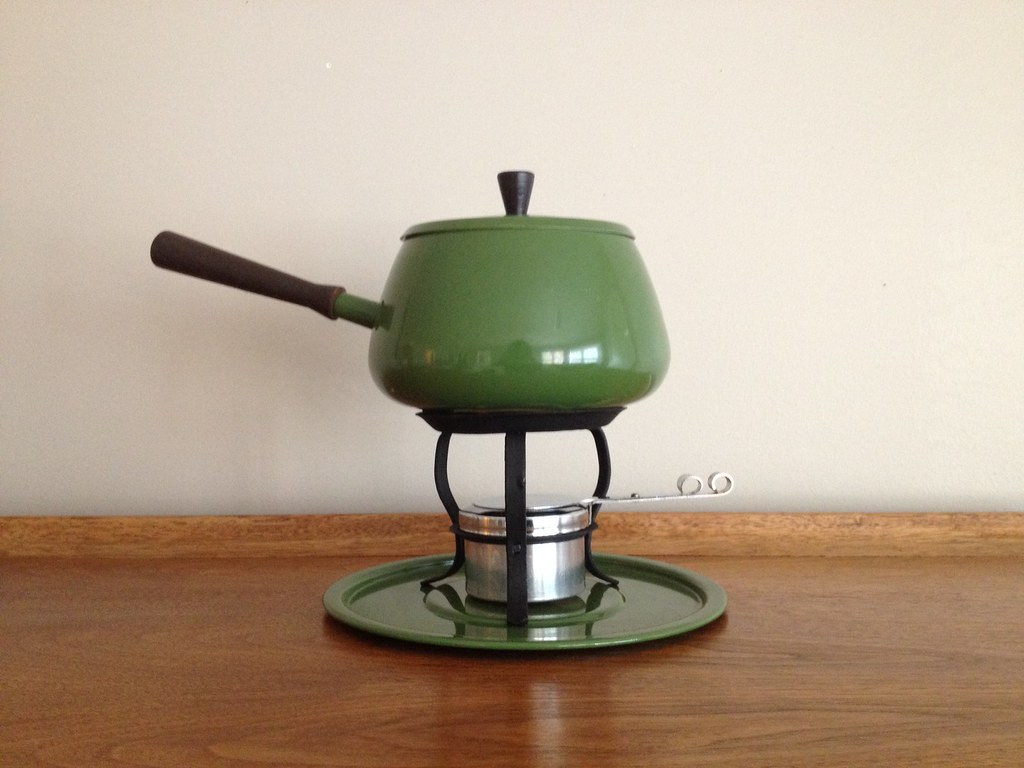
These tableside cooking vessels defined sophisticated entertaining in the 1970s before disappearing almost entirely by the mid-80s. The control units with their primitive temperature dials and bright enamel exteriors represent a specific moment in American dining culture. Museum displays often pair them with authentic fondue recipe cards and serving forks for complete nostalgic immersion. Fondue sets transformed dinner parties into interactive experiences, with guests gathered around bubbling pots of cheese or chocolate. Their sudden disappearance reflects changing entertainment preferences and our modern reluctance to commit extended time to communal cooking experiences.
These forgotten kitchen gadgets remind us that innovation doesn’t always mean permanent improvement. While modern appliances certainly offer convenience and efficiency, there’s something charming about tools designed with singular purpose and artisanal beauty. Perhaps our minimalist kitchen aesthetic has cost us some of the personality and craftsmanship that made cooking a more tactile, engaging experience. What do you think about these vanished helpers? Tell us in the comments if you remember using any of these ingenious tools.