Everything You Were Told About ’80s Dinners Is Wrong: What We Actually Ate Back Then
Think you know what 1980s dinner tables really looked like? Let me tell you, the nostalgia is clouding your memory. While pop culture has painted a picture of families gathered around frozen TV dinners every night, the reality was far more complex and honestly, way more interesting. The ’80s wasn’t just big hair and bold fashion – it was a decade when food transformed from mere sustenance into something of an experience, and what actually landed on dinner plates might surprise you.
We’ve all heard the stories about convenience foods taking over American kitchens. The decade was defined by frozen ready meals exploding in popularity while the diet market nearly tripled in size, creating this strange tension where everyone wanted quick meals but also obsessed over staying slim. Yet what people forget is that real home cooking never disappeared. Since 1980, chicken availability per person has more than doubled in the United States, which tells us something crucial about what families were genuinely preparing at home. Ready to dive into what we really ate? The truth is messier, more contradictory, and definitely more human than you’ve been told.
We Weren’t Living on TV Dinners Like You Think
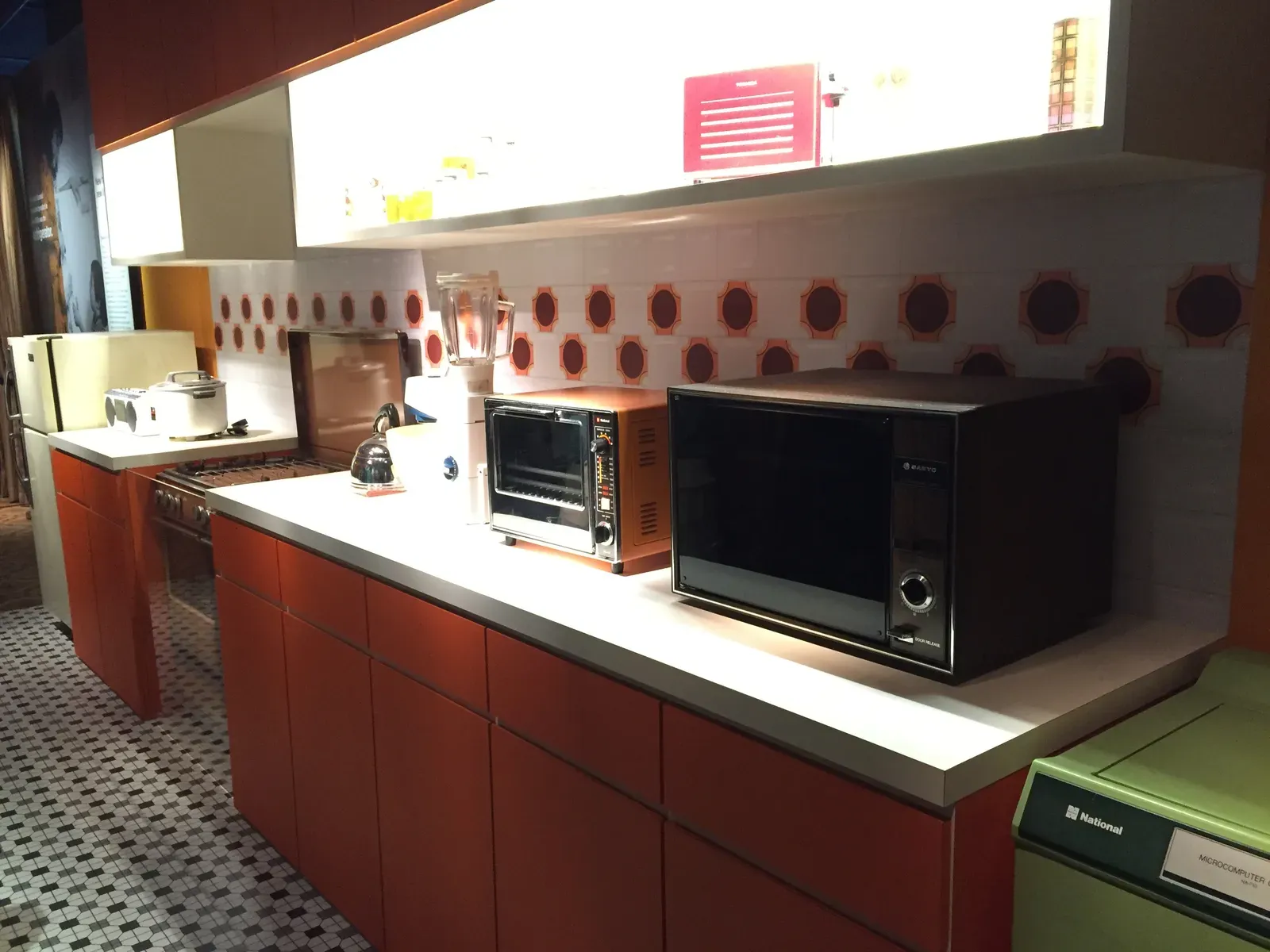
Here’s the thing that drives me crazy about ’80s food myths: everyone assumes we just microwaved everything. Sure, Stouffer’s Lean Cuisine meals were released in 1981, becoming especially popular within the diet culture of the ’80s and ’90s, and yes, they were everywhere. Yet the actual numbers paint a different story.
As recently as 1979 less than ten percent of U.S. households owned microwave ovens, but by the late 1980s about eight out of ten homes had them. This means for most of the early ’80s, families simply couldn’t rely on microwavable meals the way we imagine they did. In 1980, the average meal took one hour to prepare, but by 1999, that had dropped to 20 minutes. That shift didn’t happen overnight. It took the entire decade for convenience cooking to really take hold.
What Was Actually on Our Plates Most Nights
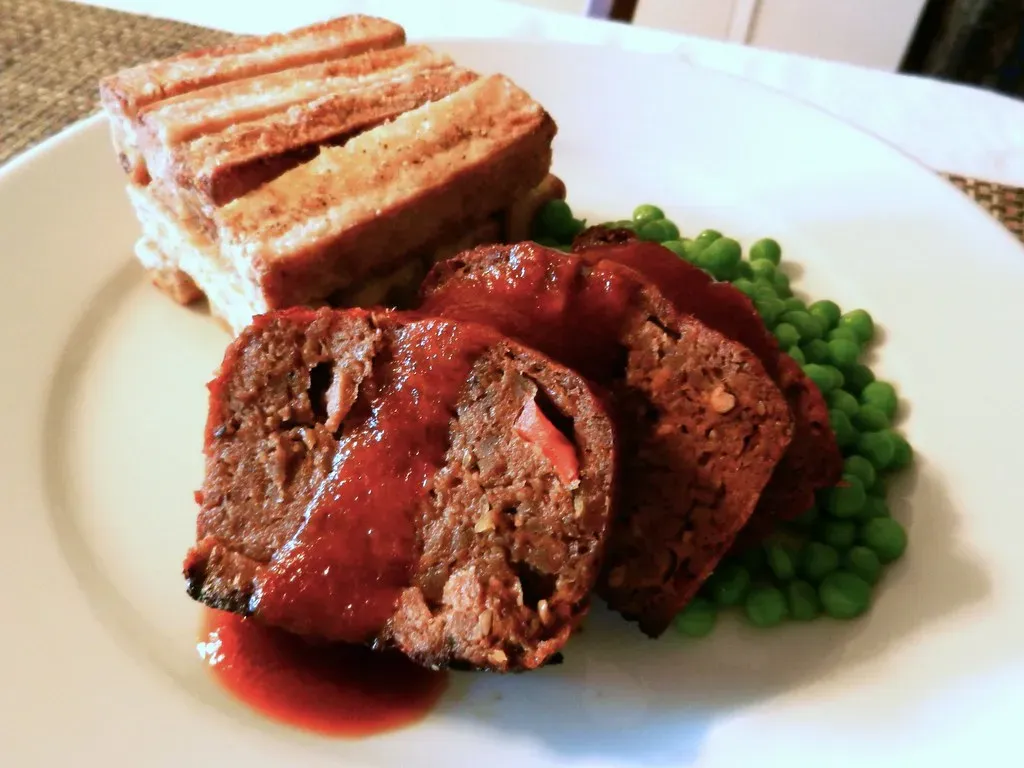
Let’s get real about everyday dinners. Meatloaf was humble, hearty, and endlessly customizable – made from whatever ground meat was on sale, mixed with breadcrumbs and ketchup. It wasn’t glamorous, but it appeared on tables week after week because it worked.
Ground beef stroganoff might have turned into a very unappetizing-looking slop by the time dinner was ready, but it sure tasted good. Families also rotated through shepherd’s pie, spaghetti with jarred sauce, tacos, and the ubiquitous casseroles. Shepherd’s pie was usually made on a Monday with leftover mashed potatoes from Sunday night’s dinner, using ground beef, canned green beans, canned tomato soup, mashed potatoes and cheddar cheese. These were budget-stretching meals that fed everyone without breaking the bank.
The Low-Fat Craze Was Ruining Everything
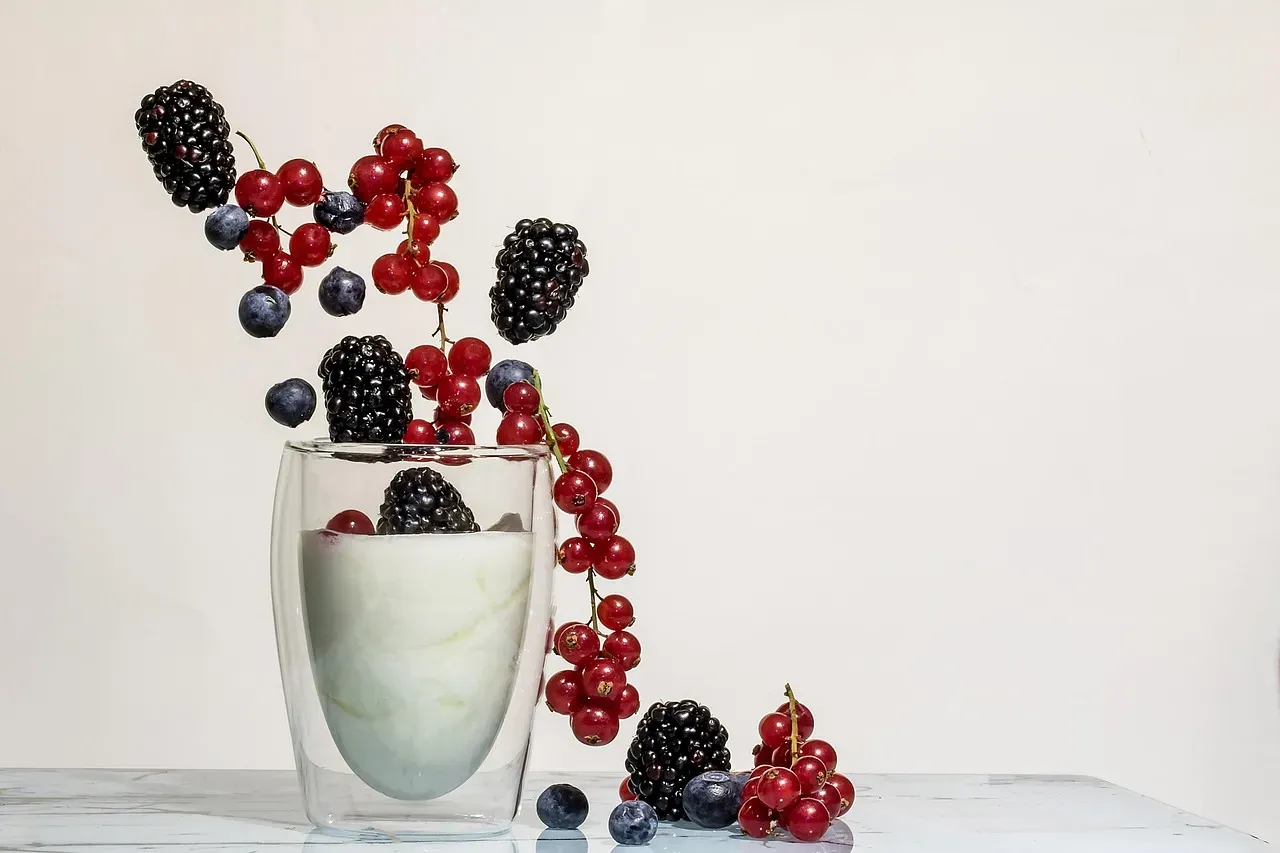
If there’s one villain in the ’80s dinner story, it’s the low-fat movement. The protein index values have been declining in most affluent Western countries, with the beginning of this process directly connected to the introduction of low-fat dietary recommendations in the late 1970s/early 1980s. Suddenly, everything had to be fat-free.
Low-fat pudding, fat-free yogurts and muffins drove consumers to eat more refined sugars and carbohydrates – many void of any real nutritional value. The cruel irony? We were told we were eating healthier, but we were actually making ourselves less healthy. Products like SnackWell’s cookies and Lean Cuisine meals compensated for their lack of fat with more added sugar or artificial ingredients, and this trade-off didn’t necessarily contribute to better health outcomes in the long run.
People genuinely believed they were doing the right thing by choosing these products. Honestly, the entire generation got sold a nutritional lie wrapped in shiny low-fat packaging.
Chicken Took Over From Beef (And Changed American Cooking)
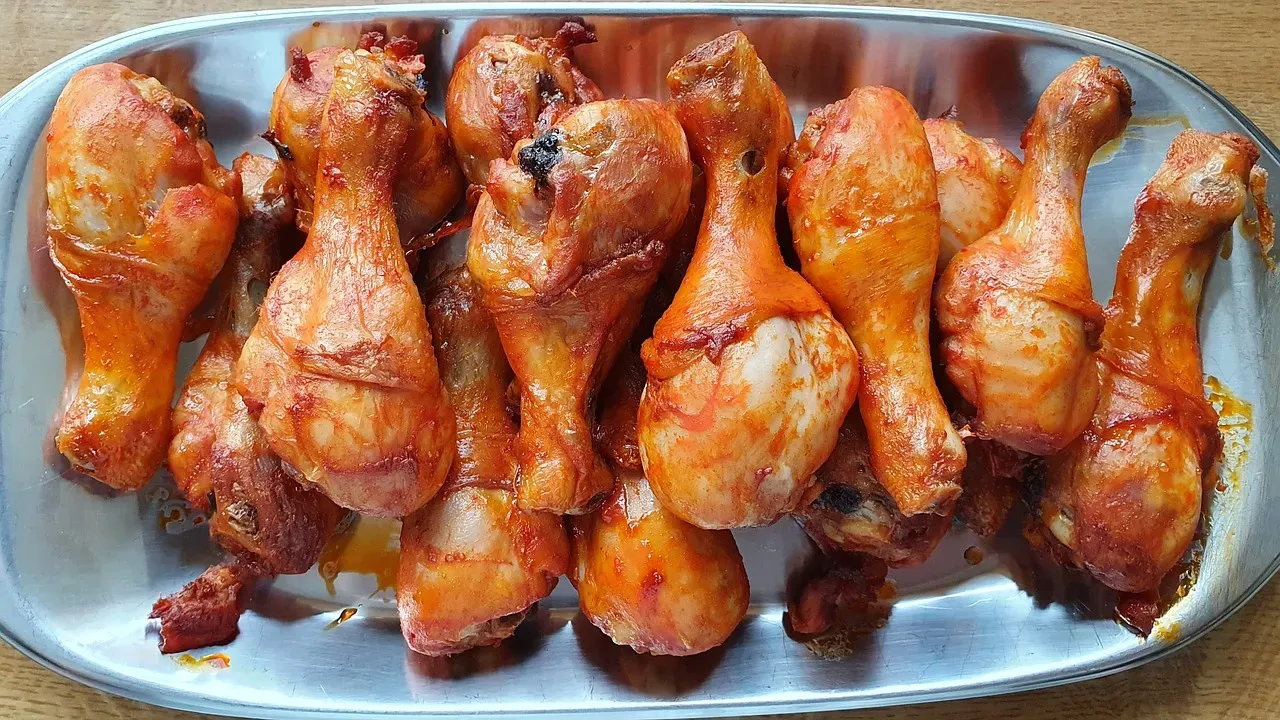
One of the most dramatic shifts that nobody talks about? Chicken became king. Chicken began its upward climb in the 1940s, surpassing beef in the early 1990s to become the meat most available for U.S. consumption, and since 1980, U.S. chicken availability per person has more than doubled.
This wasn’t just about health trends. Skinless chicken has long been billed as an admirable choice by many diet gurus, though conventionally raised birds came with all kinds of liabilities. Families embraced chicken because it was cheaper, faster to cook, and fit perfectly into the health-conscious narrative everyone was buying into. Chicken nuggets, chicken stir-fry, grilled chicken breasts – these became staples where beef roasts and steaks had once dominated. The shift fundamentally altered what American dinner looked like.
Home Cooking Never Actually Disappeared
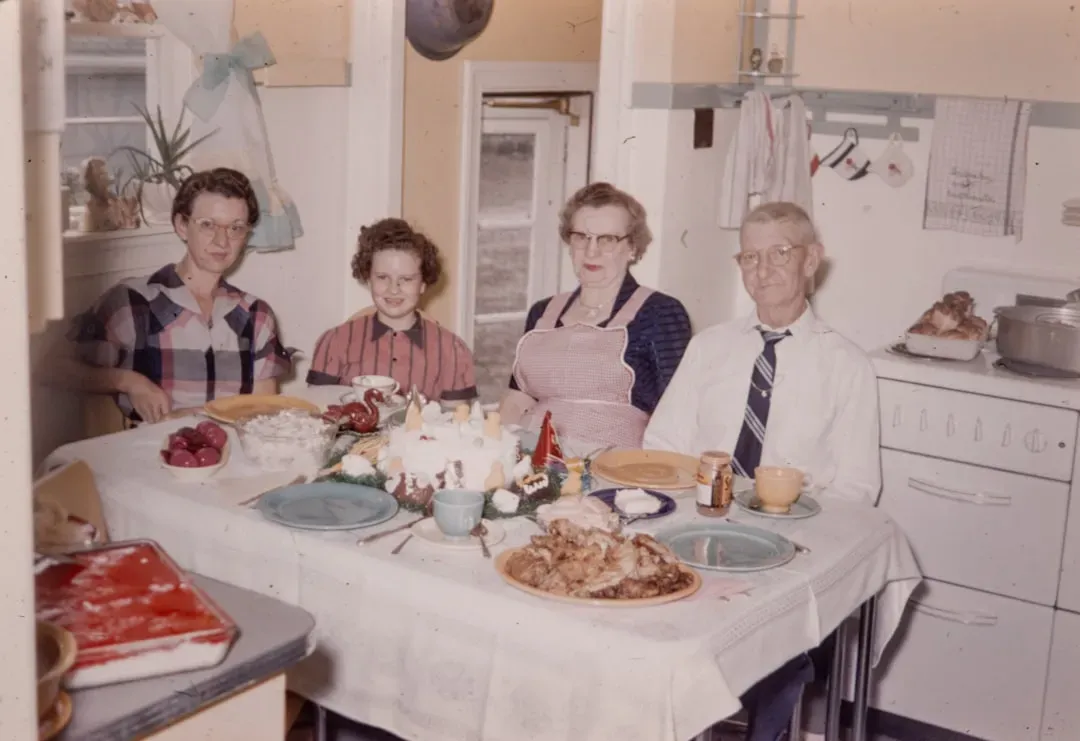
Despite all the hype around convenience foods, home cooking remained stubbornly alive. Family dinners in the ’80s were all about convenience and novelty, with a rise in processed foods and increased use of kitchen gadgets, while microwave ovens promised quick, no-fuss cooking. Yet families still gathered around tables for real meals.
In the late 1980s, American per capita cheese consumption rose steadily, driven by the popularity of pizza, pasta and cheesy Mexican foods such as nachos and enchiladas. This suggests people were actually cooking – not just reheating frozen trays. Sunday roasts, spaghetti nights, homemade tacos – these rituals persisted because food remained about more than just fuel. It was still about family, connection, and sitting down together at the end of a long day.
The truth is, we adapted. We used shortcuts when we needed them and cooked from scratch when we had time. The ’80s dinner table was far more nuanced than the caricature we’ve created. What do you think about it? Does this match your memories, or have we missed something crucial about how your family ate back then?