10 European Cities People Say Feel Like Stepping Into a Dream
Have you ever walked through a city and felt like you’d just stumbled into a painting? Europe is full of places that make you question if they’re even real. From cobblestone streets that twist into the unknown to pastel buildings that look like they belong in a fairytale, these cities don’t just attract tourists – they enchant them.
Some destinations feel frozen in time, while others are so surreal they seem crafted by an artist’s hand. Here are ten European cities that people say feel like stepping straight into a dream.
Prague, Czech Republic
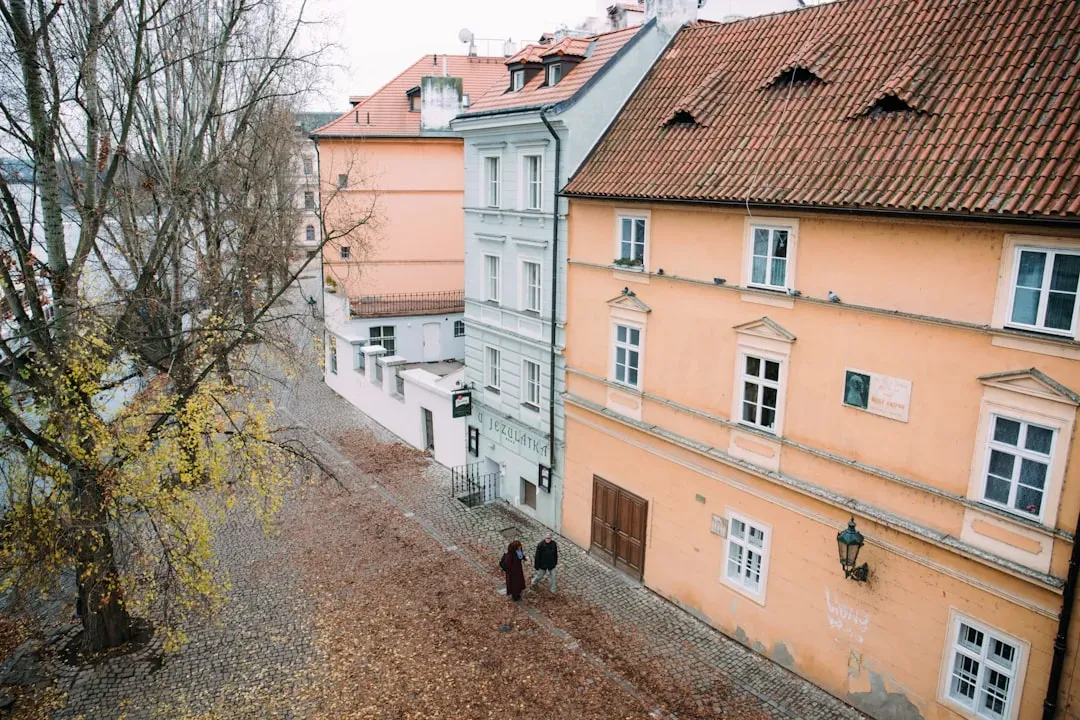
Prague welcomed approximately eight million tourists in 2024, representing a nine percent rise compared to 2023, according to the Czech Statistical Office. The historic capital is known for its Gothic spires, medieval bridges, and an almost unreal Old Town Square that feels like it belongs to another century. Walking through Prague at dawn, when the mist settles over the Vltava River and the cobblestones glisten, is like drifting through someone else’s memory.
Honestly, the sheer density of architectural beauty here is overwhelming. Prague ranks fourth among the world’s most beautiful cities, where the Gothic St Vitus Cathedral stands in contrast to the strikingly modern Dancing House. What strikes me most is how the city manages to balance its fairytale appearance with genuine urban life – residents still live in these centuries-old buildings, children play in medieval courtyards, and locals sip coffee in Art Nouveau cafes.
Approximately sixty-six percent of visitors opted for four-star and five-star hotels in 2024, with luxury hotel occupancy seeing a twelve percent rise compared to 2023. The city clearly appeals to travelers seeking refined experiences. Yet despite the crowds during summer months, Prague retains an otherworldly quality, especially when you wander into the quieter neighborhoods of Vinohrady or Malá Strana after sunset.
Bruges, Belgium
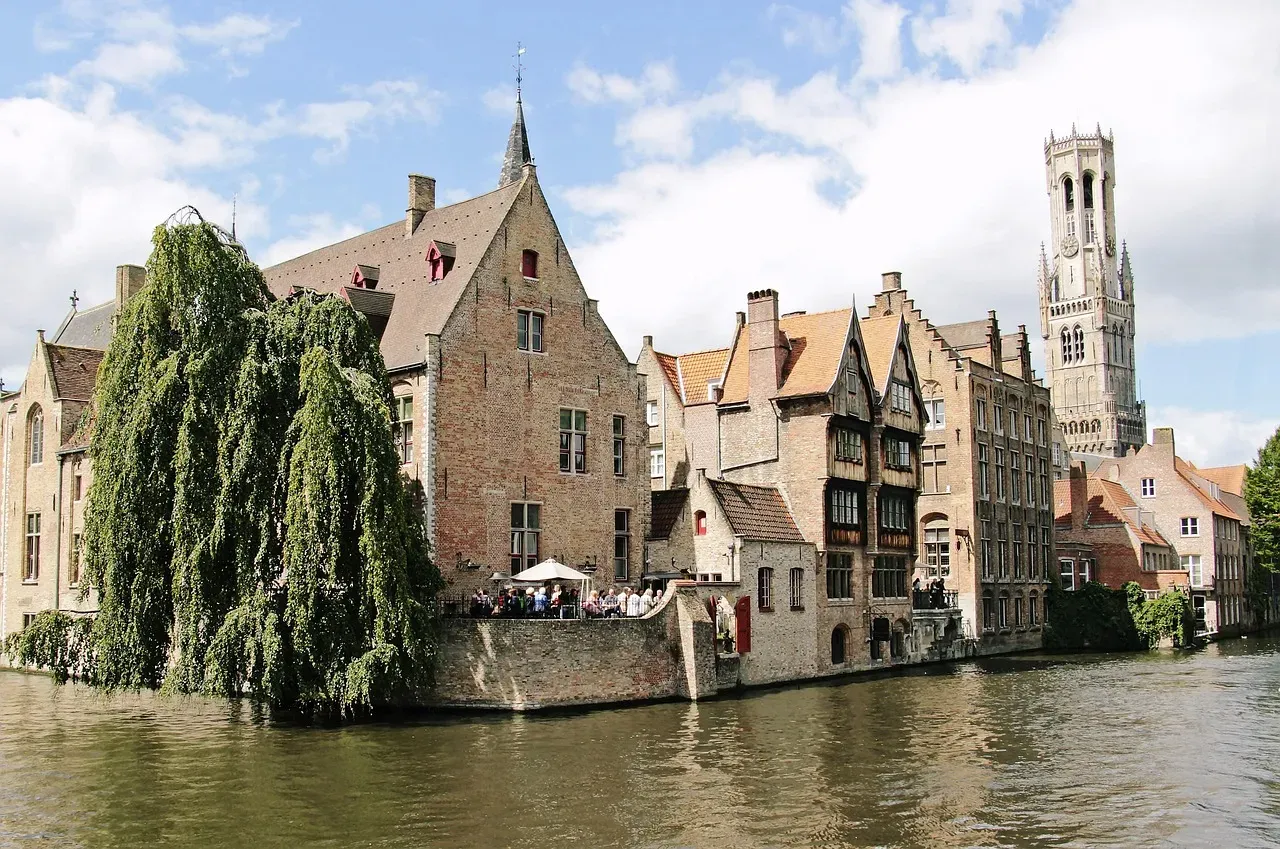
In 2024 Bruges welcomed eight million day and overnight tourists in the historic city centre, receiving an average of 27,000 visitors every day, according to Visit Bruges. This medieval gem is often called a fairytale city, and it’s hard to argue otherwise when you’re gliding along its canals past Gothic architecture and centuries-old houses that lean just slightly to the side.
The city feels like it was designed by someone who wanted to preserve a moment in time forever. Narrow cobblestone alleys lead to hidden squares where horse-drawn carriages clip-clop past chocolate shops that smell like pure indulgence. I think what makes Bruges especially dreamlike is its compactness – you can explore the entire historic center on foot in a day, yet every corner reveals something achingly beautiful.
Residential tourism, representing just fourteen percent of visitor numbers, accounts for fifty-three percent of tourism turnover, showing how valuable overnight guests are to the local economy. The canal network, though smaller than Amsterdam’s, creates an atmosphere of serenity, especially during autumn when the leaves turn golden and float lazily on the water’s surface.
Santorini, Greece
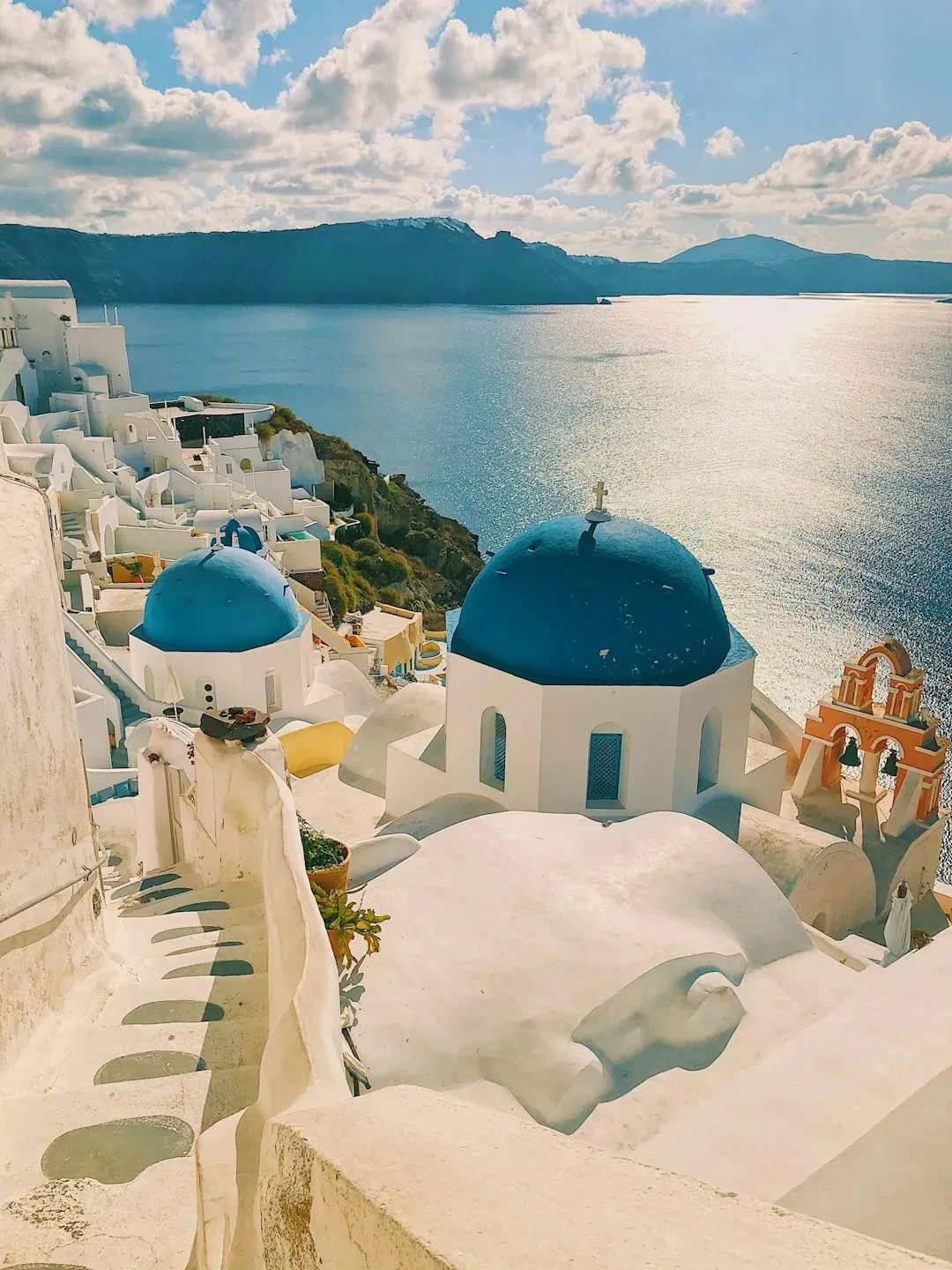
An estimated 3.4 million tourists visit Santorini annually, with the island experiencing a 3.6 percent increase in air passenger traffic during the first eight months of 2024, reaching over two million travelers according to recent data. The whitewashed buildings with their brilliant blue domes perched on volcanic cliffs create a scene so striking it almost doesn’t look real.
Let’s be real – every photo you’ve seen of Santorini is stunning, yet they still don’t capture how surreal it feels to actually be there. The way the buildings cascade down the caldera, the intensity of the Aegean blue against the stark white walls, and those legendary sunsets that turn the entire sky into shades of pink and orange – it’s sensory overload in the best possible way.
The island struggles with its own popularity, though. Greece is set to cap cruise ship visitors at 8,000 a day down from around 17,000 now, as national tourism revenue grew by sixteen percent in the first five months of 2024. Despite the crowds, Santorini maintains its dreamlike quality, especially in the quieter villages like Pyrgos or during the off-season months when you can wander the winding pathways without constantly dodging other tourists.
Hallstatt, Austria
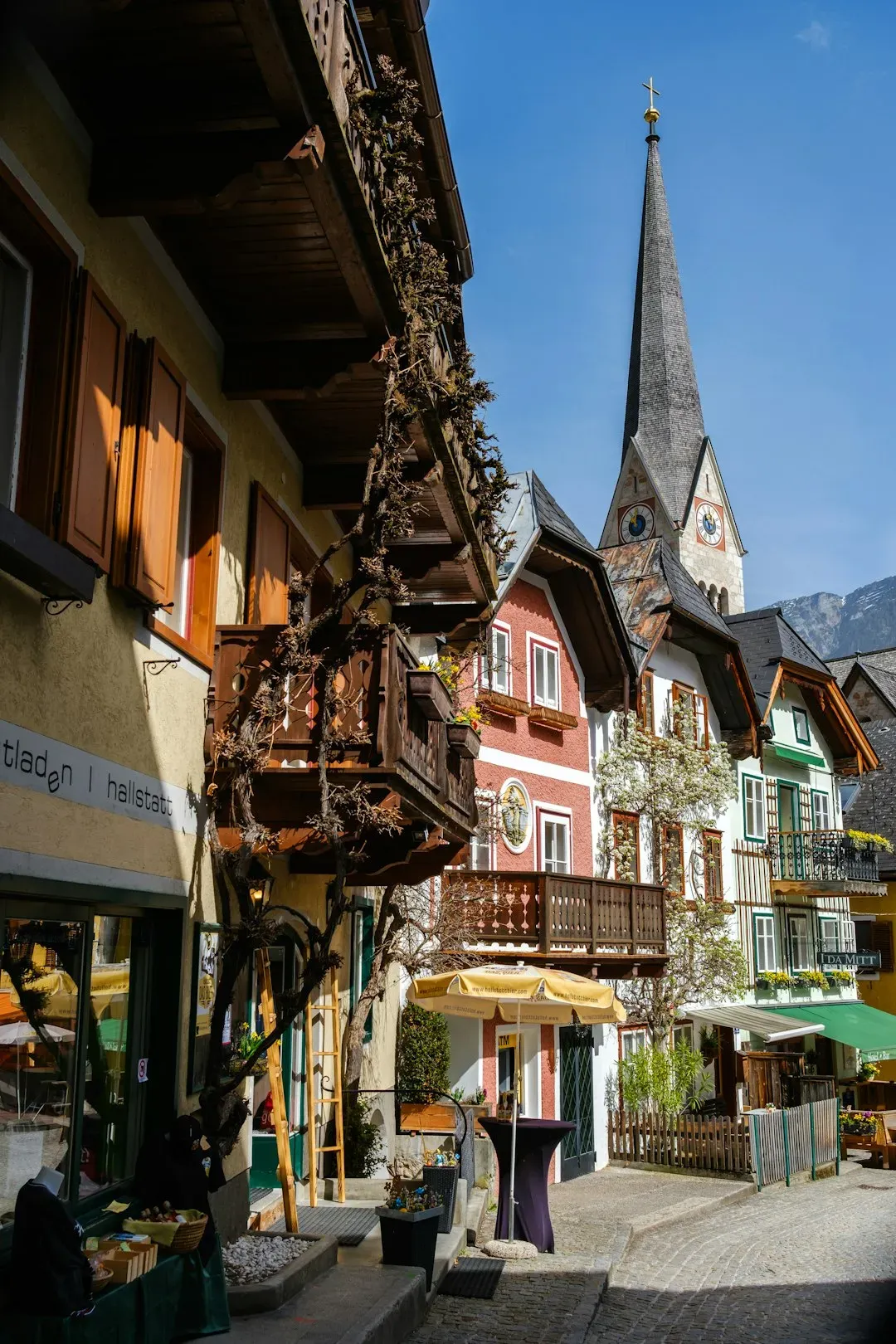
With around 760 residents, Hallstatt welcomes over one million visitors each year, with the UNESCO World Heritage village seeing more than one million guests annually. This Alpine lakeside village looks like it was designed specifically to appear on postcards. The pastel-colored houses reflected in the glassy Hallstätter See, backed by towering mountains, create a scene that borders on impossibly picturesque.
On peak days, up to 10,000 visitors crowd through its narrow lanes between lake and rock face, with tour buses arriving by the minute and cameras lining the lakeshore. It’s hard to say for sure, but I suspect the village’s fairytale quality comes from its sheer authenticity – this isn’t a reconstructed tourist village; people have lived here for thousands of years, mining salt from the mountains behind the town.
Walking through Hallstatt in early morning before the day-trippers arrive feels like you’ve discovered a secret. The mist rises off the lake, local residents go about their daily routines, and for a brief moment, you get a glimpse of what this dreamlike place must have been like before it became one of the most photographed villages on Earth.
Colmar, France
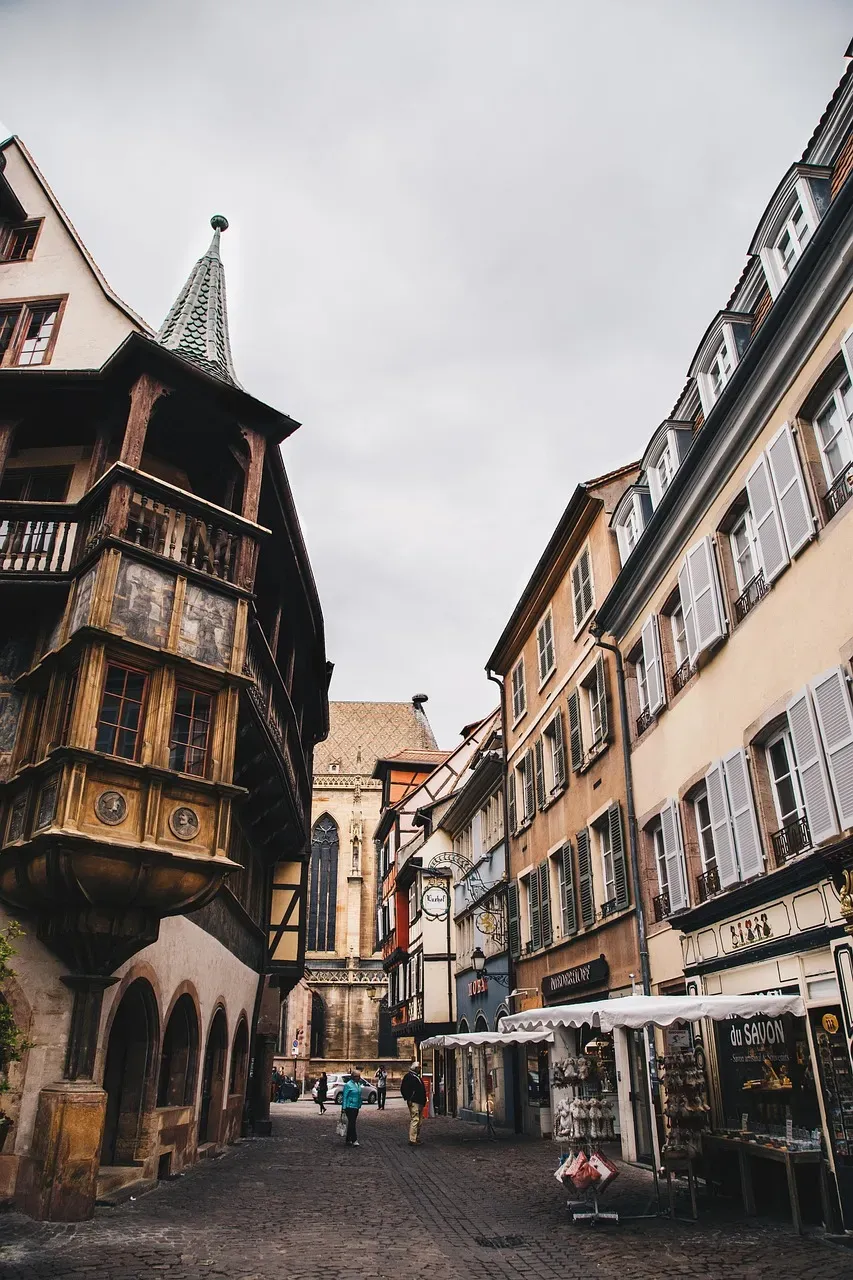
Colmar in the Alsace region looks like someone took a Brothers Grimm illustration and brought it to life. The half-timbered houses painted in vibrant shades of pink, yellow, and blue line the canals of La Petite Venise, creating a storybook atmosphere that’s almost too charming to be real.
This town doesn’t just look like a fairytale – it allegedly inspired the village in Disney’s Beauty and the Beast, which honestly makes complete sense when you’re walking through its flower-draped streets. The medieval and Renaissance architecture remains remarkably intact, with buildings dating back to the thirteenth and sixteenth centuries still standing proudly along cobbled lanes.
What I find fascinating about Colmar is how it manages to feel both French and German simultaneously, a reflection of the region’s complex history. The Christmas markets here transform the town into something even more magical, with lights twinkling off the canals and the scent of mulled wine and gingerbread filling the air. Even outside the holiday season, though, Colmar maintains its dreamlike quality – it’s a place where reality seems just slightly softer around the edges.
Tallinn, Estonia
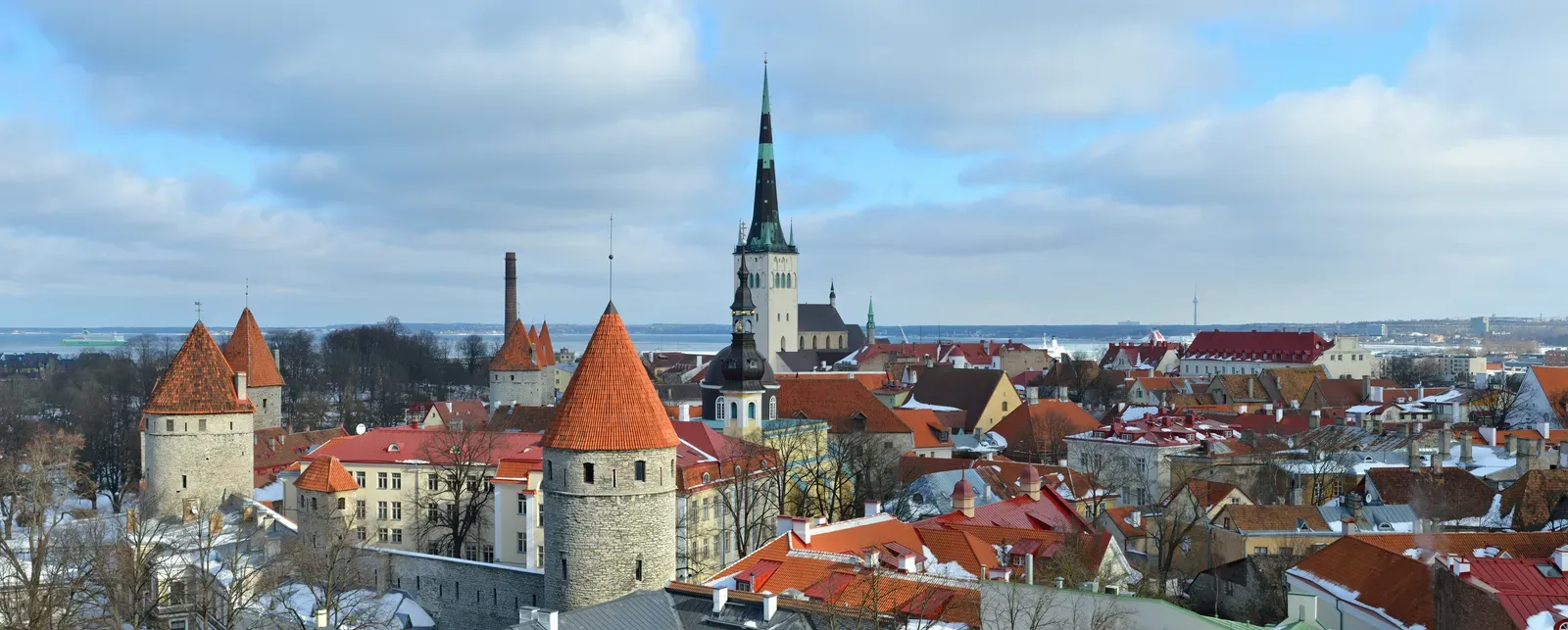
Tallinn’s Old Town is one of the best-preserved medieval cities in Northern Europe, and stepping through its ancient walls genuinely feels like time travel. The gothic spires, weathered city walls, and winding cobblestone streets create an atmosphere that’s equal parts mystical and melancholic.
The city has a peculiar quality that sets it apart from other European capitals. Perhaps it’s the way modern life seamlessly coexists with medieval architecture, or how the Baltic light gives everything a slightly ethereal glow. Walking through Raekoja plats (Town Hall Square) or climbing the narrow stairs to the upper town, you half expect to encounter merchants in period clothing rather than tourists with smartphones.
What strikes me most about Tallinn is its authenticity. Unlike some European cities that feel overly polished for tourism, Tallinn retains a raw, lived-in quality. The buildings aren’t perfectly restored – they’re weathered and worn, which somehow makes them more beautiful. The city manages to feel both ancient and surprisingly contemporary, with hip cafes and design shops tucked into medieval cellars.
Rothenburg ob der Tauber, Germany
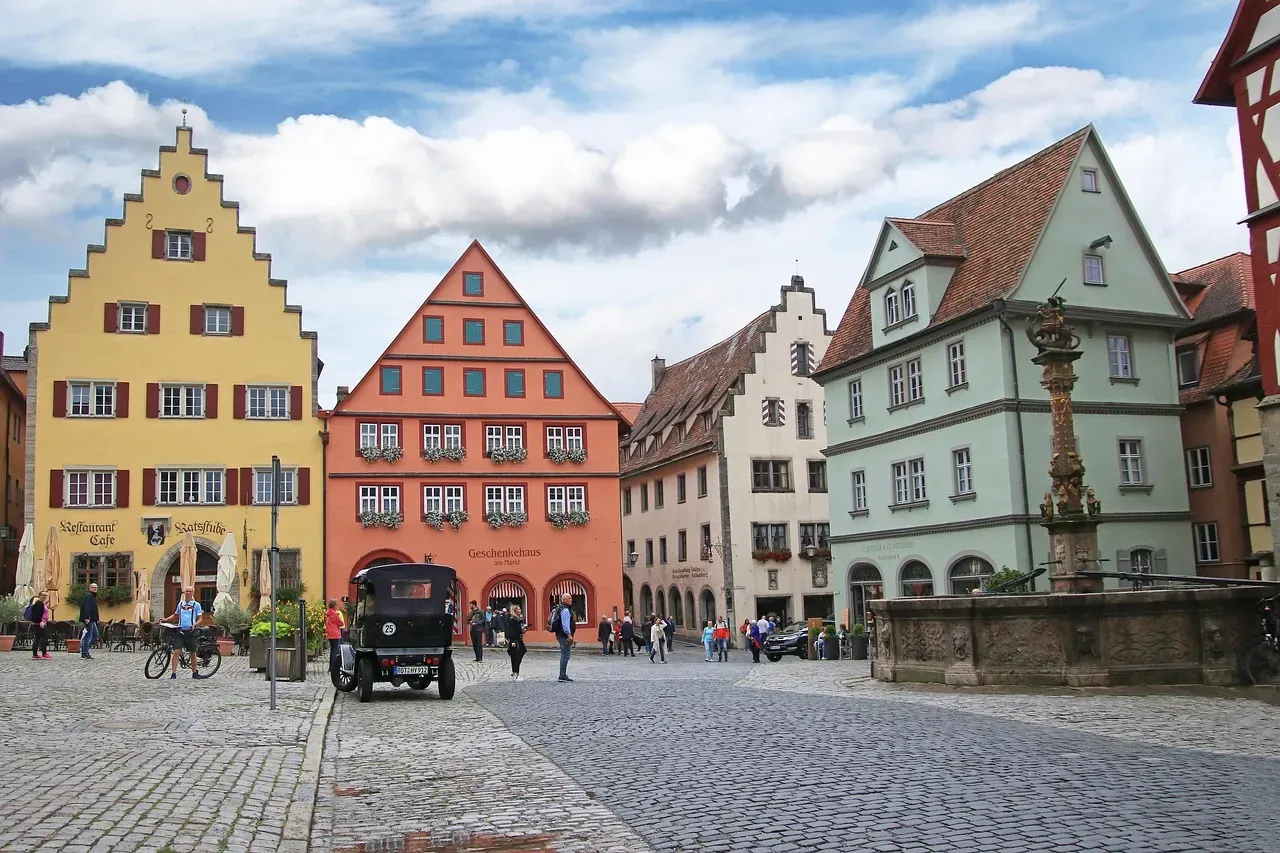
Rothenburg ob der Tauber might be the most perfectly preserved medieval town in Germany, and walking its completely intact city walls makes you feel like you’ve accidentally wandered into the Middle Ages. This Bavarian gem looks exactly like what you’d imagine a medieval German town should look like, which is both its charm and its challenge.
The town is famous for its Christmas markets and year-round Christmas shops, but even in summer, Rothenburg maintains its fairytale atmosphere. The colorful gabled houses, the Plönlein (a famous fork in the road with a picture-perfect view), and the towers that punctuate the city walls all contribute to the dreamlike quality. Everything here seems almost too perfect, too pristine – like someone created an idealized version of what a medieval town should be.
Here’s the thing about Rothenburg – it’s popular, sometimes overwhelmingly so during peak tourist season. Yet if you stay overnight and experience the town after the day-trippers leave, you get a completely different perspective. The cobblestone streets empty out, the golden light of sunset bathes the half-timbered houses, and for a moment, you can imagine what life might have been like here centuries ago.
Porto, Portugal
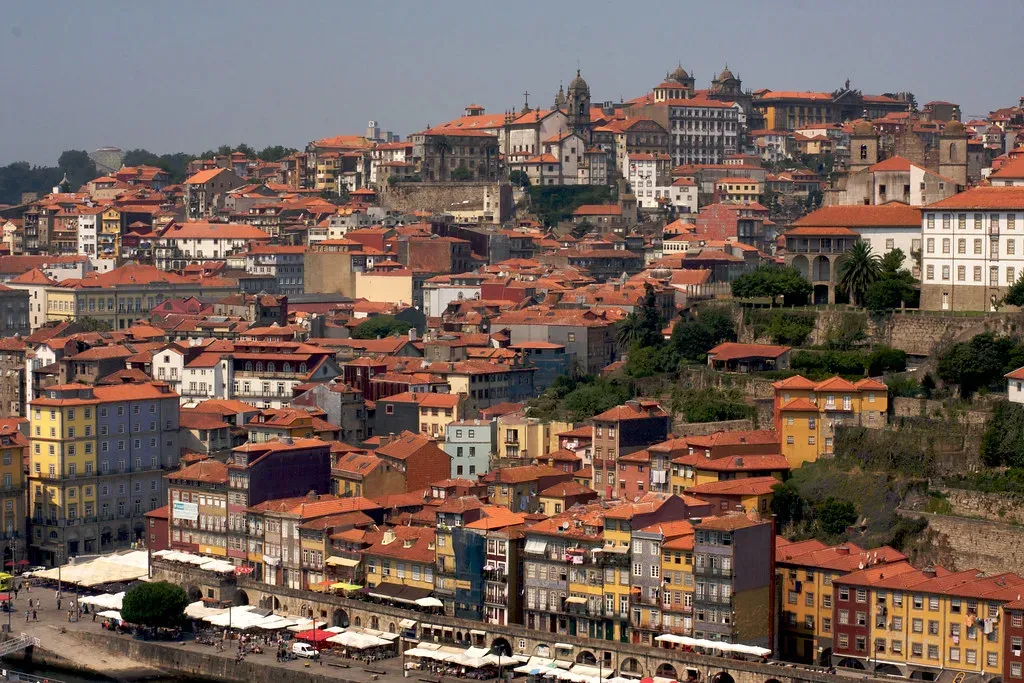
Porto cascades down hills toward the Douro River in a riot of colorful tiles and terracotta roofs that create one of Europe’s most photogenic skylines. The city has a gritty authenticity that sets it apart from more polished destinations – paint peels from building facades, laundry hangs from wrought-iron balconies, and azulejo tiles tell stories on every surface.
The Ribeira district along the riverfront feels particularly dreamlike, especially at dusk when the lights of Vila Nova de Gaia’s port wine cellars reflect off the water and the Dom Luís I Bridge becomes a silhouette against the fading sky. There’s something deeply romantic about Porto, though not in a sanitized, tourist-brochure way – it’s the romance of faded grandeur and genuine character.
What makes Porto special is how it wears its age proudly. Buildings crumble gracefully, trams rattle up impossibly steep hills, and the entire city seems to operate on its own unique rhythm. The Livraria Lello, one of the world’s most beautiful bookstores, exemplifies this quality – a Neo-Gothic masterpiece that allegedly inspired J.K. Rowling. Porto doesn’t try to be a dream – it just is one, rough edges and all.
Bergen, Norway
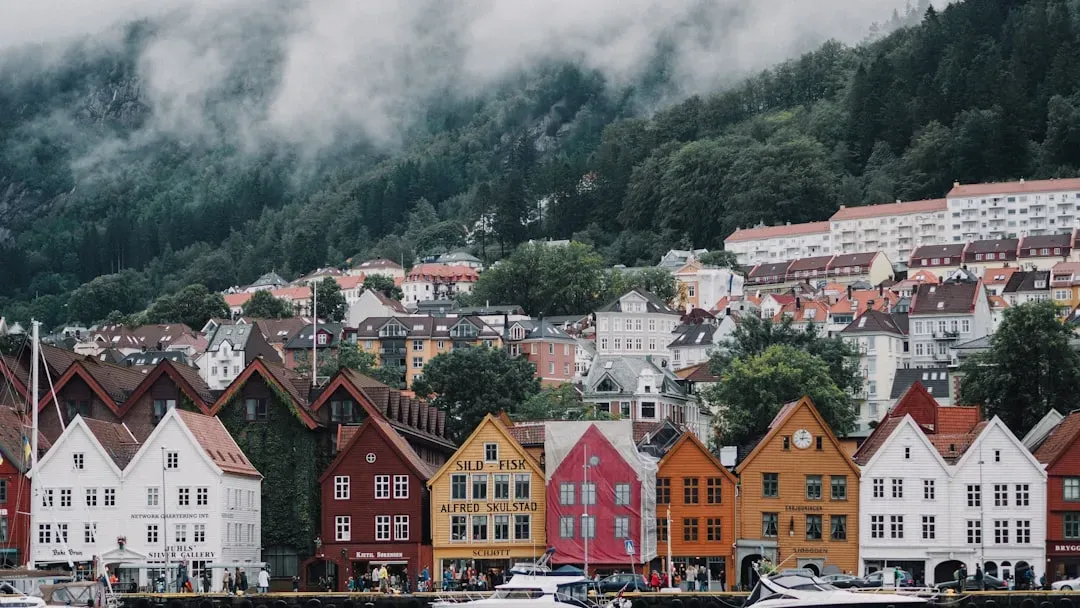
Bergen sits nestled between mountains and fjords, with its iconic Bryggen Wharf – a row of colorful wooden buildings dating back to the Hanseatic League – creating a scene that looks plucked from a Nordic saga. This colourful little city feels like something out of a storybook, with the UNESCO-listed Bryggen Wharf and Mount Fløyen offering sweeping snowy views.
The city is known as the gateway to the fjords, and there’s something almost otherworldly about its setting. On misty days (and there are many – Bergen is one of Europe’s rainiest cities), the mountains disappear into clouds, and the whole city takes on a mystical quality. The combination of water, mountains, and those jewel-toned wooden facades creates a palette that seems too saturated to be real.
I’ll be honest – Bergen’s weather can be challenging, with rain falling roughly two hundred forty days a year. Yet somehow, the rain only adds to the atmospheric quality. When you’re wandering through Bryggen’s narrow wooden passageways with rain pattering on the roofs overhead, or watching the mist roll in from your perch on Mount Fløyen, Bergen feels less like a city and more like a living piece of Scandinavian folklore.
Cinque Terre, Italy
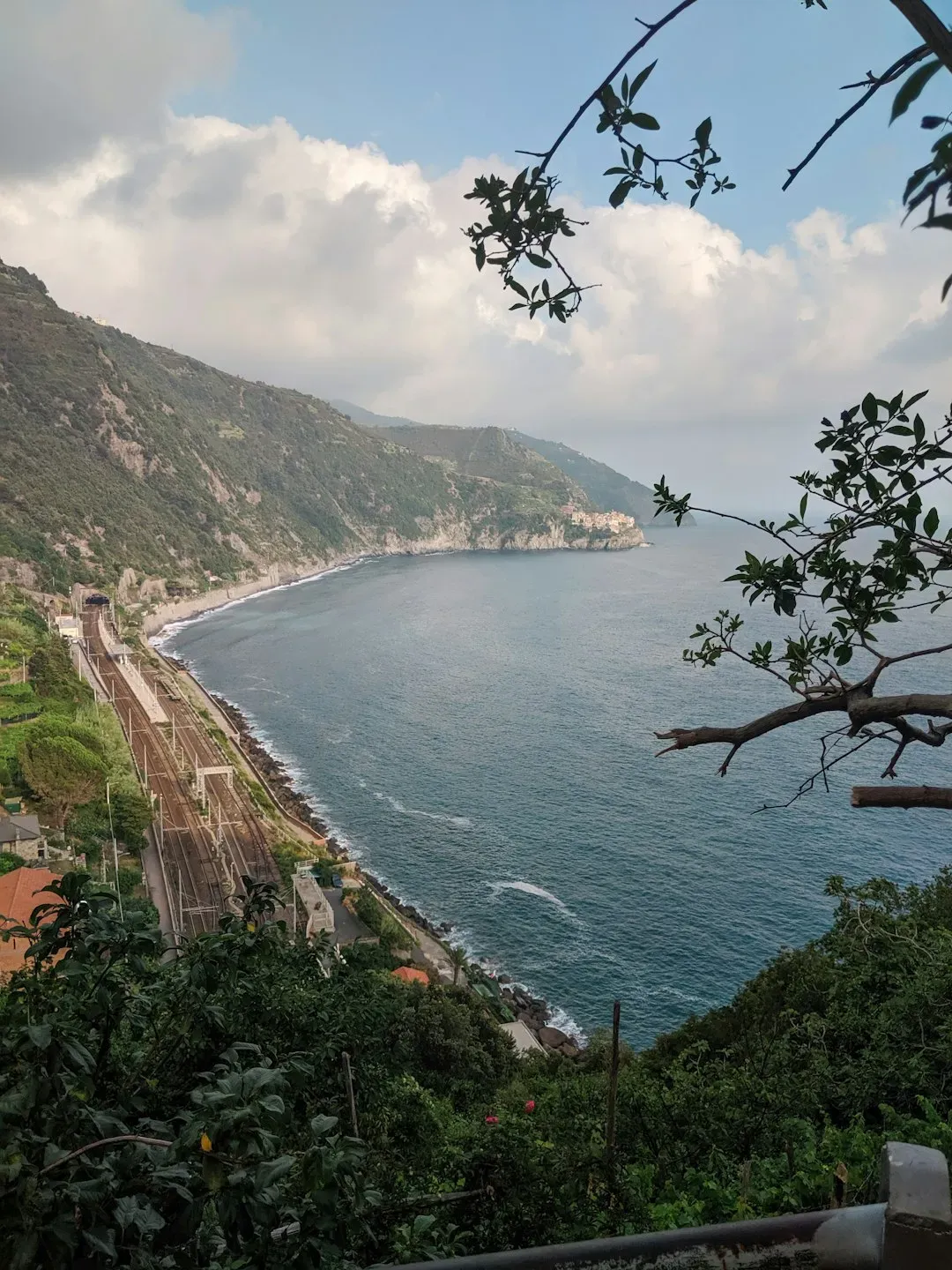
Technically five villages rather than a single city, Cinque Terre clings to the Italian Riviera’s cliffs in a way that seems to defy both gravity and common sense. The brightly painted houses stacked vertically above the Mediterranean Sea create a scene so iconic it’s become almost synonymous with the Italian coastline itself.
Vernazza, Manarola, Riomaggiore, Corniglia, and Monterosso al Mare each have distinct personalities, yet they share that same improbable beauty – pastel buildings cascading down rocky cliffs, fishing boats bobbing in tiny harbors, and narrow lanes that twist upward until they dissolve into vineyards and hiking trails. The villages feel suspended between earth and sea, existing in their own timeless dimension.
What makes Cinque Terre dreamlike isn’t just its physical beauty but the entire experience – hiking the coastal trail as the Mediterranean sparkles below, tasting fresh pesto in its birthplace, watching the sun set over Manarola from a rocky outcrop. These villages have maintained their character despite enormous tourist pressure, partly because their inaccessibility (no cars allowed in village centers) has protected them from overdevelopment. The result is a place that feels both ancient and impossibly vibrant, like a Technicolor dream of the Italian coast.