12 Retro Dishes Middle-Class Families Served in the 1960s (Remember Any?)
Looking at dinner tables in the 1960s reveals a fascinating snapshot of American life. In the 1960s, cooking at home got a whole lot easier. Thanks to the explosion of convenient and pre-packaged foods and the new accessibility of kitchen appliances, it was easier than ever to skip a restaurant and make dinner. These dishes weren’t just about food – they represented status, convenience, and the rapidly changing American lifestyle.
The median household income in 1960 was approximately $5,620, which grew to $9,433 in 1969. Yet families spent much more of their income on food than today. In 1960, U.S. consumers spent an average of 17.0 percent of disposable personal income (DPI) on food. So let’s dive into those memorable dishes that defined middle-class dining tables across America.
Swedish Meatballs in Rich Cream Sauce
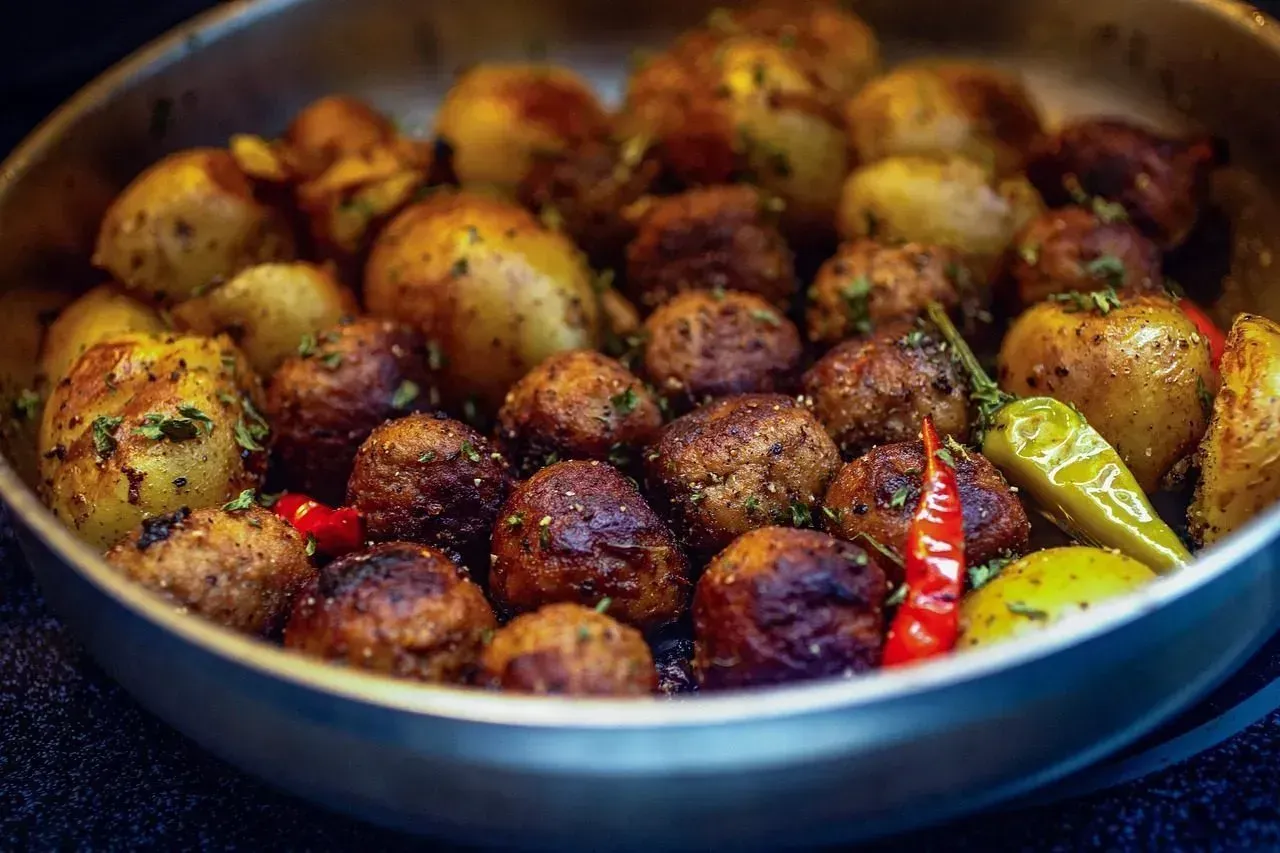
These weren’t your grandmother’s traditional meatballs. In the ’50s and ’60s, Scandinavian design and culture became popular in the U.S. Part of that was the popularity of Swedish meatballs, which were made far easier by the accessibility of cream of mushroom soup. Middle-class families embraced this dish as sophisticated yet manageable. Swedish meatballs weren’t just reserved for fancy occasions – they often graced the family table with their creamy sauce and perfectly spiced flavor. They felt like an exotic dish back then, adding a touch of European flair to the weekly dinner lineup. Served over egg noodles or mashed potatoes, this dish was rich, satisfying, and a surefire way to please even the pickiest eaters. The creamy gravy made them feel restaurant-quality, perfect for impressing neighbors.
Classic Beef Stroganoff Over Buttered Noodles
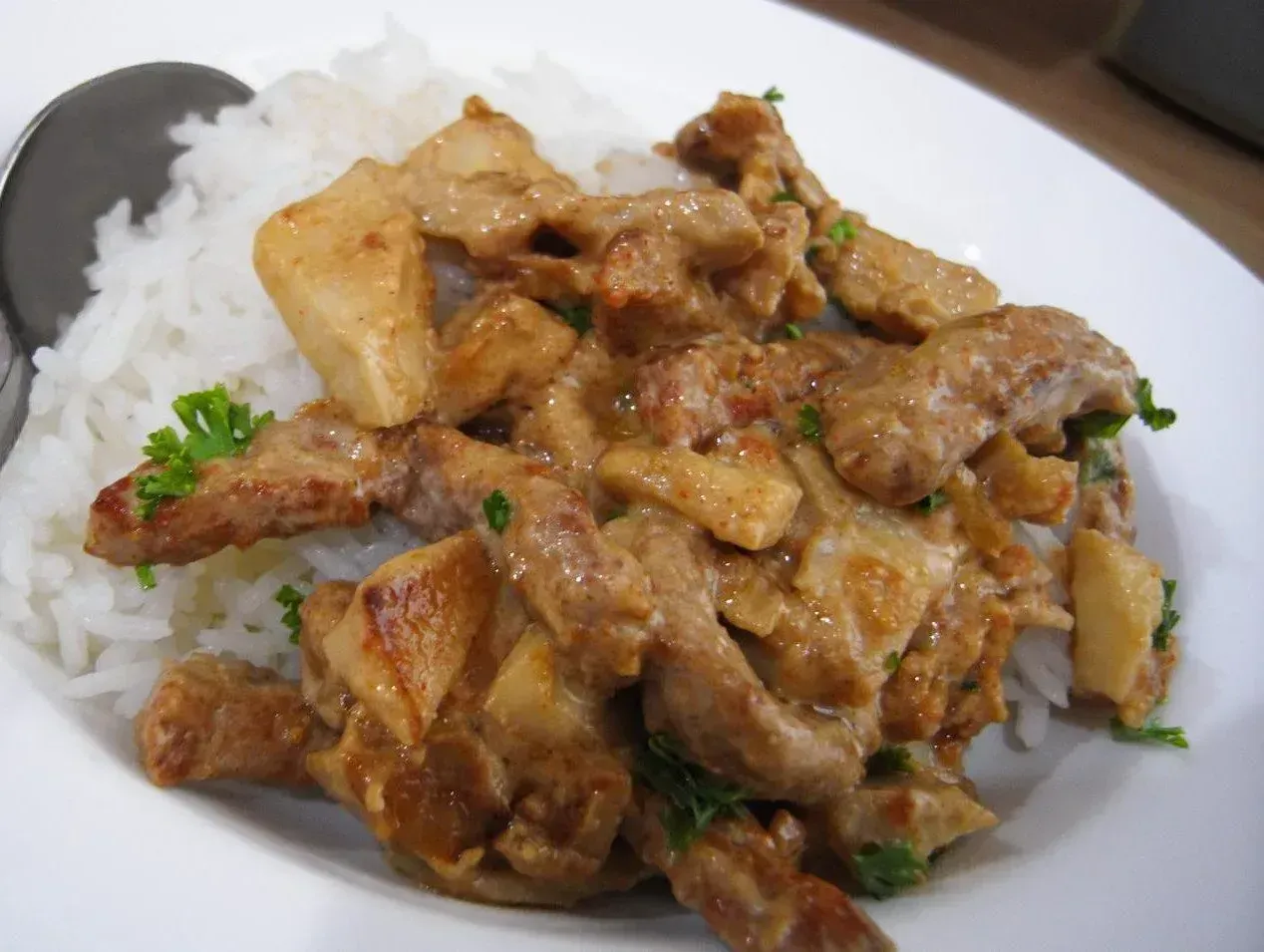
Named after Russian nobleman Count Pavel Stroganoff, this comfort food classic is said to have been invented by a French chef back in the 19th century – but it really took the world by storm in the 1960s and 1970s. The dish became a weeknight staple because it transformed affordable beef cuts into something elegant. Beef stroganoff brought a taste of elegance to everyday dinners with its tender beef strips, savory mushroom sauce, and hint of sour cream. Served over a bed of buttered egg noodles, it felt like a special-occasion meal, even on a Wednesday night. The rich, creamy sauce made it a comfort food favorite that was both filling and sophisticated.
Hamburger Helper and Ground Beef Casseroles
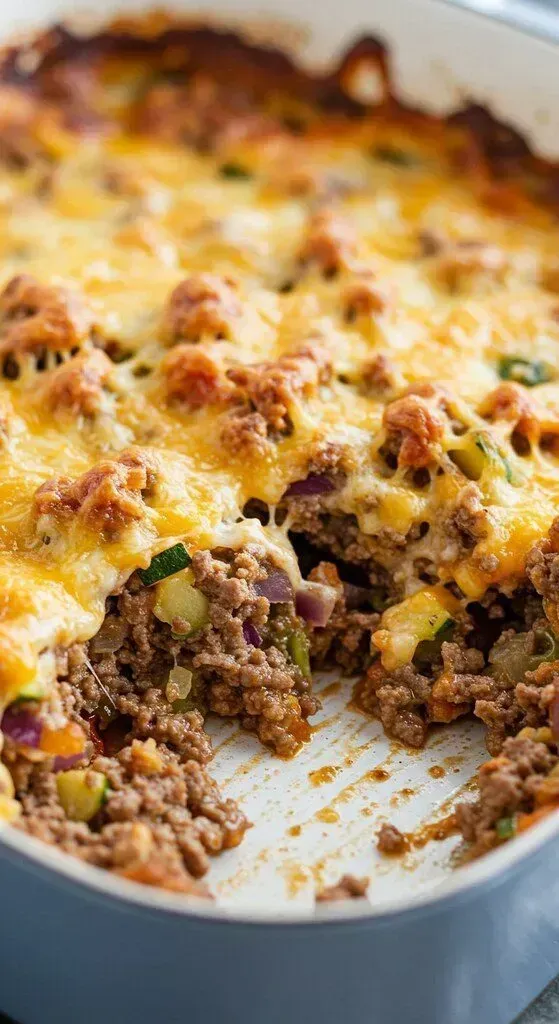
The 1960s dinner table was part budget spreadsheet, part magic show. Groceries were tight, schedules were packed, and almost every family I’ve talked to had a reliable loop of meals that could stretch a dollar, survive a picky kid, and produce leftovers that got even better by Tuesday. Ground beef became the hero ingredient for countless casseroles that combined pasta, vegetables, and canned soups. These one-dish wonders could feed a family of six without breaking the bank. The magic happened when leftover casserole transformed into tomorrow’s lunch, making busy mothers’ lives infinitely easier.
Tuna Noodle Casserole with Crispy Topping
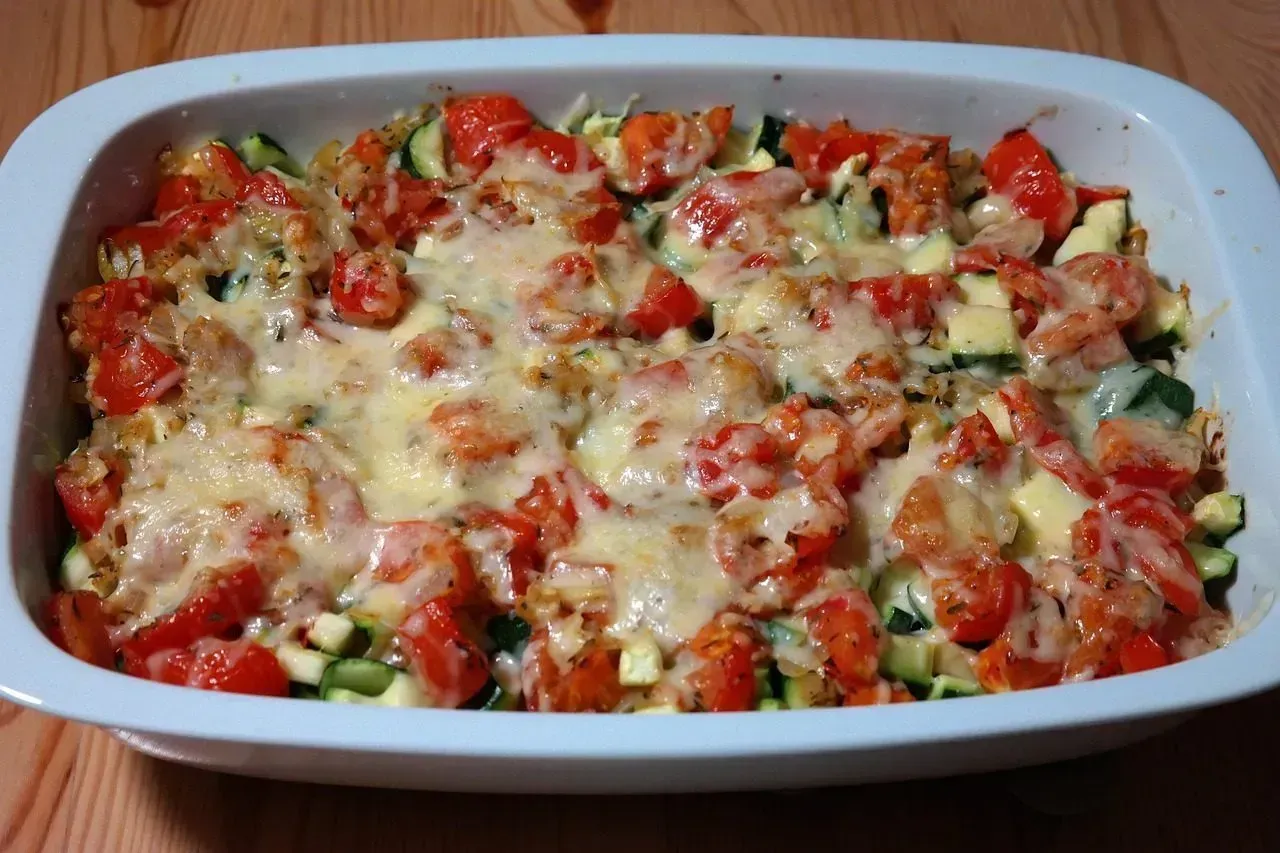
This dish epitomized 1960s convenience cooking at its finest. Equal parts alchemy and convenience: egg noodles, canned tuna, cream of mushroom soup, frozen peas, and a crunchy crown of potato chips or fried onions. The combination might sound strange today, but it was pure genius for busy families. Into the oven it went, out came something creamy, cozy, and enough to feed a cousin who “just happened to drop by.” Why it worked: pantry ingredients, low effort, high yield. Leftovers packed easily for lunch and reheated without drama. The satisfying crunch on top made every bite interesting.
Classic Meatloaf with Ketchup Glaze
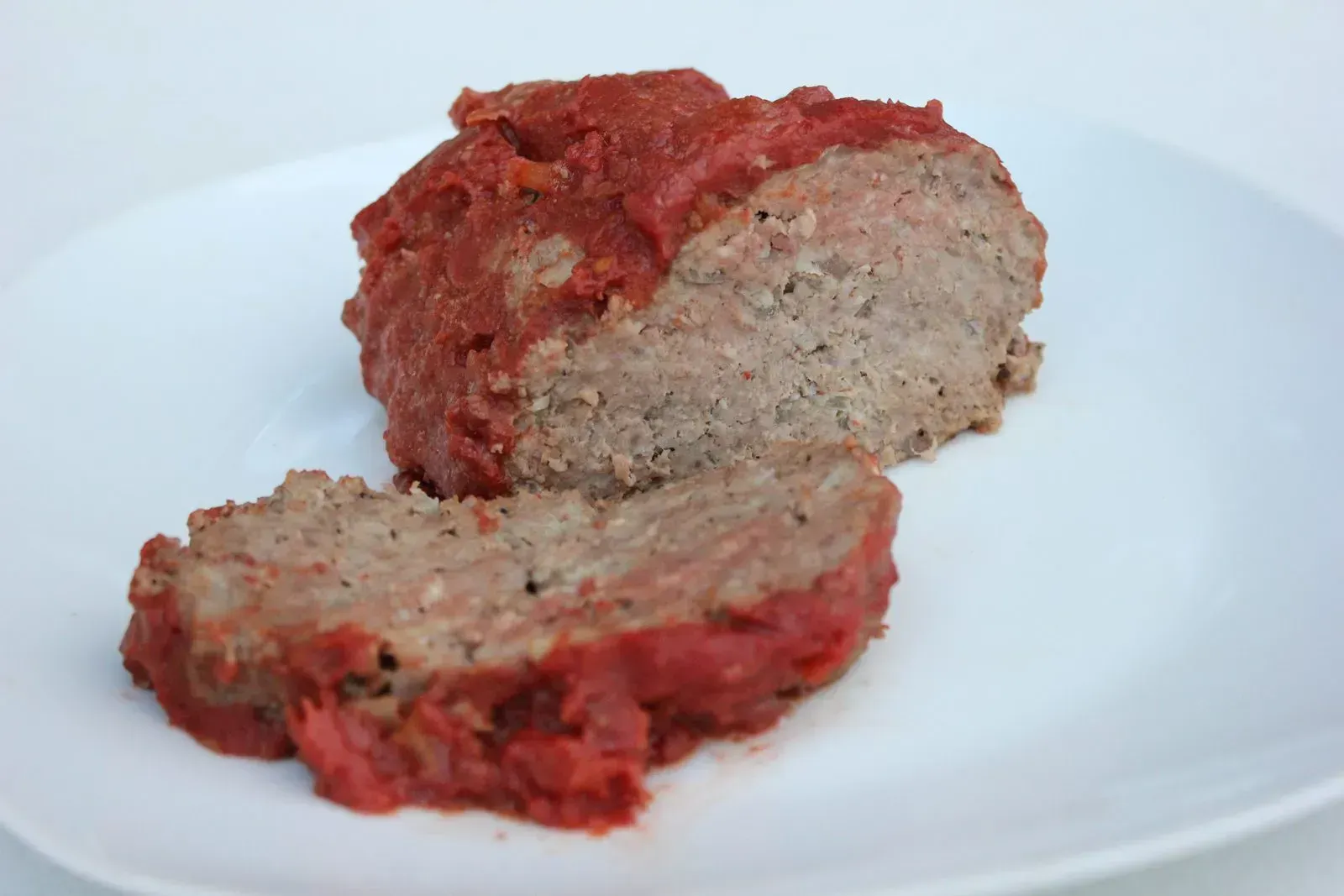
Meatloaf was a staple in nearly every household, known for its hearty, filling nature and ability to stretch a pound of ground beef to feed the whole family. The beauty lay in its endless variations. Many families had their own secret ingredient – whether it was a dash of Worcestershire sauce, a topping of ketchup glaze, or even crushed saltine crackers mixed in for texture. Served with mashed potatoes and green beans, meatloaf made everyone feel right at home. Every family developed their own special recipe, making it both universal and deeply personal. If the 60s had a mascot, it might have been a glossy loaf baked in a battered pan.
Pork Chops with Fruit Glaze or Gravy
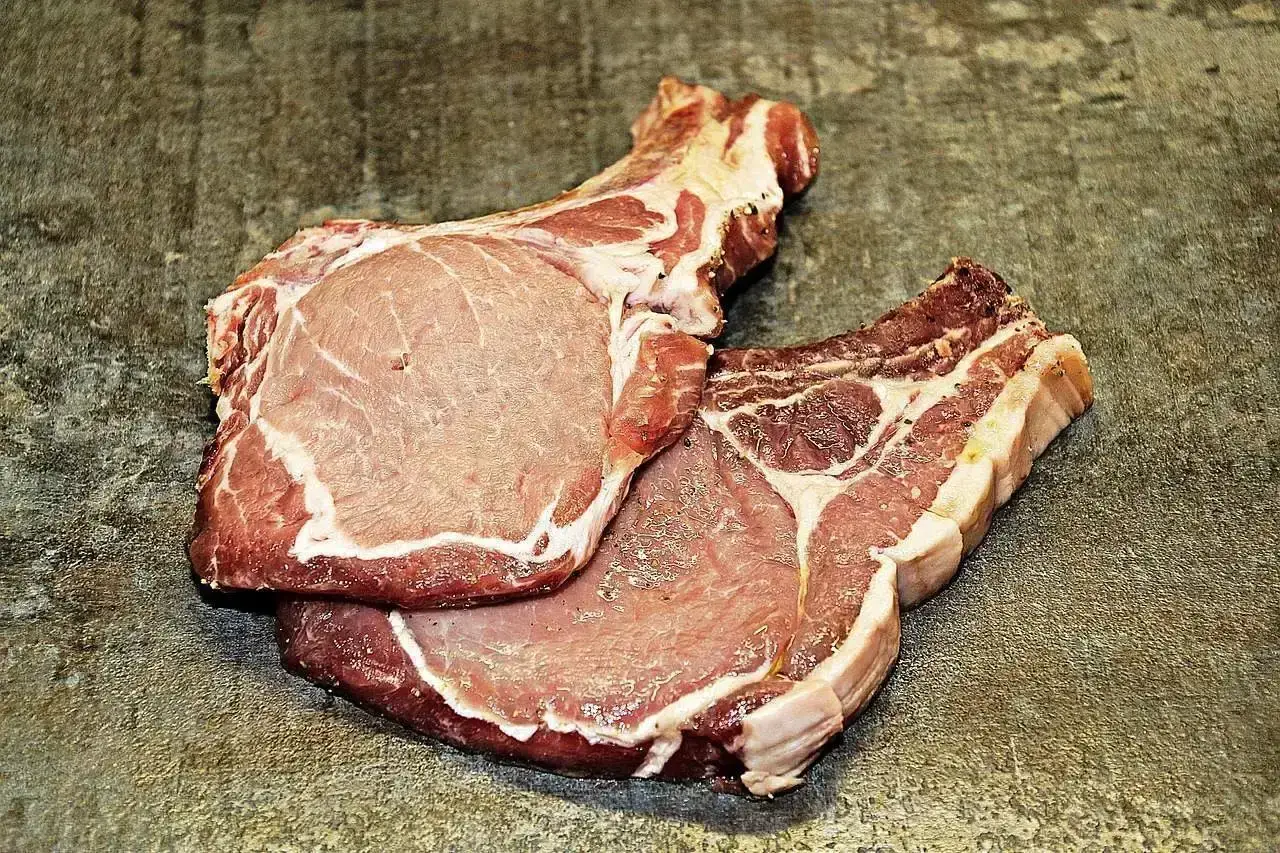
Pork chops had a big moment in the ’60s, usually served alongside some mashed potatoes and gravy, or maybe a fruit glaze if somebody was trying to be fancy. You’d see pork steaks at BBQs and county fairs all over the place, too. The fruit glaze version represented the era’s fascination with sweet and savory combinations. Pineapple rings often crowned these chops, creating an Instagram-worthy presentation decades before social media existed. These dinners felt special enough for Sunday but simple enough for weeknight cooking.
Chicken à la King Over Toast Points
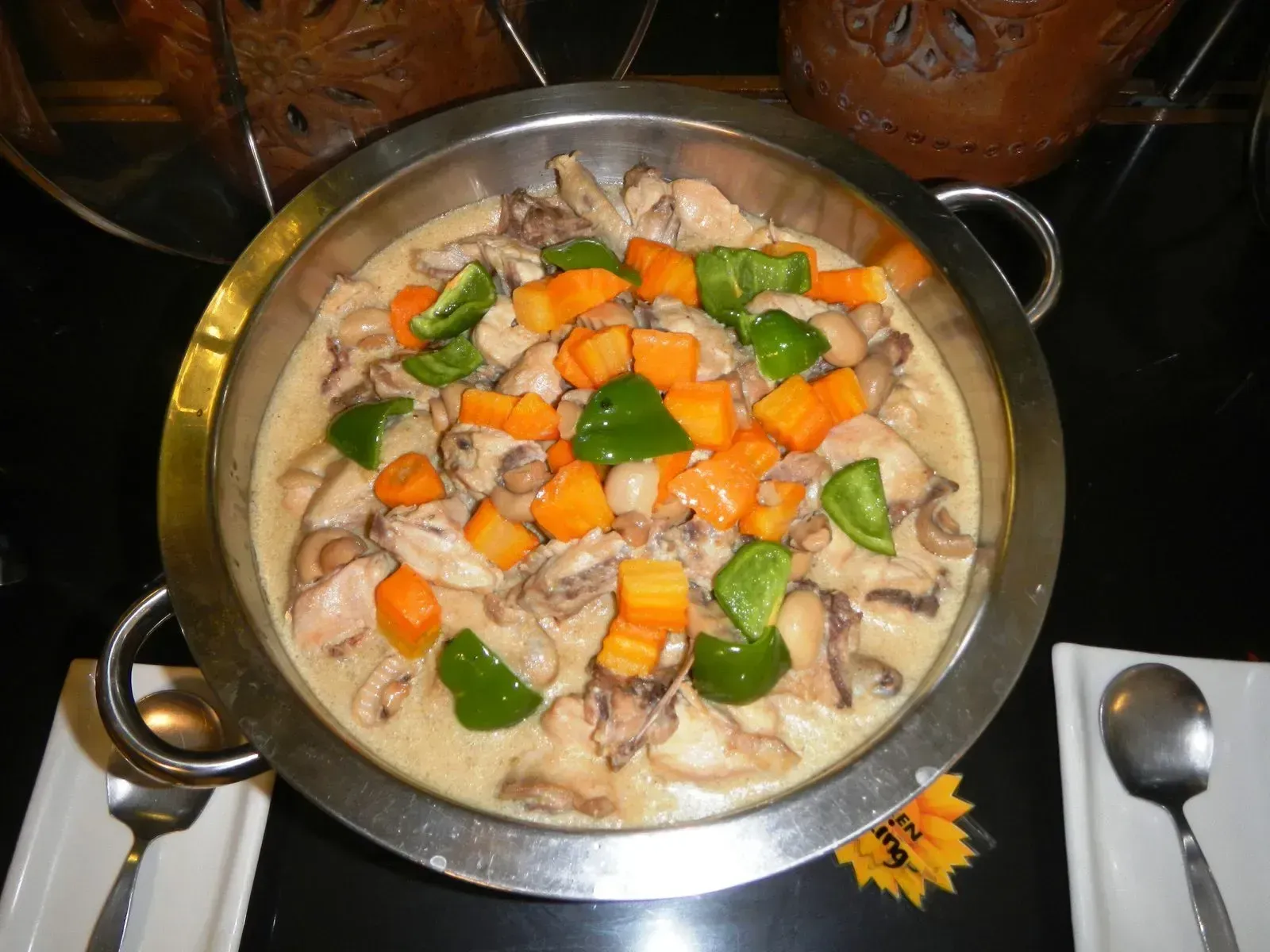
Chicken à la King was one of those meals that made you feel like royalty. Creamy, rich, and loaded with tender chicken and vegetables, it was often served over toast, rice, or biscuits. This dish transformed leftover chicken into something sophisticated and filling. Rarely seen on modern tables, chicken à la King was once a ubiquitous dish in restaurants and at ladies’ luncheons – it frequently appeared on restaurant menus from the 1910s to the 1960s. The creamy white sauce made it feel luxurious, perfect for impressing dinner guests.
Jell-O Salads in Colorful Molds

Nothing says 1960s dining like a wobbling tower of gelatin studded with mysterious ingredients. Jello salads were especially fashionable in the suburbs in the 1950s. They were seen as a marker of sophistication, elegance and status, indicating that a housewife had time to prepare jello molds and that her family could afford a refrigerator. While both sweet and savory gelatin became popular after World War II, Jell-O’s golden years were in the 1950s, when the new American middle class created dishes such as jellied bouillon with frankfurters and strawberry cottage cheese mold. These shimmering creations often contained combinations that seem bizarre today – lime Jell-O with cottage cheese, or tomato aspic with vegetables suspended like colorful confetti.
Fried Chicken Made from Scratch
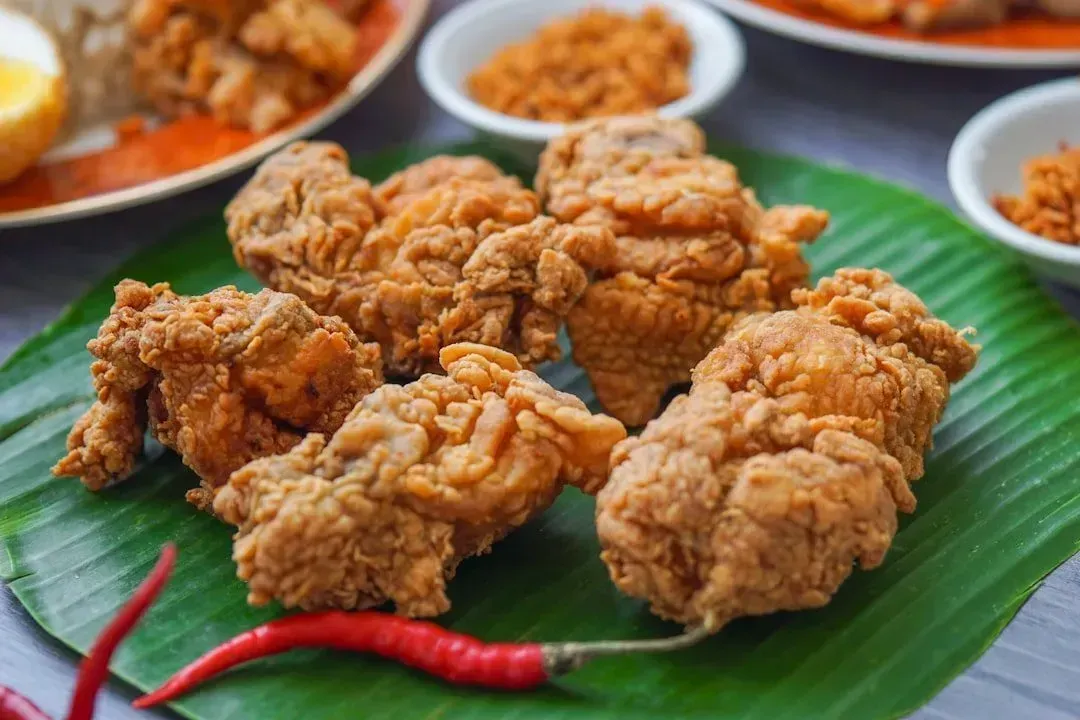
Before KFC dominated the landscape, families fried their own chicken at home regularly. Maybe you were getting a bucket for some take-out, but usually fried chicken happened at home. Chicken was cheap (like 29 cents per pound cheap) and so was oil. No reason to head to KFC when you can do it at home. Sunday fried chicken became a family tradition that brought everyone to the table. The process was labor-intensive but worth every crispy, golden bite. Many mothers passed down their secret seasoning blends through generations, creating family legacies one drumstick at a time.
TV Dinners and Salisbury Steak
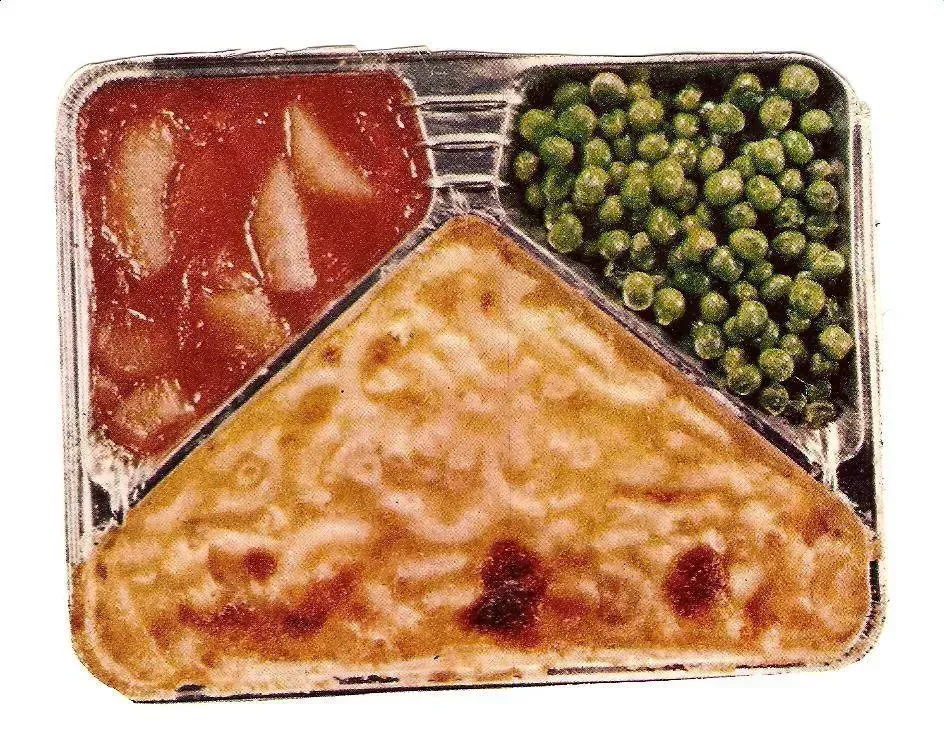
If you grew up in that era, you can probably still hear the metal snap of a TV-dinner corner, the shake-shake of a Parmesan can, the crackle of a chicken piece lowered into oil, the laugh that came after someone admitted they burned the garlic bread again. TV dinners represented the ultimate in convenience, though they were still considered special treats rather than everyday meals. Salisbury steak’s reputation as junk food in disguise would have come as an ugly surprise to its inventor, Civil War-era physician James Henry Salisbury. He developed his eponymous beef patties to restore sick soldiers by providing “the maximum of nourishment with the minimum of effort to the digestive organs.”
Chef Boyardee Spaghetti and Ravioli
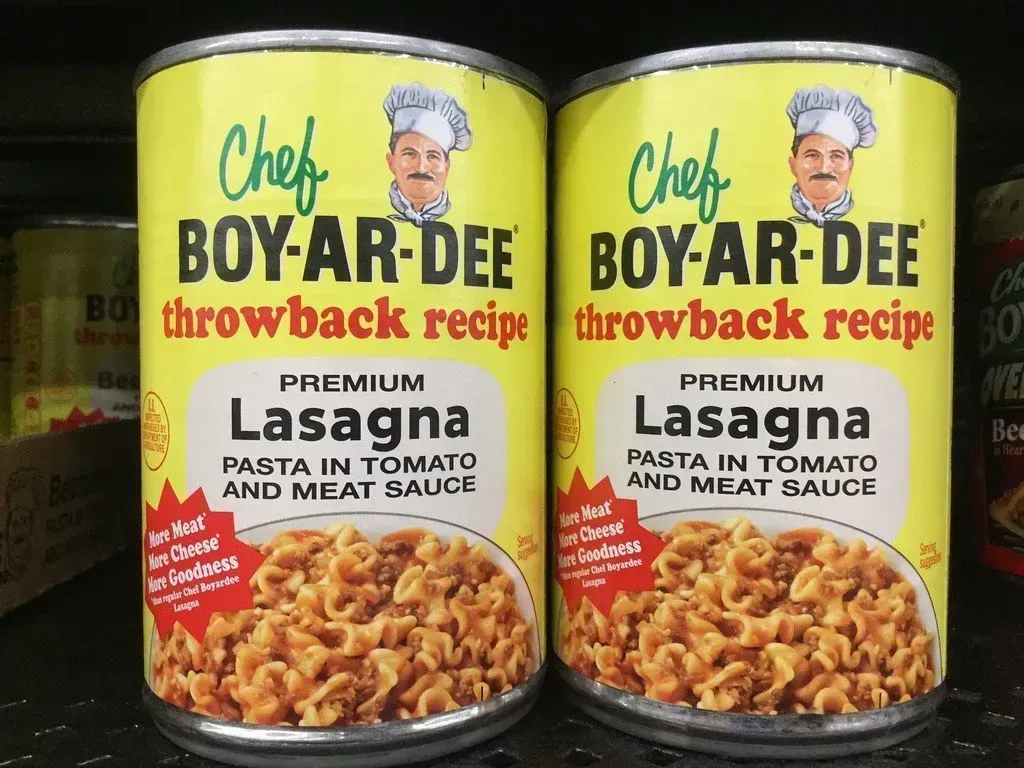
Canned spaghetti and meatballs! Canned ravioli! Chef Boyardee was the only chef needed in the kitchen in the 1960s, and those easy-to-cook cans made it all the better. These meals saved the day when time ran short or ingredients ran low. While not exactly gourmet, they satisfied hungry kids and represented the era’s embrace of convenience foods. Opening a can felt modern and efficient – exactly what busy 1960s families needed.
Macaroni Salad and French Onion Dip
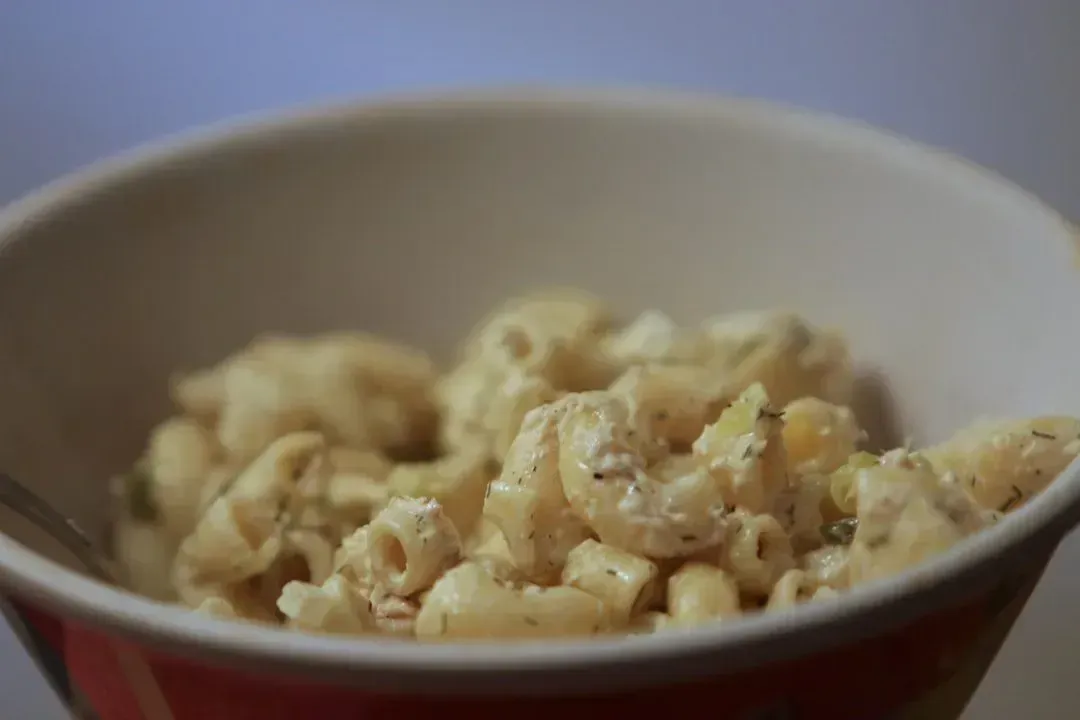
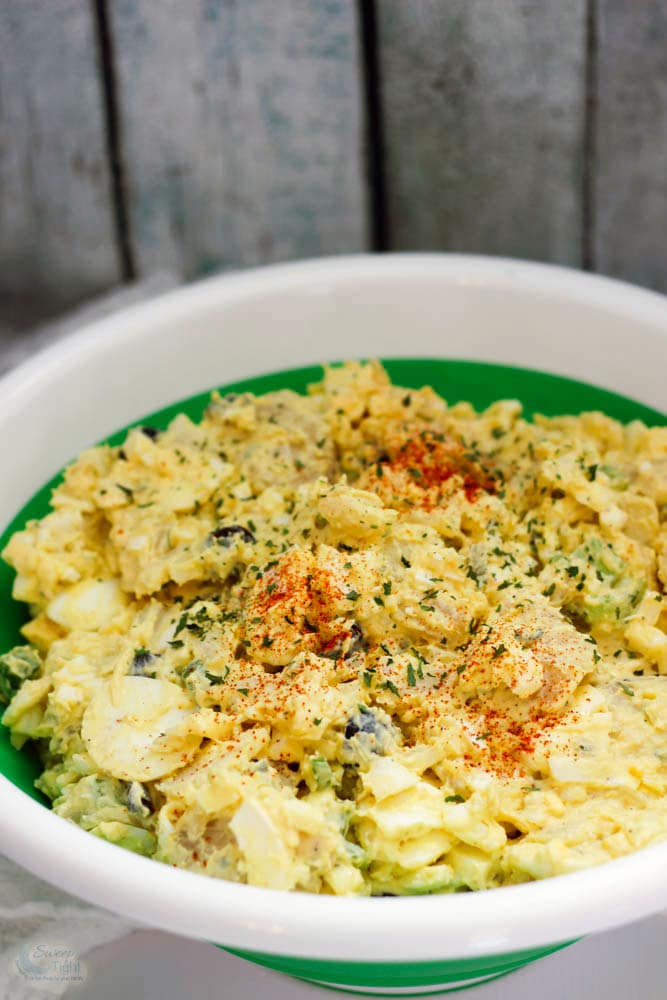
It was popular to make “salads” out of many things in the ’60s by mixing them with mayo, but macaroni salad really blew up in popularity at that time. Common in Hawaii as well as on the mainland, that perfect, goopy pasta salad has remained in our hearts and minds for 80 years. French onion dip accompanied almost every gathering. French Onion Dip was a primo thing to have on the dinner table, especially when you wanted to make it seem like you did a lot more work than you did. The recipe was simple: Mix sour cream with some garlic, dill, salt, and pepper; and if you really felt like going for it, you’d fry some onions and mix them in. These sides appeared at every potluck, picnic, and family gathering throughout the decade.
These dishes tell the story of a nation in transition – caught between traditional home cooking and the allure of modern convenience. They delivered reliability, value, and togetherness. They were invitations to sit, share, and be a family for half an hour before homework, dishes, and the nightly news. Each meal represented more than sustenance; they were expressions of love, creativity, and the uniquely American ability to make the ordinary feel special. What do you think about it? Tell us in the comments.
Key Takeaway
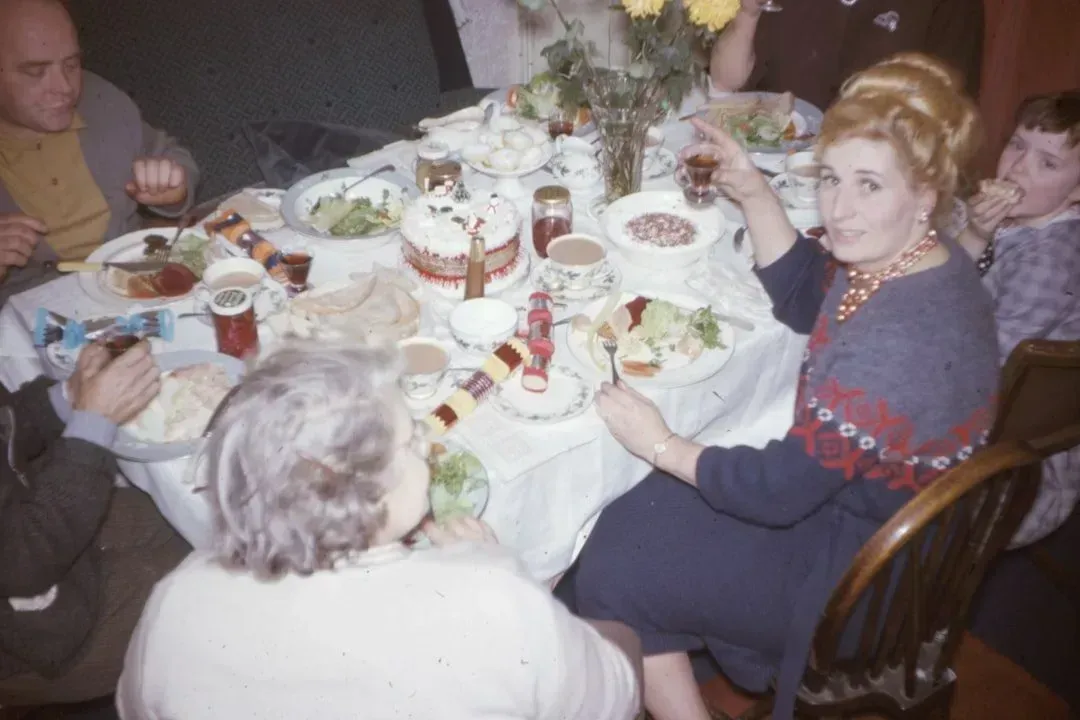
1960s middle-class families relied on convenient, colorful dishes – like casseroles, Jell-O salads, and TV dinners – reflecting the era’s love for easy, modernized home cooking.
Why These Dishes Defined Middle-Class Comfort
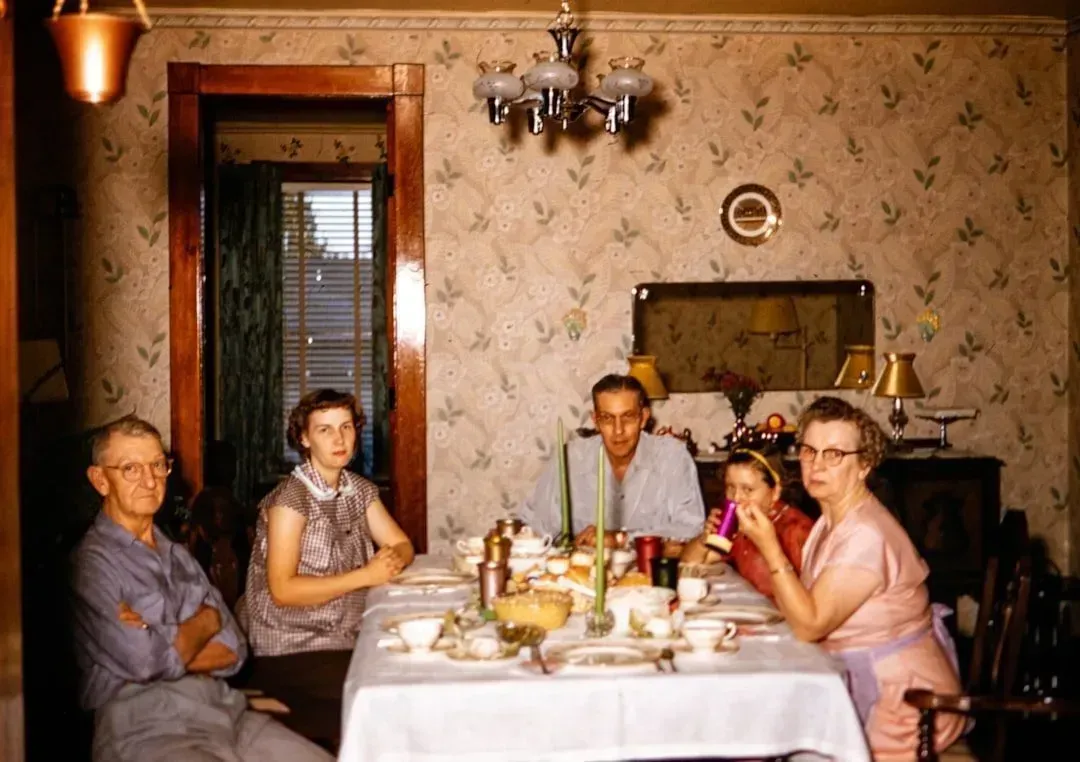
These retro recipes weren’t just about filling bellies – they represented something bigger for families climbing into America’s expanding middle class. The 1960s brought unprecedented prosperity, and suddenly housewives had access to electric appliances, frozen foods, and convenience products their mothers never dreamed of. Serving a perfectly molded Jell-O salad or a bubbling casserole meant you’d arrived, that you could afford modern shortcuts while still putting a homemade meal on the table. There’s something deeply emotional about these dishes too – they smell like childhood for millions of Americans, triggering memories of Sunday dinners and family gatherings around Formica tables. The emphasis on convenience also freed up time for mothers who were increasingly juggling homemaking with other responsibilities, making these recipes practical lifesavers rather than culinary compromises. Today we might laugh at lime Jell-O with cottage cheese, but back then, these colorful creations symbolized optimism, progress, and the promise that modern living could actually make life easier.
The Secret Ingredients That Made Everything Taste the Same

Walk into any middle-class kitchen in 1964, and you’d find the same flavor arsenal repeated from coast to coast – Campbell’s Cream of Mushroom soup, Lipton’s Onion Soup Mix, and Kraft’s processed cheese products dominated recipes like culinary commandments. These weren’t just ingredients; they were the backbone of an entire cooking philosophy that prioritized consistency and reliability over adventurous flavors. Cream of mushroom soup alone appeared in literally thousands of casserole variations, creating that signature creamy, salty base that defined the era’s comfort food. French’s French Fried Onions weren’t optional – they were practically mandatory on green bean casseroles, adding that satisfying crunch families craved. What’s fascinating is how these products created a shared taste memory across economic and geographic boundaries, meaning a tuna casserole in Maine tasted remarkably similar to one in California. Food companies had basically standardized American home cooking, and honestly, most families were thrilled about it because these miracle ingredients guaranteed foolproof results every single time.
The Frozen Food Revolution Nobody Saw Coming
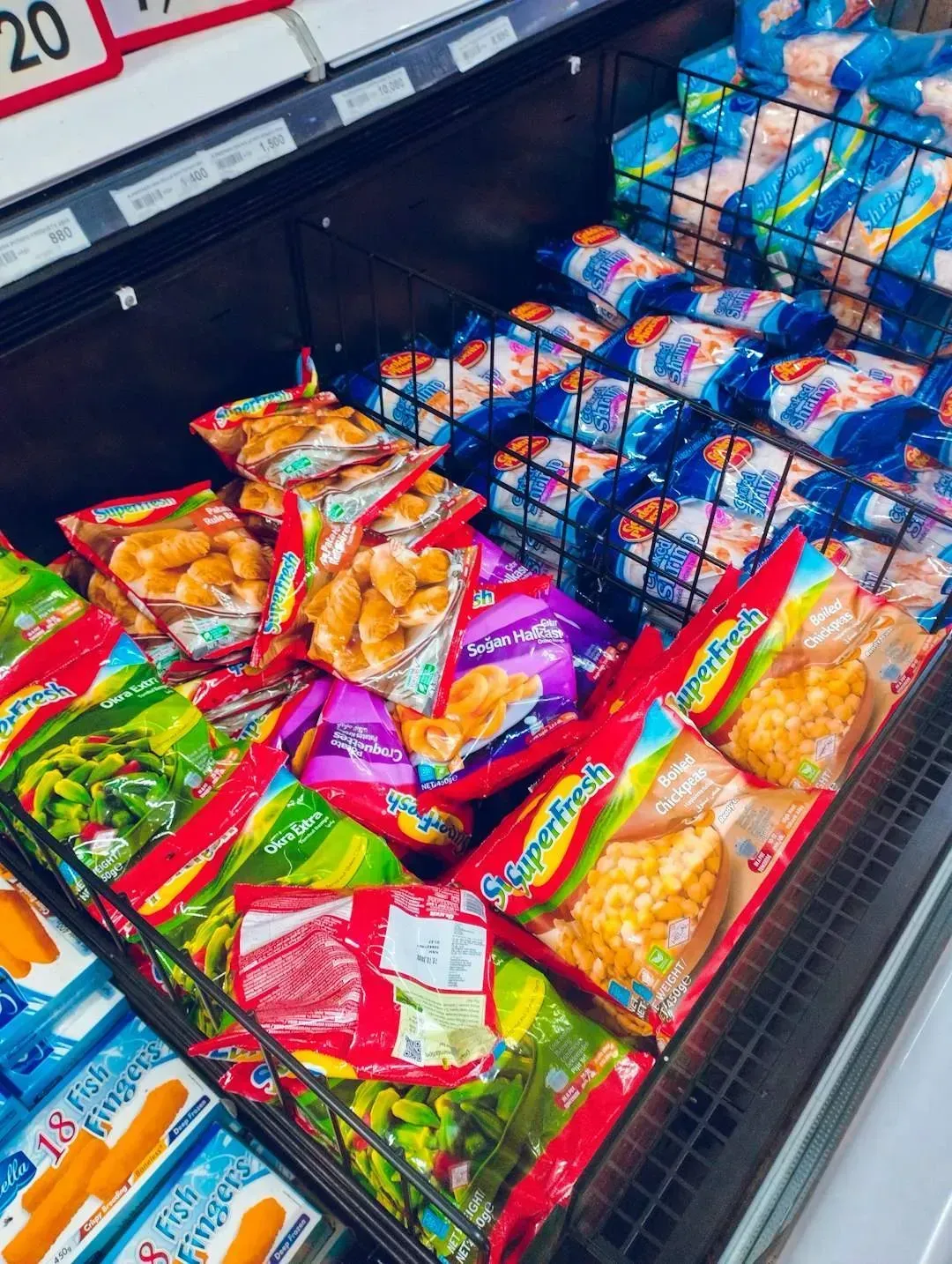
Before the 1960s, most families viewed frozen foods with suspicion – ice crystals meant poor quality, right? But middle-class homes in this decade experienced a genuine freezer revolution that changed weeknight dinners forever. Suddenly, families were buying standalone chest freezers for their garages and basements, stockpiling everything from frozen vegetables to complete meals like they were preparing for culinary doomsday. Birds Eye and Green Giant convinced Americans that frozen peas and corn were actually fresher than canned versions, which honestly wasn’t wrong since flash-freezing preserved nutrients better than sitting in metal cans for months. The real game-changer was how frozen foods liberated home cooks from seasonal limitations – you could serve green beans in January without paying premium prices or spending hours snapping fresh ones. Sara Lee pound cakes, frozen fish sticks, and Cool Whip became pantry staples that no respectable middle-class kitchen could do without. What’s wild is how quickly this technology went from novelty to necessity, transforming the American diet in less than a decade and making year-round variety accessible to families who previously ate seasonally whether they wanted to or not.
Dinner Parties That Looked Fancy But Cost Almost Nothing
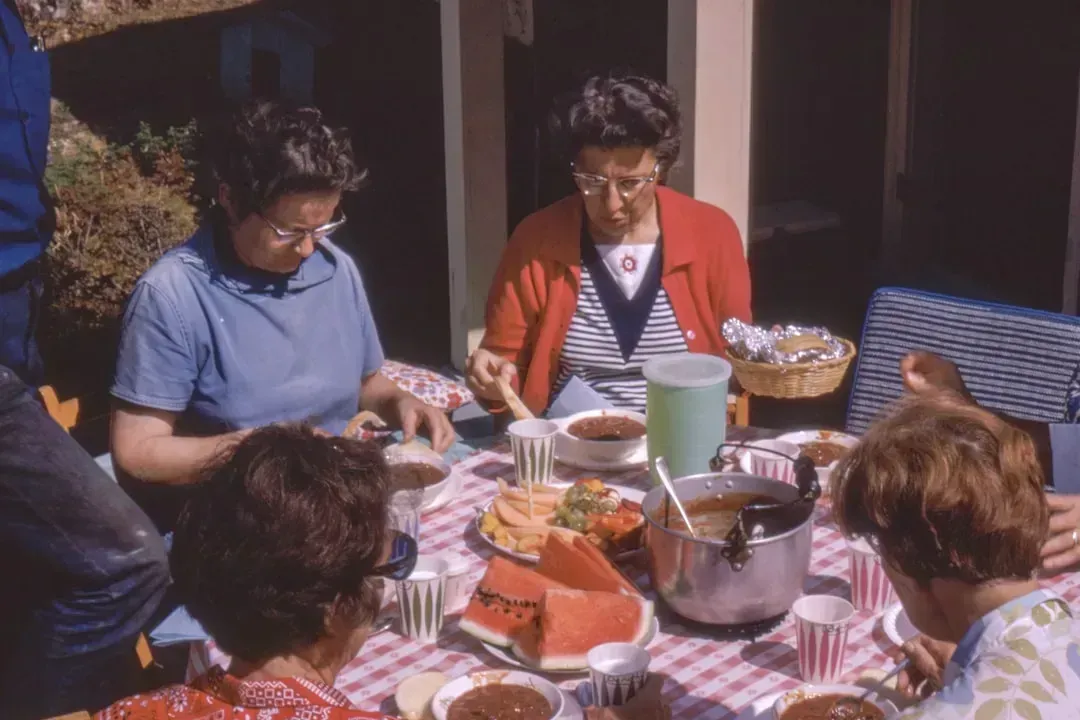
Middle-class families in the 1960s mastered the art of throwing dinner parties that screamed sophistication without breaking the bank – and honestly, it was all smoke and mirrors. The secret weapon was presentation over price tag: a crown roast of frankfurters stuck with toothpicks and pineapple chunks looked downright elegant on the dining table, even though it cost less than five bucks to feed eight people. Hosts would dim the lights, break out the good china (usually wedding gifts still in decent shape), and serve fondue – which was basically just melted cheese but felt incredibly European and worldly. Deviled eggs arranged on special platters, shrimp cocktail with store-bought sauce in fancy glasses, and anything served in a chafing dish automatically elevated the perceived expense of the meal. The genius part was how these dinner parties created social currency without requiring actual wealth – your neighbors would rave about your “gourmet” spread for weeks, never knowing the whole evening probably cost less than twenty dollars including the boxed wine. What made it work was the collective agreement that presentation mattered more than ingredients, turning budget-friendly meals into status symbols through nothing more than creative plating and strategic candle placement.
The Bizarre Canned Food Combinations Nobody Questions Anymore
If you grew up in a 1960s middle-class household, you probably ate some truly wild ingredient combinations that would make modern foodies absolutely lose their minds – and the craziest part is how normal it all seemed back then. Canned mushroom soup became the universal sauce base for literally everything: green bean casserole, tuna dishes, chicken recipes, and even some truly questionable vegetable medleys that nobody would dare serve today. Families would crack open a can of cream of celery soup and mix it with canned tuna, frozen peas, and potato chips without batting an eye, creating flavor profiles that were simultaneously bland and aggressively salty. The Campbell’s Soup Company basically dictated what American dinner tasted like, and housewives treated those condensed soup cans like liquid gold in their pantries. Pineapple chunks from a can got thrown into ham dishes, Jell-O molds, and even some meat preparations that sound absolutely unhinged now – sweet and savory weren’t just mixed, they were practically forced into shotgun marriages on dinner plates across suburbia. What’s shocking is how these combinations stuck around for decades, with some families still making the exact same recipes today because “that’s how grandma made it,” proving that nostalgia can overpower even the most questionable culinary decisions.