Restaurant Servers Notice These 10 Things About You the Moment You Sit Down
Ever wonder what’s going through your server’s mind when they first approach your table? Experienced restaurant professionals have developed an almost supernatural ability to read customers within seconds of seating. Their survival in a fast-paced, tip-dependent industry relies on quickly assessing each guest’s mood, expectations, and likely behavior.
“Being a server teaches you how to read people’s behaviors on a dime,” explains Kelly Ennis, who served tables for about 15 years. You can tell when you walk up to a table if they’re in a bad mood, if they’re in a rush, and servers use this instant assessment to tailor their approach accordingly.
Your Body Language Tells the Whole Story
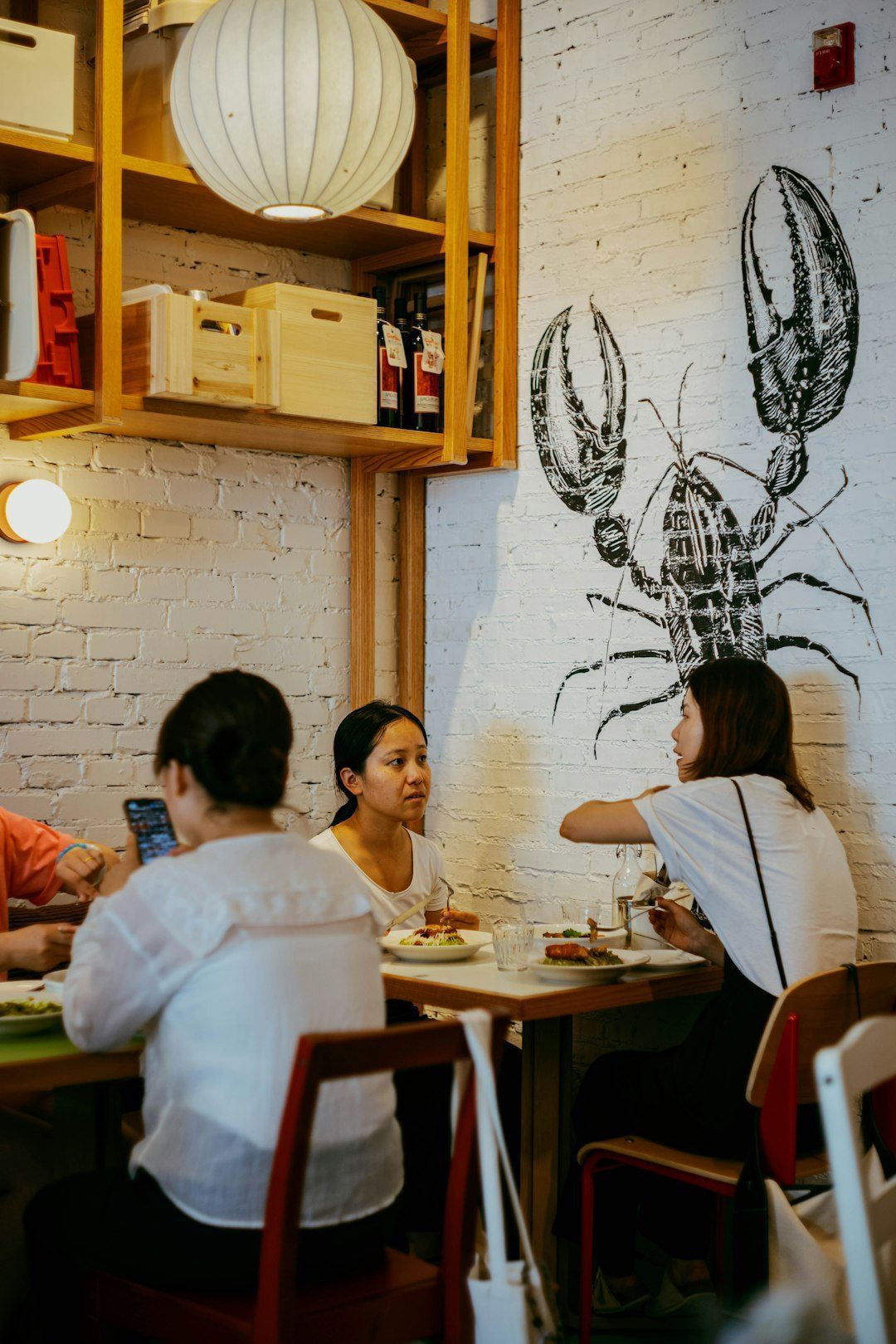
When your server first comes by your table, are you scowling at the menu with your arms crossed? That defensive posture immediately signals to experienced staff that you might be difficult to please or already frustrated. Restaurant servers observe body language and demeanor to gauge guest preferences and expectations, using these visual cues to decide how much attention you’ll need and what approach will work best.
Your posture, facial expressions, and general demeanor communicate volumes before you even speak. Servers can instantly spot the difference between someone who’s excited to be there versus someone who’s just going through the motions or feels obligated to dine out.
How You Handle Eye Contact and Acknowledgment
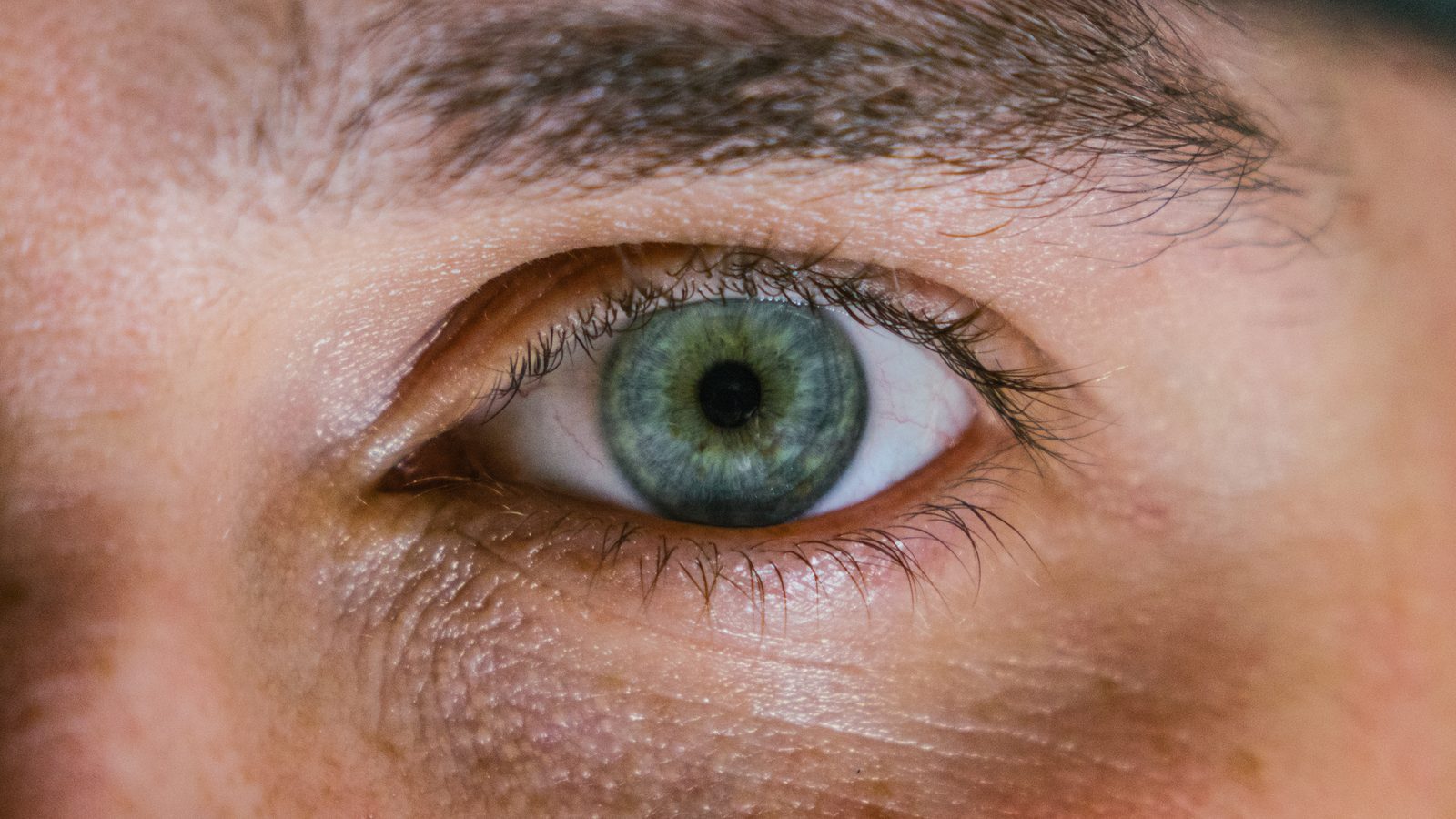
There were folks who would come in and barely acknowledge you and couldn’t remember what you look like, recalls Chuck Anderson, who served for about 20 years. Making genuine eye contact and acknowledging your server as a human being rather than an invisible service robot speaks volumes about your character. Even just calling your server by name and saying “please” and “thank you” goes a long way.
Servers immediately notice whether you pause your conversation to listen when they approach or continue talking through their introduction. This tells them how much respect you have for service workers and predicts how the entire interaction will unfold.
Your Phone Usage and Attention Level

Many customers still prefer print menus over the QR codes that rose in popularity during the pandemic, and how you interact with both physical menus and your devices reveals plenty. Are you immediately buried in your phone, scrolling through social media while your server waits? Or do you give them your full attention when they’re speaking?
Your digital behavior signals whether you’re present for the dining experience or treating it as background to your online life. Servers adapt their timing and communication style based on how engaged you appear to be with the actual restaurant experience.
How You Treat Others at Your Table
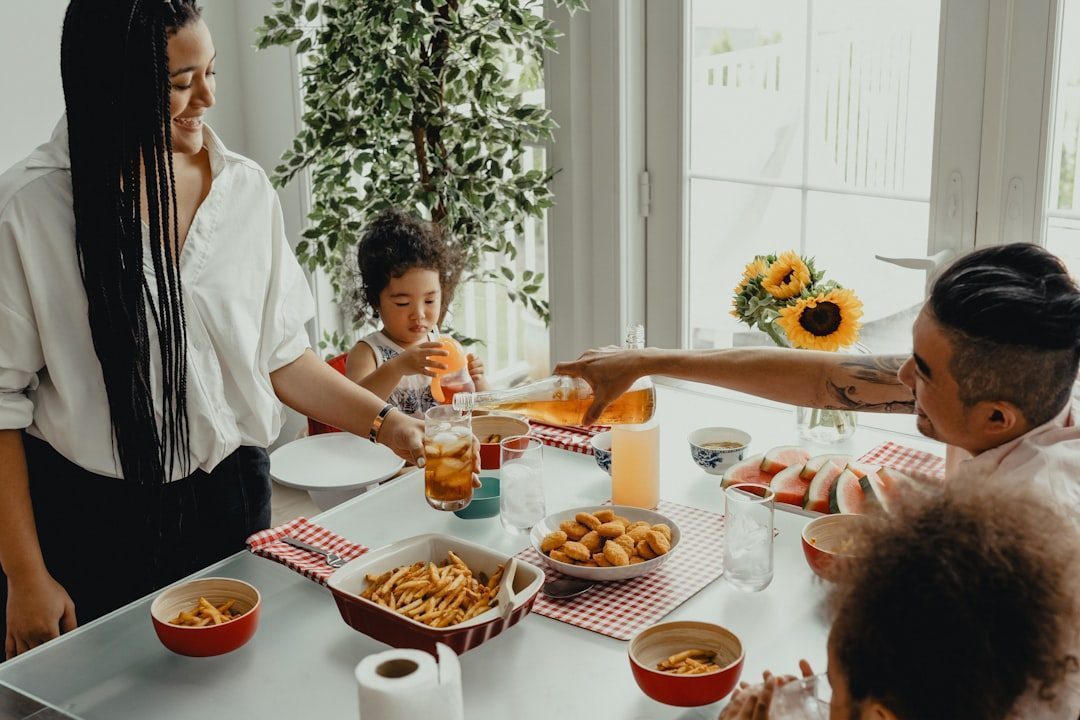
“If someone is dismissive of their spouse, their date or their kids, then you don’t have much hope that they’re going to treat you better,” notes longtime server Cardosa. The way you interact with your dining companions provides servers with crucial intelligence about your personality and likely behavior toward staff.
Servers watch for signs of respect, patience, and kindness in your interactions with family or friends. Someone who’s short-tempered or condescending with their loved ones rarely transforms into a pleasant customer when dealing with restaurant staff.
Your Eagerness to Order and Decision-Making Style

The speed and confidence with which you approach the menu tells servers whether you’re a decisive diner or someone who needs extra time and guidance. Noticing a guest scanning the menu with hesitation, a perceptive waiter offers personalized recommendations based on popular dishes or dietary preferences.
Some guests dive right into menu discussions, while others seem paralyzed by choices. Experienced servers can spot the difference immediately and adjust their approach, offering more detailed explanations for the indecisive and quick, efficient service for those who know exactly what they want.
Your Attitude About Spending and Menu Prices
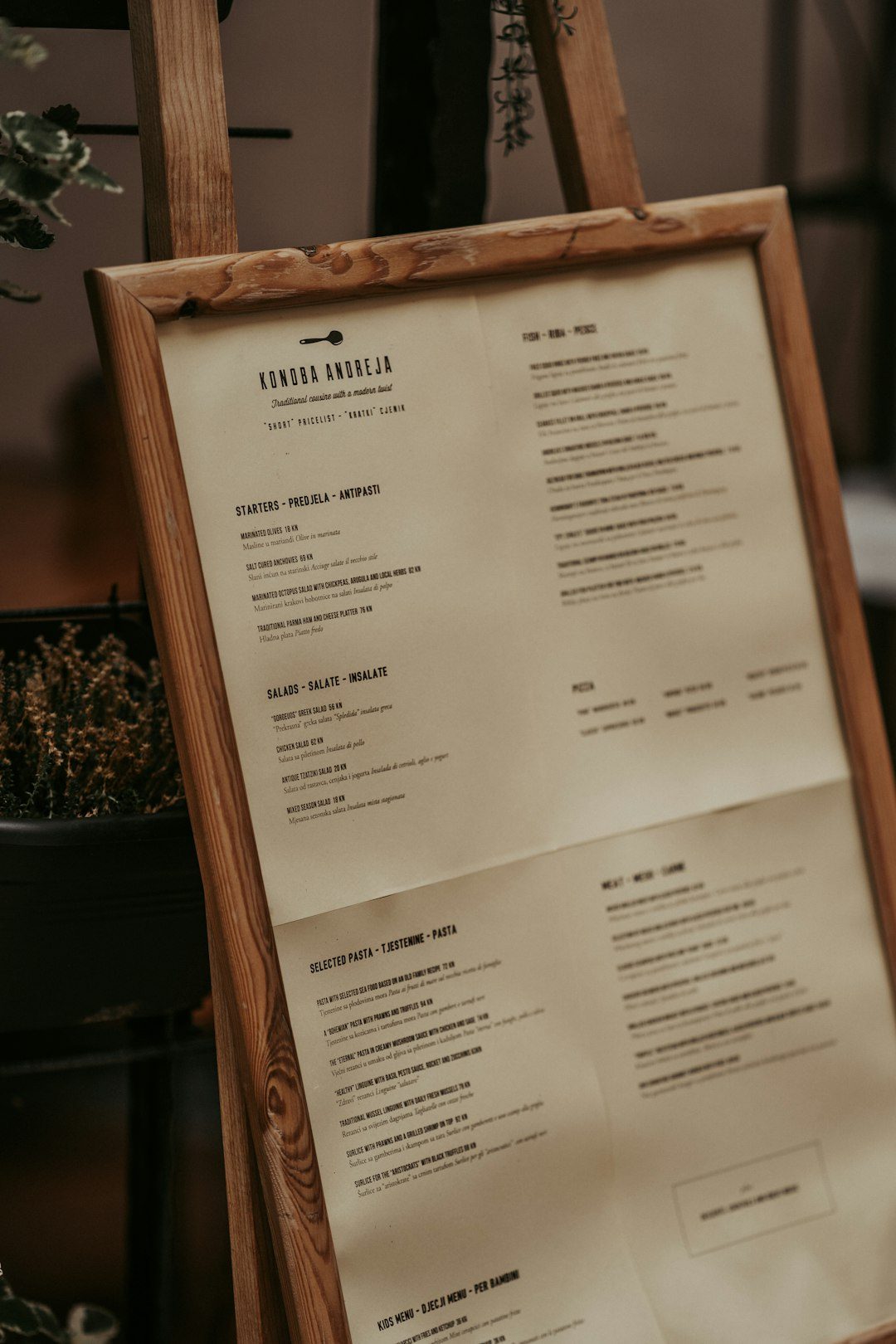
Restaurant spending has generally increased in recent years, and servers can quickly gauge your comfort level with restaurant pricing. Do you immediately gravitate toward the least expensive options, or do you ask about premium dishes and wine pairings? Your initial menu browsing patterns reveal your budget and expectations.
Despite financial pressures, many consumers continue to dine out regularly but are adopting more frugal behaviors, and servers have become adept at spotting guests who are price-sensitive versus those ready to splurge on a special experience.
Your Approach to Special Requests and Modifications
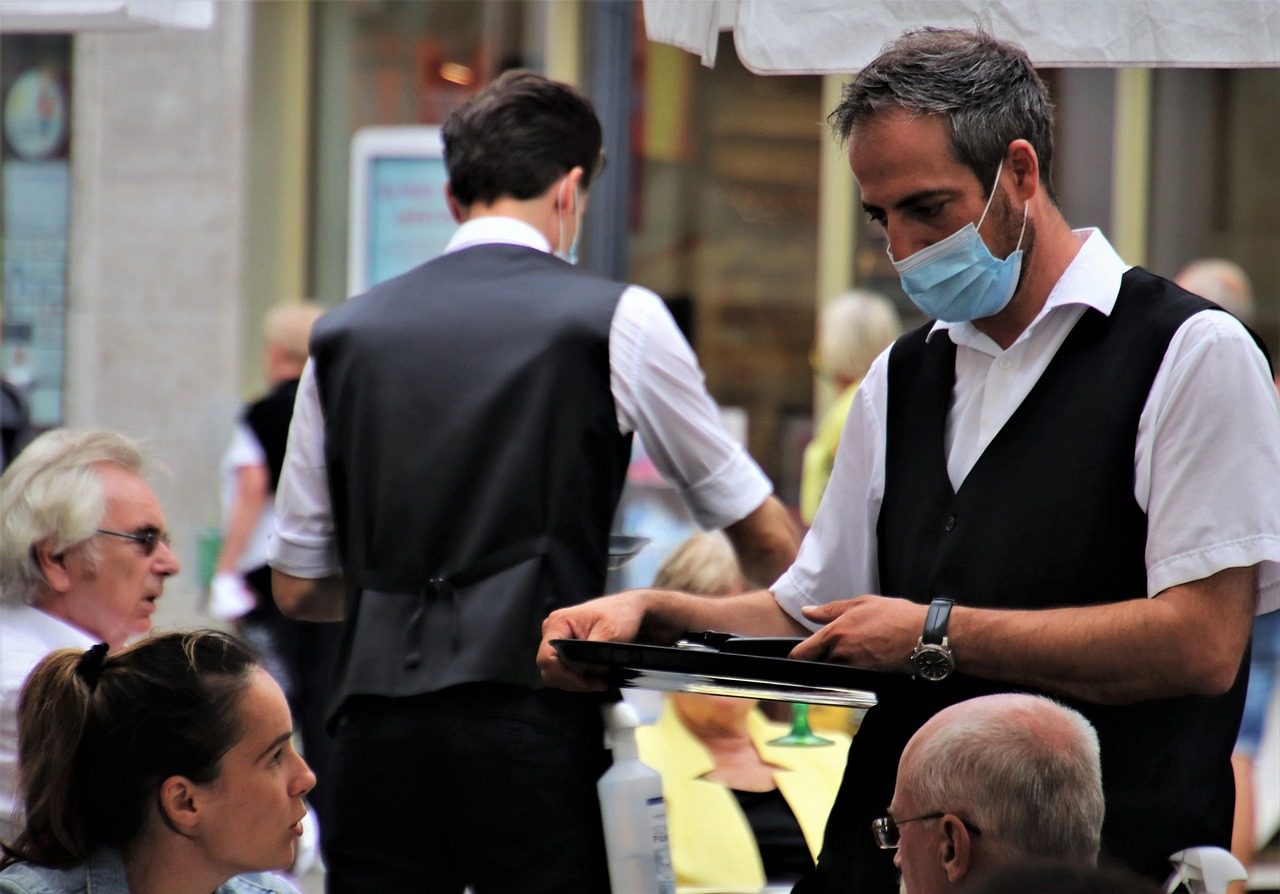
Asking for substitutions and to split the check are usually acceptable, but requests like these should be logical, explains server Cardosa. Servers immediately assess whether your special requests are reasonable or if you’re the type of customer who will make their job significantly more difficult.
The way you phrase requests also matters enormously. Do you ask politely for modifications, or do you demand changes with an entitled attitude? Over-the-top requests can make you come off as entitled or inconsiderate of the waitstaff.
Your Likely Tipping Behavior
While servers can’t know exactly what you’ll tip until the end of the meal, they’ve developed instincts about generous versus stingy customers. Tipping practices vary widely among Americans, but servers can often predict where you’ll fall on this spectrum based on your overall demeanor and engagement level.
Economic pressures have reportedly affected tipping behaviors for many diners, making servers even more attuned to subtle signals about your likely generosity. Your general attitude toward service and acknowledgment of their efforts provides early clues about your appreciation level.
Your Understanding of Restaurant Dynamics
Experienced diners understand restaurant timing, busy periods, and the realities of kitchen operations. Servers can immediately tell whether you’re restaurant-savvy or someone who might have unrealistic expectations about service speed during peak hours.
Do you seem frustrated that your server hasn’t approached within 30 seconds of seating, or do you understand that good service involves appropriate timing? Your patience level and understanding of restaurant flow tells servers whether they’re dealing with an industry-aware customer or someone who might need gentle education about how dining service works.
Your Energy and Mood for the Occasion
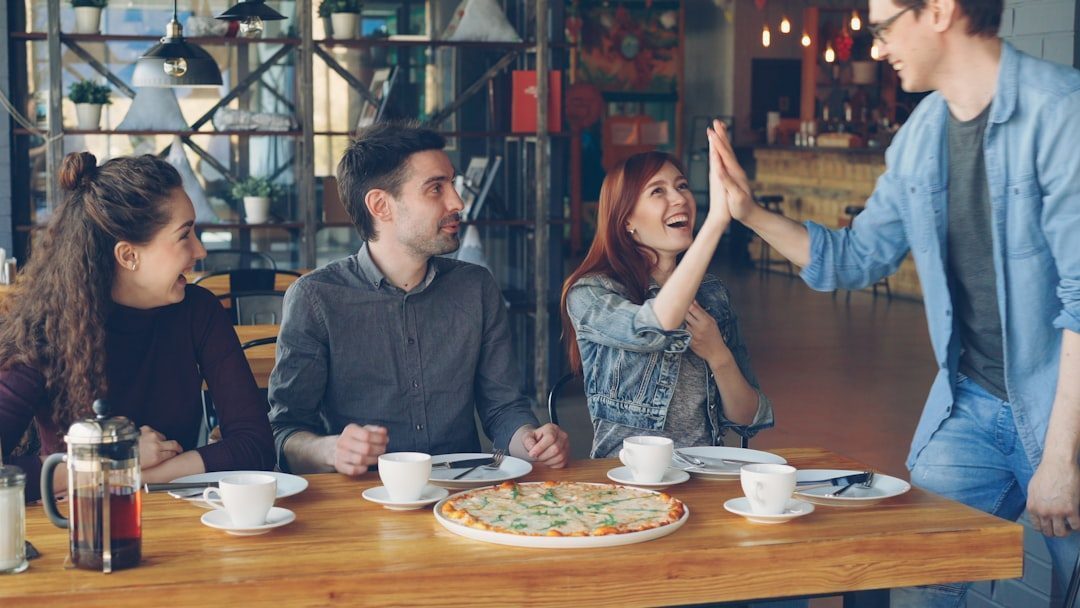
Read the room. Is your guest suited up or dressed down? Are they solo or part of a squad? Adapt your approach. A warm smile, genuine eye contact, and a touch of empathy can turn a simple hello into a memorable moment.
Are you celebrating something special, conducting a business meeting, or just grabbing a quick meal? Your dress, conversation tone, and overall energy immediately communicate the type of dining experience you’re seeking. Servers adjust their level of formality, attention, and interaction style based on these social cues they pick up within moments of meeting you.
Your Patience Level When Things Get Busy
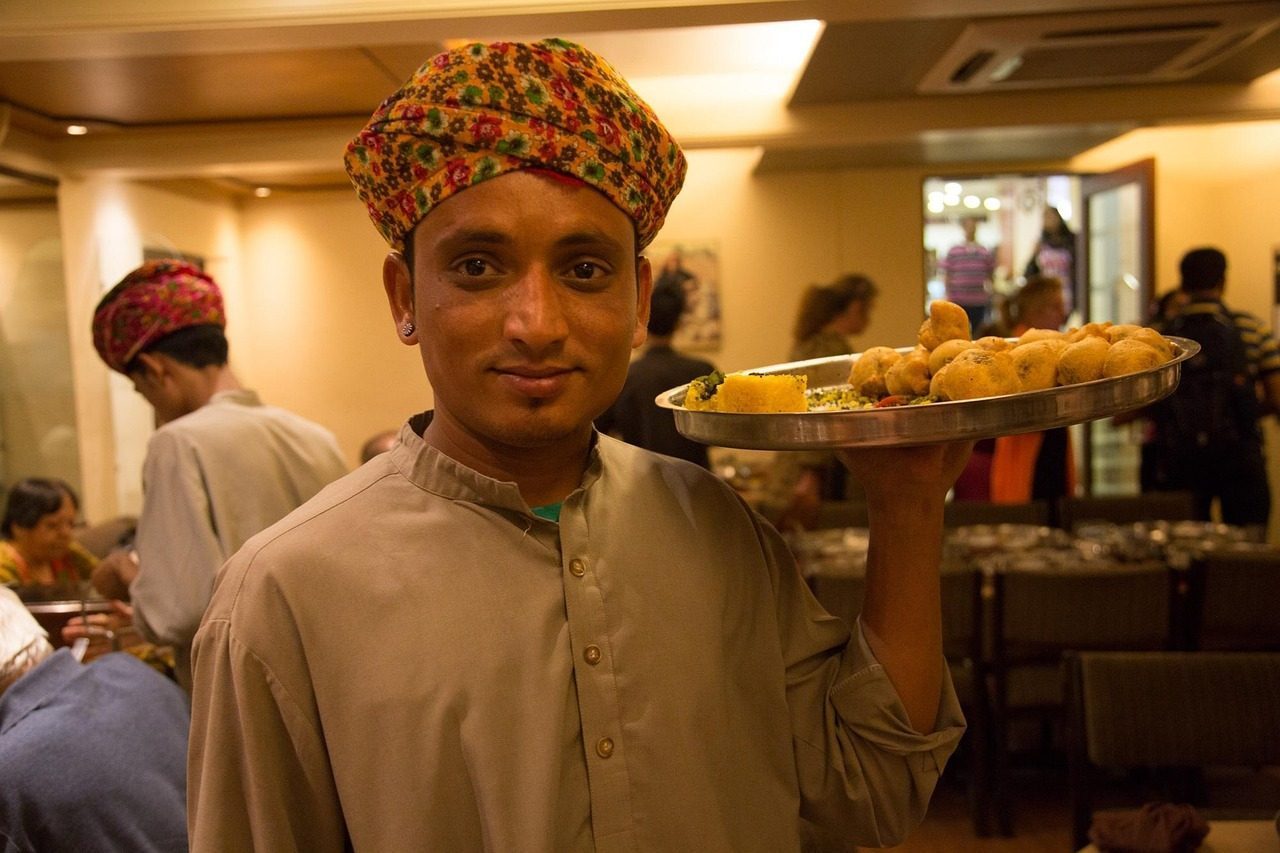
Here’s the thing servers spot instantly: how you react when the restaurant is slammed. Do you huff and puff when your water glass sits empty for three minutes, or do you understand that sometimes the kitchen gets backed up? Your body language during those first few moments of waiting reveals everything about how the rest of the meal will go. Seasoned servers can literally predict which tables will leave nasty reviews based on how guests respond to minor delays right at the start. The diners who glance around with understanding versus those who start snapping fingers or checking their watches obsessively? Night and day difference. What’s wild is that patient guests often end up with better service anyway, because servers naturally gravitate toward tables that aren’t radiating stress and irritation. Your initial reaction to waiting sets the tone for your entire dining experience, and trust me, every server in that building notices it within the first five minutes.