Where Chocolate Eating Is Highest – and What It Reveals About Culture, Study Finds
The way a nation consumes chocolate tells a fascinating story about its culture, traditions, and values. Recent studies examining chocolate consumption patterns across the globe reveal striking differences between countries, with some nations consuming nearly ten times more chocolate per capita than others. These variations aren’t just about sweet tooth preferences but reflect deep cultural attitudes toward indulgence, social bonding, and quality of life.
Switzerland Claims the Sweet Crown
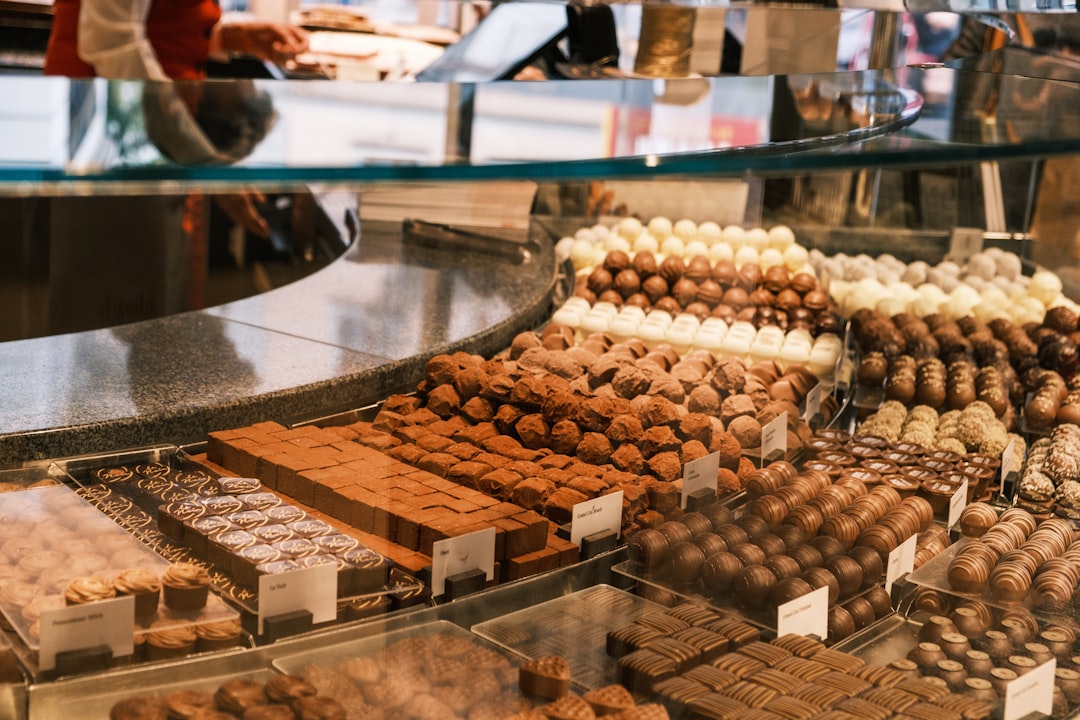
Switzerland dominated chocolate consumption, with approximately 19 pounds per person annually in 2024. This Alpine nation didn’t achieve this status by accident. Chocolate is deeply woven into Swiss culture and plays a great role in its gifting customs, while the Swiss are extremely proud of Swiss-made brands and consider them luxurious and sophisticated. The country’s chocolate heritage dates back centuries, with innovations like milk chocolate originating from Swiss chocolatiers like Daniel Peter.
Luxembourg and Austria Follow Close Behind
Luxembourg may be small, but it has a big love for chocolate, earning a reputation for its appreciation of fine confectionery with chocolatiers such as Namur and Oberweis renowned for their high-quality artisanal creations. Austria follows closely behind Switzerland, with a consumption rate of approximately 16 pounds per person per year. In Austria, the Mozartkugel isn’t just a treat but a symbol of the country’s rich cultural heritage, while Germany’s Alpenmilch-Schokolade represents more than just a preference for creamy chocolate but signifies a tradition that has been savored for generations.
Cultural Traditions Drive Consumption Patterns
Chocolate is commonly gifted during holidays and celebrations and is integral to Swiss hospitality, with the Swiss also valuing chocolate for its perceived health benefits and often consuming it as a comfort food. Cultural traditions, climate, and economic prosperity heavily influence chocolate consumption patterns globally. Switzerland’s colder climate is also thought to contribute to higher chocolate consumption, as chocolate is often seen as a comforting food during the colder months.
European Nations Dominate the Top Rankings
Europe is the world’s largest chocolate market, with an estimated per capita consumption of 5.0 kilograms per year, significantly higher than the world average of 0.9 kilograms per year. An impressive four in five British people eat chocolate once a week or more, making it a regular part of British diets, though this has slightly decreased since 2022. In Germany, three-quarters of consumers eat chocolate at least once a week, with more than 10% eating chocolate once a day or more, and more than half of German consumers agree that eating chocolate is an affordable way to improve their mood.
The Economics Behind Chocolate Love
Switzerland’s high standard of living and strong economy mean consumers have more disposable income for luxury items like premium chocolate, with high-quality chocolate seen not only as a treat but also as part of daily life. The global chocolate industry was valued at approximately $150 billion in 2024, reflecting the massive economic impact of this cultural phenomenon. The premium chocolate market was expected to grow from USD 31.87 billion in 2024 to USD 40.60 billion by 2030, fueled by consumer preferences for exclusive experiences, sustainable sourcing, and higher-quality ingredients.
Climate and Comfort Food Connections
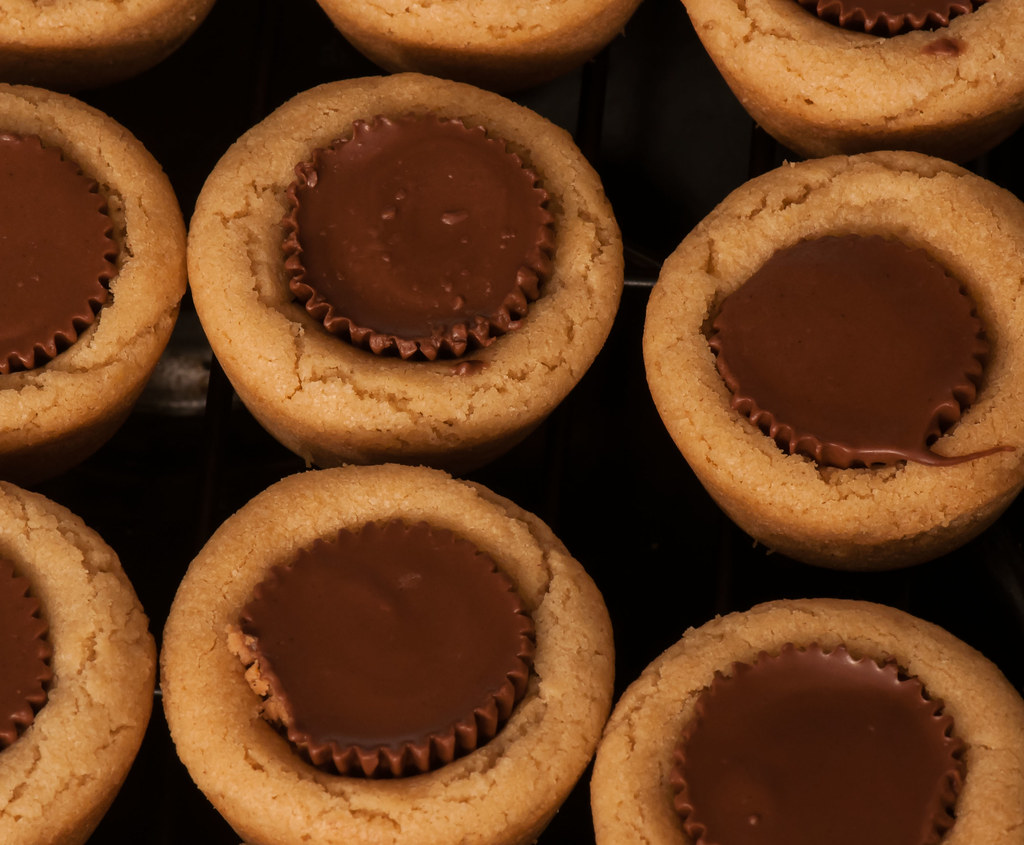
Cooler climates encourage consumption of comforting, energy-rich foods like chocolate. With its cooler climate and a strong culture of indulgent treats, Iceland quite naturally ranks high on the list of chocolate consumption per capita, showing just how fond its residents are for this sweet delight. This pattern suggests that chocolate serves not just as a luxury item but as a seasonal comfort food in colder regions.
Asian Markets Show Growing Interest
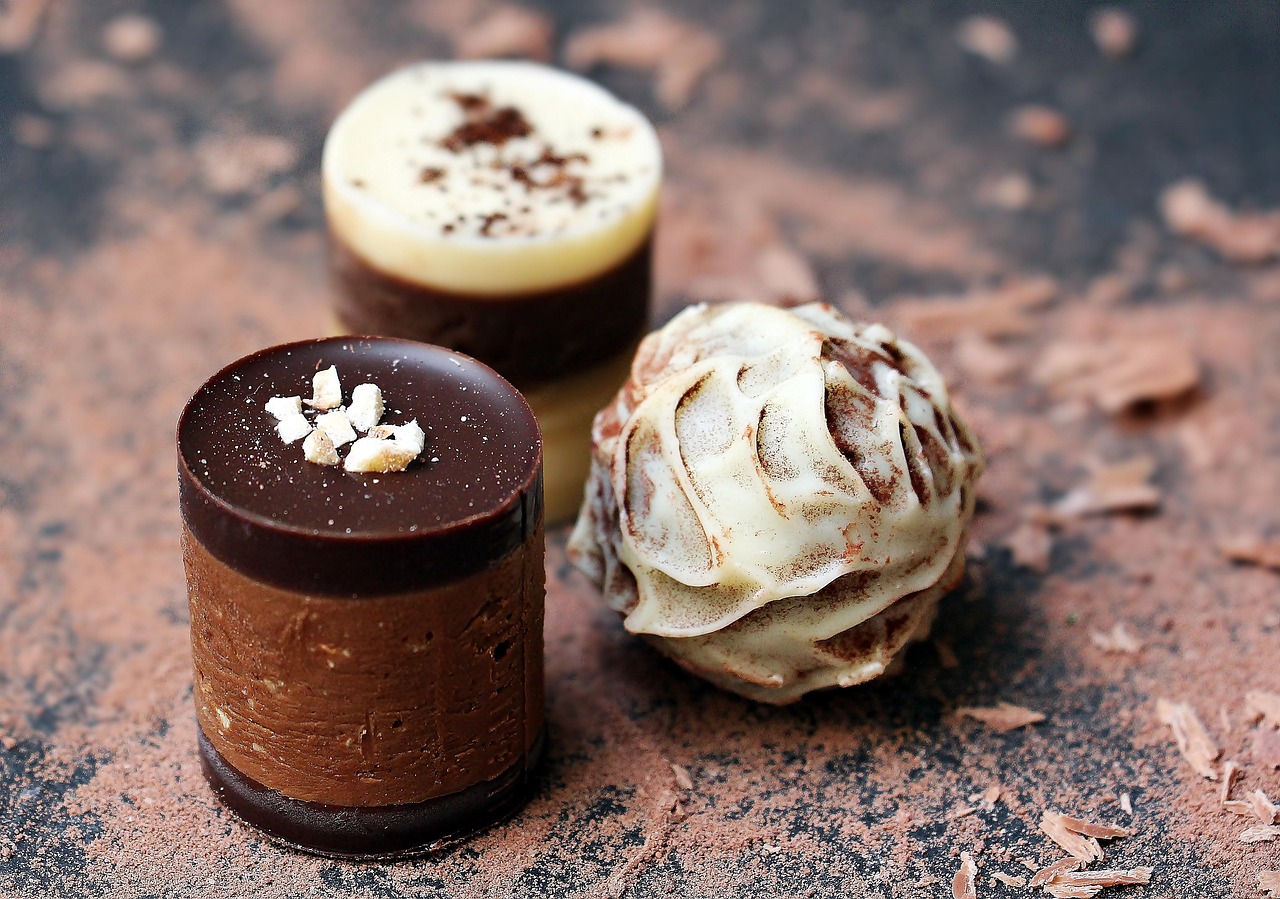
Recent projections suggest that the chocolate market in China could reach approximately $3-4 billion by 2025. Japan (USD 633M) and China (USD 474M) were among the top global chocolate importers in 2023, with these markets increasingly shaping global chocolate innovation by prioritizing luxury packaging, unconventional flavors, and gift-oriented presentation. In South Korea, chocolate consumption is on the rise, particularly among the youth, with trends in snacking and the culture of gifting propelling the popularity of chocolate.
American Consumption Patterns Differ
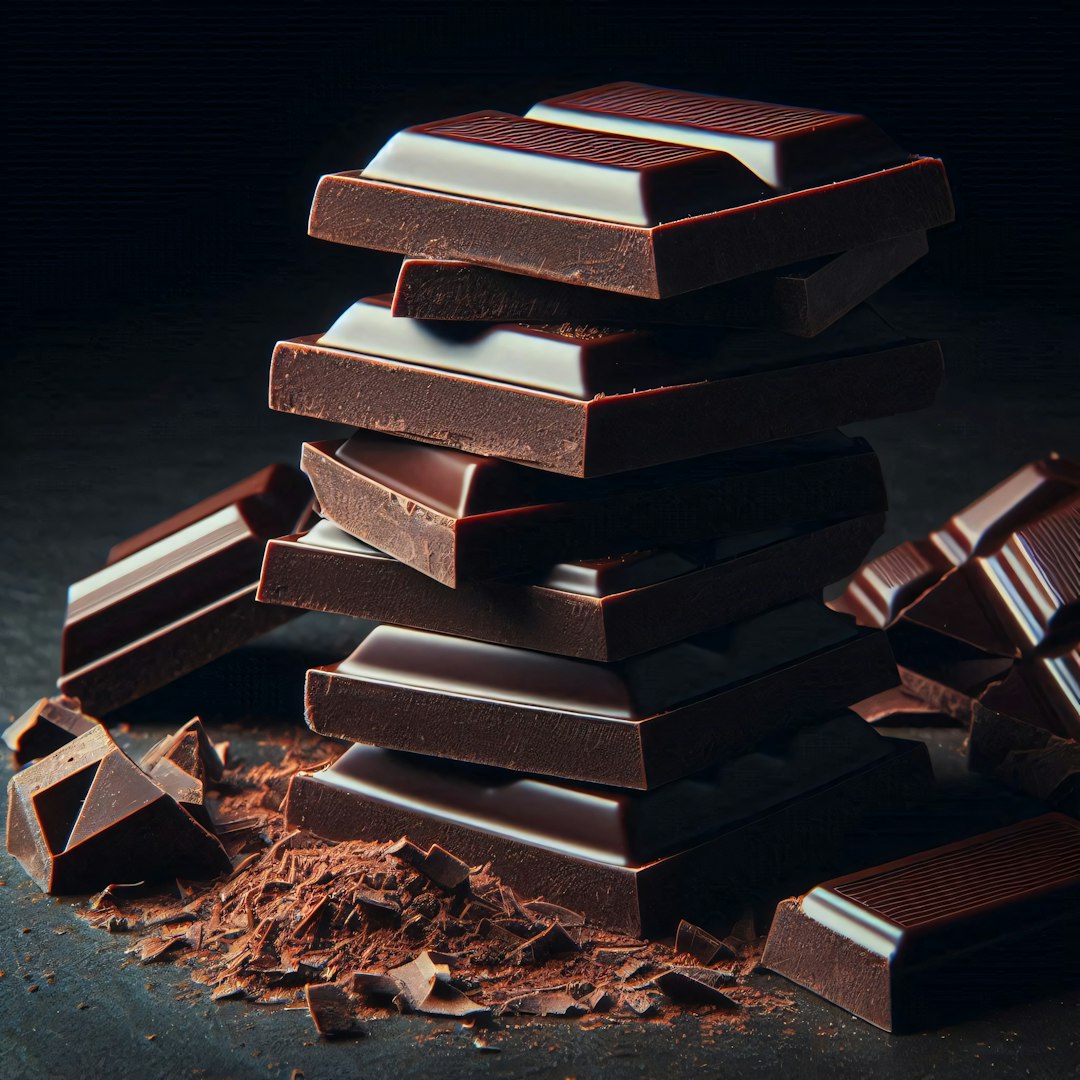
As for the United States, it consumes approximately 11 pounds of chocolate yearly, ranking around 15th globally, despite being the top chocolate-consuming country in the world in terms of total chocolate consumed, at 387,216 tons annually, as of 2022. In 2023, the United States imported USD 4.04 billion in chocolate – the highest globally – with this strong demand influencing global product development, with emphasis on seasonal gifting, health-focused options, and artisan formats.
Production Centers vs. Consumption Hubs
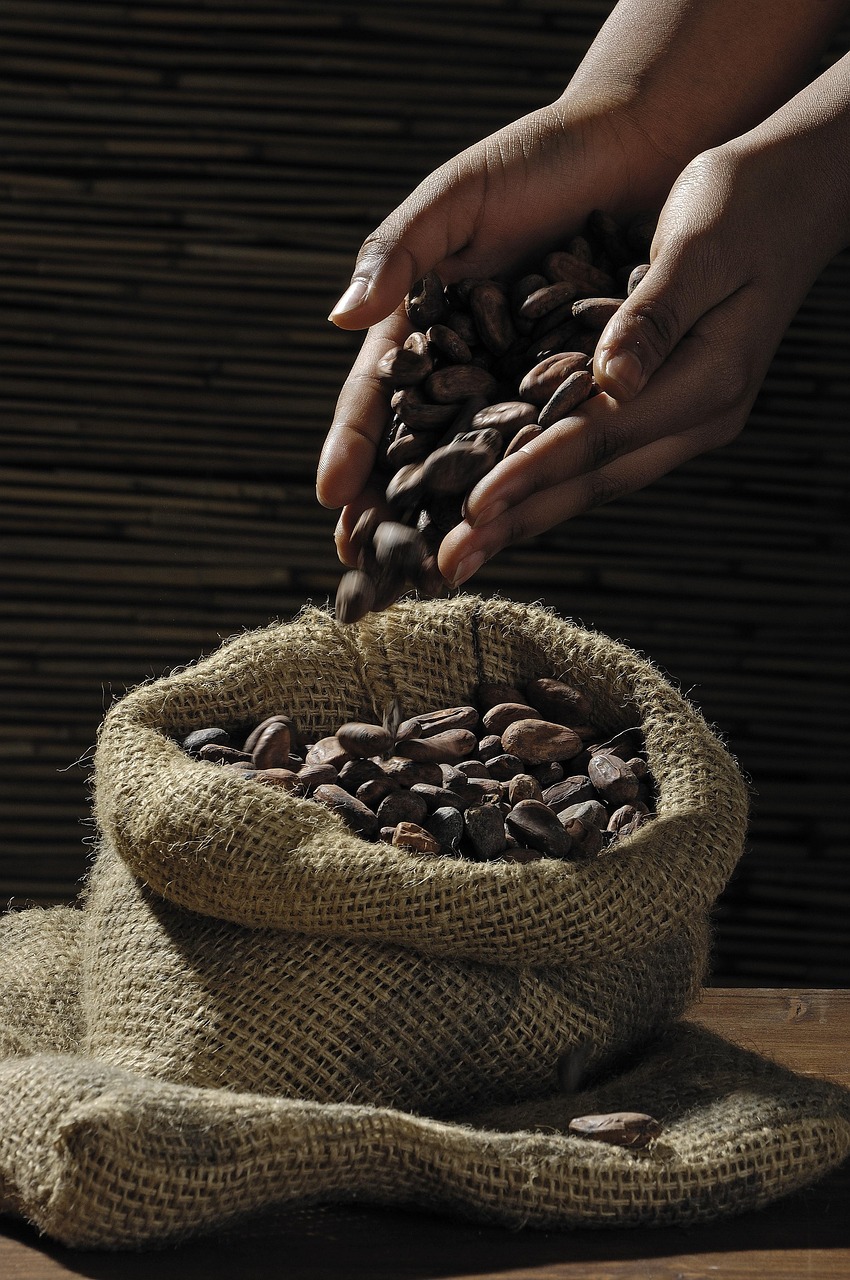
Africa produces over 70% of cocoa in the world, while Europe and North America consume around 70% of all chocolate produced globally. In 2023, Germany produced approximately 1.14 million tonnes of chocolate products – the highest in Europe – translating to 13.6 kg per capita. This stark contrast between production locations and consumption centers reveals global economic patterns in chocolate trade.
What Low Consumption Reveals About Culture
Countries with the lowest chocolate consumption, mainly in Asia, are quite different from the chocolate-loving places in Europe and North America, with their low chocolate intake coming from cultural tastes, economic reasons, and what they eat. Interestingly, despite having a rich food culture, countries like China and Japan have much lower chocolate consumption, with cultural preferences and food habits surely playing a role here.
The global chocolate consumption map reveals more than dietary preferences. It showcases how prosperity, tradition, climate, and cultural values shape our relationship with this beloved confection. Whether it’s Switzerland’s artisanal pride or Asia’s emerging chocolate curiosity, each pattern tells a unique story about human culture and connection. What insights about your own culture’s relationship with chocolate surprised you most?