If You Were Raised in the ’80s, These 4 Meals Probably Appeared Often
Growing up in the eighties was like living in a culinary time warp where convenience met creativity in ways that seem almost laughable now. Your mom probably had a microwave that was bigger than most modern dishwashers, your freezer was stocked with mysterious silver-wrapped packages, and dinner table conversations often centered around who got the last serving of something that came from a box or can. These weren’t just meals – they were the soundtrack to childhood, served on divided plates while you watched your favorite after-school shows.
Microwave Dinners: The Space-Age Solution to Busy Lives
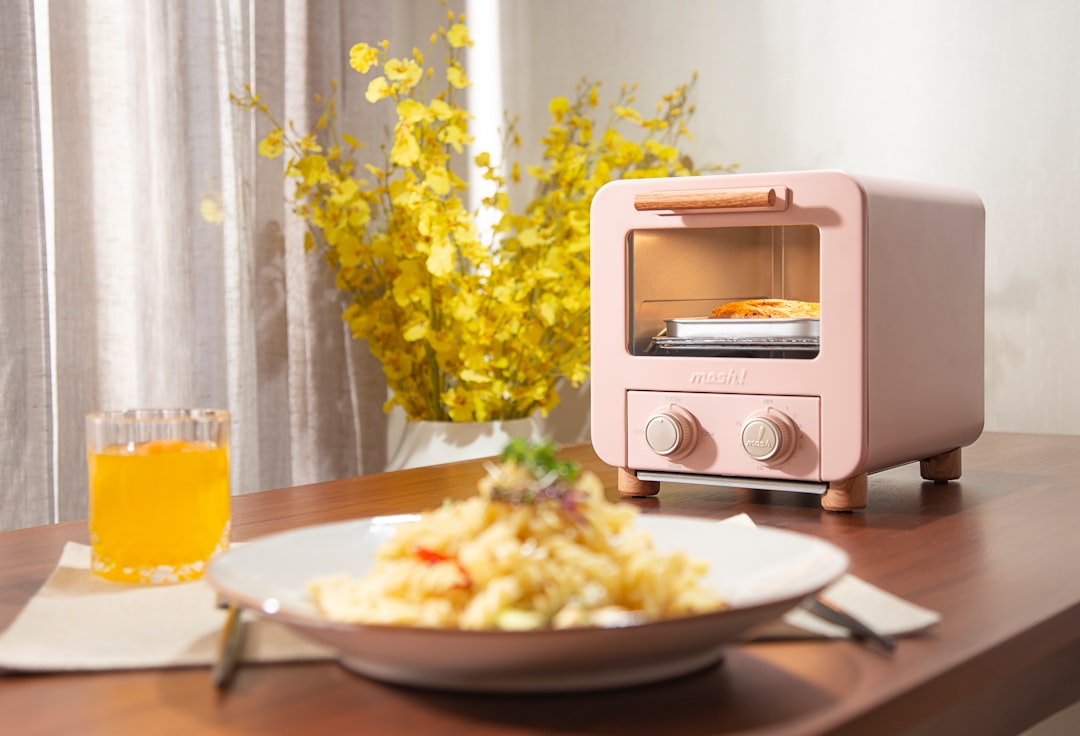
Microwavable meals became a household staple in the 1980s, changing how families approached dinner time. When millions of households started adding microwave ovens to their kitchens in the 1980s, it seemed like a scientific miracle or a piece of magic, capable of preparing meals in a fraction of the time it would take via a conventional oven or rangetop. It was introduced by Stouffer’s in 1981. Many Lean Cuisine meals contained around 350 calories and provided a healthier alternative to other frozen dinners. Lean Cuisine is still popular today.
Not surprisingly, this strong demand for speed and convenience resulted in an explosion of microwave dinners, frozen foods and out-of-the-box meals. Of course, if that was too much work, the nation’s fast-food industry was ready to serve up a record $60 billion dollars in annual sales by 1988 as home delivery skyrocketed.
Those silver trays with their neat compartments became symbols of modern living. Swanson TV dinners were already popular, but the microwave gave them a new audience. Meals like turkey with stuffing or meatloaf with corn became staples of weeknight TV time. It was the perfect dinner for kids who wanted to eat while watching their favorite shows.
Sloppy Joes: The Messy American Classic
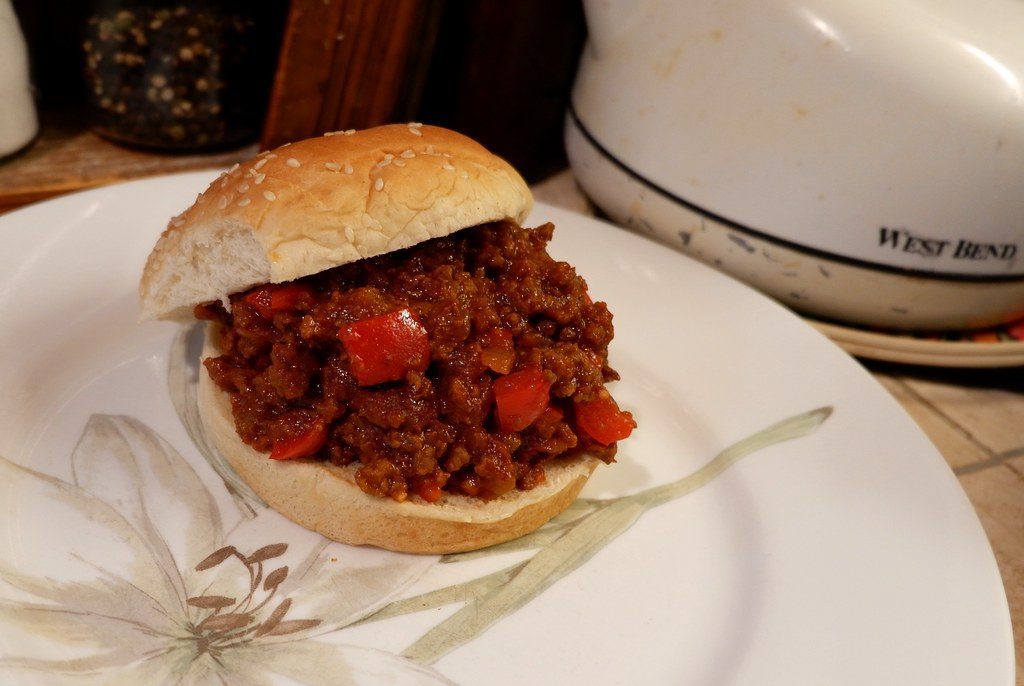
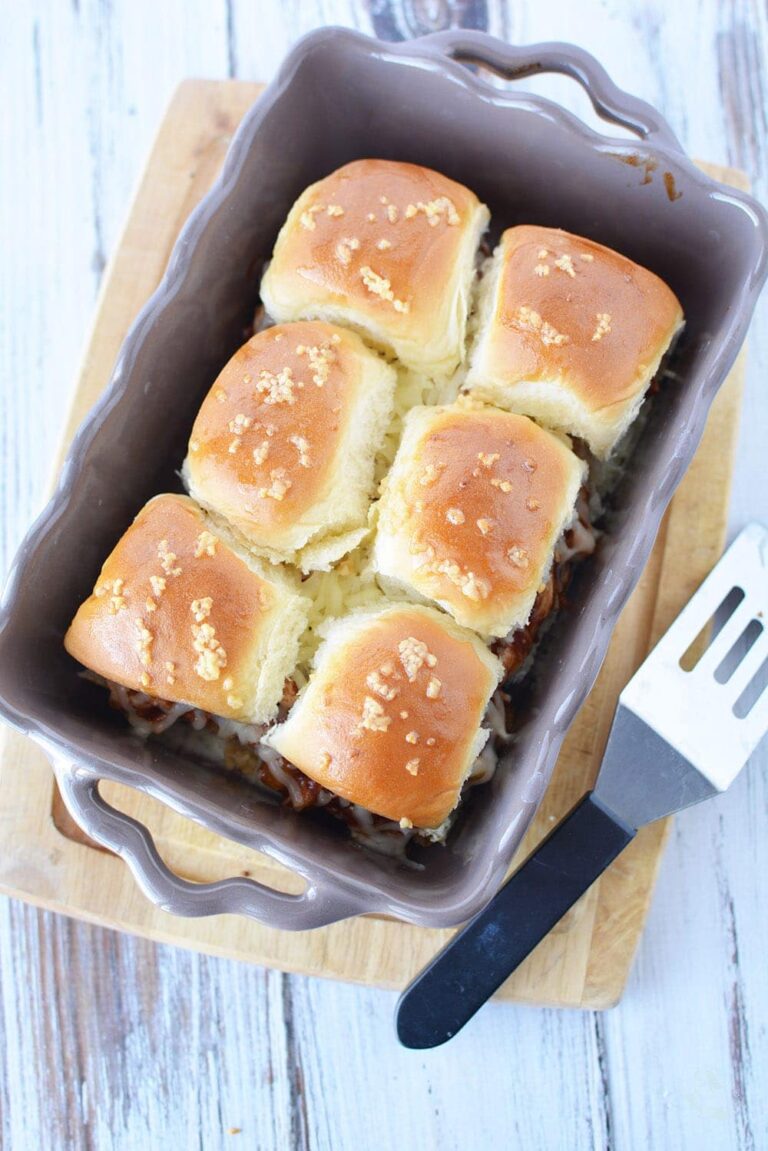
It may not be the cover girl of sandwiches, but this combination of ground meat, onions, ketchup, and Worcestershire sauce was a staple in many American homes in the ’80s. The origin is somewhat unknown, but legend has it that the current iteration evolved from an Iowa man’s original sandwich enticingly called a “loose meat sandwich.” In the ’80s, Sloppy Joes saw an uptick in popularity because they were a cheap and easy dinner idea for busy families, especially when using canned sauces like Manwich.
Sweet, tangy, messy, Sloppy Joes were the chaotic cousin of the hamburger, and they showed up often. They didn’t photograph well, but no one cared. Sloppy Joes were the unfiltered snapshot of 80s home life, practical, imperfect, and full of flavor.
What made these sandwiches perfect for busy families wasn’t just their simplicity, but their forgiving nature. “A sandwich is a sandwich, but a Manwich is a meal.” Don’t you remember the tagline? My grandma always made sloppy joes for an easy meal the night before Thanksgiving.
Taco Night: When Mexican Food Became All-American
Tex-Mex became all the rage in restaurants and grocery stores during the 1980s. Whether it was simple chips and salsa, guacamole, sizzling fajitas, tacos, or other offerings like blue cornmeal, jicama, or squash blossoms, Americans couldn’t get enough of Mexican-inspired food. But Tex-Mex wasn’t just an ’80s fad: by 1991, ketchup had been replaced by salsa as the number one condiment in the United States.
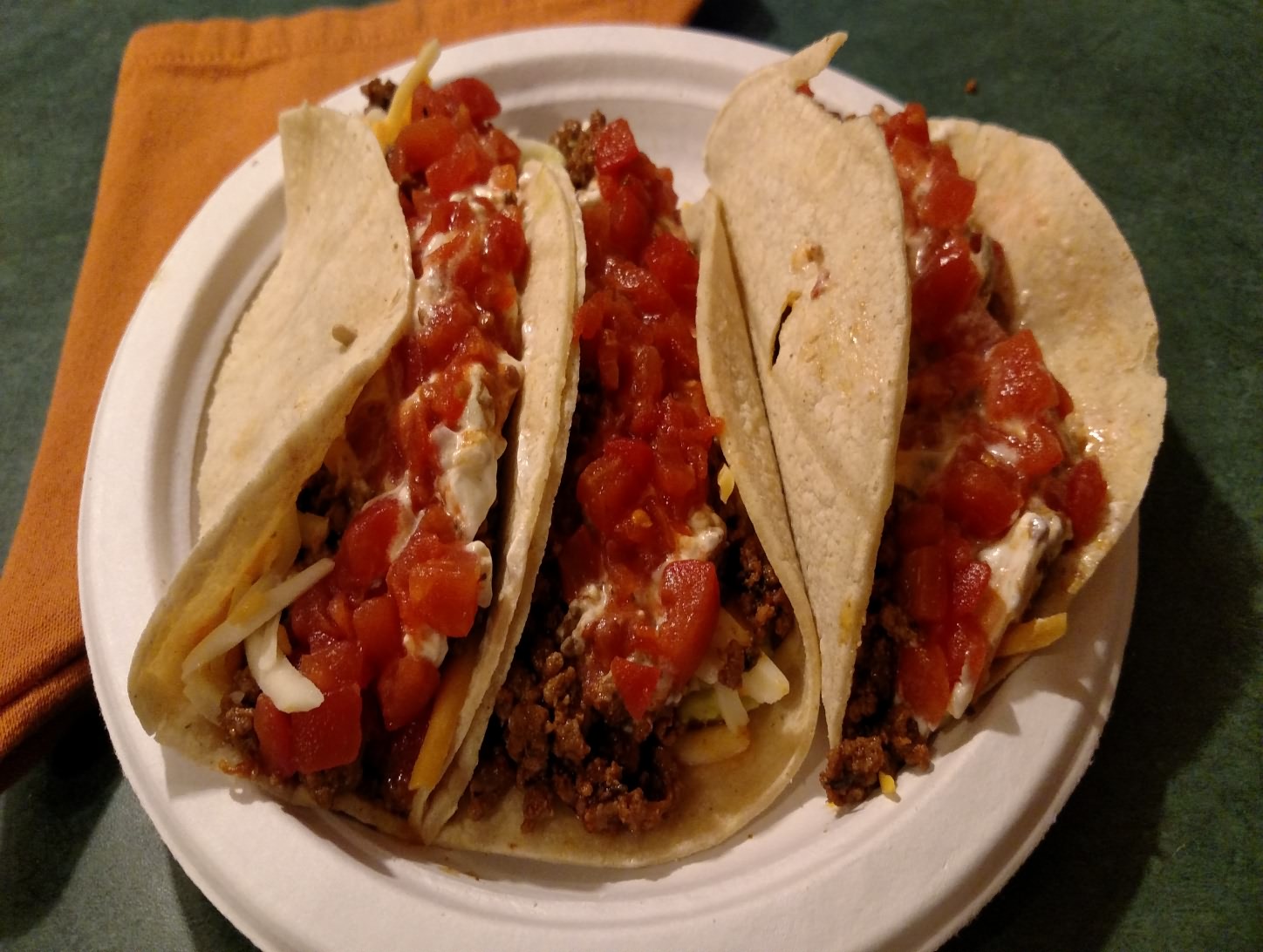
Mexican food also gained traction during this time. Taco night became a weekly tradition for many families, with crunchy taco shells and seasoned beef being the stars of the show. Nachos, loaded with cheese, ground beef, and toppings, became a popular snack or even a meal in itself.
America really started its love affair with ground beef hard shell tacos in the ’80s, and it’s been a staple ever since. Families with lots of kids especially loved it since everyone made their own. No problem, load up on cheese. Those cardboard taco shells that always seemed to crack at the worst moment became a weekly ritual that somehow felt both exotic and completely American.
Casseroles: The Art of Making One Dish Feed Everyone
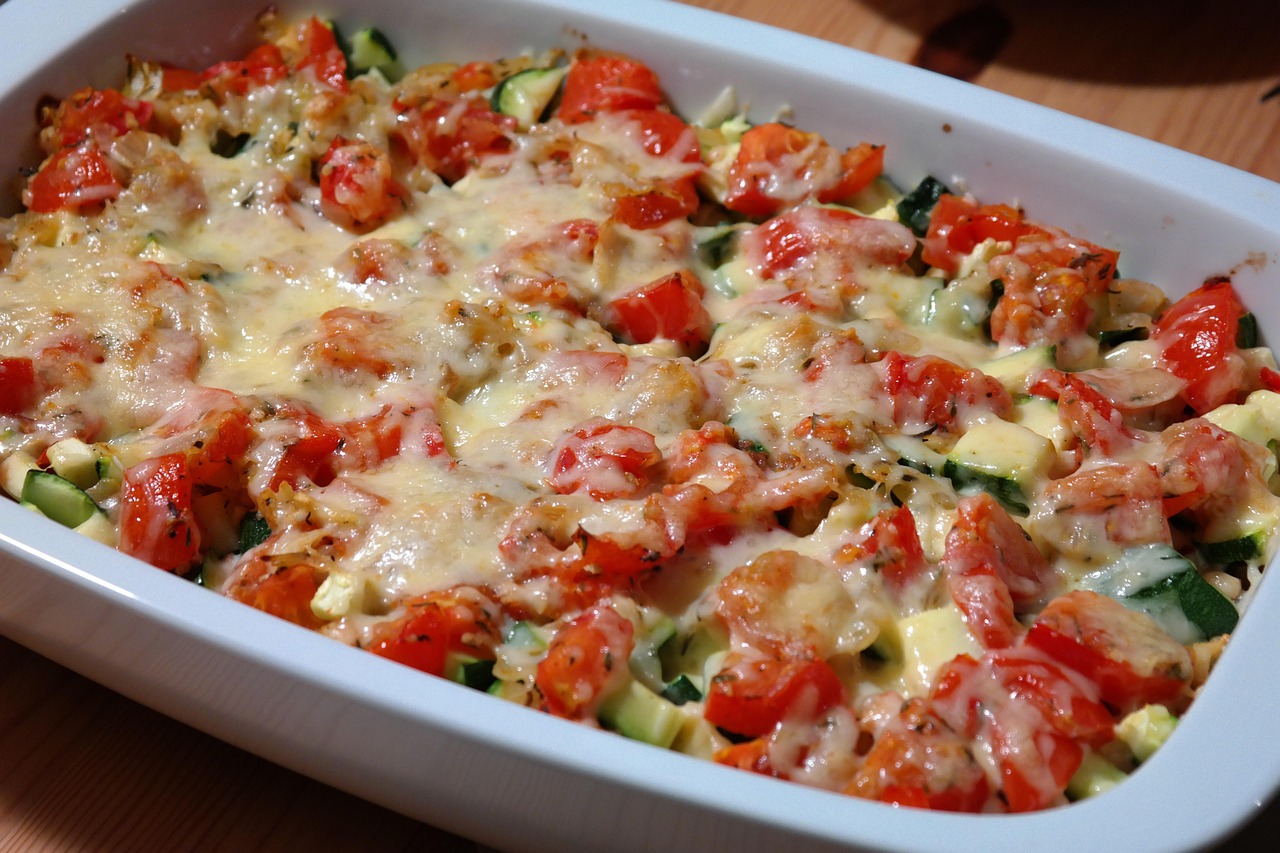
This dish was a hit at family dinners and potlucks alike. Similarly, casseroles like Tuna Noodle Casserole and Beef Stroganoff became go-to recipes for their ease and comforting flavors. Lots of casseroles. Meals that would stretch a pound of meat farther. She would also seem to prepare a lot of side dishes…canned green beans, broccoli with homemade cheese sauce and canned peaches battered in graham cracker crumbs and topped with a dollop of cool whip.
It was resourceful cooking at its best, repurposing leftovers, stretching protein, and still producing something that felt like love. I didn’t appreciate it at the time, but now I can see the ingenuity. It wasn’t just food, it was resilience in a Pyrex dish.
These one-dish wonders weren’t just about feeding families efficiently. For many lower middle-class families, meals weren’t about gourmet flair. They were about stretching a budget, feeding a crowd, and making sure no one went to bed hungry. Still, those simple dinners told the story of an era. They reflected who we were as families and what mattered to us. Every family had their signature casserole recipe, often passed down and tweaked with whatever was on sale that week.
These four meal categories defined an entire generation’s relationship with food. They weren’t fancy, they weren’t always nutritionally perfect, but they represented something uniquely American about the eighties – the belief that dinner should bring families together, even if it came from a microwave or a can. What memories do these dishes bring back for you?