Gone but Not Forgotten: 6 Fast-Food Chains That Have Disappeared Over Time
The American fast-food landscape tells a story of constant change, where beloved chains that once dominated strip malls and highway exits now exist only in our memories. While some giants continue to thrive, others have faced the harsh realities of shifting consumer preferences, economic pressures, and operational missteps that led to their dramatic downsizing or complete disappearance.
From casual dining staples that defined family dinners in the 1990s to quirky regional favorites that couldn’t expand beyond their home territories, these chains represent more than just failed businesses. They embody changing tastes, economic upheaval, and the relentless competition that defines the restaurant industry today.
TGI Fridays: From Singles Bar to Bankruptcy Court

TGI Fridays filed for Chapter 11 bankruptcy protection on November 2, 2024, marking the end of an era for a chain that revolutionized casual dining. At the beginning of 2024, TGI Fridays had 270 US locations, but by the time of its bankruptcy filing, that number had plummeted dramatically.
Nearly 50 locations of TGI Fridays abruptly closed within one week in late October 2024, bringing the chain down to 164 restaurants remaining. The bulk of closures came from TGI Fridays, which closed 134 restaurants and filed for Chapter 11 bankruptcy as part of what industry experts called one of the most dramatic restaurant collapses in recent years.
The company cited the 2020 pandemic as the “primary driver of our financial challenges”, though the chain had been struggling long before 2020. The chain’s tailspin follows years of declining sales and unit counts as consumers shift away from legacy casual-dining brands, with TGI Fridays closing half of its U.S. restaurants over the past decade.
Boston Market: The Great Unraveling
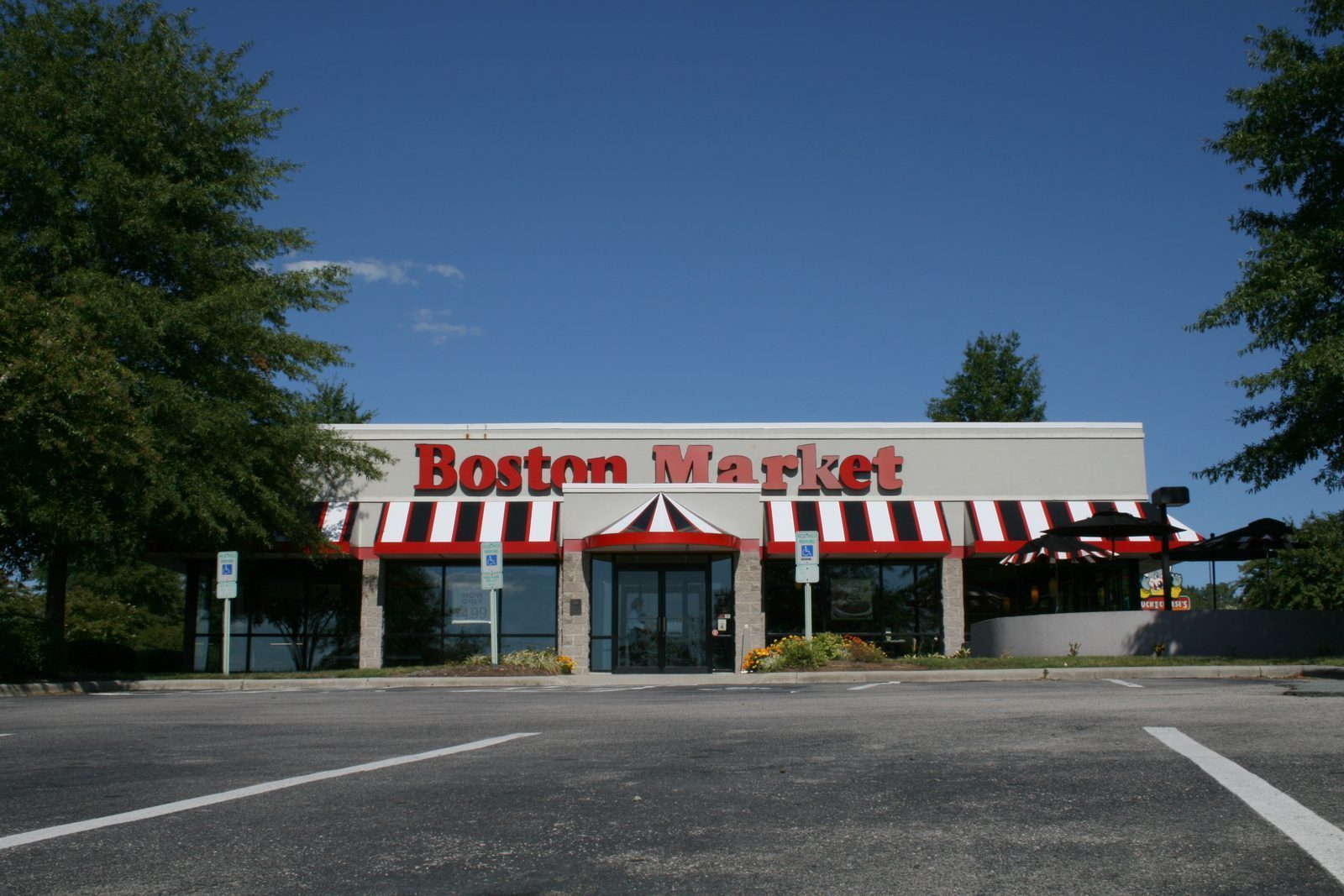
Boston Market has seen its location count plummet from over 1,200 at its peak to fewer than 100 restaurants as of 2024. The rotisserie chicken chain closed approximately 300 locations in 2023 alone, and about 16 by the end of 2024, representing one of the most severe contractions in fast-food history.
In 2023, the restaurant chain had around 300 restaurants, but as of March 2024, it’s down to a mere 27 stores. The rapid pace of closures has been attributed to landlords evicting the chain over unpaid rent and utility bills, and state officials shutting down locations for tax issues.
The chain has faced over 150 lawsuits, many of which revolve around unpaid bills. Industry experts suggest Boston Market may be in its final days as a national chain, though the company’s owner has disputed some reports about the exact number of remaining locations.
Red Lobster: When Endless Shrimp Became Endless Problems
Red Lobster filed for Chapter 11 bankruptcy protection in May 2024 after a series of devastating business decisions that crippled the seafood chain. The chain went from 650 outlets to around 500 outlets, a sharp decline from just the previous year, representing a massive downsizing effort.
The company’s disastrous “endless shrimp” promotion, which changed from once a week to daily in an effort to boost slower sales, actually juiced business too much as diners sought cheap deals, pressuring Red Lobster’s bottom line. The chain lost $11 million on the endless shrimp deal, contributing significantly to its downfall.
Red Lobster has since exited bankruptcy and now operates as an independent, privately-held company with 545 restaurant locations in 44 states and four Canadian provinces. However, the chain’s footprint remains dramatically smaller than its peak years, and its future remains uncertain in an increasingly competitive market.
Quiznos: The Toasted Sub Empire That Cooled Down
Things began to go cold for Quiznos with the arrival of the Great Recession of the 2000s, as the chain suffered when similar fast-casual restaurants attracted away its customers and franchisees became unhappy about shrinking profit margins. The sandwich chain that once seemed poised to challenge Subway found itself unable to adapt to changing market conditions.
By 2021, closures, a sale of the company, and restructuring had reduced Quiznos to under 300 American outlets, and in May of that year, Quiznos announced a plan to do away with a lot of retail locations in favor of ghost kitchens. This pivot represented a fundamental shift away from the traditional restaurant model that had made the brand famous.
By early 2023, the chain was down to a mere 163 sandwich shops in the U.S. The dramatic decline from thousands of locations to just over 160 represents one of the steepest falls in fast-food history, transforming Quiznos from a major competitor to a barely visible presence in most markets.
Pie Five Pizza: When Speed Couldn’t Save the Slice
The Dallas-based Pie Five chain opened its doors in 2011 and reached its 100-location milestone by 2017, but by the end of 2019, it had shrunk by 40%, closing 42 stores. The fast-casual pizza concept struggled to find its footing in an increasingly crowded market dominated by established players.
By the end of 2024, only 22 Pie Five restaurants remained, mostly in Texas, representing a catastrophic decline from its peak. While the 2020 pandemic actually boosted delivery-oriented pizza chains, Pie Five’s experience was quite the opposite, shrinking from 100 stores in 2017 to just 28 by January 2023.
The chain’s rapid-fire pizza concept, which promised made-to-order personal pizzas in minutes, couldn’t compete against better-funded competitors and changing consumer preferences. Its concentration in Texas suggests the brand may eventually become a purely regional player, if it survives at all.
Taco Bueno: The Tex-Mex Chain That Lost Its Way
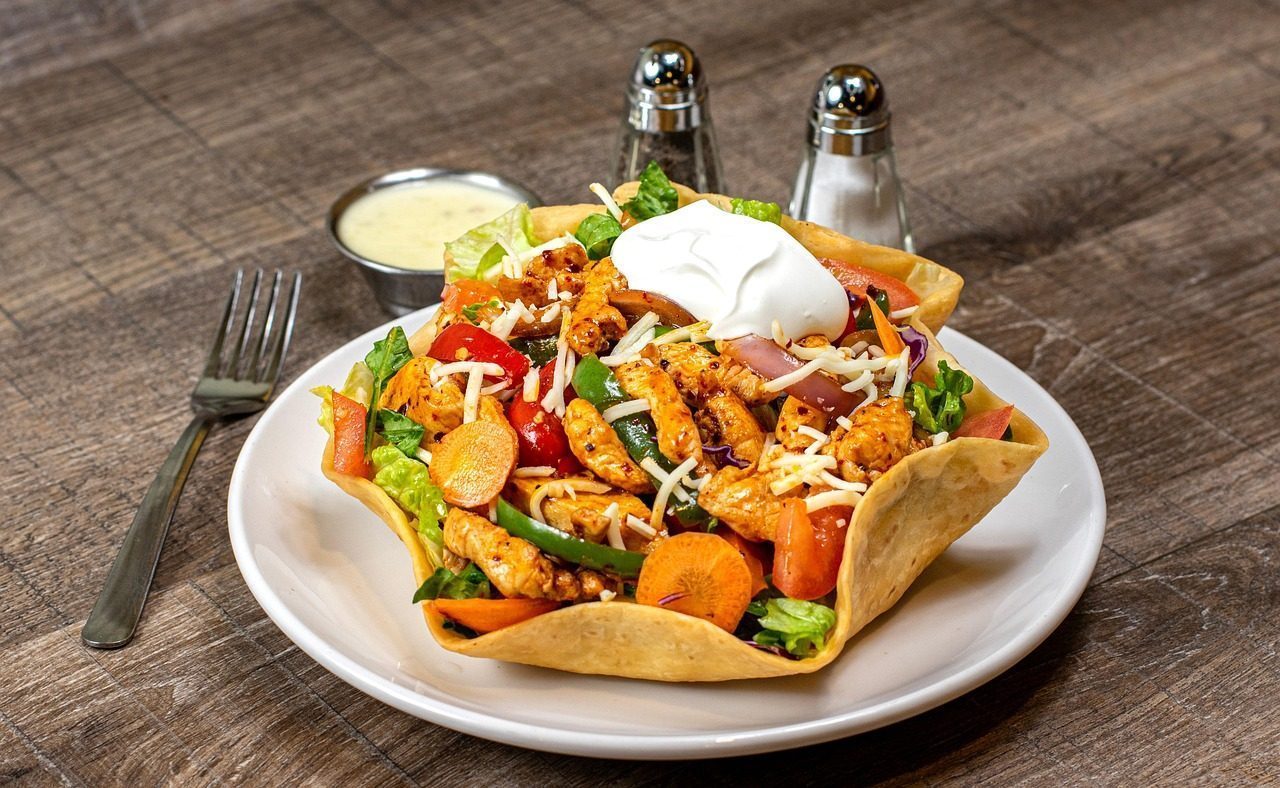
Taco Bueno opened its doors in 1967 in Abilene, Texas, offering a menu brimming with tacos, burritos, nachos, and its signature creation, the Muchaco, spreading across Texas, Oklahoma, Arkansas, and beyond, with 178 locations reported in 2016. The regional Tex-Mex chain had built a loyal following with its distinctive menu items and local appeal.
Under new leadership, the chain targeted its worst-performing outlets for closure, with 16 restaurants closing shop in 2018, including a complete withdrawal from Colorado Springs, leading to a bankruptcy filing in November 2018, followed by an additional dozen locations being sealed off. The financial difficulties reflected broader challenges facing mid-tier regional chains.
By March 2024, there were around 133 Taco Bueno locations in the U.S. While the chain has survived its bankruptcy and restructuring, its footprint has been significantly reduced from its peak years. The brand remains primarily concentrated in its original Texas and Oklahoma markets, having largely abandoned its expansion ambitions.
These six chains represent different facets of the same story: the brutal reality of the modern restaurant industry where nostalgia and past success offer no protection against changing times. Each faced unique challenges, from disastrous promotions to franchise disputes to simple market oversaturation, yet all struggled with the same fundamental shift in how Americans eat out. What strikes me most is how quickly these seemingly permanent fixtures of our dining landscape could disappear, leaving behind only memories and vacant storefronts as reminders of what once was.
What do you think led to these dramatic falls from grace? Tell us in the comments.