6 Buffet Details Restaurant Staff Say Diners Almost Never Notice
Walk into any buffet restaurant, and you’re greeted with seemingly endless options, gleaming serving trays, and the promise of unlimited food. Yet behind those sneeze guards lies a carefully orchestrated operation where every detail serves a purpose. Restaurant staff observe diners day after day, noticing patterns most customers never realize. These seemingly minor details actually shape your entire buffet experience in ways that might surprise you.
Temperature Monitoring Happens Every Two Hours

Food safety regulations require staff to check food temperatures every two hours and record results in a temperature log, but most diners never notice this happening. Staff use handheld thermometers to ensure hot foods maintain temperatures above 135°F while cold items stay below 41°F. Hot foods must be monitored continuously and kept in warming trays at over 135 degrees to prevent bacteria formation. When you see a staff member briefly inserting a probe into various dishes, they’re performing this critical safety check that keeps everyone healthy.
Plate Size Is Strategically Small
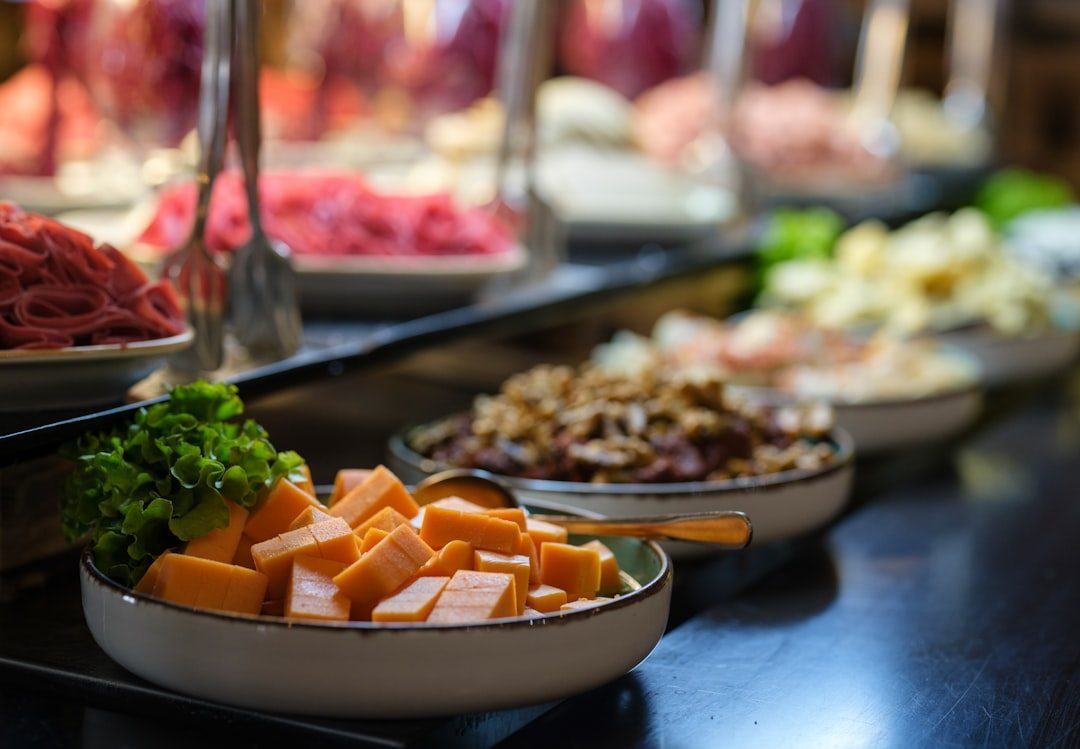
The dishes offered at buffets are frequently undersized, more like bread plates than dinner plates, which forces diners to sit down and eat after filling up quickly. Research shows that undersized buffet plates limit the quantity diners can consume in any one serving and encourage smaller portions regardless of how many trips customers make. This psychological trick encourages guests to take less food without realizing it, while larger plates are often hidden or hard to find. Studies reveal that when consumers imagine dinner servings, bigger plates result in nearly 25% larger portions, with people serving themselves 31% more when given bigger bowls and utensils.
Strategic Food Placement Controls What You Eat First
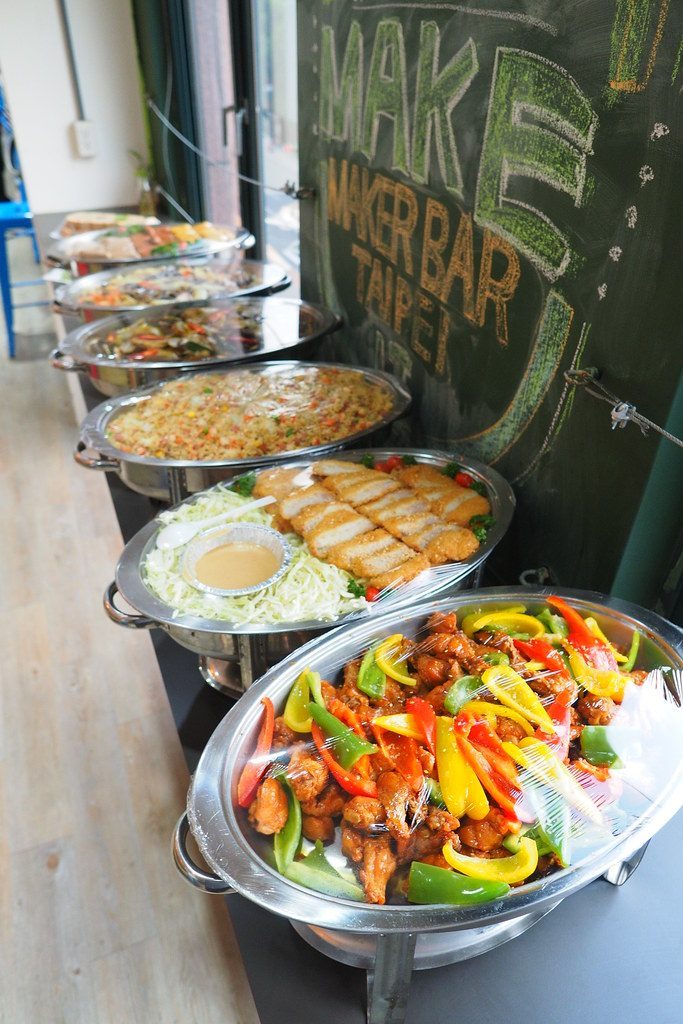
Buffets position high-carbohydrate choices like potatoes, pasta, rice, and bread at the beginning when customers are hungriest, with research showing about three-quarters of patrons take whatever sits at that first stop. Studies demonstrate that 70% of people fill their plates with the first three items they encounter at buffet stations because all subsequent choices are compared to this initial reference point. By placing starchy options first, customers pile their plates with filling carbs, making them less hungry when they return for more expensive meat and seafood items. Some buffets even create natural bottlenecks by gradually narrowing walkways as diners approach meat stations, reducing the number who reach costlier dishes.
Minimal Staffing Is Actually Intentional
What appears to be a lack of effort on the restaurant floor is often done purposefully, as leaving dishes to pile up on tables can be an intentional strategy. While buffets require fewer staff since customers serve themselves, industry experts call low staffing levels one of the biggest cost-cutting mistakes because proper buffet operation requires constant cleaning, replenishment, and temperature monitoring. Restaurant consultants warn that inadequate staffing compromises food safety practices, temperature control, and cleanliness standards that prevent foodborne illnesses. When you notice sparse wait staff, it’s likely a deliberate cost-saving measure rather than accidental understaffing.
Carbonated Drinks Are Profit Maximizers
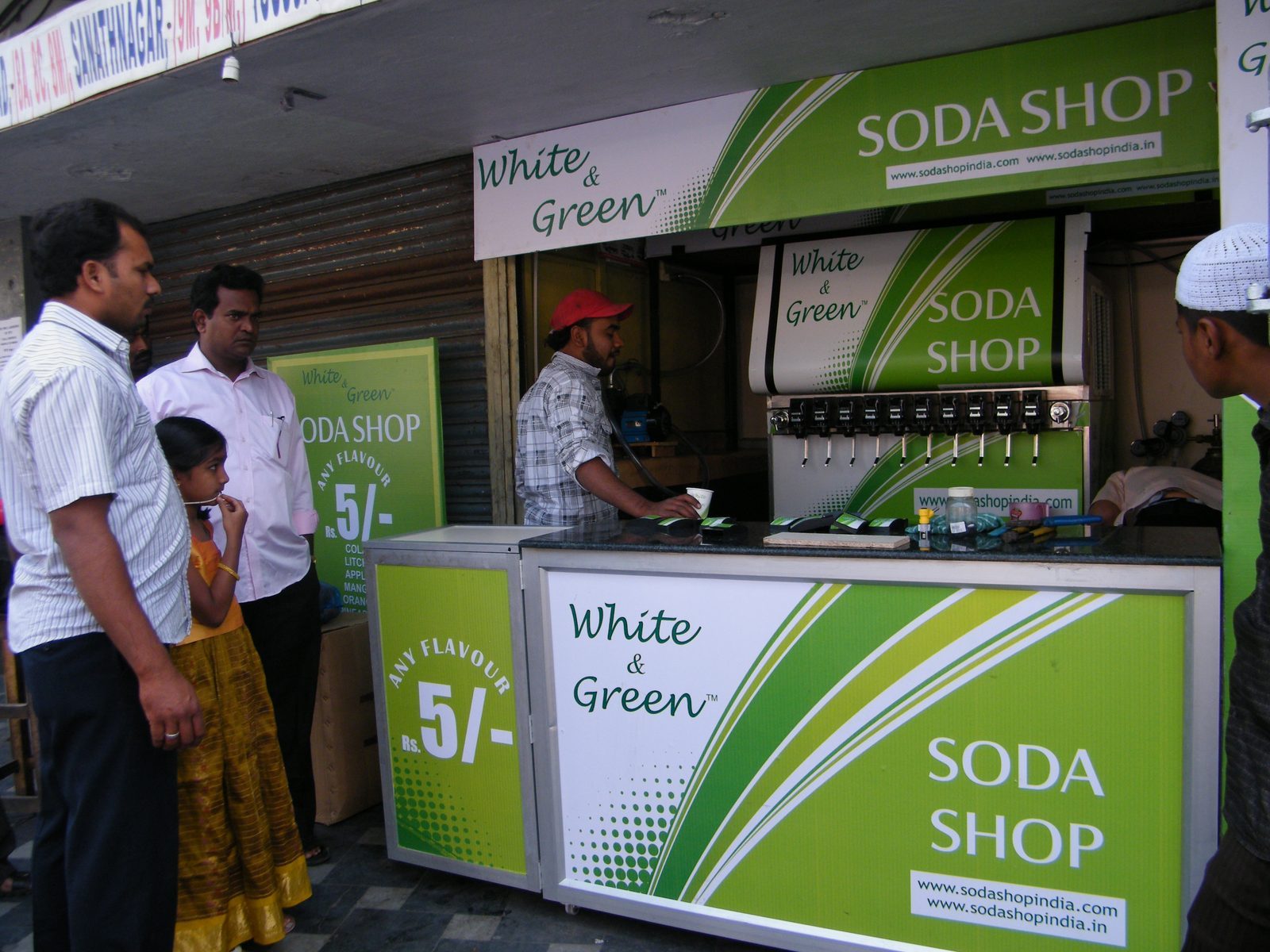
Buffet restaurants charge at least a couple dollars for endlessly refillable sodas that cost mere pennies in syrup and carbonated water, making money even if diners consume ten servings. Unlimited carbonated beverages cause diners to fill up on liquids, with carbonation creating an especially satiating effect as carbon dioxide expands in the stomach, leading to bloating and feelings of fullness when mixed with food. Most buffets don’t include beverages in meal prices and offer drinks at two to three times the cost of traditional restaurants to boost profits. That endless soda fountain isn’t just convenience, it’s a calculated profit center designed to fill you up cheaply.
Food Waste Reaches Nearly Fifty Percent
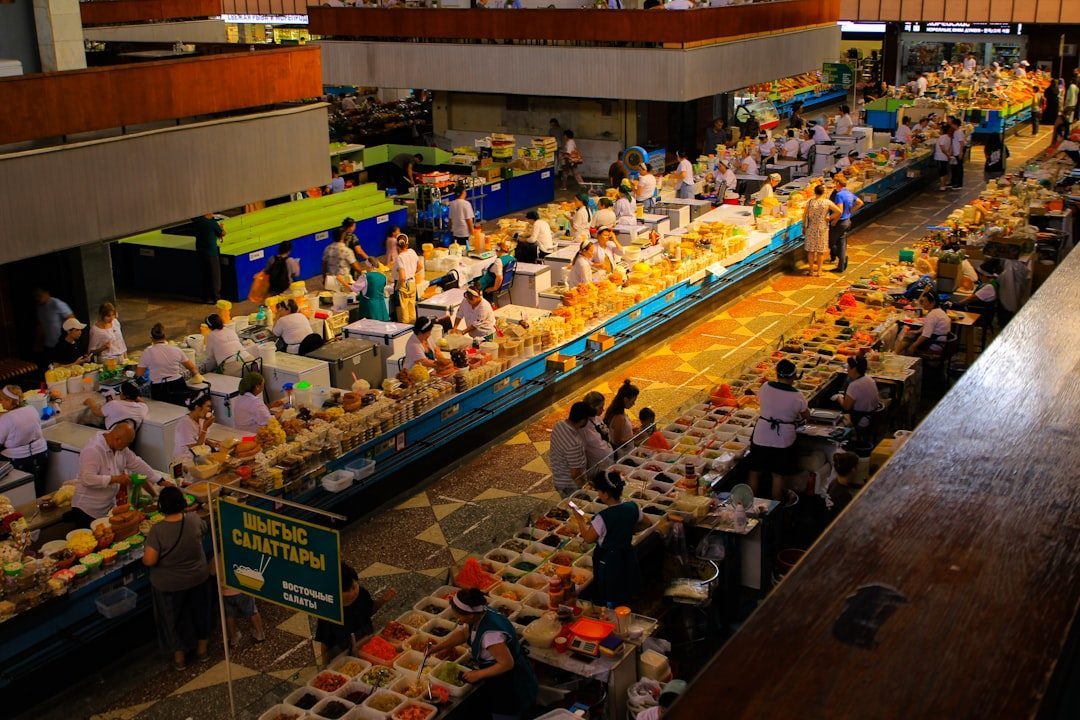
Industry estimates suggest buffet food waste ranges from 15-30%, significantly higher than traditional restaurants, representing massive waste that’s far from eco-friendly dining. Buffets constantly replenish dishes to maintain the illusion of endless options, with much food getting discarded at closing regardless of whether customers touched it due to food safety time limits. While some establishments up-cycle food scraps creatively, items don’t come directly off serving lines due to health code violations. Food safety regulations require discarding items that remain in the temperature danger zone for more than two hours, with this time being cumulative including preparation. Staff witness this staggering waste daily, yet it remains largely invisible to diners focused on getting their money’s worth.
These hidden details reveal buffets as carefully engineered operations where psychology meets profit margins. Staff members orchestrate an intricate dance of food safety, portion control, and customer behavior management that most diners never detect. Next time you visit a buffet, you’ll likely notice these subtle manipulations working behind the scenes.