10 Foods Banned Overseas That Americans Still Regularly Consume
When you walk through an American grocery store, you’re surrounded by vibrant colors and enticing flavors that make everything look absolutely delicious. Yet many of these same products would never make it past customs in dozens of countries worldwide. While the FDA considers these ingredients safe for consumption, other nations have taken a dramatically different approach, banning substances that millions of Americans consume daily without a second thought.
Artificial Food Dyes Including Red 40 and Yellow 5
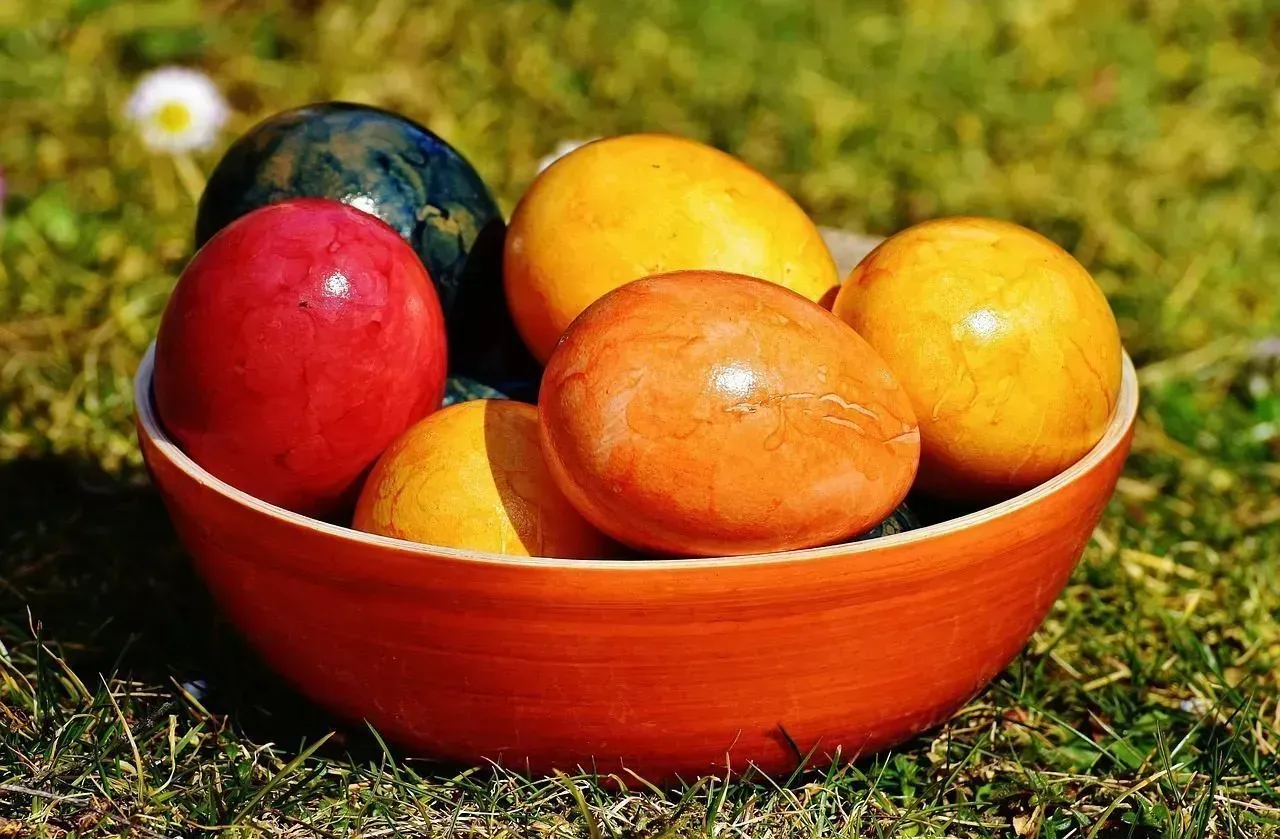
The bright, rainbow colored candies and cereals that line American shelves contain synthetic dyes that over 40 countries have either banned or heavily restricted. Red 40 (Allura Red), the most widely used artificial food dye in America, is the primary culprit. This petroleum-derived chemical gives that vibrant hue to everything from fruit-flavored snacks to cereals and beverages, despite mounting evidence of its potential harm to developing brains.
Norway and Iceland have opted to ban the use of Red 40 in food products altogether. These countries have taken a precautionary stance on synthetic dyes, favoring natural colorants to ensure consumer safety. The E.U. does require foods containing those additives to include a warning that they “may have an adverse effect on activity and attention in children.”
The law will ban six of the nine FDA-approved artificial food dyes –– Red No. 40, Yellow No. 5, Yellow No. 6, Blue No. 1, Blue No. 2 and Green No. 3 –– in public school food and drinks by 2027. Honestly, when you realize these are petroleum-based chemicals, it makes you wonder why we ever thought putting them in food was a good idea.
Dairy Products with rBGH Growth Hormone
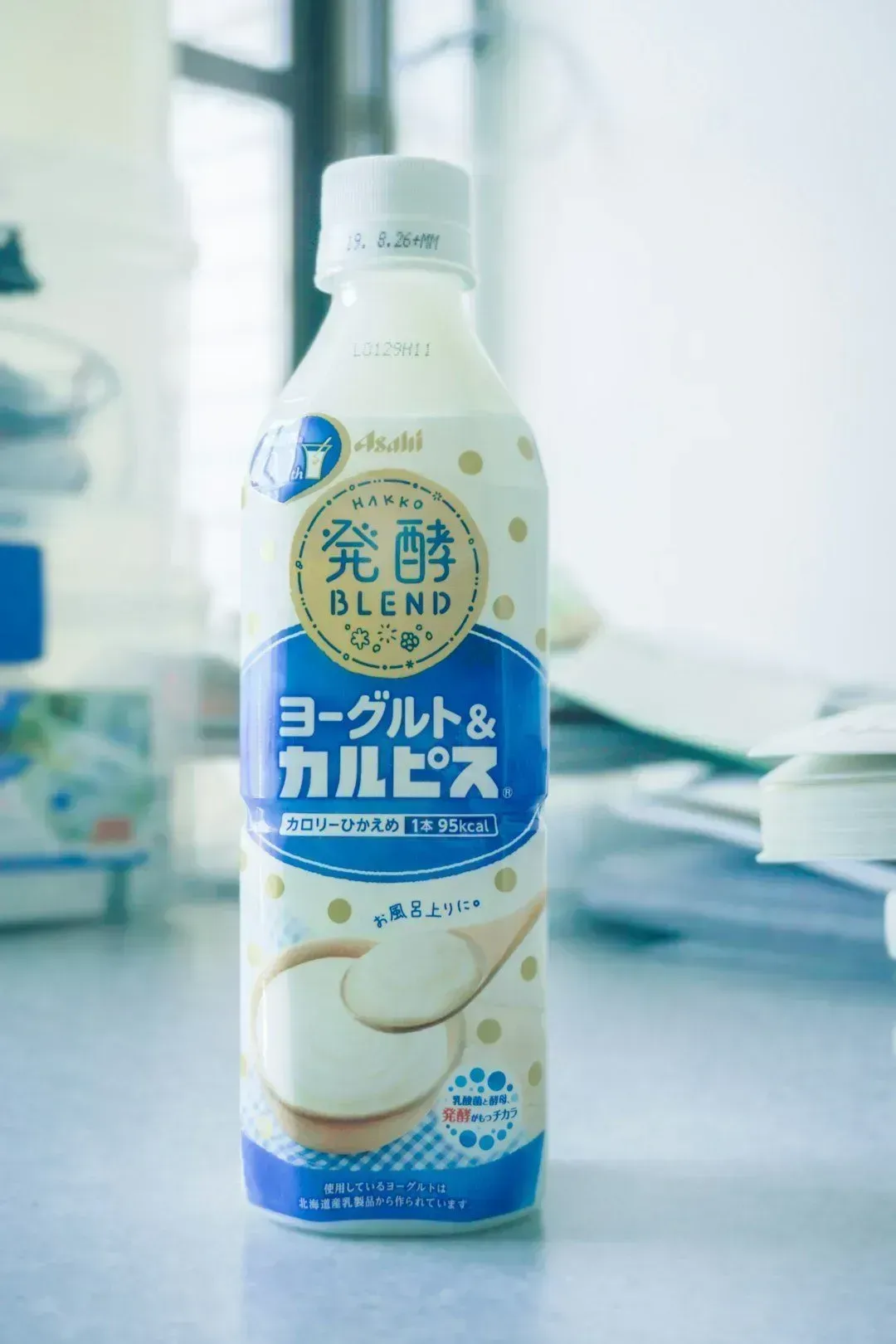
It was first approved for use in the United States by the Food and Drug Administration (FDA) in 1993, but its use is not permitted in the European Union, Canada, and some other countries. The European Union, as well as Japan, Canada, and Australia have banned rBGH.
The controversy centers around increased levels of IGF-1 hormone in milk from treated cows. Recent research has also shown that the levels of a hormone called “insulin-like growth factor-1″ (IFG-1) are elevated in dairy products produced from cows treated with rbGH. Canadian and European regulators have found that the FDA completely failed to consider a study that showed how the increased IGF-1 in rBGH milk could survive digestion and make its way into the intestines and blood stream of consumers. These findings are significant because numerous studies now demonstrate that IGF-1 is an important factor in the growth of cancers of the breast, prostate and colon.
In 2014, only 9.7% of U.S. dairy operations were using rbGH. Still, millions of Americans unknowingly consume these hormones daily through milk, cheese, ice cream, and yogurt unless they specifically buy organic or rBGH-free products.
Chlorinated Chicken
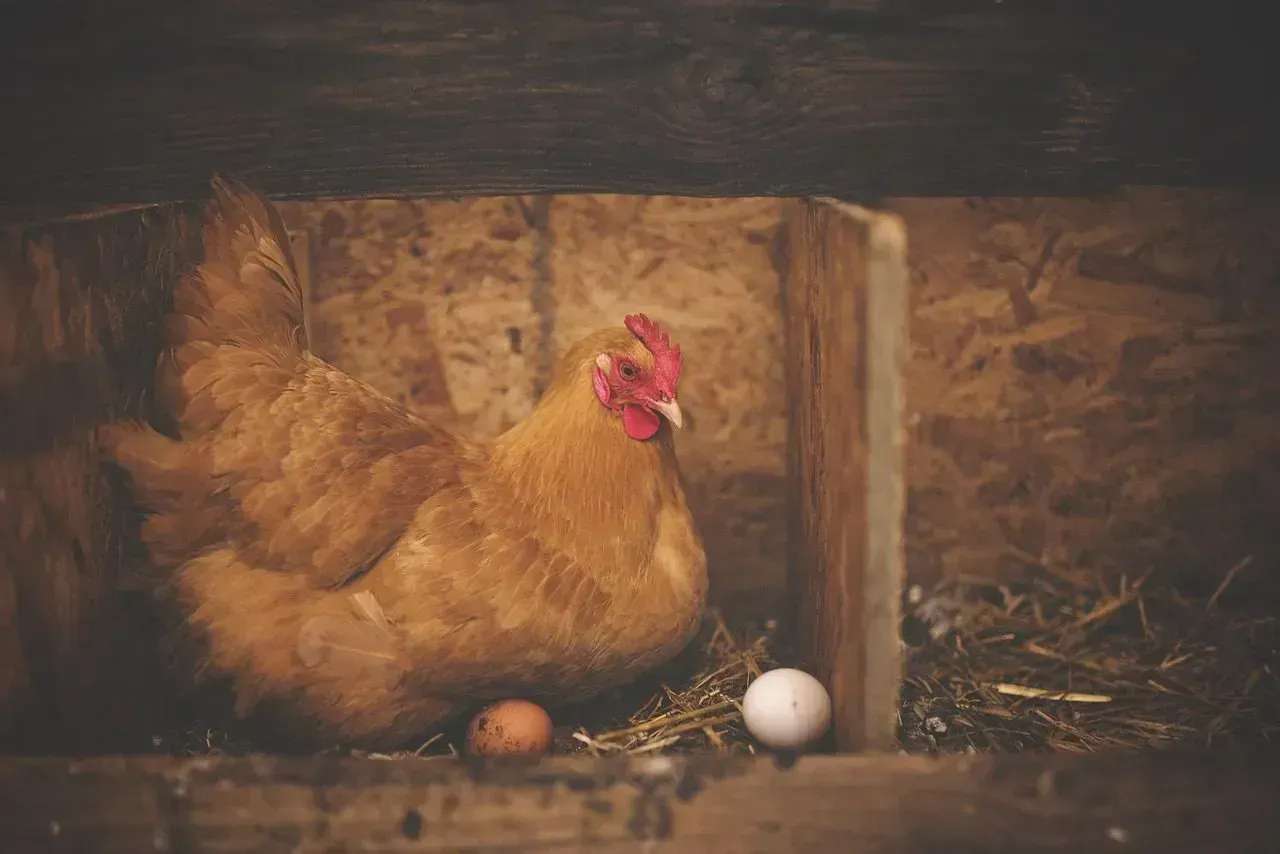
Washing chicken in chlorine might sound like a crime against poultry, but in America, it’s standard practice to reduce bacteria. European countries favor stringent hygiene throughout the supply chain (“farm-to-fork”) instead of dousing their chicken in chemicals. American chicken is also banned in the European Union. This time, it’s due to the common practice of washing chicken carcasses with chlorine to disinfect them from food-borne illnesses.
The process involves rinsing poultry with antimicrobial washes to kill harmful bacteria like salmonella. While the FDA maintains this is safe, European regulators argue it represents a band-aid approach that masks poor hygiene standards throughout production. The practice raises concerns over residues and overall standards of food production. In the U.S., poultry can be raised in crowded conditions with less stringent requirements for space, lighting, and ventilation, which increases the risk of disease and contamination within flocks.
Pork Containing Ractopamine
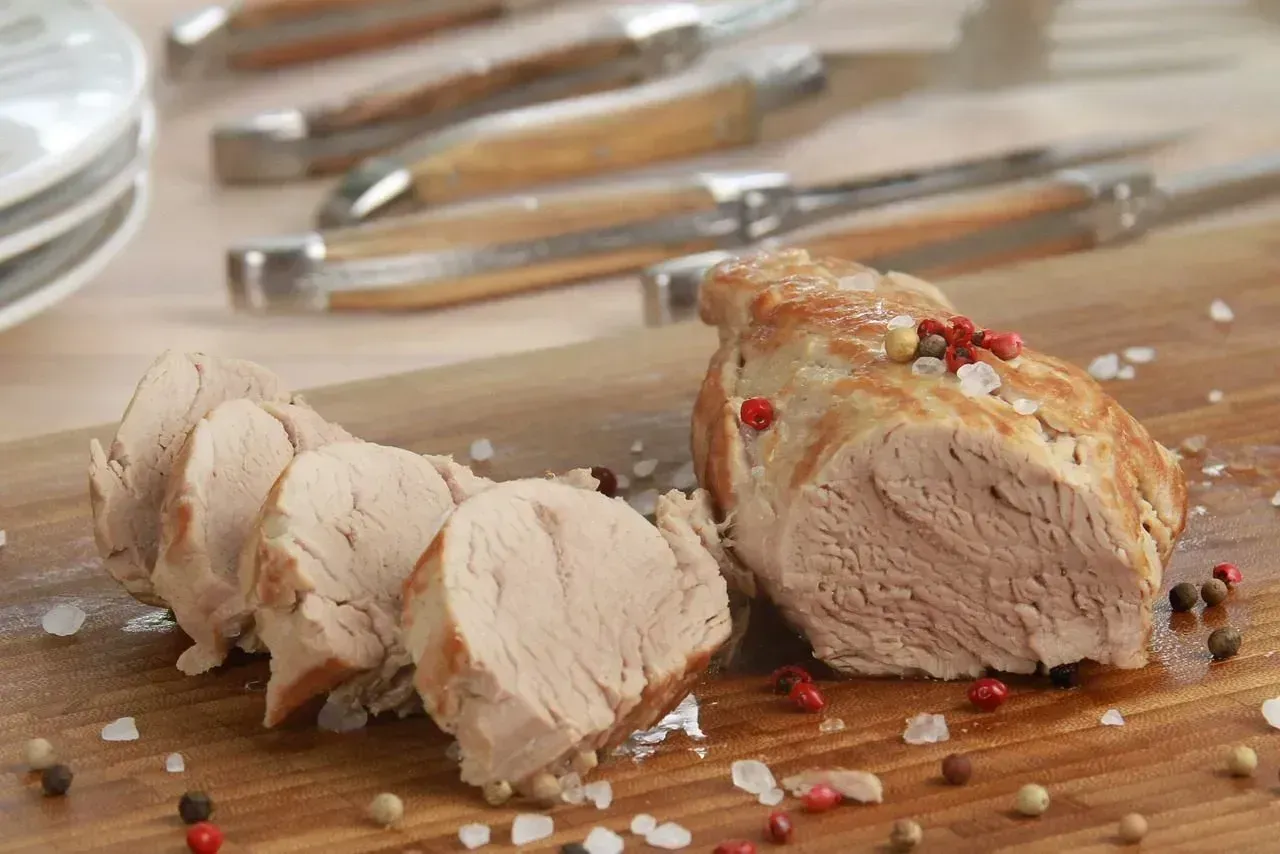
Ractopamine is an animal feed additive used in U.S. pigs. It’s linked to several major health issues in humans and animals. US pork is banned in China, Russia, and the EU. American pork is a no-go in Russia, China, and the European Union. This is because of an animal feed additive called ractopamine. This drug is used to boost muscle growth in pigs, but it has been associated with health issues in both humans and animals. While the US considers it safe, other countries have banned it to protect their citizens from potential health risks.
Ractopamine increases lean muscle mass while reducing fat, making livestock more profitable. According to Professor Donald Broom of the University of Cambridge’s Department of Veterinary Medicine, animals treated with ractopamine were more active and more difficult to handle. In 2024, the Food Animals Concerns Trust joined a lawsuit that urged the FDA to withdraw its approval of ractopamine or reduce the permitted residue levels in pigs. The fact that over 160 countries have banned this substance while America continues using it really makes you think about regulatory priorities.
Skittles and Titanium Dioxide
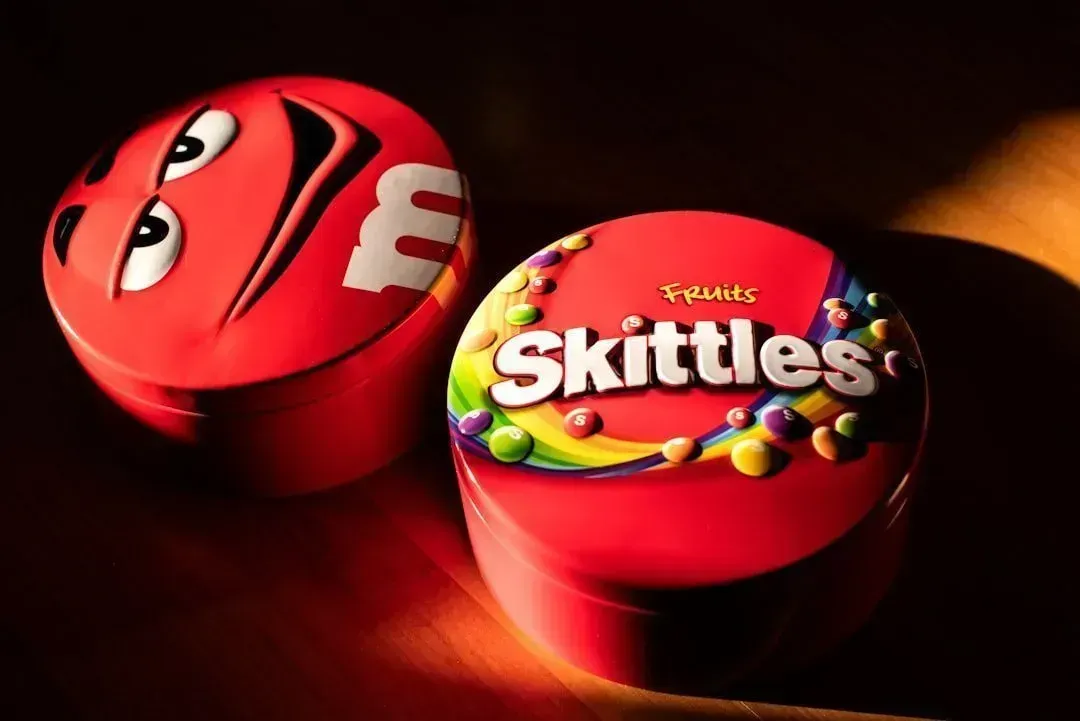
Launched in 1971, Skittles has been delighting sweet-toothed kids and adults for decades. That was, until the European Commission banned the food additive titanium dioxide, also known as E171, in 2022. It followed an assessment by the European Food Safety Authority which could not rule out the risk that the additive could have a carcinogenic effect on humans.
Skittles contain Yellow 5 an Yellow 6 (both very bad), but the country of Norway banned Skittles because the candy contains Titanium Dioxide. Linked to digestive tract problems, and banned in Europe because scientists there could not rule out genotoxicity, the ability of the substance to damage genetic information in the body’s cells; they also had concerns about damage to the immune system. Skittles in the U.S. no longer contain titanium dioxide as of late 2024, but the product still faces scrutiny overseas for its use of synthetic dyes.
Ground Beef with Pink Slime
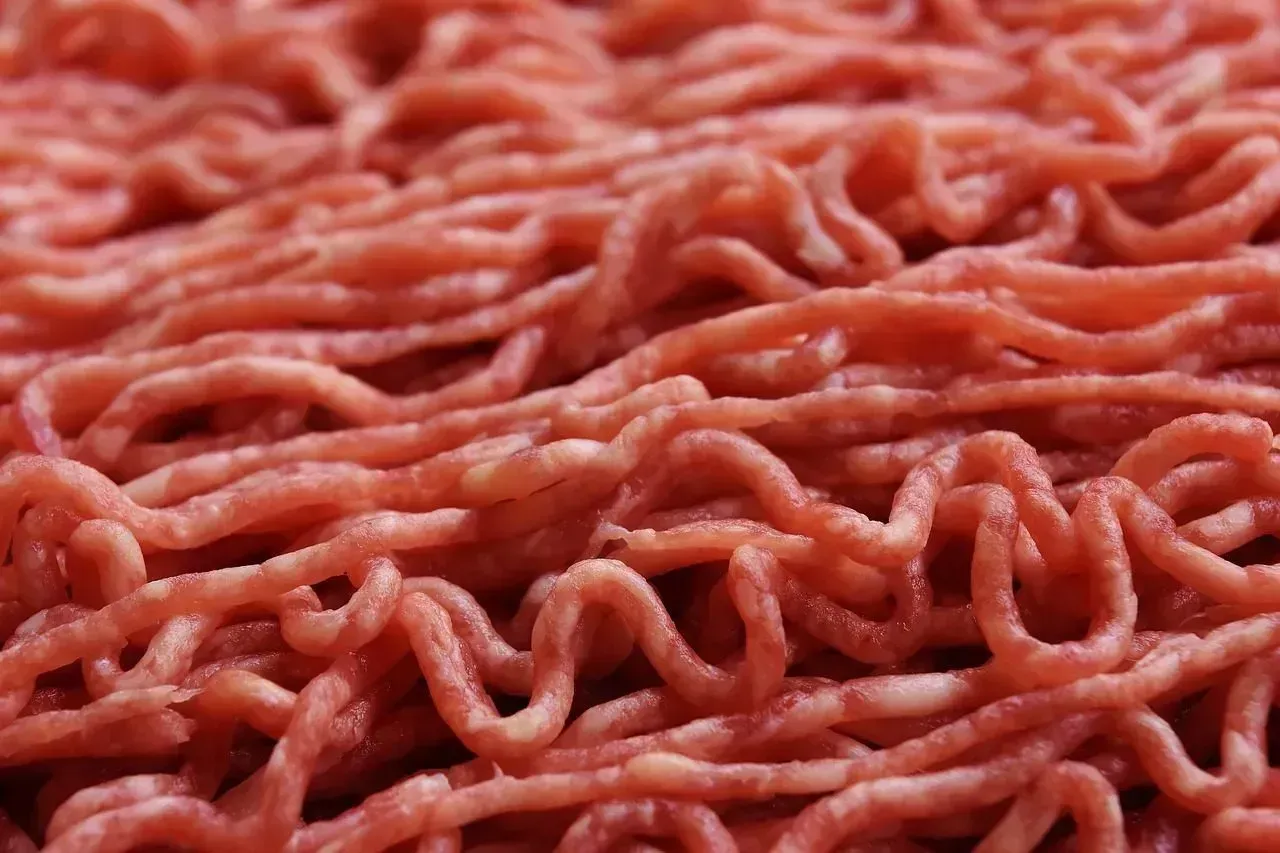
In the European Union, pre-packaged ground beef from the US is banned because they contain “pink slime.” This beef by-product, which is treated with ammonia gas, is used as a filler in ground beef. According to the US, it’s safe, but the EU has much stricter regulations and decided to keep this controversial product out of their food supply.
The pink slime that you find in the pre-packaged beef is “…a beef by-product prepared with ammonia gas and used as a filler in ground beef. US beef is banned in the EU.” Let’s be real, when your meat processing requires ammonia gas treatment, it probably shouldn’t be surprising that other countries want nothing to do with it. This finely textured beef helps reduce costs for producers but raises serious questions about food quality standards.
Coffee Mate and Hydrogenated Oils
Hydrogenated soybean and cottonseed oils got Coffee-mate banned in Austria, Hungary and several Scandinavian countries. These trans fats have been linked to increased risk of heart disease and stroke. Hydrogenated soybean oil can be found in food products such as: margarine, fried foods, baked goods, coffee creamers, crackers, pre-made dough, vegetable shortening, microwave popcorn, potato chips, packaged snacks. Cottonseed oil can be found in products such as: potato chips, cookies and crackers, margarine, mayonnaise, salad dressing.
While the FDA has taken steps to reduce trans fats in recent years, many processed foods still contain partially hydrogenated oils. The fact that your morning coffee creamer contains ingredients banned in multiple countries really puts things in perspective.
Farmed Salmon and Chemical Feed
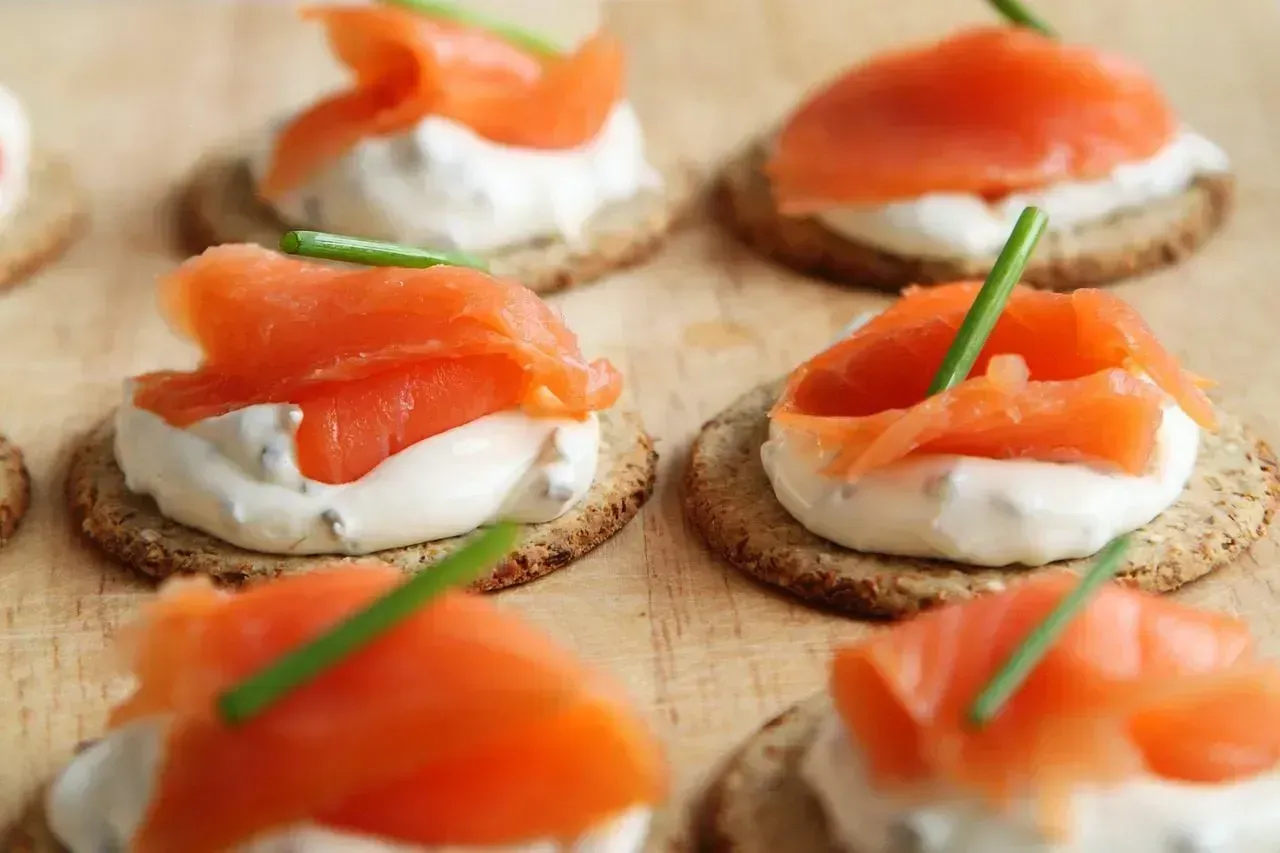
Farmed fish are fed a chemical cocktail of feed including methyl mercury and dioxins. Not to mention antibiotics. Countries like Austria and New Zealand don’t go near farmed-raised fish. Farmed fish are fed a chemical cocktail of feed including methyl mercury and dioxins. Not to mention antibiotics. Countries like Austria and New Zealand don’t go near farmed-raised fish.
The crowded conditions in fish farms require extensive use of antibiotics and chemicals to prevent disease outbreaks. Wild-caught salmon has a naturally pink color from eating krill and other marine life, while farmed salmon needs artificial coloring to achieve that appealing hue consumers expect. Methyl mercury can be found in products such as: fluorescent lights, batteries, and polyvinyl chloride. When the same mercury compound used in batteries ends up in your dinner, something’s definitely wrong.
Bread Products with Potassium Bromate

Bread products commonly contain potassium bromate and azodicarbonamide, which are used to bleach flour. They also have a high saturation with this toxin found in pesticides, sneakers, and yoga mats. They cause cancer, kidney damage, nervous system disorders, thyroid issues, as well as induce asthma episodes.
Based on this evidence, potassium bromate is banned in China, India, and Brazil, among other countries. Azodicarbonamide is banned in Australia and Europe. In 2023, California became the first US state to ban potassium bromate (along with brominated vegetable oil (BVO), propylparaben and red dye no. 3 taking effect in 2027). It’s honestly disturbing that the same chemical used in yoga mats is considered acceptable for human consumption in America.
Processed Foods with BHT and BHA Preservatives
Stove Top Stuffing contains 2 toxins, cancer-causing BHT (butylated hydroxytoluene) and BHA (beta-hydroxy acid), which impair blood clotting. The culprit is BHT, a preservative used for the cereal. BHT has been linked to potential health concerns, including organ-system toxicity and endocrine disruption.
Stove Top Stuffing contains not only BHT, but also BHA (beta-hydroxy acid). These additives are used to extend the shelf life of many processed foods, but they have been considered as potential carcinogens. These preservatives show up in everything from breakfast cereals to packaged snacks, helping products stay fresh on shelves for months or even years.
What’s truly eye-opening is how drastically different safety standards can be between countries. While Americans consume these ingredients daily, regulatory bodies worldwide have decided the potential risks simply aren’t worth it. The growing consumer awareness and state-level legislation suggest change might be coming, but for now, reading ingredient labels remains your best defense. What do you think about this regulatory divide between America and the rest of the world?
Farm-Raised Salmon Pumped with Synthetic Astaxanthin
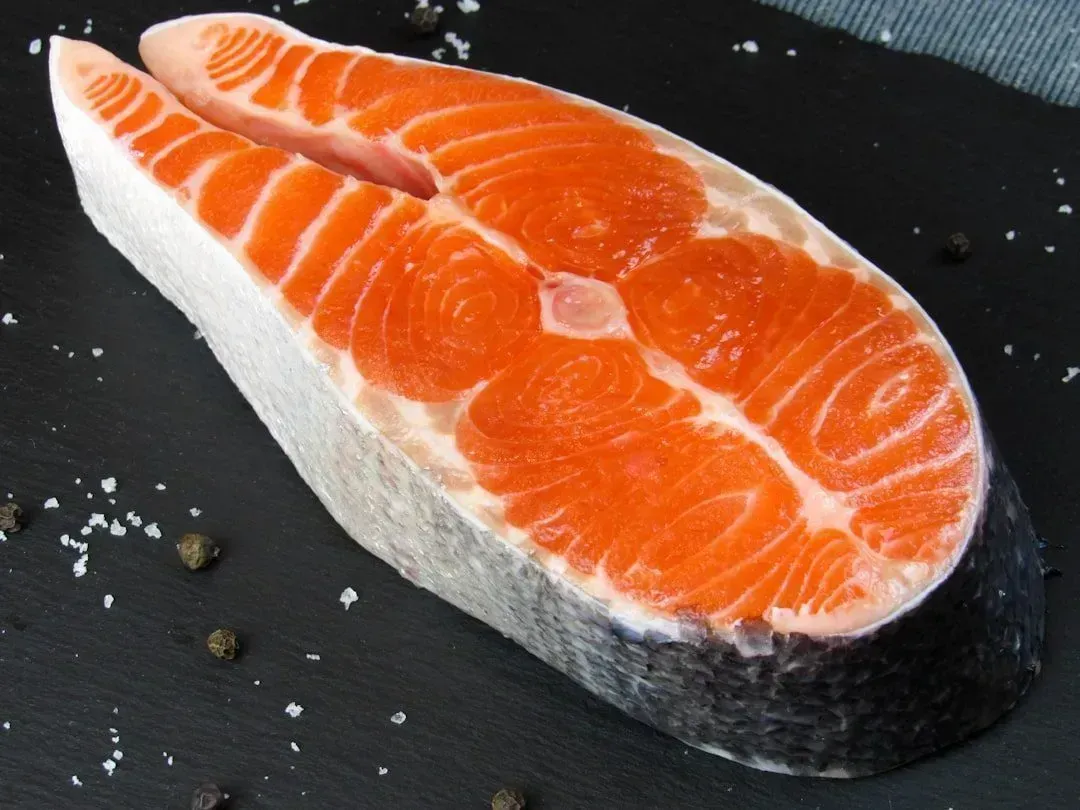
Here’s something that’ll make you think twice at the seafood counter: that gorgeous pink color in farm-raised salmon? It’s not natural. Wild salmon get their vibrant hue from eating krill and shrimp, but farm-raised fish are fed pellets containing synthetic astaxanthin to artificially color their flesh that appealing shade of pink. Without this dye, farmed salmon would be an unappetizing gray color that nobody would want to buy. Australia and New Zealand have banned this practice because the synthetic version hasn’t been adequately tested for long-term human consumption. The European Union allows it but requires strict labeling so consumers know what they’re getting. Meanwhile, American shoppers remain largely in the dark, with no requirement for retailers to disclose whether that salmon was dyed or naturally colored. It’s a perfect example of how marketing and appearance sometimes trump transparency in our food system.
Mountain Dew and Brominated Vegetable Oil
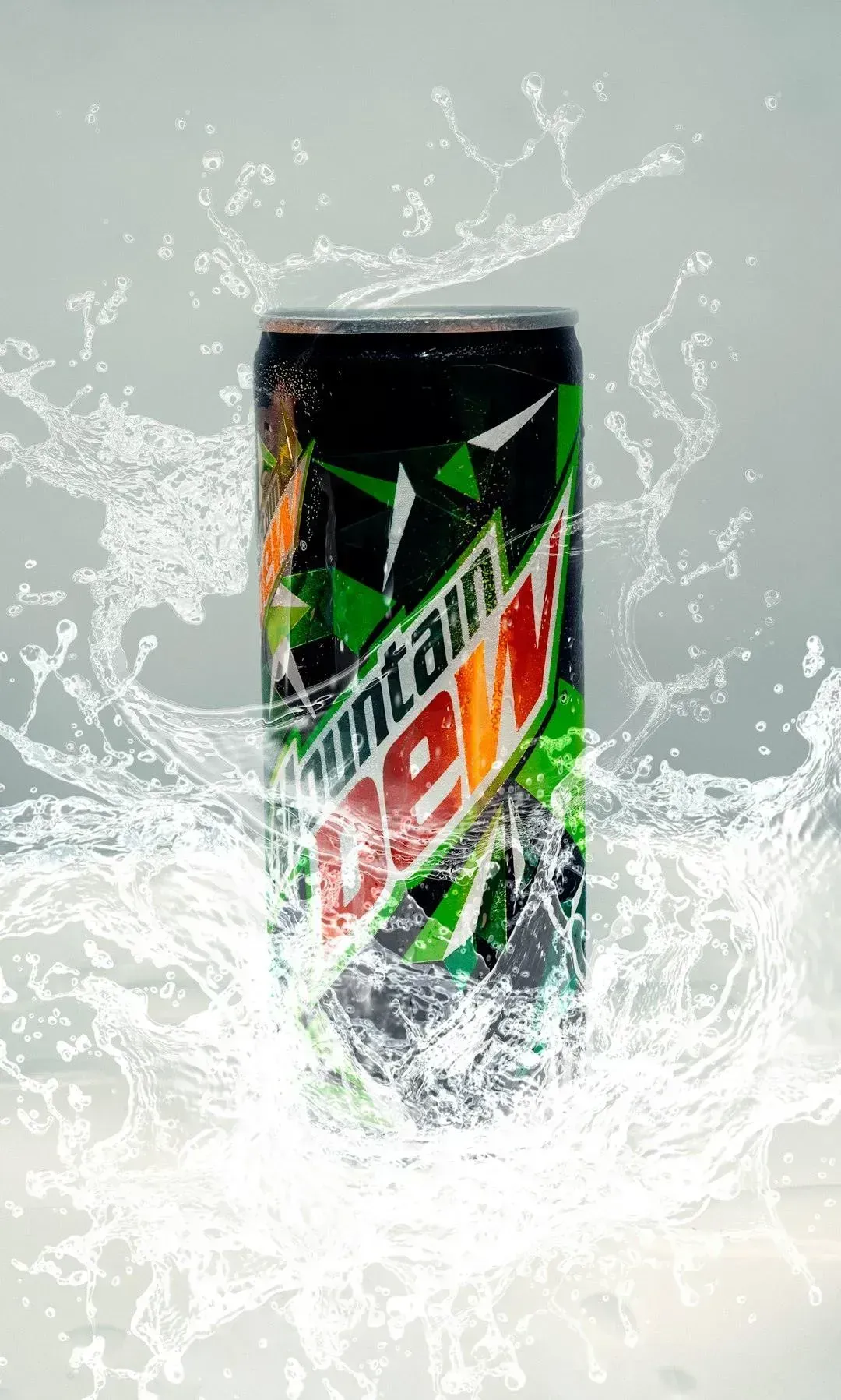
If you’re a fan of citrus-flavored sodas, you might want to sit down for this one. Mountain Dew and several other popular drinks contain brominated vegetable oil, or BVO, which helps keep the citrus flavoring from separating and floating to the top of the bottle. Sounds harmless enough, right? Well, here’s the kicker: bromine is the same chemical used in flame retardants for furniture and plastics. The European Union and Japan banned BVO years ago after studies linked it to memory loss, skin problems, and nerve disorders when consumed regularly. Some people who drink excessive amounts of BVO-containing beverages have even developed a condition called bromine toxicity, which can cause headaches and fatigue. In America, though, the FDA still allows it in limited quantities, and PepsiCo only removed it from Mountain Dew in 2020 after years of consumer pressure – not because of any regulatory action. The scary part? BVO can still be found in dozens of other citrus drinks on American shelves, and most people have no idea they’re sipping on a flame retardant ingredient with their lunch.
Arsenic-Laced Chicken Meat
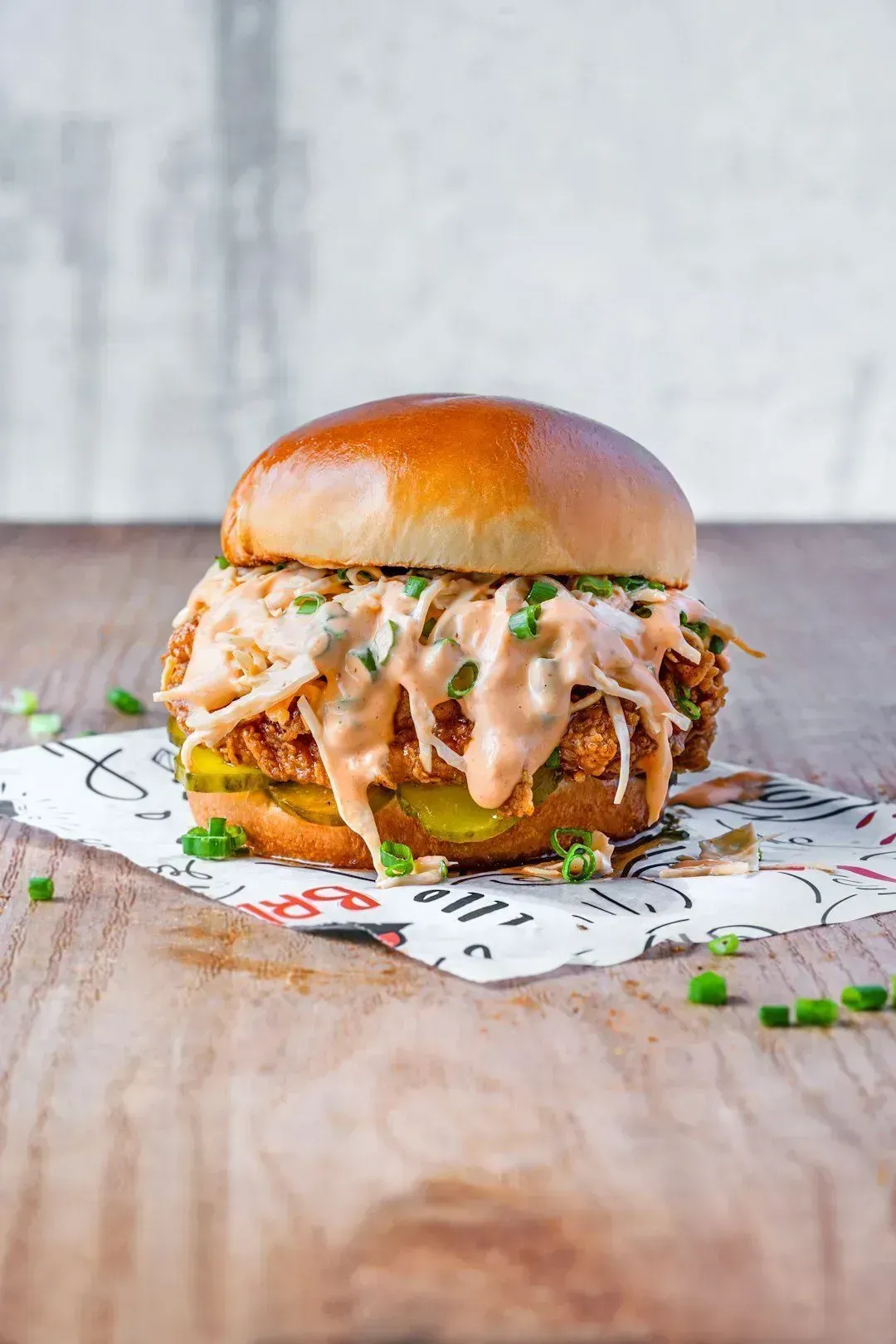
Here’s something that’ll make you think twice about your next chicken sandwich. American poultry producers have been feeding chickens arsenic-based drugs for decades to promote faster growth and give the meat that appealing pink color consumers love. Yeah, you read that right – arsenic, the same poison you’ve heard about in murder mysteries. The European Union banned this practice way back in 1999, recognizing that arsenic is a known carcinogen that can accumulate in chicken meat and eventually end up on your dinner plate. Studies have found concerning levels of inorganic arsenic in American chicken samples, and this form is particularly dangerous because it’s been linked to bladder, lung, and skin cancers. The FDA did finally ban three of the four arsenic-based drugs in 2015, but only after environmental groups filed a lawsuit and major retailers started refusing to sell treated chicken. What’s really disturbing is that for years, the industry argued these drugs were perfectly safe while other countries had already said “absolutely not” to feeding literal poison to chickens. Even now, one arsenic-based drug remains approved for use in turkey production, so the battle isn’t completely won.
Genetically Modified Foods Without Labeling Requirements
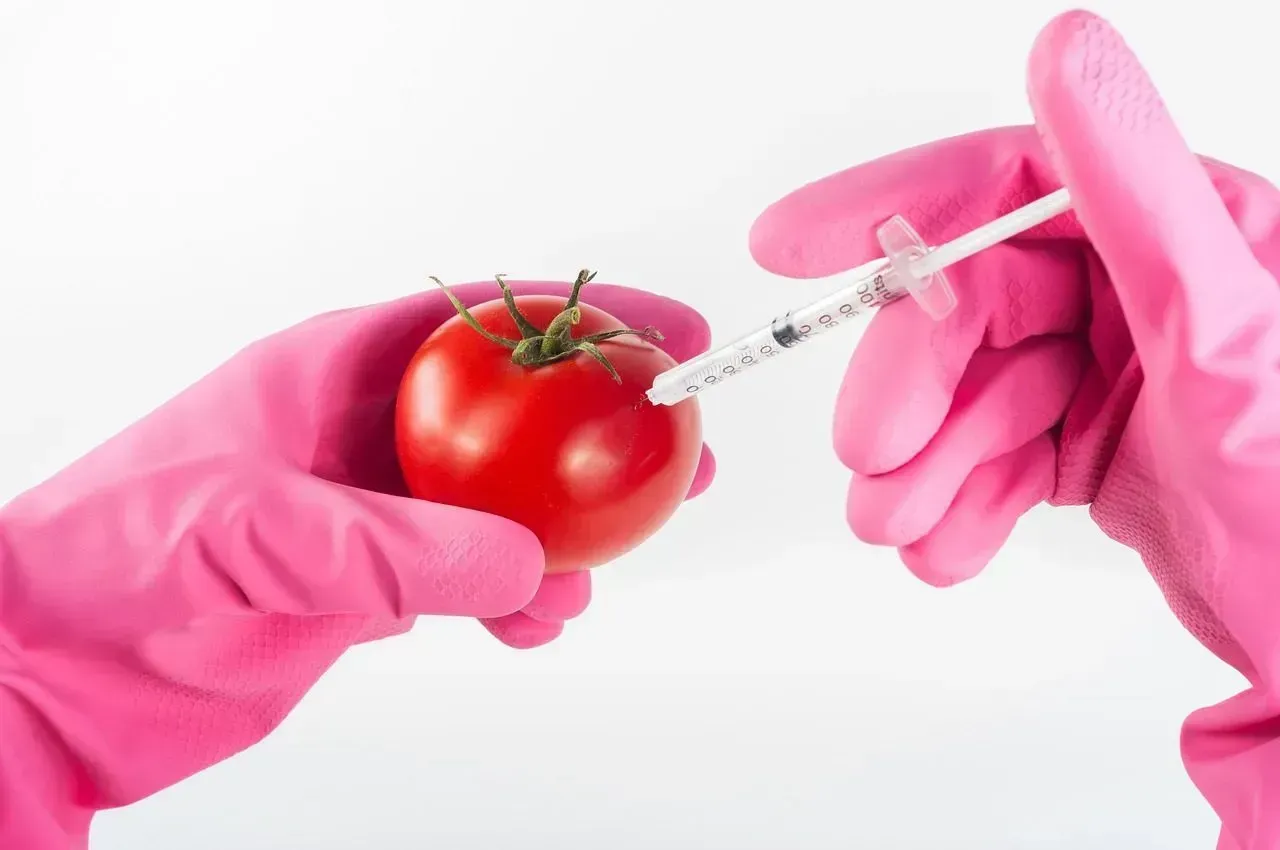
Walk into any American supermarket and you’re probably grabbing genetically modified foods without even knowing it – and that’s exactly how the food industry wants it. Over 70 countries including all of Europe, Russia, and China require clear GMO labeling so consumers can make informed choices, but here in the States? Companies fought tooth and nail to keep you in the dark about what’s actually in your food. We’re talking about genetically engineered corn, soybeans, canola, and sugar beets that show up in roughly 80% of processed foods on American shelves. What makes this particularly shocking is that many European nations have outright banned the cultivation of GMO crops due to concerns about long-term health effects and environmental impact that haven’t been fully studied. While the FDA insists these foods are safe, critics point out that independent long-term safety studies are seriously lacking, and most research has been funded by the very companies profiting from GMO technology. Some studies on lab animals have raised red flags about potential organ damage and immune system problems, but these concerns get buried under industry lobbying power. The kicker? Many American food companies actually reformulate their products to be GMO-free when selling them overseas, proving they can do it – they just choose not to for the American market.
Milk and Dairy Products Treated with rBST Hormones
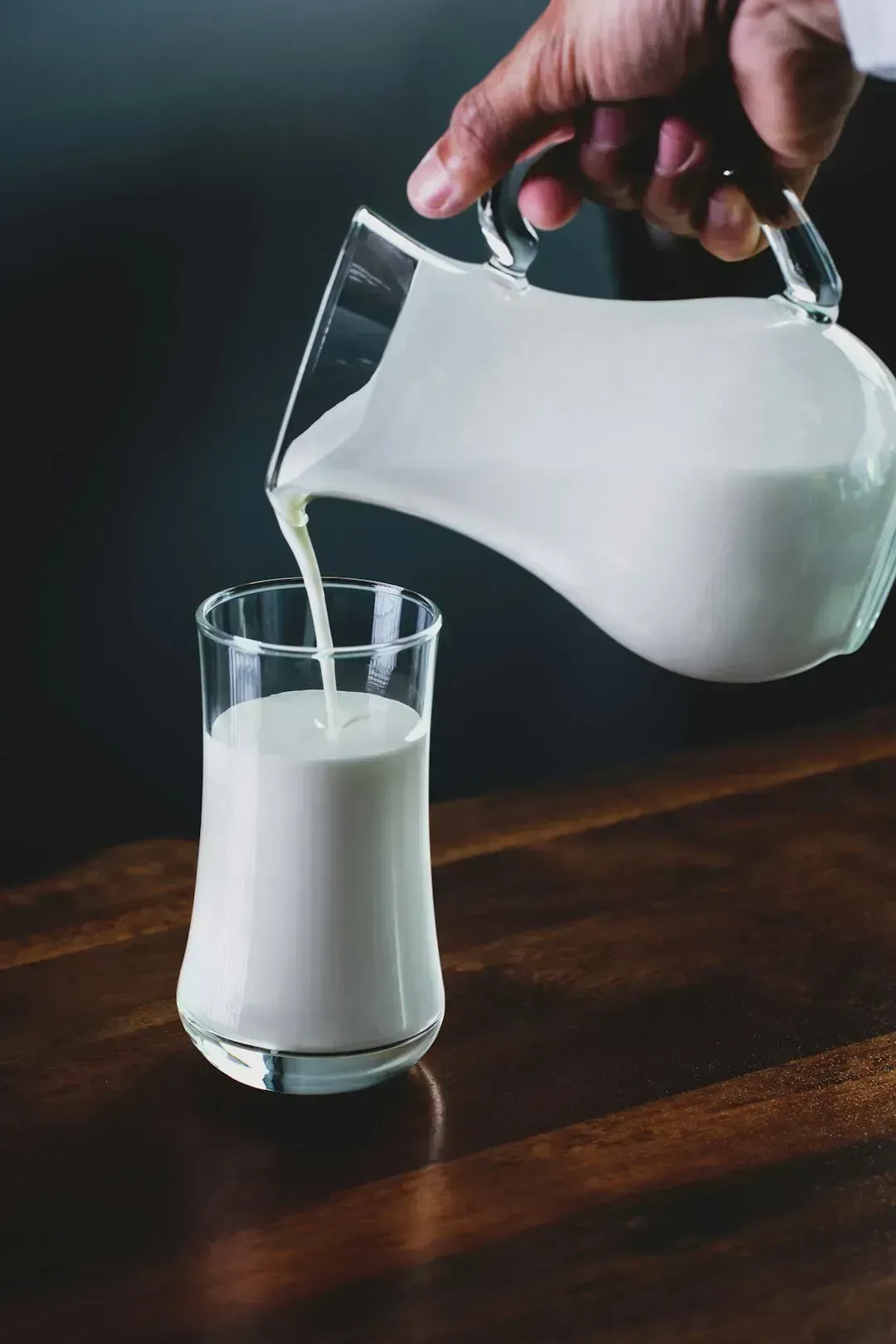
Here’s something that’ll make you think twice about your morning cereal – American cows are regularly injected with recombinant bovine somatotropin (rBST), a synthetic growth hormone that boosts milk production by about 10-15%. Sounds efficient, right? Well, Canada, the European Union, Australia, New Zealand, and Japan all said “absolutely not” and banned this hormone decades ago over serious health concerns. The problem isn’t just what it does to the cows (hello, increased infections and antibiotic use), but what it potentially does to humans drinking that milk. Studies show rBST-treated milk contains higher levels of IGF-1, a growth hormone that’s been linked to increased risks of breast, prostate, and colon cancers in multiple research papers. The American Cancer Society has even acknowledged the connection is worth investigating further, yet the FDA continues allowing it without requiring any labeling whatsoever. What’s absolutely infuriating is that many major dairy brands quietly went rBST-free years ago because consumers demanded it, but plenty of generic and store brands still use it – and you’d never know unless you specifically look for that “rBST-free” label. It’s another case of Americans being treated like second-class consumers compared to the rest of the developed world.
Potassium Iodate in Commercial Bread and Baked Goods

Walk down any bread aisle in America and you’re probably grabbing loaves containing potassium iodate, a dough conditioner that’s been completely outlawed in the EU, UK, and China for over two decades. Bakers love this stuff because it makes dough stronger and helps bread rise higher with that perfect fluffy texture we’ve all come to expect. But here’s the kicker – potassium iodate is classified as a potential carcinogen and thyroid disruptor, especially problematic for people who already have thyroid issues or consume it regularly. The World Health Organization has warned that excessive intake can cause serious thyroid dysfunction, yet American bread manufacturers continue using it without a second thought because it’s technically ‘generally recognized as safe’ by the FDA. What makes this particularly sneaky is that most people eat bread daily – toast for breakfast, sandwiches for lunch, dinner rolls with meals – so this chemical exposure adds up fast. Countries that banned it switched to safer alternatives like ascorbic acid (vitamin C) decades ago with zero impact on bread quality, proving once again that American food manufacturers choose profit margins over public health.
Azodicarbonamide: The Yoga Mat Chemical Hiding in Your Sandwich
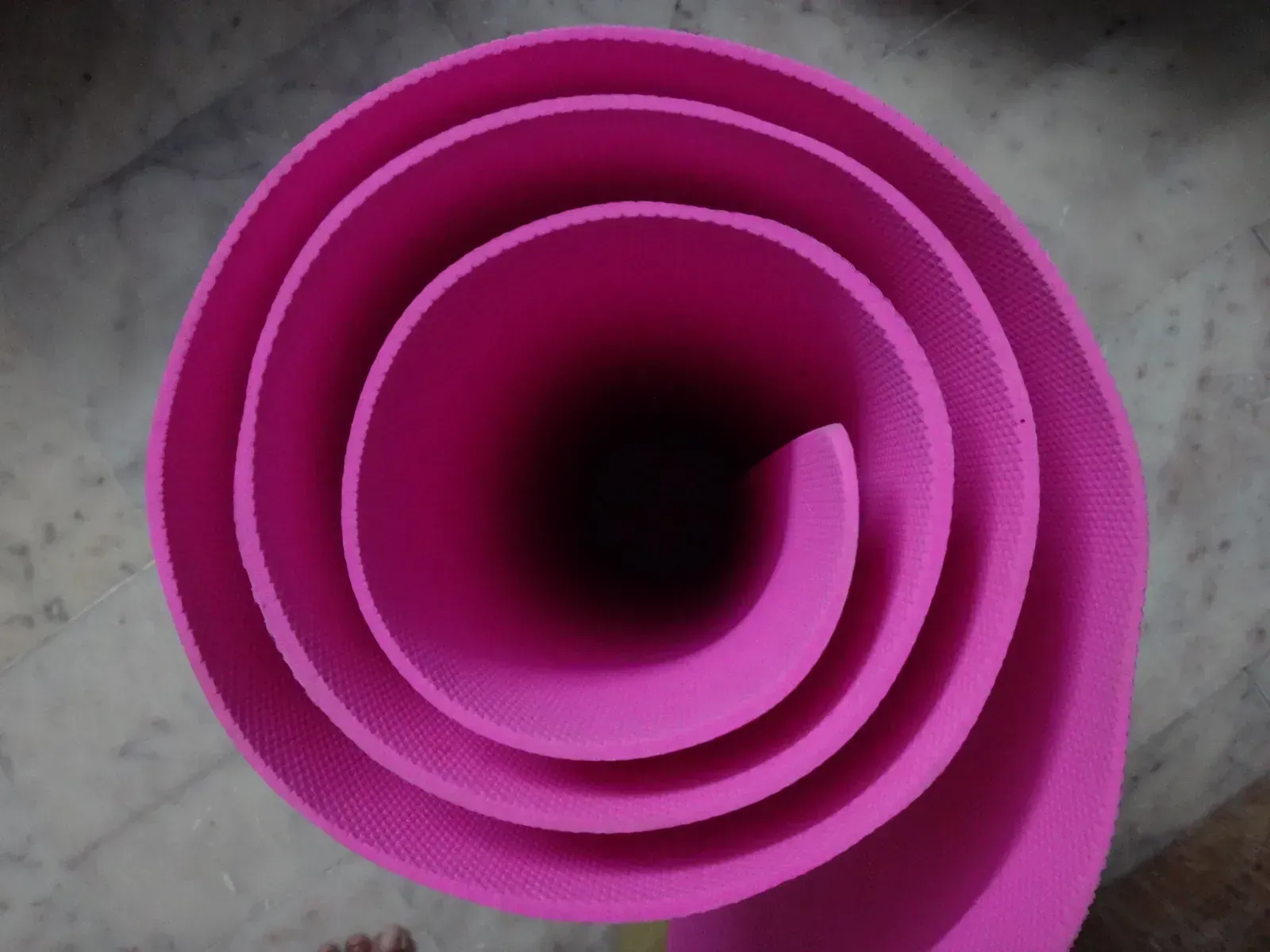
If you’ve ever bitten into a soft submarine sandwich or grabbed a quick burger, there’s a disturbing chance you’ve eaten the same chemical used to manufacture yoga mats and shoe soles. Azodicarbonamide (try saying that five times fast) is a bleaching agent and dough conditioner that keeps fast food buns and packaged bread impossibly soft and white, but it’s been completely banned in Australia and most of Europe since the early 2000s. When this chemical breaks down during baking, it creates trace amounts of semicarbazide and urethane – both recognized as potential carcinogens that nobody should be casually munching on with their turkey club. Singapore takes this so seriously that using azodicarbonamide in food can land you a massive fine and even jail time, yet major American chains like Subway, McDonald’s, and Wendy’s used it for years until public outrage finally forced some changes. The truly maddening part? Removing this chemical doesn’t affect taste or texture one bit – European bakeries prove that every single day by making perfectly delicious bread without resorting to foam rubber additives. But here in the States, the FDA allows up to 45 parts per million in our food because apparently eating yoga mat chemicals is just another Tuesday in America.