The Great Depression Diet: 3 Survival Dishes That Actually Tasted Good
When you think about the food served during America’s Great Depression, your mind probably conjures images of sad, tasteless gruel and barely edible scraps. Here’s the surprising truth, though: some of those survival recipes turned out to be genuinely delicious, not just tolerable. By 1933, nearly 25% of Americans were out of work, yet families found ways to create meals that didn’t just fill stomachs but actually brought comfort. Most families, the 70 to 75 percent that still had income, were able to “make do,” while those without jobs relied on ingenuity that changed American cooking forever. Let’s explore three dishes that prove hardship can sometimes lead to unexpected culinary triumphs.
Dandelion Salad: Free Food From Your Backyard
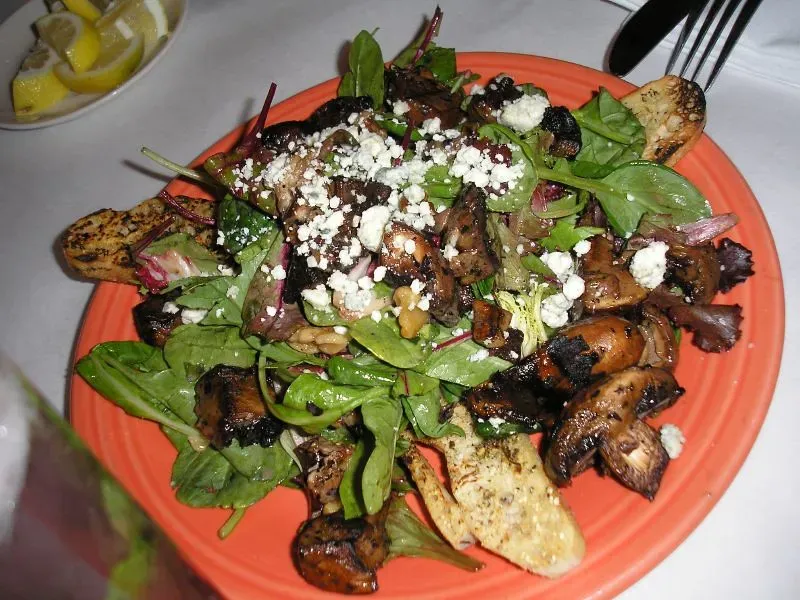
Clara, the nonagenarian host of Great Depression Cooking With Clara, says that during the 1930s, dandelion greens were nutritious and easy to find growing wild, which made them popular. Think about that for a second. While wealthy folks paid for fancy lettuce at markets, Depression-era families simply walked outside and picked their dinner from the yard. Dandelions, often considered weeds today, were a valuable free food during the Depression, their leaves used to make fresh, vitamin-packed salads.
The taste might surprise you. Dandelion greens have a slightly bitter edge, similar to arugula, which actually made them more interesting than plain iceberg lettuce. They offer a long list of health benefits like vitamins C, B, and A, calcium, magnesium, potassium, and carotene, to name a few. Families would dress them simply with oil and vinegar, maybe add some hard-boiled eggs if they had chickens. Nothing fancy, yet that bitterness paired with a tangy dressing created something genuinely appetizing. The irony? Today you’ll find dandelion greens at upscale restaurants, often marked up at premium prices as trendy farmer’s market fare.
Hoover Stew: The One-Pot Wonder Nobody Expected to Love
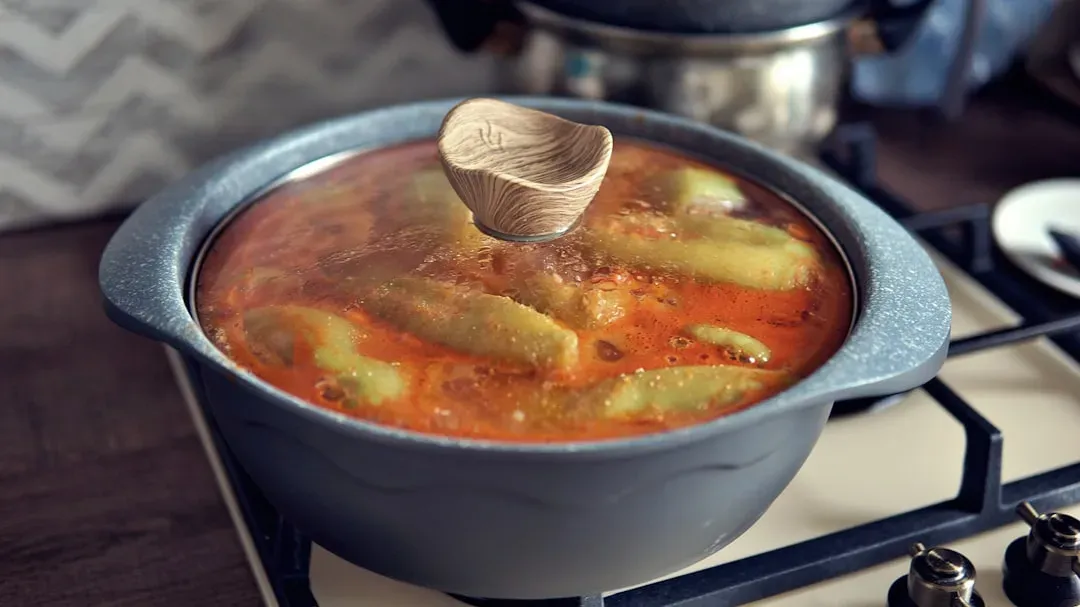
Named after President Herbert Hoover, this stew became a common meal in soup kitchens and struggling households, a simple, filling dish made with whatever was available – usually pasta, canned tomatoes, and hot dogs or ground meat. Let’s be real: the name wasn’t meant as a compliment. Hoover’s presidency coincided with economic catastrophe, so slapping his name on poverty food was pure American sarcasm. Yet somehow, this humble combination actually worked.
The recipes varied slightly depending on which ingredients the soup kitchens had on hand, but Hoover Stew typically consisted of cooked macaroni, hot dogs, stewed tomatoes, and canned corn, simmered before being served up in bowls, providing much-needed protein and carbohydrates. What made it surprisingly tasty was the way those canned tomatoes created a rich, tangy sauce that coated everything. The hot dogs added a salty, savory punch that kids especially loved. This recipe dates from the depression years and on through WWII and was then a luxury or celebration meal since it included meat. We kids loved it, and Papa had us convinced that overcooked macaroni was how it was supposed to be for this dish.
Today’s food bloggers have rediscovered this recipe, often upgrading it with fresh tomatoes or Italian sausage instead of basic hot dogs. The foundation remains solid because the original actually tasted good, not despite its poverty origins but because necessity forced cooks to find flavor combinations that worked with minimal ingredients.
Water Pie: The Dessert That Defies Logic
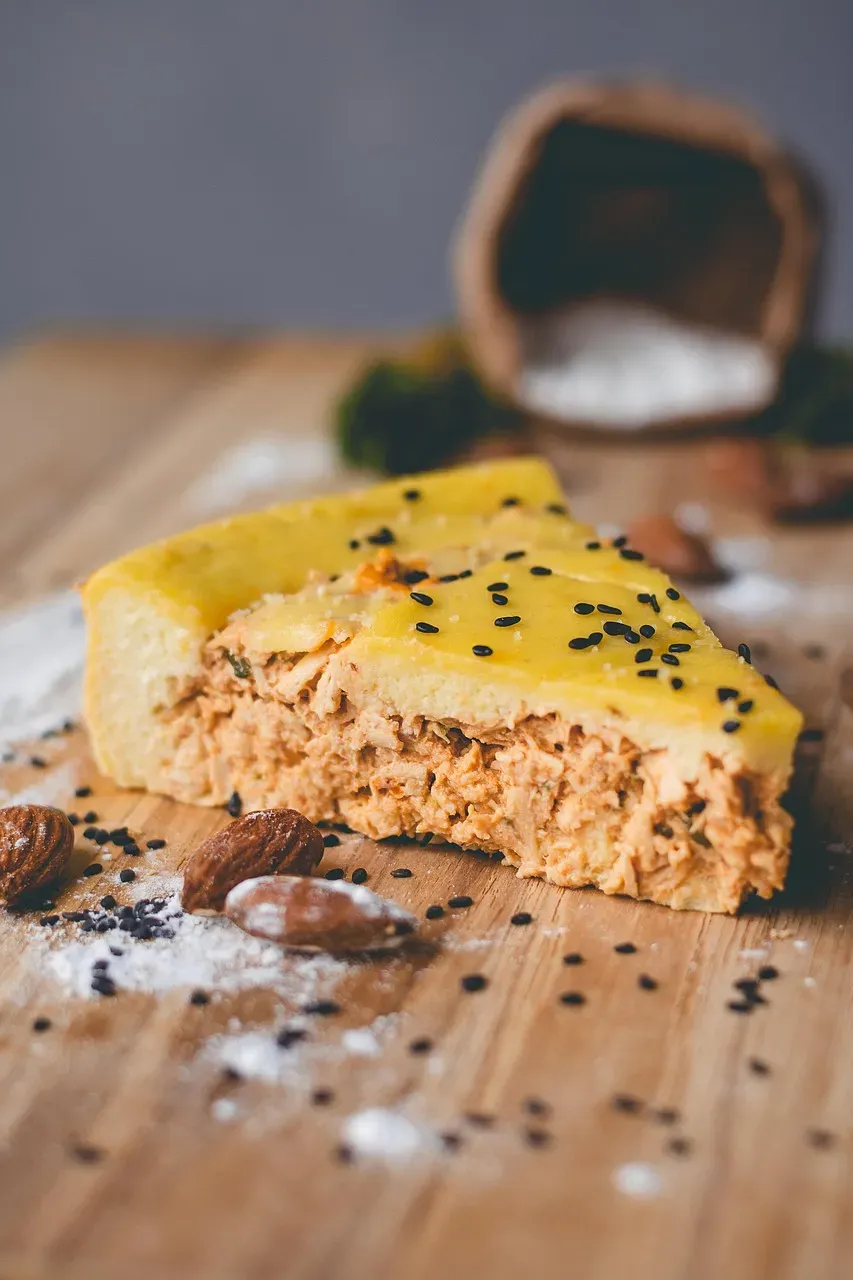
While water pies have made the rounds on the internet as a Depression-era food, they were around long before the 1930s, and in the decades leading up to the Great Depression, there was a series of smaller depressions, so there was plenty of opportunity for people to feel the need to make water pie. The name sounds absolutely terrible, right? A pie made primarily from water shouldn’t work. Yet this bizarre creation delivers a texture like the filling of a pecan pie.
Water pie is one of those magical recipes that came out of the depression era where cooks with little to nothing figured out how to make delicious dishes for those they love. This Depression era water pie recipe belonged to Kay’s grandmother, who had eight children and made her family of 10 three meals from scratch every single day, developing this recipe so her family could still enjoy dessert from time to time. The magic happens through chemistry. You pour water into a pie crust, sprinkle sugar and flour over it without stirring, add vanilla and butter, then bake it. Somehow, through heat and time, those separate ingredients transform into a sweet, custard-like filling that actually delivers satisfaction.
Honestly, it’s hard to say for sure how it works so well, but the butter melts and emulsifies with the water while the flour thickens everything and the sugar caramelizes slightly. It has sort of a custard-like texture– definitely soft but not nearly as liquid-y as I would have thought given the main ingredient is water. It tastes sort of like apple pie filling, just without the apple – which is in large part due to the cinnamon and nutmeg. For families who couldn’t afford milk, eggs, or fruit for proper desserts, this represented hope served in a pie tin.
The Real Legacy: Flavor Born From Necessity
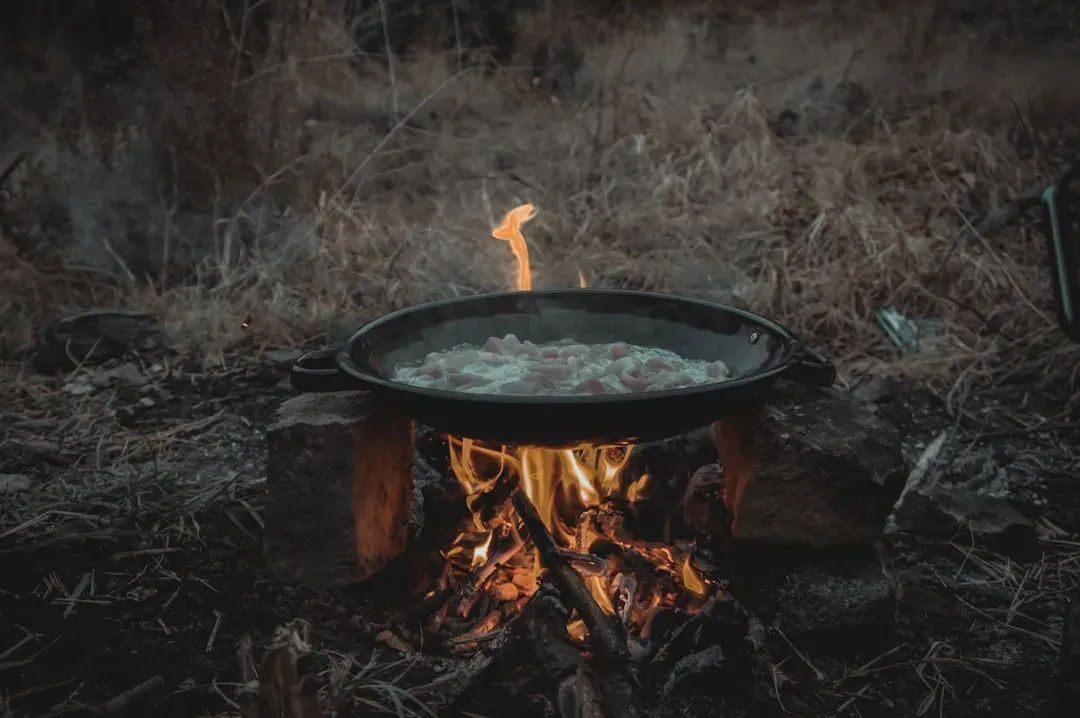
These three dishes share something crucial: they weren’t just about survival. Food historians and ordinary Americans look back on the Depression years, frequently using the terms “creative” or “resourceful” to describe the cooking of mothers and grandmothers who found ways to make satisfying fare, with nothing edible ever thrown out or wasted. That pressure to make every ingredient count actually improved the food in some cases.
Compare that to modern cooking, where abundance sometimes breeds laziness. When you can throw expensive ingredients at any problem, you might not develop the same understanding of how flavors work together. Depression-era cooks didn’t have that luxury. As food supplies and purchasing power reduced dramatically, Americans found ingenious methods to prepare their meals, maximizing the ingredients while feeding their families. They learned which bitter greens needed acid to balance them, which simple starches could carry bold flavors, and how to coax sweetness from nearly nothing.
Why These Recipes Still Matter Today
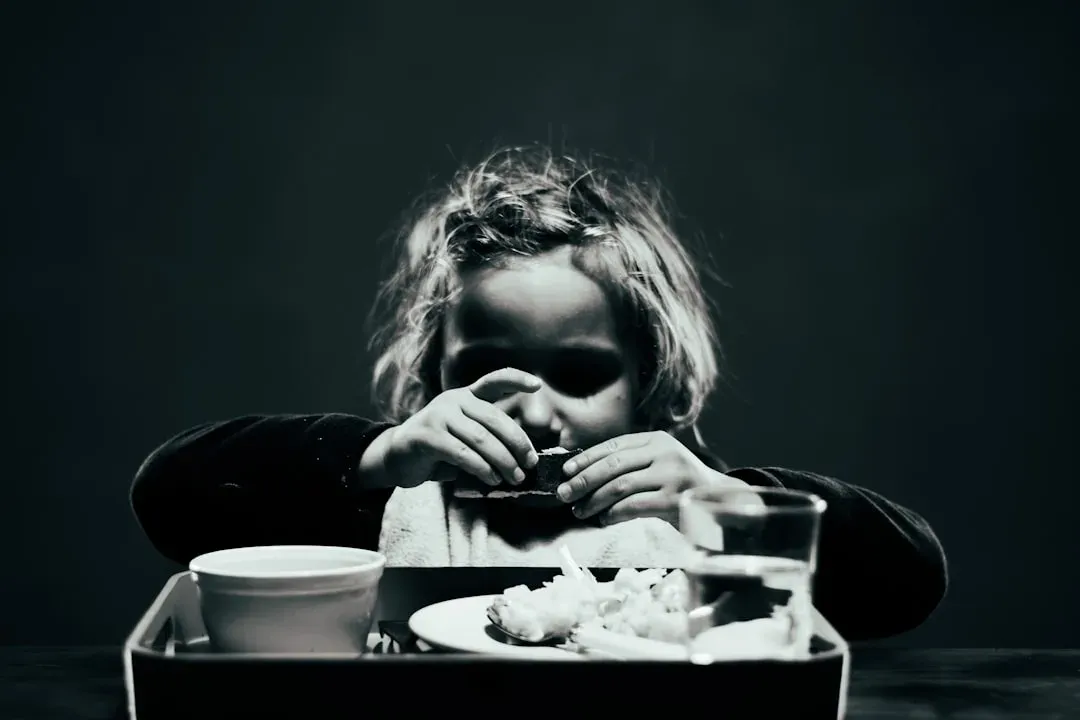
Though the economic hardships of the Great Depression eventually passed, its influence on American food culture remains strong. Many of the survival techniques developed during the 1930s – home canning, nose-to-tail eating, and waste-free cooking – continue to be valued today, particularly in times of economic downturn. We’re seeing renewed interest in these recipes now, not just as historical curiosities but as practical solutions for modern budget constraints and sustainability concerns.
The beauty of dandelion salad, Hoover stew, and water pie lies in their accessibility. You don’t need special equipment, rare ingredients, or culinary school training. In this difficult period, they learned to become more resourceful and innovative, coming up with many interesting food creations that were cost-effective and easy to make. These dishes prove that good food doesn’t require complexity or expense. Sometimes the best meals come from working with limitations rather than against them.
What’s fascinating is how some Depression foods disappeared immediately after prosperity returned, while these three stuck around in family recipe boxes and regional cookbooks. That staying power suggests they earned their place through genuine tastiness, not just necessity. Would people continue making a truly awful dish once they could afford better? Probably not for 90 years running.
So did you expect that Depression-era survival food could actually taste this good? Next time you spot dandelions in your yard, maybe think twice before spraying them. That free salad might just be better than the expensive spring mix wilting in your fridge.