Dining with Danger: 8 Delicacies That Can Kill You If Prepared the Wrong Way
Most of us trust that what’s on our plate is safe to eat. We cut into a meal, take a bite, and never think twice about it. Yet scattered across the globe are certain delicacies that carry a dark secret. When handled improperly, these foods can deliver a dose of poison powerful enough to put you in the hospital or worse. Here’s what happens when culinary tradition meets chemical danger.
Fugu (Pufferfish): The Ultimate Culinary Gamble

Let’s be real, eating a fish that could kill you is the definition of dining on the edge. Fugu contains lethal amounts of tetrodotoxin in its organs, especially the liver, ovaries, eyes, and skin. The poison paralyzes the muscles while the victim stays fully conscious; the poisoned victim is unable to breathe and eventually dies from asphyxiation. There is no known antidote for fugu poison.
According to Japan’s Health Ministry, around 50 people get poisoned by pufferfish each year, with a handful of deaths. Annually, 34–64 people were hospitalized and 0–6 died, with an average fatality rate of 6.8% of those hospitalized. What’s truly frightening is the mortality rate potential. The mortality rate for pufferfish poisoning can reach up to 60% for individuals who ingest tetrodotoxin.
Recent incidents show this danger hasn’t gone away. In March 2023, an elderly woman and her husband in Malaysia died after consuming pufferfish purchased from a fishmonger. In January 2024, a Brazilian man, 46, died after eating pufferfish given to him by a friend. A mother and her two young daughters died after consuming a highly poisonous puffer fish in the eastern province of Maluku in Indonesia during March 2024. Even licensed preparation doesn’t guarantee complete safety, though it dramatically reduces risk.
Cassava: The Staple That Conceals Cyanide
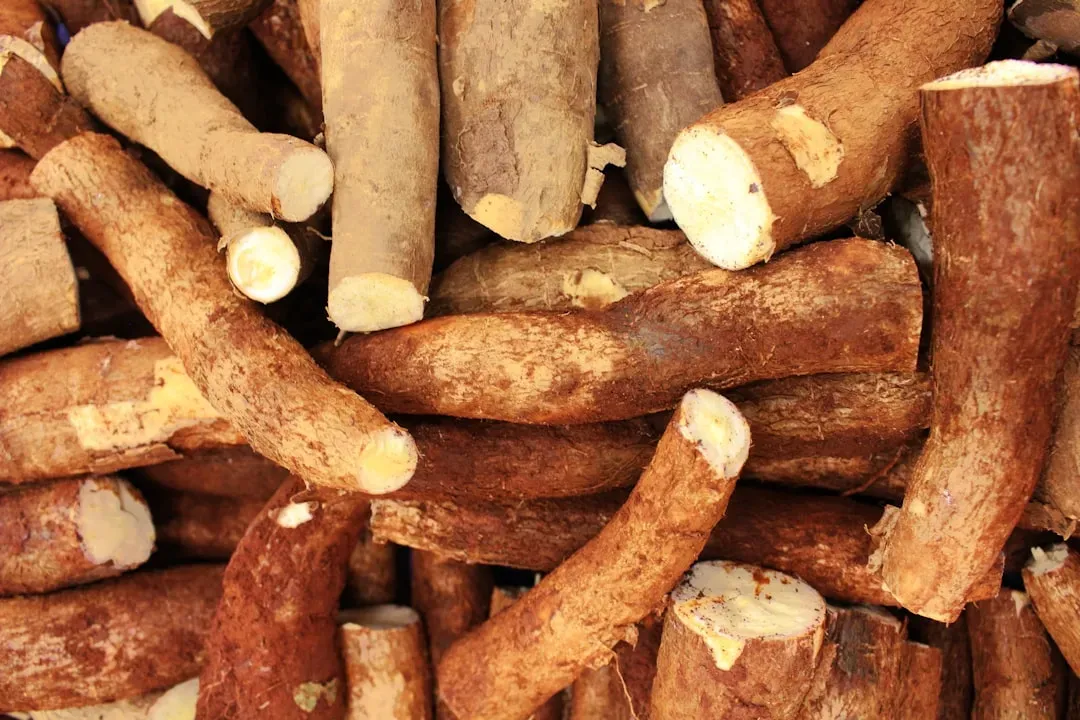
Cassava, an edible tuberous root often made into flour, contains cyanogenic glycosides, which can result in fatal cyanide poisoning if not properly detoxified by soaking, drying, and scraping before being consumed. This is no theoretical danger. In September 2017, an outbreak of suspected cyanide poisoning related to consumption of cassava flour, involving 98 cases with three deaths, occurred in western Uganda.
Approximately 600 million tropical residents, half of whom live in Africa, rely on cassava as their main food source. The World Health Organization sets a safe limit at roughly ten parts per million for cyanide in cassava products. However, cyanide concentration in cassava tubers and products across SSA ranges from 9 to 1148 ppm – most exceed the World Health Organisation’s recommended safe level of 10 ppm.
Proper preparation is everything. Cutting the roots into small pieces, followed by soaking and boiling in water is particularly effective in reducing the cyanide content in cassava. Symptoms typically starting 4–6 hours after ingesting a meal, as the cyanide is released upon digestion of the cyanogenic glycosides. Three patients admitted to the Accident and Emergency Unit of Lagos University Teaching Hospital after eating a cassava based meal ‘Gari’ died shortly after admission. They were unconscious with renal failure and died of cardiopulmonary arrest.
Ackee Fruit: Jamaica’s Dangerous Delicacy
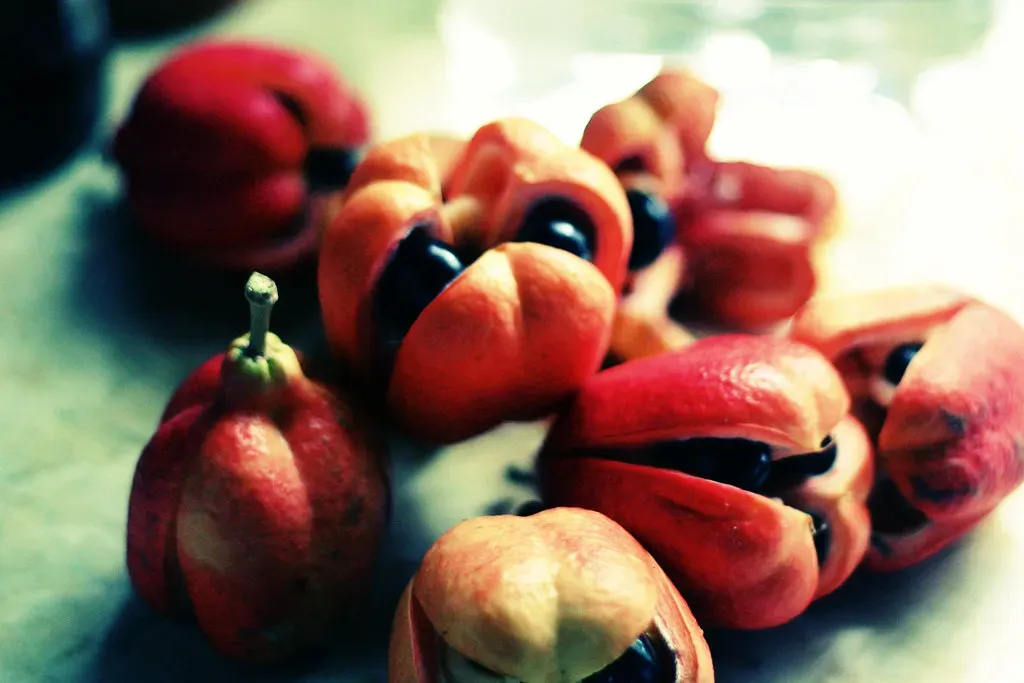
Jamaica’s national fruit has earned itself a grim nickname over the years. Jamaican vomiting sickness, also known as toxic hypoglycemic syndrome, acute ackee fruit intoxication, or ackee poisoning, is an acute illness caused by the toxins hypoglycin A and hypoglycin B, which are present in fruit of the ackee tree. Only the properly ripened, naturally opened fruit is safe to consume.
A green unripe ackee fruit has high levels of hypoglycin A in all its parts at roughly 1000 parts per million. If an ackee fruit has more than 100 parts per million hypoglycin A, the FDA considers it to be adulterated and unsafe for people to eat. The mechanism is insidious. Hypoglycemia most likely results from the inhibition of gluconeogenesis. Metabolism of hypoglycin also produces a toxic byproduct, methylene cyclopropyl acetic acid which inhibits long-chain fatty acid beta-oxidation, resulting in glycogen store depletion.
Others can have severe reactions, such as vomiting with profound hypoglycemia, drowsiness, muscular exhaustion, prostration, and possibly coma and death. The onset of hypoglycemia is delayed for a few hours, but once present rapidly progresses. Deaths have been reported within 12 to 48 hours. Cooking an unripe fruit will not reduce the level of hypoglycin A. For those who want to enjoy this unique fruit, it must be naturally ripened until it splits open on its own.
Raw Kidney Beans: The Slow Cooker Trap
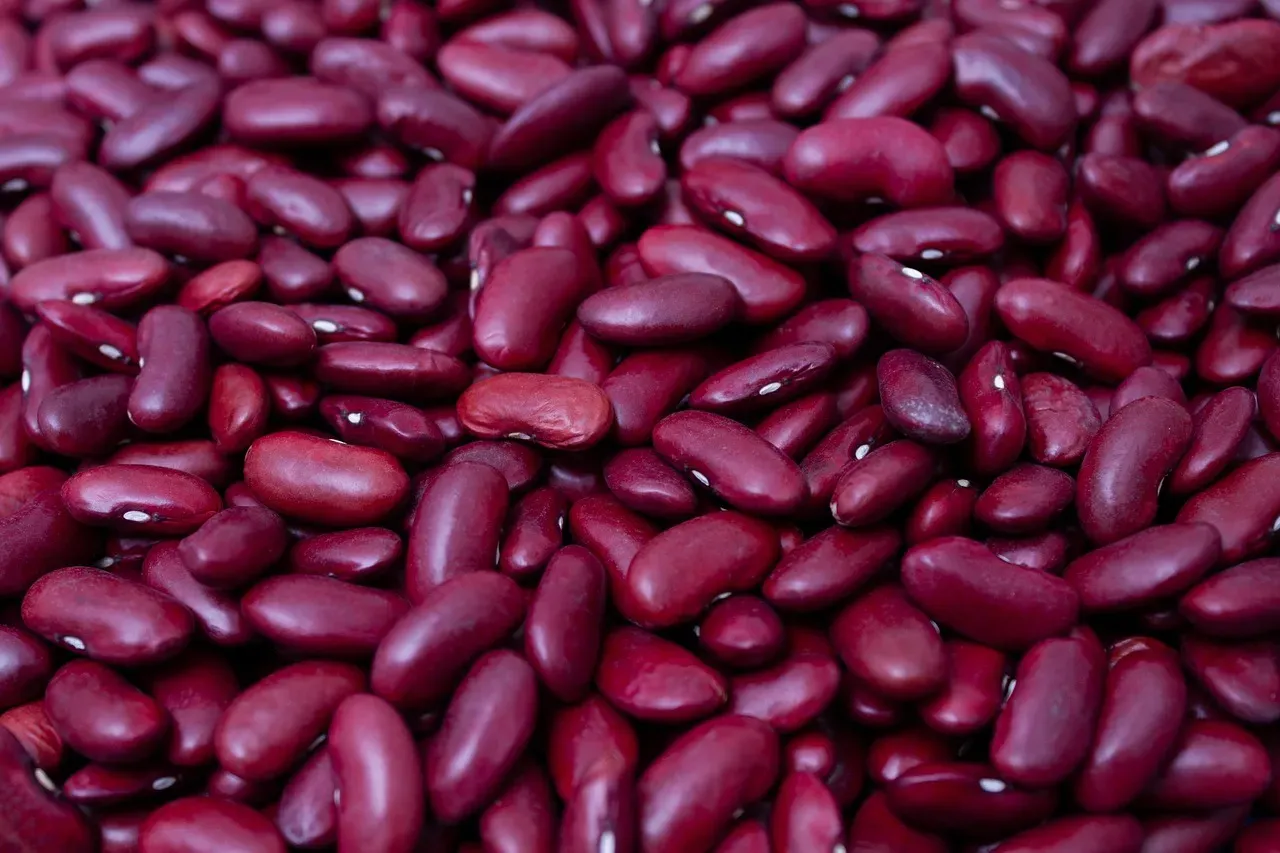
Here’s something that might surprise you. Those seemingly innocent dried kidney beans sitting in your pantry can actually make you quite sick. PHA is found in the highest concentrations in uncooked red kidney beans and another variety, white kidney beans, and it is also found in lower quantities in many other types of common green beans.
Raw red kidney beans have anywhere from 20,000 to 70,000 hau, but that drops to 200 to 400 hau when the beans are fully cooked – not enough to be a problem. The toxin is called phytohaemagglutinin. Symptoms can be induced from as few as four to five raw beans. Symptoms usually begin with extreme nausea and vomiting within one to three hours of ingestion, followed by diarrhea.
The slow cooker danger is real. Insufficient cooking, such as in a slow cooker at 75 °C/ 167 °F, may not completely destroy the toxins. A recent outbreak in France highlighted this risk. Before cooking, the beans were soaked in water for only 1.5 hours and then cooked separately at a low temperature of above 80 degrees C in an oven overnight. The exact temperature was not known but was estimated to be below 100 degrees C. Boil beans in fresh water for at least 30 minutes. The toxin is destroyed when boiled at 212ºF for 10 minutes, but scientists recommend 30 minutes to be certain.
Elderberries: The Berry That Requires Heat Treatment
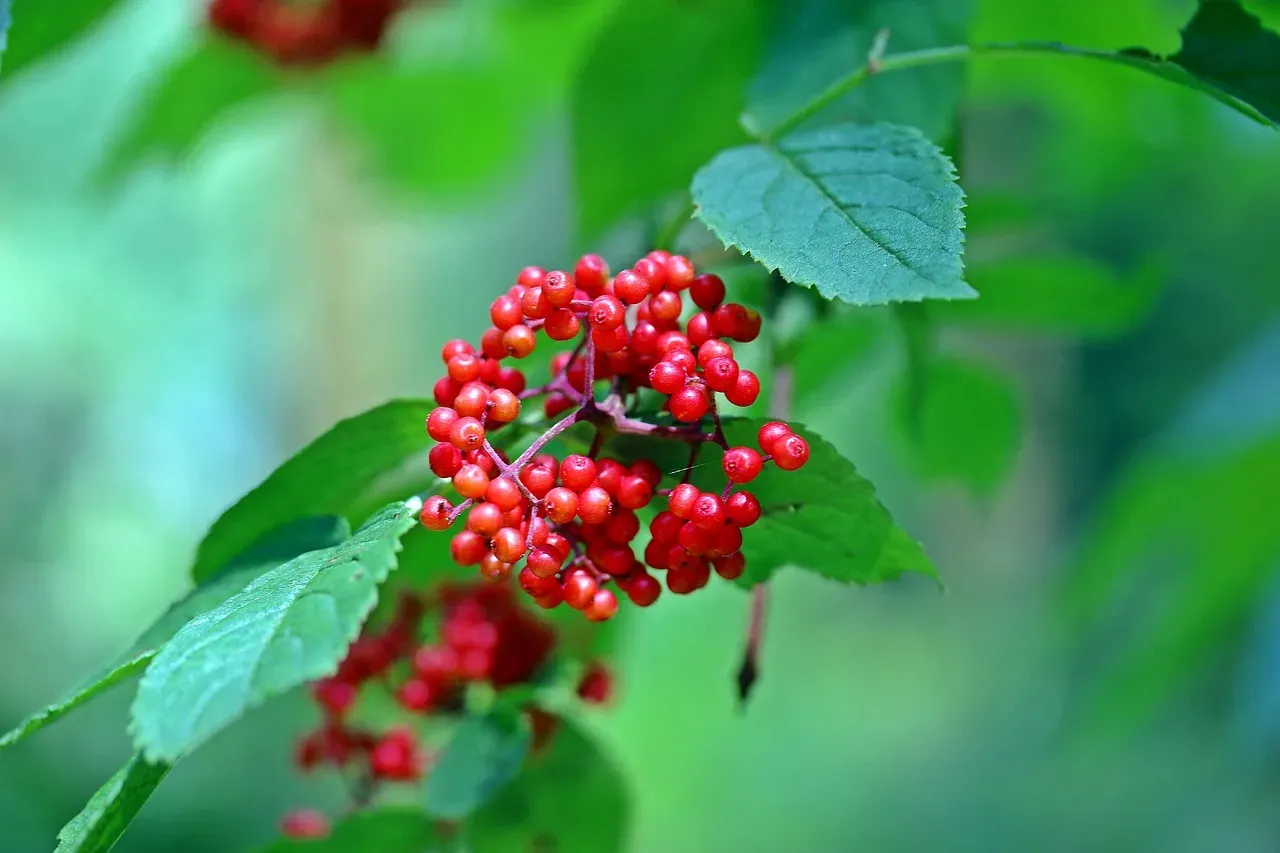
Those pretty purple clusters hanging from elderberry bushes look tempting, yet they hide a toxic secret until properly prepared. Many varieties of elderberries contain toxic compounds called cyanogenic glycosides. You should always cook elderberries before eating them. The leaves, bark and roots of the elderberry plant contain a poison, which is called cyanogenic glycoside sambunigrin, which in contact with water releases hydrogen cyanide.
A review of the medical literature revealed no reports of elderberry juice poisoning in the past 30 years. The Centers for Disease Control and Prevention did issue a bulletin about a poisoning incident on 26 August 1983 involving a group in California attributed to consumption of juice prepared from fresh wild elderberries along with leaves and stems. Eating raw elderberries or drinking raw elderberry juice can cause nausea, and in some instances has led to serious illness and hospitalization. Symptoms of cyanide poisoning include nausea and vomiting, abdominal cramps and weakness. Severe cyanide poisoning can result in dizziness, seizures and even death.
The good news is simple. Cooking elderberries eliminates this risk and makes them safe for eating. Cooking releases a considerable amount of cyanide from the pulp of the fruits that diffuses harmlessly into the air. Commercial elderberry products are generally safe because they’ve undergone proper heat treatment. Always ensure green, unripe berries and all stems, leaves, and bark are completely removed before preparation.
Wild Mushrooms: Nature’s Deadly Lottery
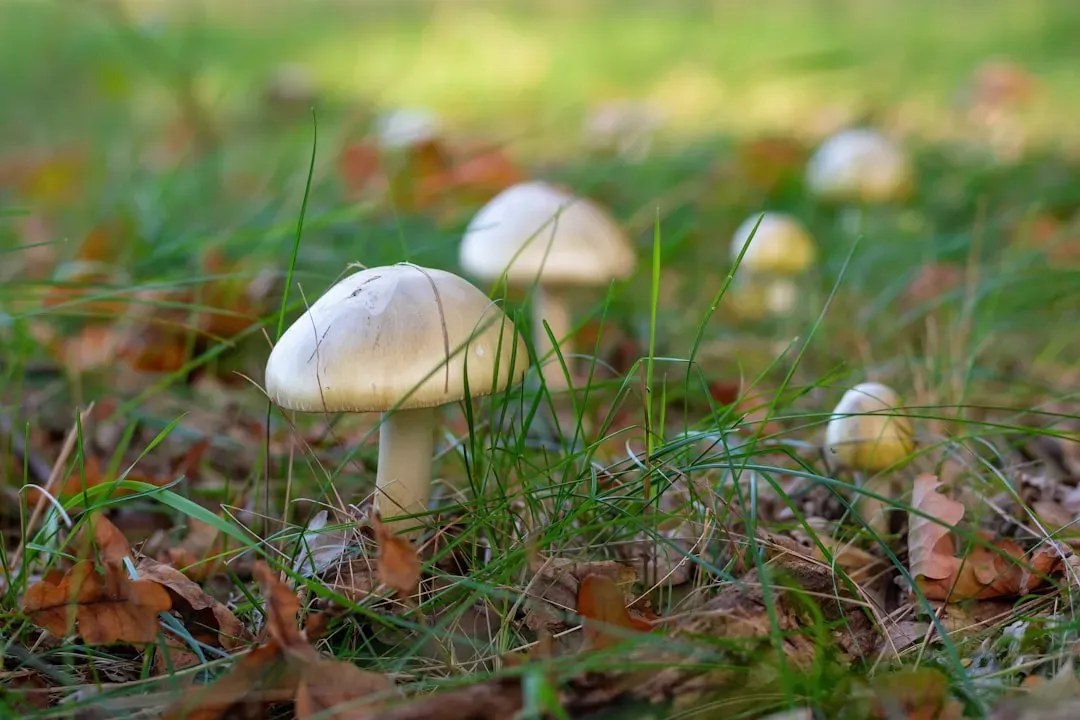
Mushroom foraging sounds romantic until you realize one wrong identification can be your last meal. Death cap mushrooms contain amatoxins that are among the most lethal natural poisons known to humans. Just a small amount can be fatal. The terrifying part? Initial symptoms might seem like mild food poisoning, giving victims false hope.
After consuming death cap mushrooms, symptoms may not appear for roughly six to twelve hours. By then, the toxins have already begun destroying liver cells. There’s a brief period where the victim might feel better, only for organ failure to set in days later. Even with aggressive medical treatment including liver transplants, survival isn’t guaranteed.
Recent years have seen multiple fatalities from wild mushroom consumption across the United States, Europe, and Australia. The mushrooms are sometimes mistaken for edible varieties, particularly by immigrant communities unfamiliar with local species. Even experienced foragers have made fatal mistakes. The only truly safe approach? Never consume wild mushrooms unless you’re absolutely certain of the identification, preferably verified by multiple experts.
Rhubarb Leaves: The Garden’s Hidden Hazard
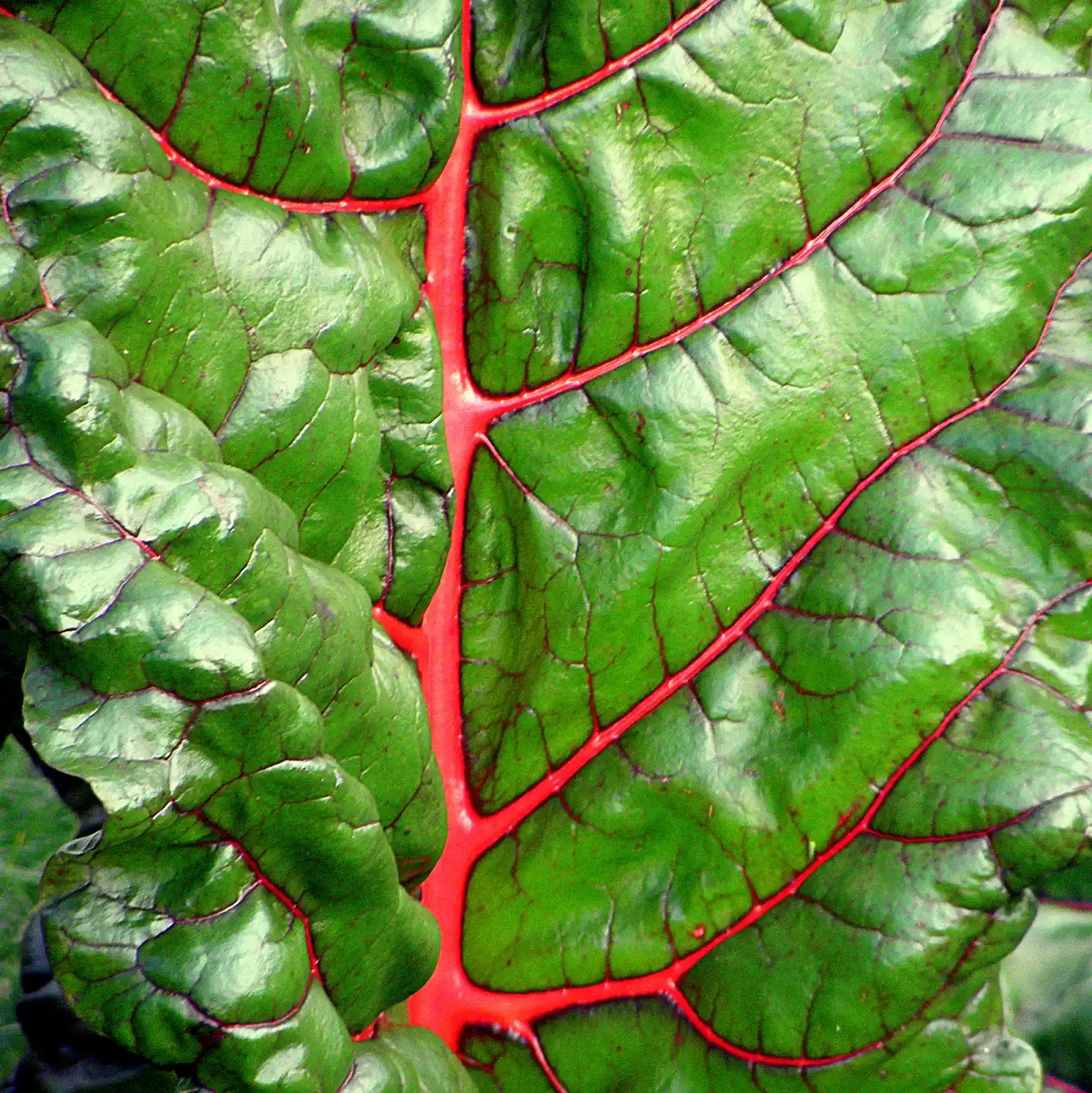
Most home gardeners know to eat the stalks and discard the leaves, yet not everyone understands why. Rhubarb leaves contain high concentrations of oxalic acid, a compound that can cause serious kidney damage when consumed in significant quantities. The stalks are perfectly safe, making this a plant with a clear dividing line between food and poison.
Oxalic acid forms crystals in the kidneys and can lead to kidney failure. Symptoms of rhubarb leaf poisoning include burning sensations in the mouth and throat, nausea, vomiting, diarrhea, and difficulty breathing. In severe cases, convulsions and coma can occur. The lethal dose varies depending on individual factors, but it’s estimated that consuming roughly eleven pounds of leaves could be fatal for an adult.
There have been documented cases of poisoning, particularly during wartime food shortages when people consumed parts of plants they normally wouldn’t eat. The confusion sometimes stems from people not realizing that different parts of the same plant can have vastly different safety profiles. With rhubarb, the rule is simple: stalks only, leaves never. Composting the leaves is fine since the oxalic acid breaks down during decomposition.
Bitter Almonds: The Almond That Isn’t Safe
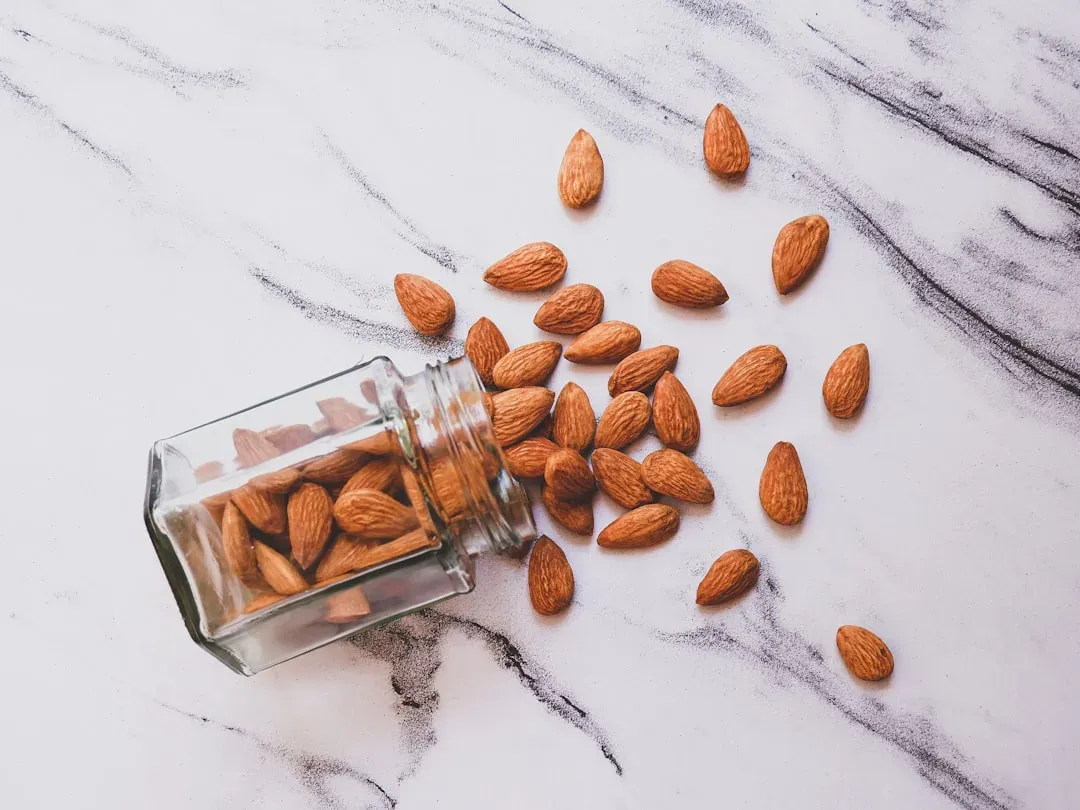
Not all almonds are created equal. While sweet almonds are the ones we snack on regularly, bitter almonds contain amygdalin, a compound that breaks down into hydrogen cyanide when digested. The amount of cyanide in bitter almonds is significant enough that consuming even a small number can cause poisoning, particularly in children.
Bitter almonds have been used historically in small amounts for flavoring, particularly in European baking traditions, yet they must be heat-treated to break down the toxic compounds. Raw bitter almonds are banned for sale in the United States precisely because of this danger. The lethal dose is estimated at around fifty bitter almonds for adults and far fewer for children.
Symptoms of cyanide poisoning from bitter almonds mirror those from other cyanide sources: headache, dizziness, confusion, difficulty breathing, and potentially seizures and loss of consciousness. The key distinction for consumers is knowing that the almonds sold in grocery stores are always sweet almonds, which are safe. However, apricot kernels, which are sometimes marketed as health foods, contain similar compounds and carry similar risks. Always be cautious with any unusual nut or seed products marketed for health benefits.
These eight foods remind us that nature doesn’t always make the distinction between medicine and poison clear. The difference often comes down to knowledge, preparation, and respect for traditional processing methods developed over generations. What looks harmless can harbor serious danger. Have you ever unknowingly prepared something the wrong way?