4 Odd Historical Events That Experts Still Can’t Fully Explain
You ever stumble across a story from history that makes you pause and think, “Wait, that actually happened?” Sometimes the past throws curveballs that defy logic, reason, and even science. We’re not talking about legends or myths that got distorted over centuries. These are documented events with witnesses, records, and physical evidence, yet they remain shrouded in baffling mystery.
Despite the best efforts of amateur and professional archeologists, the ancient world has retained many of its secrets. What makes these four historical oddities so gripping is that modern experts, armed with cutting edge technology and decades of research, still can’t crack the code. So buckle up, because we’re diving into some of the strangest moments that history refuses to fully explain.
The Tunguska Event: A Blast That Flattened 800 Square Miles
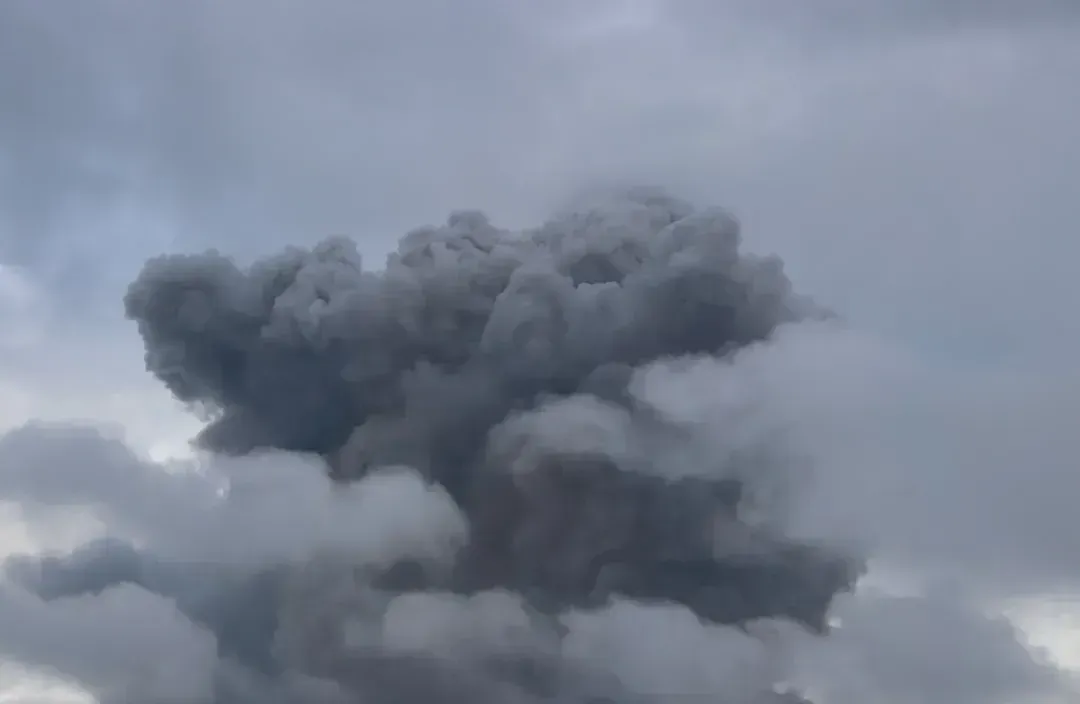
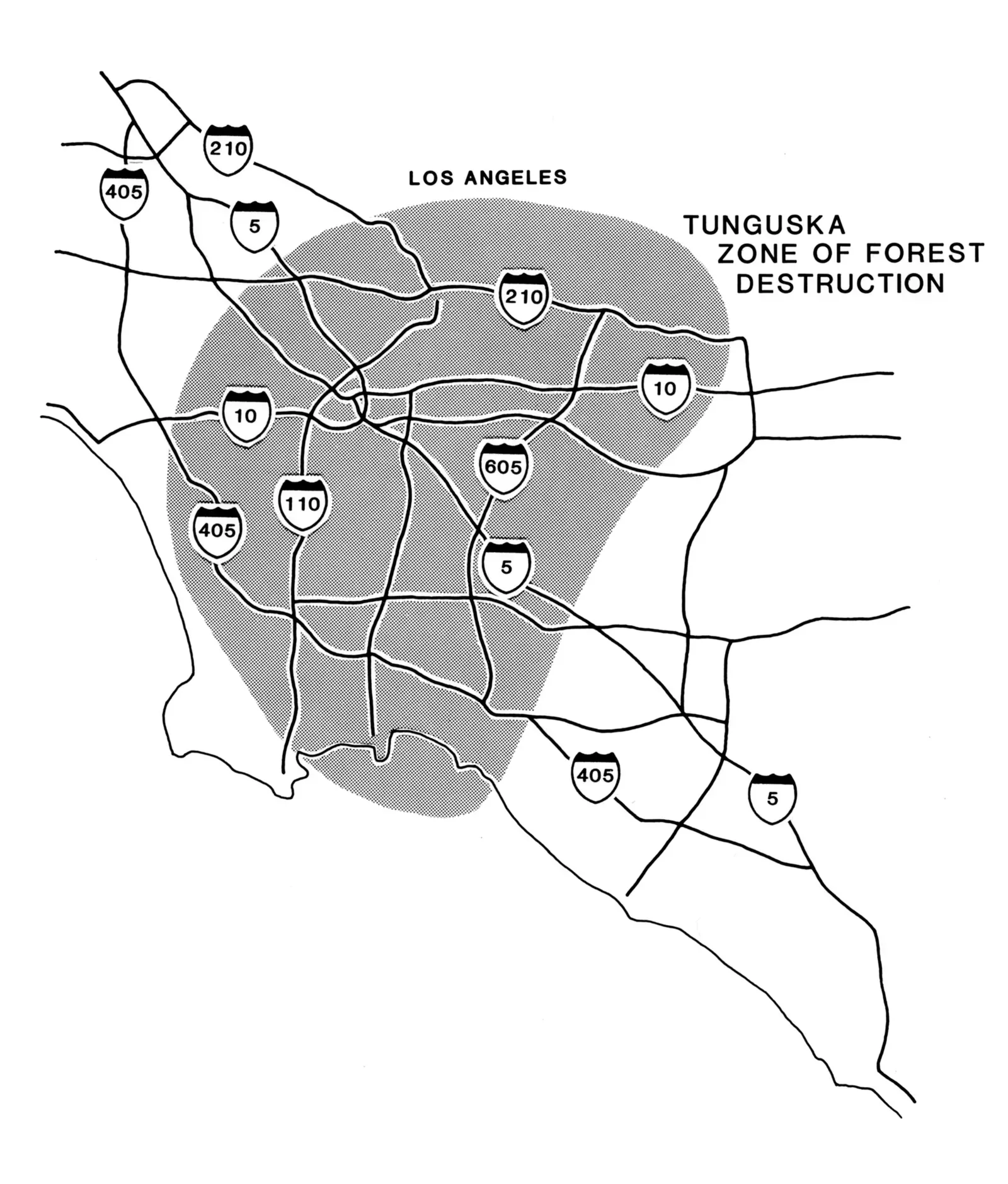
On the morning of June 30, 1908, a large explosion occurred near the Podkamennaya Tunguska River in what is now Krasnoyarsk Krai, Russia. The blast released enough energy to kill reindeer and flatten an estimated 80 million trees over an area of 830 square miles. Witnesses from nearly 500 miles away reported seeing a column of light almost as bright as the sun streaking across the sky, followed by a deafening boom.
Here’s the thing though: no impact crater was ever found. The explosion is attributed to a meteor air burst, the atmospheric explosion of a stony asteroid about 50 to 60 metres wide. In 2023, an asteroid passed within only about one quarter of the Earth Moon distance, discovered just two days after it had passed Earth, with a potential impact energy of around 10 megatons, approximately similar to the Tunguska event; if this asteroid had exploded over a major city, it could have produced much greater damage than at Tunguska in a remote area of Siberia, a reminder of the magnitude of the threat posed by small, difficult to detect bolides that produce highly destructive airbursts.
Recent analysis of samples from a rimmed crater-like feature near the epicenter using scanning electron microscopy revealed evidence of extreme conditions, with findings indicating heterogeneous shock pressures and temperatures that produced various microparticles, including glass microspherules, melted quartz, and melted minerals. Yet even with all this new data from 2025, scientists can’t definitively say what exactly happened or why the object exploded mid air rather than striking ground. It’s one of those events where the more we learn, the more questions pile up.
The Voynich Manuscript: An Indecipherable Book That Might Be Written in Nothing
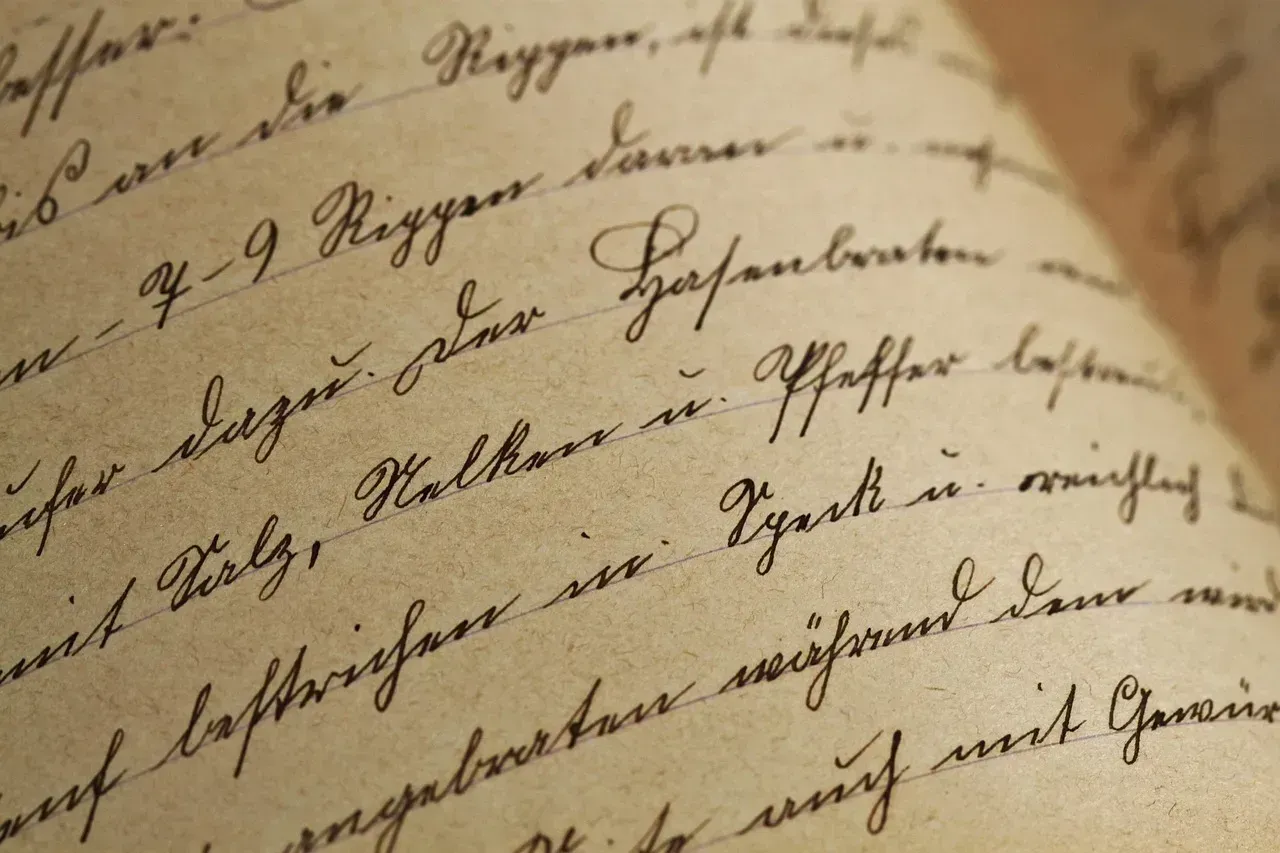
The Voynich manuscript is an illustrated codex, hand-written in an unknown script referred to as Voynichese; the vellum on which it is written has been carbon-dated to the early 15th century; stylistic analysis has indicated the manuscript may have been composed in Italy during the Italian Renaissance. Flip through its pages and you’ll find bizarre botanical drawings of plants that don’t exist, naked women bathing in green liquid, and astrological diagrams that look like fever dreams.
No, the Voynich Manuscript has NOT been definitively decoded, despite splashy headlines every few months; carbon dated to 1404 to 1438 CE, the book is written on calfskin vellum with a unique alphabet called Voynichese. Cryptographers, linguists, and even artificial intelligence have taken their best shots at translating it. Some already suspected that Hebrew was the language behind the script, including the authors of a computer algorithm-based study published in 2016, although experts questioned the methodology used, and no reliable translation was produced.
Multispectral images of the manuscript revealed previously hidden columns of letters on its first page; three columns, two bearing letters of the alphabet and one of unreadable Voynichese characters, appear to have been added by one of the manuscript’s early owners to decrypt its mysterious writing. Even after 2024, researchers continued discovering new layers to this puzzle. Let’s be real: if humanity hasn’t cracked this code in over 600 years, maybe the manuscript was trolling us all from beyond the grave.
The Dancing Plague of 1518: When an Entire Town Danced Itself to Death
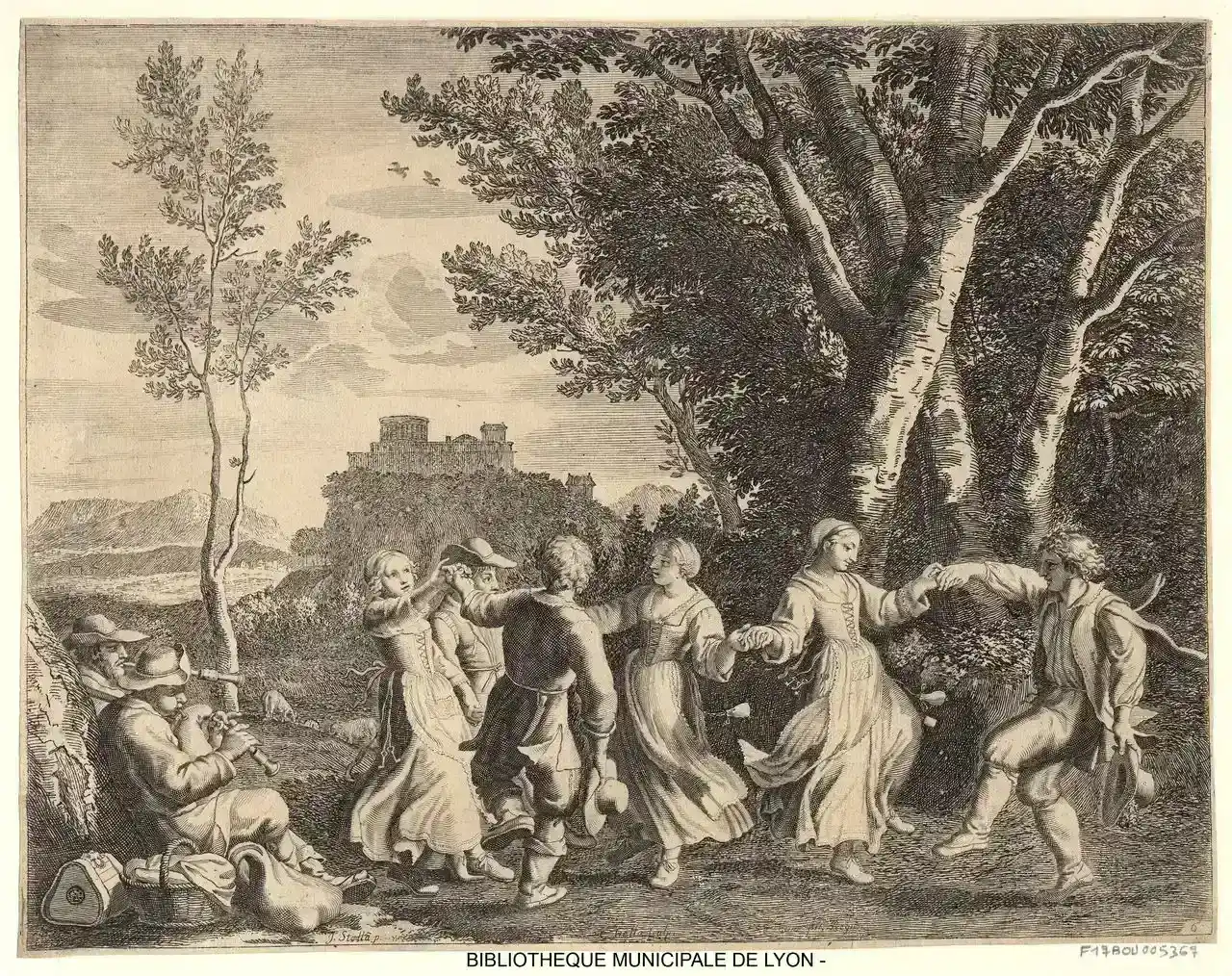
On July 14, 1518, in Strasbourg, Frau Troffea was reportedly seized by spasmodic, convulsive movement outside her home, and continued dancing uncontrollably all day until she collapsed; her husband begged her to stop, but Troffea began dancing again the next day on swollen, bloody feet; over 30 people had joined her by week’s end; within a month, the mob was 400 strong; some accounts noted several dancers died of heart attacks, exhaustion, or starvation each day.
There was no music, no festival, no apparent reason. Just hundreds of people dancing like their lives depended on it, which, ironically, was killing them. Historical documents including physician notes, cathedral sermons, local and regional chronicles, and notes issued by the Strasbourg city council are clear that the victims danced; it is not known why; historical sources agree that there was an outbreak of dancing after a single woman started dancing; it lasted for such a long time that it even attracted the attention of the authorities; the council gave up authority to physicians who prescribed the afflicted to dance themselves free of it; guild halls were refurbished to accommodate the dancing, with musicians and strong people to help keep those dealing with the dancing mania stay upright; this backfired, and the council was forced to ban public dancing.
The most popular theory behind the phenomenon is stress induced mass hysteria, suggested by John Waller; other theories include ergot poisoning. The dancing plague was one of a series of calamitous events to befall Strasbourg’s residents in the early 16th century; floods, unusually extreme temperatures, bubonic plague, strange heavenly portents of doom such as the 1492 comet led to apocalyptic expectations and civil unrest; three years of famine in the years leading up to 1518 prompted peasant uprisings amid many deaths from malnutrition; the dancing began in mid July during an extraordinarily hot summer. Honestly, it sounds like a collective nervous breakdown manifesting through the body. Still, nobody can fully prove why dancing became the outlet instead of anything else.
The Wow Signal: A 72-Second Transmission That Might Not Be Aliens
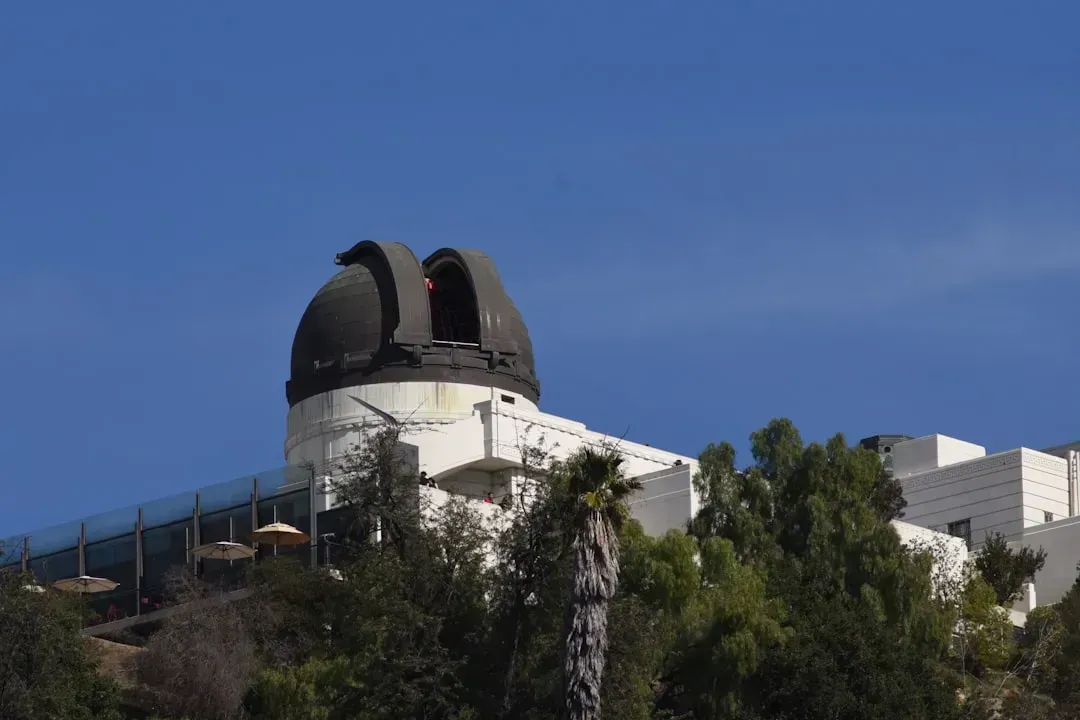
The Wow signal was a strong narrowband radio signal detected on August 15, 1977, by Ohio State University’s Big Ear radio telescope; the signal appeared to come from the direction of the constellation Sagittarius and bore expected hallmarks of extraterrestrial origin; astronomer Jerry R. Ehman discovered the anomaly a few days later while reviewing the recorded data; on the computer printout, he circled the reading of the signal’s intensity and wrote the comment “Wow!” beside it, leading to the event’s widely used name; the entire signal sequence lasted for the full 72 second window during which Big Ear was able to observe it.
The signal’s highest measured value was thirty standard deviations above background noise. That wasn’t some faint blip; it was loud, and it came in at the exact frequency scientists predicted an alien civilization might use to communicate. A paper authored by Mendez and colleagues in 2024 suggested that a transient astrophysical phenomenon could have caused the signal. Using data from the Arecibo survey, researchers found evidence of signals – albeit much weaker but similar to the Wow Signal – emanating from clouds of neutral hydrogen. They proposed that such a signature could have been amplified through a process called superradiance, making it strong enough for the Big Ear telescope to detect. The study suggested that this superradiance event was triggered by an unknown object, such as a magnetar, producing the intense burst of energy detected as the Wow Signal.
This confirms what most have believed since 1977: we have no real clues that point to the presence of aliens in our galaxy. Yet the signal has never repeated, and despite follow-up observations using modern telescopes, we’ve heard nothing remotely similar since. Exactly how this deep space fracas would produce the Wow Signal is not yet fully understood; it has promise, but the details are still pretty scant. So yeah, probably not aliens. Probably.
What All These Mysteries Teach Us About the Past
What ties these four events together isn’t just their weirdness. It’s the fact that they refuse to fit neatly into our understanding of the world. The world is full of mysteries that spark our imagination and challenge our understanding of history, science, and human nature; while some have been explained, others remain unresolved, leaving us with more questions than answers.
These aren’t ancient legends passed down through oral tradition and garbled over time. These are events with witnesses, documentation, and in some cases, physical remnants. Technology keeps advancing, new theories emerge, yet the core mystery lingers. Maybe that’s what makes them so compelling. We want answers, but sometimes history just shrugs and says, “Good luck with that.”
The Tunguska blast reshaped hundreds of square miles but left no smoking gun. The Voynich manuscript has stumped some of the world’s best codebreakers for six centuries. Strasbourg’s dancers moved in unison toward death for reasons we can only guess. The Wow Signal screamed into our telescopes for 72 seconds and then went silent forever. Each one stands as a reminder that even in our hyper connected, data driven age, some questions remain maddeningly out of reach.
And you know what? Maybe that’s okay. Perhaps these unsolved puzzles keep us curious, keep us probing, and remind us that the universe still has a few tricks up its sleeve. What do you think – do you believe we’ll ever solve these mysteries, or are some secrets meant to stay buried?