“Sushi Grade”? The Real Meaning of “Fresh” Fish at Your Local Grocery Store
The Marketing Term That Doesn’t Actually Exist
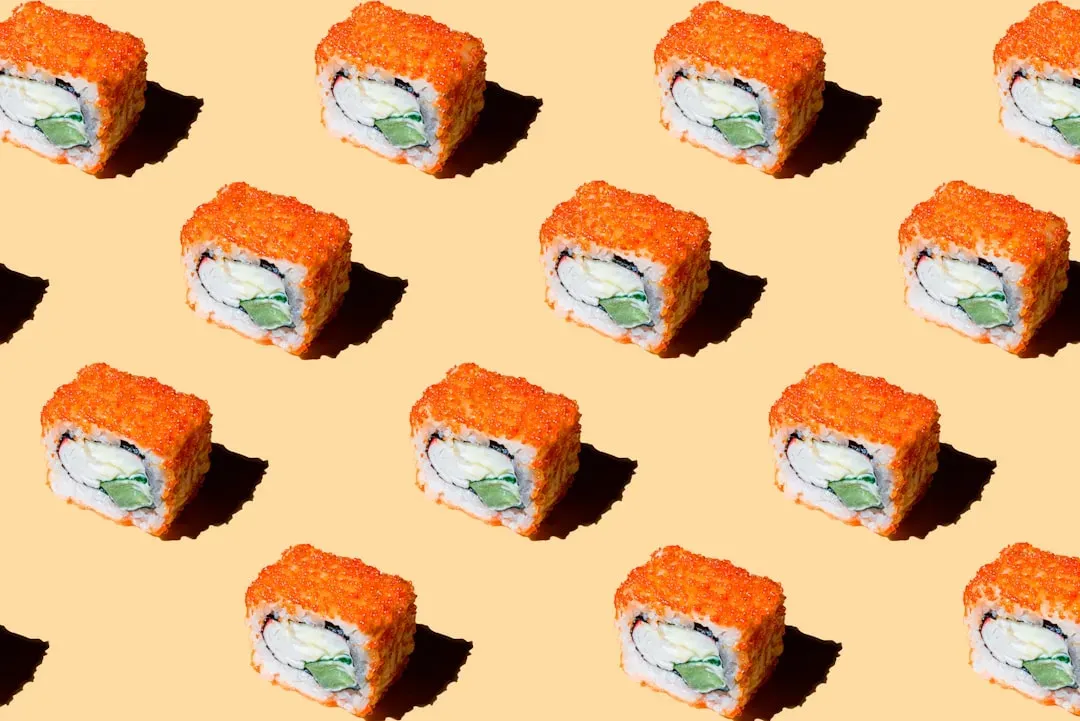
Sushi grade fish is an unregulated term used to identify fish deemed safe for raw consumption. Here’s the thing: when you spot that label at your local seafood counter, you’re looking at something that has no legal definition. The USDA and the FDA do not have any clear regulations as to what makes fish suited for raw consumption, with inspectors only looking for the “parasite destruction guarantee” (which doesn’t apply to bluefin tuna, yellowfin tuna, and farmed salmon).
Whenever you wander into a grocery store or supermarket and see the claim “Sushi Grade”, all it means is that the seller has judged it safe to eat raw, and the claim is only as trustworthy as the market that makes it. Let’s be real, that’s not exactly reassuring. John Burrows, technical director for the Alaska Seafood Marketing Institute, clarifies that “sushi-grade” or “sashimi-grade” are essentially marketing terms.
What “Fresh” Fish Really Means (Spoiler: It’s Been Frozen)
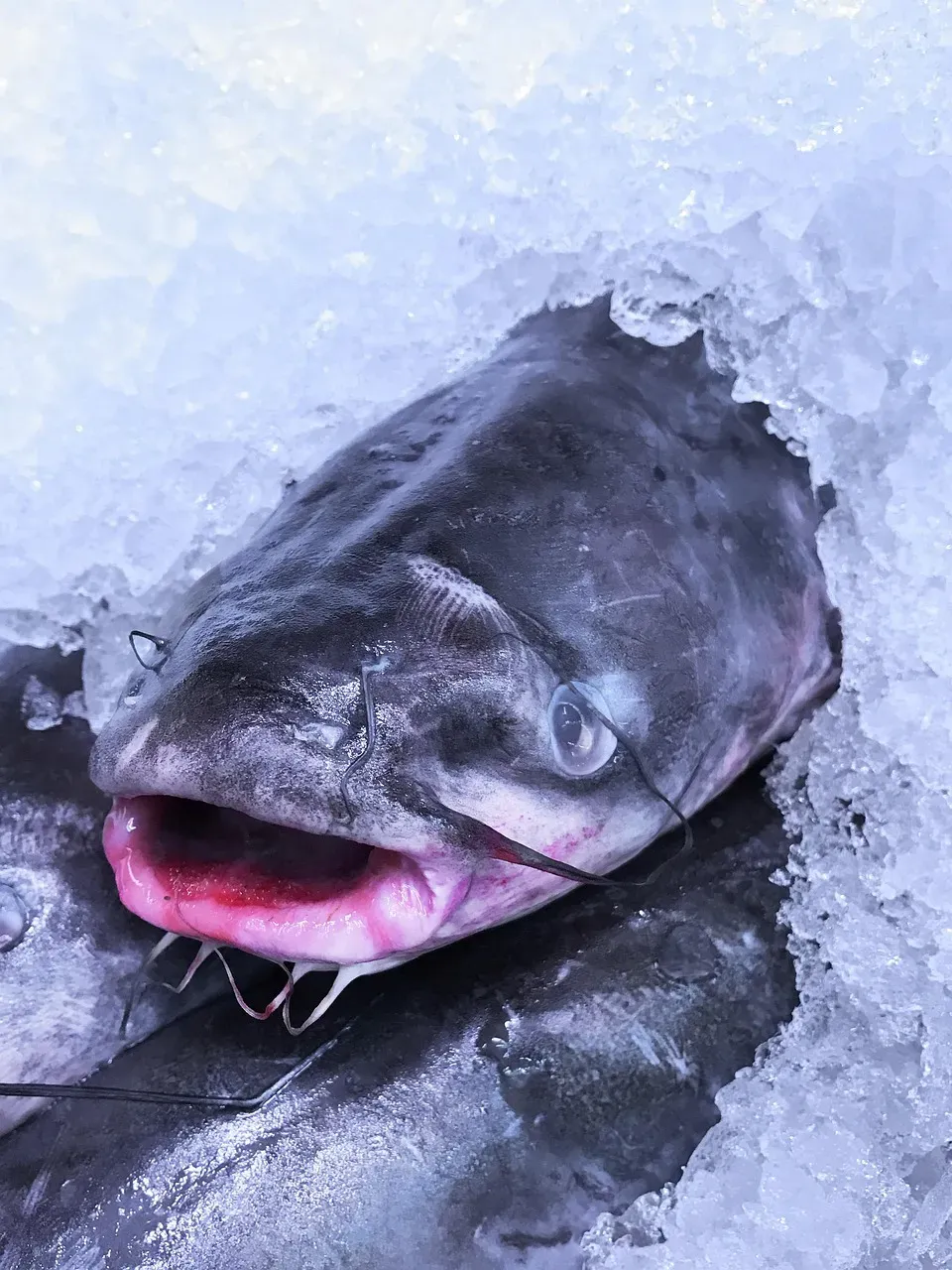
“Fresh” seafood is flash-frozen after being caught (just like “frozen” seafood), transported to stores, then unfrozen and sold as “fresh,” because if it weren’t, there’d be no way to get salmon to, say, Pittsburgh before it started smelling extremely ripe. Honestly, this blew my mind when I first learned it. This leads to a paradoxical situation where frozen fish is actually more fresh than the “fresh” stuff, because while fresh fish has been unfrozen for at least some period of time before you purchase it, frozen fish is thawed and immediately eaten.
While “fresh” fish should refer to fish that has never seen a freezer, this is rarely the case, as the word fresh is usually used for simplicity of marketing purposes, and the fresh fish at the counter of your grocery store is most likely stocked with seafood that has been previously frozen. Due to health concerns, a rising demand for sushi, and drastic improvements in refrigeration techniques, 50 to 60 percent of sushi served in the United States have been frozen at some point in its journey from ocean to plate. So next time you’re paying extra for “fresh,” remember you might just be paying for clever wording.
The Freezing Process That Actually Keeps You Safe
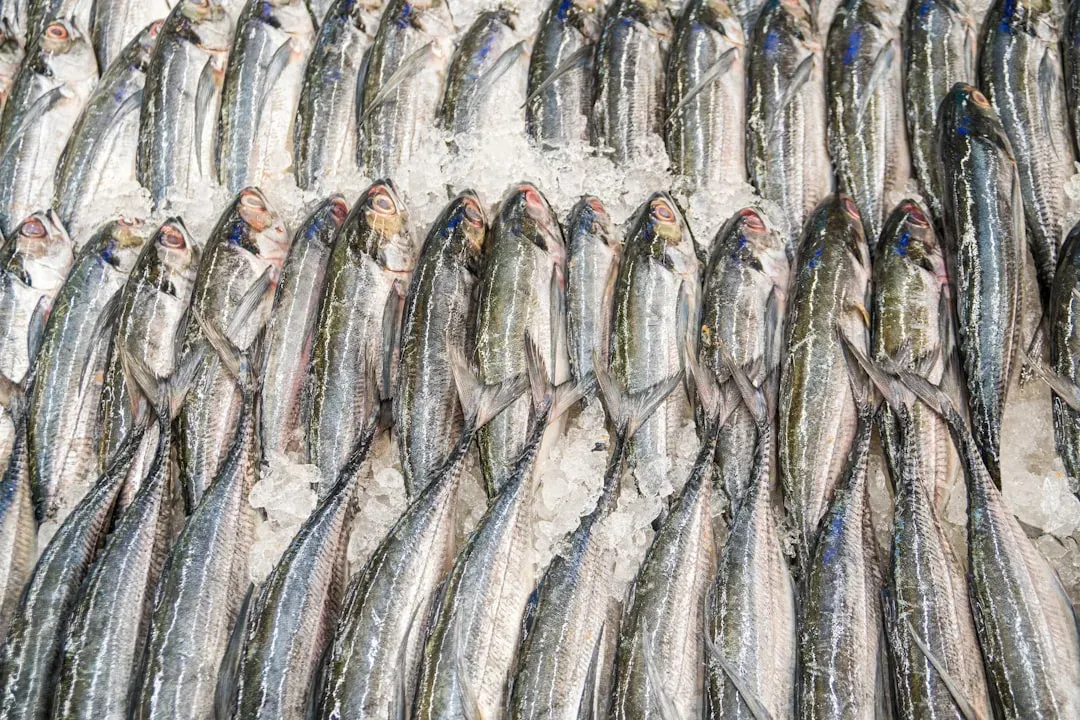
The FDA calls their “Parasite Destruction Guarantee” guidelines for most fish species after they are caught: freezing and storing at an ambient temperature of -4°F (-20°C) or below for 7 days (total time), freezing at an ambient temperature of -31°F (-35°C) or below until solid and storing at an ambient temperature of -4°F (-20°C) or below for 24 hours, or freezing at an ambient temperature of -31°F (-35°C) or below until solid and storing at an ambient temperature of -31°F (-35°C) or below for 15 hours. These aren’t just random numbers. Many of the fish in the wild have parasites living in its flesh, and by flash freezing the flesh, the parasites are killed, while retaining the texture of the fish.
Home freezers range from 0°F to 10°F and may not be cold enough to kill parasites. According to a sushi chef, raw fish must be frozen to -4 degrees Fahrenheit or below for days to effectively kill parasites, and most home freezers cannot do this. That’s why you really shouldn’t just grab any fish from the grocery store and make sushi at home without knowing its history.
The Mislabeling Problem You’re Probably Experiencing
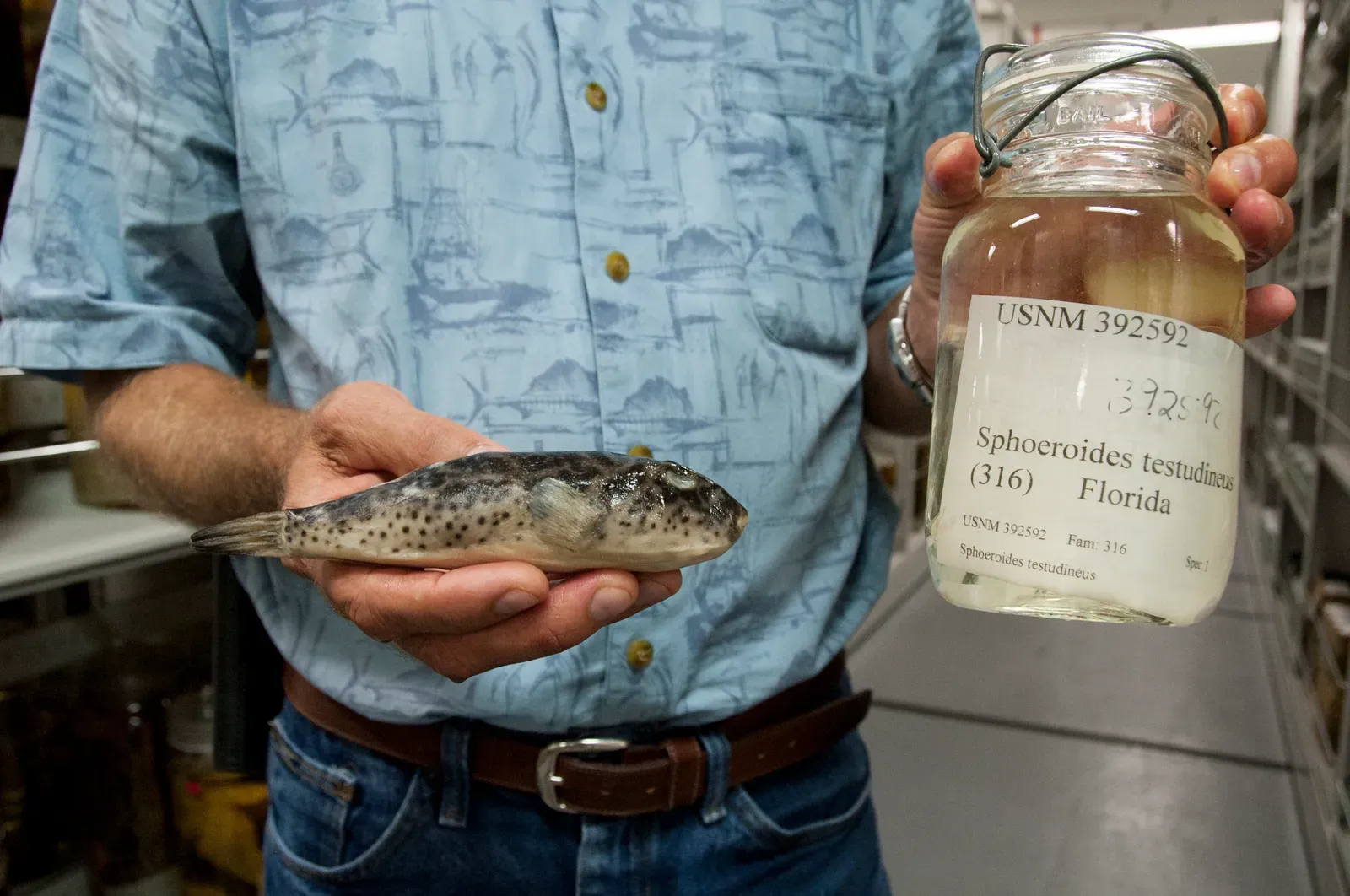
A total of 35 studies, including 4179 samples from 32 U.S. states, were analyzed from 2010 to 2023, showing the overall mislabeling rate was 39.1%, with the majority (60.9%) of samples correctly labeled. That means roughly two out of every five fish products you buy might not be what the label claims. In a January 2024 study, a third of more than 100 frozen samples of shrimp (America’s top-consumed seafood) from Orange County stores were mislabeled and/or weighed less than the packages said.
It can be difficult to determine the species of a fish once it has been fileted and skinned, with some sellers taking advantage of this and substituting a low-valued species for a more expensive one (for example, marketing catfish as grouper). Escolar, a fish sometimes mislabeled as white tuna or sea bass, can cause gastrointestinal issues and has been banned in Japan and Italy, with the substitution happening so people don’t actually know it’s escolar. It’s hard to say for sure, but I think this is one of those areas where consumers really need to stay vigilant.
How to Actually Buy Safe Fish for Raw Consumption
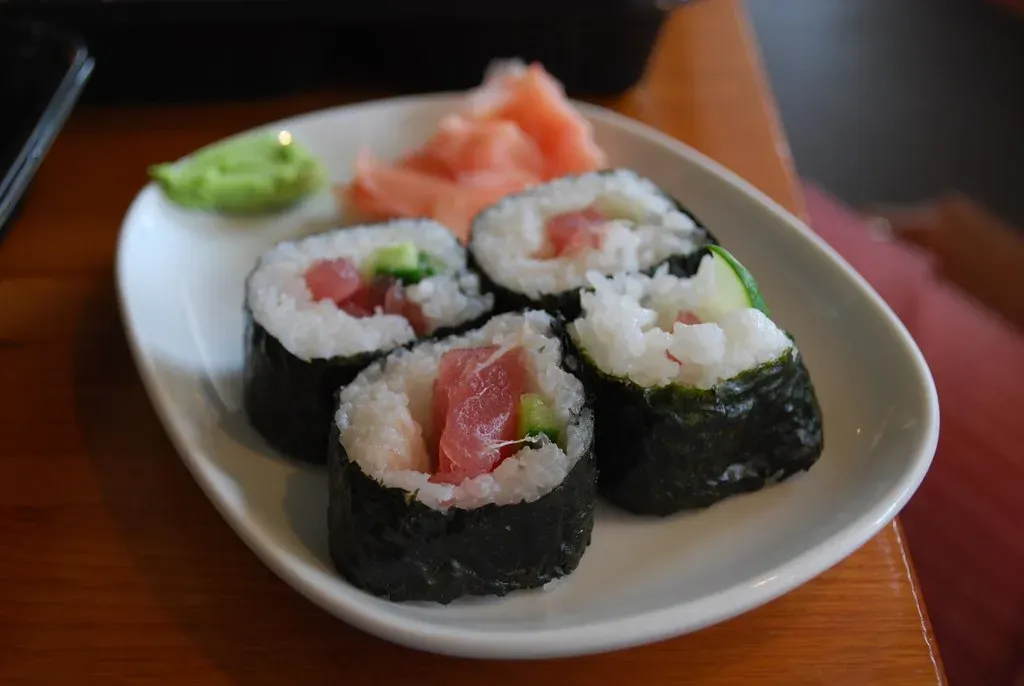
It’s recommended to find a specialty market, fish market, seafood marketplace, specialty Asian market or a higher-end grocery store where you can go where you trust the people behind the counter and can ask them, “Can this be eaten raw?” Don’t be afraid to ask questions. Don’t be afraid to ask the staff where the fish came from, how it was handled, and how long it’s been there, and if the fish was processed at the store, ask if the equipment is sanitized to prevent cross-contamination from non-sushi grade fish.
“Touch and smell – the fish should only smell like the ocean, and the flesh should not be soft or flaky,” says Skylar Roubison of Monterey Fish Market. Fresh or properly frozen sushi fish should have a bright, vibrant hue (rich reds in tuna, deep orange in salmon, and a clean, slightly translucent appearance in white fish), and if the fish looks dull, brownish, or has any discoloration, it may be past its prime. Your senses are powerful tools here, so trust them when something seems off.
What do you think about the fish at your local store now? Next time you’re shopping, will you ask more questions or just trust the label?