The Healthiest Fruits Ranked From Least to Most Nutritious
When you walk down the produce aisle, the rainbow of colorful fruits can be overwhelming. Which ones truly deserve a spot in your grocery cart? While all fruits provide valuable nutrients, some pack significantly more nutritional punch than others. The answer might surprise you, especially when you discover that some of the most popular fruits rank lower than you’d expect, while hidden gems deliver extraordinary health benefits.
Blueberries: Nature’s Tiny Powerhouses
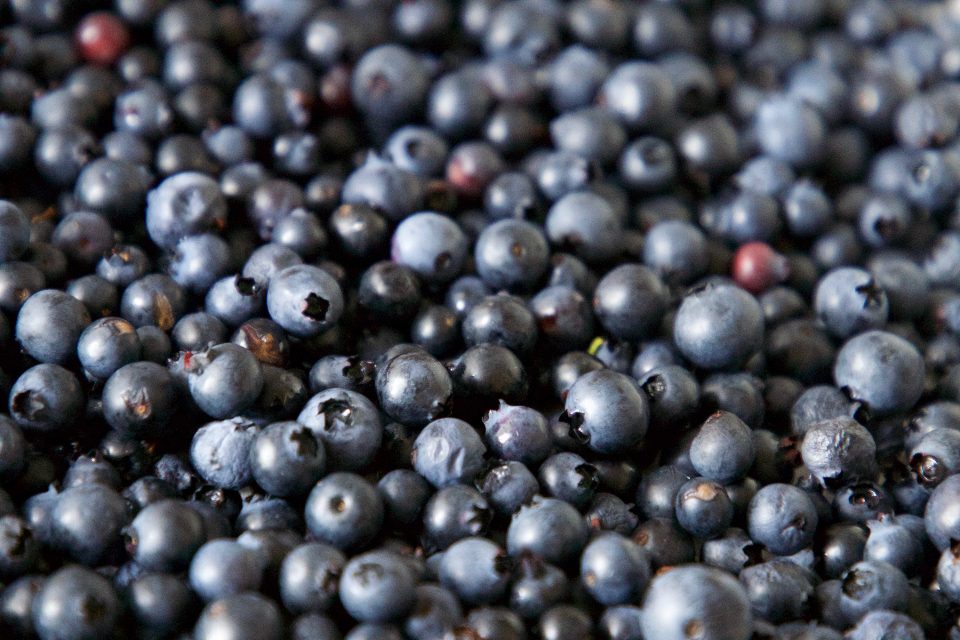
Blueberries take the crown as the healthiest fruit according to many nutrition experts, earning their superfruit status through well-documented benefits. These small berries have been linked to a lower risk of heart disease and Type 2 diabetes, and improvements in cognitive performance. In a twin study, those who ate more blueberries consistently had less body fat than their genetically identical siblings who ate fewer. Their bold color signals high levels of anthocyanins and polyphenols which are potent phytochemicals that provide nourishment for beneficial gut bacteria.
Strawberries: The Vitamin C Champions

Just eight strawberries provide a full day’s worth of vitamin C, an antioxidant involved in immune functioning and skin and joint health. There’s also evidence that strawberries may reduce markers of harmful inflammation and improve total and LDL cholesterol among people with high baseline levels. However, strawberries are a good source of vitamin C, very low in calories, and you can include them in both sweet and savory dishes. These heart-shaped berries are an excellent source of fiber and various vitamins and minerals, including vitamin C, along with various bioactive compounds that have been shown to play a role in human health promotion and disease prevention.
Raspberries: The Fiber-Rich All-Stars

Raspberries are among the most nutritious fruits when evaluated calorie-per-calorie, offering exceptional nutrient density. Blackberries and raspberries are high in fiber so great for digestive health. Nutritious fruits can also help you lose weight because they are dense in fiber, which can increase satiety and help keep calories down while maintaining fullness. These berries stand out for their exceptional balance of nutrients relative to their caloric content.
Blackberries: The Antioxidant Powerhouses

Rich in vitamins C and K, manganese, fiber and heart-healthy compounds called anthocyanins, blackberries are one of the most nutritious fruits you can eat. Like other berries, blackberries contain health-boosting anthocyanins and many seeds, so they have a high fiber content, which means they can help improve gut health and heart health. Berries rank highest on the list for healthiest fruits to consume on a regular basis because they offer higher amounts of antioxidants, vitamins, minerals, and fiber than other fruits.
Tomatoes: The Lycopene Leaders

Although it didn’t rank as high as some fruits, tomatoes are one of the most powerful fruits on nutritional lists, containing a high amount of lycopene which gives the tomato its color and has been the subject of research for its ability to protect the body in unique ways. According to the CDC powerhouse ranking, tomato scored 20.37, though among fruits specifically, lemon ranked highest at 18.72. The lycopene content in tomatoes has been linked to reduced risk of certain cancers and cardiovascular disease.
Lemons: The Citrus Cleansers

Not far behind on the list of healthiest fruits is the lemon, ranking 18.72, though lemons often get written off as just being a garnish despite packing a lot of nutritional punch. Lemons are high in vitamin C, folate, potassium and flavonoids, which may help reduce your risk of cognitive decline by enhancing circulation and helping to protect brain cells from damage. Lemons are also thought to support weight loss and healthy cholesterol levels.
Oranges: The Classic Vitamin C Sources

Oranges scored 12.91 and are generally a great source of vitamin C, with oranges having the edge over limes in this regard, as vitamin C is a powerful antioxidant crucial for many essential body functions, especially healing, and is thought to help boost the immune system and combat urinary tract infections. Almost no other fruit is as rich in vitamin C as oranges, making them one of the best foods that boost the immune system, plus they’re high in bone-building calcium, a rare find in fruit nutritional profiles.
Watermelon: The Hydration Hero

Watermelon has so many health benefits, starting with hydration since it’s ninety-two percent water, and what makes watermelon an extra great hydration helper is that it’s also a source of potassium and magnesium, two minerals that function as electrolytes to help balance fluid levels and offset excess sodium in your diet. Since watermelon is made primarily of water, eating it is a great way to stay hydrated, plus it’s packed with lycopene, a natural antioxidant, as well as vitamin A, vitamin C and various antioxidants that play a large role in promoting skin health.
Grapefruit: The Blood Sugar Balancer
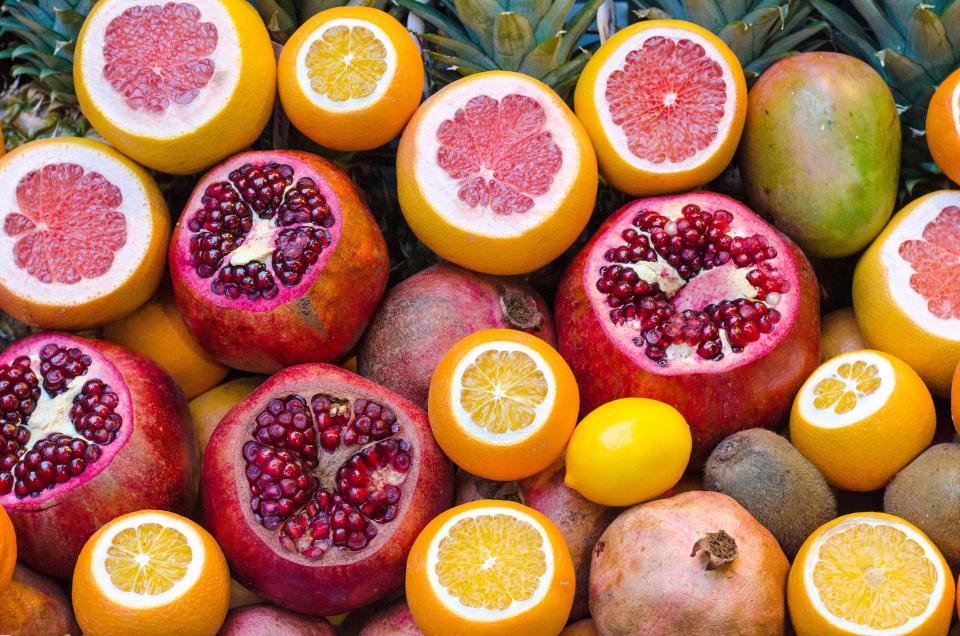
The pink and red grapefruit varieties rank higher than white grapefruit, and while grapefruit can be an acquired taste due to its sourness, it has high fiber content and high water content, meaning it can help regulate blood sugar levels. A 2017 review study suggests the compounds called furanocoumarins found in grapefruits can help protect against oxidative stress and tumors, and they may support healthy bones, with some research suggesting that grapefruit furanocoumarins may have anticancer properties.
Apples: The Fiber-Friendly Favorites
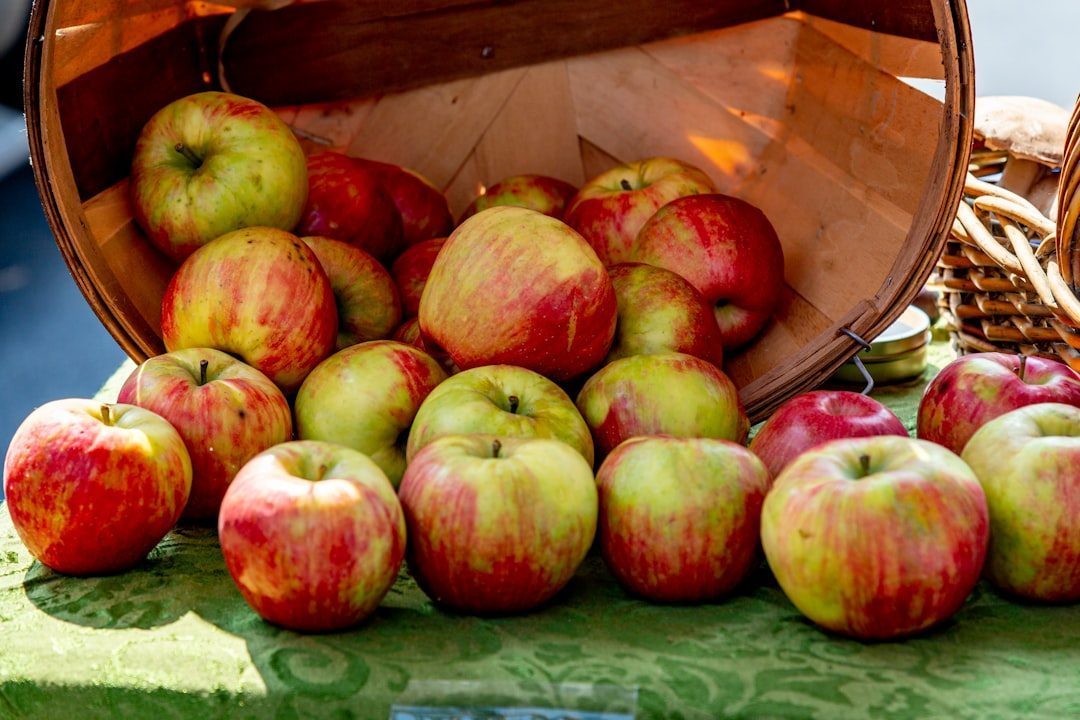
Fiber-rich apples promote healthy digestion, and it’s hard to find a more filling snack with fewer calories than a big, crisp apple, as that fiber content can help stabilize your blood sugar and cholesterol. Eat apples with the skin on for the greatest health benefits, as apples are high fiber fruits, meaning that eating them could boost heart health and promote weight loss. Similar to blueberries, apples are full of fiber, vitamin C and polyphenols, a type of antioxidant.
Though every fruit offers unique nutritional benefits, understanding these rankings can help guide your choices toward maximum health impact. Research shows that eating a minimum of four to five servings per day can help boost your mood, and may also reduce your risk for heart disease, obesity and type 2 diabetes, while fruit can also lower your overall mortality risk. What do you think about these surprising rankings? Tell us in the comments which fruits will make it into your regular rotation.
Bananas: The Potassium Powerhouses for Active Lives

If you’ve ever seen a marathon runner grab a banana at the finish line, there’s solid science behind that choice. Bananas pack a serious potassium punch – about 422 milligrams per medium fruit – which makes them absolute champions for muscle function and recovery. That potassium doesn’t just help prevent those painful leg cramps after workouts; it also plays a crucial role in regulating blood pressure and supporting heart health. What’s even more surprising is that bananas contain resistant starch, especially when they’re slightly green, which acts like fiber in your digestive system and can actually improve insulin sensitivity. Plus, they’re one of nature’s most convenient snacks since they come in their own biodegradable wrapper. The natural sugars in bananas provide quick energy without the crash you’d get from processed sweets, making them perfect for that mid-afternoon slump when you need a pick-me-up.