6 Plants You Shouldn’t Water, Feed, or Trim in Summer (Even Though Many Gardeners Do)
Summer feels like prime gardening season, and that enthusiasm is completely understandable. The beds look lush, the sun is blazing, and the urge to water, feed, and snip everything in sight is almost irresistible. The problem is that this seasonal eagerness backfires badly with certain plants, and the consequences can range from a disappointing lack of blooms to outright plant death. These are six plants that gardeners routinely over-manage in summer, and why stepping back is the smartest thing you can do.
1. Lavender
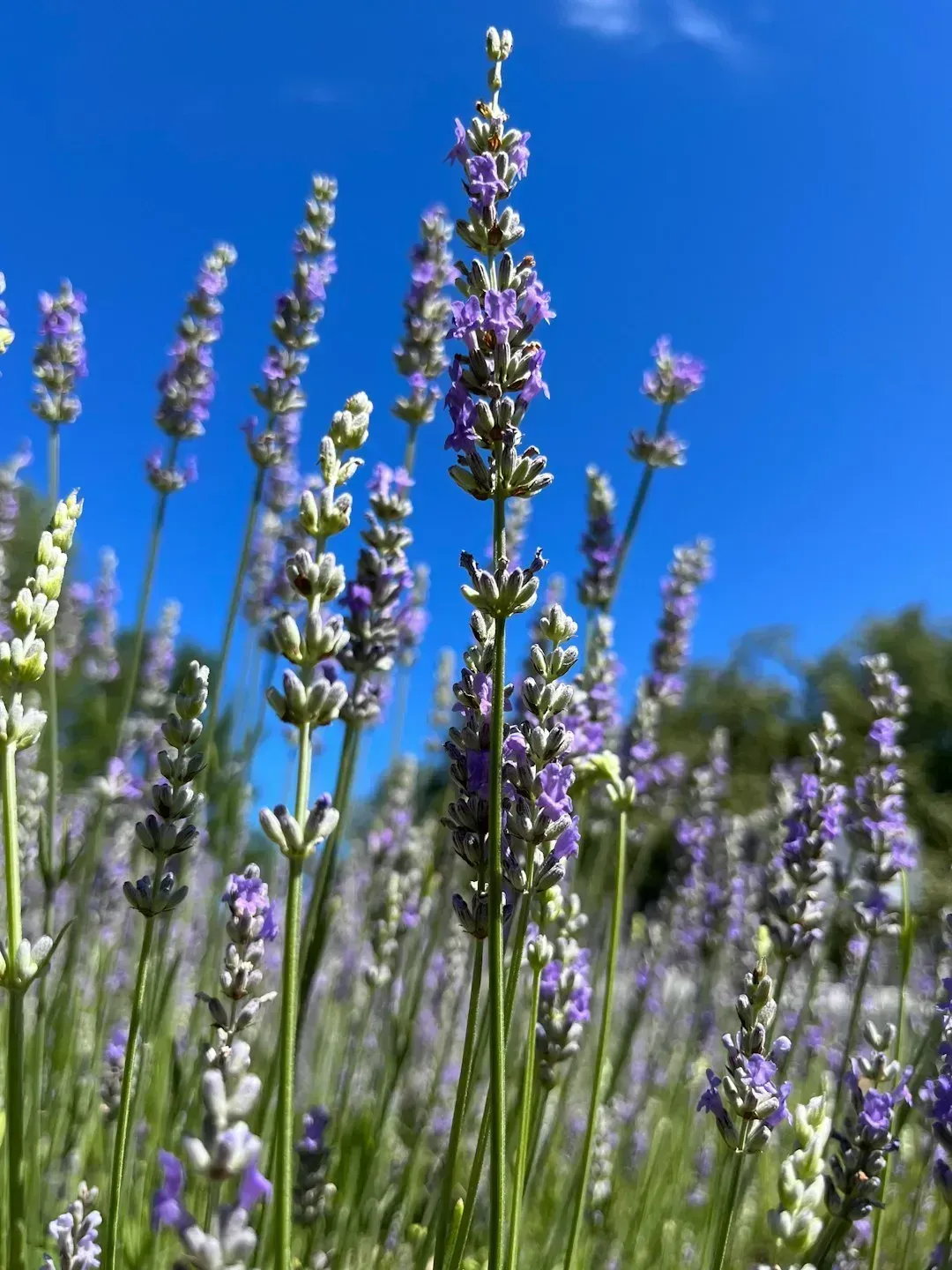
Too much water for plants that thrive in dry conditions, such as lavender, can lead to root rot. This is one of the most repeated mistakes in summer gardening, and it keeps happening because lavender looks so delicate that gardeners assume it needs constant moisture. In reality, it is a Mediterranean plant built for drought, poor soil, and long dry spells. Mediterranean herbs like lavender prefer drier conditions and can suffer from overwatering.
Lavender and other Mediterranean plants prefer drier conditions, and overwatering these plants leads to root rot and reduced essential oil production. Established lavender might need watering only every 2 to 3 weeks, even in summer. The same restraint applies to feeding. Some perennials actually thrive in poor quality soil when nutrition is lacking, so avoid fertilizing those perennials. Lavender is firmly in that camp. Applying fertilizer in summer pushes it to produce soft leafy growth rather than the tight, aromatic foliage it is known for.
2. Succulents
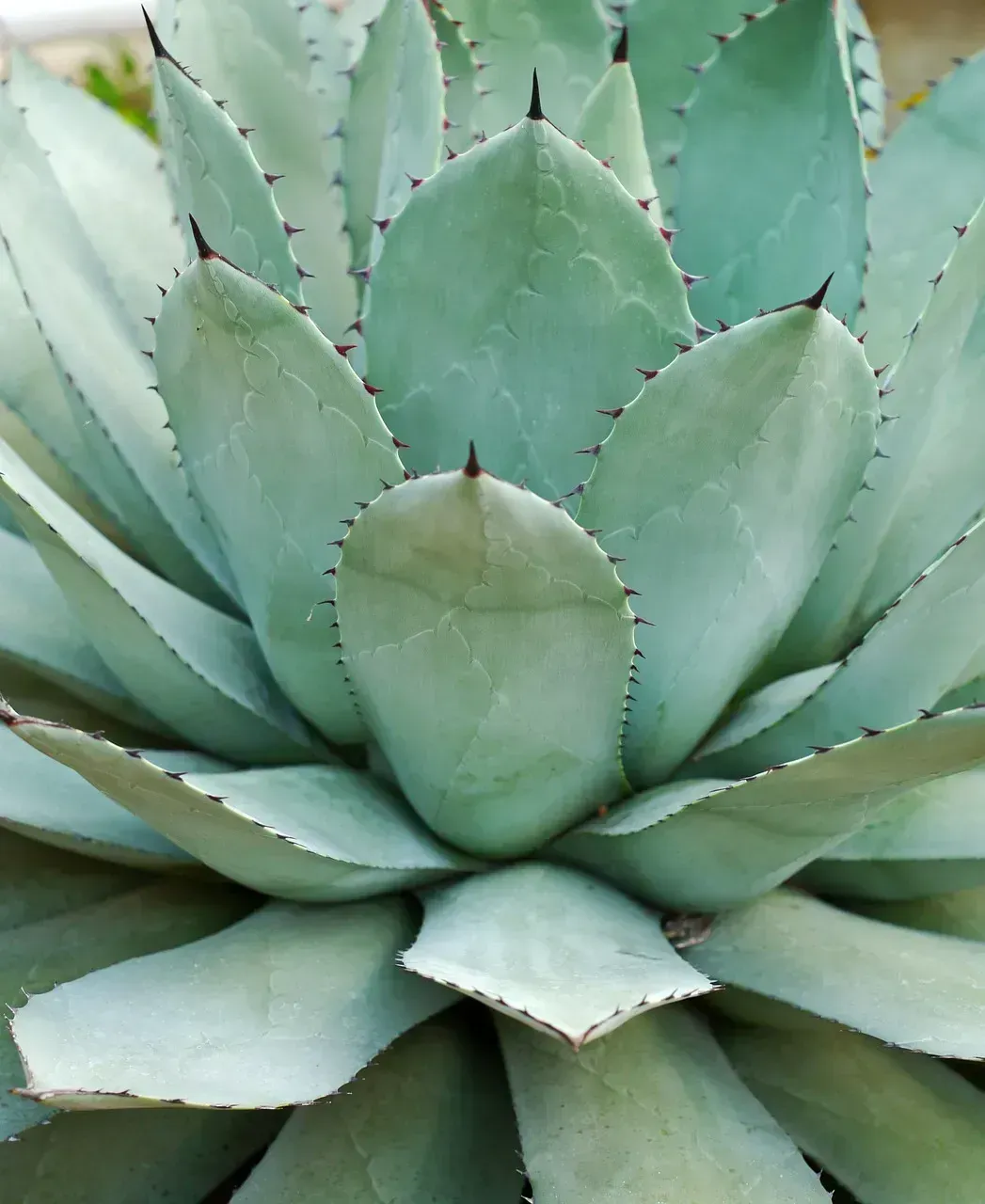
One of the biggest mistakes gardeners make in summer is watering succulents too often. While it’s true that plants need more water during the growing season, succulents still prefer the “soak and dry” method. The appeal is obvious: summer heat makes gardeners feel every plant must be constantly hydrated. Succulents fool people into thinking they are struggling when they are simply storing reserves and doing exactly what they are designed to do.
Overwatering causes the soil to remain wet for too long, which deprives roots of oxygen and leads to root rot. Succulents store water in their leaves and stems, so they can survive long dry periods. When the soil stays wet, the roots rot quickly and the plant may die. Feeding in summer is equally counterproductive. Fertilizing in high temperatures can actually injure plants by restricting their ability to take up water, resulting in physical burns and visible damage. Additionally, because plants are trying to conserve energy rather than grow during hot weather, they won’t actually be able to use the fertilizer you give them.
3. Bigleaf Hydrangeas
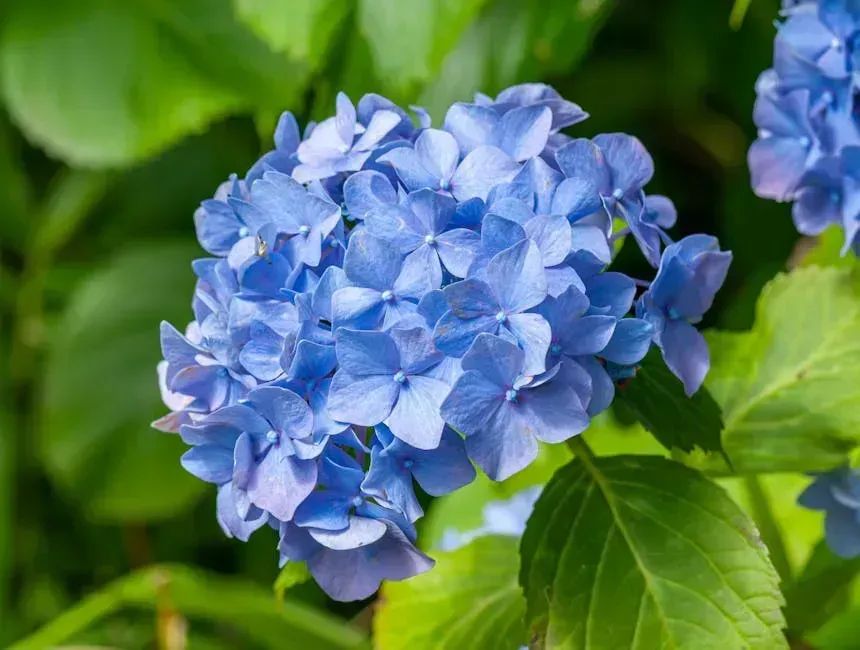
One common misconception about hydrangeas is that you can prune them throughout the season to keep them shorter. That goes against proper pruning guidance. The best advice is not to do it, or you’ll risk cutting off the flower buds. Many gardeners reach for the pruners the moment a hydrangea looks a little untidy in midsummer, not realizing they are wiping out next year’s flowers in a single afternoon. Hydrangeas start growing their flower buds after they’ve finished blooming, in late summer and early fall, so they produce flowers on the “old wood” grown the previous year.
The first rule of thumb is to not over-fertilize your hydrangea plants. One application of granular fertilizer in spring or early summer is recommended, following package instructions afterwards. If you over-fertilize, it can burn the root system of your hydrangea bushes and actually inhibit bloom production. In the afternoon sun, hydrangea foliage can become droopy, which gardeners often respond to by flooding the area with water. Instead, take a break and return in a few hours. After the sun has been off the plants for a while, the foliage will rehydrate and perk back up. Collapsing foliage temporarily is a way a plant protects itself from the beating sun.
4. Rhododendrons
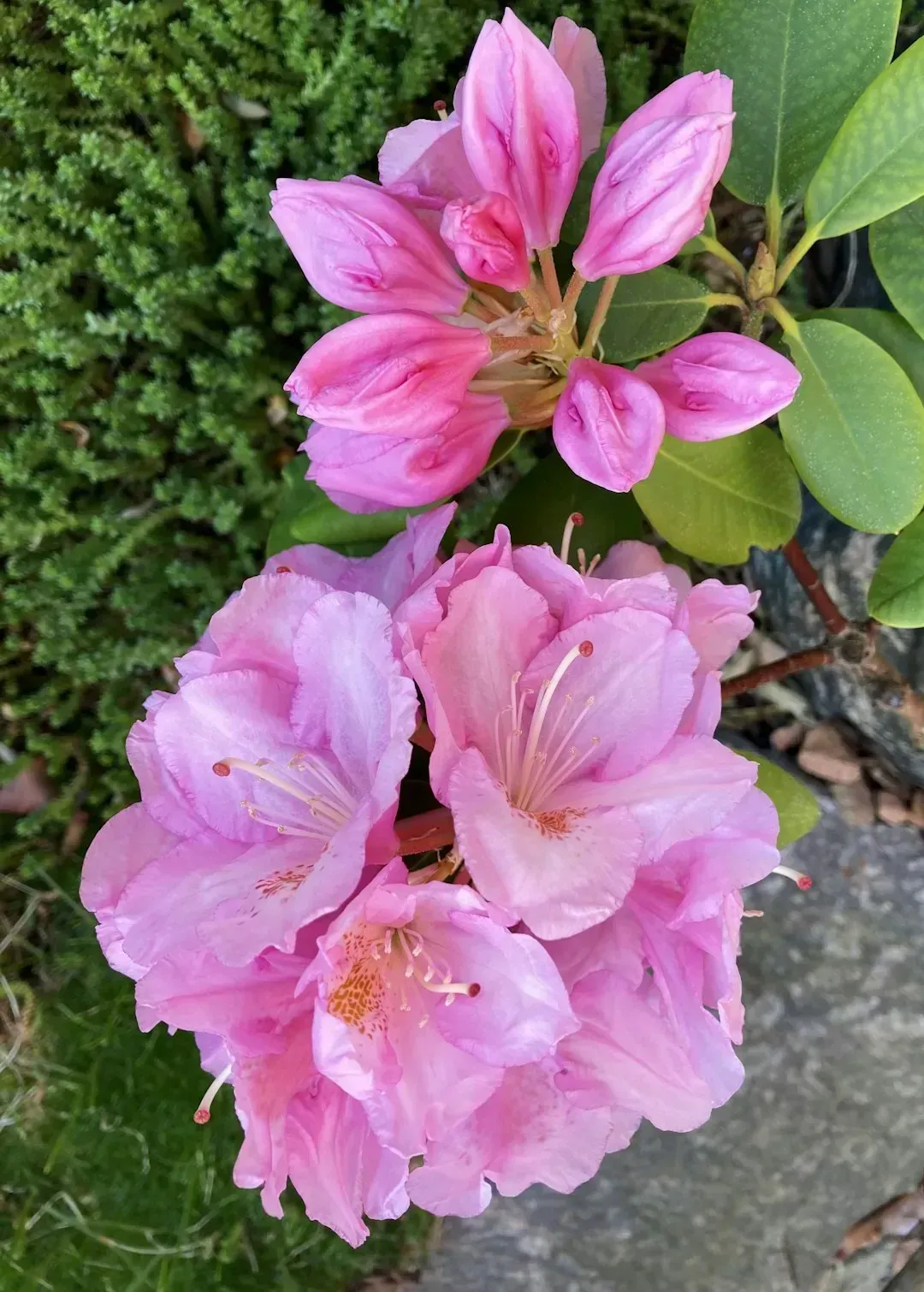
Rhododendron is a group of woodland shrubs, most of which bloom in spring and come in a range of sizes. They grow well in shade and are hardy in USDA zones 3 through 8. Rhododendrons don’t need a lot of pruning. Any light pruning should be done soon after flowering, which may well stretch into early summer. Pruning rhododendrons any later will diminish next year’s flowers. This is a plant that sets next season’s buds remarkably quickly after blooming, so there is a very narrow acceptable window for pruning. Most gardeners miss it entirely.
If ornamental plants are drought or heat stressed, summer fertilizing can do more harm than good. When the temperature soars, plants may suddenly lose their comfort zone. Rhododendrons are especially sensitive to this because their shallow root systems sit close to the soil surface and are easily damaged by fertilizer salts in hot, dry conditions. Never apply fertilizer if the plant is heat or drought stressed. Allowing a rhododendron to simply rest through the hottest months, with its buds already quietly forming, is far better than prodding it with nutrients it cannot use.
5. Rosemary
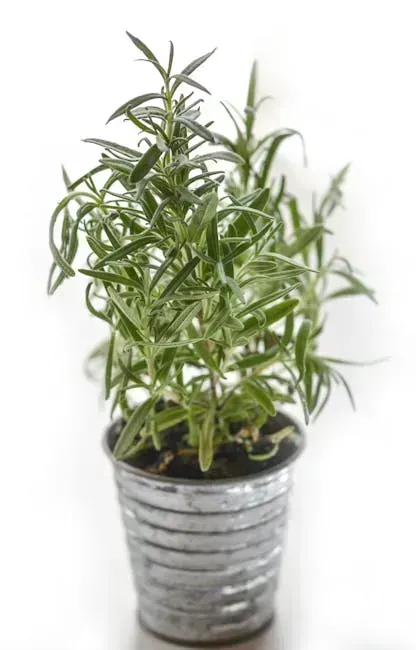
Overwatering encourages root rot in rosemary. The entire plant will become limp and its terminal shoots die off. Because rosemary looks structurally similar to many water-hungry herbs, it gets grouped in with basil or parsley in watering routines. That is a serious mistake. Treat rosemary like a cactus. Established plants survive on half an inch of water every 2 to 3 weeks in summer. Overwatering is death sentence number one.
Trimming rosemary aggressively in the heat of summer is equally damaging. Left unpruned, rosemary will become leggy, woody and bare at the base. As they don’t usually recover from heavy pruning, old straggly plants are best replaced. Prune rosemary after flowering to maintain a good shape and dense growth, trimming it back lightly every year after the flowers fade, but avoid cutting back into old wood. This is a task for late spring, not the peak of summer heat. Rosemary shrubs growing in the ground do not need fertilizer, but a potted plant will run out of nutrition more quickly, so feed with an all-purpose balanced fertilizer after flowering.
6. Spring-Blooming Ornamental Shrubs (Lilacs and Forsythia)
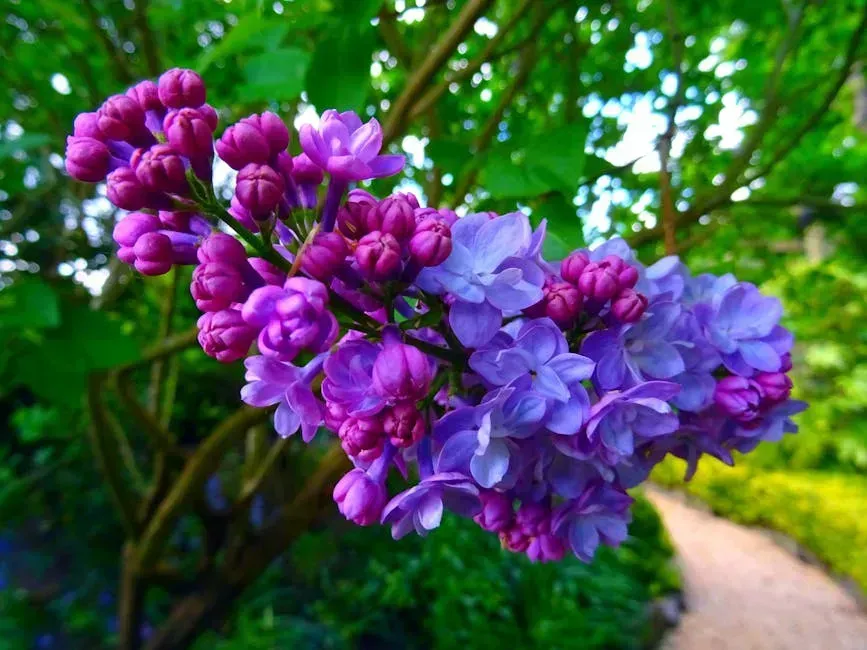
The most common results of pruning mistakes are overgrown shrubs, lack of flowers and excessive leafy growth. Check your plant’s pruning needs before making any cuts. Most flowering shrubs should be pruned after flowering to avoid this. The general rule is to prune shrubs and climbers that flower before June immediately after flowering, and those that bloom after June, in winter. Lilacs and forsythia both flower before June and form their buds for next spring immediately after their summer growth flush begins. Pruning them in midsummer strips away an entire year of potential color.
When plants are suffering in the heat, it might seem like a good time to give them some fertilizer. Though it seems like a sound idea, fertilizing in high temperatures can actually injure plants by restricting their ability to take up water, resulting in physical burns and visible damage. When brutal temperatures kick in and stay through summer, it’s natural for plants to slow down. It’s a protective mechanism. Plants are conserving energy and trying to survive the heat. Giving a lilac or forsythia a heavy nitrogen feed in July forces it to push out soft, sappy new growth that will not harden in time before autumn and will likely suffer dieback when cooler temperatures arrive.