If You Ate Out in the ’60s or ’70s, You’ll Remember These 8 Lost Chains, Study Finds
The vibrant dining scene of the 1960s and ’70s was filled with colorful restaurant chains that became household names, serving everything from beer-steamed hot dogs to crispy fried clams under iconic orange roofs. These establishments weren’t just places to grab a quick meal; they were cultural touchstones where families celebrated milestones, teenagers hung out after school, and road trippers found comfort food along America’s expanding interstate system. Yet despite their popularity and seemingly permanent place in American culture, most of these beloved chains have vanished completely from the landscape.
Howard Johnson’s: The Orange-Roofed Giant That Ruled America’s Highways
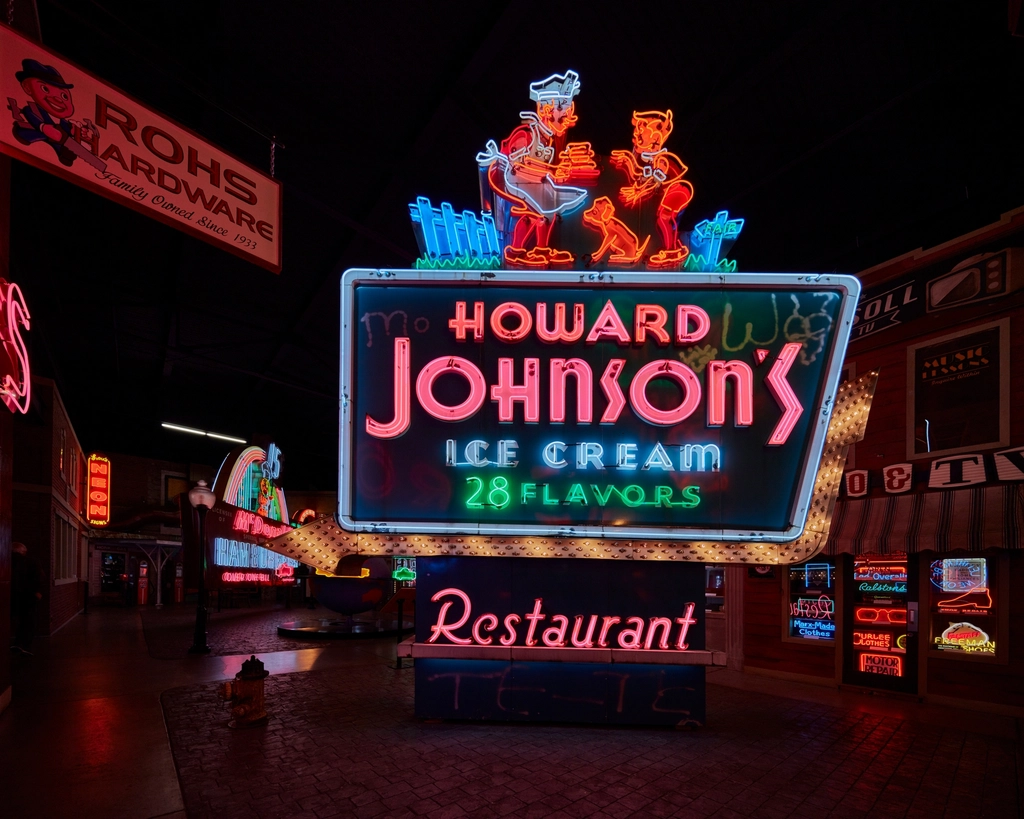
Howard Johnson’s was the largest restaurant chain in the U.S. throughout the 1960s and 1970s, with more than 1,000 combined company-owned and franchised outlets, making those iconic orange roofs a familiar sight for travelers across America. By the 1950s and 1960s, Howard Johnson’s became virtually synonymous with family-friendly dining across the country, all-American restaurant fare, and being “the restaurant under the orange roof.” It was a restaurant chain that offered ice cream sundaes, steak, fried clams, burgers, and just a little bit of something for everyone. The food was notoriously high quality, and it also happened to be one of the first sit-down restaurants that remained affordable for families of all sizes. By the 1970s, the restaurant’s popularity had peaked. However, it was the menu’s variety and serving style that also led to its downfall. During the 1970s, fast food restaurant chains like McDonald’s exploded onto the scene. The cheap food and lightning-quick service ushered in a trend that quickly made Howard Johnson’s seem overpriced and obsolete.
Burger Chef: McDonald’s Forgotten Rival That Pioneered Kids’ Meals
Burger Chef spent much of the 1960s as the second most popular burger joint behind McDonald’s, reaching impressive heights before its tragic downfall. Within two years, Burger Chef grew to over 40 restaurants. In 1964, it introduced the “Big Shef,” a double burger with cheese, lettuce, sauce, and a hamburger bun between the patties. Burger Chef launched a kid-sized “Fun Meal” in 1973. Both ideas were adopted by a certain super-famous burger chain. On November 17, 1978, Burger Chef became infamous. Four night-shift employees, aged between 16 and 20, were abducted from a Burger Chef in Speedway, Indiana and murdered in the woods. The case was never solved. By the time Hardee’s acquired Burger Chef in 1981, the chain’s ownership had changed a few times over. For over a decade, Burger Chef locations were converted into Hardee’s restaurants or closed. Burger Chef folded completely in 1996.
Lum’s: Where Hot Dogs Met Beer in Perfect Harmony
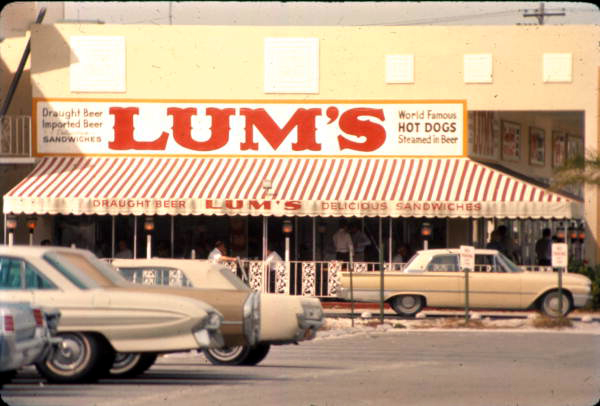
In 1956, the first Lum’s (which launched with an apostrophe) restaurant opened in Miami Beach, Florida and got off to a strong start, founded by the entrepreneurial Perlman brothers who turned a simple concept into a nationwide sensation. By the late 1960s and early 1970s, LUMS had grown to over 400 locations across the U.S. and internationally too! In 1969, the company even went public, a testament to its roaring success. Hot dogs steamed in beer were an early hit at the chain, but the Ollieburger, a thick patty seasoned with 32 spices, that Lums served in the 1970s, turned out to be its greatest hit. Brown, a wealthy politician, bought all 340 units of Lums for $4 million in cash and the secret Ollieburger recipe from Ollie Gleichenhaus, owner of a small hamburger restaurant in Miami Beach, for $1 million. With Brown and the Ollieburger, Lums’ future looked bright in the ’70s, but in 1978, Lums was sold again, this time to Austrian restaurateur Freidrich Jan, who purchased IHOP in the same transaction. With Jan in the driver’s seat, Lums filed for bankruptcy in 1982 and over the next several years Lums shuttered locations all over the place.
Red Barn: The Rustic Fast Food Chain That Looked Like a Barn
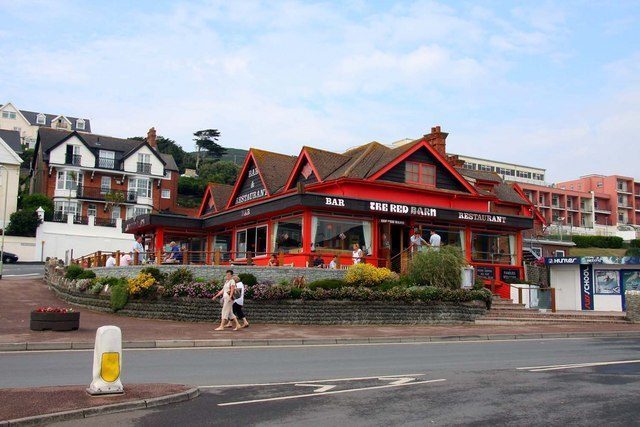
That was the earworm jingle for the popular Red Barn chain of restaurants, which was founded by a trio of restaurateurs in Springfield, Ohio in 1961. Never known for subtlety, Red Barn was a group of country-themed fast food joints that were shaped like barns and painted bright red. The chain swelled to 400 locations in the ’60s and ’70s. In addition to hamburgers, Red Barn offered items that its direct competitors did not such as fried chicken, fish sandwiches and a salad bar. The salad bar was especially unusual at the time. The grub was your average fast food consisting of a salad bar, fried chicken, fish sandwiches, and the piece de resistance, juicy hamburgers and cheeseburgers. The two biggest sellers included the double-decker, triple bun Big Barney, which resembled today’s Big Macs, and the Barnbuster, which was similar to a Quarter Pounder or Whopper with a quarter-pound patty, tomatoes, lettuce, pickles, and special sauce on a sesame seed bun. McDonald’s, Wendy’s and Burger King simply had deeper pockets, but Red Barn’s popularity holds out to this day. There’s a Red Barn Facebook group with more than 5,000 followers.
Wetson’s: New York’s McDonald’s Clone That Couldn’t Compete
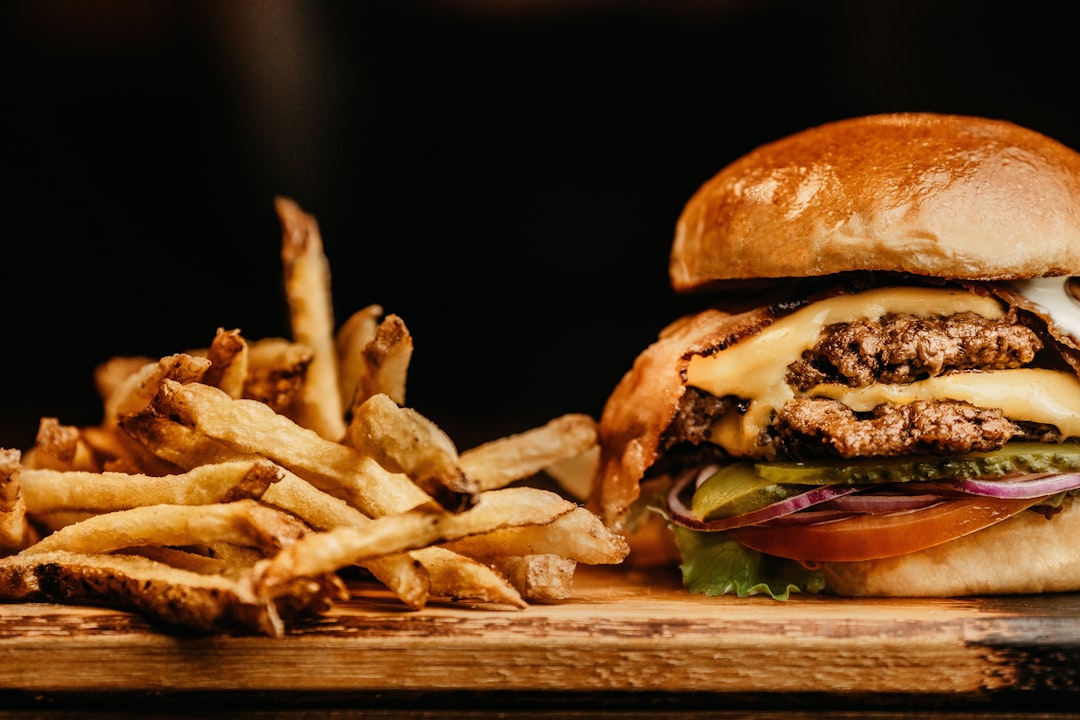
In 1959, Wetson’s was established in Levittown, New York, a suburban hamlet on Long Island. Its founders were Herbert, 21, and Errol Wetanson, 18. Herbert was inspired to open a hamburger restaurant after visiting a McDonald’s in California. Wetson’s sold hamburgers for 15 cents, fries for 10 cents. Its thick milkshakes were also popular. Locations began popping up in Brooklyn, Queens, and Staten Island. The 1960s was a profitable decade for Wetson’s. Its tasty food was an obvious selling point. At Wetson’s height, the chain boasted 72 locations throughout New York, New Jersey, and Connecticut. When McDonald’s came to Manhattan in the early 1970s, Wetson’s wasn’t able to compete with its muse for very long. By 1975, Wetson’s went from being the top hamburger chain in the region to nonexistent.
Arthur Treacher’s Fish & Chips: British Flair in American Fast Food
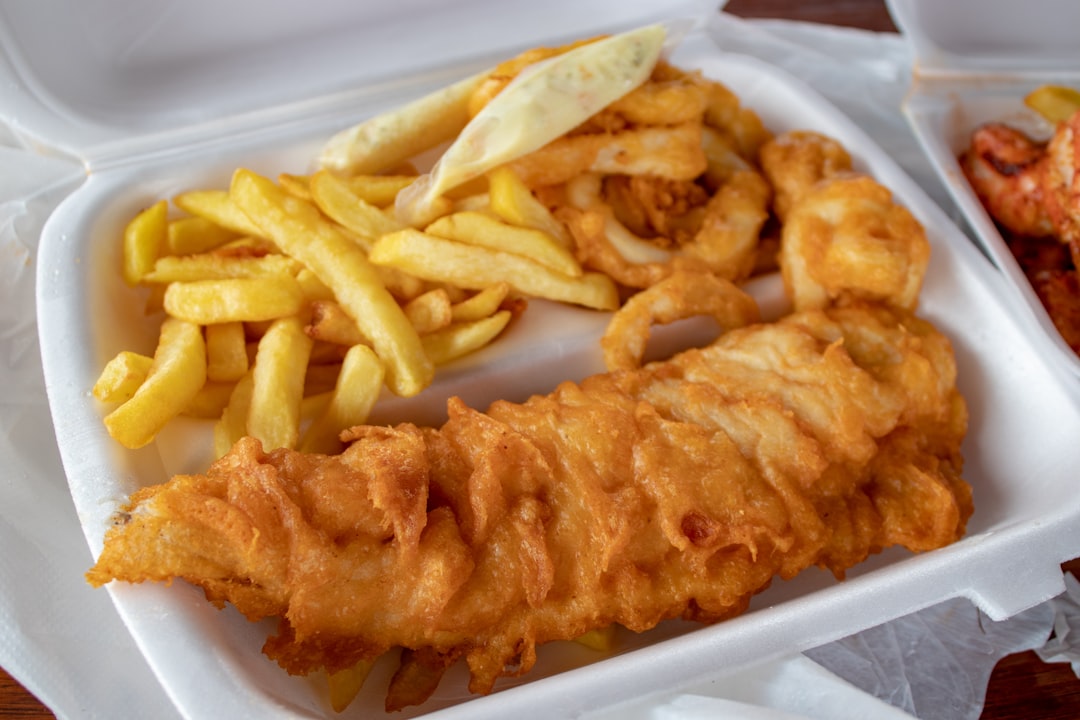
In 1969, three fried fish chains all opened for business in the United States: Long John Silver’s, Captain D’s, and Arthur Treacher’s Fish & Chips. A quintessentially English combination of fried whitefish (usually cod, pollock, haddock, or halibut) and chips (French fries), it had been an omnipresent fast food in Great Britain for decades. Arthur Treacher’s presentation was decidedly more British than its competitors because of its heavy use of malt vinegar and the involvement of its namesake, Arthur Treacher, the sidekick on the popular “The Merv Griffin Show” and a well-known character actor his many roles as a stuffy English butler. Arthur Treacher’s aggressively expanded in the 1970s, branching out from its Columbus, Ohio, beginnings to a chain of 826 restaurants by decade’s end, according to Kiplinger. The downfall of Arthur Treacher’s began in the 1970s, when fast-food chains, new and old, were duking it out. The cod Arthur Treacher’s used in its recipes doubled in price as a result of the 1975-1976 Cod War between Iceland and Britain. By the end of that decade, Arthur Treacher’s had filed for bankruptcy protection. Today, only seven Arthur Treacher’s Fish & Chips restaurants remain: Three in the metro New York City area and four in northeast Ohio, where the chain was created.
VIP’s: The 24-Hour Diner That Made Everyone Feel Important
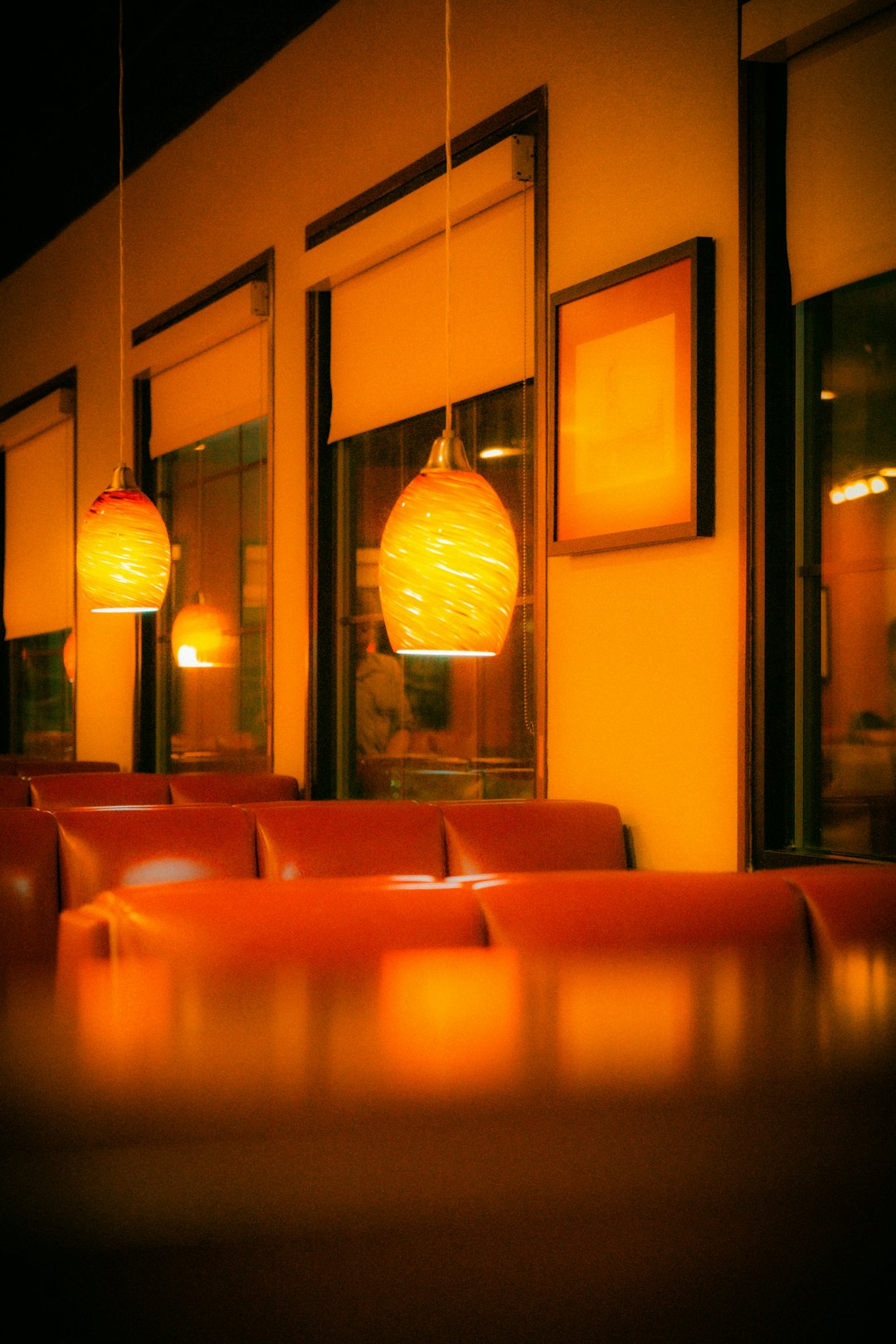
Similar to a modern day Denny’s or other late-night diner, VIP’s was one of the first 24-hour restaurant chains in the U.S.. The locations, which were usually near a major interstate, featured a delicious blend of breakfast, lunch, and dinner classics. Customers could order char-broiled burgers, bar-b-que sandwiches, homemade soups, entrees like hickory smoked ham steak or clam strips, or eggs, pancakes, and French toast. VIP’s, alternatively written Vip’s, is a defunct restaurant chain in the Western United States that operated from 1968 until the late 1980s, based in Salem, Oregon. With more than 50 locations, it was once the largest restaurant chain based in Oregon. It was a Denny’s-style restaurant, a type that was commonly known at that time as a “coffee shop” but is now more commonly known as a casual dining restaurant. In 1982, the company sold 35 of its 53 VIP’s Restaurants to Denny’s Inc. for around $12 million. The offer from Denny’s was “too good to pass up”, VIPs’ owners told The Oregonian newspaper, including a promise that all employees at the affected restaurants would keep their jobs and be absorbed by Denny’s. The sale prompted VIP’s owners to sell off the remaining lot of its restaurants, resulting in the chain’s complete disappearance in 1989.
Wag’s: Walgreens’ Forgotten Restaurant Experiment
Long before Walgreens’ financial struggles resulted in a nearly $10 billion buyout, the national drugstore chain was the founder of Wag’s, a diner-style eatery that had a moment in the ’70s. At the turn of the century, lunch counters at Woolworth’s and other drugstores were common, but that wasn’t what Walgreens had in mind. Wag’s was a 24-hour restaurant chain that bore a closer resemblance to Denny’s than a retro soda fountain. Wag’s became a destination for affordable late-night eats and breakfast classics like French toast and pancakes. Unlike the in-store lunch counters of other drugstores, Wag’s 24-hours restaurants were freestanding locations apart from Walgreens. The chain’s presence was concentrated in the Chicago metropolitan area and in Florida. There were also Wag’s restaurants inside shopping malls, but they weren’t open all night. In 1988, Walgreens sold 91 Wag’s locations to the Marriott Corporation, and the decision proved to be the beginning of the end. There were 91 freestanding locations when the chain sold to the Marriott Corporation in 1988. And when Marriott decided to sell off its restaurant business, Wag’s didn’t find an owner, and the locations all shut down in 1991.
These eight restaurant chains represent more than just places to eat. They were gathering spots that shaped American dining culture during two transformative decades. Their disappearance reminds us how rapidly the restaurant industry can change, with even the most popular chains sometimes unable to adapt to shifting consumer tastes, rising costs, or increased competition. While their physical locations may be gone, their legacy lives on in the memories of those who experienced the simple pleasure of a beer-steamed hot dog at Lum’s or a thick milkshake at Wetson’s. Did any of these lost chains hold a special place in your childhood memories?