5 Nations That Consume the Most Dairy, Study Shows
Picture a world where dairy consumption splits nations into two clear camps: the milk enthusiasts and the dairy avoiders. While some countries embrace milk and cheese as daily staples, others maintain traditional diets that barely include dairy at all. This divide isn’t simply about preference. It’s shaped by biology, economics, and cultural evolution over thousands of years.
Germany: Europe’s Dairy Giant
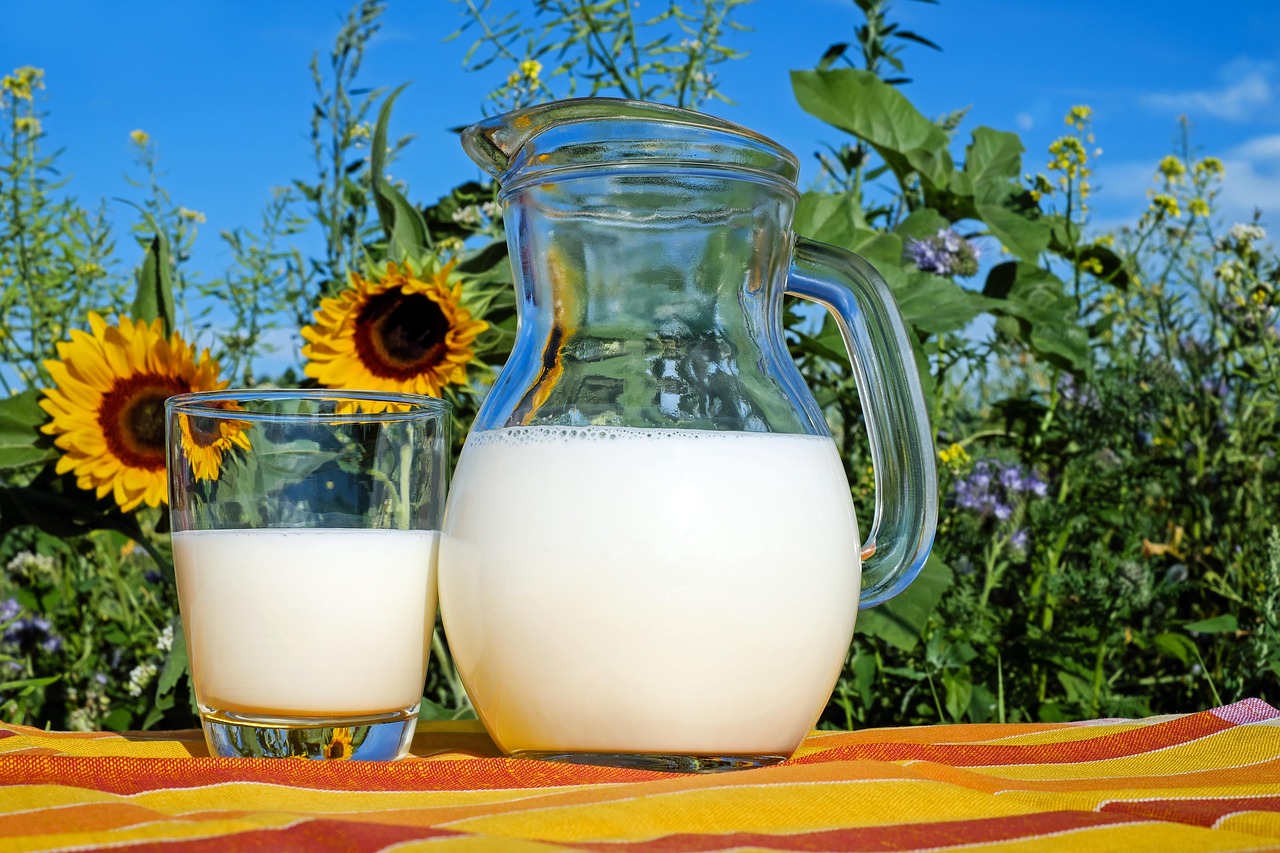
Germany was among Europe’s top dairy consumers in 2023 with approximately 15.4 billion kilograms of dairy products, establishing its dominance in European markets. The country’s robust dairy industry infrastructure supports this massive consumption, with Germans incorporating milk, cheese, and yogurt into their daily meals. German dairy culture spans from traditional breakfast spreads featuring multiple cheese varieties to afternoon coffee paired with fresh cream pastries.
Traditional German cuisine heavily features dairy products like quark, a type of fresh cheese that appears in both sweet and savory dishes. Italy, the United Kingdom, and France took the next three spots in European consumption, but Germany’s lead remains substantial due to its well-developed agricultural sector and strong consumer demand for high-quality dairy products.
India: A Cultural Dairy Powerhouse
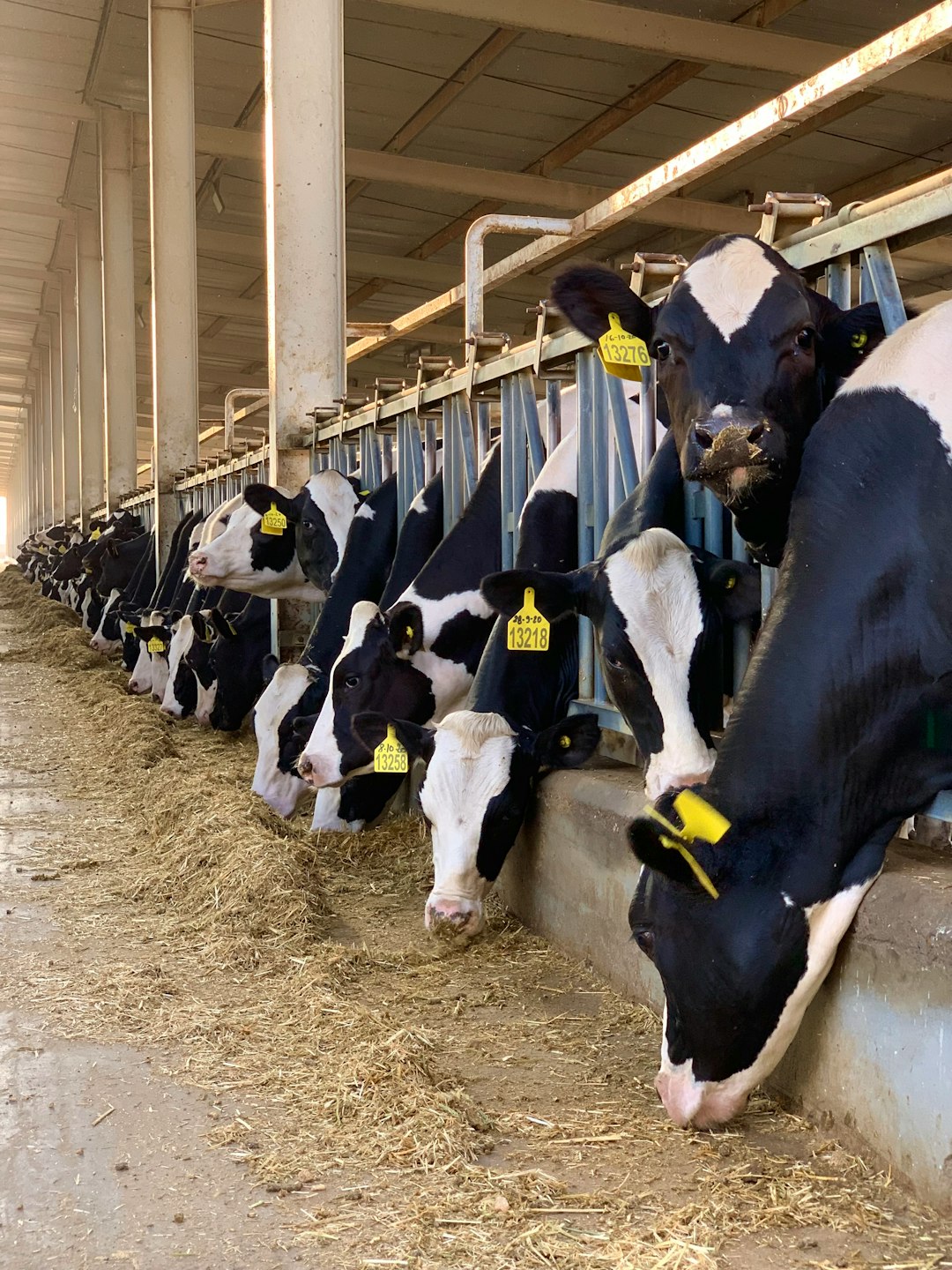
In 2023, India consumed the most cow milk worldwide, drinking over 87 million metric tons, making it a formidable force in global dairy consumption. India emerges as a formidable contender in global milk consumption, consuming approximately 87-89 million metric tonnes in 2024. Milk holds sacred significance in Hindu culture, appearing in religious ceremonies and traditional foods like lassi, paneer, and ghee.
With milk deeply ingrained in culinary customs and cultural practices, India’s significant consumption reflects its status as a leading producer and consumer of dairy products. The country’s vast rural population maintains millions of dairy animals, creating a decentralized production system that serves both local communities and urban markets throughout the subcontinent.
United States: The American Dairy Tradition
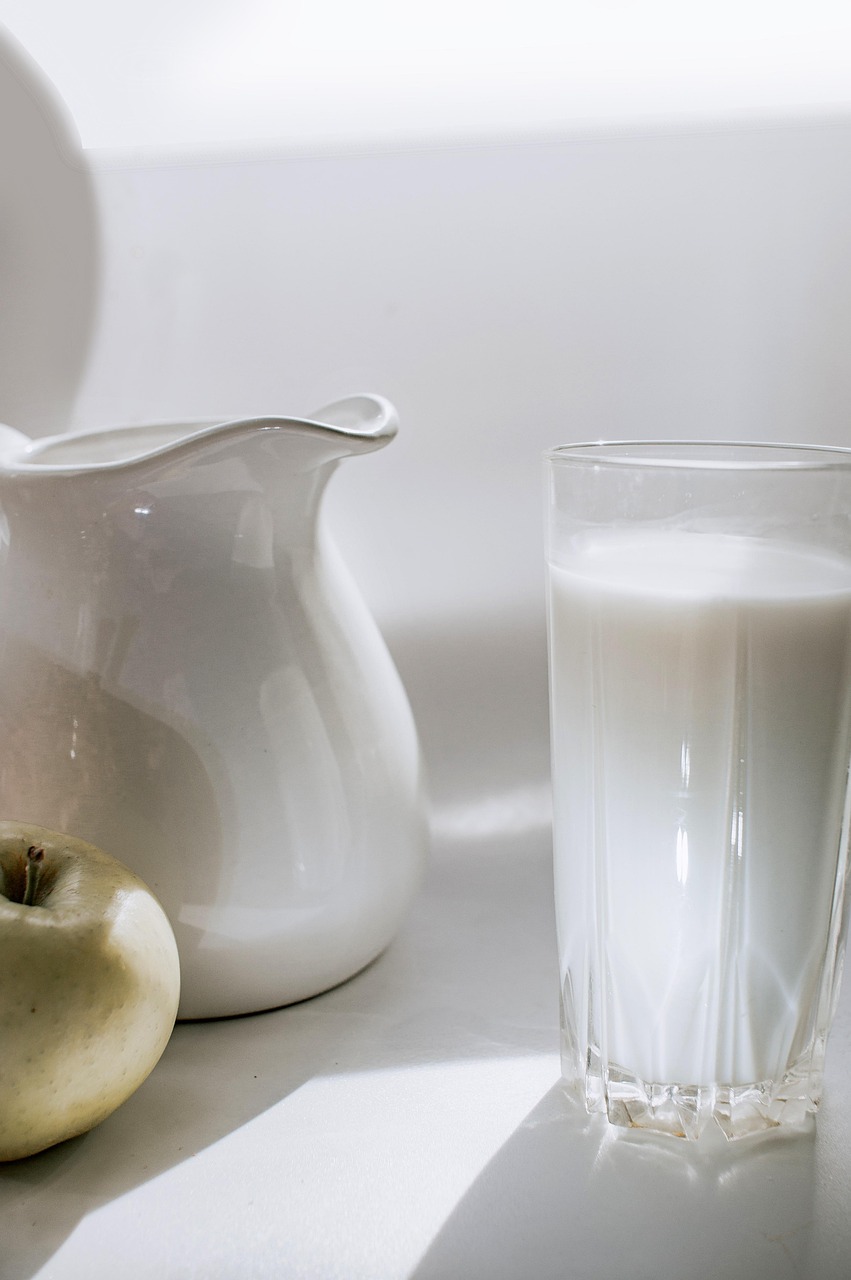
The United States maintains its prominent position among the top milk-consuming nations, with domestic consumption reaching 88,768,000 metric tonnes in 2024. American breakfast culture historically centered around milk and cereal combinations, though consumption patterns have evolved with changing dietary preferences. Milk consumption in the United States experienced a slight uptick beginning in 2020 and continuing into 2022 as supply chain disruptions caused issues with importing due to Covid-19 closures.
While consumers in the U.S. still demand lactose-free milk alternatives, companies have tried to counter this trend by focusing their marketing on the health advantages of milk, namely its high protein value. The dairy industry has adapted to changing consumer preferences by expanding into organic and specialty milk products while maintaining its position as a major global dairy consumer.
France: The Culinary Dairy Kingdom

France has rich dairy culture with diverse range in cheese, yogurts, and other dairy products that forms the backbone of its renowned culinary heritage. France is among the top cheese-consuming countries in Europe, with over 70% of people enjoying dairy products daily and over 90% consuming cheese weekly. French gastronomy simply wouldn’t exist without its legendary cheeses, from soft bries to aged roqueforts.
Dairy consumption is deeply ingrained in French culinary heritage, with iconic dishes like cheese fondue representing just one facet of the nation’s dairy-centric food culture. The French approach to dairy consumption emphasizes quality over quantity, with consumers willing to pay premium prices for artisanal cheeses and specialty dairy products that reflect regional terroir.
Ukraine: The Surprising Per Capita Champion
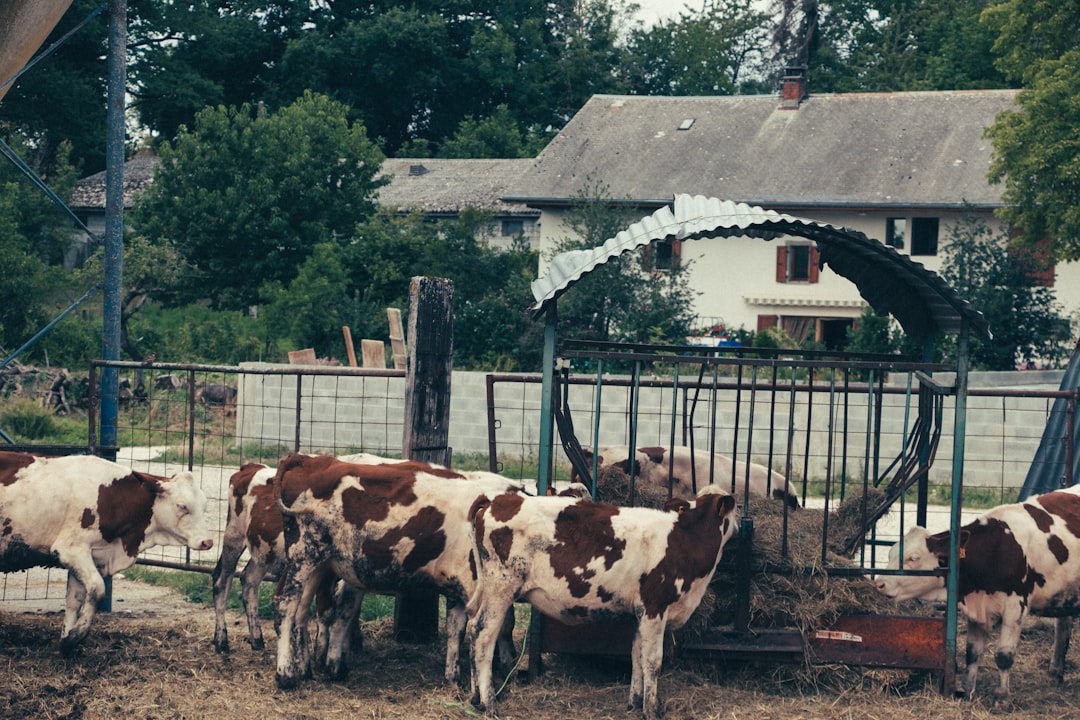
According to some reports, Ukraine had high per capita dairy consumption, though Nordic countries like Finland typically lead such rankings, followed by the United Kingdom at 108.56 kilograms. This statistic reveals how per capita measurements can differ dramatically from total consumption figures. Ukraine’s agricultural traditions emphasize dairy farming, with rural communities maintaining strong connections to traditional dairy production methods.
Despite political and economic challenges, Ukrainian consumers have maintained exceptionally high dairy consumption rates. The country’s fertile agricultural land supports extensive cattle farming operations that supply both domestic markets and export demands, creating a culture where fresh dairy products remain accessible and deeply integrated into daily meals.