Walmart Reports 64% Drop in Crime After Disabling ‘Smart’ Store Technology
The Unexpected Results From Shrewsbury
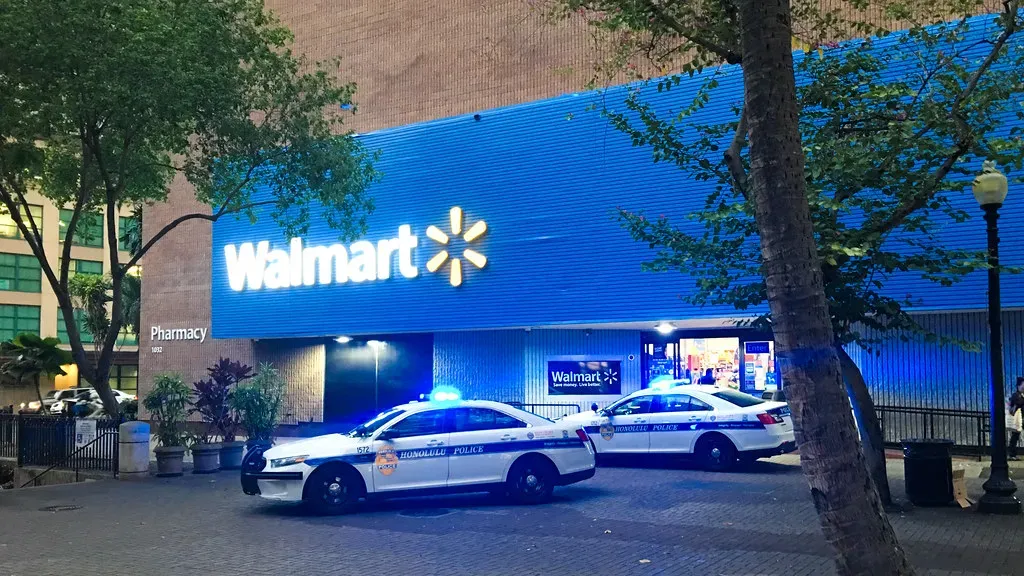
After Walmart removed self-checkout machines from its Shrewsbury, Missouri location, the Shrewsbury Police Department reported a dramatic drop from 509 calls between January and May 2024 to just 183 calls during the same period in 2025. Arrests at the store also fell by more than half. This wasn’t just a minor adjustment in the numbers. Shrewsbury Police Chief Lisa Vargas directly attributed this change to the elimination of the self-checkout systems, noting that individuals routinely departed the store with unscanned or unpaid items.
The Walmart at 7437 Watson Road had become a regular destination for police calls. It’s hard to ignore roughly 500 calls in five months. That’s a lot of time and resources for local law enforcement. What really stands out is how quickly things changed once the machines were gone.
Why Self-Checkout Created a Perfect Storm for Theft
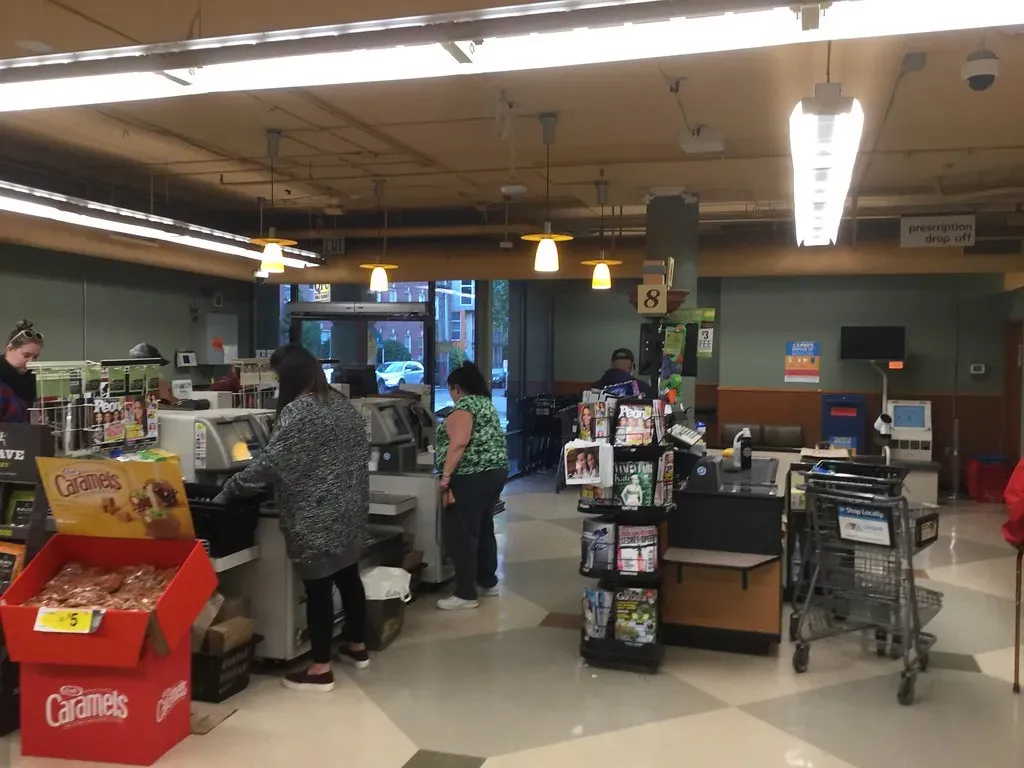
Theft at self-checkout averages between 3.5% and 4% of sales, versus less than 1% at staffed lanes. Self-checkout terminals potentially account for a staggering 50% of all losses incurred by Walmart. The technology that was supposed to streamline shopping and reduce labor costs ended up creating an environment where theft became significantly easier.
Let’s be real, the honor system only works when people are honorable. Among consumers, 15% admit stealing at self-checkout, and 44% would do it again. Whether someone accidentally forgot to scan an item or deliberately skipped expensive products, the lack of human oversight opened the floodgates. Retail analyst Neil Saunders noted that self-checkout is an area where people can easily steal things.
The Broader Retail Crime Crisis Facing Major Chains
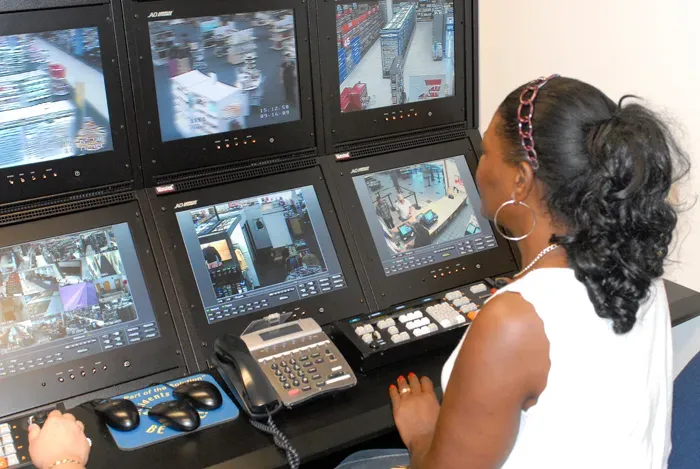
In 2024 alone, U.S. retailers lost over $120 billion to shrinkage, with organized retail crime making up a growing portion of that figure. According to the National Retail Federation, retailers saw a 93% jump in theft in 2023 compared to 2019 levels. Walmart hasn’t been immune to this trend. The retail giant suffered estimated losses from retail theft of $3 billion in 2021, $6.1 billion in 2022, and $6.5 billion in 2023.
These aren’t just numbers on a spreadsheet. They represent real pressure on stores to find solutions fast. Doug McMillon, the CEO of Walmart, has threatened to close stores if theft rates don’t decline. Some locations have already shut down permanently because losses became unsustainable. The stakes are genuinely high for communities that depend on these stores.
What Other Retailers Are Learning From This Shift
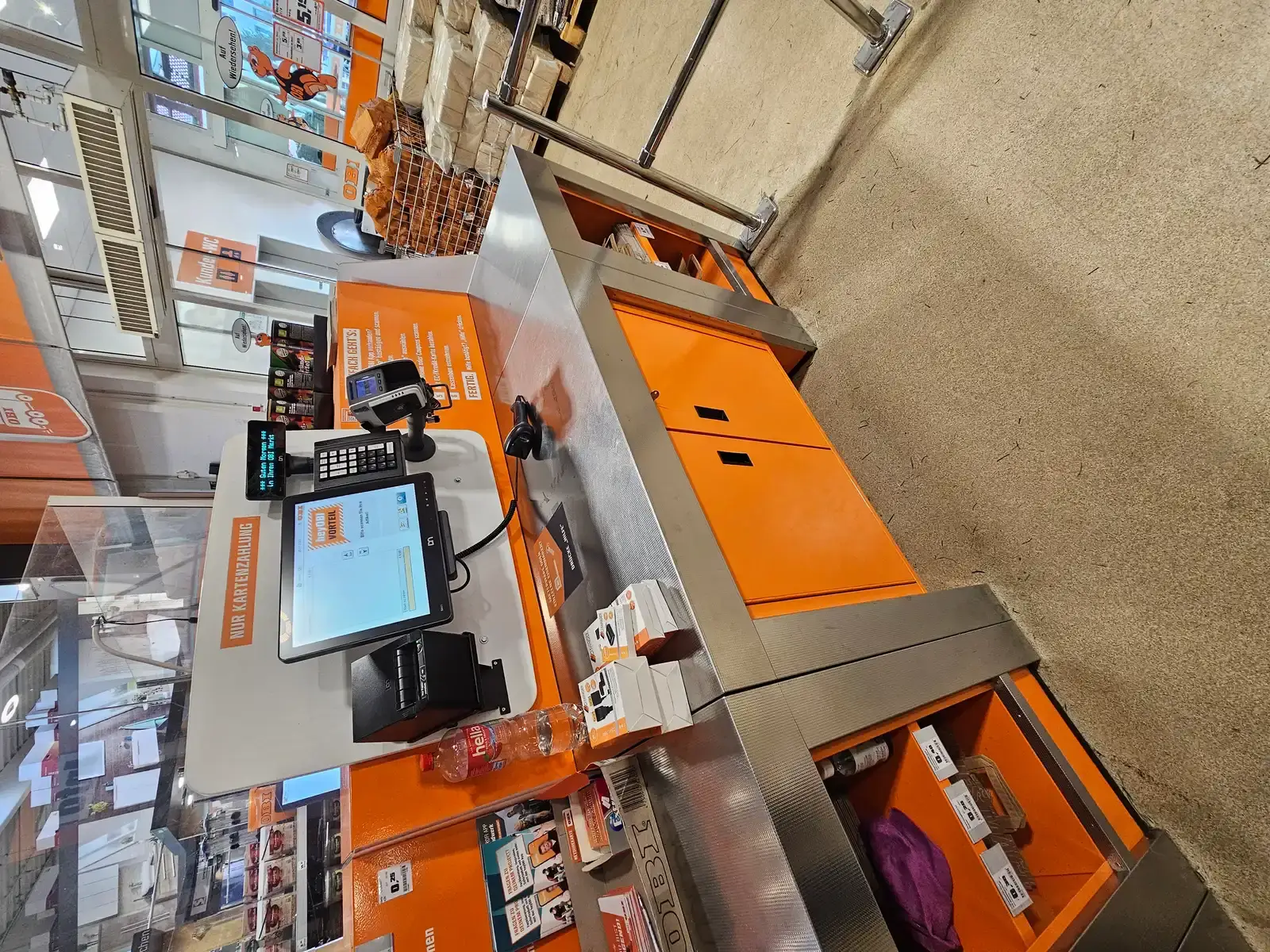
Walmart isn’t alone in reconsidering self-checkout. Dollar General has begun converting some or all self-checkout registers to employee-assisted operations across 9,000 nationwide stores, limiting transactions to five items or less where self-checkout remains, and planning to completely remove self-checkout from more than 300 of its highest shrink stores. Target converted its self-checkout option to express, which requires 10 items or fewer at all self-checkout registers.
The retail industry is having a massive reckoning. Technology that promised efficiency and cost savings turned out to have hidden expenses that nobody fully calculated. The move reflects a growing reevaluation within the retail industry regarding self-checkout technology, which, despite initial hopes for labor savings, has led to increased losses for some companies due to customer errors and theft.
The Human Element Returns to Retail
Walmart decided to remove self-checkout lanes and replace them with staffed lanes at select locations as part of their announced plans for additional investments and improvements to facilities across the country. This represents a significant philosophical shift. For nearly two decades, the retail world pushed relentlessly toward automation. Now we’re seeing a reversal.
There’s something almost poetic about it. Technology was supposed to make everything easier, faster, cheaper. Instead, it created new vulnerabilities that criminal elements quickly exploited. The presence of actual employees watching checkout lanes acts as both a deterrent and a detection system. Sometimes the old ways work better than we want to admit.
Police Chief Vargas summed it up perfectly when she said the reduction in crime at the Shrewsbury location was a huge change and expressed appreciation for Walmart taking initiative. The data speaks for itself. When nearly two-thirds of crime-related incidents disappear after removing a piece of technology, retailers have to pay attention. What do you think about this shift back to human-staffed checkout lanes? Does convenience at self-checkout outweigh the security concerns?