What To Do With Your 50-State Quarters Before Their Value Drops
You might be sitting on a coin collection that’s quietly losing potential worth while you read this. The 50-State Quarter program captured American hearts from 1999 to 2008, with roughly half the population gathering these coins into albums and jars. Yet the harsh truth is settling in: most state quarters are still just worth 25 cents and will likely always just be worth 25 cents. The window for action is narrowing.
The market has shifted dramatically since the program ended. What once sparked collecting mania has now flooded the secondary market with billions of circulating examples. Let’s be real, if you’ve been holding onto your collection hoping it becomes your retirement fund, you’re in for disappointment. Still, there are legitimate moves you can make right now to extract value from these coins before the market bottoms out completely.
Search for Actual Error Coins That Command Real Premiums
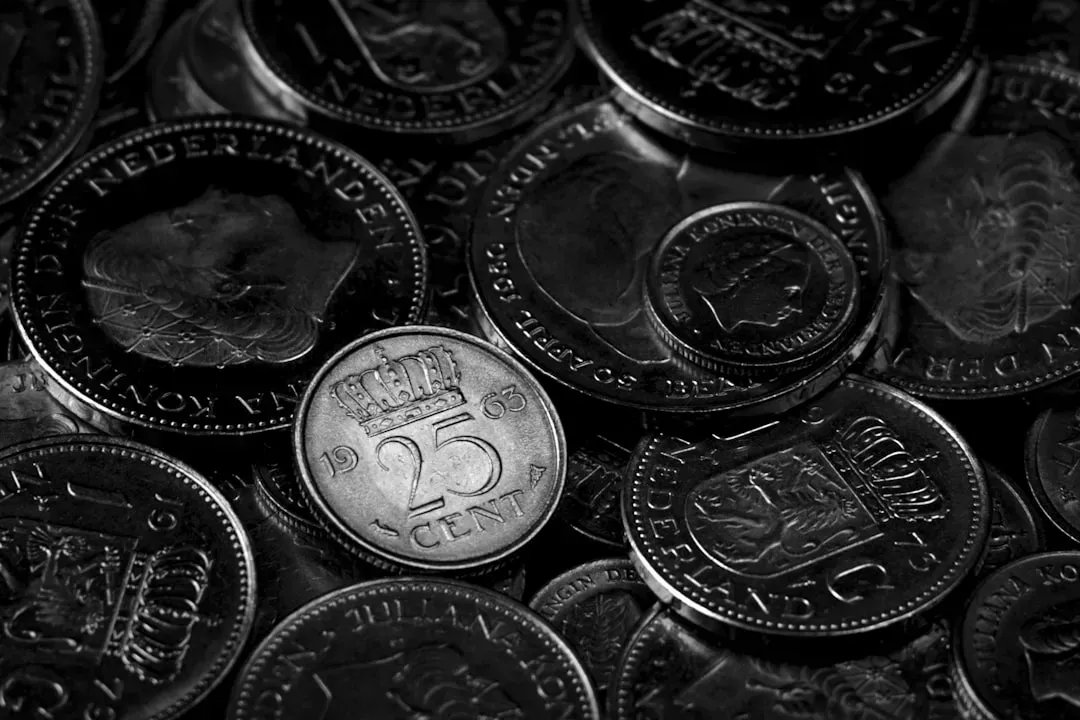
The most valuable state quarters include the 2004-D Wisconsin “Extra Leaf” varieties worth $50-$65, the 2005-P Minnesota doubled die quarters valued at $5-$100, and the 2009-D District of Columbia doubled die at $75. These aren’t fairy tales. People find these errors in their change jars regularly, though not frequently. The Wisconsin Extra Leaf quarters exist in two varieties: high leaf and low leaf, both showing an extra leaf on the corn stalk that shouldn’t be there.
The Minnesota doubled die shows noticeable doubling in the trees on the reverse side of the coin. The Minnesota quarter holds the record for the most doubled die varieties of any state quarter, with over 60 documented varieties cataloged by doubled die expert John Wexler. Grab a magnifying glass and examine every Minnesota quarter you own from Philadelphia. The 1999 Delaware “Spitting Horse” variety shows a die crack from the horse’s mouth, though these coins can still sell for $5 to $20 in collectible condition. These errors represent your only realistic shot at turning quarters into meaningful cash.
Identify and Separate Silver Proof Quarters Immediately
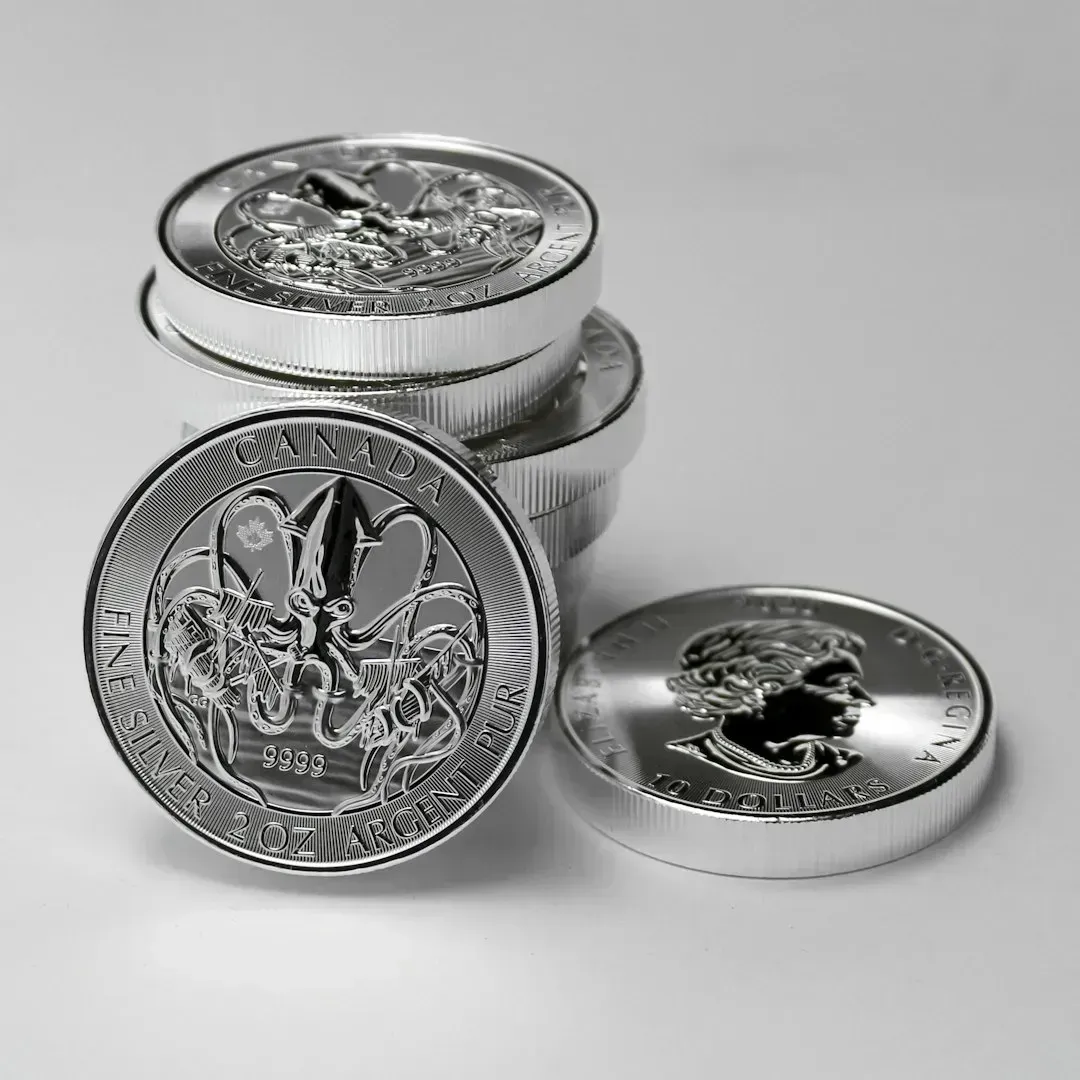
From 1999-2009, the San Francisco Mint struck limited quantities of 90% silver proof state quarters exclusively for collectors. These aren’t your typical circulation coins. They feature mirror-like finishes and were sold in special sets directly by the Mint. 90% silver proof state quarters trade for $30-$35 each, which means a complete set holds substantial value compared to circulation strikes.
Look for the “S” mint mark to the right of the date on the obverse. The silver content alone provides intrinsic value that fluctuates with precious metal markets. For the silver issues, the 1999 set is the most valuable, being the first year of the series and with a relatively small mintage, although prices have significantly decreased since the 50 State Quarters Program ended. If you’ve inherited or purchased proof sets, separate these silver quarters from base metal clad versions right now.
Get High-Grade Error Coins Professionally Graded Before Selling
Authentication matters desperately in the error coin market. PCGS and NGC are the top authentication services, charging $30-65 depending on turnaround time. For budget authentication, ANACS offers services starting at $20. Here’s the thing: certification can add roughly one-fifth to one-half more value to your coin, particularly for errors worth more than one hundred dollars.
Coins valued under $50 typically don’t justify grading costs unless you’re building a registry set. Run the numbers before submitting. A Wisconsin Extra Leaf quarter in pristine condition could be worth several hundred dollars when professionally authenticated. The grading slab provides third-party verification that protects both buyer and seller, making the transaction smoother and potentially more profitable.
Sell Through Appropriate Channels to Maximize Returns
When it’s time to sell your valuable state quarters, choosing the right venue and timing significantly impacts your returns. The market offers multiple channels, each with distinct advantages. Online auction platforms give you access to thousands of potential buyers, though you’ll pay listing fees and commissions. Local coin dealers offer immediate cash but typically purchase at roughly 60 to 80 percent of retail value since they need profit margins.
Coin shows provide face-to-face negotiations with specialized dealers who understand error varieties. Avoid summer months (slower market) Target January-April (tax refund season) Watch for anniversary years (2024 = 25th) according to market timing strategies. Specialized numismatic forums and Facebook groups focused on state quarter errors can connect you directly with collectors willing to pay premium prices. Skip the pawn shops entirely unless you need emergency cash.
Understand Why Most Collections Won’t Appreciate
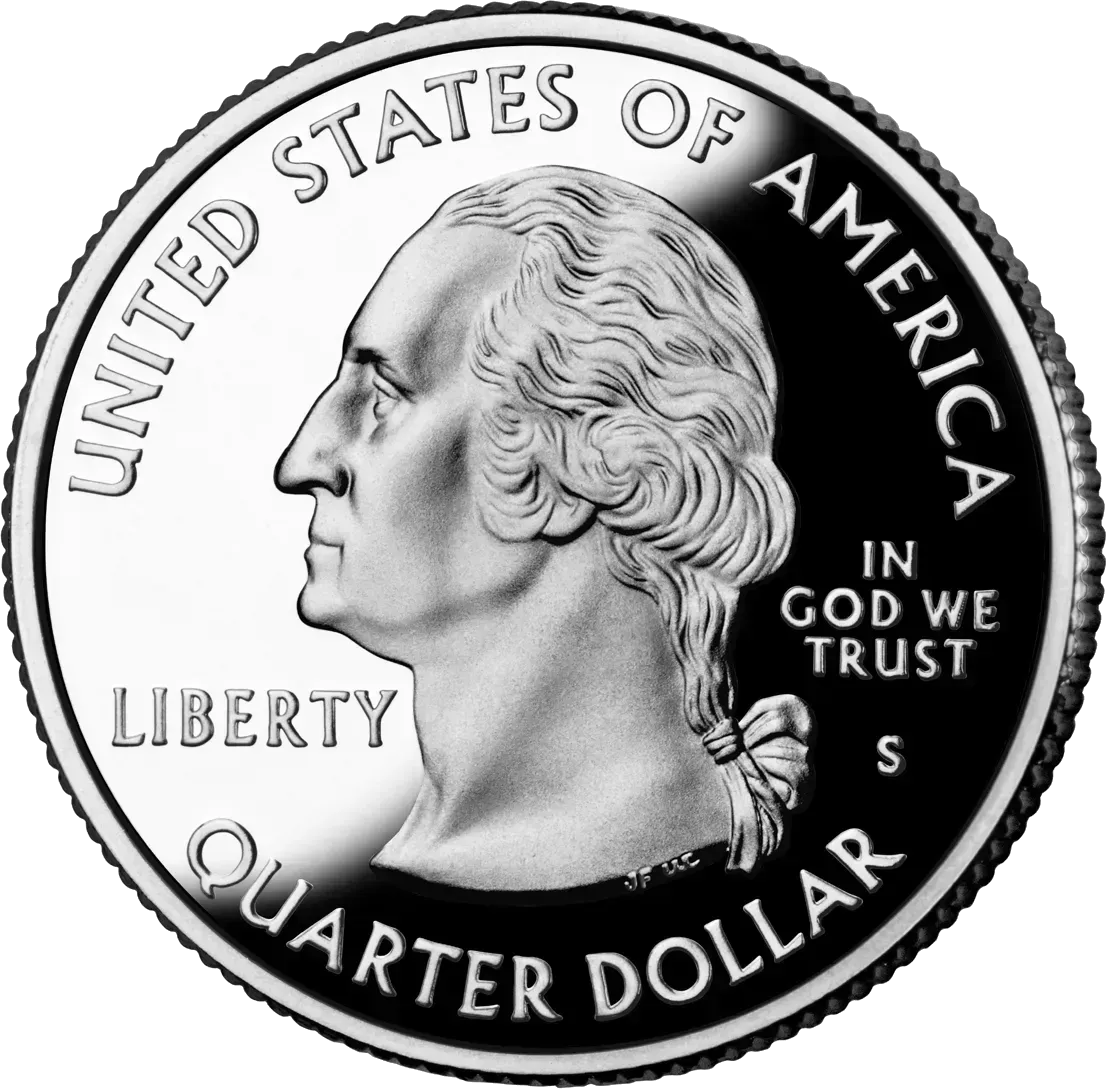
Let’s tackle the uncomfortable reality head-on. During the decade of the 50 State Quarters Program, the United States Mint issued more than 34 billion quarters to the Federal Reserve Banks. That’s billions with a “b.” Supply overwhelms demand catastrophically. They were mass-produced, with billions entering circulation over the span of ten years. This abundance severely limits their scarcity and, therefore, their potential value growth.
Many new collectors and non-numismatists believe 50 State Quarters are rare and valuable, but the reality is few are worth more than face value in circulated condition unless they exhibit errors or varieties. Your complete folder of circulated quarters from pocket change represents exactly twelve dollars and fifty cents in spending power. The sooner you accept this, the sooner you can make rational decisions about your collection. Nostalgia doesn’t pay bills.
Consider Converting Common Quarters Back to Spending Money
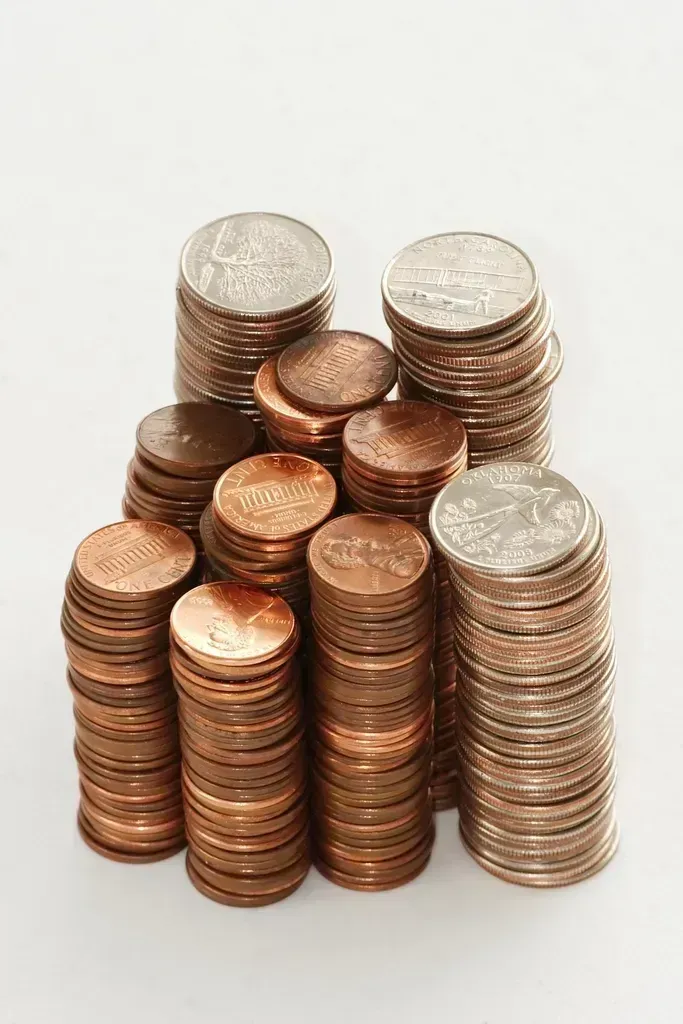
Here’s something most collectors resist: just spend the common ones. Your worn Virginia quarter pulled from a cash register drawer twenty years ago will never be worth more than 25 cents. The economic opportunity cost of storing thousands of face-value quarters in albums instead of investing that money elsewhere has already cost you returns.
Overall, if not all, the overwhelming majority of circulated state quarters are worth their 25-cent face value. Certain uncirculated pieces may be worth just slightly more, typically about $1.25. That quarter-dollar markup barely covers the cost of shipping if you tried to sell them. Banks will gladly exchange your common state quarters for bills without judgment. Free up storage space, reduce clutter, and reinvest that capital into assets with actual appreciation potential.
Focus Collection Efforts on Mint State Examples of Low-Mintage Issues
If you’re determined to continue collecting, shift your strategy dramatically. Focus your efforts on obtaining state quarters from 2004 Wisconsin and 2006 New Mexico, among the lower-mintage issues that may retain some premium over time. Seek mint state examples that have never circulated, showing full original luster.
Common state quarters will likely never exceed face value due to the billions minted. Silver proofs track with silver prices plus a numismatic premium. The keys to appreciation are: genuine scarcity (errors), condition rarity (MS-67+), and sustained collector demand. Coins graded MS-67 or higher represent condition rarities that might hold collector interest long-term. This approach requires financial investment in purchasing professionally graded coins rather than hoping pocket change yields treasure.
Protect Remaining Value Through Proper Storage Methods
Mishandling can destroy whatever value your quarters retain. Never clean your coins under any circumstances. Even gentle cleaning leaves microscopic scratches that trained eyes easily detect. A dirty original coin is worth far more than a cleaned one. Store valuable pieces in individual holders made from inert materials that won’t react with the metal surface.
Avoid PVC-based holders that can cause chemical damage over time. Keep coins in stable environments away from temperature fluctuations and humidity. For error coins and silver proofs, consider safety deposit boxes or home safes. The Arizona heat or Florida humidity can wreak havoc on collections stored in garages or attics. Proper storage won’t make worthless coins valuable, but it prevents valuable coins from becoming worthless through environmental damage.
Investigate Alternative Quarter Programs With Better Prospects
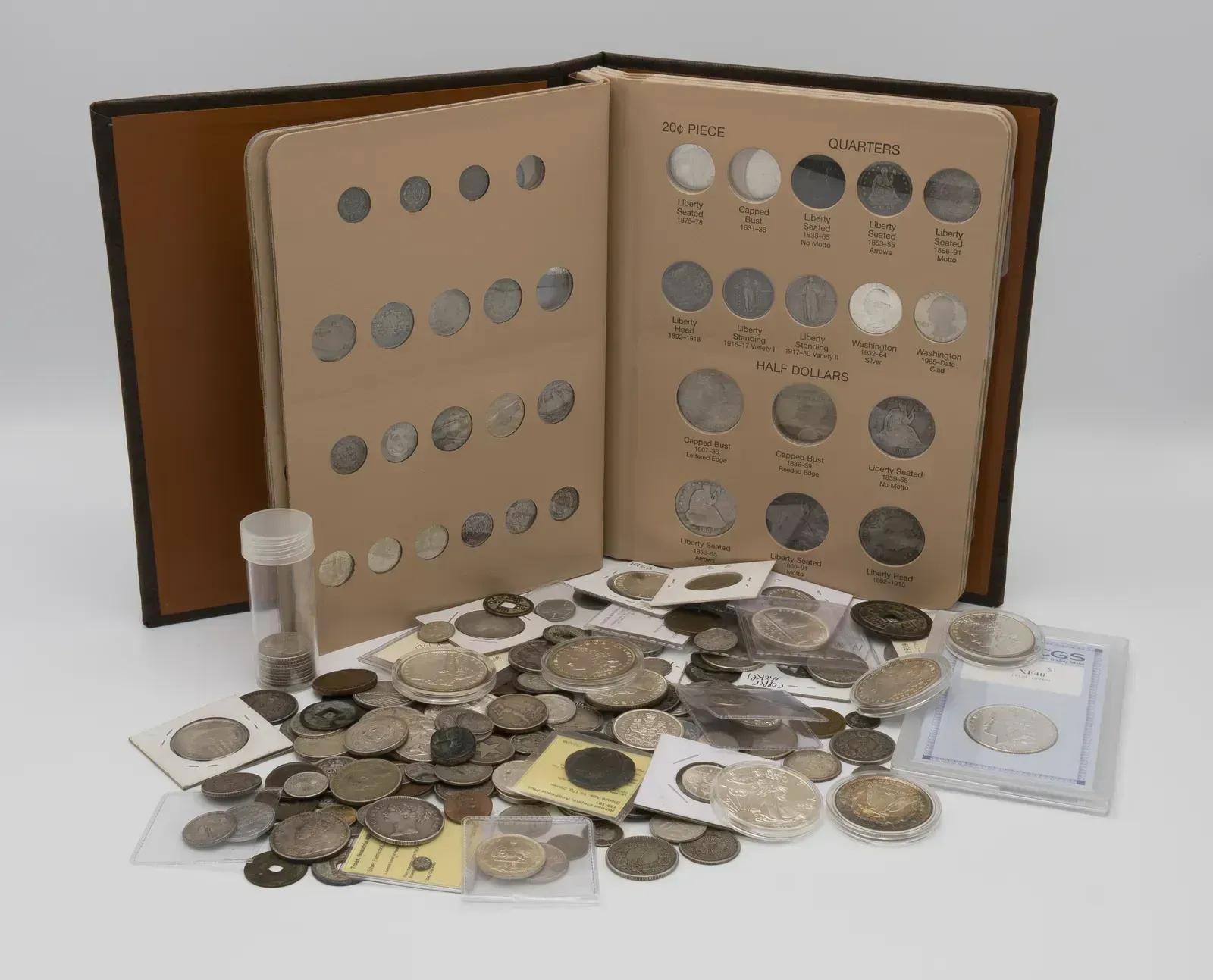
The mint didn’t stop with state quarters. Newer programs might offer better collecting opportunities since fewer people hoarded them systematically. 2006 D North Dakota High-Grade ones. With its depiction of two grazing bison, this coin quietly entered circulation – but in top condition, it is anything but ordinary. High mint-state grades like MS68 are exceptionally rare. One sold for $3,760.
The America the Beautiful quarter series and American Women quarters haven’t seen the same collecting frenzy. Certain “W” mint mark quarters from 2019-2020 released into circulation created unexpected demand. 2019-W San Antonio Missions Quarter and 2020-W Weir Farm quarter are also available up to $600 and $550, respectively, in mint condition. These limited production runs offer scarcity that state quarters lack. Diversifying into these programs might yield better returns than doubling down on an oversaturated market.
Document Your Collection for Insurance and Estate Planning
Even if your collection’s value disappoints, proper documentation serves important purposes. Photograph both sides of every coin, especially any you suspect might be errors or silver proofs. Create spreadsheets listing dates, mint marks, conditions, and estimated values. If you do discover valuable errors, this documentation establishes provenance.
For estate planning purposes, leave clear instructions about which coins have value and which should simply be spent. Heirs often unknowingly spend valuable error coins or sell entire collections to dealers for face value because they lack information. A simple folder with printouts from reputable pricing guides and your own notes can prevent your family from losing thousands of dollars. This paperwork takes minimal effort but protects your investment and your heirs’ inheritance.