6 Restaurant Scams Insiders Say Diners Should Know About
Hidden Automatic Gratuity Charges

According to restaurant industry data, disputes over undisclosed automatic gratuity rose 35% between 2023 and 2024, pushing regulators to crack down. Here’s the thing: many restaurants now automatically add service charges to bills, sometimes without making it crystal clear upfront. California now prohibits restaurants from adding separate automatic fees like gratuities or service charges unless the total price is disclosed up front, while Florida plans similar rules for mid-2026. Diners often discover an eighteen or twenty percent charge has already been tacked on, then accidentally tip again on top of it. Customers cannot refuse to pay automatic gratuity since the payment is a service charge, and tips are optional and freely given by customers, but charges on the receipt from the restaurant itself are mandatory fees.
Menu Pricing Psychology Tricks
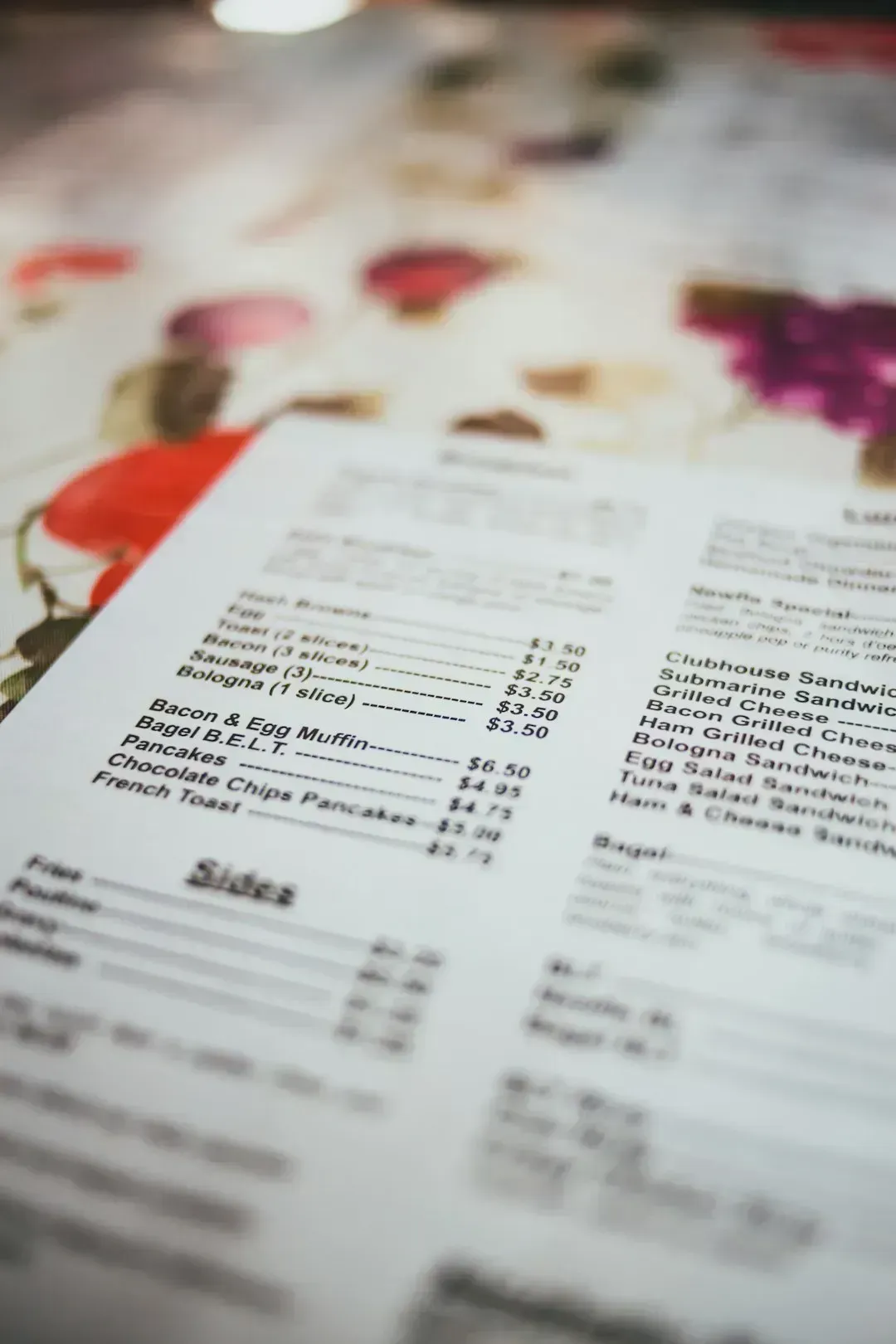
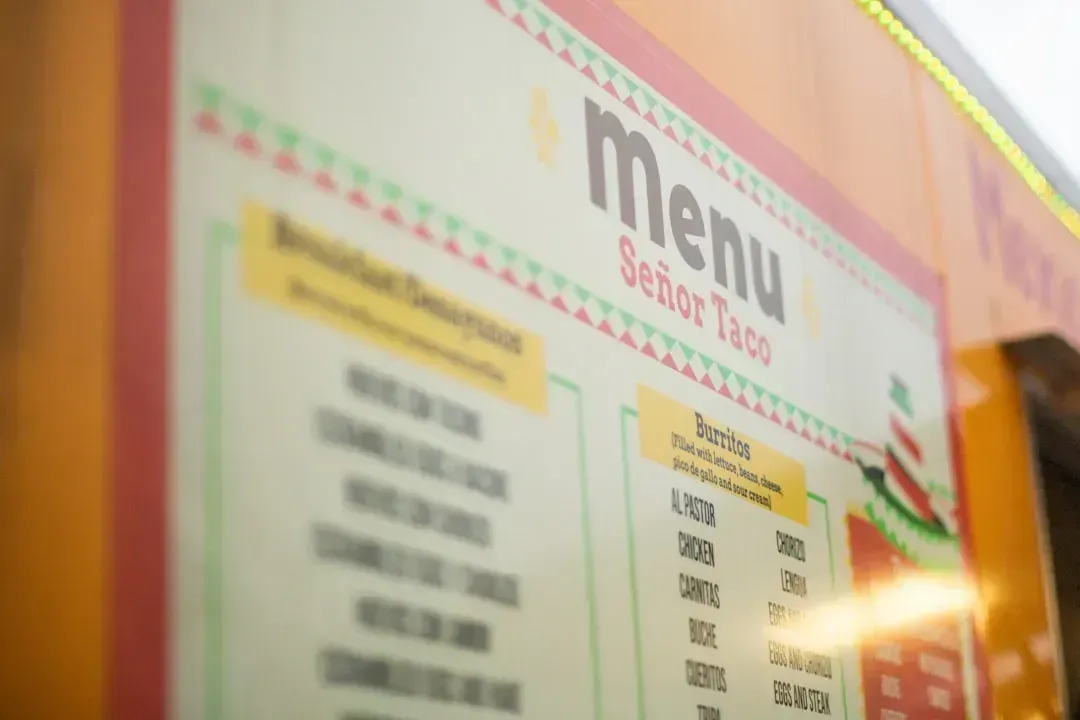
Restaurants use clever design tactics to nudge you toward pricier items without you even realizing it. According to design product website Canva, the upper right-hand corner is the “sweet spot,” and is where most people look first when they are out to eat. Menu engineers place their highest-profit dishes in that prime real estate, knowing your eyes will land there naturally. Red encourages action and is used to persuade us to buy the meals with the highest profit margins, while yellow grabs attention and green suggests freshness. The Cornell study showed guests tend to spend more when prices are displayed as a single, whole number without dollar signs, making that thirty-two feel less painful than seeing it written as $32.00.
Shrinkflation on Your Plate
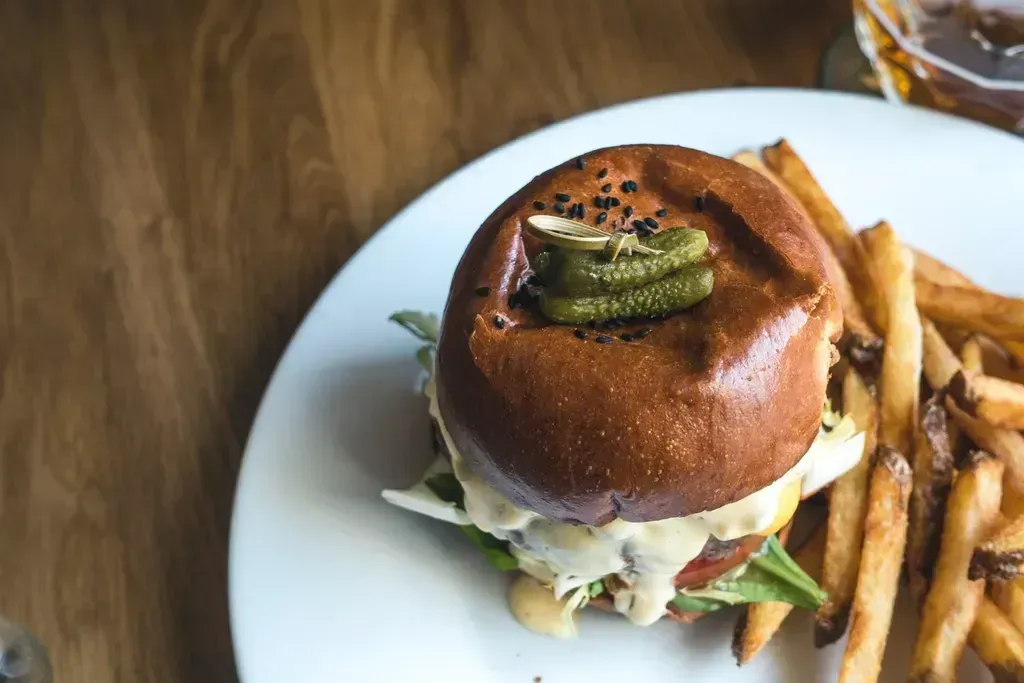
You’re not imagining things when your burger looks smaller than it used to. According to recent Yelp data, many diners are experiencing “shrinkflation,” where menu items seem to be getting smaller and smaller due to the high rate of inflation and increased costs. The December 2023 Restaurant365 State Of The Industry survey revealed that more than 80% of the operators reported that their food expenses had increased and 89% said labor costs had increased. Rather than jack up menu prices and risk scaring customers away, many establishments quietly reduce portion sizes while keeping prices the same. Nearly 3 of 4 (74%) expect eating places to maintain margins by shrinking portion sizes while maintaining current prices, according to the survey of 1,500 American consumers by MarketMan. Customers reported noticing portions roughly half the size they used to be at certain chains, leaving them hungry and frustrated.
The Fake Ingredient Swap
That premium ingredient you ordered might not be what you think it is. It’s estimated that real wasabi can be found in just 5-10% of restaurants outside of Japan, with the rest being colored horseradish paste. Reporters visited 28 restaurants across the USA, from chains to seafood shacks, and found that 35% of lobster dishes contained cheaper substitutes such as whiting, and one restaurant’s ‘lobster ravioli’ was actually filled with cheese. Seafood fraud is particularly rampant. In total, 74% of samples from sushi venues were incorrectly labelled, with sushi claiming to be snapper (92% mislabelled) and tuna (71% mislabelled) having the highest levels of fraud. As of July 2016, only nine American restaurants are certified to serve genuine Kobe beef, yet hundreds claim it on menus at inflated prices.
Farm to Fable Claims
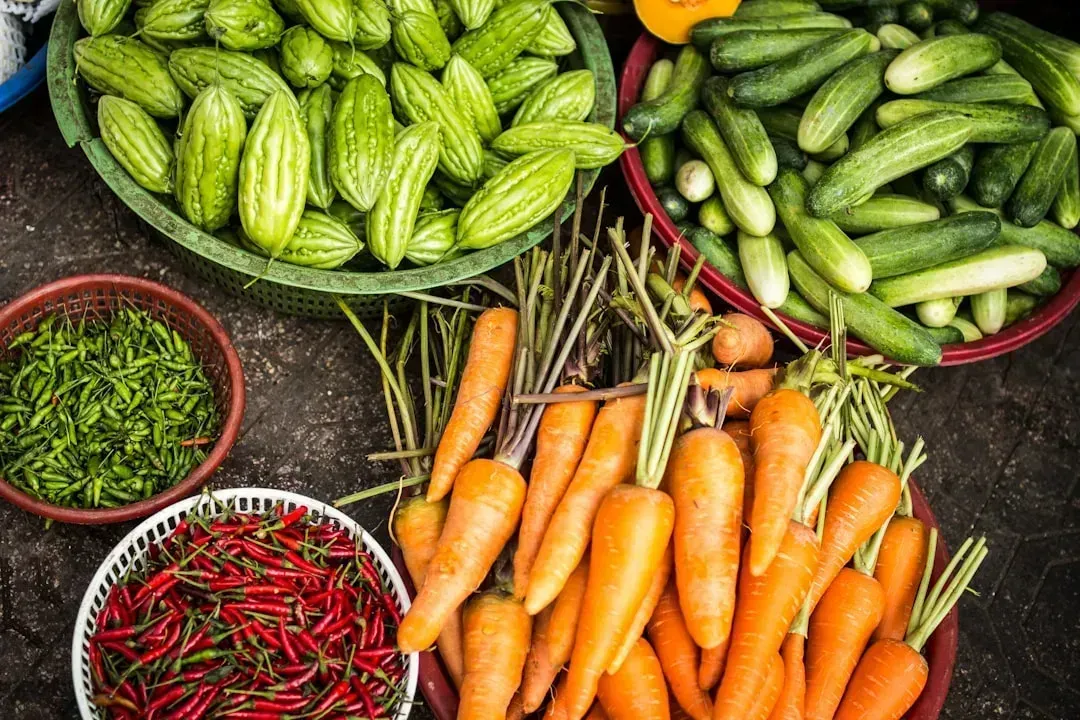
Some of the most common food frauds include substituting seafood, beef, and local ingredients with a less significant product, and restaurant owners claimed to buy from local providers that, it turns out, never sold to them. Places tout farm-to-table credentials and charge premium prices for supposedly local, organic produce. When investigative journalists actually called those farms, they discovered the restaurants had never purchased from them at all. The “locally sourced” claim sounds appealing and justifies higher menu prices, yet the ingredients often come from the same massive distributors everyone else uses. Honestly, this one stings because consumers genuinely want to support sustainable practices and are willing to pay extra for it.
Credit Card and Payment Surcharges

Restaurants increasingly pass credit card processing fees directly onto customers, sometimes without proper disclosure. In New York, businesses can no longer advertise one price and then add a surcharge at the point of sale (POS) for credit card users, and rather, they must post the higher price and then offer a discount for cash payments. Some establishments add mysterious “service fees” or “kitchen appreciation charges” that aren’t explained until the bill arrives. Two-thirds of respondents (66%) say they anticipate that restaurants will switch to less-expensive ingredients without giving a heads-up to patrons, yet ironically, 56% of the participants said they’d be willing to pay slightly more for their orders if the restaurant was forthcoming. Transparency matters more than you’d think, yet many restaurants still play games with hidden charges rather than being upfront about their actual costs.