7 U.S. Highways Truckers Avoid Driving at Night Due to Safety Concerns
When the sun goes down, the trucking industry faces a completely different set of challenges. While we do only one quarter of our driving at night, 50% of traffic deaths happen at night. That’s not a typo. Let’s be real here, darkness transforms American highways into something far more dangerous than most people realize.
Fatal accidents are twice as likely to occur after the sun sets, according to the National Highway Traffic Safety Administration. For truckers hauling freight across the country, certain highways have earned particularly notorious reputations when darkness falls. Experienced drivers share warnings at truck stops, swapping stories about roads they’d rather avoid once visibility drops.
Interstate 95: The East Coast’s Nighttime Nightmare
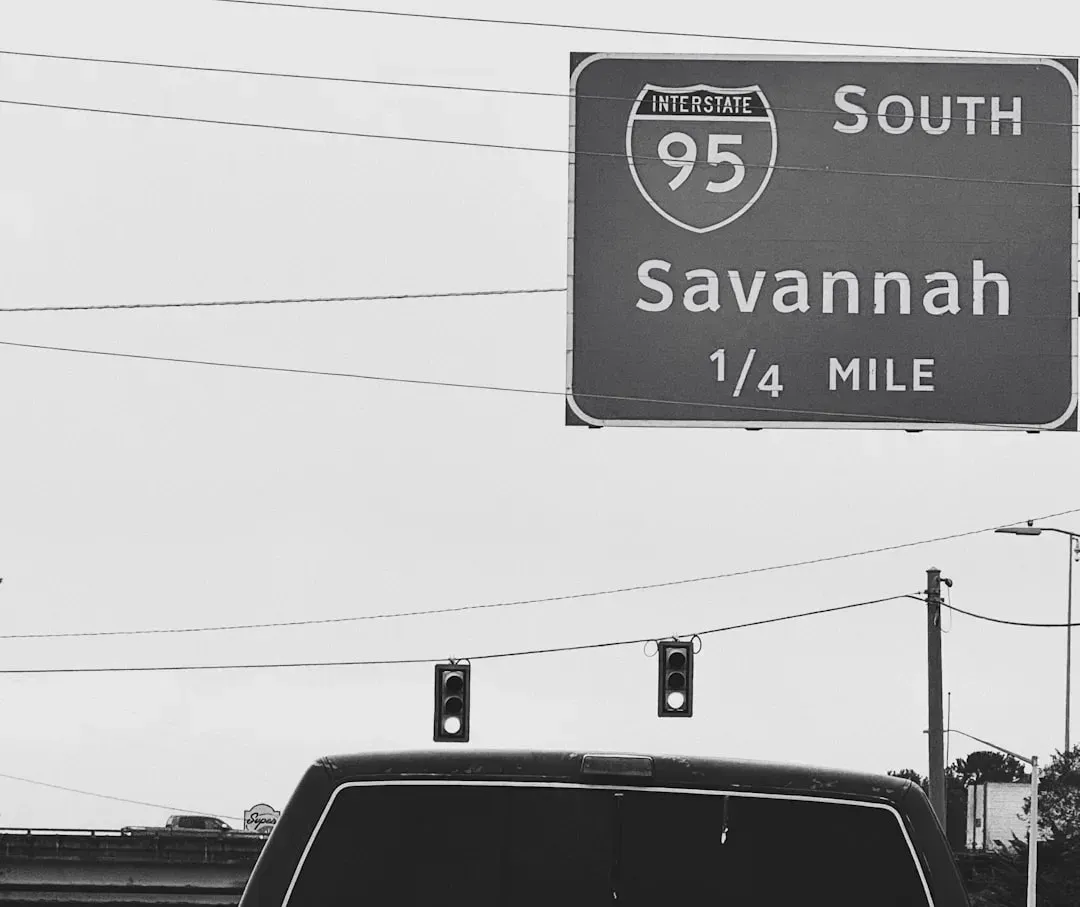
The National Highway Traffic Safety Administration says I-95 is the most dangerous highway in the country. This massive corridor stretches over 1,900 miles from Maine to Florida, passing through some of the nation’s most congested urban areas. Truckers dread navigating this route after dark for good reason.
Drowsy driving is responsible for numerous accidents on I-95 each year, particularly among commercial truck drivers who may be under pressure to meet tight delivery deadlines. Poor lighting on certain stretches compounds the danger. Certain stretches of I-95 lack sufficient lighting, making it difficult for motorists to navigate at night or during inclement weather. Many veteran truckers specifically avoid the South Carolina and Connecticut sections when possible, especially the notorious eight-mile stretch through Norwalk where accidents cluster regularly.
US Highway 550: Colorado’s Million Dollar Death Trap
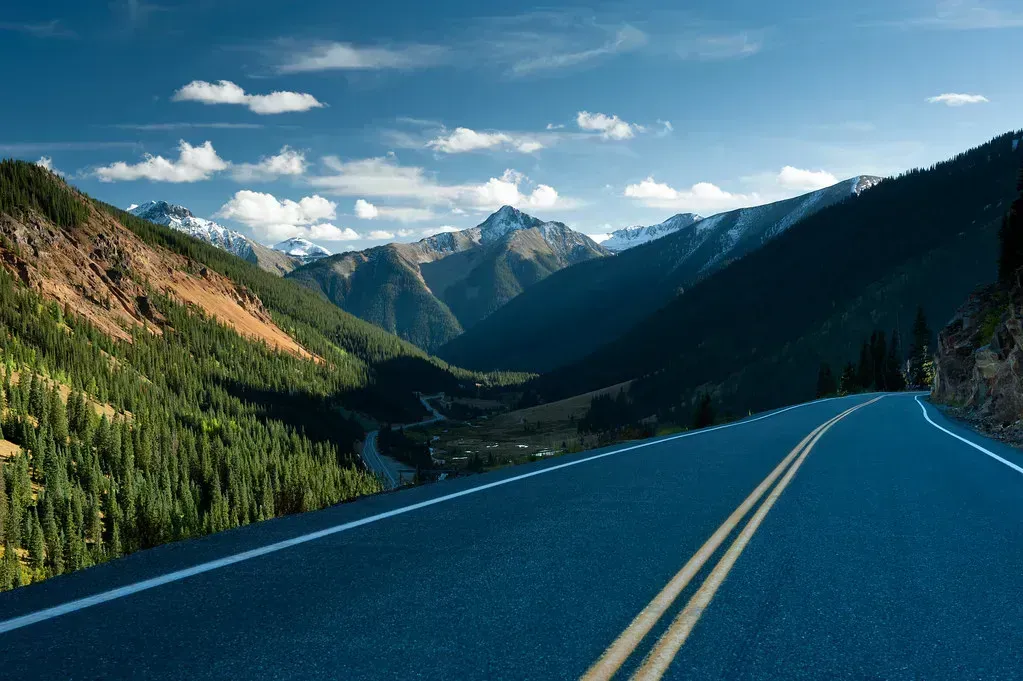
They call it the Million Dollar Highway, though that nickname has nothing to do with safety. Colorado 550 is considered by many truck drivers the most dangerous road to travel in winter. Route 550 splits into a two-lane road and spans 305 miles from New Mexico to Colorado, and at its highest point reaching 11000 feet in elevation. With no guard rails or shoulders, drivers need to be extra vigilant when passing through the dangerous 25 mile stretch.
Honestly, this highway becomes nearly impassable for big rigs after sunset. The steep drop-offs and hairpin turns are terrifying enough in daylight. When darkness falls and temperatures plummet, ice forms on the narrow roadway. Most seasoned truckers simply refuse nighttime runs on this route, and dispatchers who care about their drivers know better than to assign them.
Interstate 40 Through Arizona: The Trucker’s Consensus Worst Road
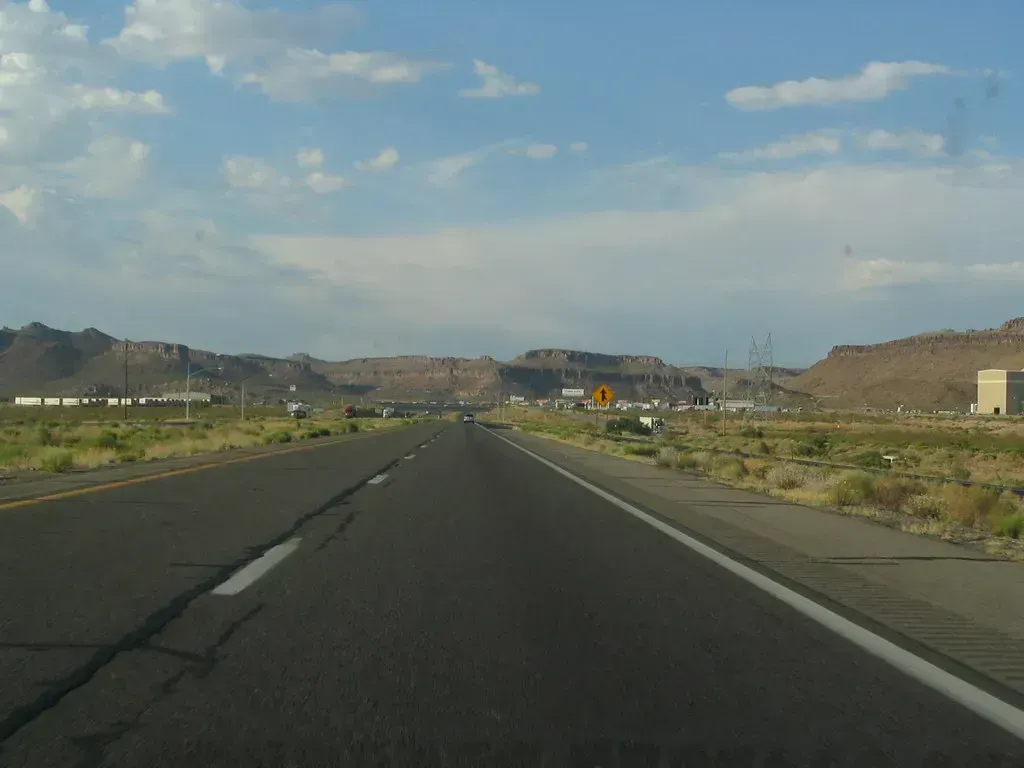
Ask any group of truckers about the worst highway in America, and you’ll hear the same answer repeatedly. When Overdrive asked owner-operators at Shell Rotella’s SuperRigs show which highway was the absolute worst in the U.S., nearly all mentioned Interstate 40 in Arizona. The road has serious maintenance issues that become exponentially more dangerous at night.
The road has been dubbed the deadliest highway in Arizona, averaging 35 fatal crashes every year. Poor pavement conditions make it difficult to maintain control of heavy loads. One trucker expressed that the road is poorly maintained, while visibility issues and unpredictable wildlife crossings add layers of risk once darkness settles over the desert landscape.
Montana Highway 2: Where Help is Hours Away
This 760-mile stretch presents unique dangers that intensify dramatically after dark. This 760-mile section of Highway 2 stretches from the Washington state line on the western edge of Montana to just east of Bainville. The highway runs through extremely rural areas situated far apart from each other. Think you can handle the solitude? Think again.
On average, it takes 80 minutes for an ambulance to arrive, and according to the University of Minnesota, it has the highest fatality than in any other region. At night, blizzards and black ice can appear without warning. The sparse population means you might not see another vehicle for an hour or more. If something goes wrong, you’re essentially on your own until help can reach you, assuming your phone even has signal to call for it.
Interstate 10 Through Louisiana: A Trucker’s Death Trap Description
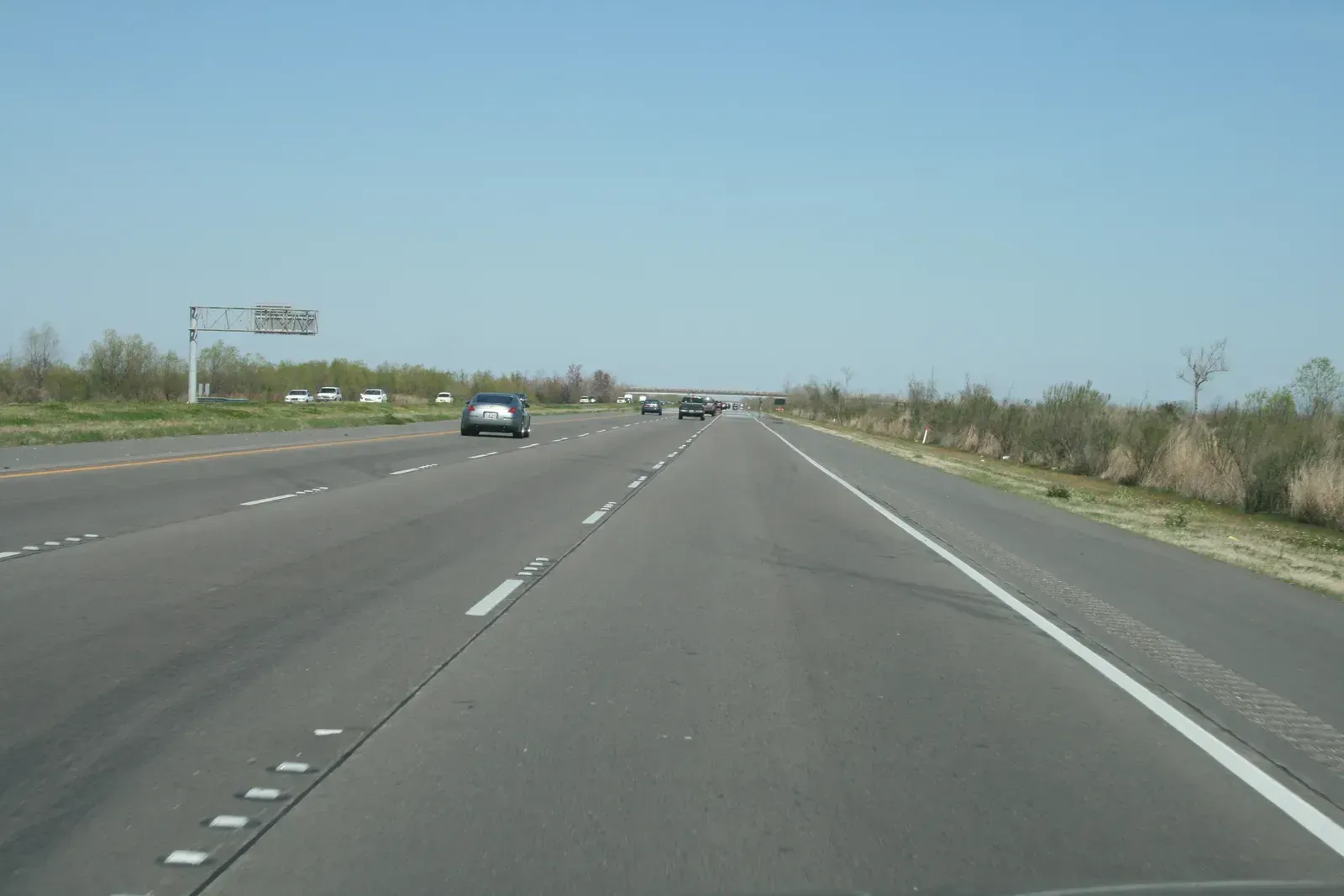
Interstate 10 is easily the worst road in Louisiana, but reports show it’s also a top contender nationwide. Local commuters who use the road frequently have given it a chilling nickname. Commuters who use the road frequently have described it as a “death trap.”
Here’s the thing. A study by Safer America revealed that within a 2-year period, there were a total of 121 fatal crashes on this road with 136 total fatalities. The combination of deteriorating road conditions and heavy truck traffic creates a deadly mix. Drowsy driving is responsible for numerous accidents on I-95 each year, particularly among commercial truck drivers who may be under pressure to meet tight delivery deadlines. Nighttime visibility drops severely on poorly lit sections, and truckers know the risks multiply when they can’t see potholes or stopped vehicles until it’s almost too late.
California Route 138: Blood Alley Lives Up to Its Name
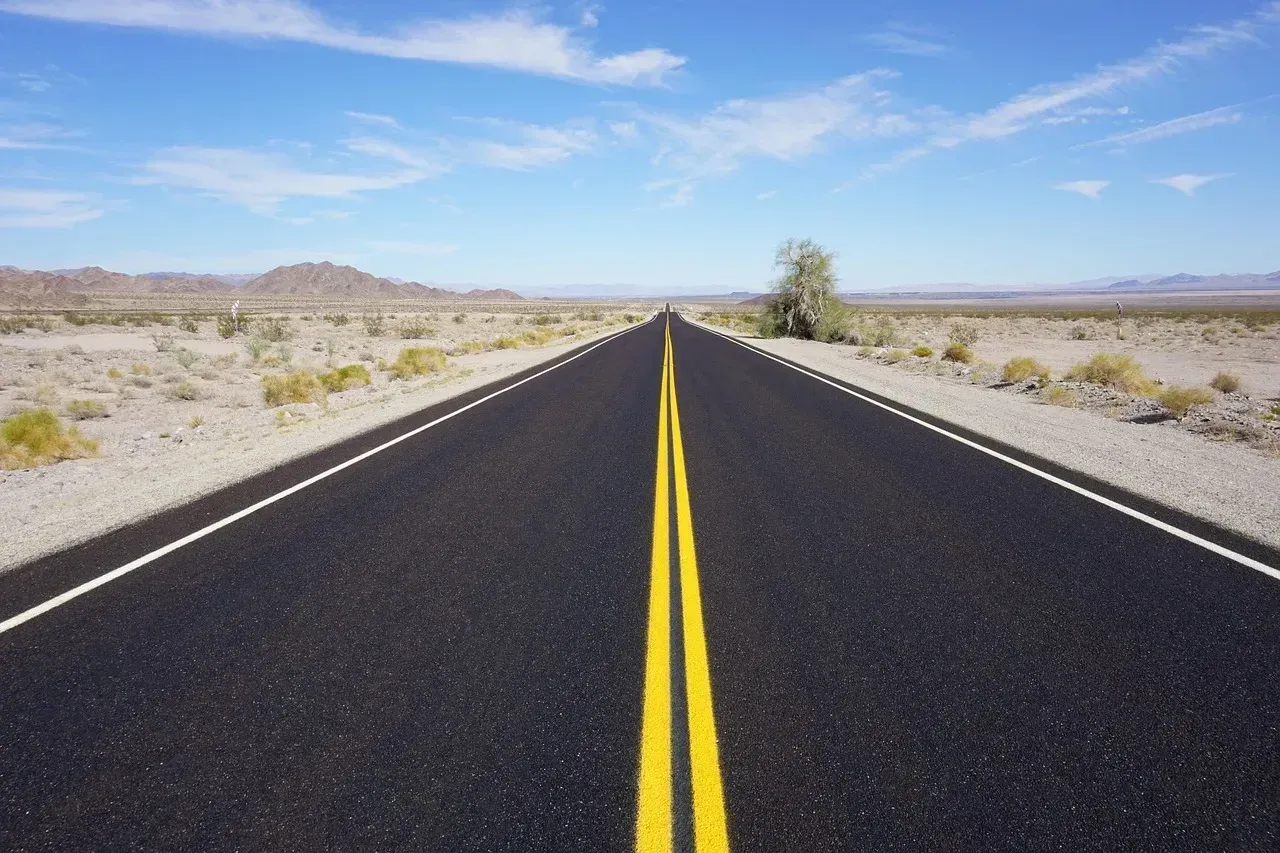
Some roads earn their nicknames through reputation alone. This one earned it through body count. Route 138 in California, sometimes referred to as “Blood Alley” and the “Highway of Death,” made our list due to the sheer number of hazardous conditions it has. The 105-mile stretch presents congested metropolitan roadways and winding, narrow mountain routes.
Nicknamed Blood Alley when it averaged 10 fatalities a year, it’s no wonder its considered one of America’s most dangerous roads. At night, the two-lane winding highway lacks shoulders and medians to separate oncoming traffic. Sharp curves become nearly impossible to navigate safely in darkness. Even though improvements have been made over the last two decades, truckers still approach this highway with extreme caution and many simply avoid nighttime runs altogether.
Interstate 45 Through Texas: The Former “Deadliest Route”
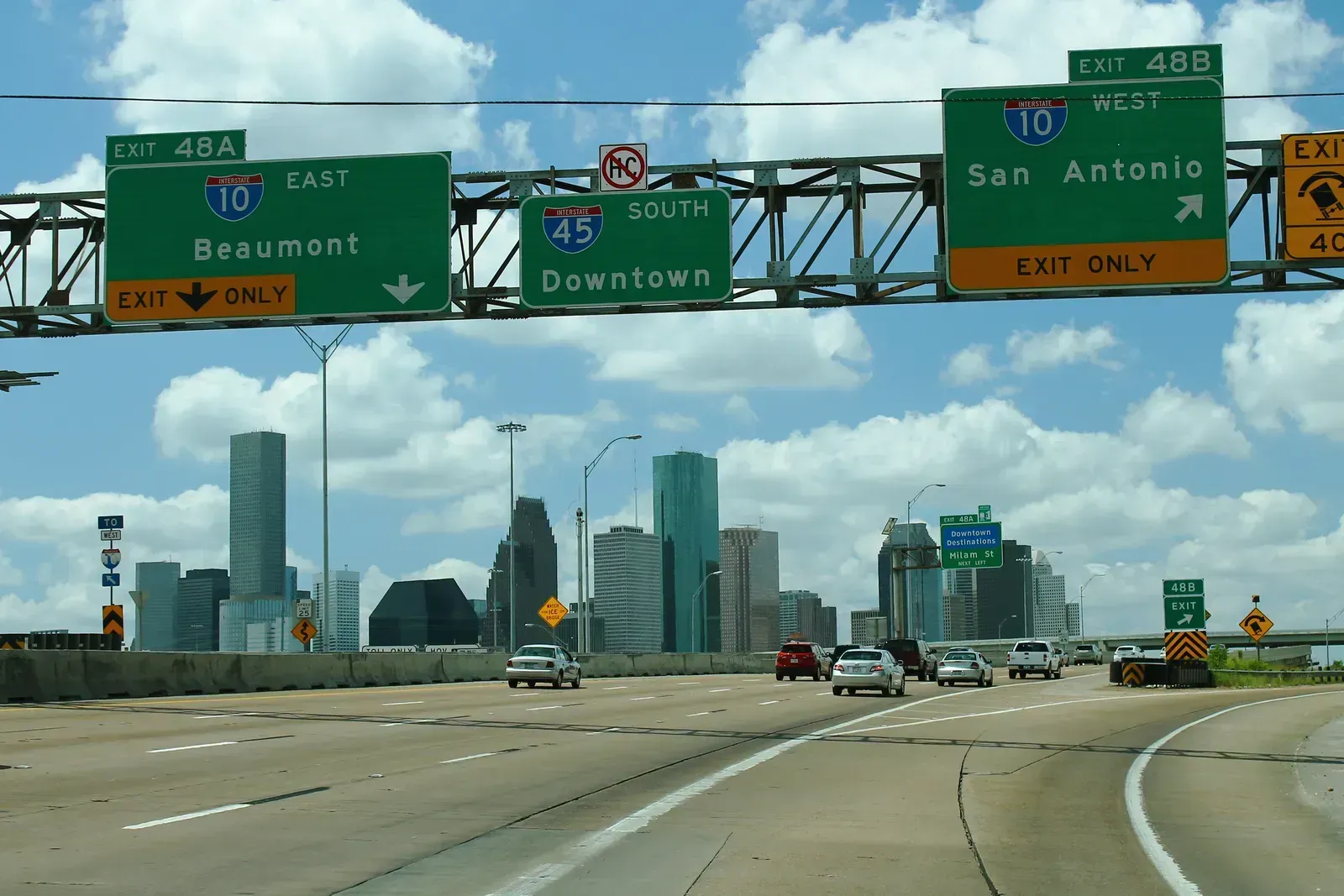
Texas holds a special place in trucking danger statistics, and this highway stands out even in a state known for hazardous roads. Currently, driving in Texas seems dangerous, and truckers on I-45 are particularly at risk. This is regarded as the most dangerous trucking road in Texas and stretches from Galveston to Dallas. It should come as no surprise that Interstate 45 was formerly called the deadliest route in the United States given the volume of traffic, speeding, and careless drivers that use it.
The volume of traffic never really stops, even at night. Speeding remains constant, and careless drivers weave between lanes without warning. For truckers, the nighttime hours bring additional dangers from impaired drivers and reduced visibility during the region’s frequent heavy rainstorms. Smart truckers schedule their routes to avoid this corridor during peak danger hours between midnight and dawn, when drunk driving incidents spike and fatigue sets in for other motorists sharing the road.