I Moved Overseas to Live “Like Royalty” on $2,500 a Month: 10 Things I Still Miss About the U.S.
There’s a certain fantasy that gets passed around in expat circles – the idea that you can ditch the American rat race, land somewhere warm and affordable, and suddenly be sipping cocktails on a terrace for a fraction of what you’d pay back home. Honestly? A lot of it is true. For many people, $2,000 to $2,500 per month can stretch surprisingly far in destinations outside the U.S., unlocking a comfortable lifestyle complete with dining out, travel, and even some luxuries. I’m living proof of that.
I made the leap. I found my spot, got my visa sorted, and watched my rent drop from soul-crushing to almost laughable. Life abroad has been genuinely wonderful, most of the time. But here’s the thing nobody tells you before you board that one-way flight: most U.S. expats prefer their life abroad to living in the U.S., though the majority recommend the lifestyle with some caveats, because living abroad does come with real challenges, including managing long-distance relationships with family and friends and adapting to new cultural environments. These are my 10 honestly. Let’s get into it.
1. The Sheer Ease of American Customer Service

I know, I know. American customer service has its horror stories. But you do not understand what you have until it’s gone. The great thing about customer service in America is that it exists in a robust form, because many countries simply do not prioritize or invest in any sort of customer service. That hits differently when you’re trying to return a broken appliance and the shop assistant just stares at you like you’ve asked them to solve calculus.
Back home, a bad experience at least came with an apology and a refund. Overseas, “the customer is always right” is basically an alien concept. You adapt, sure. You learn to lower your expectations and laugh it off. Still, there are days when all you want is someone to just fix the problem, no argument, no drama.
2. Free Refills and Ice in Your Drinks
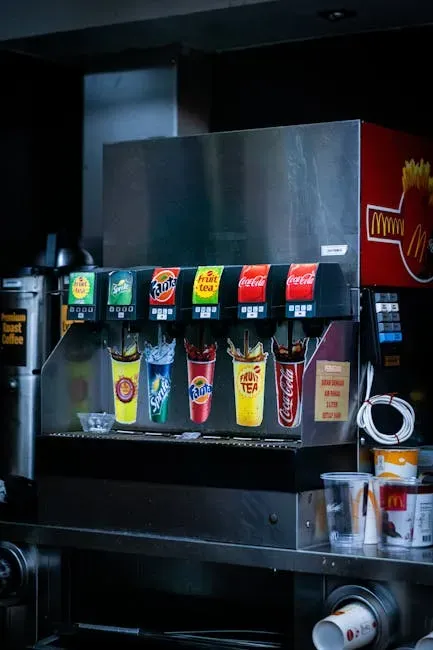
This sounds trivial. It is not trivial. The almost allergic aversion to ice in many parts of the world is genuinely baffling, and iced beverages remain an elusive luxury in so many places. You’ll order a soda at a restaurant and receive a single ice cube, grudgingly dropped in, like they’re doing you a favor. And forget free refills. That concept simply does not exist in most of the world.
Think of free refills like a social contract Americans take for granted. You pay for a drink, you stay hydrated, life is simple. Abroad, every additional glass costs money, every top-up is a transaction. It’s a small thing. But on a blazing hot afternoon, it stops feeling small pretty fast.
3. Thanksgiving and the Rituals Around It

Thanksgiving is not just a meal. It’s a ritual, a collective pause, something you don’t fully appreciate until there’s no turkey anywhere near you in late November. AAA projected nearly 80 million travelers would head out over the Thanksgiving holiday travel period in 2024, an increase of over 1.7 million people compared to the previous year, which tells you something about how deeply Americans feel this holiday. It’s not just tradition. It’s a gravitational pull.
Living abroad, Thanksgiving becomes a DIY operation. You hunt down a turkey – sometimes literally ordering one weeks in advance – you gather a random crew of fellow expats, and you do your best. It’s actually kind of beautiful in its own way. But it doesn’t feel the same. The smell of someone else’s grandma’s kitchen from down the street? That’s a uniquely American sensory experience money genuinely cannot replicate.
4. The Incredible Diversity of Food
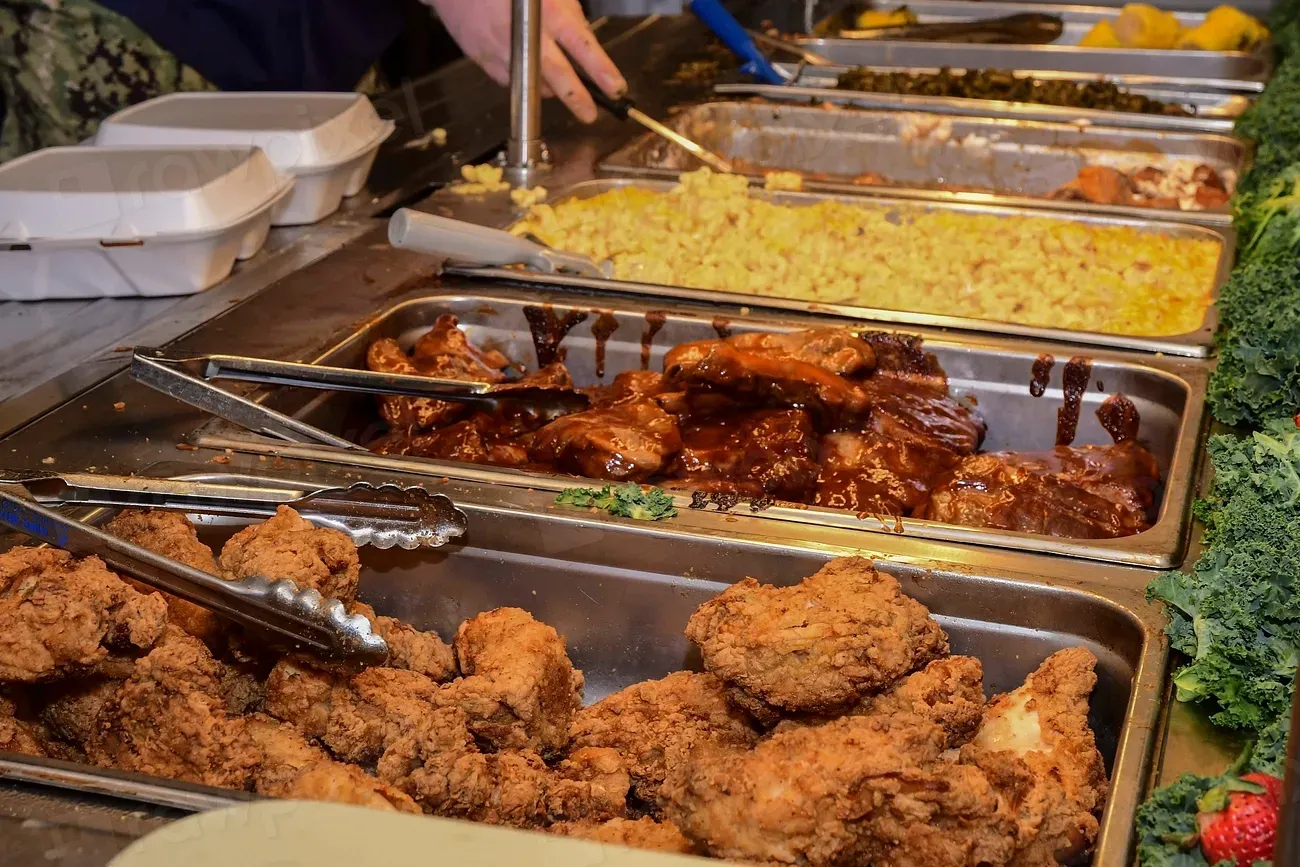
America is a food melting pot in a way that most countries simply are not. In America you can hear a million different languages from a million different people as you walk through cities, and you can get food from all over the world. In Asia, finding good Mexican food is difficult. In Europe, finding good Japanese or Korean food presents the same challenge. That abundance is real, and its absence is felt.
I genuinely did not understand how spoiled I was. On any given Tuesday back home, I could eat Vietnamese pho for lunch and incredible Ethiopian food for dinner. Abroad, I get excellent local cuisine, which I love. But sometimes your soul wants a proper taco, and no amount of beautiful local food fills that very specific hole. Say what you want about America, but the diversity in culture, food, and people is lacking in many parts of the world. It really is a melting pot, and that’s something genuinely special.
5. 24/7 Everything
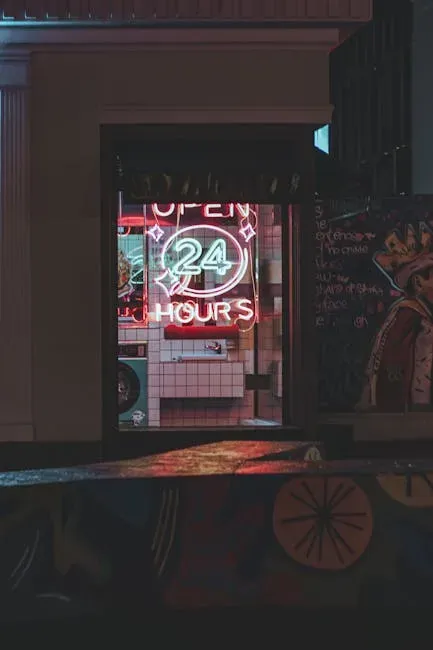
America runs around the clock. Pharmacies, grocery stores, urgent care clinics, diners. The country simply does not close. There is nothing worse than having a need at 11 pm and realizing that all of the closest pharmacies aren’t open for another 10 hours. The concept of a pharmaceutical candy shop, like Walgreens and CVS, essentially only exists in America. That’s not an exaggeration. Most of the world closes at 6 PM and does not care about your convenience.
I’ve genuinely been stranded with a headache, no painkillers, and absolutely nothing I could do about it until morning. That moment changes you. You start hoarding ibuprofen like a survivalist. You plan ahead with a paranoia that would seem insane to your old self. It’s hard to say for sure, but I think this one alone might be the most practically disruptive thing about expat life that nobody warns you about.
6. The American Road Trip
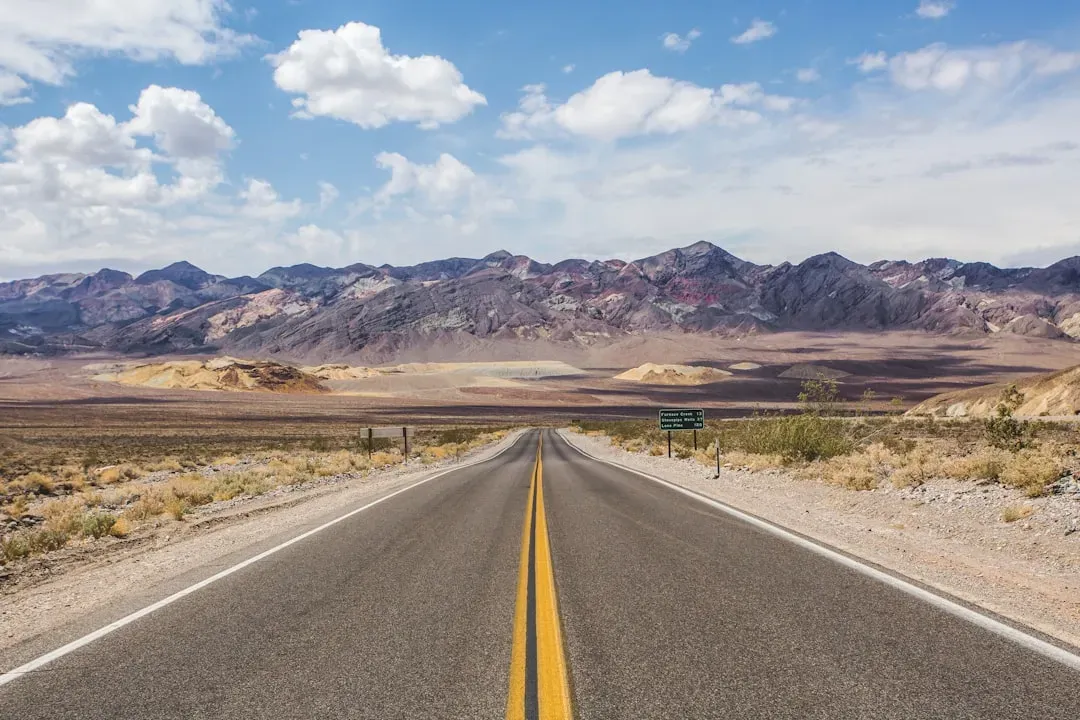
There is no other country on Earth that does road trips quite like America. The roads, the scale, the culture around it, the roadside diners, the national parks rolling past your window – it is its own genre of experience. Over 75% of American adults intend to take a road trip each summer, and more than a third of them take a road trip more than 250 miles from home. That tells you something about how deeply the road trip is woven into the American identity.
There is something about driving across state lines, watching the landscape shift from desert to mountain to forest, all within one country, that is simply incomparable. Abroad, borders mean paperwork and passport checks. America means rolling the windows down and driving until you feel like stopping. I miss that freedom more than I expected. More than almost anything, honestly.
7. The Friendliness of Strangers

Americans get mocked for their “have a nice day” culture. Abroad, I have come to genuinely love it. In many places abroad, it is much more common for people to either say a full formal greeting or ignore you completely, and many locals don’t understand why Americans are always smiling at everyone. That observation stuck with me, because it’s true. And the thing is, even if the American warmth is performative sometimes, it still feels good.
There’s a lightness to being smiled at by a stranger. A small acknowledgment that says, “You exist, and that’s fine with me.” It costs nothing and changes the texture of a whole day. I didn’t realize I was an extrovert powered by low-stakes human warmth until I moved somewhere that considers unsolicited smiling slightly suspicious.
8. The Sense of Scale and Possibility
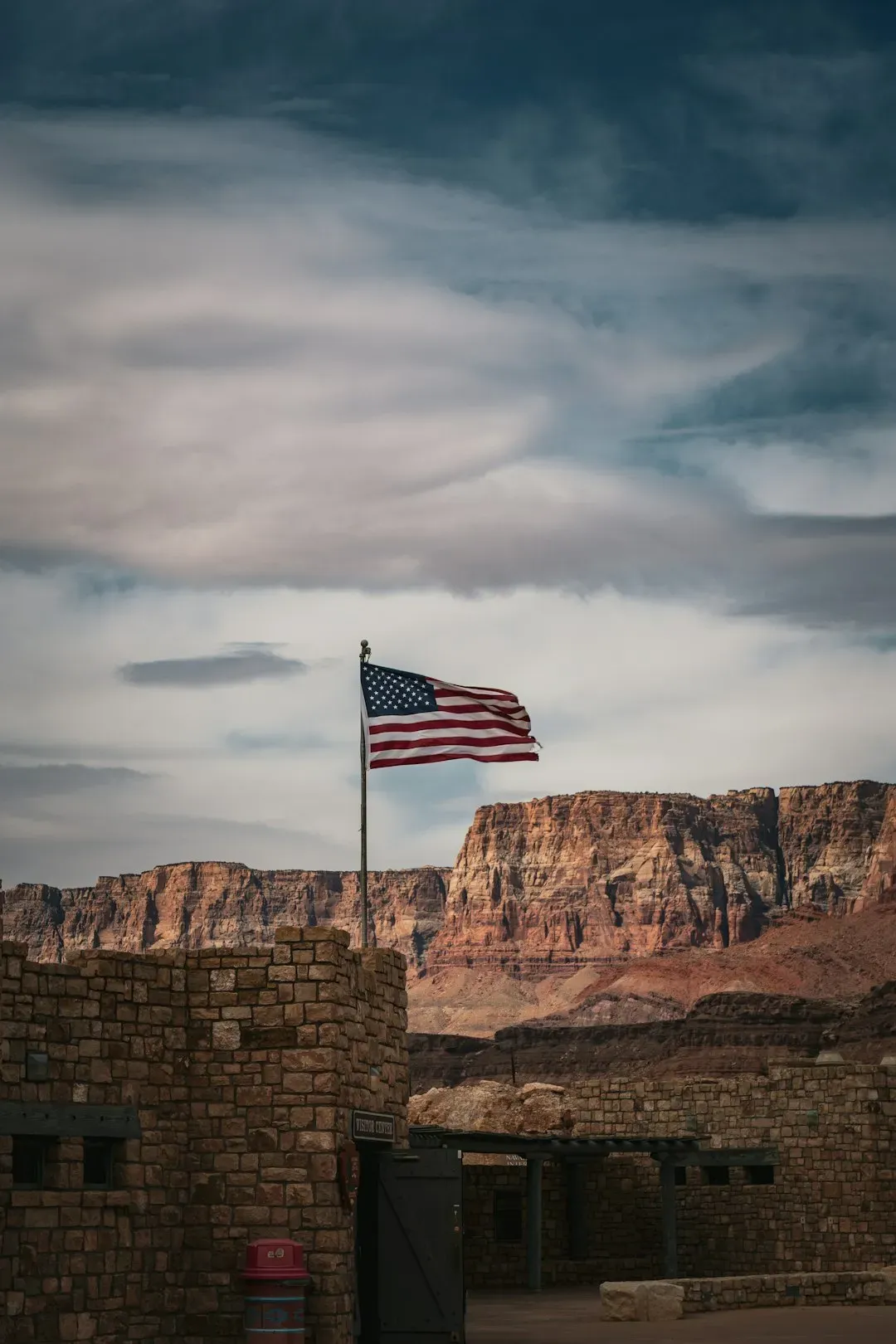
America has a psychological quality that is hard to name but instantly recognizable when it’s gone. It’s the feeling that something enormous is always possible. That the scale of the place means there’s always somewhere new to go, something new to try, another version of the dream to chase. A 2024 report found that one of the top contributors to U.S. citizens’ relocation dreams was actually a desire for adventure, enrichment, and growth. Funny enough, that same restless energy is what makes Americans miss home, too.
Living in a smaller country, things feel more finite. More manageable, yes, but also more contained. You run out of “new” faster. America, for all its dysfunction, has a kind of vastness that functions like oxygen. You don’t notice it until you’re breathing something thinner.
9. The National Parks
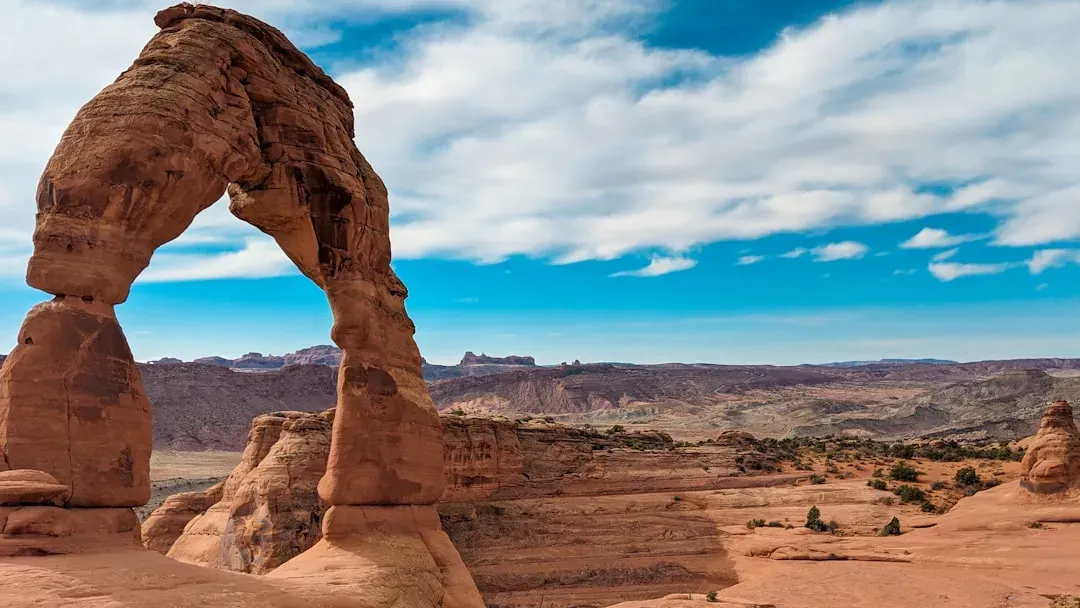
Honestly, this one deserves its own article. America’s national park system is one of the greatest public gifts any government has ever given its people, and most Americans treat it like a vague background fact. Yosemite. The Grand Canyon. Zion. Yellowstone. These aren’t just parks. They’re planet-level experiences. No other country has assembled this density of jaw-dropping wilderness and made it accessible, affordable, and yours by birthright as a citizen.
I’ve visited beautiful nature abroad. Spectacular, even. But there’s a particular pride and ownership you feel standing at the edge of the Grand Canyon knowing this belongs to everyone. No velvet rope, no exclusive booking. Just America, in all its overwhelming geological glory, open to anyone who shows up. I miss that deeply and with zero irony.
10. The Feeling of Civic Energy
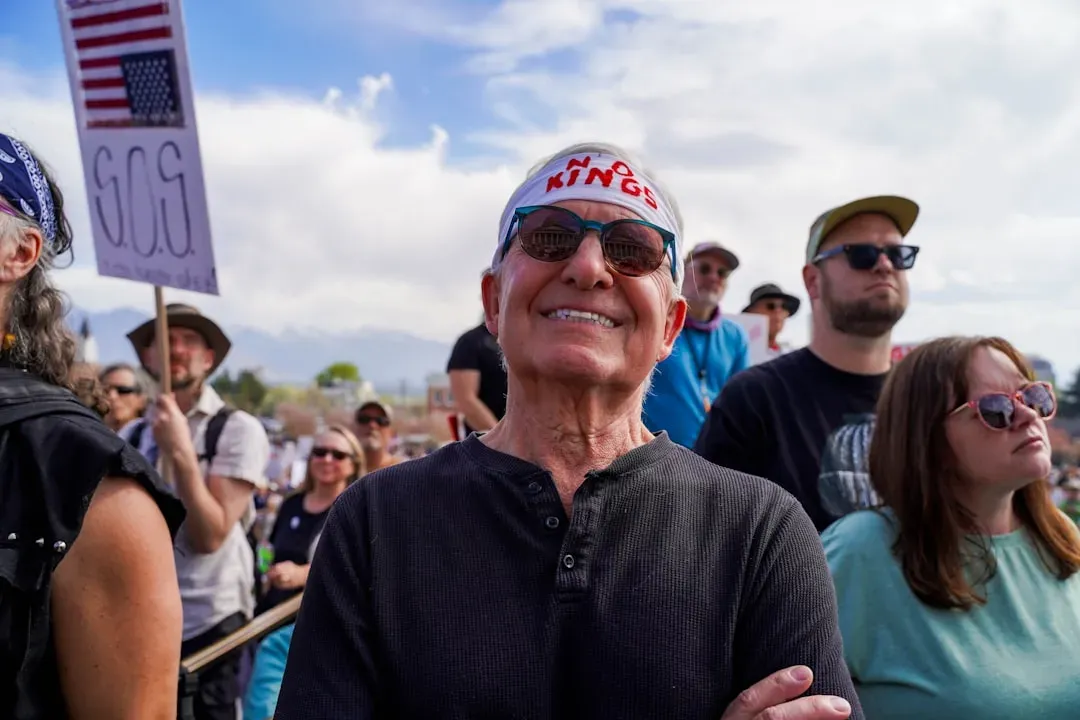
This one surprised me the most. From experience, Americans deeply value standing up for their beliefs. There might not be full agreement on what changes should be made, but there’s a shared belief that change is possible if people work hard enough for it. That civic pulse, the protests, the town halls, the passionate arguments over dinner tables, is something that feels uniquely American and oddly energizing when you’re far from it.
Many people don’t realize how “American” it actually is to advocate and organize for change on a widespread level. It is a privilege rooted in history. The country was literally founded upon fighting for change, and every quintessential moment of American history was founded upon community organizing. Abroad, I sometimes crave that electricity. The sense that people care enough to be loud about it. It’s messy and exhausting and sometimes maddening. Still, it’s alive. You feel it. And when it’s gone, you feel that too.
Living overseas on $2,500 a month has genuinely given me a life I couldn’t have afforded back home. The food, the slower pace, the savings, the adventure, the feeling of being a stranger in a fascinating place – from the UK to Japan, Americans are forging new paths abroad, driven by the pursuit of a better quality of life, adventure, and improved work-life balance. I don’t regret a single day of it.
But here’s what I’ve learned: leaving a place doesn’t make you stop belonging to it. The things I miss aren’t flaws in my decision. They’re reminders of what made me who I am. The trick is holding both truths at once. You can love where you are and still grieve what you left. That’s not weakness. That’s just being human. Did you expect homesickness to show up in the most unexpected places? Tell me what you think in the comments.