14 Cities Every Serious Food Lover Should Experience
New Orleans came out on top in a global survey of more than 18,500 people, proving this Louisiana gem isn’t messing around when it comes to culinary prowess. The city thrives on bold flavors that tell stories of cultures colliding, blending French technique with African soul, Spanish fire, and Vietnamese freshness. Walking through the French Quarter, you’ll catch whiffs of butter, cayenne, and mystery spices that pull you toward hidden doorways. A staggering ninety three percent of locals consider their restaurant scene excellent, and honestly, they’re not exaggerating. Gumbo simmers for hours in cast iron pots while beignets puff up golden and cloud-like at century-old cafes. Every bite in New Orleans feels like a celebration, which makes sense for a city that never needed an excuse to throw a party. This is where food isn’t just sustenance but a way of honoring ancestors, traditions, and the pure joy of eating something ridiculously delicious.
Tokyo: Where Tradition Meets Culinary Precision
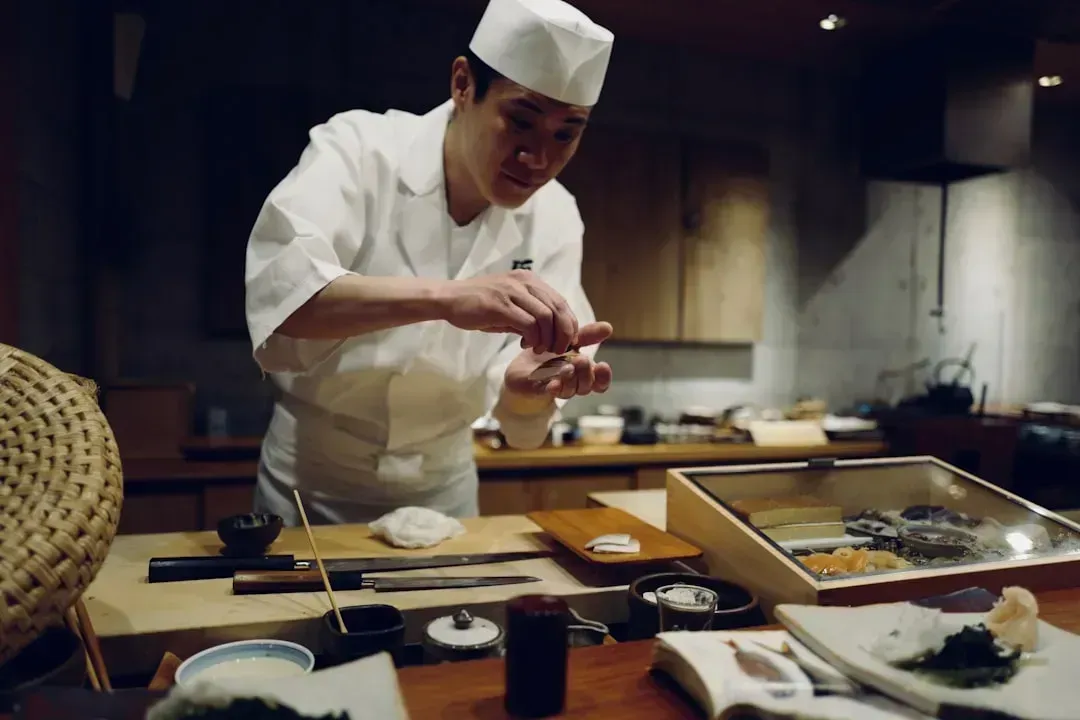
Tokyo has had the most Michelin starred restaurants in the world since 2008, and walking through its neighborhoods reveals why. This year’s selection with more than 500 restaurants recommended sets a new record as Tokyo continues to be the best endowed city in terms of both quality eateries and Michelin starred establishments. Here’s the thing though: you don’t need a reservation at a three-star temple to understand Tokyo’s food magic. Ramen shops tucked under train tracks serve bowls that could make you weep. Tiny sushi counters where the chef remembers your face become sacred spaces. A total of 183 restaurants around the Japanese capital were awarded stars, with a further 127 eateries awarded the Bib Gourmand designation. The dedication to craft in this city borders on obsession, whether it’s perfecting the char on yakitori or aging fish for exactly the right number of days. Tokyo doesn’t chase trends because it invented most of them centuries ago.
Lima: South America’s Culinary Revolution
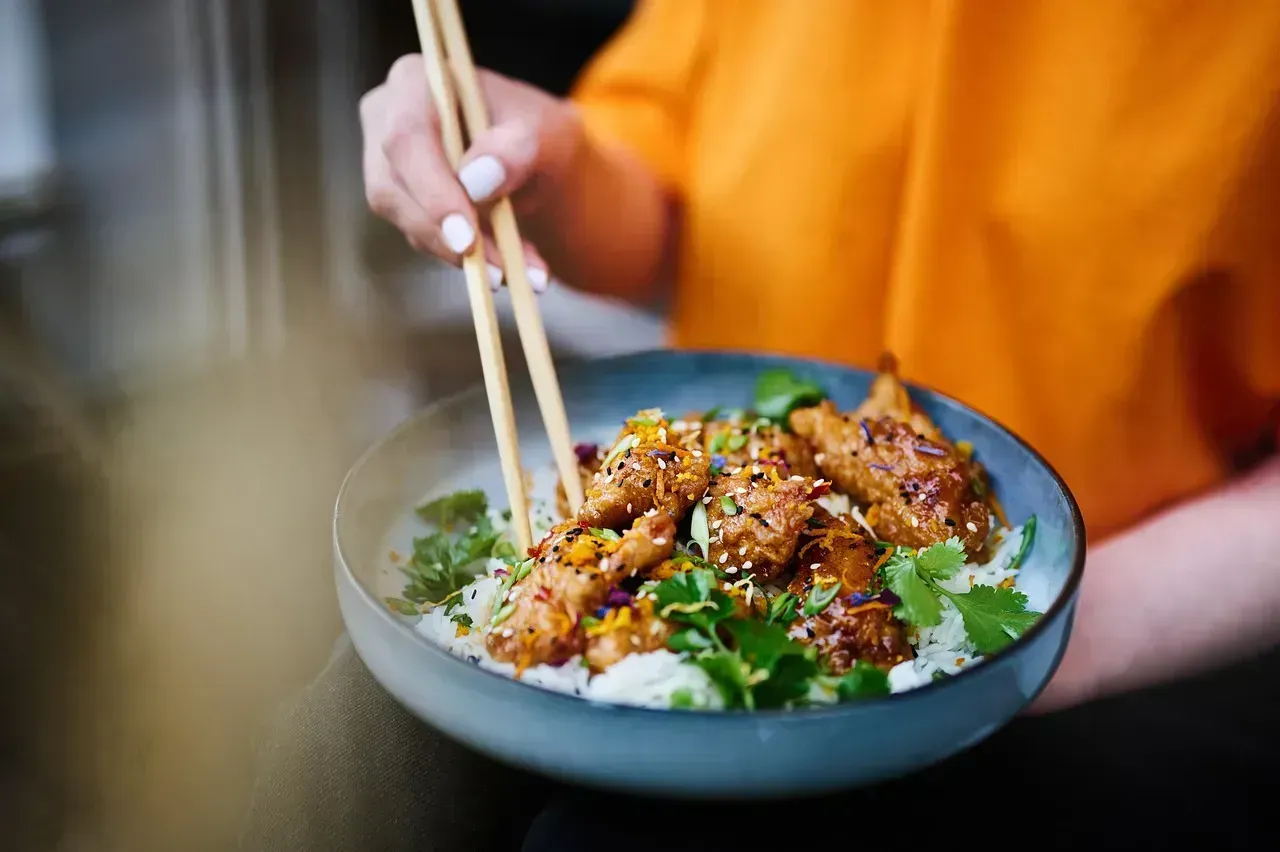
Lima has earned a reputation as the culinary capital of South America, thanks to its vibrant food scene that fuses indigenous ingredients with international influences. The coastal capital grabs your attention with ceviche so fresh it practically swims onto your plate. Three restaurants on the prestigious World’s 50 Best Restaurants 2024 list were in Lima, highlighting this city’s rising star power. Central takes diners on an altitude journey through Peru’s ecosystems, while Maido celebrates Nikkei cuisine with mind-bending Japanese-Peruvian fusions. Lima is often dubbed the culinary capital of South America, stemming from its innovative chefs, diverse ingredients, and a fusion of cultural influences. Street vendors sell anticuchos (grilled beef heart skewers) that rival anything in fancy dining rooms. The Pacific Ocean delivers daily treasures while the Andes provide ancient grains and potatoes you never knew existed.
Lyon: France’s Heartfelt Gastronomic Capital
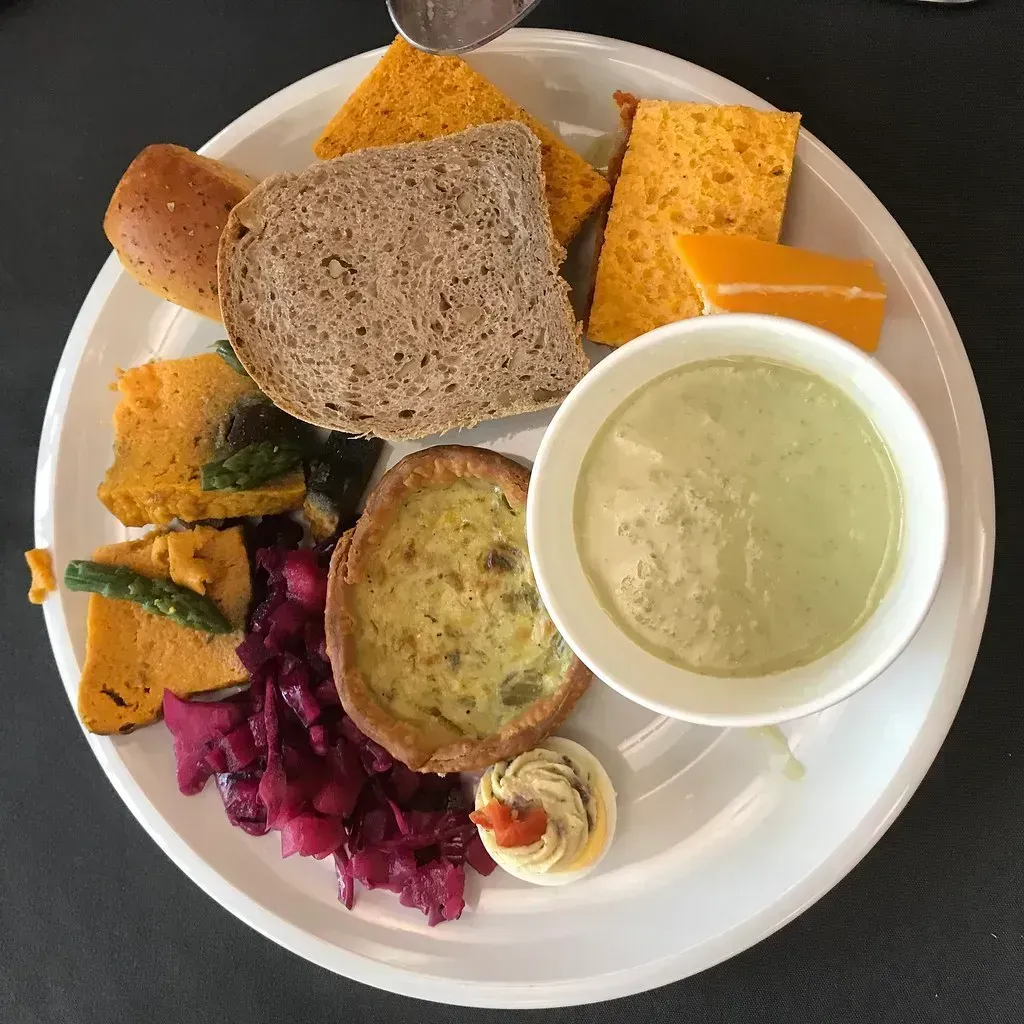
Let’s be real, Paris gets all the attention, but serious eaters know that Lyon holds the real culinary crown in France. Back in 1935, revered French food critic Curnonsky heralded Lyon as the world capital of gastronomy, and nearly ninety years later, that title still fits. The city’s bouchons serve soul-warming dishes that Parisians forgot how to make. The city boasts some 4,000 restaurants, including 16 with Michelin stars in 2023. These aren’t pretentious temples to haute cuisine but honest, rustic spots where quenelles float in creamy sauces and sausages arrive perfectly charred. Known as the gastronomic capital of the country, Lyon boasts a rich tapestry of flavours and traditions, deeply rooted in its bouchons, family run restaurants offering hearty dishes that celebrate the region’s ingredients. The Mères Lyonnaises, pioneering female chefs, built this food culture on respect for ingredients and zero tolerance for waste. Lyon’s markets overflow with regional cheeses, Bresse chicken, and produce that chefs fight over at dawn.
Bangkok: Street Food Nirvana
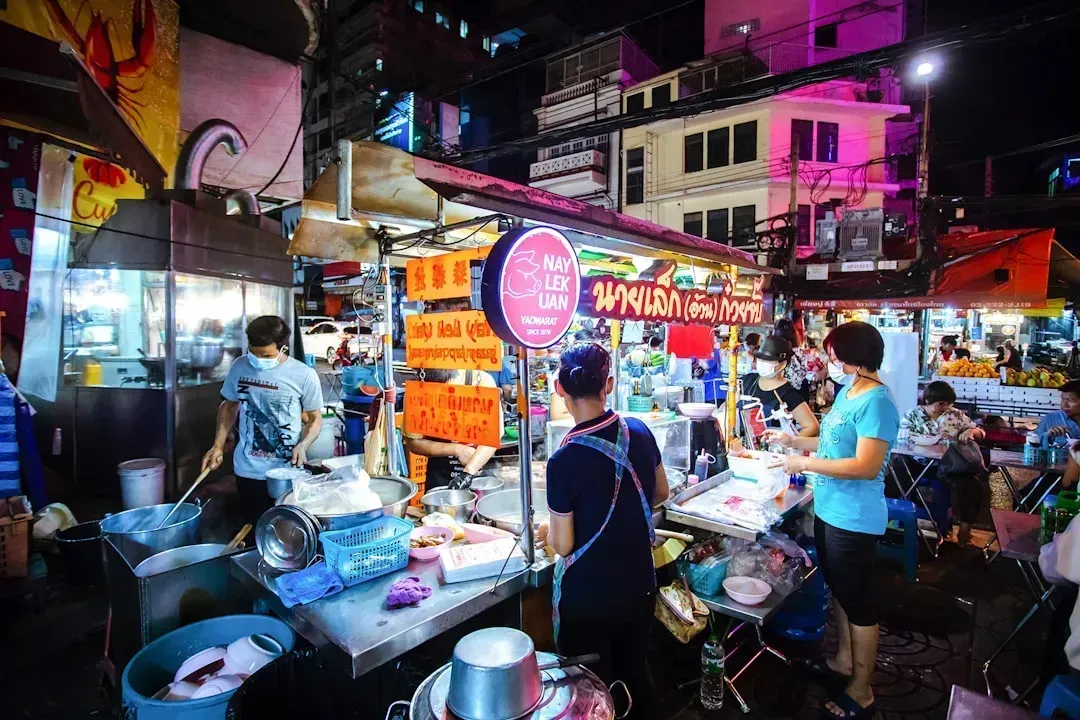
Bangkok’s glorious food scene covers everything from Michelin starred fine dining to a multitude of markets with three dollar street food. This city never sleeps and neither does its stomach. Bangkok is a street food paradise, offering everything from pad Thai to mango sticky rice, blending Thai traditions with modern culinary trends. Yaowarat Road in Chinatown transforms into a neon-lit fever dream of sizzling woks, steaming baskets, and charcoal grills every evening. Vendors who’ve perfected single dishes for decades stand shoulder to shoulder with experimental young cooks pushing boundaries. Som tam, that explosive green papaya salad pounded with chilies, lime, fish sauce, and palm sugar, epitomizes Bangkok’s culinary philosophy: bold, balanced, and utterly unforgettable. The beauty lies in democracy; a plastic stool meal can satisfy just as deeply as white tablecloth dining. Markets like Chatuchak overflow with vendors during weekends, creating labyrinths of temptation where getting lost feels like winning.
Mexico City: Ancient Roots, Modern Fire
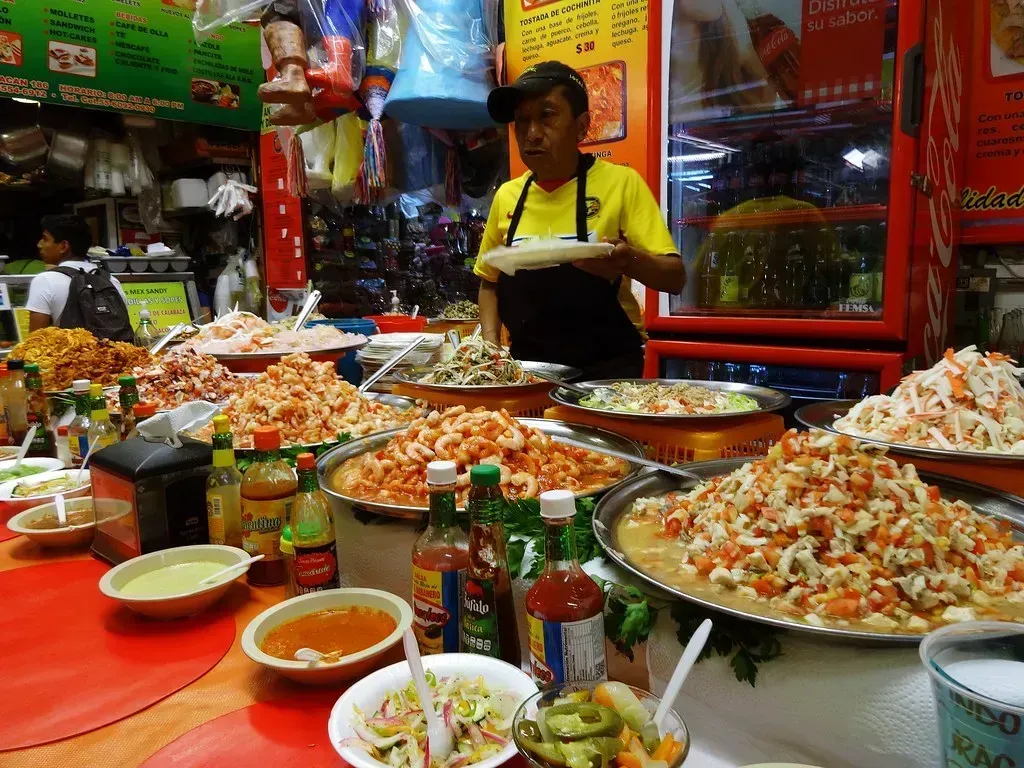
The 2024 arrival of the Michelin Guide saw stars awarded including one to Taquería El Califa de León, a humble spot in Mexico City. This recognition proved what locals always knew: extraordinary food lives everywhere in this sprawling metropolis. Pre-Hispanic ingredients like huitlacoche (corn fungus) and chapulines (grasshoppers) appear on both street corners and fine dining menus. In recent years Mexico City has become a top destination for international foodies in the know. Tacos al pastor spin on vertical spits inherited from Lebanese immigrants, creating fusion before fusion became trendy. Mercado de San Juan sells exotic ingredients that challenge even seasoned cooks, while neighborhoods like Roma and Condesa hide contemporary restaurants reimagining pre-Columbian cuisine. The mole alone, with its dozens of ingredients and days of preparation, justifies the plane ticket.
Hanoi: Where Every Corner Tells a Delicious Story
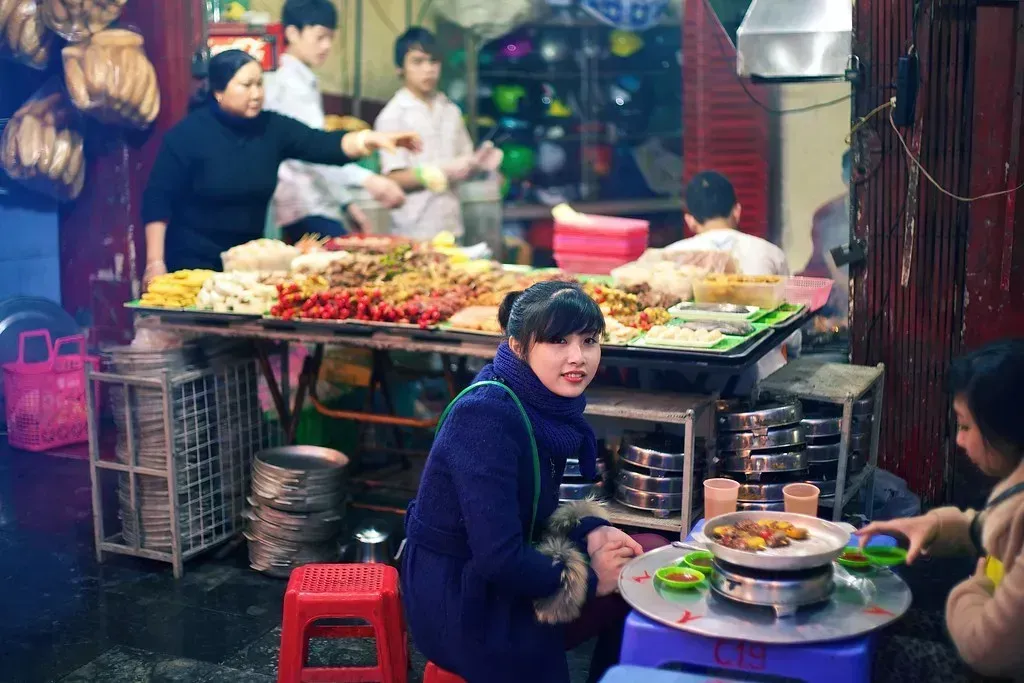
Hanoi was named the best culinary city of 2024, likely taking the top spot for its rich food heritage that blends Vietnamese and French influences, as well as its vibrant street food culture. Narrow streets overflow with tiny plastic stools where locals slurp pho at dawn, the broth so clear you can see through it yet packed with depth. Iconic dishes like pho, a fragrant noodle soup with beef or chicken, and bun cha, grilled pork served with noodles and fresh herbs, are quintessential to the Hanoi experience. The Old Quarter operates like a living museum where each street specialized in specific trades for centuries, and that focus extends to food. Banh mi vendors construct architectural sandwiches with French baguettes and Vietnamese fillings. Fresh herbs pile high on every table because eating without mint, cilantro, and Thai basil feels incomplete here. The food stays honest, affordable, and connected to centuries of tradition.
Cape Town: Africa’s Rising Culinary Star
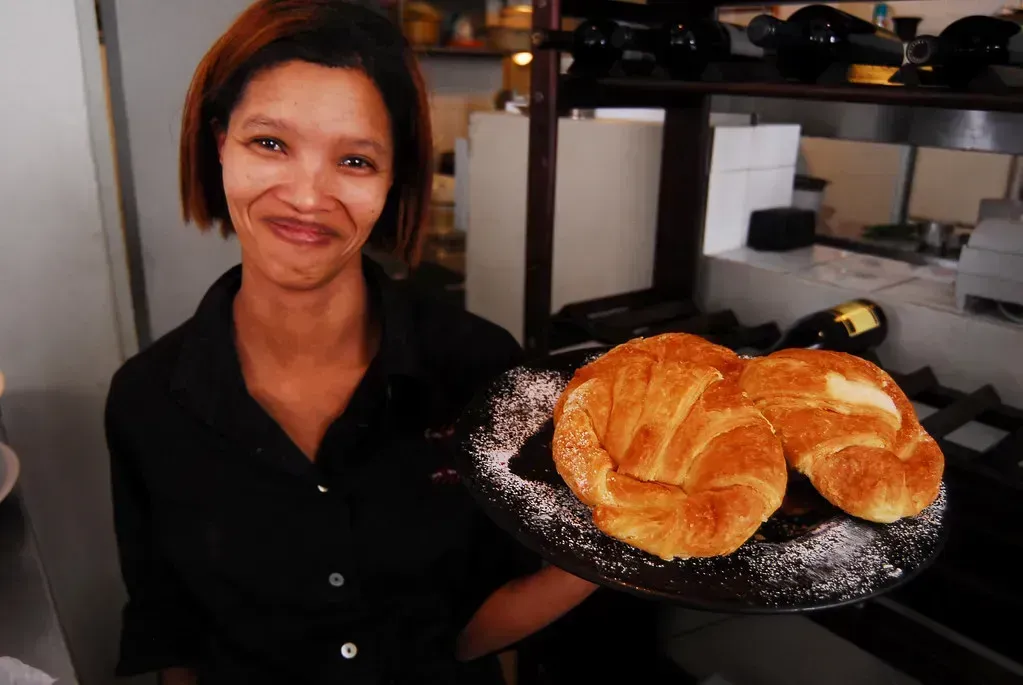
After hoovering up at the World Culinary Awards including winning the title Africa’s Best Culinary City, Cape Town is moving up the ranks on the world food stage. This coastal South African gem benefits from incredible biodiversity, multiple oceans meeting, and wine regions that rival anywhere globally. The city’s La Colombe restaurant was one of only three new entries on the World’s Best 50 Restaurants list, showcasing how Cape Town chefs blend global techniques with uniquely African ingredients. Braai (barbecue) culture runs deep, yet innovative restaurants push boundaries with indigenous ingredients like rooibos and buchu. The food markets burst with Cape Malay curries, fresh seafood straight from fishing boats, and pastries showing Dutch influence. Wine estates in nearby Stellenbosch offer pairings that make you reconsider everything you thought you knew about South African wine.
Dubai: Luxury Meets Global Flavors
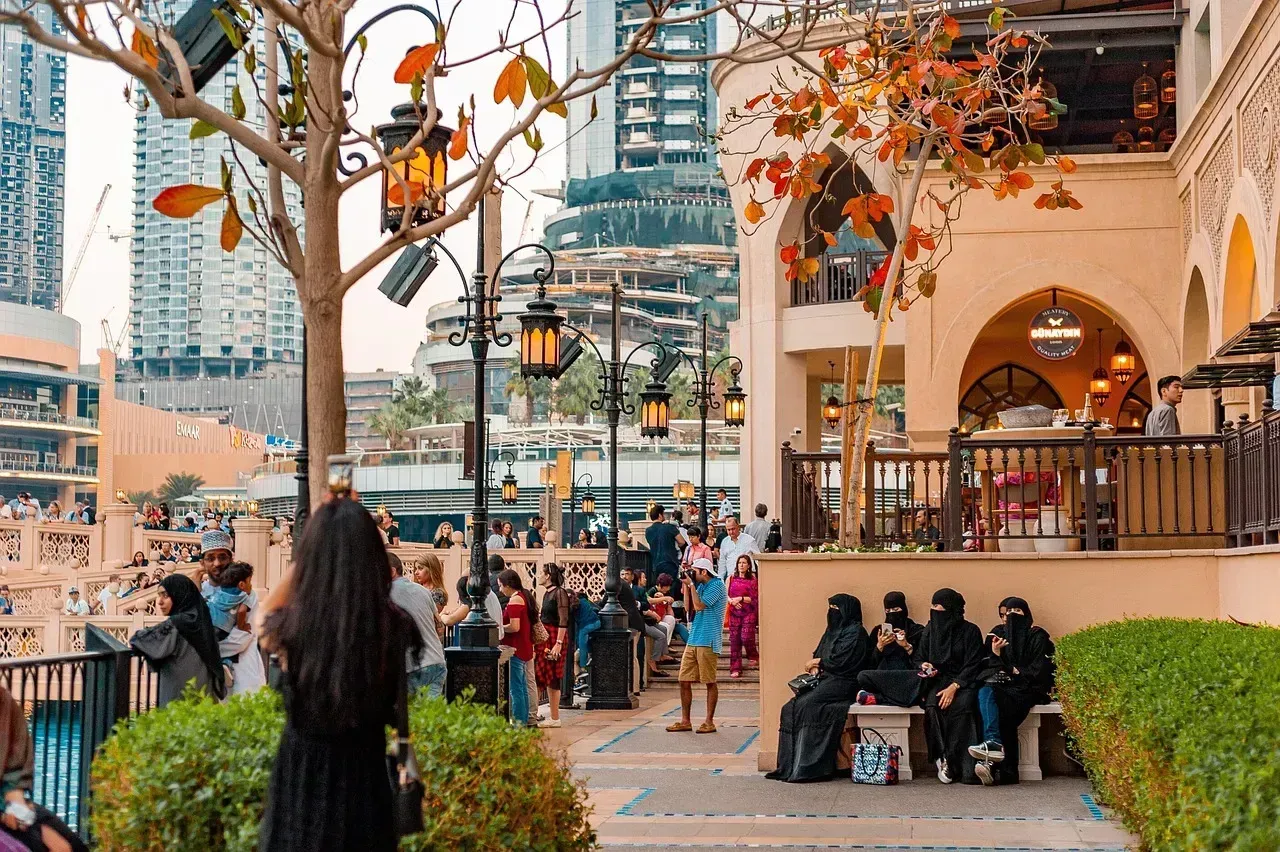
Dubai won the title of the world’s best food destination of 2024, emerging as a culinary hotspot blending diverse flavors from around the world with local Emirati influences. This city doesn’t do anything halfway, and its restaurant scene proves it. The city is renowned for its eclectic dining scene, with Middle Eastern, Asian, European, and North American influences. You can eat breakfast in a gold-leafed hotel, lunch at a Michelin-starred Japanese restaurant, and dinner at a traditional Emirati feast under the stars, all in one day. The city attracts celebrity chefs like moths to flame, creating outposts of world-famous restaurants. Yet tucked between glittering towers, shawarma shops and Iranian cafes serve the workers who built this desert miracle. Food courts in malls rival entire neighborhoods elsewhere. Dubai represents modern globalization on a plate, for better or worse, depending on your perspective.
Shanghai: Where Tradition Evolves
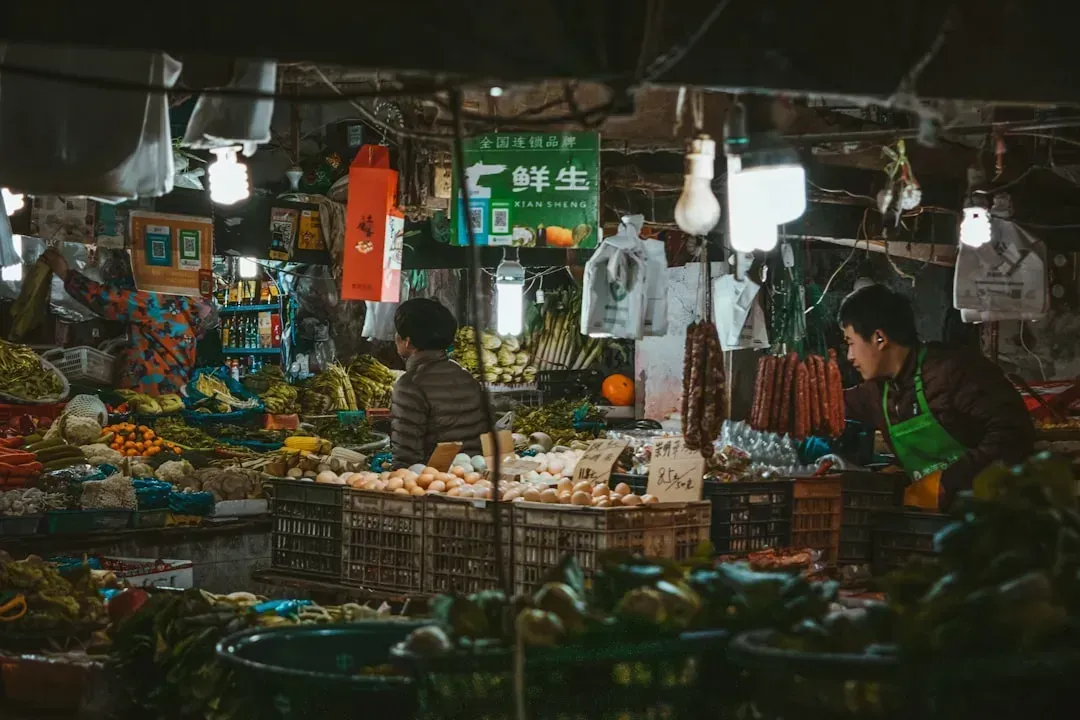
In Shanghai, thousands of years of food history have been perfected in today’s adventurous culinary scene. This metropolis never stops moving, and its kitchens match that relentless energy. Xiaolongbao (soup dumplings) at Din Tai Fung require engineering degrees to perfect, yet hole-in-the-wall joints make versions just as transcendent. The city’s position as a trading port for centuries means Sichuanese fire, Cantonese refinement, and local Shanghainese sweetness all compete for attention. Modern chefs trained abroad return home to elevate street snacks into gallery-worthy presentations. Night markets sell fried scorpions next to delicate pastries, because Shanghai contains multitudes. French Concession bakeries hint at colonial history while rooftop restaurants showcase the Bund’s futuristic skyline. The food here tastes like ambition.
Madrid: Spain’s Beating Heart
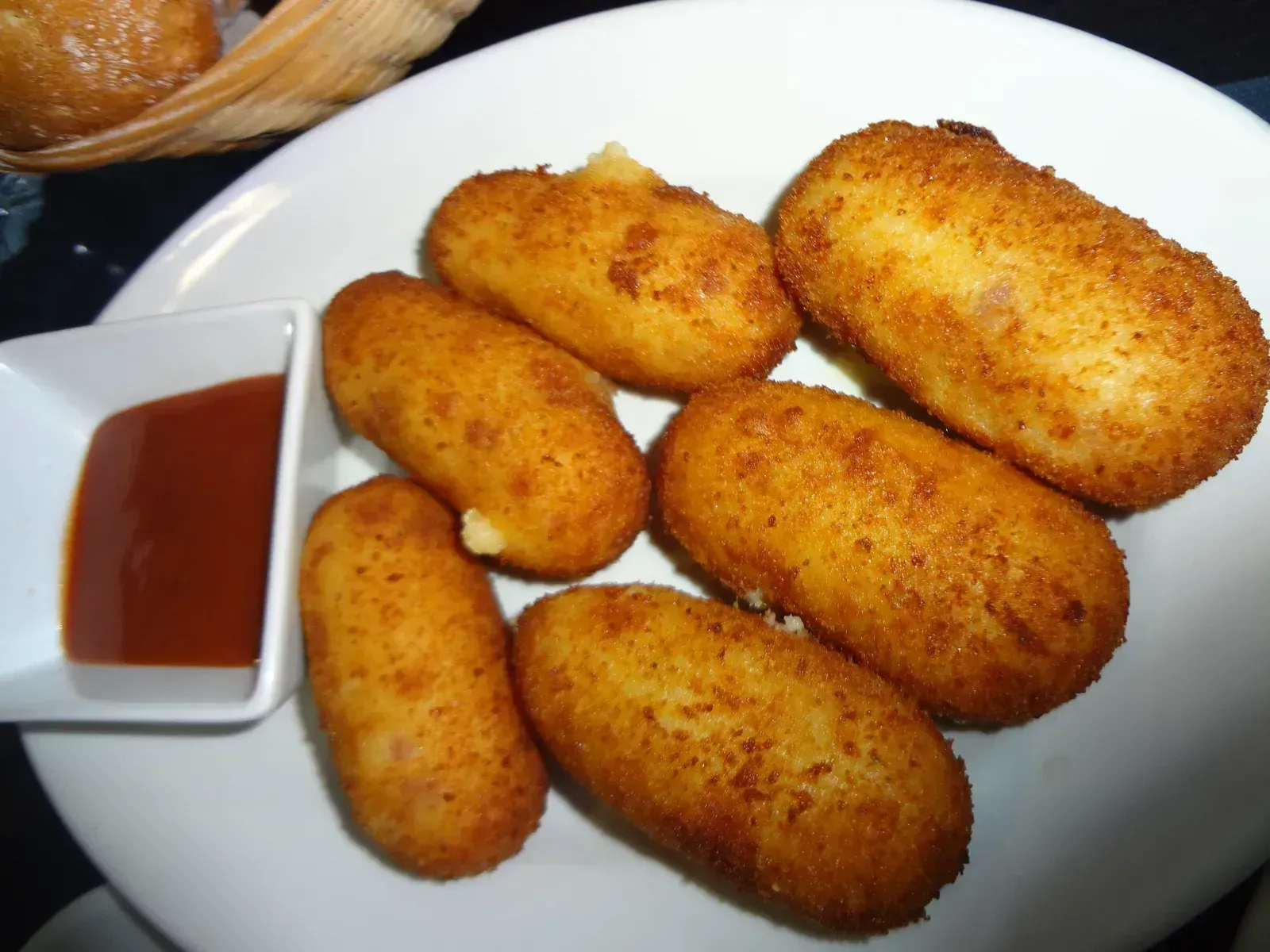
Madrid’s flourishing food scene is both diverse and experimental, say locals. The Spanish capital earned its spot through fearless creativity and deep respect for tradition existing simultaneously. Tapas culture transforms eating into social sport; you don’t sit down for dinner, you migrate between bars, sampling jamón ibérico shaved paper-thin, patatas bravas drowning in spicy sauce, and gambas al ajillo sizzling in garlic oil. Mercado de San Miguel and Mercado de San Antón operate as food temples where vendors showcase Spain’s regional diversity. Michelin-starred restaurants push molecular gastronomy boundaries while century-old tabernas serve cocido madrileño (chickpea stew) exactly as grandmothers made it. The late dining schedule (dinner starts at 10pm) initially shocks visitors but eventually makes perfect sense. Madrid eats with passion, volume, and zero pretension.
Istanbul: Where Two Continents Feast
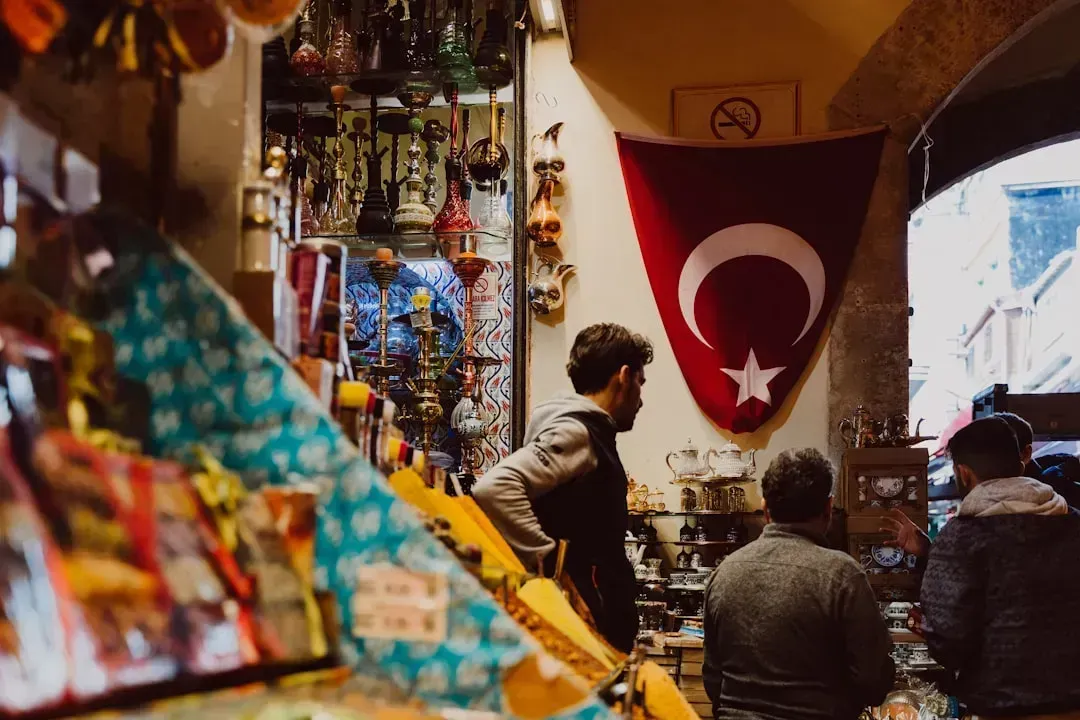
Straddling Europe and Asia, Istanbul’s food reflects its geographical split personality in the best possible way. Byzantine, Ottoman, Mediterranean, and Middle Eastern influences crash together creating something entirely unique. Breakfast alone deserves an entire day, with tables groaning under olives, cheeses, tomatoes, cucumbers, eggs, and endless tea. Street vendors sell simit (sesame bread rings) on every corner while fish sandwich boats bob in the Bosphorus serving mackerel so fresh it was swimming minutes earlier. The Grand Bazaar’s spice market assaults your senses in wonderful ways with pyramids of spices, dried fruits, and Turkish delight in rainbow colors. Kebabs range from simple döner to elaborate Iskender topped with tomato sauce, yogurt, and browned butter. Baklava drips with honey and nostalgia. Istanbul feeds you history with every bite.
Singapore: The World on One Island
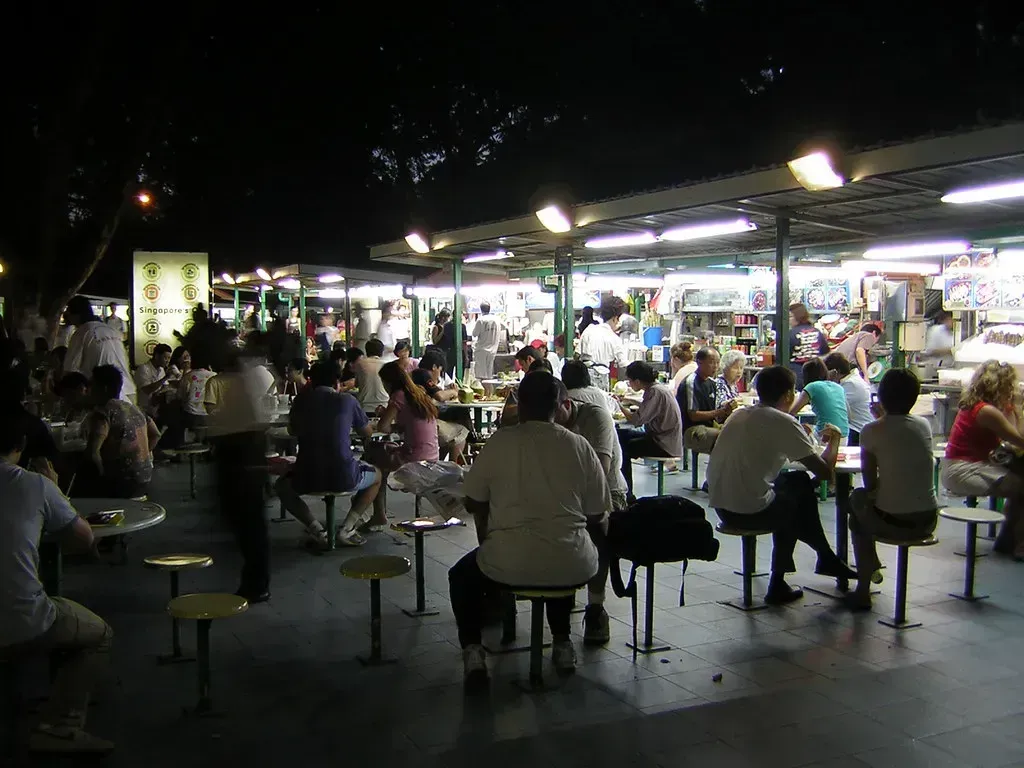
This tiny city-state punches way above its weight culinarily speaking. Hawker centers operate as outdoor food courts where Michelin-starred stalls sell meals for under five dollars, which should be impossible but isn’t. Chinese, Malay, Indian, and Peranakan cuisines exist side by side, often on the same plate. Chili crab requires bibs and absolute commitment, while laksa (spicy coconut curry noodle soup) warms you despite tropical heat. Chicken rice appears deceptively simple until you taste versions perfected over generations. The government protects hawker culture recognizing it as national heritage, which means authentic food stays accessible rather than gentrifying into oblivion. Marina Bay’s luxury restaurants showcase cutting-edge techniques, but the real soul lives in hawker centers where aunties and uncles have perfected single dishes for decades. Singapore proves democracy tastes delicious.
Marrakech: Spice, Smoke, and Ancient Secrets
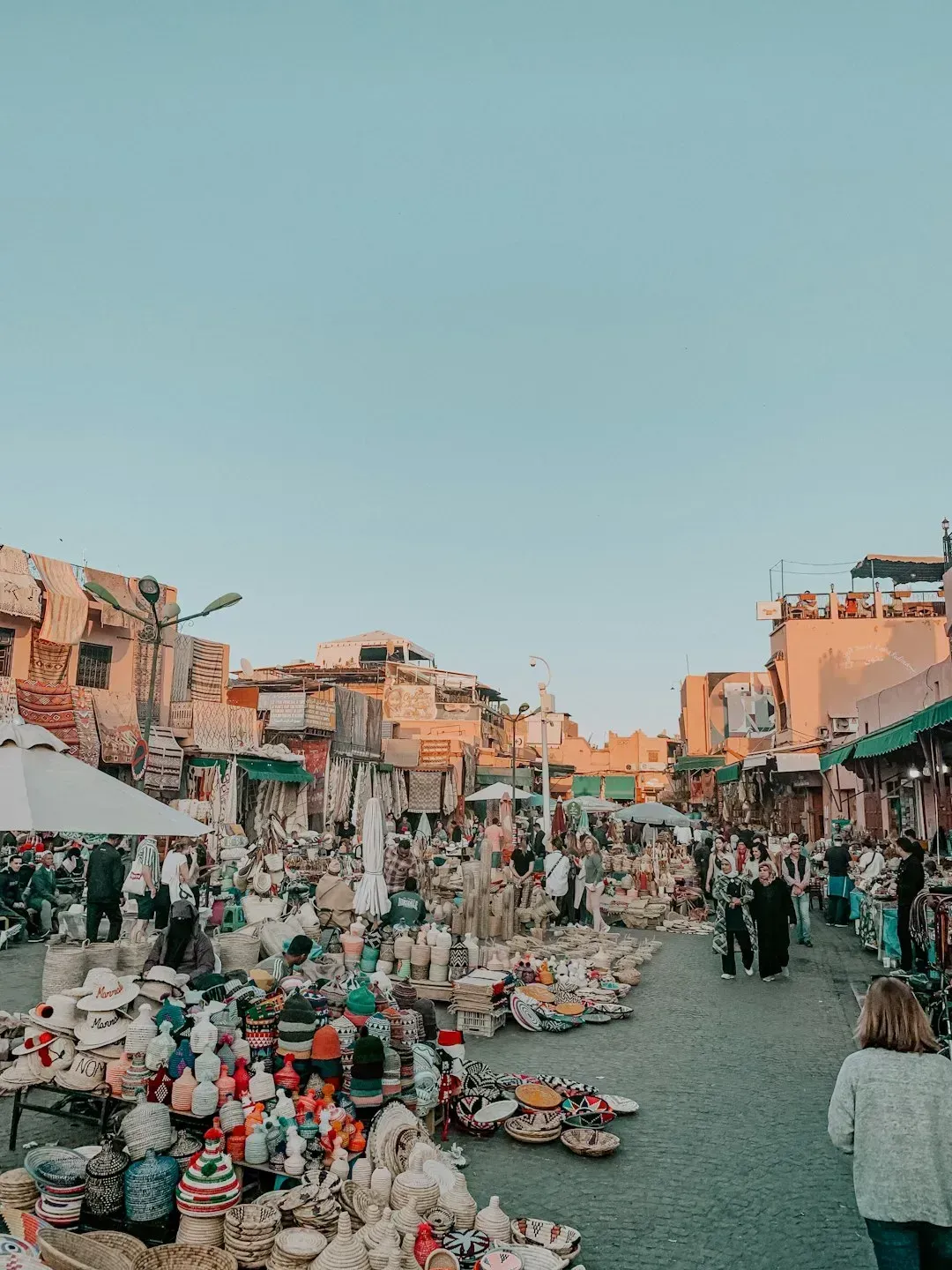
Morocco’s red city seduces through aromatic spice clouds wafting through narrow medina alleys. Tagines simmer for hours developing flavors that seem impossibly complex yet comforting. Jemaa el-Fnaa square transforms nightly into an open-air restaurant where smoke from grills mingles with snake charmers and storytellers creating sensory overload. Couscous appears on every Friday table, steamed to fluffy perfection and crowned with vegetables and meat. Pastilla, that savory-sweet pigeon pie dusted with cinnamon and powdered sugar, confuses Western palates initially before becoming an obsession. Mint tea ceremonies slow life down to manageable speeds while sweet pastries soaked in honey provide energy for navigating souks. Riads hide courtyard restaurants serving royal cuisine in tiled splendor. Marrakech feeds all your senses simultaneously, not just your stomach.
Copenhagen: Nordic Minimalism Meets Maximum Flavor
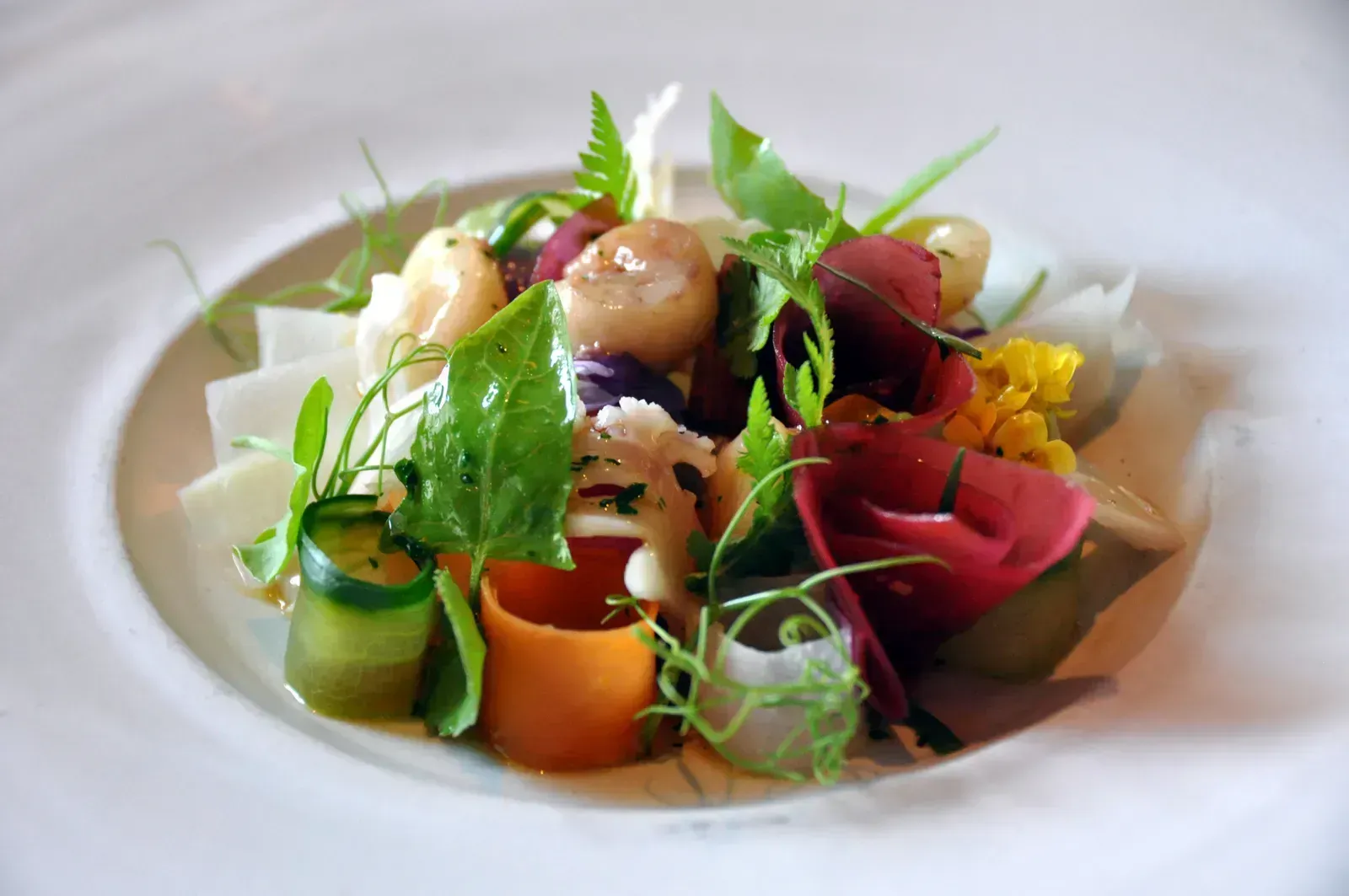
Denmark’s capital changed fine dining forever when Noma topped global restaurant lists multiple times, proving Nordic ingredients and techniques could compete with French and Japanese traditions. The New Nordic movement focuses on foraged ingredients, fermentation, and seasonality taken to extremes. Restaurants serve dishes featuring moss, sea buckthorn, and ingredients you’ve never heard of plated like edible art. Yet beyond avant-garde temples, Copenhagen offers smørrebrød (open-faced sandwiches) at lunch counters, hot dogs from iconic carts, and cozy cafes serving kanelsnegle (cinnamon rolls) with coffee. Torvehallerne market showcases organic produce, artisanal cheeses, and freshly shucked oysters. The city embraces sustainability obsessively, with restaurants composting everything and sourcing hyper-locally. Scandinavian design extends to plating, where negative space matters as much as the food itself. Copenhagen taught the world that cold climates produce incredible flavors when you pay attention.
If your passport doesn’t burst with stamps and food stains, you’re missing out on life’s greatest adventure. These fifteen cities represent just the beginning of global culinary exploration. Each destination offers something money can’t buy: connection to place, people, and traditions through the universal language of breaking bread together. The best part? This list could easily expand to fifty cities, a hundred even, because every corner of our planet feeds its people with creativity, love, and flavors worth traveling for. So what are you waiting for? Your stomach and soul both deserve these experiences.