6 Grocery Store Tactics Shoppers Rarely Notice, Former Employees Say
Ever walked into a grocery store for milk and bread, then emerged with three bags full of stuff you never planned to buy? You’re not imagining things. Studies reveal that three out of every four grocery store shoppers make purchasing decisions while in the store itself, many of which weren’t on their original lists. Environmental psychologist Paco Underhill claims that up to roughly half of shopping cart contents are things shoppers never intended to buy in the first place. Let’s be real, those colorful displays and tempting end caps aren’t arranged by accident.
What you might not realize is that grocery stores employ deeply researched psychological tactics to influence every step of your shopping journey. Large grocery store brands actually consult with psychologists to better understand how to influence consumer perceptions. These aren’t just random design choices or happy accidents. They’re calculated moves based on decades of consumer behavior research. Here’s what former employees and retail experts say about the strategies most shoppers walk right past without a second thought.
The Fresh Produce Entrance Creates an Illusion of Healthy Shopping
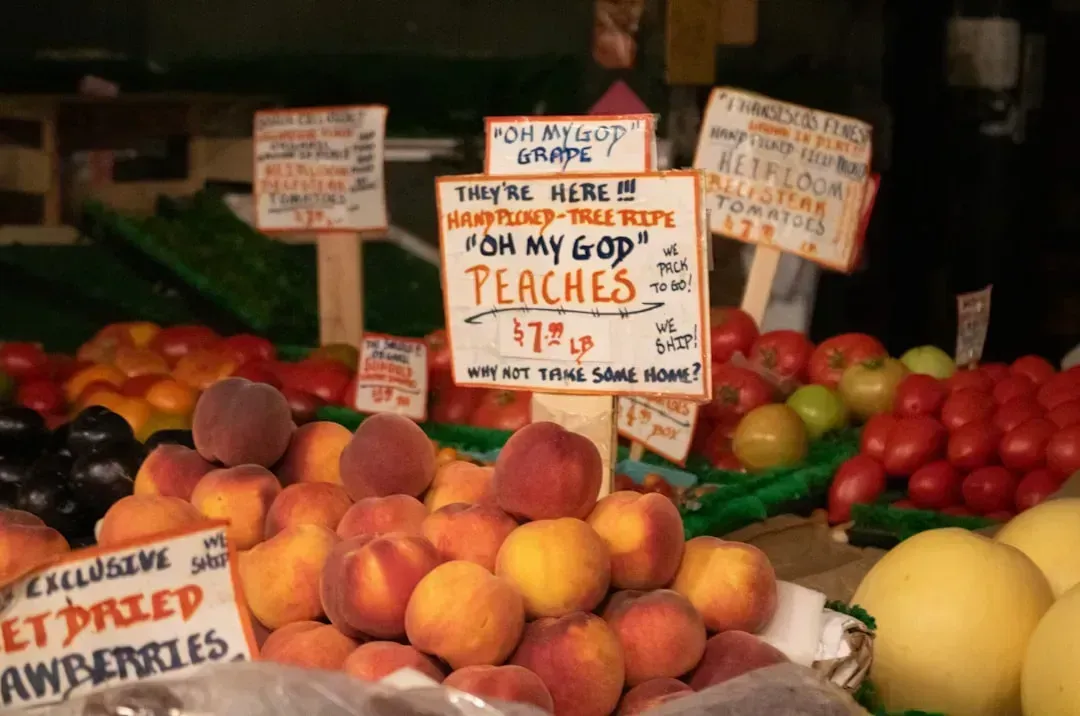
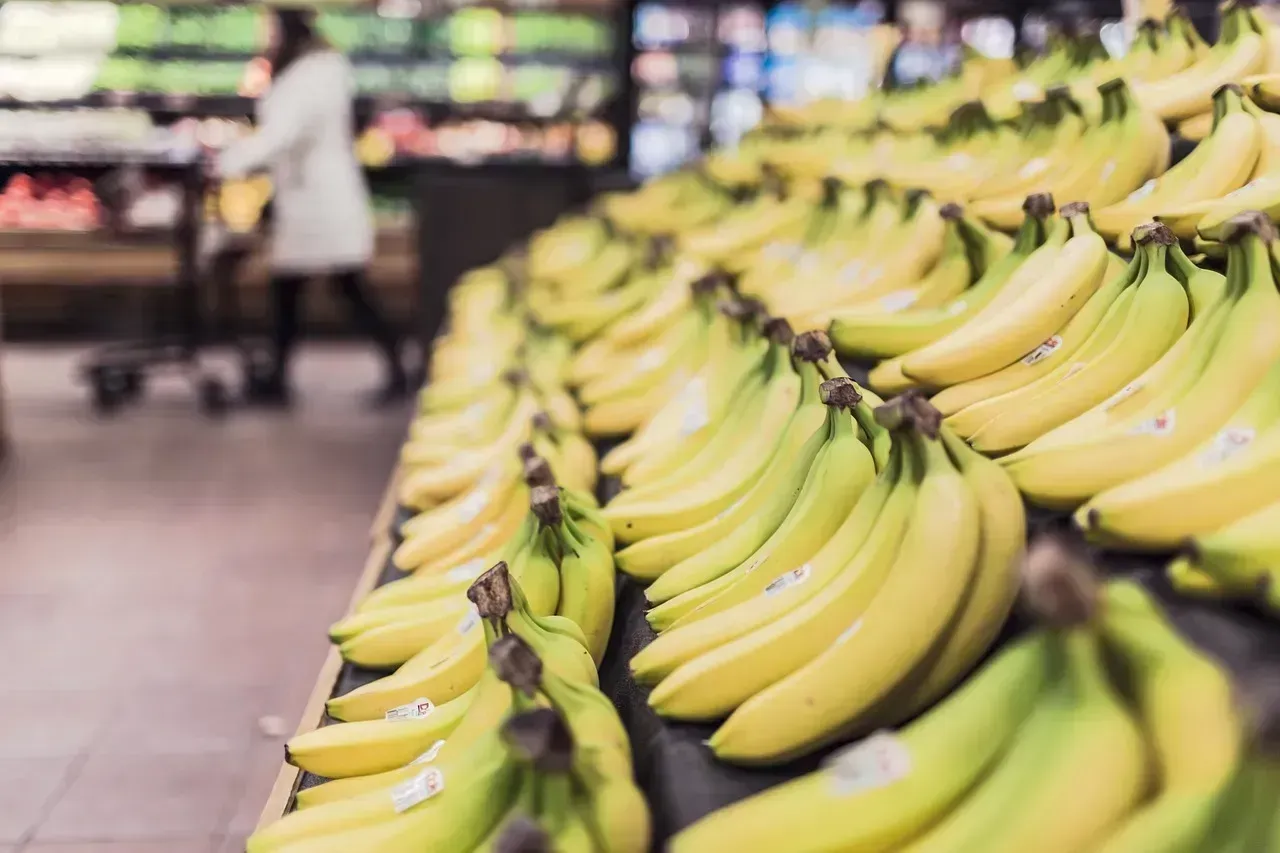
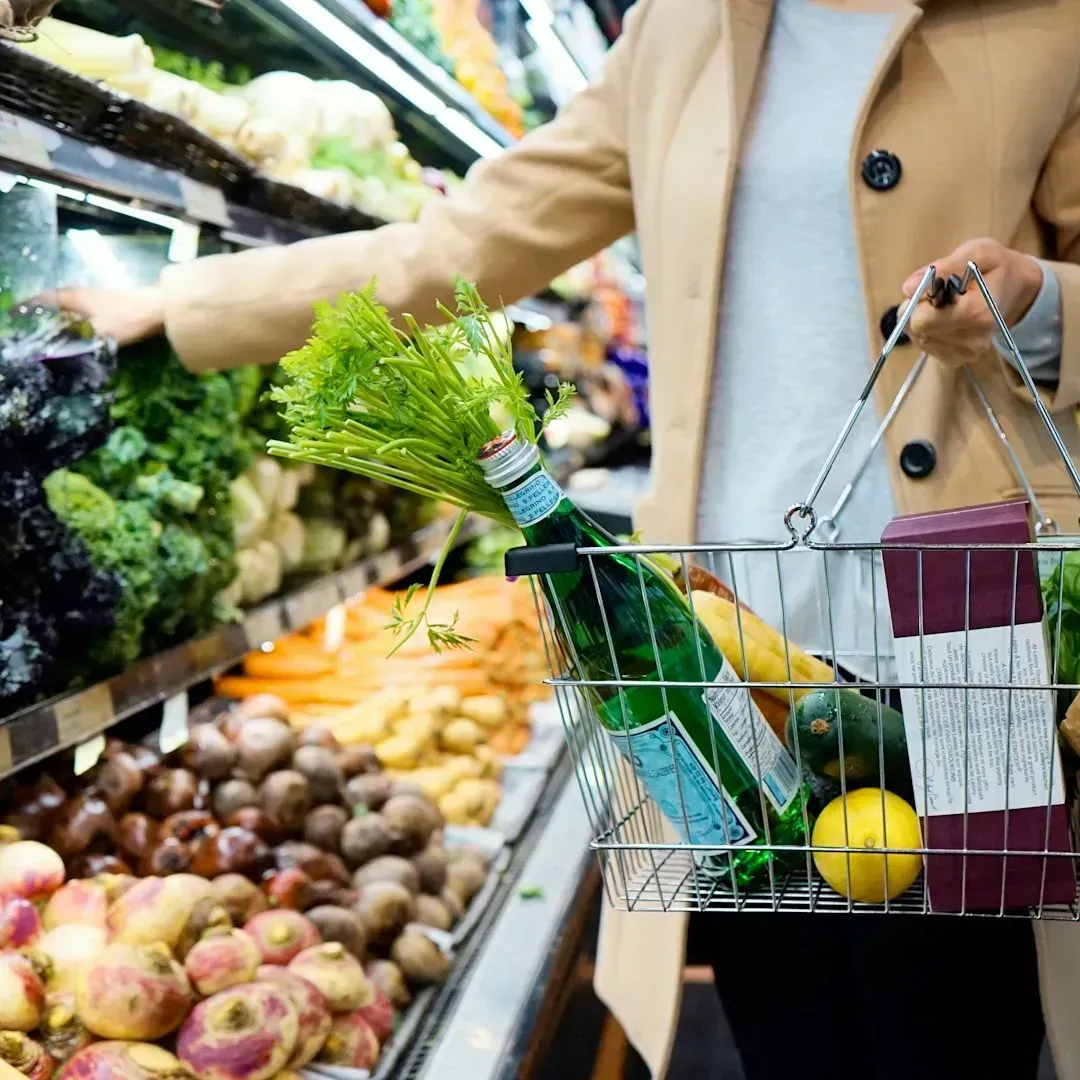
The produce department is inevitably the first feature you encounter, and there’s a good reason for this: the sensory impact of all those scents, textures, and colors makes shoppers feel both upbeat and hungry. Brightly colored fruits and vegetables create a welcoming atmosphere and trigger a health halo effect, making shoppers more inclined to make additional purchases, believing they will be just as healthy. This priming effect is intentional. When you start your shopping trip surrounded by fresh, vibrant produce, your brain associates the entire store with health and quality, even when you’re tossing cookies and chips into your cart twenty minutes later. Fresh produce and flowers signal that the store features fresh products, and their colors and scents lift your mood, which may make you feel like spending more money through a psychological process known as priming.
Strategic Placement Forces You to Walk the Entire Store
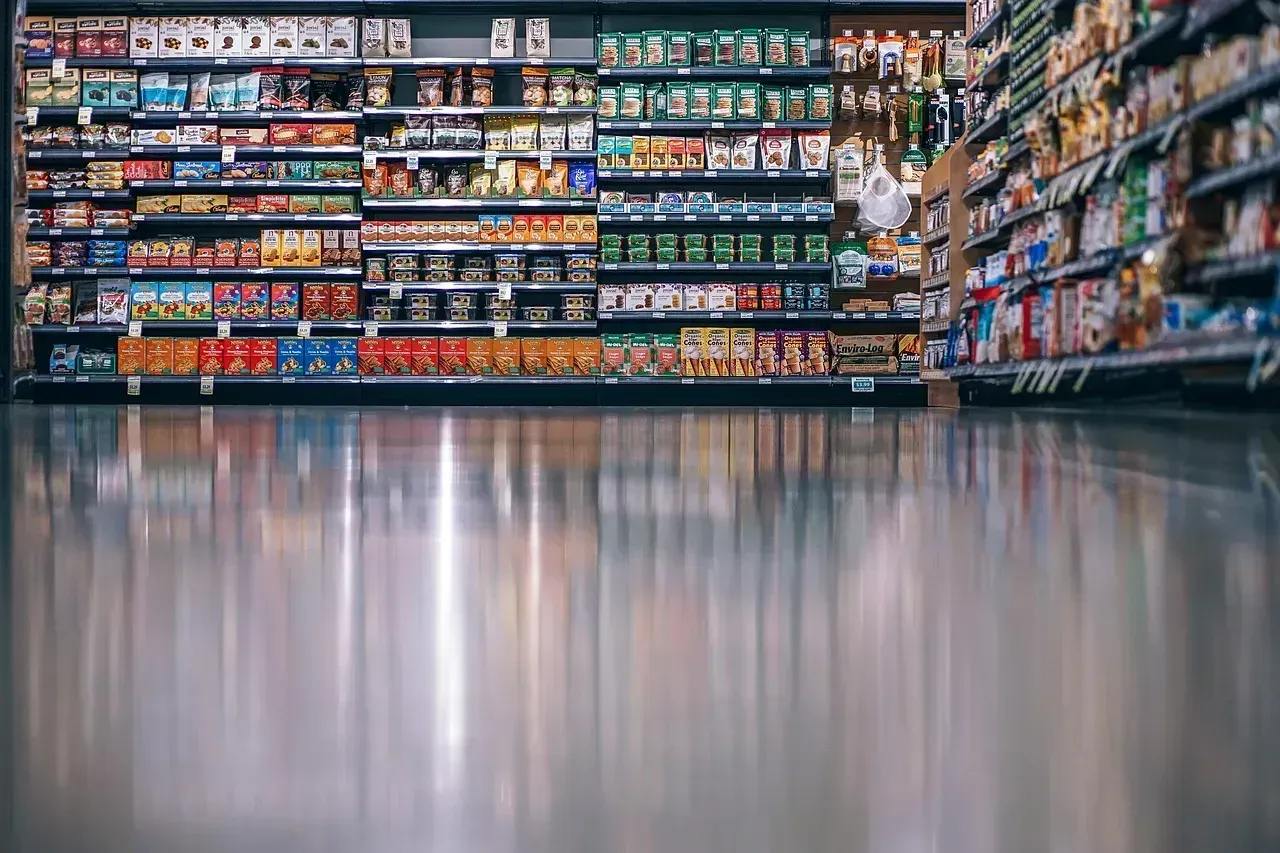
Common anchors like dairy products, meat, produce, and frozen foods are often placed against the back and side walls, requiring shoppers to travel across the entire store and walk past thousands of other products along the way. This isn’t about convenience for you. It’s about maximizing your exposure to everything else the store wants to sell. Popular items are placed mid-aisle, and splitting up staples such as bread, milk and eggs are classic supermarket tricks. The longer you wander through those aisles searching for essentials, the more opportunities the store has to catch your eye with something extra. Supermarkets don’t have one specific aisle containing all essential products because the whole process of meandering through product-filled middle aisles ensures that shoppers maximize their time in the market.
Eye-Level Shelves Hold the Most Profitable Products
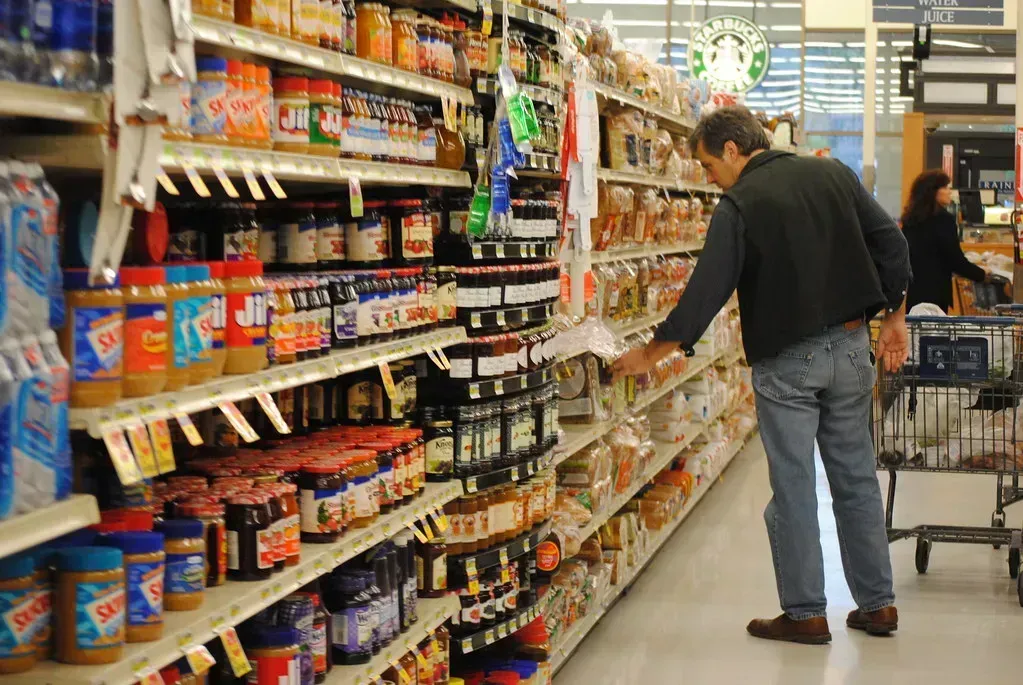
Research has shown that products placed at eye level are more likely to be noticed and purchased by shoppers, with eye level placement often used for premium or high-profit items. The supermarket shelf is typically divided into four tiers, and supermarkets know full well that eye level is buy level, with companies often willing to devote up to roughly half of their promotional budgets on securing featured display space, including eye level shelf placement. Meanwhile, generic and store brands often sit on lower shelves where you have to crouch to see them. The most expensive items are generally placed conveniently at eye level, while generic brands are on the lower shelves such that, to get at them, you have to crouch. This subtle vertical hierarchy means you’re more likely to grab what’s easiest to see, not necessarily what offers the best value.
Shopping Too Long Makes Your Brain Stop Thinking Rationally
Here’s the thing most people don’t realize: the longer you stay in a grocery store, the worse your decision-making becomes. Scientific research has shown that after a certain threshold of time spent in the store is met, decision-making becomes more emotional, with brain-scanning technology showing that after about 23 minutes in a mock-up supermarket, customers began making more emotionally-based decisions rather than decisions made from the cognitive part of the brain. After around 23 minutes, customers began to make choices with the emotional part of their brain rather than the cognitive part, and after 40 minutes the brain gets tired and effectively shuts down, ceasing to form rational thoughts. That’s when those impulse purchases really start piling up. Grocery stores know this, which is why they design layouts that keep you wandering longer, passing the same promotional displays multiple times.
Background Music Deliberately Slows You Down
Professor Ronald E. Milliman’s study found grocery stores that played slow music increased their sales by nearly 40 percent. That easy listening or classical music isn’t just pleasant background noise. It’s designed to slow your pace as you move through the aisles. The orchestrated symphony of sonic soundscapes is a psychological tool aimed at shaping shopper behavior, as consumers traverse the store enveloped in mood-altering melodies which foster a positive emotional state. When you shop slower, you notice more products. You browse more carefully. You pick up more items. Slowing shoppers down means they see more of the products and offers making it more likely for them to buy them. The tempo and rhythm work together to keep you in the store longer, maximizing the chance you’ll add just one more thing to your cart.
Checkout Lines Are Packed With Last-Minute Temptations
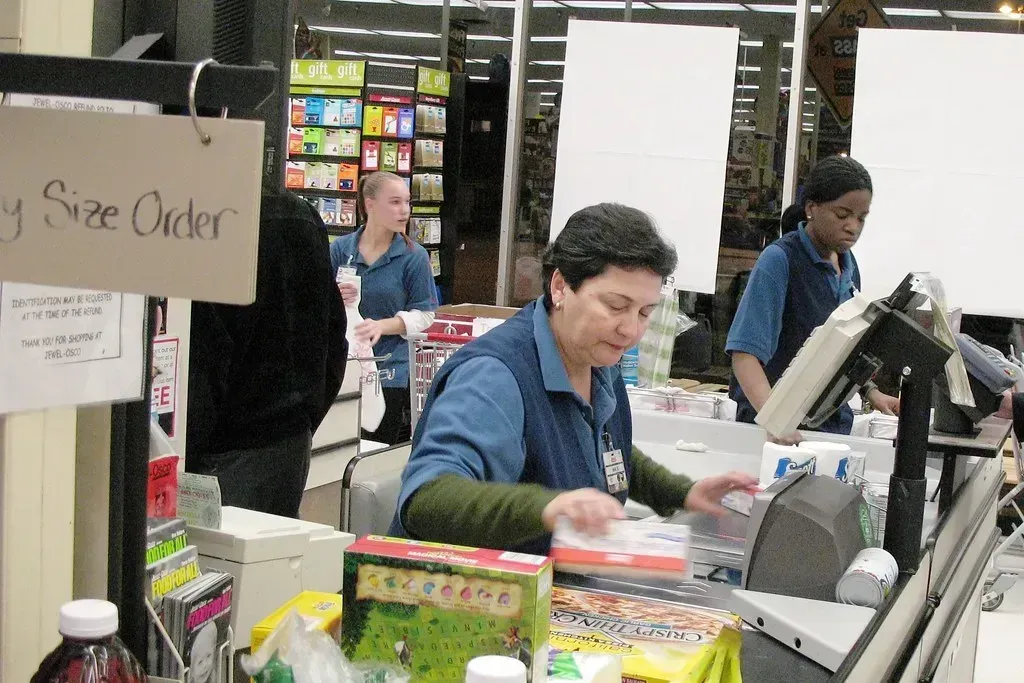
The checkout lane is the final opportunity for supermarkets to influence consumers’ behavior, with marketing research showing Americans spent roughly six billion dollars in checkout purchases alone in recent years. Grocery stores place grab-and-go items like gum, beverages, and chocolate near the register where dwell time is highest. After shoppers have been effectively manipulated into filling their cart, an abundance of sweets and chocolate sitting on the queue shelving look more appetizing than ever, which is yet another scheme used by stores to draw consumers into stuffing their shopping cart generously. By this point, your rational decision-making is likely exhausted from all that time in the store. Those small, inexpensive items at checkout are strategically positioned for when your resistance is lowest. It’s the store’s final chance to squeeze a few more dollars from your visit.
What do you think about these tactics? Have you noticed yourself falling for any of them during your weekly grocery runs?