As a Chef, These Are 6 Steakhouse Dishes I Order – and 4 I Avoid
Walk into any steakhouse and you’ll be hit with that intoxicating aroma of seared beef and melted butter. It’s easy to get swept up in the moment and order everything that sounds good. After years working in professional kitchens and countless nights spent evaluating what actually delivers on a plate, I’ve developed pretty strong opinions about what’s worth your hard-earned money and what’s just taking up valuable stomach real estate.
Dry-Aged Ribeye: The Gold Standard
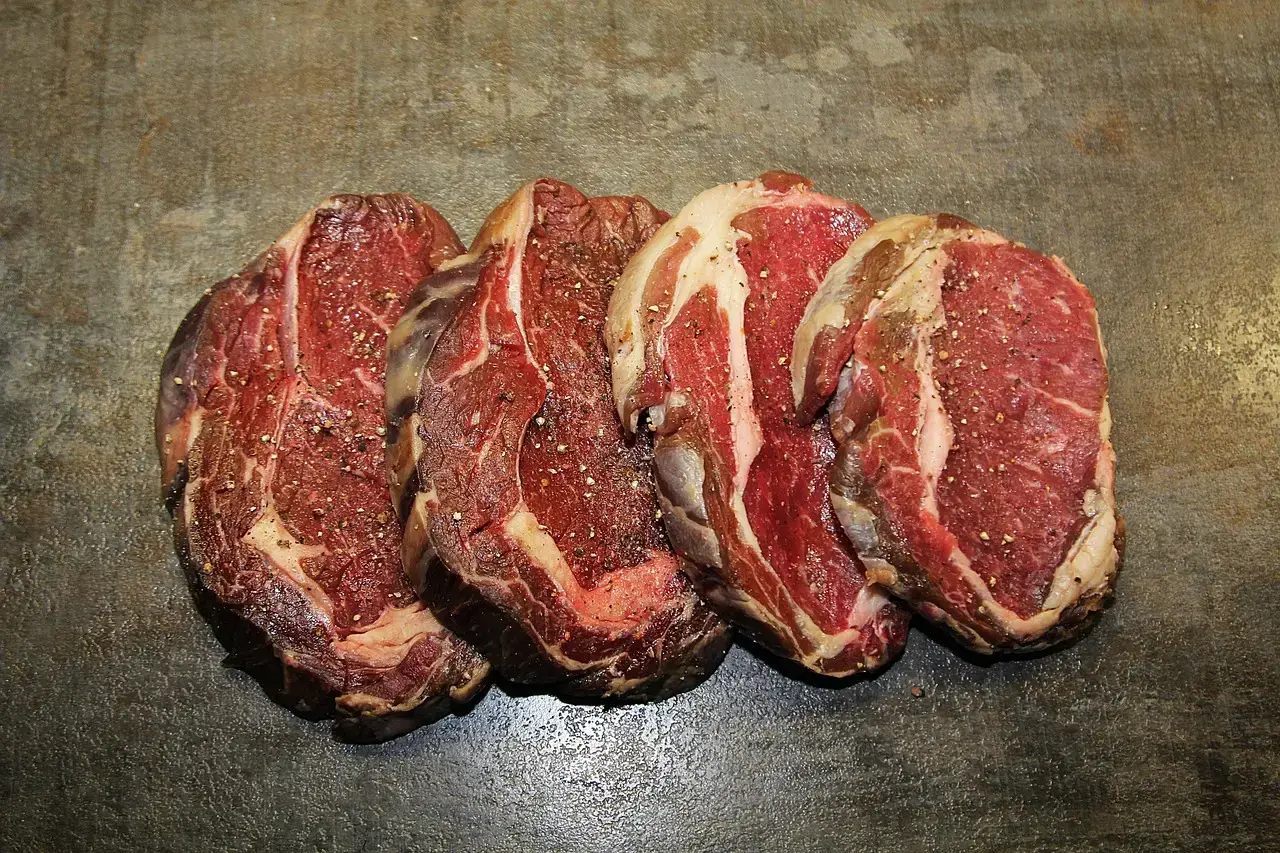
Dry-aged beef has a bold, earthy, and intense flavor experience that’s hard to forget, creating complexity that normal steak cannot replicate. When I see a properly dry-aged ribeye on the menu, it’s usually my first choice. The distinct funky or nutty flavor of dry-aged beef comes from exposing meat to open air in a carefully controlled environment, where over weeks the meat forms a crust on the outside while the inside tenderizes and intensifies in flavor. The fat marbling in a ribeye makes it especially suited for this aging process, creating those deep, complex notes you simply can’t get anywhere else.
Some chefs suggest opting for a dry-aged rib-eye and bone-in filet, keeping the meat under three pounds when ordering for a table. This isn’t just about showing off. The aging process fundamentally changes the meat’s structure in ways that justify the premium price.
Fresh Oysters: The Perfect Starter
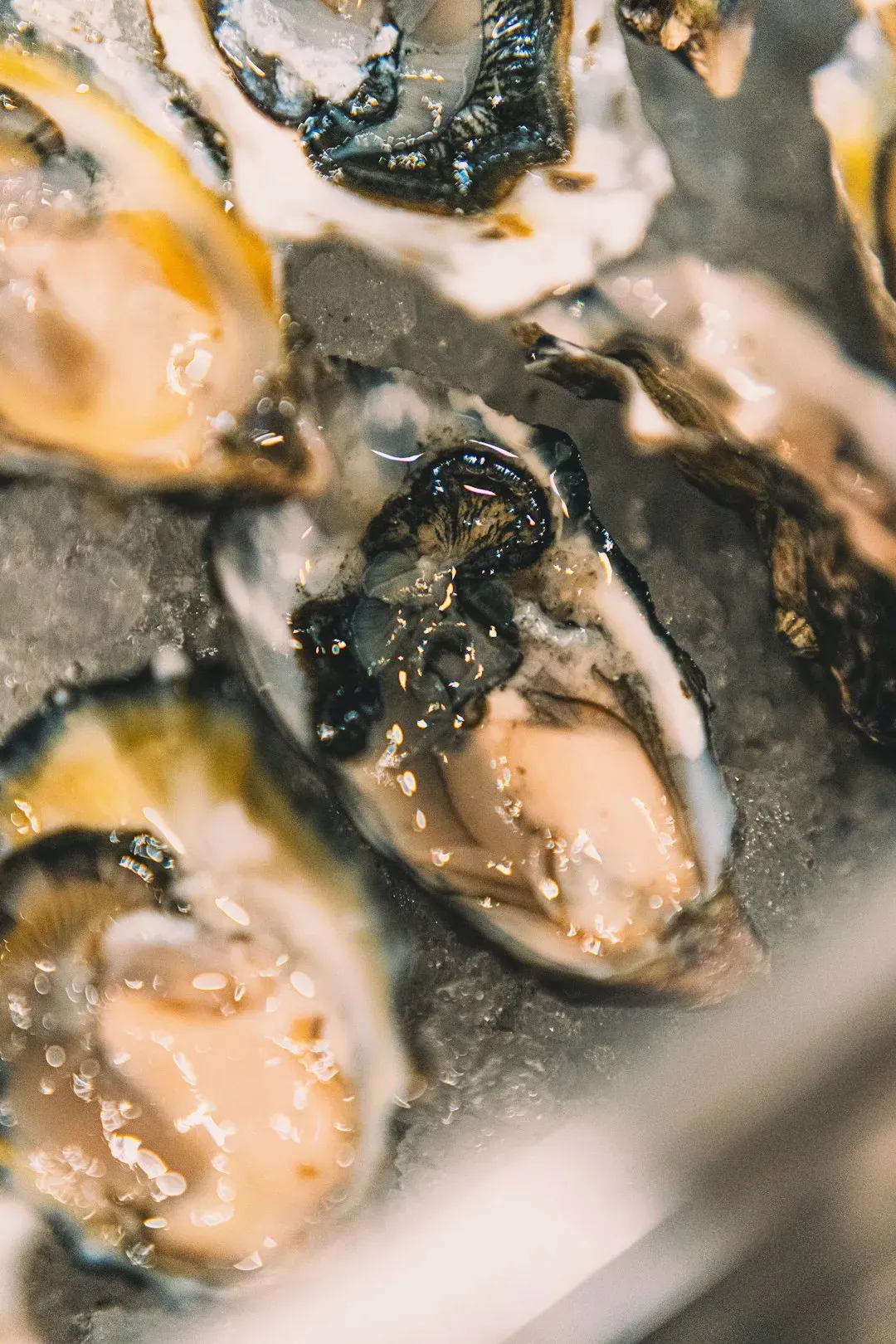
Starting steakhouse meals with fresh oysters provides briny, shimmering mollusks that are the ideal way to begin, with those salty bursts cleansing your palate before the richness of steak arrives. Many coastal steakhouses take tremendous pride in their daily oyster offerings, and it shows. A 100 gram serving provides 715% of your daily recommended value of zinc, along with 116% of your daily selenium, 462% of your copper, and 1171% of your daily B12 needs.
The minerality and clean ocean flavor create the perfect contrast to what’s coming next. Think of oysters as your palate’s warm-up act before the main event.
Quality Crab Cakes: Surprisingly Reliable

Here’s something that might surprise you. A lot of steak houses impress with their crab cakes that are golden and crisp on the edges and fluffy and tender inside, often maintaining a good crab-to-filler ratio rather than serving breadcrumb cakes, and they often come with a tasty, tangy tartar sauce for dipping. Premium steakhouses often maintain the same high standards for their seafood as they do for their beef, understanding that proper crab cakes require restraint with minimal filler, gentle handling, and just enough binding to hold everything together without masking the sweet crab flavor.
I always ask about the crab-to-filler ratio before ordering. If they hesitate or can’t give you a straight answer, that’s your red flag right there.
Classic Wedge Salad with House-Made Components
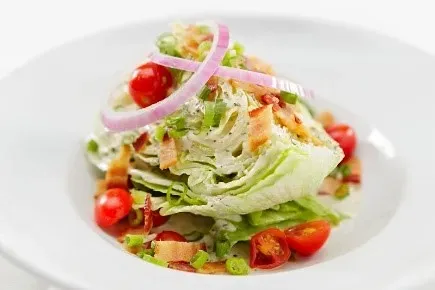
The key differentiator lies entirely in execution and attention to detail, with asking your server whether they make their croutons in-house revealing volumes about the kitchen’s commitment to quality. When a steakhouse makes their croutons fresh and uses real Parmesan, the wedge salad transforms from filler into something memorable. A properly made Caesar with fresh anchovies, real Parmigiano-Reggiano, and house-made croutons becomes a worthy companion to your steak rather than just filler.
That said, I’ll be honest. While wedge salads have become synonymous with steakhouse dining, they often don’t justify their premium price point since salads can throw a mini wrench into the workings of a kitchen that is set up for cranking out meat, with the iconic steakhouse Caesar salad being traditionally made to order, which means it can’t be prepped ahead of time.
Medium-Rare Filet Mignon: When Executed Properly
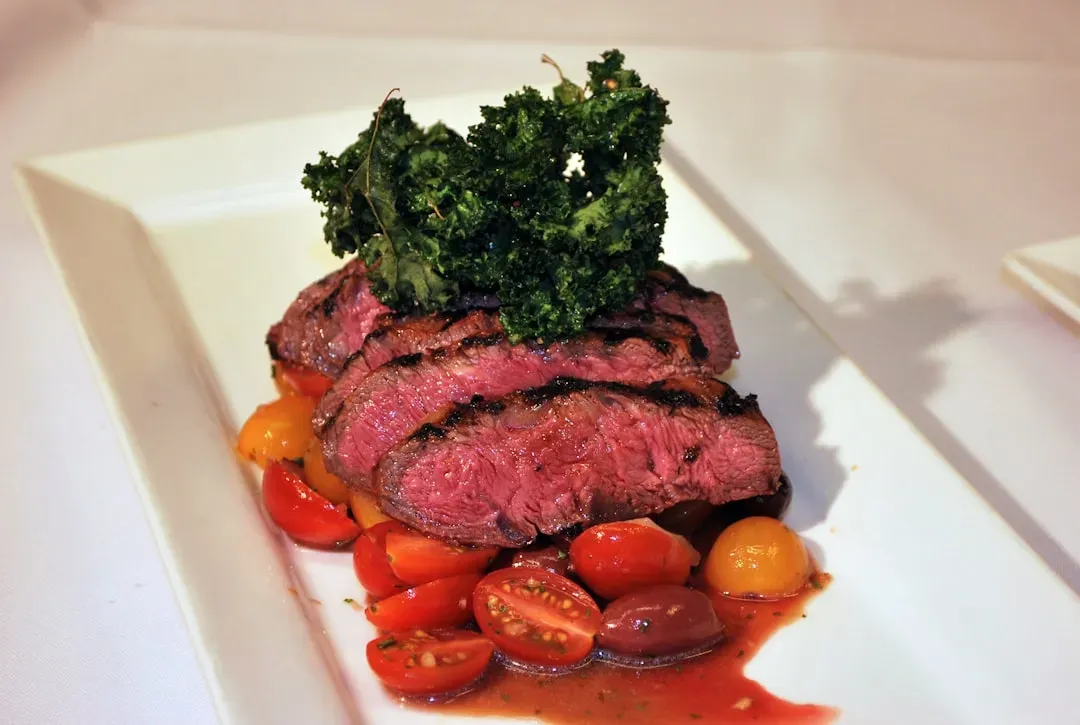
When eating steak at a restaurant, going all-in on a buttery, medium-rare filet is ideal, as a good steakhouse will know how to prepare this tender cut that represents everything a great steakhouse stands for: precision, quality, and technique, with the beauty lying in achieving that perfect pink center that’s nearly impossible to replicate consistently at home. Those who prefer the most tender cuts should stick with filet mignon, where the texture melts in your mouth and delicate flavors dance around your taste buds, while a ribeye boasts rich flavors that satiate the palate with butter taste thanks to the marbling of fat that melts into the meat once cooked.
Yes, some critics dismiss filet as boring. They’re ordering it wrong. Temperature matters enormously with this lean cut.
Perfectly Seasoned Steakhouse Fries
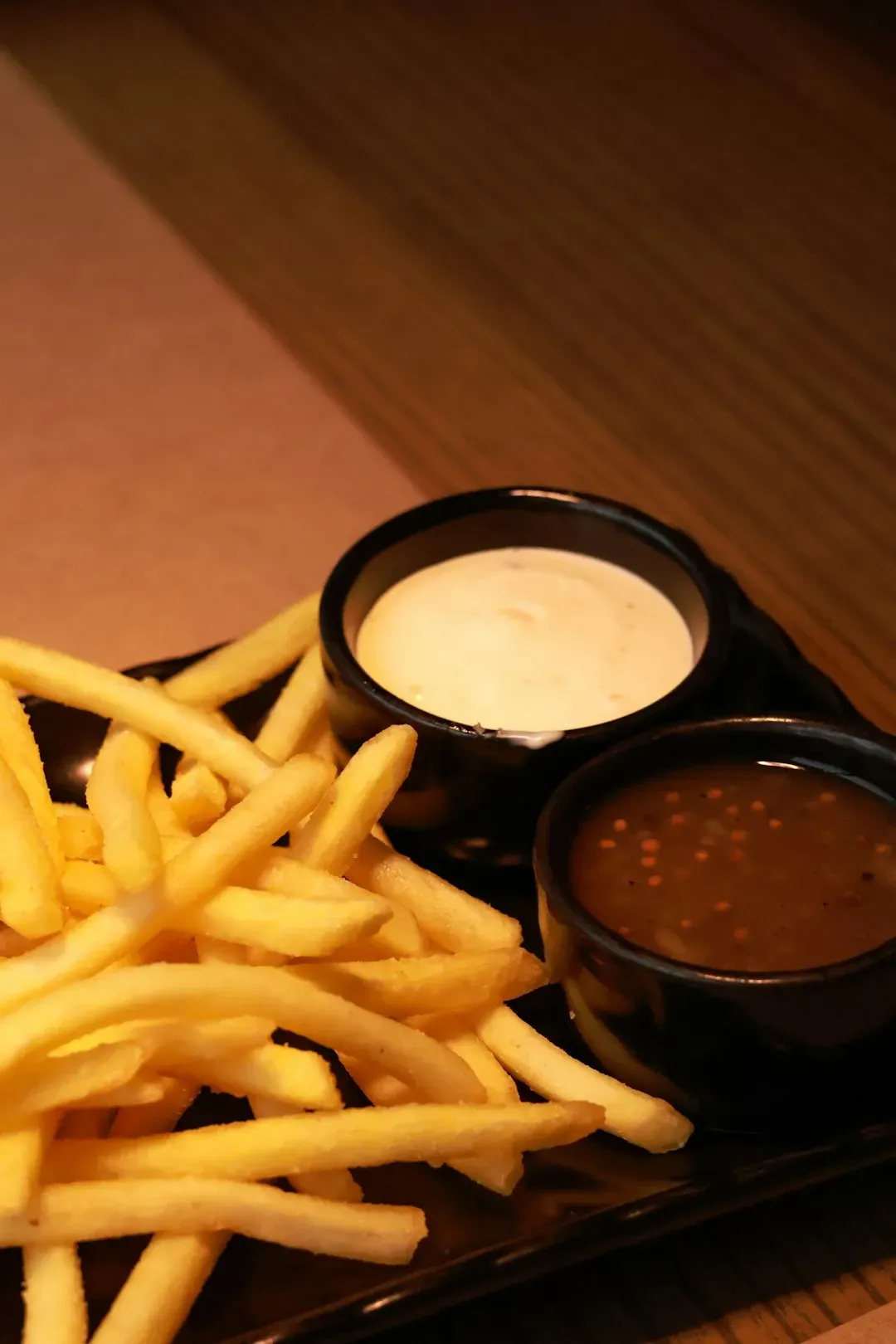
Truffle, Parmesan, or simple salt and pepper – no matter how the steakhouse fries are seasoned, they pair nicely with steak and can be dipped in some of the meat’s juices. This might seem like an obvious choice, but there’s a reason steakhouse fries have become iconic. The combination of proper potato selection, high-heat cooking methods, and quality frying oil creates something you simply can’t replicate at home without commercial equipment.
The best steakhouses understand that fries should be crispy outside, fluffy inside, and seasoned generously. When they nail this basic side dish, it’s usually a good indicator of kitchen standards across the board.
Seafood Dishes at Non-Surf-and-Turf Specialists
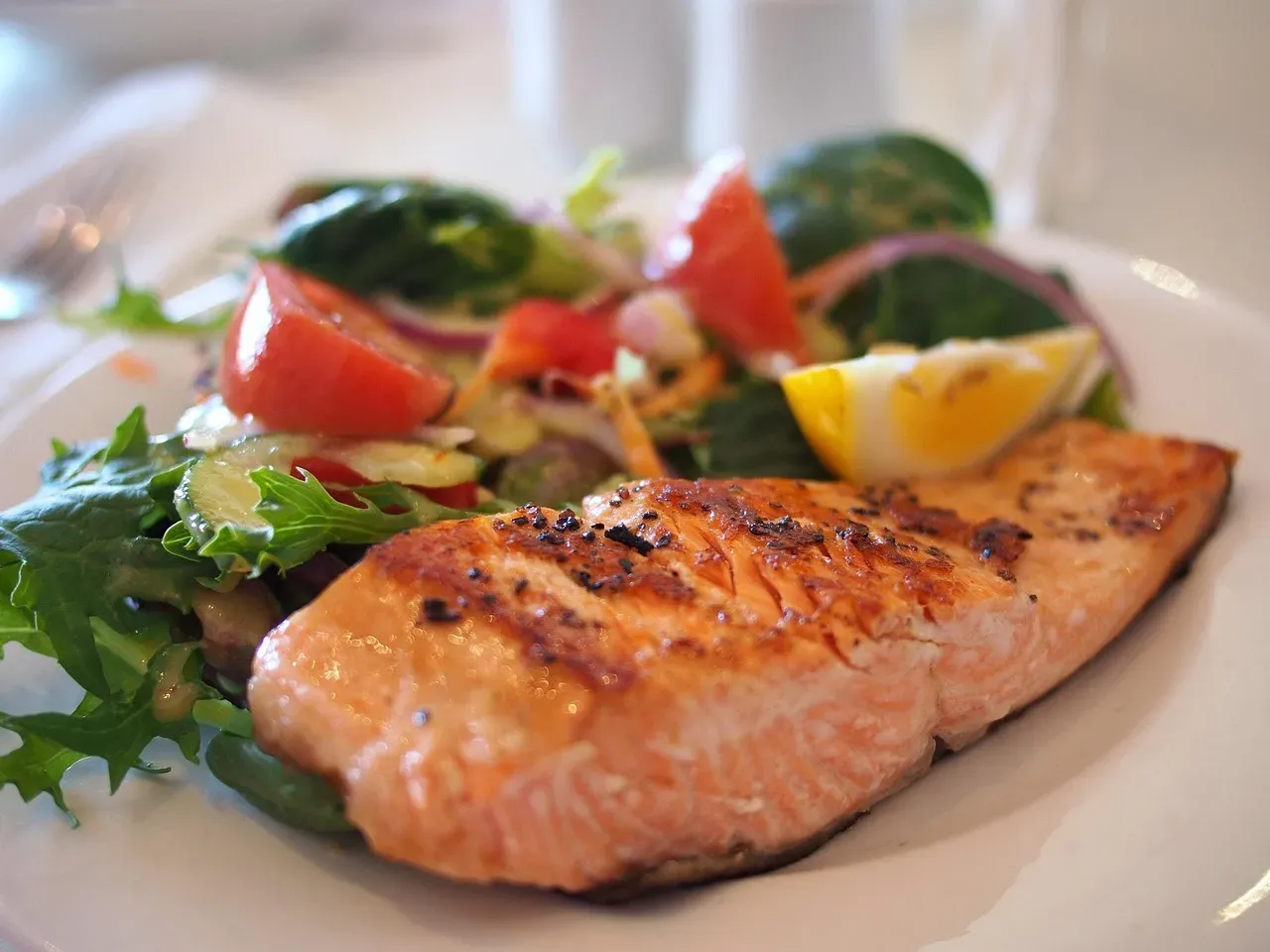
Chefs advise against ordering seafood at a steakhouse, especially if it’s not a surf-and-turf specialty restaurant, as while many steakhouses offer seafood options, they often don’t hold a candle to what you’d get at a dedicated seafood restaurant, with the kitchen’s expertise and equipment being geared towards perfecting steaks, not seafood. Because their stock-in-trade is beef, steakhouses typically spend a good amount of time building up relationships with suppliers that provide the best meat, but their relationships with seafood suppliers may not be so robust, leading to an inferior product.
Let’s be real here. You came to a steakhouse for steak. Unless there’s ocean water within walking distance or the restaurant has a specific reputation for seafood, stick with what they do best.
Filet Mignon Ordered Well-Done
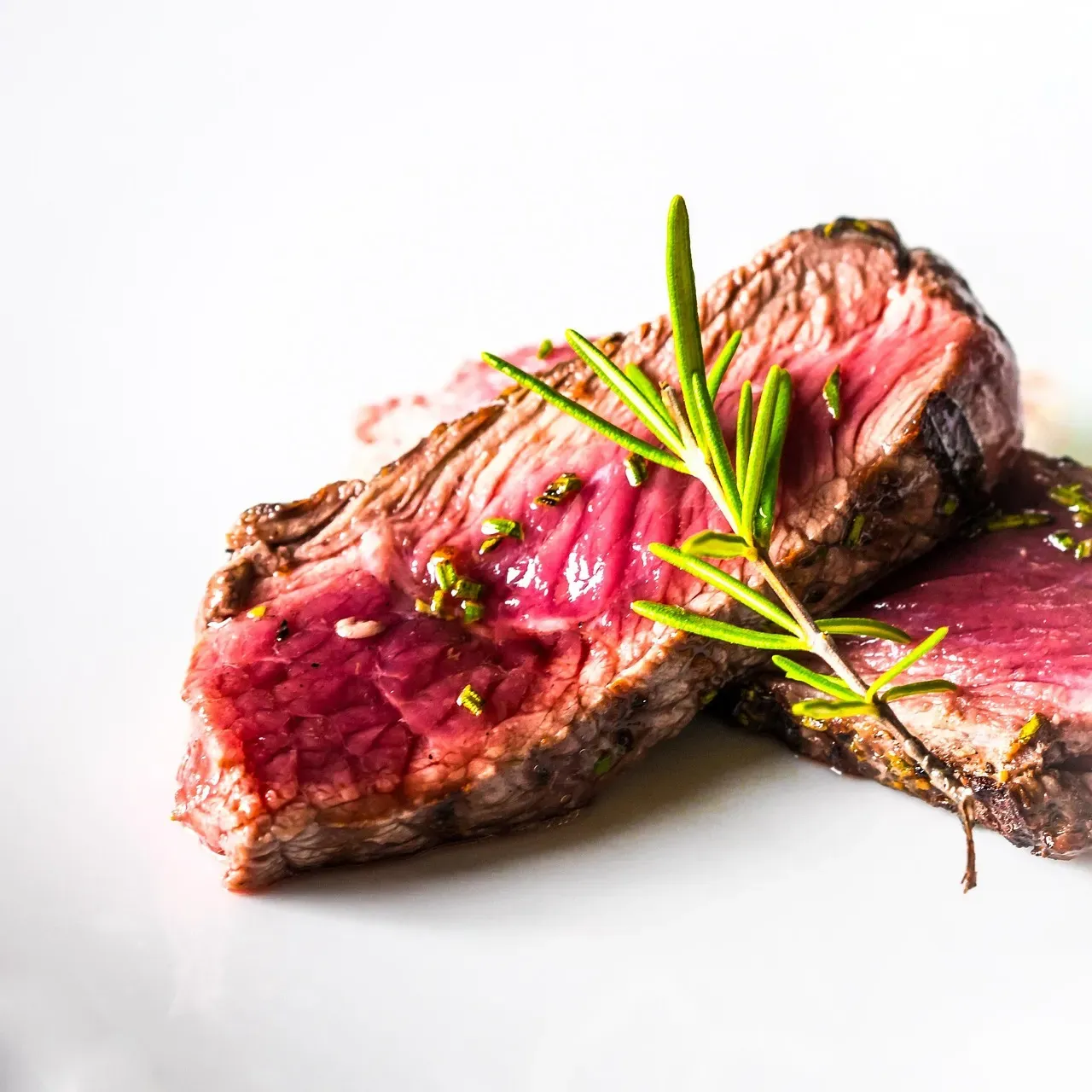
The reason why well-done is not the greatest is because of all the loss of flavor, fat, juice, and the promotion of tough dry texture after it gets cooked past around 140 degrees. Executive chef Eric Mickle advises never ordering a Wagyu or American-style Wagyu cut well-done, noting that the fat content is what makes a Wagyu a Wagyu, and by overcooking that piece of beef, you are just rendering all of that beautiful flavorful fat out. Steakhouse steaks are usually seasoned and already aged, so cooking them well drains most of the flavor and texture you go to a steakhouse for, with chefs at restaurants like Toro Toro being disappointed when guests order their steaks well done because red meat is as much about texture as it is about flavor, and the longer it cooks, the tougher it is and will certainly lack the flavor.
This isn’t snobbery. It’s basic culinary science. You’re essentially paying premium prices for shoe leather.
Lobster Mac and Cheese
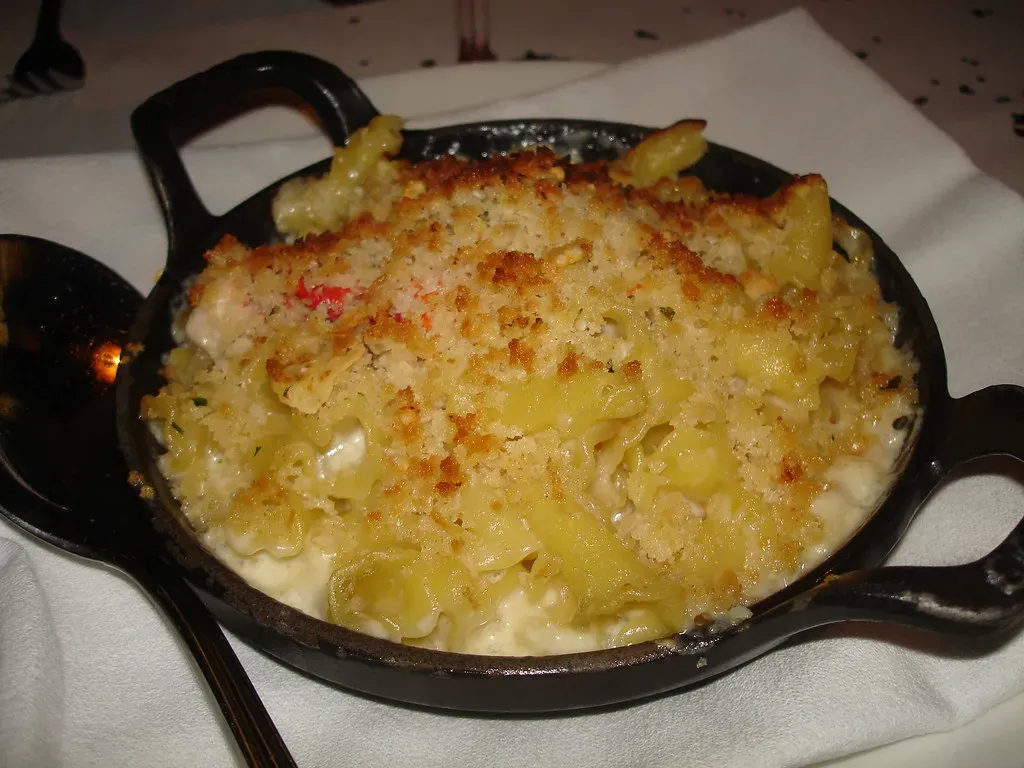
Executive Chef Samuel-Drake Jones advises staying away from lobster mac and cheese at a steakhouse, explaining that unless you are in a restaurant that offers some type of lobster dish or is passionate about their seafood program, the lobster meat was brought prefabricated in a sealed bag, and furthermore, because lobster is so expensive, chefs and owners are less likely to throw this item out and will hold on to it longer, potentially past its time of peak deliciousness. Chef Adonis Ouano Icalina recalls seeing menus with sides like truffle mac and cheese or lobster mashed potatoes, items crafted to catch your eye.
These bougie side dishes are designed to justify inflated prices. You’re paying for prestige, not quality. Save your appetite for the actual steak.
Any Dish with Heavy Truffle Oil
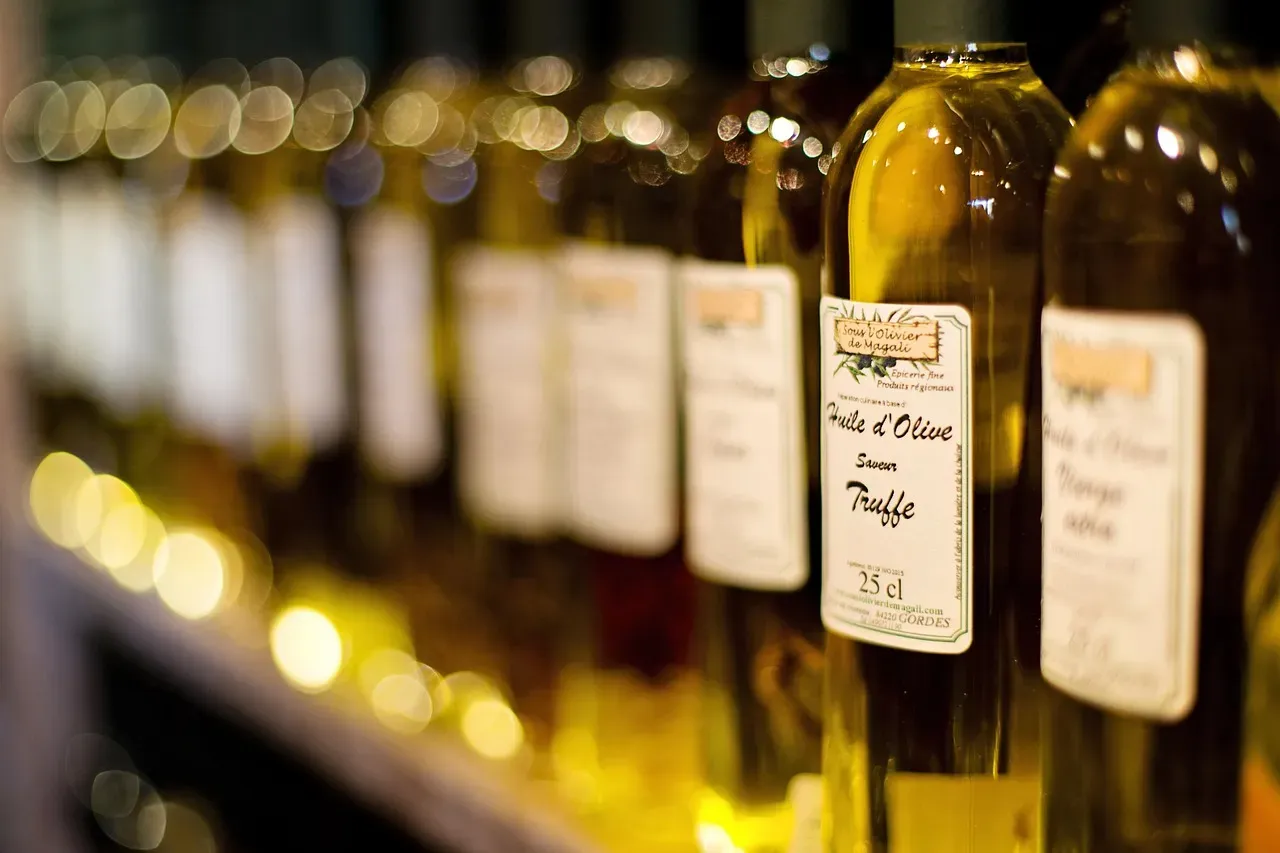
Unless you’re at a high-class fine-dining restaurant, truffle labeling usually means truffle oil, which is very rarely made with actual truffles and tends to be used aggressively, immediately increasing the price of any dish regardless of its actual quality. Like truffle oil, other fragrant ingredients like bacon and cream can be all-too-easy ways for restaurants to mask flavors and cut corners.
I’ve seen too many steakhouses dump truffle oil on mediocre dishes and charge an extra twenty dollars. Real truffles are a completely different experience. Synthetic truffle oil is just culinary theater designed to empty your wallet.
The key to a great steakhouse experience is understanding what the restaurant excels at versus what they simply put on the menu to round out their offerings. Focus on their specialties and avoid items that don’t receive the same level of attention and care as their signature dishes. Your wallet and your taste buds will thank you for being selective rather than adventurous in the wrong direction.
What’s your go-to steakhouse order? Have you ever been burned by one of these dishes I avoid?