8 Old-Fashioned Manners Experts Say Are Better Left Behind
Women Remaining Seated During Introductions

A generation ago there were only a few exceptions to the rule that a lady never stood up to shake hands or while being introduced. Think about it, though. Why should your gender dictate whether you rise to greet someone new? Today, especially in a business setting, a woman should always rise to meet others, because standing is now considered proper etiquette for everyone, regardless of gender. Standing up is proper etiquette whenever anyone greets anyone, and honestly, it just makes sense in 2025 when we’re trying to treat people equally.
The Dainty Princess Handshake

Waiting to extend your hand, or extending it in a “princess-like” fashion, instead of offering a correct handshake was once taught to women as the polite way to greet someone. Here’s the thing: this limp, fingertip-only handshake doesn’t communicate confidence or equality. While girls and ladies were once taught to offer their hands in this dainty way, offering a hand in this fashion keeps the other person from being able to shake it properly. In fact as recently as 2000, in GQ’s guide to handshake etiquette, the rule is clearly stated: “What’s proper is for the woman to offer her hand first.” This is no longer the case.
Keeping Elbows Off the Table
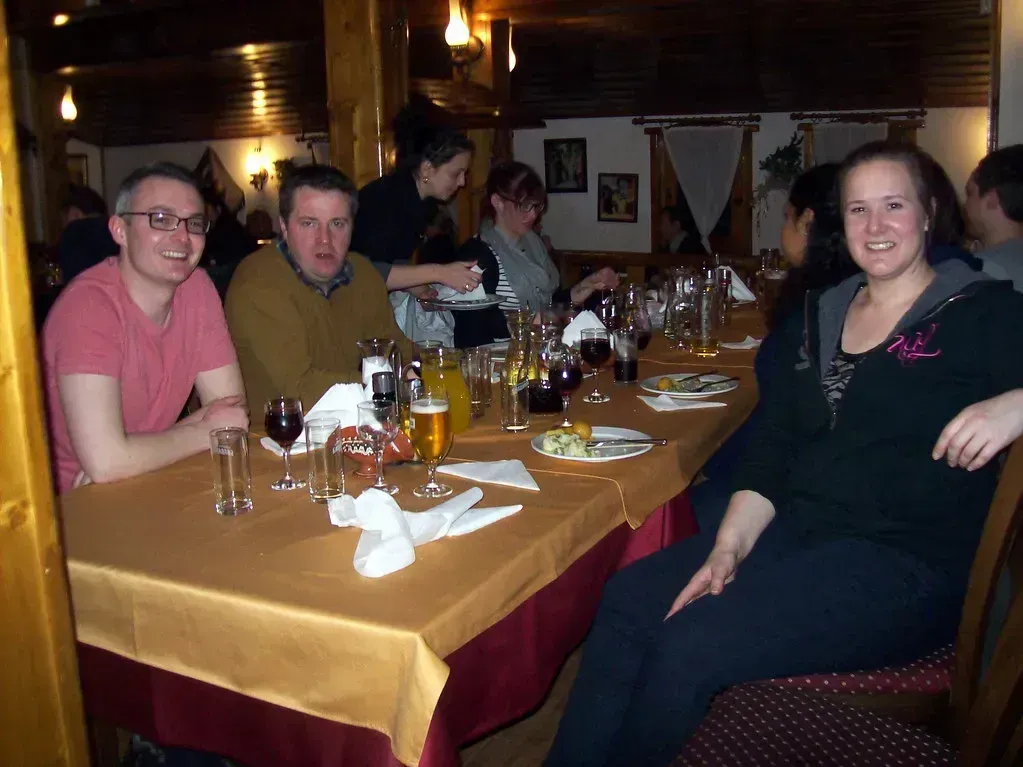
Let’s be real, this rule has its roots in practicality, not politeness. The “no elbows” rule dates back to the Middle Ages, when dining tables were often just rickety wooden planks laid across trestles. A misplaced elbow could literally tip the whole thing over, sending your medieval feast flying into everyone’s laps. Well, our tables today can handle the weight of an elbow or two. These days, leaning in toward someone who is speaking, which might including resting on one’s elbow, is a sign of interest and attention. Modern etiquette experts say you can lean in when conversing between courses, though you might want to avoid it when your plate is directly in front of you to prevent any wardrobe disasters.
Men Walking on the Left Side of Women
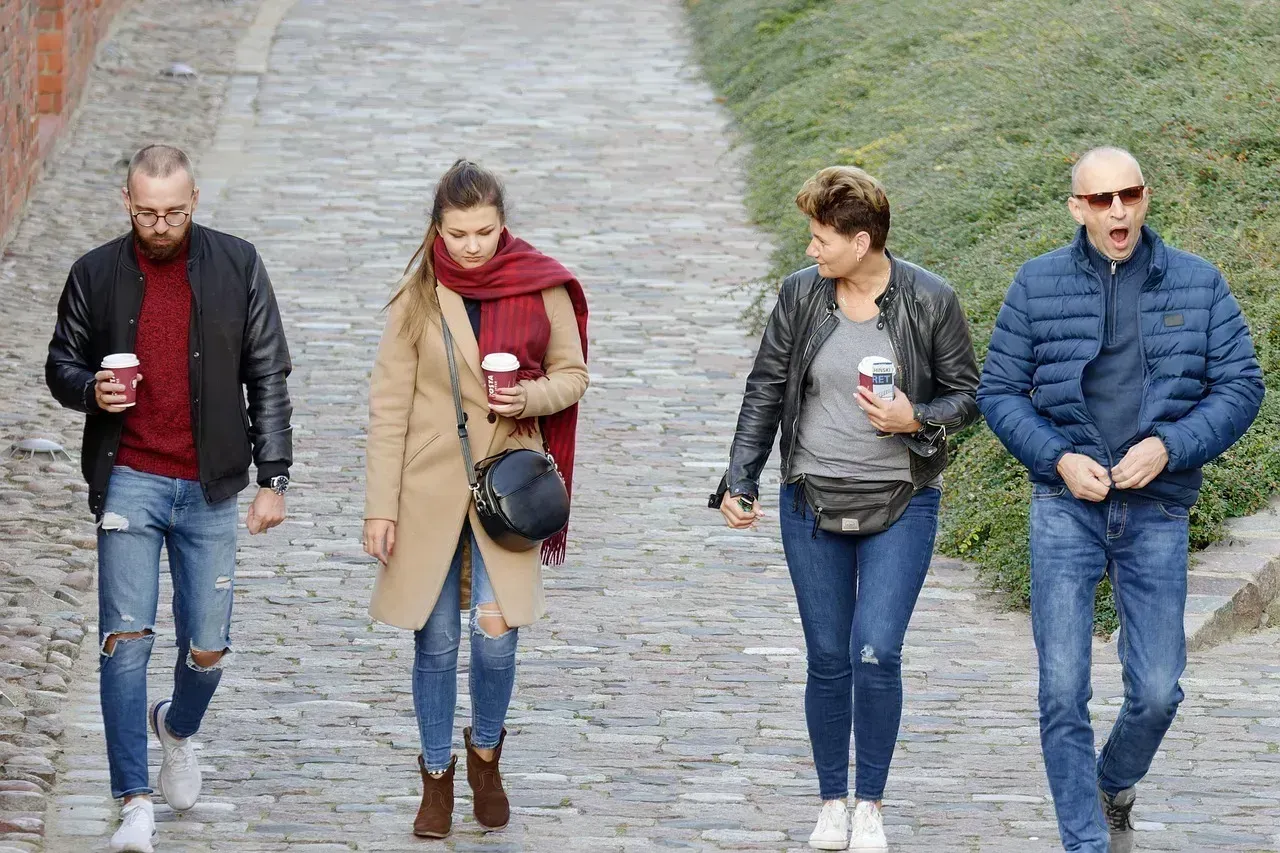
This etiquette rule stems from the Middle Ages, when knights wore their swords on the left side of their bodies, making it uncomfortable and potentially unsafe for a “lady” to walk beside him on the left. Unless you’re regularly strolling alongside someone wielding a medieval weapon, this rule serves zero purpose. It’s no longer the rule. In fact, there really is no rule about the “sides” that men and women should walk on vis a vis one another. Walk wherever feels natural and comfortable for both people in the conversation.
Women Being Served First at Meals

Traditional etiquette holds that at a seated meal, women are served first, going clockwise around the table. The men are then served, also going clockwise. This outdated practice assumed women needed special treatment based solely on their gender. The restaurant industry is quietly redefining the etiquette surrounding who gets served first to a more gender-neutral and overall efficient model, and it’s about time. Serving should be based on logistics and efficiency, not assumptions about who deserves their food first based on what’s between their legs.
Never Toasting with Water

The silly etiquette rule requiring those not drinking alcohol to refrain from raising their glasses in a toast came entirely from superstition, dating back to the Ancient Greeks (involving a river of water symbolizing death). Seriously? We’re letting ancient Greek superstitions dictate modern social behavior? “Rules about not toasting with anything other than alcohol are nonsense,” according to etiquette authorities. Whether you’re abstaining from alcohol or simply prefer a soda, it’s completely acceptable to participate in a toast with whatever is in your hand.
Using Formal Titles Like Mr. and Ms. for Everyone
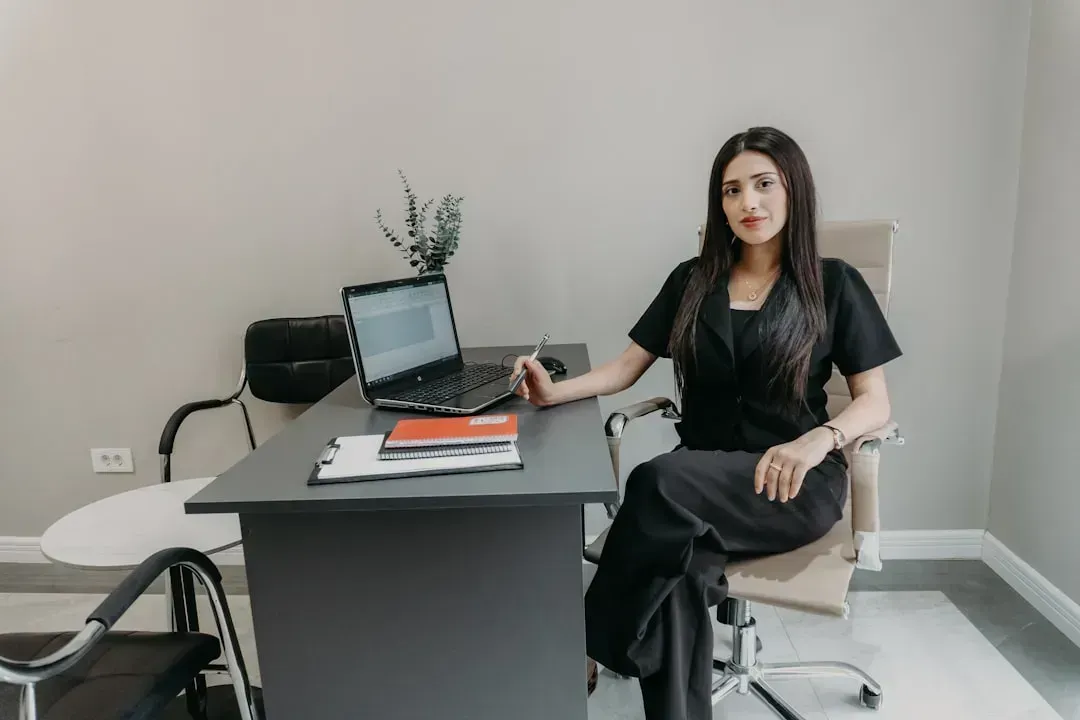
Even though America has traditionally been less formal with titles than many other places, it was still considered good manners to address people, particularly those in a higher position, as Mr./Ms. or Sir/Ma’am. “General codes of conduct do not require such formality in most situations anymore,” say modern etiquette experts. A 2023 Gallup poll found that a mere 3% of U.S. workers now wear “business professional” attire. Meanwhile, a combined 72% wear either business casual (41%) or casual street clothes (31%) to work. That’s a huge drop from just 2019, when 7% of workers were still suiting up. The formality of address has relaxed right along with dress codes, reflecting a more casual, approachable workplace culture.
Waiting for Formal Introductions Instead of Introducing Yourself

In centuries past, it was considered impolite to introduce yourself. Instead, it was proper to wait until a third party – a host, mutual acquaintance, or colleague – facilitated the introduction. This outdated rule created unnecessary barriers and awkward silences. This was a tactic commonly used in situations like business or membership in elite clubs. It was a way to restrict members and discriminate based on race or gender, a practice that, thankfully, is no longer acceptable today. “Self-introductions are now perfectly polite,” according to etiquette professionals. Not only is it perfectly acceptable to introduce yourself to someone, but it’s often “the most practical solution.”
A recent Pew Research Center survey found that nearly half of Americans (47%) think people are ruder now than before the 2020 pandemic, which might seem contradictory when we’re ditching old rules. Yet the reality is simpler than you’d think. The core of good manners – respect and consideration for others – is timeless, but many of the old-school rules now create more awkwardness than ease. Etiquette should help us connect with others, not create unnecessary barriers based on outdated traditions. So which old rules are you relieved to leave behind?