9 Strange Historical Coincidences Experts Still Can’t Explain
The Titan and the Titanic: Fiction Predicts Disaster
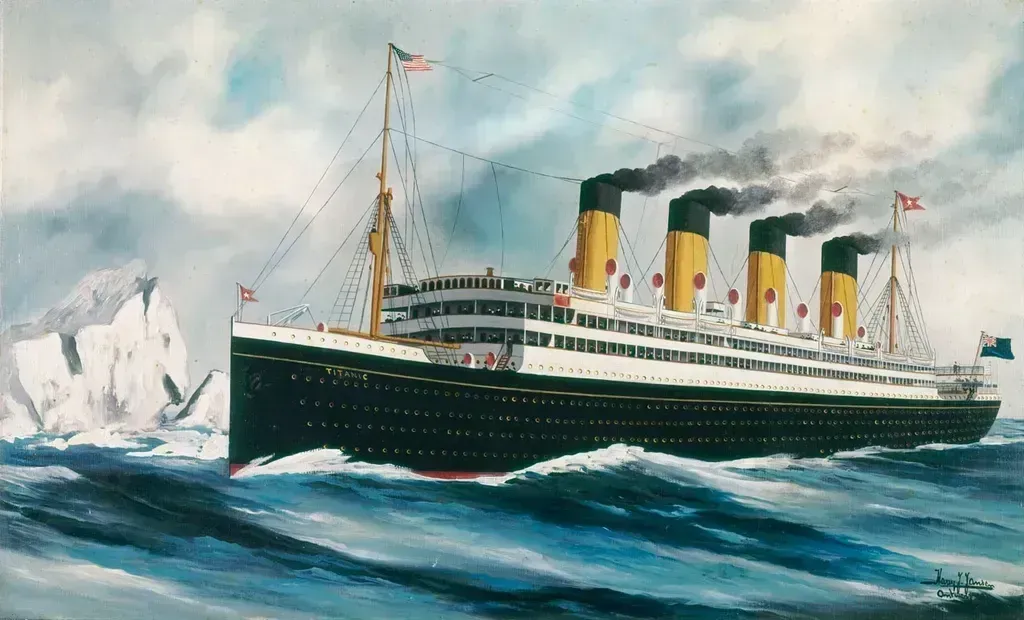
In 1898, author Morgan Robertson penned a novella titled Futility, telling the story of an “unsinkable” ship called the Titan that met its end after hitting an iceberg – strikingly, just fourteen years later, the Titanic suffered a nearly identical fate. The length of the Titan was 800 feet, the Titanic 882. The speed at which the Titan cruised into the iceberg was 25 knots, while the Titanic’s was 22.5. Both ships, described as “unsinkable,” hit an iceberg and went under in mid-April. Maritime experts who’ve studied Robertson’s work say he drew from his nautical experience, yet the precision of his details remains unsettling. Icebergs were a known danger in the late 19th century, and Robertson, a veteran sailor, would have known this, with maritime historian David Perry noting that “the possibility of fatal collisions with icebergs was not uncommon.”
Father and Son Die on the Same Day, 14 Years Apart

According to official records, there were 96 fatalities attributed to the building of the Hoover Dam, with one of the first being John Gregory Tierney, who drowned during a flash flood in the violent Colorado River on December 20, 1921; fourteen years later, on the same day, December 20, 1935, another man died – it was Tierney’s only son, Patrick William Tierney. Patrick was the last fatality attributed to the dam; he fell to his death from one of the intake towers on the Arizona side of Black Canyon. Historian McBride said he doesn’t know of another historical coincidence quite like the one that afflicted the Tierney family, adding “The myths you can explain – here is a fact that has no explanation. The thing that cannot be explained is the very thing that happened.”
Tamerlane’s Tomb: A Curse That Predicted Invasion

When two Soviet archaeologists arrived at Tamerlane’s tomb, they were met with resistance from the locals who warned them of the curse; the archaeologists did not heed their warnings and opened the tomb anyway on June 20, 1941, being met with a sweet odor that likely came from the embalming, and Tamerlane’s remains were removed and sent to Moscow for study. On June 22, 1941, Hitler began the surprise invasion of the Soviet Union, leading many people to believe that it was caused by the curse. Let’s be real, it sounds like something from a horror movie. Stalin would eventually order Tamerlane’s remains be returned to his tomb in Samarkand with proper burial rights in late 1942, during the Battle of Stalingrad – one of the deadliest in human history, causing over a million deaths and casualties, though it ended with the defeat of the Nazi forces.
Mark Twain and Halley’s Comet
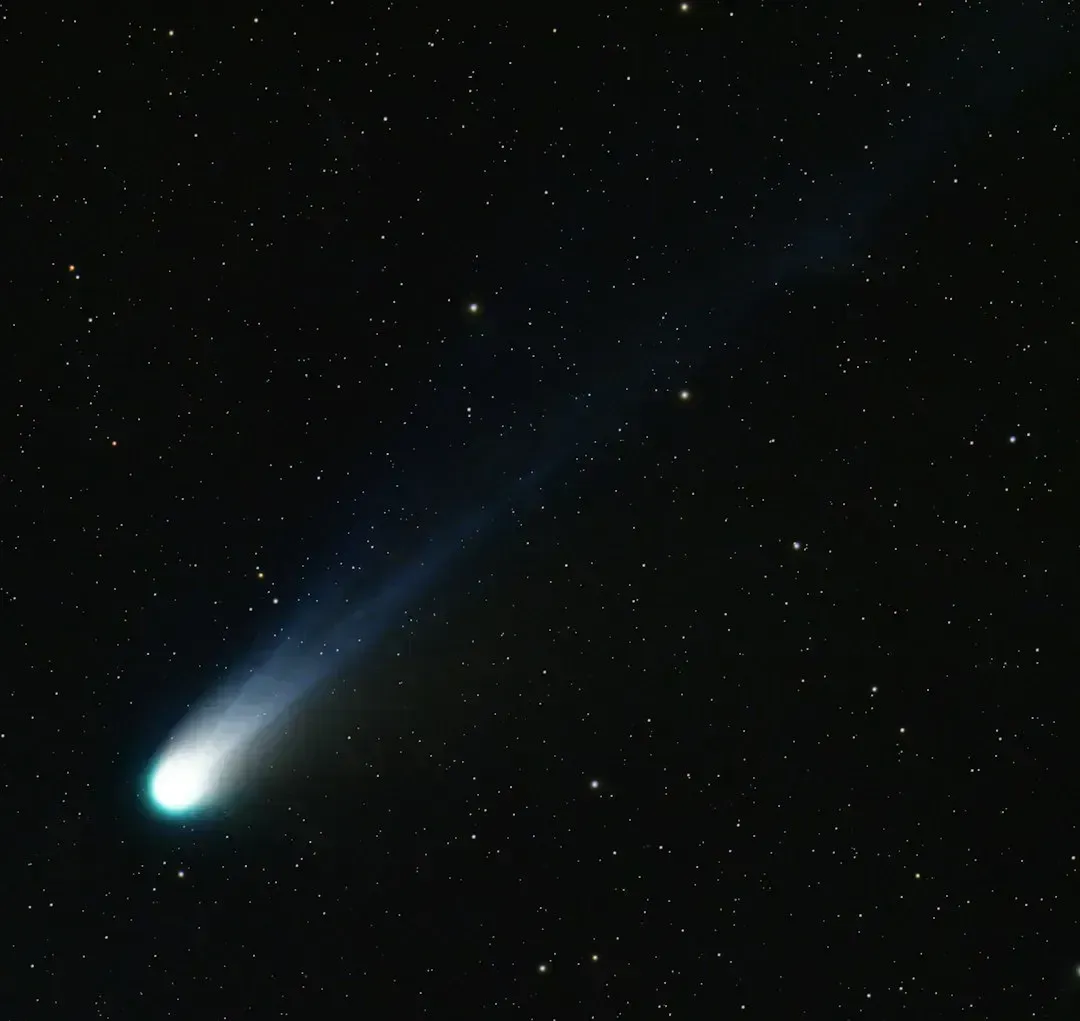
Every 76 years, Halley’s comet soars past Earth, where it’s visible to the naked eye, and Mark Twain was born on one year of its passing, in 1835. Here’s where it gets eerie. Twain predicted that he would die on its next passing, saying in 1909 “I came in with Halley’s Comet in 1835 – it is coming again next year, and I expect to go out with it,” and the writer died on the very day of its appearance in 1910. In 1910, Twain died of a heart attack the day after its closest approach. Honestly, it’s hard to say for sure whether this was pure coincidence or some strange cosmic connection, yet the alignment remains one of the most hauntingly personal astronomical events in literary history.
Violet Jessop: The Unsinkable Survivor
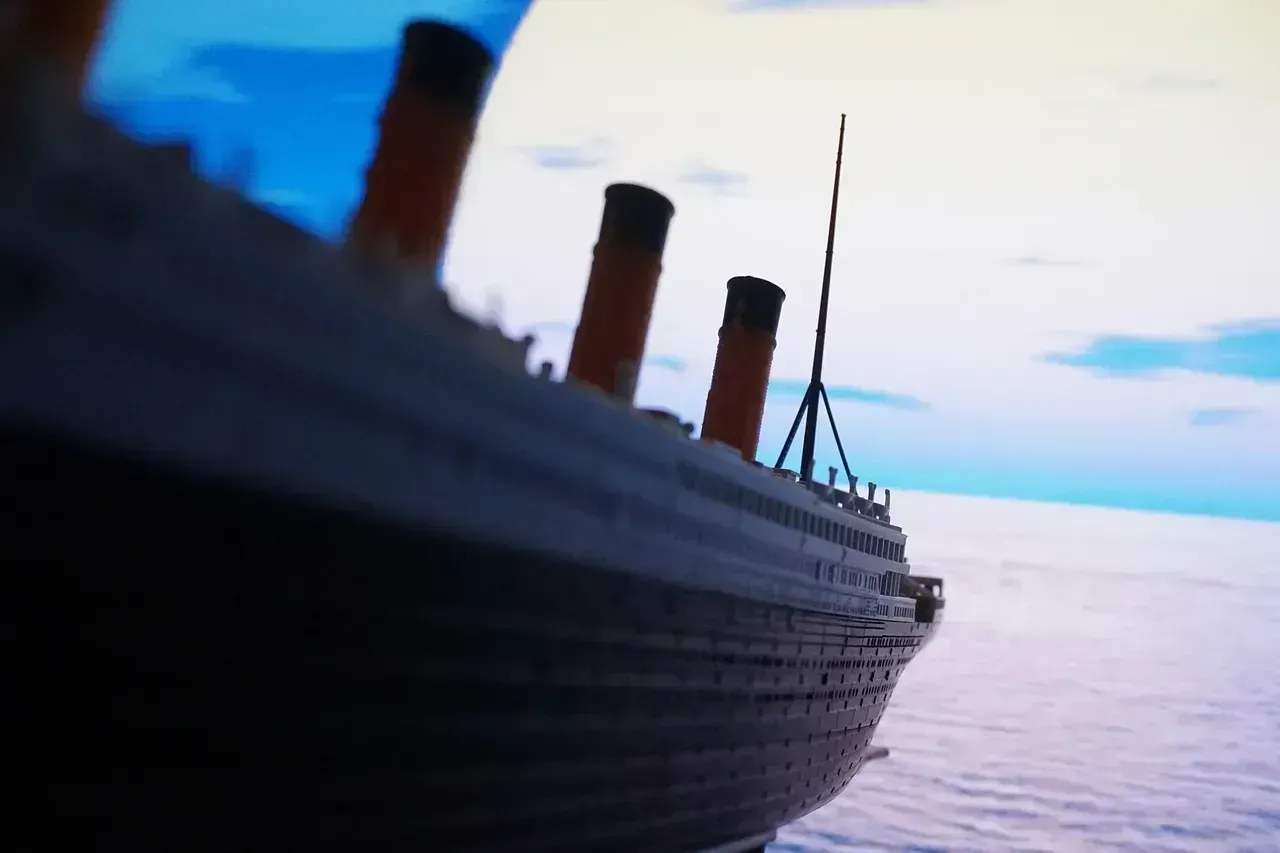
Violet Jessop survived all three major ship disasters: she was aboard the RMS Titanic when it sunk in 1912 (aboard lifeboat 16 and handed a baby to look after), as well as its sister ship, the HMHS Britannic, when it sunk in 1916 (her lifeboat was nearly sucked under the boat’s propellers, but she jumped out and survived), and was also aboard the third of the sister ships, the RMS Olympic, when it collided with a British warship in 1911 (there were no fatalities in this one). Jessop died at the age of 84 of congestive heart failure in 1971. What are the odds that one woman could be on board three massive maritime disasters involving sister ships and walk away from all of them? Experts have no rational explanation beyond sheer luck.
Stephen Hawking’s Death Date: A Cosmic Coincidence

Stephen Hawking, one of the most renowned physicists of all times, passed away on March 14, 2018 – coincidentally, this date coincides with the 139th birth anniversary of Albert Einstein. March 14 (written as 3.14) is also celebrated as Pi Day. Think about that for a moment. Three of the greatest scientific minds in history, all connected to the same date, with one of them being a universal mathematical constant. This alignment of dates of the death and birth of the greatest minds who changed the world with their work seems like a symbolic and meaningful coincidence in the realm of the universe.
The Jim Twins: Parallel Lives

Among the most astonishing coincidences are the lives of identical twins separated at birth in Ohio – reunited decades later, they learned both were named Jim, had married women named Linda, divorced, then remarried women named Betty, and each named their sons James Allan. They were both named James on their adoptions, both grew up to be police officers and marry women named Linda, each had a son – one named James Alan and one named James Allan – they also each had a dog named Toy, and they both got divorced but later each remarried women named Betty. The coincidences didn’t stop there. Both had owned dogs named Toy, worked as sheriffs, and even vacationed in the same Florida beach town. Psychologists have studied this case extensively, yet no scientific theory fully accounts for the sheer number of identical life choices.
Lincoln and Kennedy: Presidential Parallels
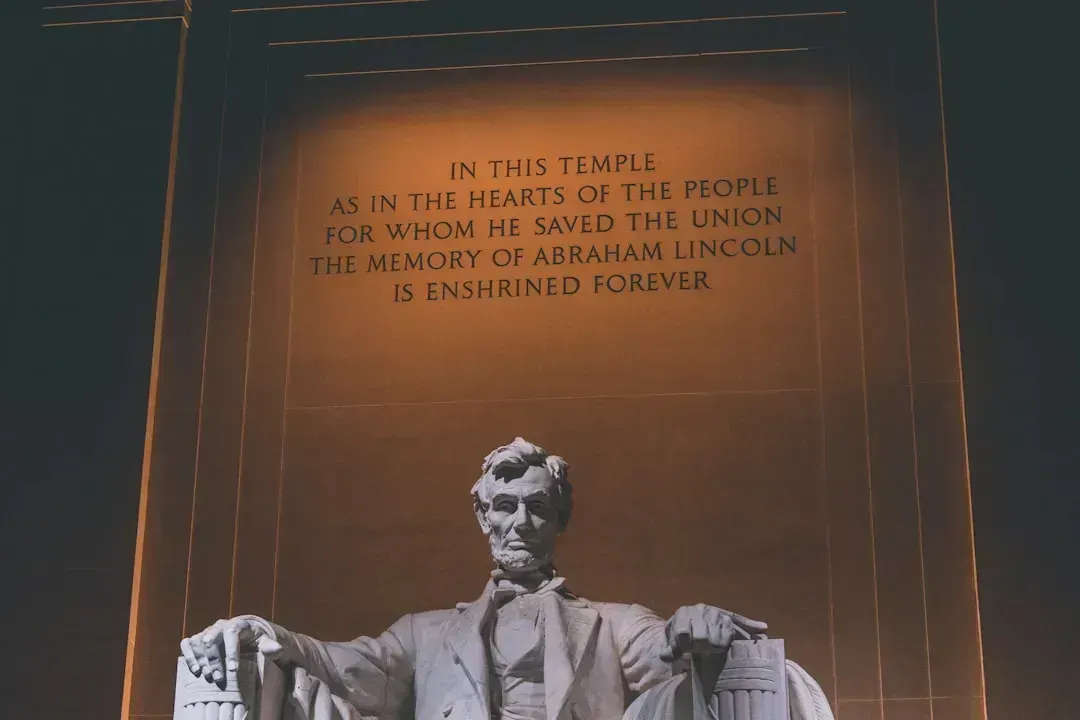
The parallels are well documented, though many are exaggerated or false. Both were elected to Congress in ’46 – Lincoln in 1846, Kennedy in 1946 – and rose to the presidency in ’60, precisely one hundred years apart. Andrew Johnson, who succeeded Lincoln, was born in 1808, while Lyndon Johnson, who succeeded Kennedy, was born in 1908. Both assassins were known by their three names, and both names are comprised of fifteen letters. Still, fact-checkers have debunked many claims. Lincoln never had a secretary named Kennedy; Lincoln’s secretaries were John Hay and John G. Nicolay. Despite the seemingly impressive surface appearance, several of these entries are either misleading or factually incorrect, and the rest are mostly mere superficial coincidences.
Eleanor Rigby’s Grave and The Beatles
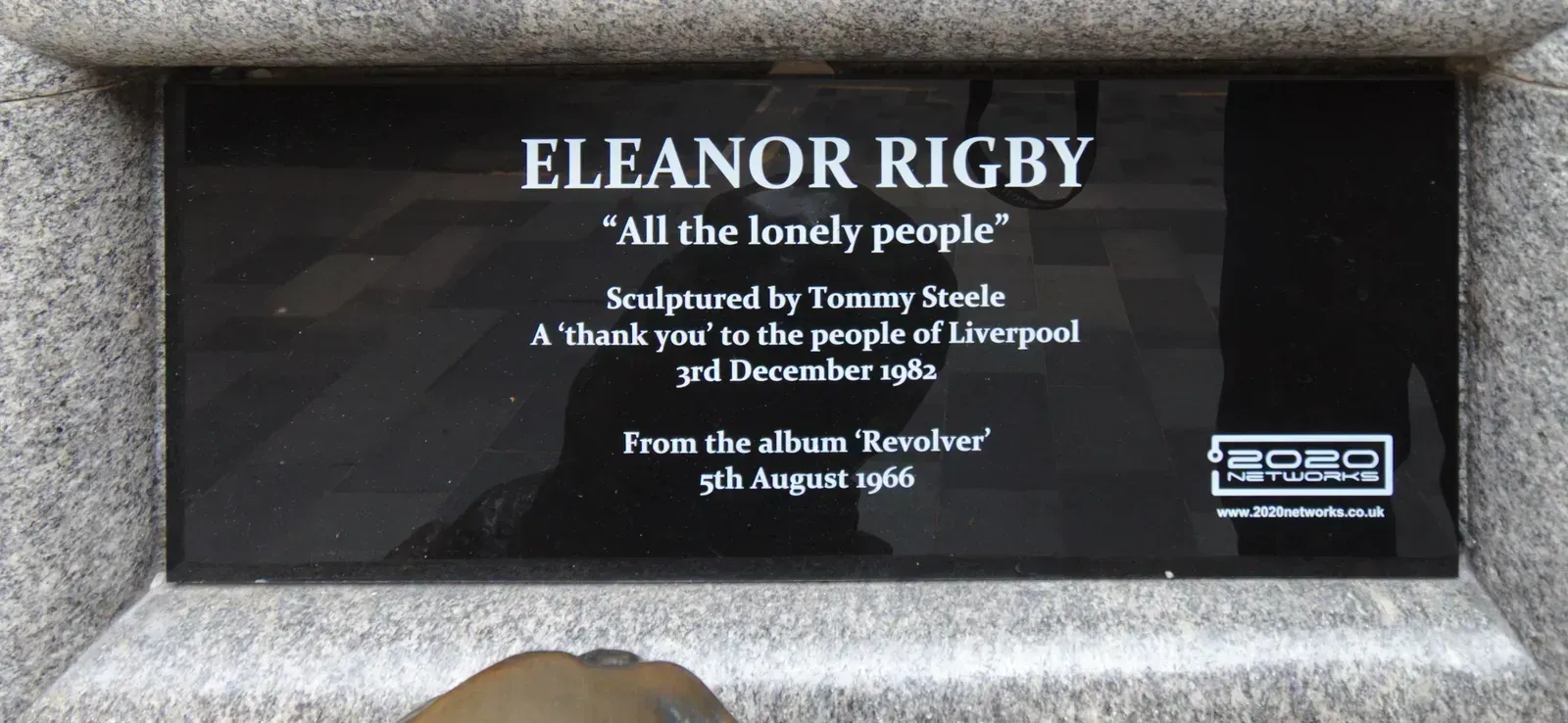
In 1957, John Lennon and Paul McCartney met at a party at St. Peter’s Church in Woolton – it was a fateful meeting, one that no doubt changed the course of musical history – but just yards away from their meeting place was the grave of Eleanor Rigby. Nine years later, McCartney wrote the song “Eleanor Rigby,” claiming he named the character after the actress Eleanor Bron and a store in Bristol named Rigby & Evens Ltd, later admitting that the grave may have played a subliminal part in his song’s namesake. Was this pure chance or subconscious memory? McCartney himself isn’t entirely sure, which makes the coincidence all the more intriguing for music historians who continue to debate whether the grave influenced one of The Beatles’ most haunting songs.
These nine coincidences challenge our understanding of probability and fate. Some might be explained by psychology, selective memory, or sheer statistical likelihood when you consider how many events occur daily across the globe. Yet others remain stubbornly resistant to rational explanation, leaving even the most skeptical experts scratching their heads. What’s truly fascinating is how these stories endure, passed down through generations, each retelling adding another layer of mystery. Whether you believe in cosmic forces or dismiss them as random chance, these historical oddities remind us that sometimes reality is stranger than any fiction we could imagine. What do you think – are these just flukes, or is something deeper at work?
Why Our Brains Love These Stories
Here’s something that’ll blow your mind – our brains are literally wired to find patterns, even when they don’t exist. It’s called apophenia, and it’s the same psychological quirk that makes us see faces in clouds or hear hidden messages in songs played backward. When we encounter these historical coincidences, our pattern-seeking brains go into overdrive, desperate to connect dots that might just be random splatters on the canvas of time. Psychologists have found that humans are notoriously bad at understanding true randomness – we expect it to look more evenly distributed than it actually is, so when clusters of similar events occur, we assume there must be some hidden meaning. What’s really wild is that confirmation bias kicks in too, making us remember the hits and forget the misses. For every spooky coincidence that gets passed down through history, there are millions of non-coincidences that nobody talks about because, well, they’re boring. Yet knowing all this doesn’t make these stories any less captivating, does it?