Ghost Mansions: Why the 5-Bedroom “Forever Home” Is Becoming Unsellable for Boomers
The dream of aging gracefully in a spacious suburban home filled with memories is quickly turning into a financial trap for millions of baby boomers. Baby boomer empty nesters own twice as many of the country’s three-bedroom-or-larger homes, compared with millennials with kids, according to a recent analysis from Redfin, yet these properties are increasingly difficult to sell. While younger families desperately need space to grow, the disconnect between boomer sellers and millennial buyers has created what some economists are calling the beginning of a housing crisis within a crisis.
Here’s the reality no one wants to talk about. Those massive homes with five bedrooms and expansive yards that once symbolized the American Dream are becoming albatrosses around the necks of older homeowners who assumed they’d downsize with ease or profit handsomely when the time came.
The Stubborn Reality Behind Empty Nest Homes
By far, the most common answer is never, with 61% of boomer homeowners saying they plan to live in their homes for the rest of their lives, according to 2024 data from Clever Real Estate. This represents a significant increase from previous years and signals that boomers are digging in their heels rather than downsizing. Just 10% of boomers plan to sell within the next five years, down from 15% in 2023, meaning that 90% of the homes owned by this generation won’t hit the market until the 2030s.
The reasons for staying put are straightforward but not always practical. Besides wanting to age in place, factors cited by boomers in not selling include having paid off their mortgages (44%), not wanting to start over (36%), planning to leave homes as inheritances (34%) and concerns they can’t afford a new home (30%). The emotional attachment to decades of accumulated memories makes the prospect of downsizing feel overwhelming, even when it makes financial sense.
The Growing Buyer Gap Nobody Predicted
Let’s get real here. Empty nest Baby Boomers own 28% of large homes, while Millennials with children own just 14%. This massive imbalance would be less problematic if millennial families could actually afford these properties, but they can’t. They face a housing shortage that’s driven the median U.S. home price to $412,300, which is about 85% higher than the median U.S. home price in 1990, even after adjusting for inflation.
A majority of millennial homebuyers (52%) state that they would prefer to buy a smaller home with better features and products than a larger one with fewer features. The cultural shift is unmistakable. Younger buyers don’t want sprawling suburban estates that require constant maintenance and drain their budgets with heating, cooling, and property taxes. Gen Z buyers tend to value flexibility over size, preferring smaller, more affordable homes or condos in urban or walkable areas, with proximity to entertainment, public transit, and social hubs often outweighing the need for extra square footage.
Where the “Silver Tsunami” Fizzled Out
For years, real estate analysts predicted a massive wave of baby boomer homes flooding the market would ease inventory constraints and lower prices for younger buyers. That tsunami never materialized. Half of these Baby Boomers own their home outright, so the rate lock-in doesn’t even apply to them, yet they just aren’t downsizing. Even those without mortgages, who theoretically have maximum flexibility to move, are choosing to stay put.
The study predicts that the change in home-buying behaviors by younger generations may result in a glut of homes that could grow as high as 15 million by 2040, with homeowners selling for far below what they paid if they can sell them at all. The problem is particularly acute in certain markets. Most empty nest homes are located in affordable suburban and rural areas, which are typically far away from job centers that attract young professionals who would be first-time home buyers. This geographical mismatch means that even when boomers do list their properties, they’re not in locations where demand exists.
The Financial Trap Waiting to Spring

Boomers clinging to oversized homes face mounting costs that many haven’t fully calculated. Property insurance has surged due to climate risks, property taxes continue to climb in most markets, and maintenance on aging homes becomes increasingly expensive. For those who own their home outright, the median monthly cost of owning a home, which includes insurance and property taxes, among other costs, is just $612, according to recent data. That sounds manageable until you factor in major repairs, utilities for thousands of square feet, and the opportunity cost of capital tied up in real estate.
Existing home sales came in at 4.06 million on an annual basis in 2024, the lowest level since 1995. This historic slowdown reflects both affordability challenges and the fact that homeowners are simply not moving. The longer boomers wait to sell, the more likely they are to face a market where buyers have even less interest in massive suburban properties that don’t align with modern preferences.
What Happens When Reality Hits
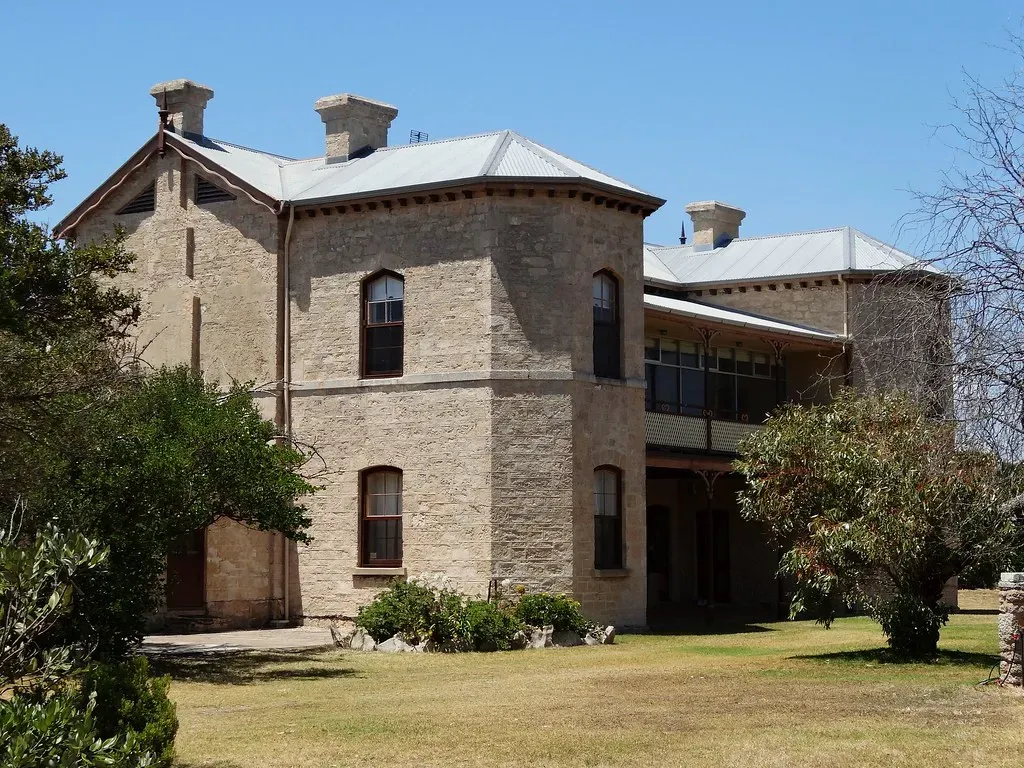
The uncomfortable truth is that many of these large homes will eventually be inherited by children who have no interest in keeping them. Many heirs of these homes may wish to sell after inheriting them, and many Baby Boomers may also want to reduce the costs associated with maintaining larger homes and downsize as they enter retirement. When that flood of inherited properties hits the market simultaneously over the next decade or two, the pricing pressure could be severe.
Most seniors will be able to sell their homes, the study says, but it may become especially difficult in smaller, distant and slow or non-growing markets. Some markets will see values plummet when supply suddenly overwhelms demand. Boomers banking on their home equity to fund retirement may find themselves with far less wealth than anticipated, particularly if they’ve deferred selling until health issues or financial necessity force their hand.
Smart boomers are already recognizing the writing on the wall and making moves before the market shifts further against them. Those waiting for the perfect moment or hoping prices will climb even higher are taking a substantial gamble with their largest asset. The era of the five-bedroom “forever home” as a guaranteed wealth builder is quietly ending, and the transition won’t be gentle for everyone. Did you expect the dream home to become a burden?