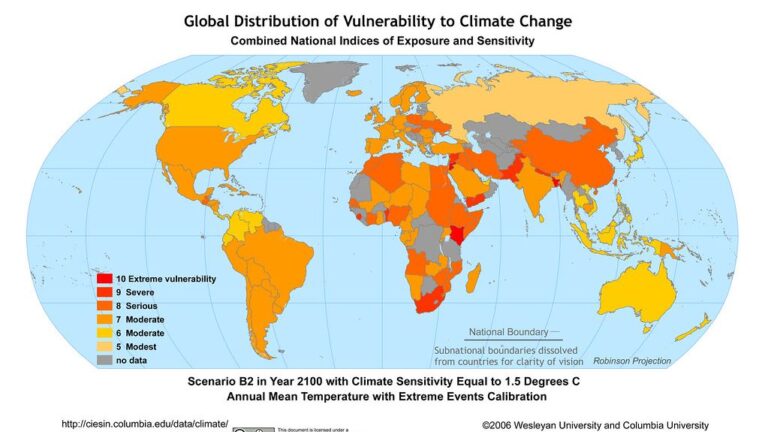
10 of the World’s Most Dangerous Countries Tourists Still Visit
Let’s be real, sometimes the most fascinating places on Earth come wrapped in warning labels. Yet every year, thousands of adventurous souls book flights to destinations their governments explicitly tell them to avoid. Whether driven by curiosity, thrill-seeking, or simply the desire to see places few others dare to explore, tourists continue visiting some seriously risky territories. The question isn’t just whether these journeys are worth it, it’s whether they’re survivable.
Afghanistan: Where Ancient Beauty Meets Modern Terror
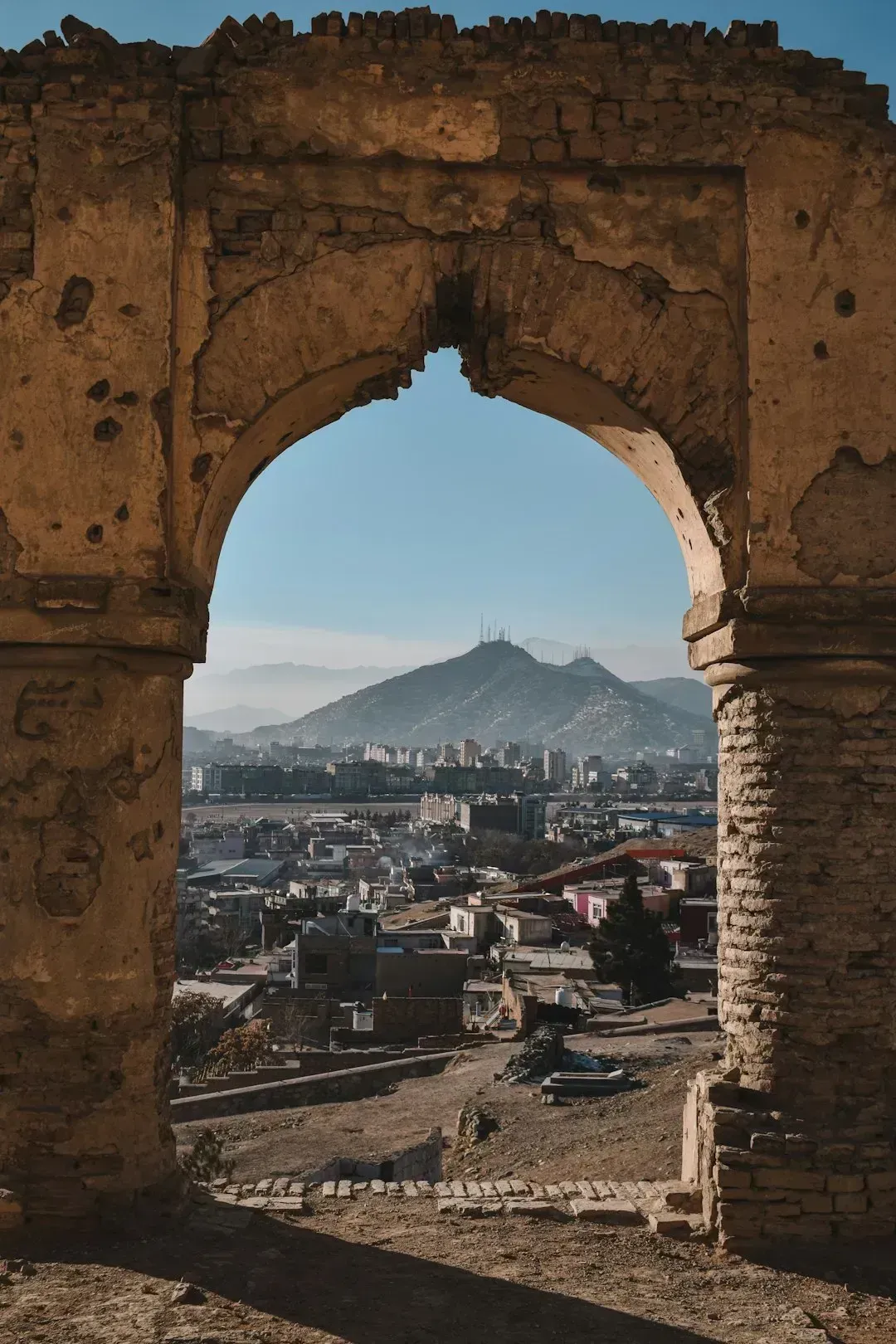
Afghanistan faces severe risks including kidnapping, terrorism, and attacks on foreign nationals, making it one of the most dangerous countries to visit. In May 2024, three Spanish tourists were killed in a shooting while on a guided tour in Bamiyan, Central Afghanistan. Despite Taliban control since 2021, the threat remains very real. According to the Taliban government’s statistics department, from April 2023 to April 2024, almost 9,000 international tourists entered Afghanistan. That number might sound small, yet it represents people willing to risk everything for a glimpse of ancient sites and rugged landscapes. The country’s beauty is undeniable, from the Bamiyan Valley to centuries-old mosques, though extremist groups like Al-Qaida and Islamic State Khorasan Province maintain an active presence.
Syria: A Nation Slowly Reopening Its Doors
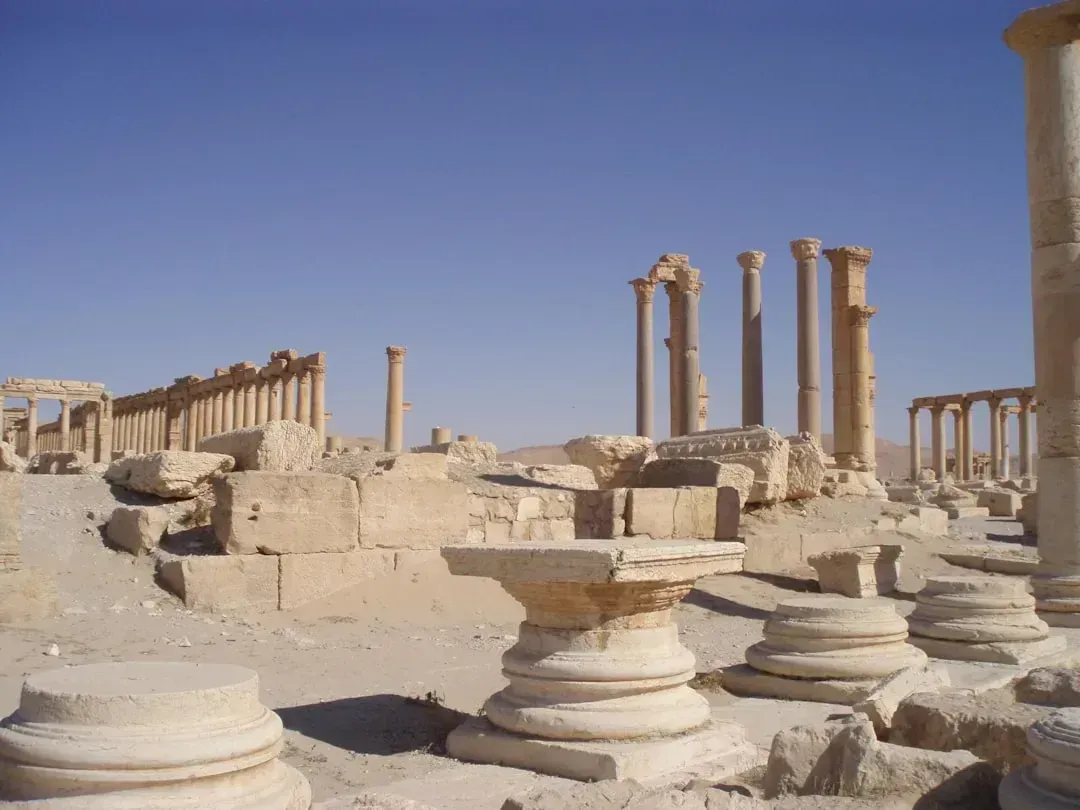
Since 2011, Syria has endured civil war with weapons including chemical weapons being used during the conflict. The destruction is widespread, the infrastructure crumbled. According to official statistics, the number of tourists who visited Syria in 2023 exceeded 750,000, a staggering figure considering most governments maintain their highest-level travel warnings.
Countries like Ukraine, Libya, Syria, and Iraq are marked as having an extreme security risk by international security maps. Still, certain regions under government control have stabilized somewhat. Despite ongoing challenges and economic hardship, Syria remains remarkably safe with a very low crime rate in major cities, according to tour operators on the ground. The gap between official warnings and on-ground reality creates confusion for would-be visitors.
Yemen: The Forgotten Humanitarian Crisis
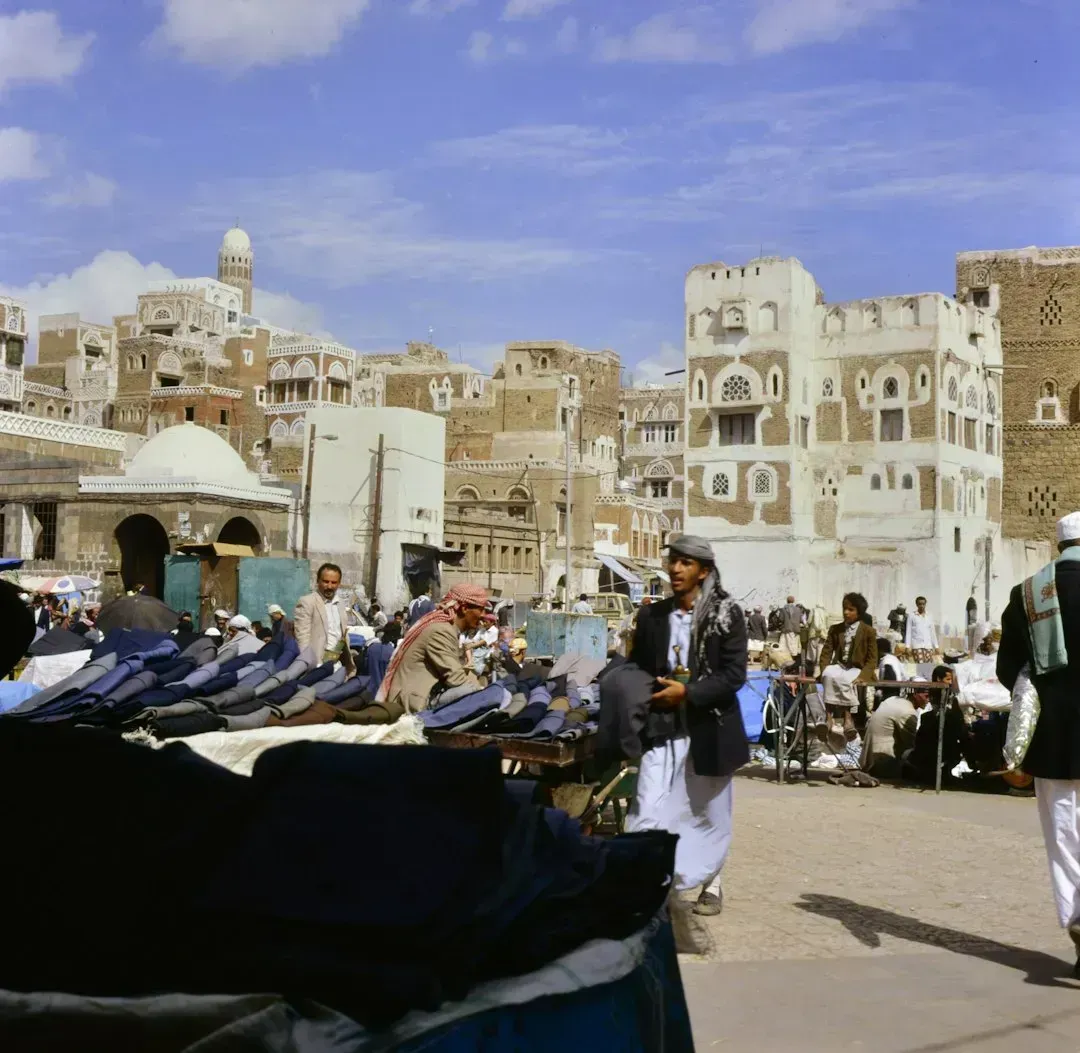
Yemen is considered the most humanitarian crisis in the world according to the United Nations, having gone through more than six years of conflict. The ongoing civil and international conflict creates extreme political and security instability throughout the country. Tourists? They’re practically nonexistent here, yet some still attempt visits to places like Socotra Island.
Tour companies outside Yemen have misrepresented the safety of the Yemeni island of Socotra, offering tourist trips with unofficial and invalid visas. There is a very high and constant threat of kidnap across Yemen, with Al-Qaida propaganda calling for continued kidnapping of westerners. The few who venture here do so knowing rescue is nearly impossible.
Venezuela: Beauty Shrouded in Violence
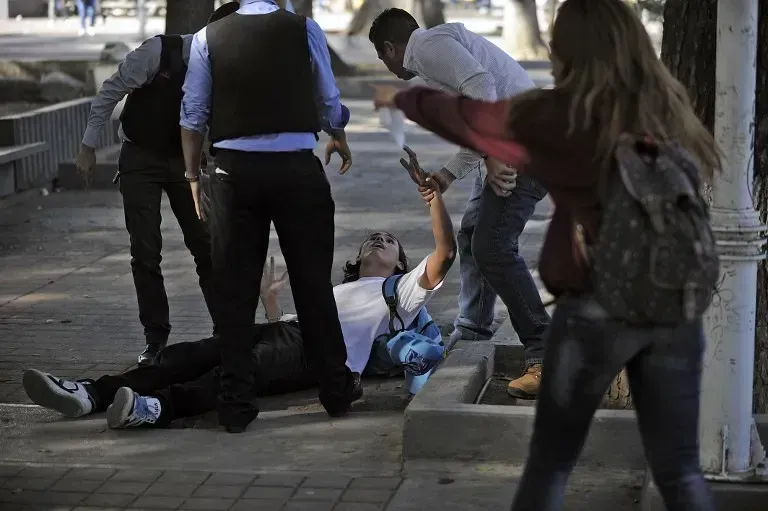
Venezuela has one of the highest rates of violent crime, corruption, and unrest in the world. Express kidnappings lasting less than 48 hours frequently target people leaving hotels, traveling in taxis, or walking in wealthier areas. The country’s economic collapse has created desperate conditions where crime thrives. Venezuela has one of the world’s highest homicide rates, with violent crimes pervasive throughout the country but particularly frequent in Caracas.
Interestingly, the Venezuelan Observatory of Violence reported a 25% drop in violent deaths from 2022 to 2023. Experts attribute this decline not to improved safety, but to mass migration and economic devastation leaving fewer opportunities for criminals. Western travelers, especially Americans, face the threat of arbitrary detention following sanctions on the Maduro government. Yet the country’s natural wonders and Angel Falls continue drawing brave visitors.
Somalia: Lawlessness on the Horn of Africa
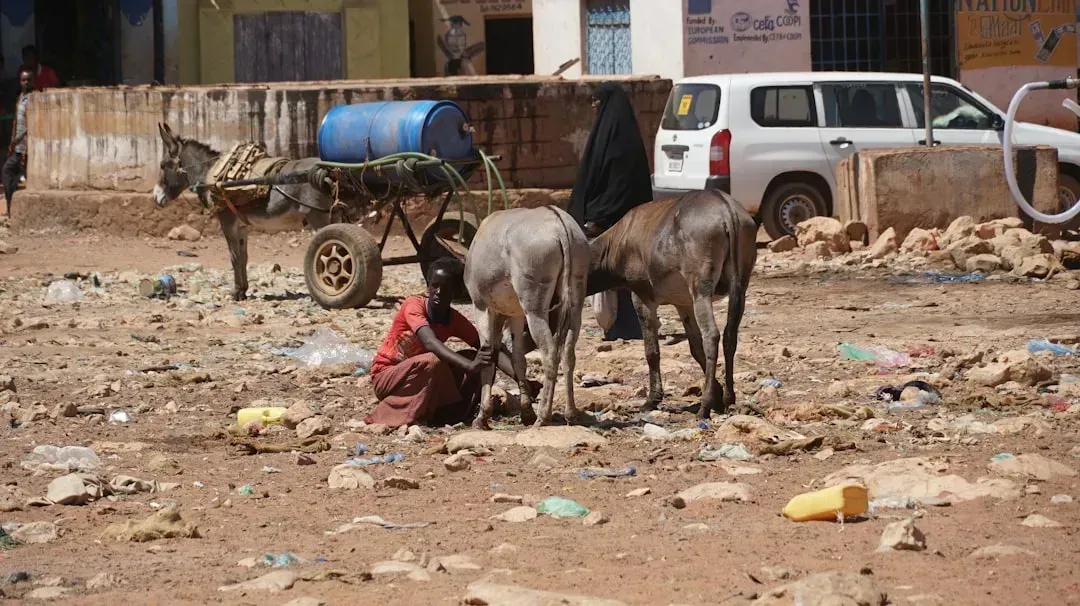
Somalia is highly dangerous due to terrorism, piracy, and lawlessness, with militant group Al-Shabaab regularly targeting civilians and foreigners through bombings and kidnappings. Large swaths of territory operate completely outside government control. Pirates still operate in the waters off Somalia, making it dangerous for people traveling on boats near the coastal area.
The country represents perhaps the ultimate failed state scenario. Basic infrastructure barely exists, medical care is essentially unavailable, and the rule of law is absent in many regions. Those few tourists who do venture here typically stick to heavily guarded compounds in Mogadishu or visit the breakaway region of Somaliland, which maintains relative stability. Travel here isn’t just risky, it’s borderline suicidal for the unprepared.
Iraq: Ancient Wonders in a War Zone
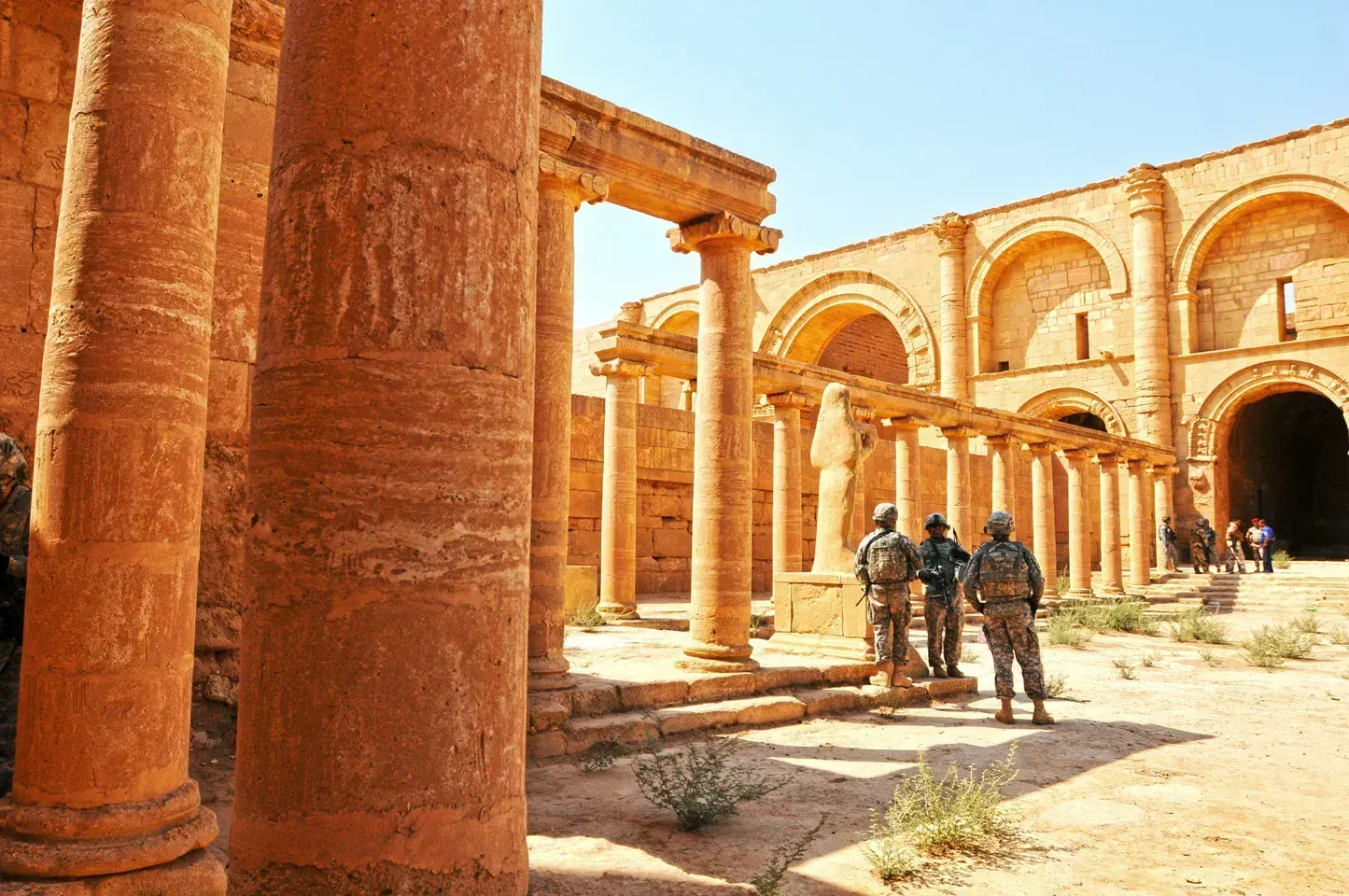
Iraq makes the list of most dangerous countries due to the high risk of attack, with ongoing violence making it unsafe for travelers. Bombings and ambushes of government buildings and places of worship are commonplace, with attacks on visitors and kidnappings involving high ransoms being frequent. The cradle of civilization has become one of its most perilous places.
Parts of northern Iraq, particularly the Kurdish regions, offer relatively safer havens for tourists. Cities like Erbil have developed tourism infrastructure and maintained better security. Southern Iraq and areas near the Syrian border remain incredibly dangerous. The ancient sites of Babylon and Ur draw archaeologically-minded visitors willing to navigate security checkpoints and travel with armed escorts. It’s tragic that such historically significant locations require such extreme precautions.
South Sudan: The World’s Youngest Failed State
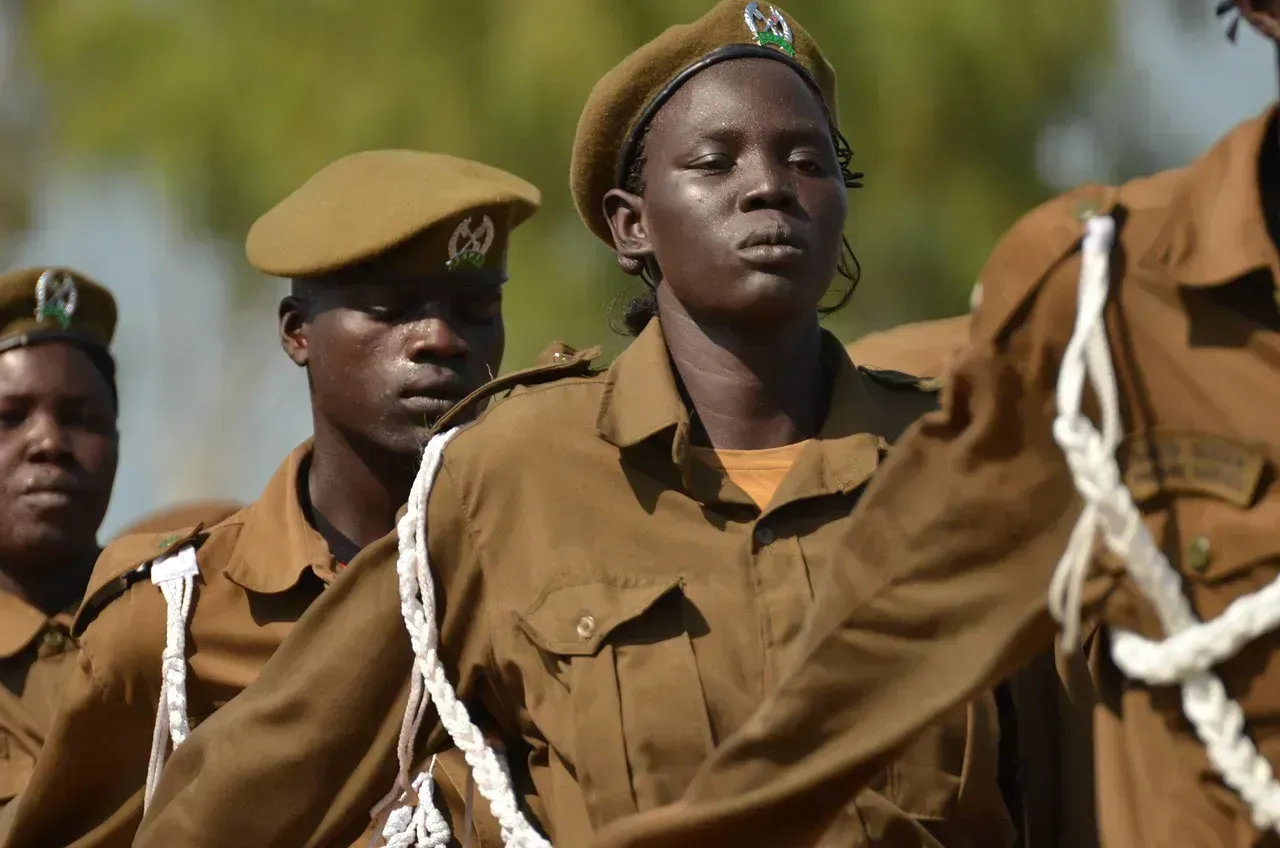
South Sudan suffers from ongoing civil conflict, limited infrastructure, and high levels of violence. Violence includes torture and sexual assault, with emergency medical or evacuation support minimal due to poor roads and healthcare access. Since gaining independence in 2011, the nation has spiraled into ethnic conflict and humanitarian disaster.
Tourism infrastructure is essentially nonexistent. The few foreigners present are typically aid workers or journalists, not leisure travelers. Those rare adventurers who do visit are drawn by wildlife in places like Boma National Park or the unique cultures of various tribes. The risks are enormous, and the isolation means that if something goes wrong, help may never arrive.
Libya: Revolution’s Aftermath

Libya is marked as having extreme security risk, with nations such as Ukraine, Libya, Sudan, Pakistan, and Afghanistan posing significant security concerns. Since Gaddafi’s fall in 2011, Libya has descended into chaos with competing militias controlling different territories. The central government exercises limited authority, and factional warfare continues.
Tripoli’s old medina and the ancient Roman ruins at Leptis Magna would be major tourist draws in peaceful times. Instead, they sit in a country where kidnappings of foreigners occur regularly, militia checkpoints are unpredictable, and violence can erupt without warning. A handful of intrepid travelers make it to Libya each year, usually with extensive local contacts and security arrangements.
Ukraine: Europe’s Active Conflict Zone

Ukraine is currently undergoing stress due to the war with Russia, facing low living standards and corruption, resulting in serious instability. According to the Global Peace Index 2024, Ukraine was among the most dangerous countries in the world. The ongoing Russian invasion since February 2022 has created Europe’s largest armed conflict since World War II.
Western Ukraine, particularly Lviv, continues receiving tourists who want to show solidarity or witness history unfolding. Air raid sirens are routine, curfews are enforced, and missile strikes can happen anywhere. Yet hotels remain open, restaurants serve patrons, and life continues with surreal normalcy between attacks. It’s perhaps the most accessible dangerous country on this list, with functioning airports and international train connections, though that accessibility doesn’t diminish the genuine risks.
Mexico’s Cartel Territories: Paradise With a Dark Side
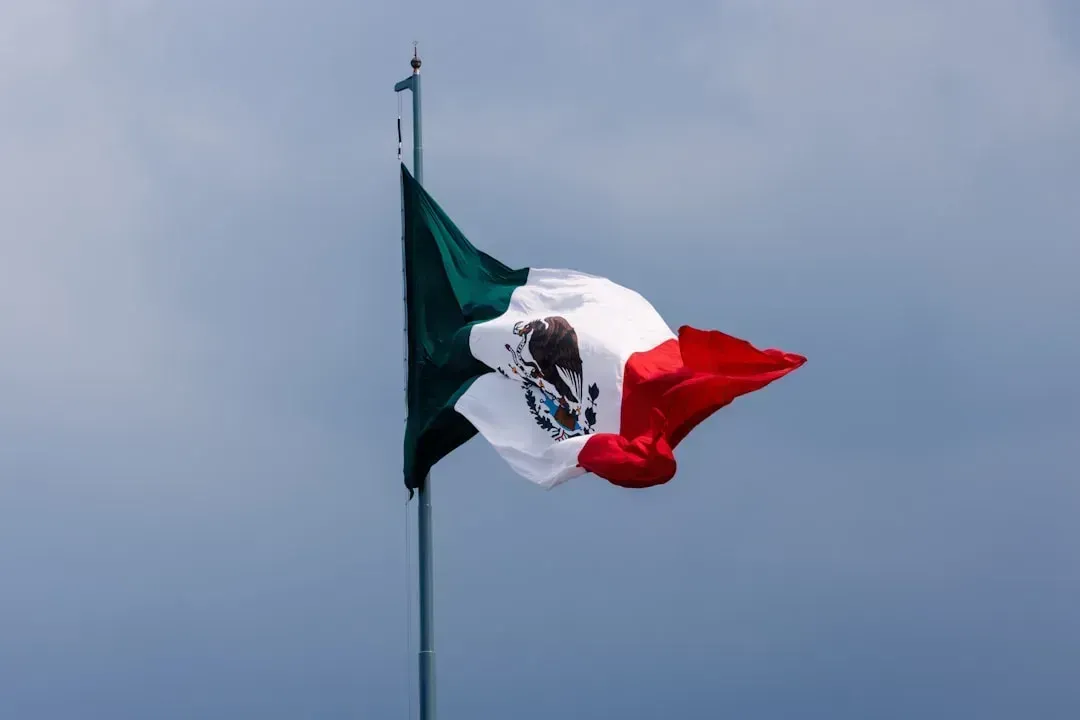
The drug war in Mexico is one of the most violent conflicts on the planet, with cartel activity permeating the Mexican economy and cartel conflicts driving violence even in tourist areas like Cancun, Tulum, and Puerto Vallarta. The criminal landscape is driven largely by battles between Cartel de Jalisco Nueva Generación and the Sinaloa Cartel, with border regions and Tierra Caliente particularly dangerous.
Mexico presents a unique case because millions visit safely every year, particularly beach resorts on the Caribbean and Pacific coasts. The danger is highly localized. Certain states are genuinely perilous with high murder rates, cartel checkpoints, and disappearances. Others are relatively safe. The challenge for tourists is knowing which is which, and understanding that even “safe” tourist zones aren’t immune to cartel violence spilling over.
Every one of these destinations tells a story of human resilience amid chaos. The locals living in these places don’t have the luxury of avoiding them. For tourists, the calculus is different. Is witnessing history, experiencing unique cultures, or seeing rare landscapes worth the risk? There’s no universal answer. Some return with life-changing experiences and no incidents. Others never make it home. The danger is real, quantifiable, and documented. Yet the pull of the forbidden and the beauty hidden in these troubled lands continues drawing visitors who believe the reward outweighs the risk. What would you choose?