8 Forgotten Soda Flavors Collectors Still Dream Of – Historians Note
The fizzy drink landscape has witnessed countless flavors come and go, leaving behind passionate collectors who treasure these liquid time capsules. The global collectibles market size was estimated at approximately USD 412-457 billion in 2024 and is projected to reach around USD 692-722 billion by 2032-2033, growing at a CAGR of approximately 5.9-6.6%. Within this booming industry, discontinued soda flavors occupy a special place in both memory and marketplace value, with certain rare cans fetching hundreds or thousands of dollars among dedicated enthusiasts.
Coca-Cola Spiced: The Flavor That Vanished Within Months
Launched in February 2024 and advertised as a permanent offering, Coca-Cola Spiced had a surprisingly short run, lasting only six months on the market before Coca-Cola decided to cut its losses. The flavor combined classic Coke with raspberry and spice notes, though its name proved misleading to consumers who expected genuine heat. The soda received mixed feedback from consumers, with some enjoying its pronounced raspberry flavor and others comparing it to cough syrup, as it was an attempt by Coca-Cola to appeal to Gen Z consumers. As part of this strategy, the company announced plans to phase out Coca-Cola Spiced to introduce an exciting new flavor in 2025, leaving soda fans waiting to see what comes next.
Josta: The Original Energy Soda
When PepsiCo launched Josta in 1995, it made history as the first energy drink introduced by a leading U.S. beverage brand, featuring both caffeine and guarana, a plant from the Amazon that’s naturally high in caffeine. The bold black panther packaging and unique spiced flavor made it stand out in an era before energy drinks became mainstream. Widely regarded as the first bona fide energy drink put out by a major beverage bottler, this fruity concoction containing guarana has seen prices online for a six-pack hit $250 in previous years. Surprisingly, the owners of Jolt Cola announced plans to bring an updated version back to the shelves in 2025, with the new Jolt Cola having 200 milligrams in a 16-ounce can.
Dr Pepper Berries & Cream: A Brief But Beloved Comeback
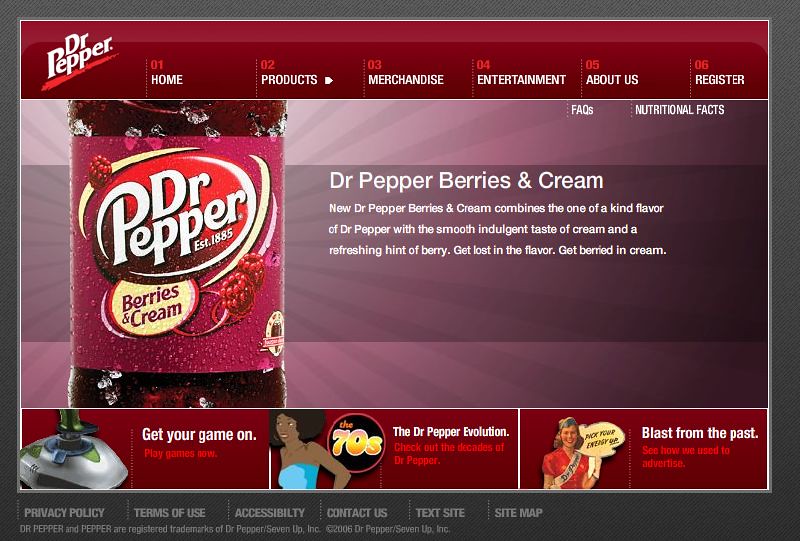
Despite its short run, Dr. Pepper Berries & Cream became a favorite flavor for many, and was briefly revived in 2022 as an award for the Pepper Perks program. In 2023, Dr. Pepper released a similar but slightly different flavor called Strawberries & Cream, which became a permanent offering, making it unlikely that the company would bring back Berries & Cream at the same time. The original flavor’s limited availability and passionate fanbase have made it a holy grail for collectors. Historians note that this brief 2022 revival only intensified demand rather than satisfying it, as the flavor returned to retirement once the sweepstakes ended.
Sierra Mist: The Lemon-Lime Contender That Lost
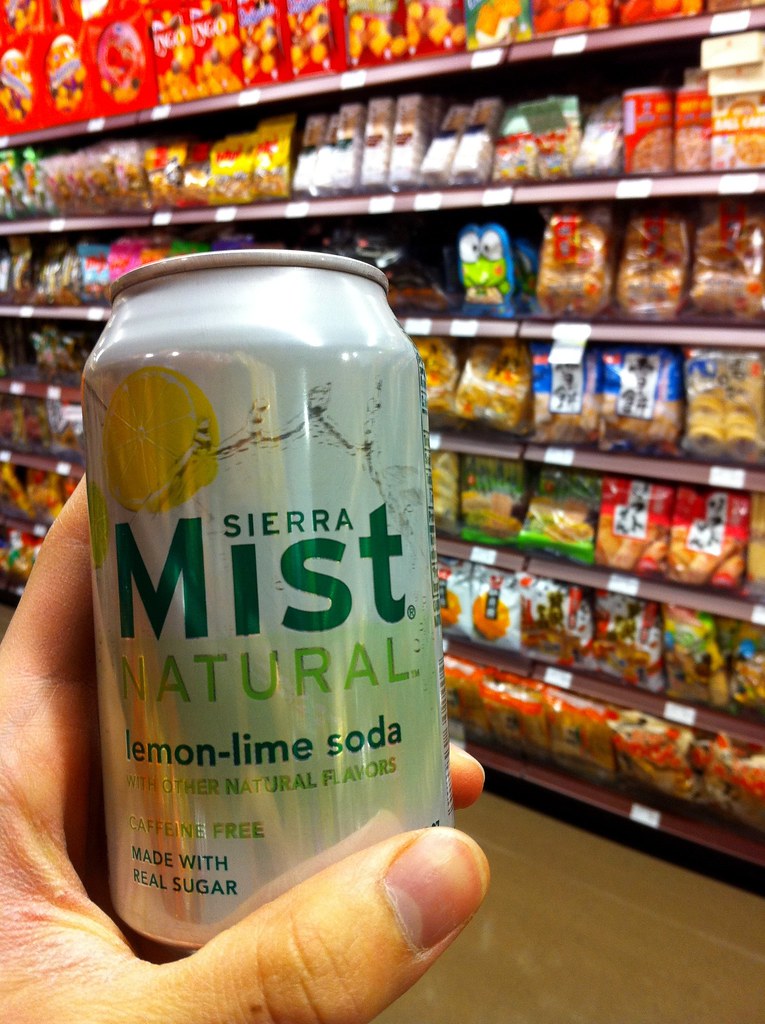
Sierra Mist was discontinued in 2023 after a decades-long uphill battle with competing soda brands, having been debuted by PepsiCo in 1999 to compete with 7UP and Sprite, the leaders in the lemon-lime soda game. The main difference with Sierra Mist was its use of real cane sugar, which contributed to its distinct taste, with fans recalling this fondly while others asserted it tasted like an inferior version of Sprite. After Sierra Mist failed to make headway in the lemon-lime soda category, PepsiCo decided to make drastic changes, pulling it from shelves while simultaneously introducing a brand-new, celestially named recipe called Starry. The timing of its demise makes recent cans particularly sought after by collectors.
Pepsi Nitro: The Nitrogen Innovation That Fizzled
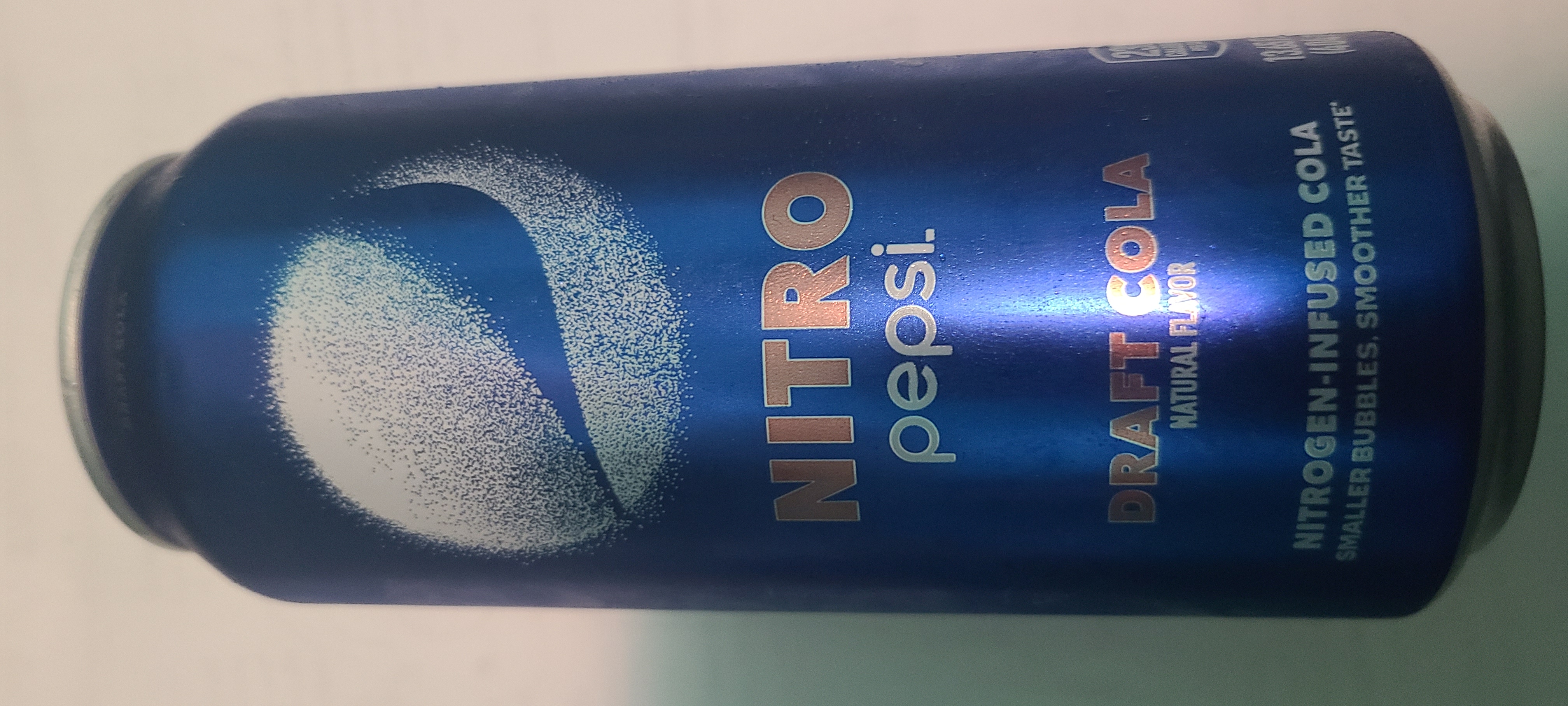
When it bubbled up in 2022 after three years of development, Pepsi Nitro was a soda revelation, heralded as the first-ever nitrogen-infused cola drink, meaning it was made using nitrogen gas instead of carbon dioxide, giving it smaller bubbles and a smoother texture. Like Guinness stout beer and certain cold-brew coffees created using a similar technique, Pepsi Nitro was probably somewhat of an acquired taste since the company decided to pull it from production by 2024. The innovative brewing method and limited production window have already made both regular and vanilla versions highly coveted among soda enthusiasts. Both versions will soon be but a faint memory just like the controversial Pepsi Blue or Pepsi A.M. which was laced with an extra boost of caffeine to get you through the morning.
Hubba Bubba Soda: Liquid Bubblegum Dreams
Introduced in 1987, Hubba Bubba Soda attempted to bottle the nostalgic bubblegum flavor in fizzy liquid form, featuring a bright pink hue. The pink soda failed to sustain interest, and by the late 1980s, it was gone. Diet Hubba Bubba Bubble Gum Soda was a pink soft drink manufactured with a license from The Wrigley Company, the maker of Hubba Bubba bubble gum. The unusual concept of drinking liquid bubblegum proved too bizarre for mainstream acceptance, though its brief existence and distinctive pink packaging have made surviving cans extremely collectible among those who remember the candy-flavored experiment.
Sprite Remix: The Tropical Twist That Disappeared
Sprite Remix, launched in 2003, brought a tropical twist to the classic Sprite formula and was a hit with the 2000s remix culture, but despite its flashy campaigns and cultural connections to music and dance, the drink was gone by 2005. This line was dumped after just three years in production, possibly related to the drinks’ high sugar content, standing at over twice the amount of regular Sprite, though a few glimpses of the collection have popped up since, such as in Wendy’s Coke Freestyle machines where Aruba Jam was featured for a limited time in 2024. The tropical flavors and connection to early 2000s culture have made original cans valuable pieces of beverage history.
Crystal Pepsi: The Clear Cola Revolution
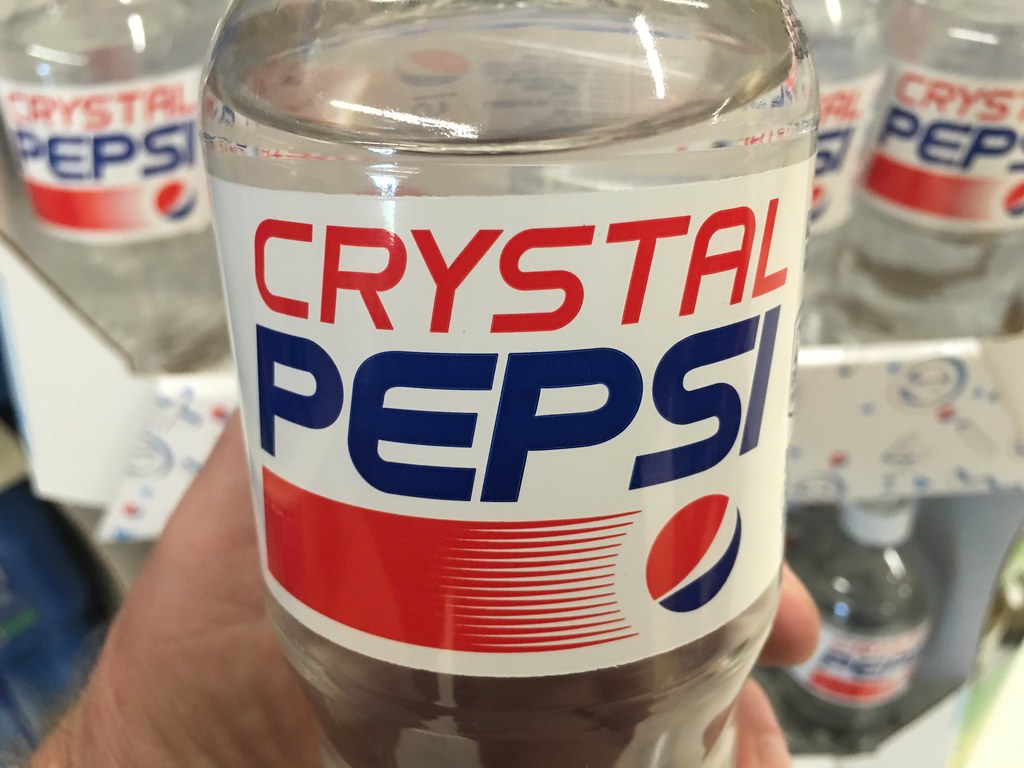
Crystal Pepsi was a 1990s experiment that looked like water but tasted like Pepsi, sparking curiosity but confusing cola lovers, with fans initially drawn to its clean, crisp look and familiar flavor, but its confusing marketing and lack of differentiation from regular Pepsi led to poor sales. David C. Novak, chairman of Yum! Brands and credited with introducing the Crystal Pepsi concept, later admitted the transparent drink suffered from brutal marketing campaigns from its competitor Coke’s Tab soda. Pepsi’s 1990 “Cool Cans” promotion featured graffiti-inspired graphics that formed larger pictures when arranged in sets of four, with one particular combination spelling out an unintended word, causing the cans to be yanked within weeks, and a complete, undented quartet sold for $3,050 on eBay in April 2023. The clear cola’s innovative appearance and cultural significance continue to drive collector interest decades later.