10 Retro Food Ads That Instantly Bring Back Nostalgia – Historians Note
Stepping back into the world of retro food advertising feels like opening a time capsule filled with pure magic. Research suggests that nostalgia can spark positive emotions, which explains why these vintage commercials still make our hearts skip a beat. Nostalgia is nothing new when it comes to marketing in the food and beverage industry, but in 2023 and 2024, we’ve seen it blown up in a big way. Nostalgia activates the parts of the brain that makes us feel good.
McDonald’s reported strong performance from their nostalgic Grimace campaign, proving that our longing for simpler times has real purchasing power. From singing California Raisins to that unforgettable McDonald’s menu song, these ads didn’t just sell products. They sold dreams, memories, and a piece of childhood that we carry with us forever.
McDonald’s Big Mac Menu Song – The Ultimate Memory Test
The “Menu Song” was released in 1989 and became part of McDonald’s promotion, where customers had the chance to win prizes if they were able to sing the lyrics correctly. Distributed via radio contests and vinyl records, the “Menu Song” was fast-paced and listed every item on the McDonald’s menu. Not only was it a fun challenge to attempt, but it was a memorable branding strategy to get people to think about only one thing: the McDonald’s menu. Two all-beef patties, special sauce, lettuce, cheese, pickles, onions on a sesame seed bun became more than just ingredients – they became a generation’s anthem.
Kids across America would practice this tongue-twister religiously, racing against the clock to match the announcer’s lightning-fast delivery. The commercial turned ordering food into a competitive sport, making McDonald’s not just a restaurant but a cultural phenomenon where knowing the menu by heart was a badge of honor.
California Raisins – When Dried Fruit Became Pop Stars

No one expected dried fruit to become pop stars, but in 1986, that’s exactly what happened. The California Raisins, a group of claymation characters with serious soul, exploded in popularity thanks to their animated ad set to “I Heard It Through the Grapevine”. California Raisins used claymation figures to sing the iconic song in 1986, which became an instant hit with all ages. The raisins grooved and danced their way into the hearts of viewers, transforming a commodity product into a pop culture icon for everyone to enjoy. It even led to TV specials, records, and merchandise being released, proving how powerful character-driven advertising could be.
These wrinkled dancers with their smooth moves and soulful voices made eating raisins suddenly seem incredibly cool. Their success sparked a merchandising empire that included everything from lunch boxes to plush toys, proving that with enough creativity and the right song, even the most mundane snack could become a superstar.
Wendy’s “Where’s The Beef?” – The Catchphrase That Conquered America
With just three words, Wendy’s launched one of the most famous ad slogans in history. “Where’s the Beef?” starred the iconic Clara Peller questioning the size of competitors’ burger patties – and people couldn’t stop quoting it. The line became a national catchphrase, showing up in talk shows, comedy skits, and even presidential debates. This feisty elderly woman didn’t just sell hamburgers; she created a cultural moment that transcended fast food advertising.
It was punchy, humorous, and directly called out the competition in a way that was both bold and entertaining. Wendy’s proved that a well-timed zinger could do more than just sell burgers – it could become part of the American lexicon. The commercial’s genius lay in its simplicity and Clara’s genuine indignation, making viewers question not just burger sizes but advertising claims everywhere.
Trix Rabbit – The Eternal Underdog’s Quest
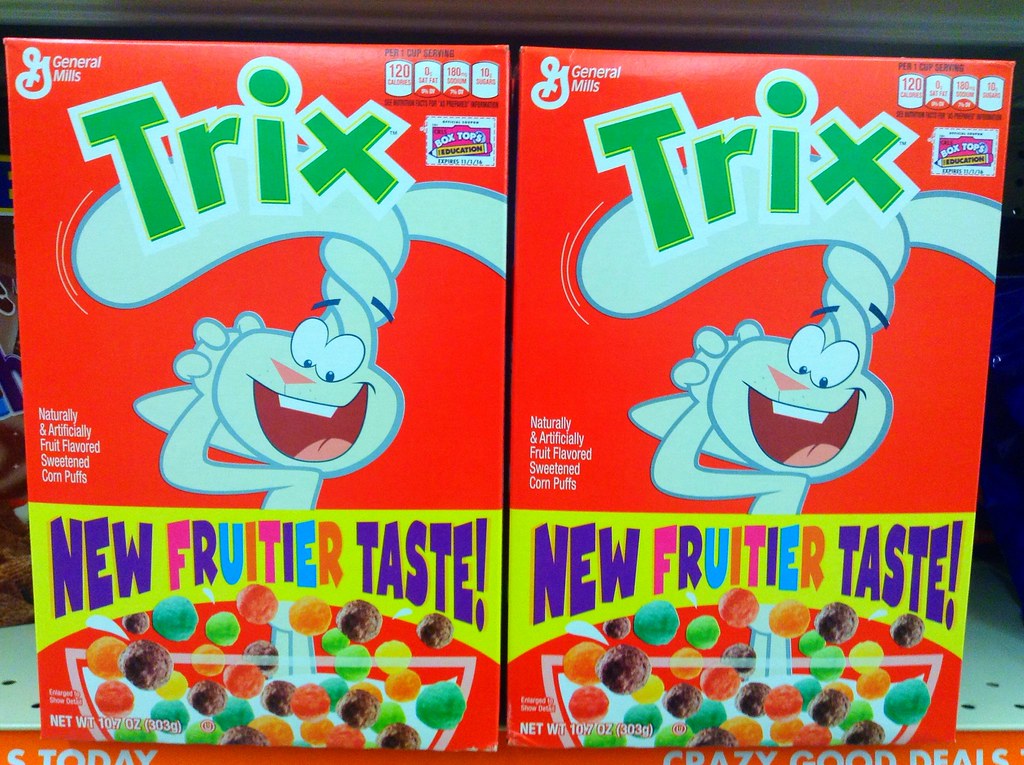
Trix was introduced by General Mills in 1954. The rabbit mascot first appeared in 1959 (as a floppy glove puppet) and went on to become one of the most famous characters in the cereal world. Included in this list are the origins of such modern idioms as “Cuckoo for Cocoa Puffs” and “Trix are for kids”, showing how deeply these campaigns penetrated American culture.
The Trix Rabbit’s endless pursuit of that colorful cereal created a storyline that resonated with anyone who’d ever been denied something they desperately wanted. His elaborate disguises and inevitable defeat at the hands of smug children made him television’s most sympathetic villain. Despite decades of failure, his unwavering determination turned him into an unlikely hero for underdogs everywhere.
Lucky Charms Leprechaun – Chasing Magical Marshmallows
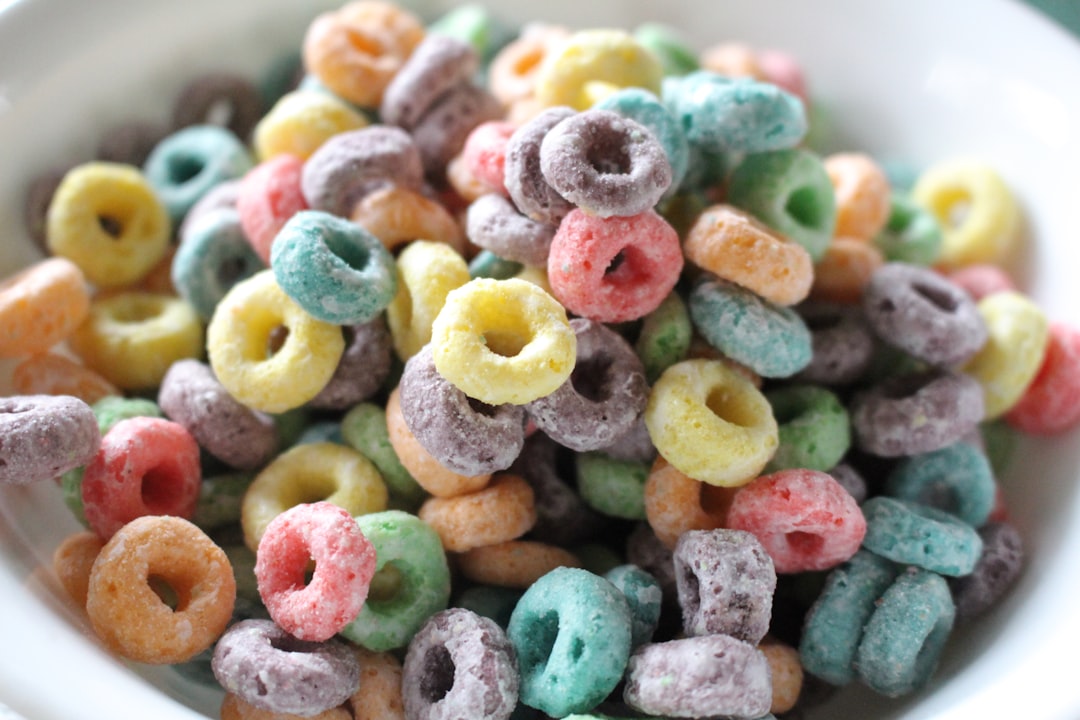
Introduced in 1964 by General Mills, Lucky Charms was the first cereal to include marshmallow pieces (the pink hearts, yellow moons, orange stars, and green clovers were based on the concept of the charm bracelet). Lucky the Leprechaun has been the enduring mascot for the cereal since the beginning. They’re Magically Deliciious! became more than a slogan – it was a promise of breakfast enchantment.
The constant chase scenes between Lucky and mischievous children turned morning cereal into an adventure story. His Irish accent and magical powers gave breakfast a fairy tale quality that made ordinary mornings feel special. The commercial’s genius was making viewers feel like they were part of an ongoing magical quest, where every bowl held the possibility of finding treasure.
Coca-Cola’s Mean Joe Greene – The Power of Kindness
Coca-Cola’s “Mean Joe Greene” ad, for instance, wasn’t just about soda. It was about a moment of kindness between a young fan and a gruff football player. Coca-Cola’s “Mean Joe Greene” ad wasn’t just about soda. It was about a moment of kindness between a young fan and a gruff football player. The narrative tugged at your heartstrings, and the payoff – a simple smile and a Coke – felt oh-so-satisfying.
This thirty-second masterpiece redefined what advertising could accomplish. Not only did the commercial boost Coca-Cola’s image, but it created a new type of heartfelt sports commercial that would be copied by other companies in the future. The ad proved that selling a product was less important than selling an emotion, creating a template for feel-good advertising that companies still follow today.
Coca-Cola Holiday Trucks – Bringing Christmas Magic
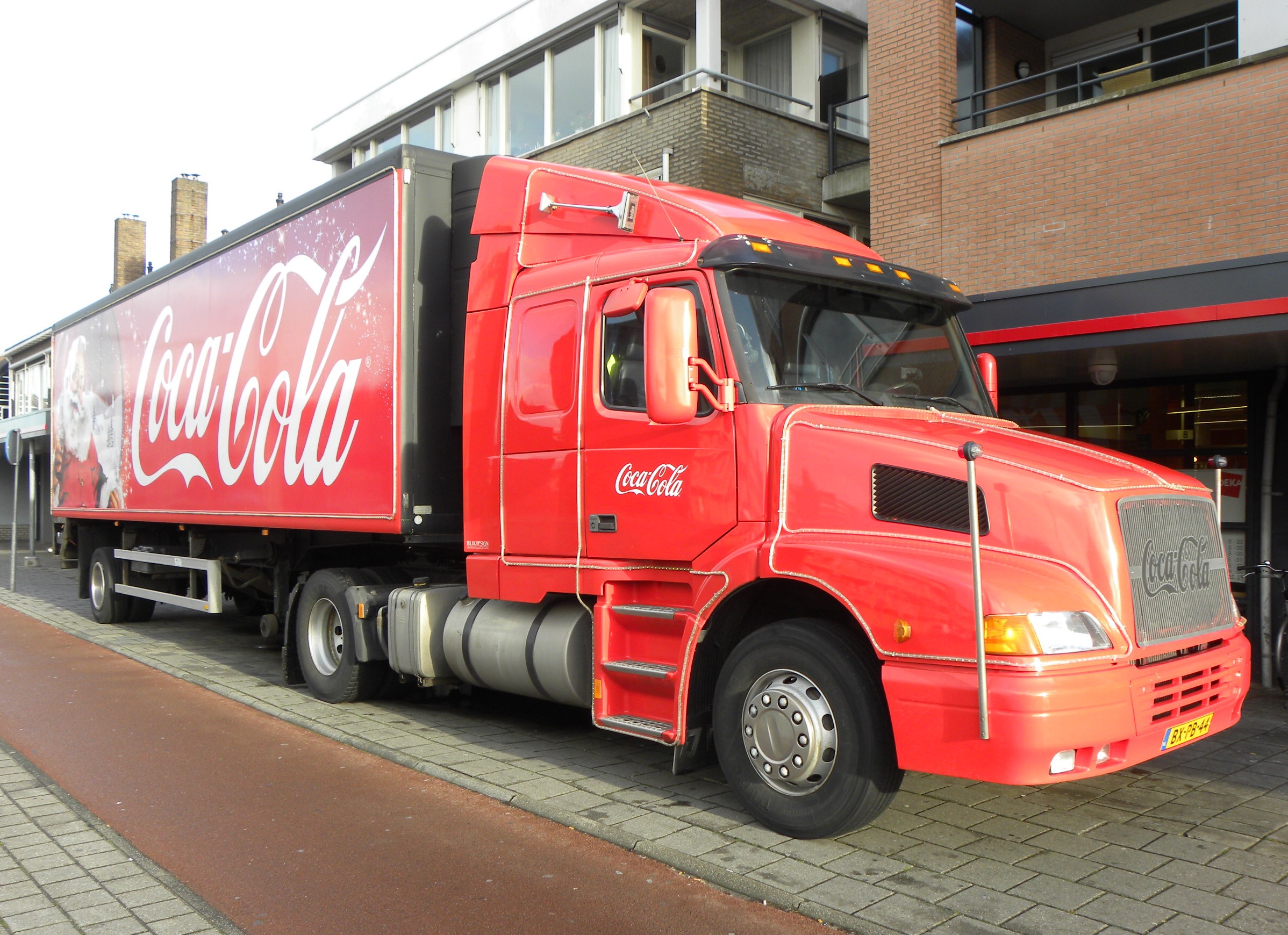
The “Holidays Are Coming” campaign, launched in 1995, featured Coca-Cola’s now-iconic red trucks adorned with festive lights traveling through snowy landscapes. Paired with the jingle “Holidays are coming,” the ad became instantly recognizable and captured the warmth and excitement of the holiday season. The campaign helped solidify Coca-Cola’s role in Christmas tradition, with the glowing trucks symbolizing the start of holiday celebrations for many.
These magical vehicles became unofficial harbingers of Christmas, with many families marking the start of the holiday season by their first sighting. The commercial’s power lay in connecting a soft drink to one of humanity’s most cherished celebrations, making Coke an integral part of Christmas tradition across multiple generations.
McDonald’s Mac Tonight – Late Night Sophistication
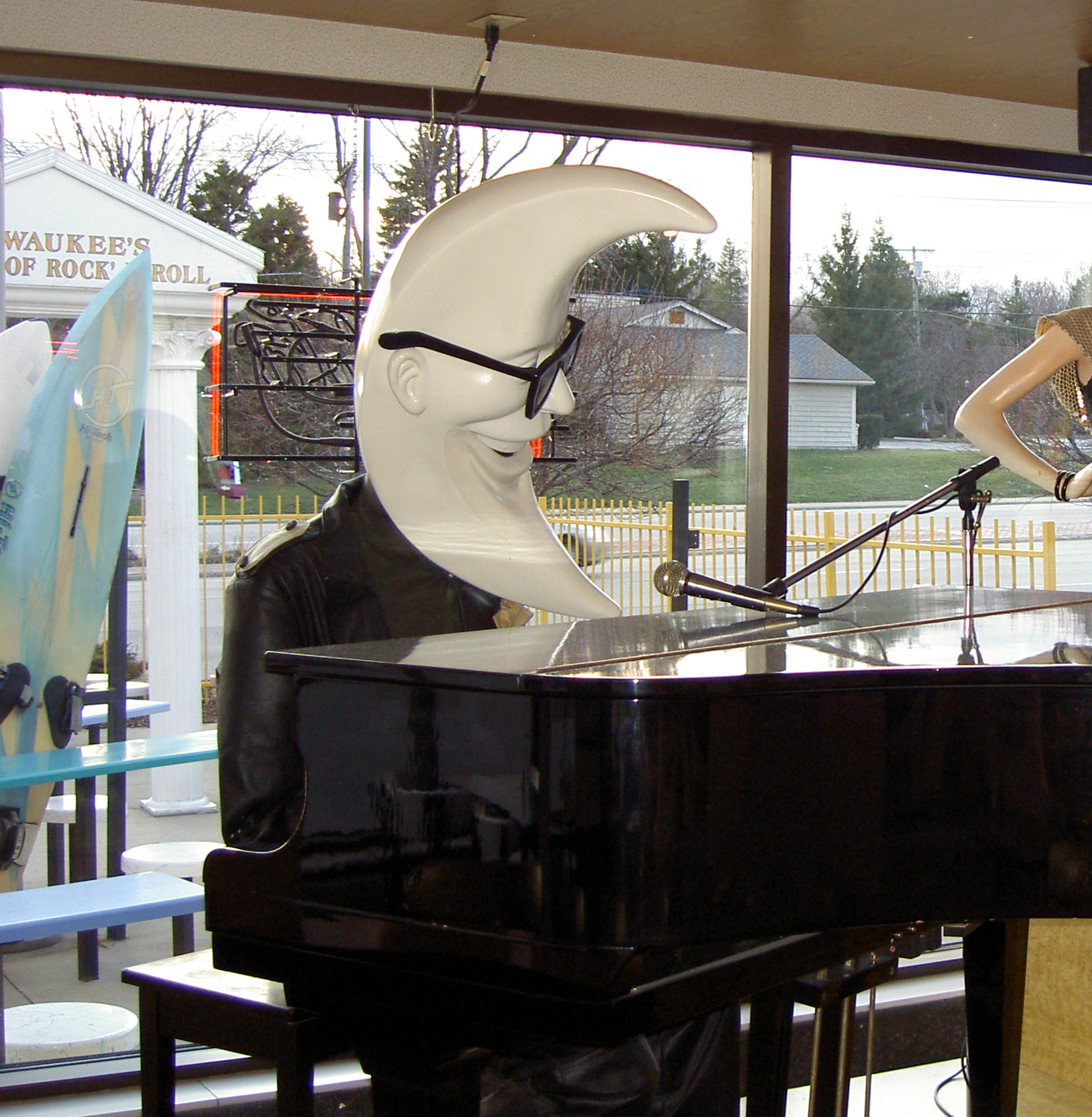
In the late ’80s, McDonald’s wanted to tap into the adult market with a jazzy, nighttime vibe – and they nailed it with “Mac Tonight.” Featuring a cool, moon-faced character in a tux and sunglasses crooning a jingle to the tune of “Mack the Knife,” the ad was quirky, catchy, and totally unforgettable. It made late-night burgers feel like a sophisticated treat rather than fast food. Kids loved the character, adults found the tune stylish, and McDonald’s gained traction during dinner hours.
This suave lunar crooner transformed McDonald’s image from a children’s playground into a sophisticated evening destination. His smooth jazz vocals and mysterious persona made grabbing a burger after dark feel like joining an exclusive club. The campaign successfully bridged the gap between McDonald’s family-friendly daytime image and adult nighttime dining.
Folgers Coffee – The Best Part of Waking Up
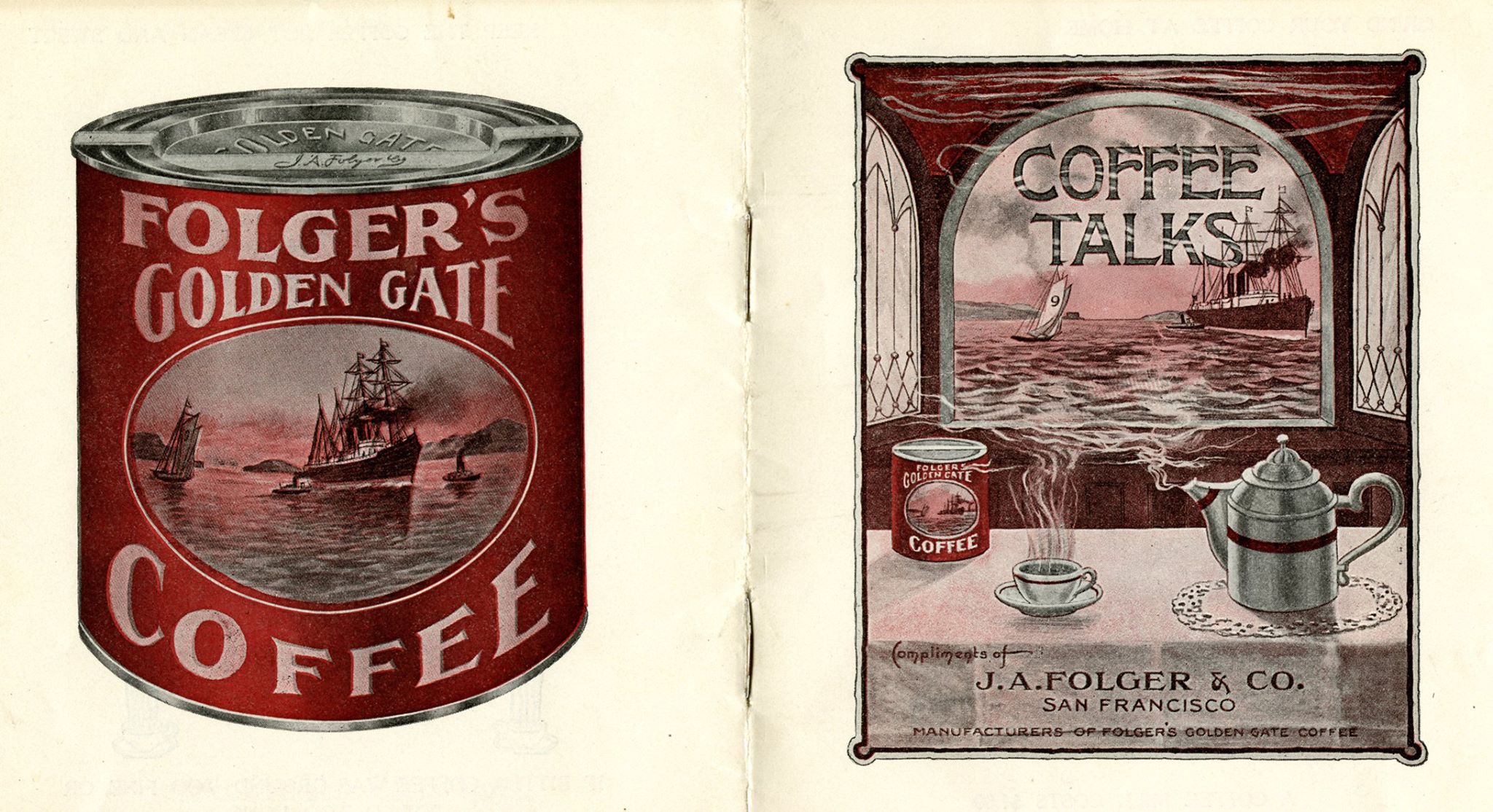
Folgers’ iconic jingle, “The best part of wakin’ up is Folgers in your cup,” first aired in the 1980s and became one of the most iconic slogans for coffee ever made. The commercial focused on a morning routine, coupled with warmth and family, that caught the hearts of viewers. This commercial is one of the reasons Folgers became a household name and stayed one for many decades.
The campaign’s genius was recognizing that coffee wasn’t just a beverage – it was a ritual that connected people to comfort, routine, and hope for a good day ahead. By positioning their product as the catalyst for perfect mornings, Folgers created an emotional connection that went far beyond caffeine, making their jingle one of the most memorable in advertising history.
Life Cereal’s Mikey – The Picky Eater Who Changed Everything

Mikey Likes It! (Life Cereal): This ad introduced Mikey, a picky eater who shockingly loved Life cereal. The campaign ran for years, and Mikey became a household name. The commercial’s brilliance came from its authentic portrayal of childhood skepticism and the genuine surprise when the notoriously difficult eater actually enjoyed the product.
This simple concept resonated because every family had their own “Mikey” – that one child whose approval meant everything. The ad turned a finicky eater into a trusted product tester, suggesting that if Life cereal could win over the toughest critic, it could satisfy anyone. The campaign’s longevity proved that authentic moments often create the most lasting advertising memories.
These vintage food advertisements remind us of an era when marketing felt more human, more creative, and infinitely more memorable. Heritage brands’ steadfast popularity relies on their legacy, ensuring customers’ loyalty as many consumers reportedly prefer the same products they enjoyed in childhood. They didn’t just interrupt our favorite shows – they became part of them, creating characters and catchphrases that still make us smile decades later. What do you think about these classic ads? Tell us in the comments.