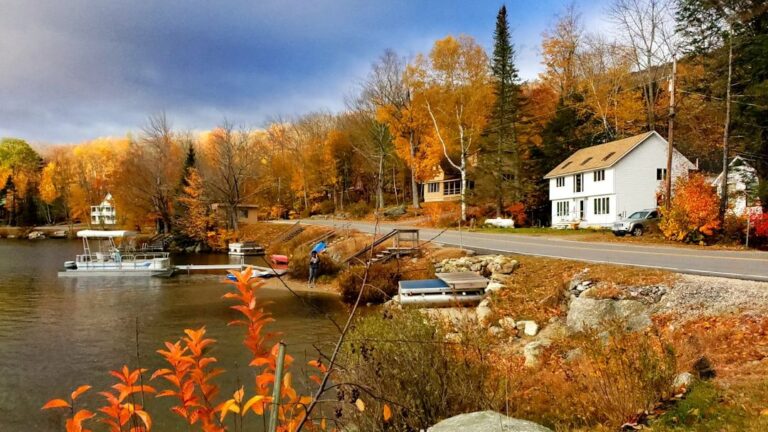
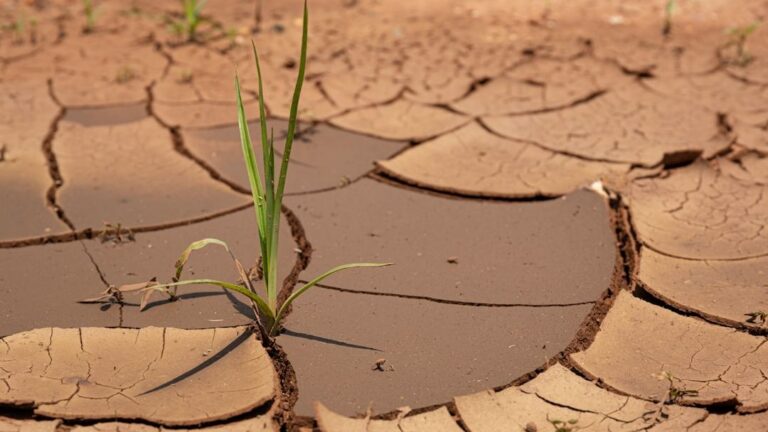
Illegal Without Warning: Why Collecting Rainwater or Wildflowers Can Lead to Fines in Certain States
Think you own everything that falls from the sky onto your property? Think you can pick those beautiful wildflowers blooming on the roadside during your weekend drive? You might want to reconsider. Across the United States, seemingly innocent activities like collecting rainwater or picking wildflowers can land you in serious legal trouble, with fines reaching hundreds or even thousands of dollars. The rules vary wildly from state to state, creating a confusing patchwork of regulations that most people don’t even know exist until they’re facing penalties.
Colorado’s Rain Barrel Restrictions Show How Old Water Laws Still Control Your Property
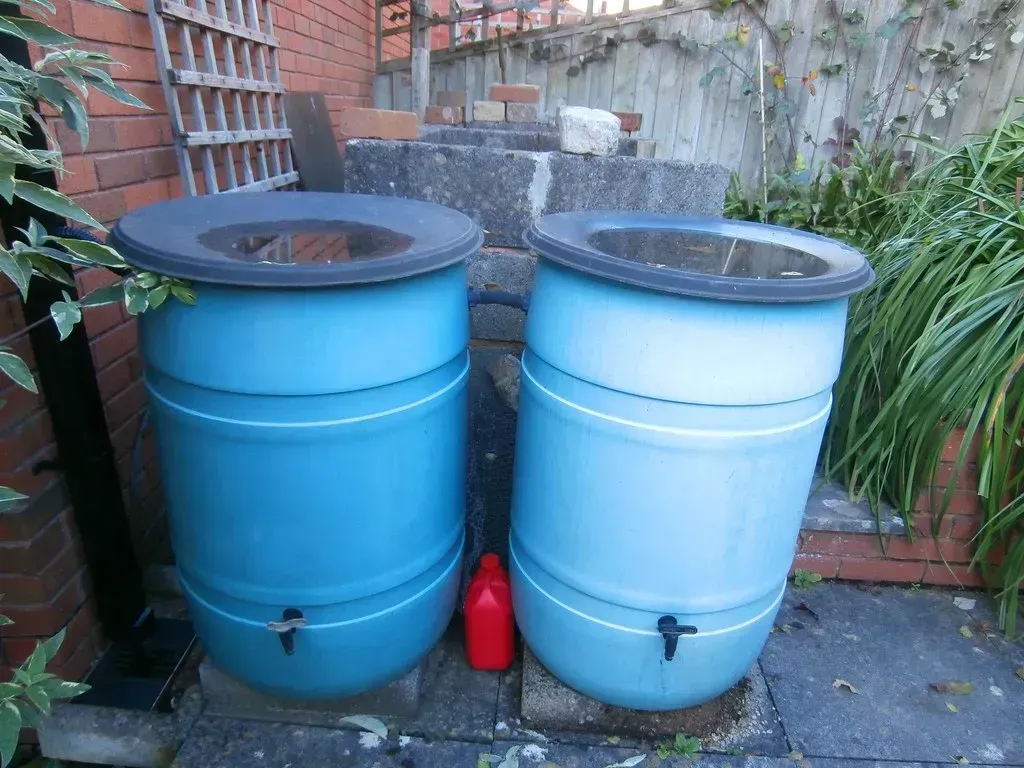
Colorado allows residents to collect rainwater from rooftops into two rain barrels with a combined capacity of 110 gallons, and the collected rain must be used on the property where it is collected and may only be used for outdoor purposes such as lawn irrigation and gardening. Anything beyond that limit is considered illegal. The restrictions stem from something called prior appropriation, a doctrine dating back more than a century that essentially says the first person to use water from a source has senior rights to it. Rainwater is considered “waters of the State” as a portion of the water runoff finds its way to streams and shallow groundwater systems, and since waters of the State are controlled by the Doctrine of Prior Appropriation, rainwater harvesting has been illegal because it could deprive senior water rights of their rightful allocation. Colorado only began loosening these strict rules in 2016 with House Bill 16-1005, though the state remains one of the most restrictive in the nation.
Utah and Nevada Require Registration and Permits for Something as Simple as Catching Rain
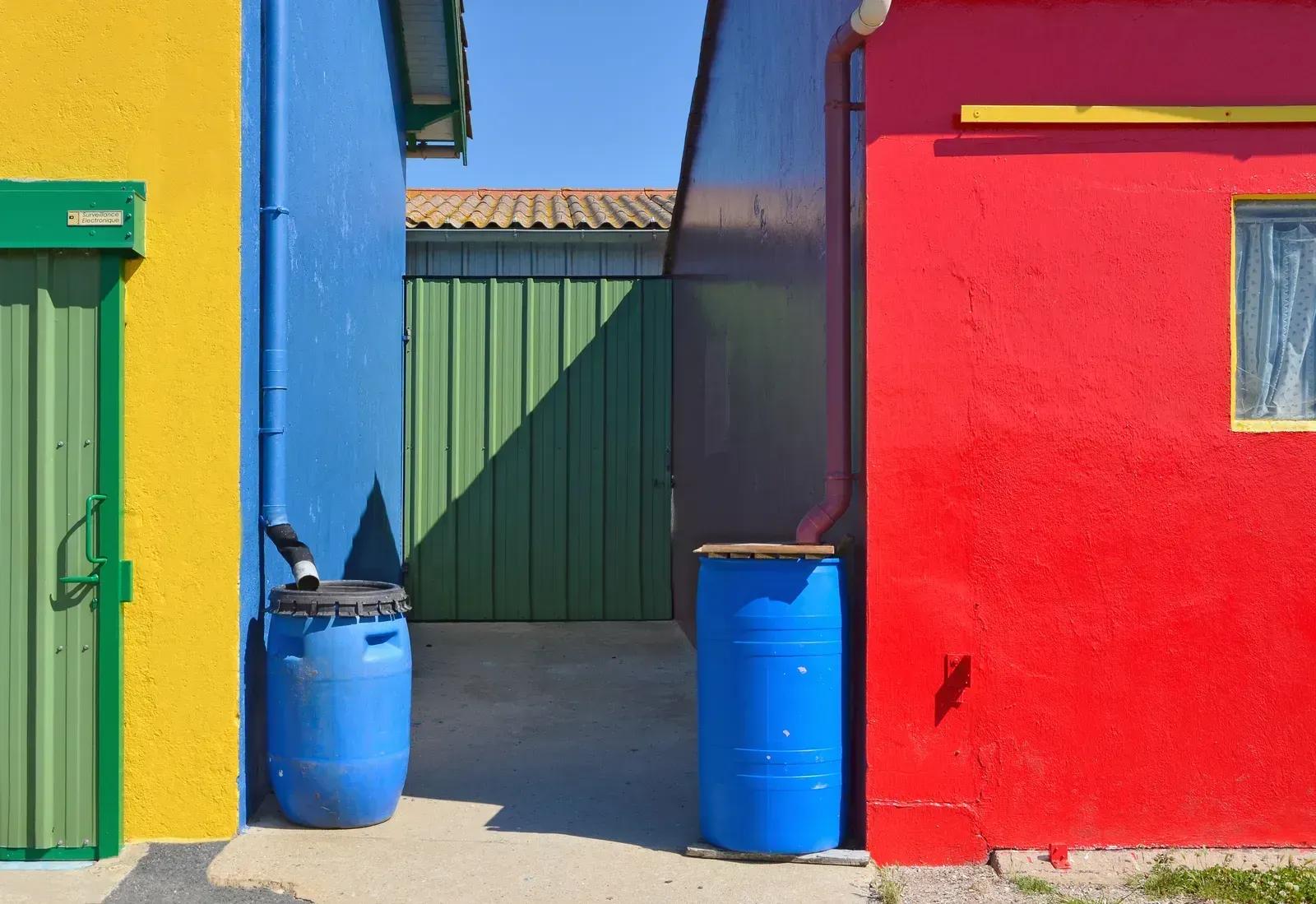
Utah authorizes the direct collection of rainwater on land owned or leased by the person responsible for the collection, and per Senate Bill 32 (2010), up to 2,500 gallons if registered with the Division of Water Resources. Nevada took even longer to loosen restrictions. rainwater collection was heavily restricted in Nevada until Governor Brian Sandoval signed Assembly Bill 138 in 2017. Even now, the state considers rainwater part of the greater watershed and maintains strict controls. These western states treat rain as a communal resource rather than something individual property owners control, a perspective rooted in the region’s history of water scarcity.
Picking Wildflowers in California Can Cost You a Thousand Dollar Fine
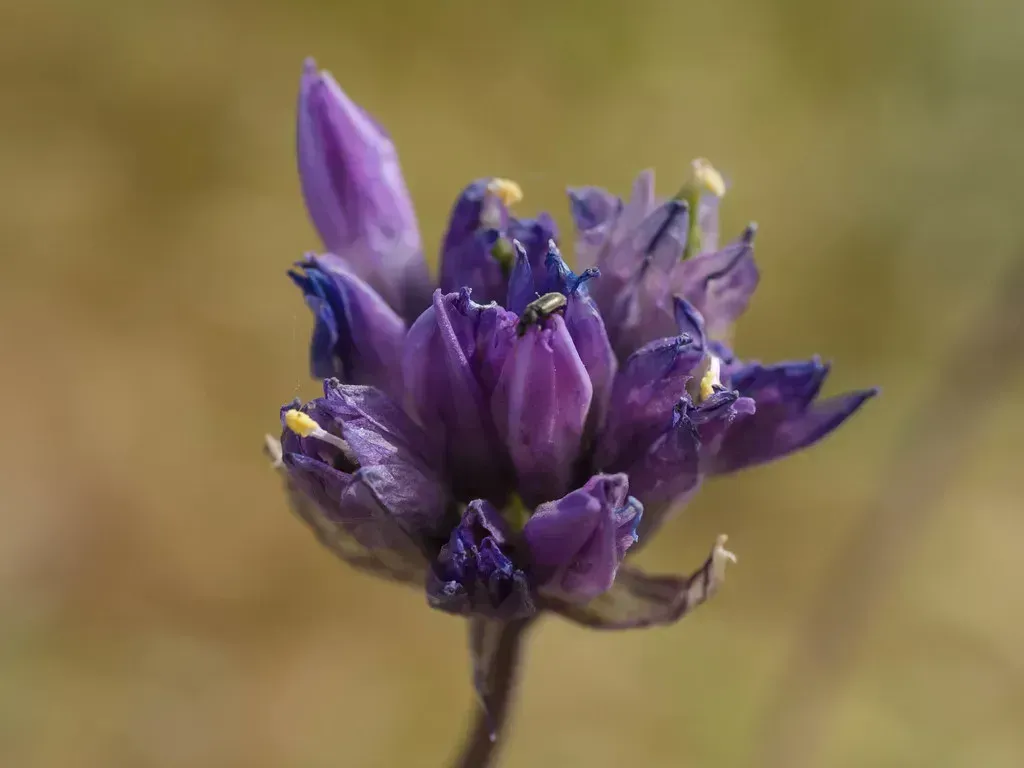
Individuals can collect California poppies on private property, but not in secured public spaces, where doing so is classified as a misdemeanor, punishable by fines up to $1,000 or jail time. California takes its wildflower protection seriously. In California, it is against the law to pick wildflowers on public lands or along roadways, and doing so could result in a steep fine. Picking wildflowers on public lands is illegal in states including California, New York, Virginia, Pennsylvania, West Virginia, Wisconsin, Oregon, and Colorado, and you could be fined. The reasoning goes beyond simple aesthetics. Wildflowers depend on seeds dropping to ensure next year’s blooms, so picking them disrupts natural regeneration. Protected species face even stricter penalties under both state and federal endangered species acts.
National Parks and Federal Lands Treat Flower Picking as a Federal Offense
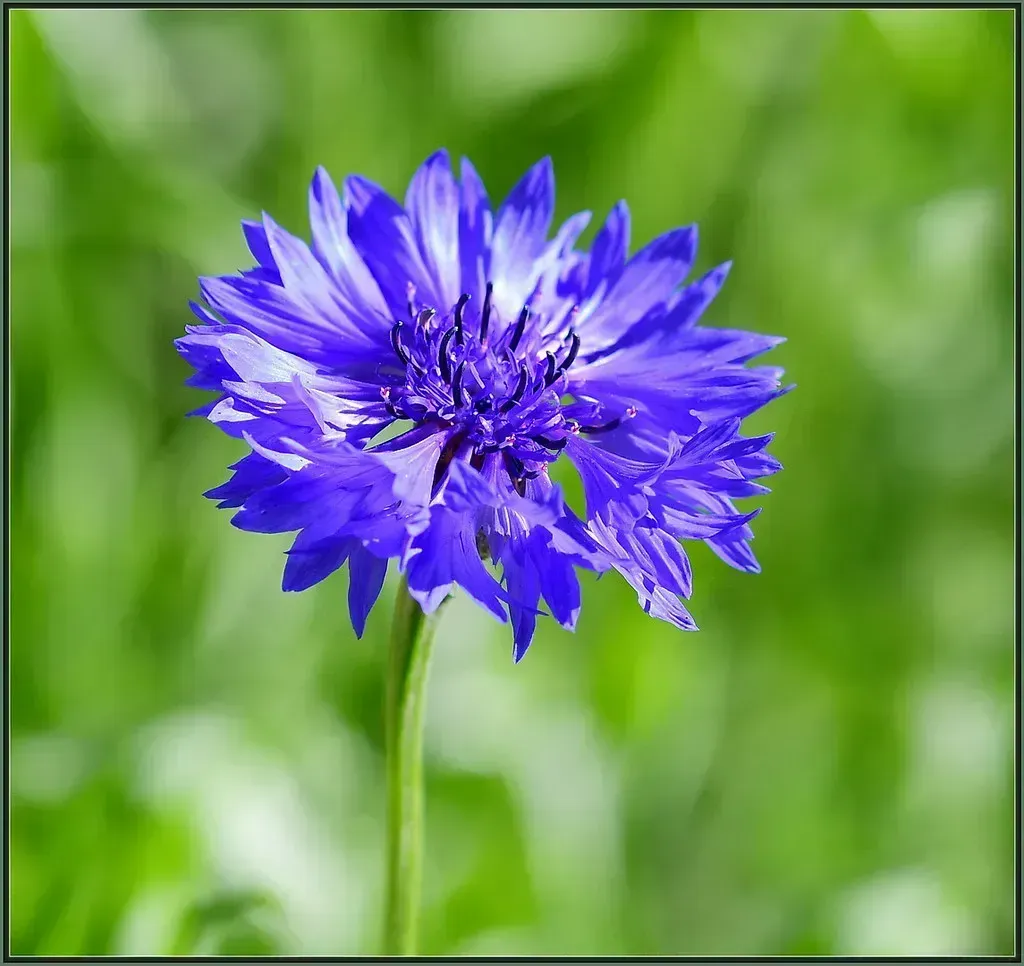
Rocky Mountain National Park doesn’t mess around when it comes to enforcement. Picking an innocent wildflower could cost you up to $250 in fines, and thousands of wildflowers bloom each year in Rocky Mountain National Park as the tiny flora are a critical part of the ecosystem. On federal lands such as National Parks, Forests, and Monuments, it is illegal to pick flowers without a permit, as this harms plant reproduction and long-term viability. Federal regulations apply universally across all states, creating blanket protection for wildflowers in these designated areas. Park rangers can and do issue citations, especially during peak bloom seasons when visitor numbers surge. The permits mentioned are typically reserved for scientific research or educational purposes, not casual flower gathering.
The Texas Bluebonnet Myth Reveals What’s Actually Illegal About Roadside Flowers
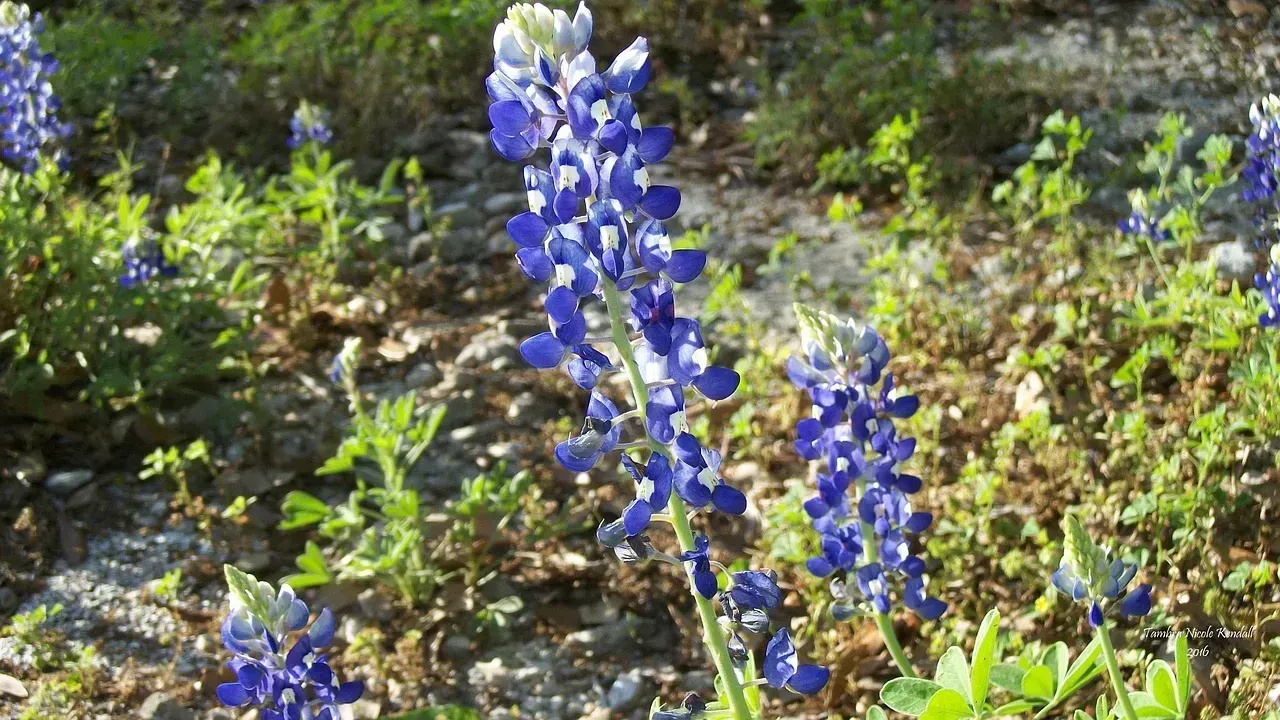
Here’s where things get interesting. There is no law that prohibits picking bluebonnets in Texas, according to the Texas Department of Public Safety. Yet countless Texans grew up believing it was illegal to touch the state flower. The confusion isn’t entirely unfounded. Picking bluebonnets on private property is illegal due to trespassing laws, and it is also illegal to destroy any plant life in any Texas State Park. Traffic laws create additional complications. Stopping on the highway shoulder, impeding traffic, or parking illegally while chasing that perfect bluebonnet photo can all result in citations. There are a number of traffic laws that create a problem for those picking wildflowers on the side of the road, including it being illegal to impede traffic, walk along or on a highway, block a road, street or highway or park on the median and usually on the emergency shoulder unless you are having an emergency. So while the flowers themselves aren’t protected, the act of getting to them often violates other laws that carry real penalties.
What looked like a harmless act turns out to be surprisingly regulated. The disconnect between what seems reasonable and what’s actually legal creates a trap for unsuspecting citizens. Whether it’s rainwater trickling off your roof or wildflowers blooming in a meadow, someone else might have legal claim to resources you assumed were free for the taking. Before you set up that rain barrel or pluck that pretty flower, check your local regulations. The fine print matters more than you’d think.