Vintage Menus Reveal What Dining Looked Like in the 1950s, Report Finds
When you flip through dusty menu archives from the 1950s, you discover a fascinating world where turkey dinners cost less than a modern cup of coffee and dishes with mysterious names dominated restaurant offerings. Recent analysis of preserved menus from this post-war era shows that diners could enjoy a complete roast turkey dinner with dressing, gravy, beets, potatoes, cranberry sauce, and a roll for just 65 cents at Woolworth’s. This peek into mid-century dining reveals not just prices but an entire culinary culture that feels both foreign and familiar to today’s food enthusiasts.
The Shocking Reality of 1950s Menu Prices
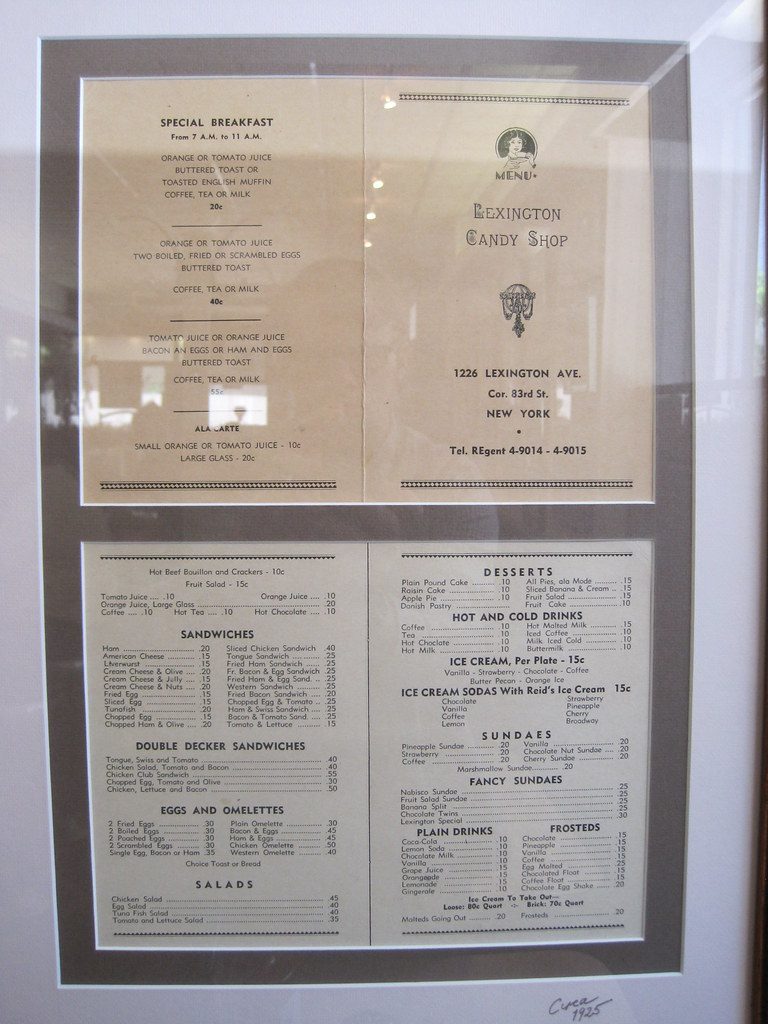
Looking at vintage menus through today’s lens feels like discovering another planet where dining out was remarkably affordable. At Woolworth’s, customers could order that same turkey dinner as a sandwich for 60 cents. These weren’t just bargain basement prices; they represented the standard cost of restaurant dining in an era where a gallon of milk cost only 82 cents.
The contrast becomes even more striking when you consider what modern diners pay. Today’s average cheeseburger meal with beverage and fries costs $18.58, which would have been enough to purchase nearly thirty complete turkey dinners in 1955.
Strange Menu Items That Dominated the Decade
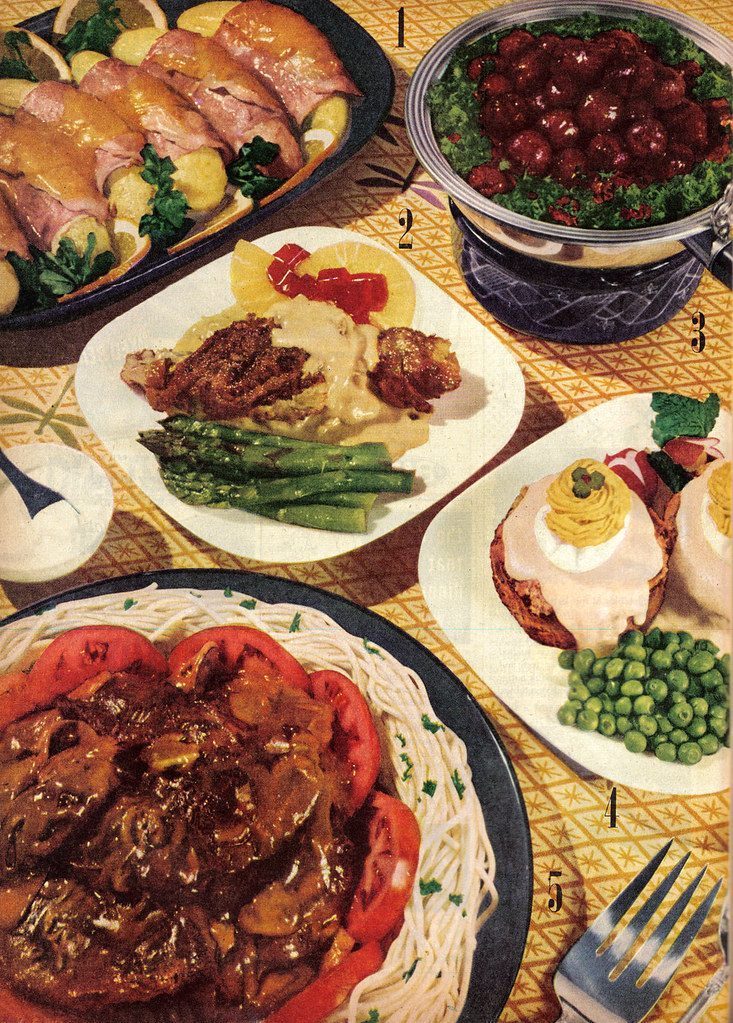
Popular dishes from the 1950s included broiled liver pudding and boiled calf’s head with brain sauce, with Restaurant Haussner charging $1.50 for liver pudding in 1955. These organ meat dishes were commonplace on restaurant menus, reflecting both the era’s different approach to utilizing all parts of the animal and post-war dining habits that seem bizarre today.
Reuben’s in Manhattan featured a fascinating menu filled with sandwiches named after famous people, showcasing the personalized approach many restaurants took during this era. Chicken à la King was particularly popular in the 1950s and 1960s, appearing on household dining tables and restaurant menus nationwide, with some diners serving it with toast points.
The Casserole Craze That Defined an Era
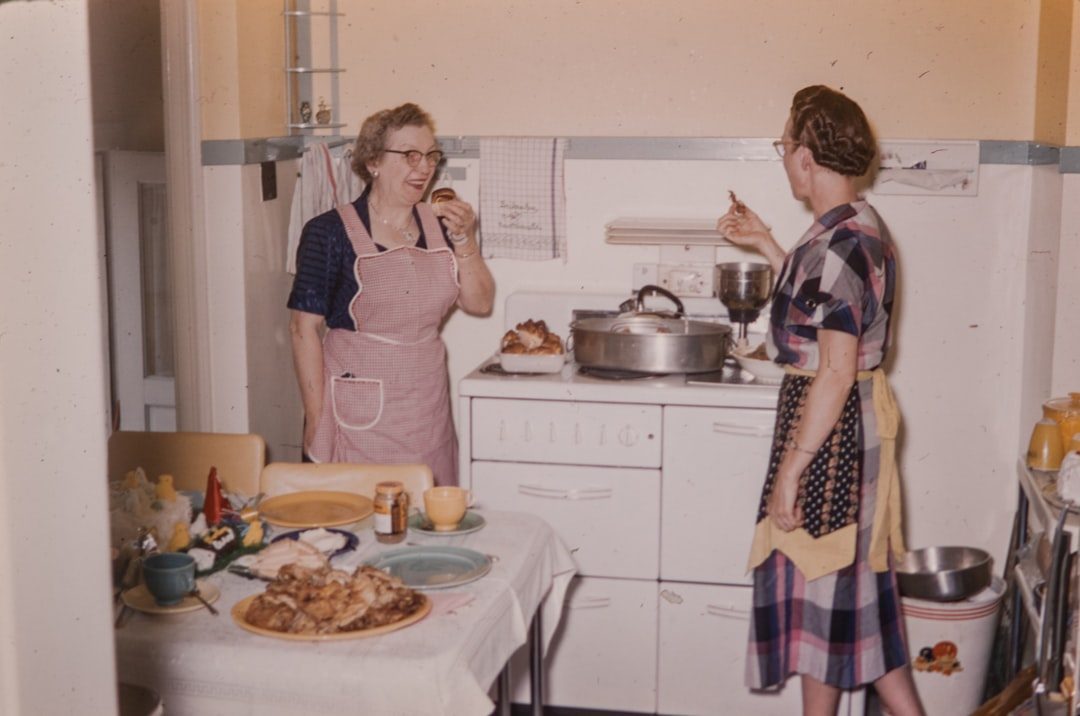
Casseroles had a starring role in the 1950s as a cheap and easy way to feed the whole family, with tuna noodle casserole being the favorite. This dish could be made entirely from canned and processed ingredients: tuna, peas, shredded Cheddar, cream of mushroom soup, egg noodles and sometimes potato chips for a crunchy topping. The appeal went beyond convenience; these dishes represented the era’s embrace of modern technology and processed foods as symbols of progress.
Campbell’s created green bean casserole in 1955 specifically to sell more cream of mushroom soup, and it quickly became a quintessential Thanksgiving side dish made entirely with canned ingredients including green beans, cream of mushroom soup, and canned fried onions.
The Unlikely Success of Pharmacy Dining
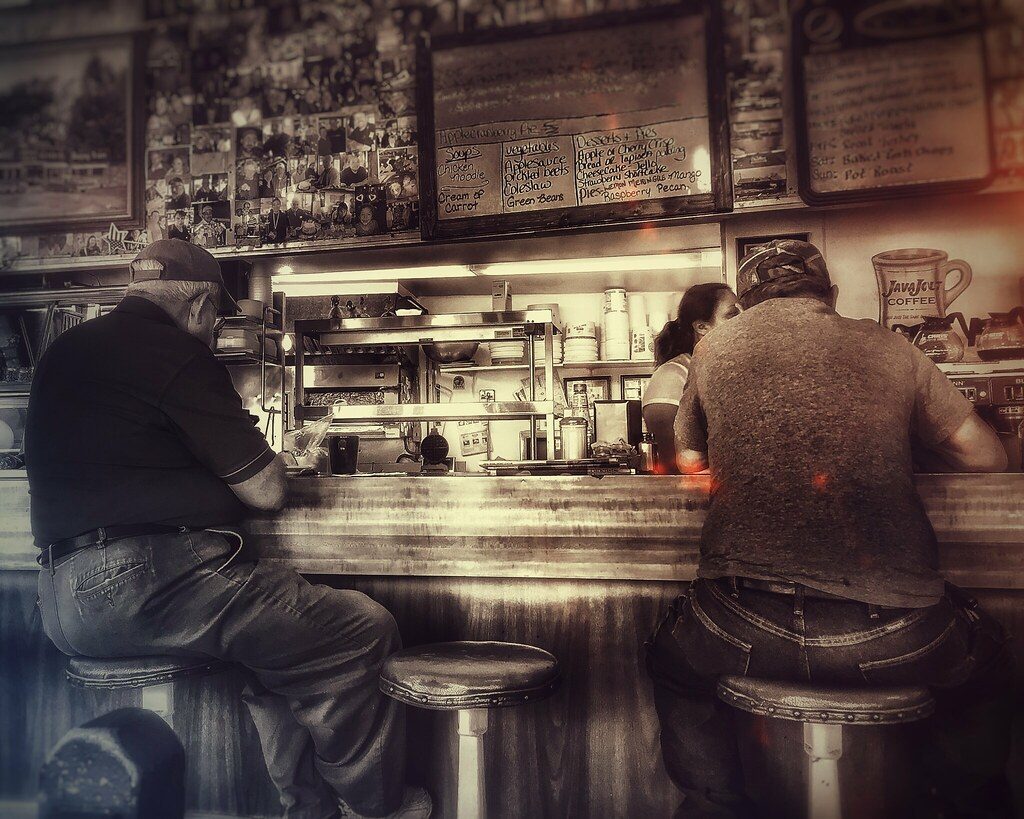
In the 1950s, pharmacies like Walgreens served full meals with surprisingly extensive menus that included scratch-made soup, frankfurters and cabbage, Swiss or hamburger steak, omelets, fish and chips, sandwiches and salads, plus ice cream and pie for dessert. This might sound absurd to modern diners, but these establishments were serious competition for traditional restaurants.
These pharmacy menus rivaled many local restaurants and diners, making them incredibly popular, with places like Wall Drug Store offering everything from grilled peanut butter sandwiches and hot dogs to spaghetti, fried shrimp, and fish and chips.
Early Bird Specials Dominated Dining Culture
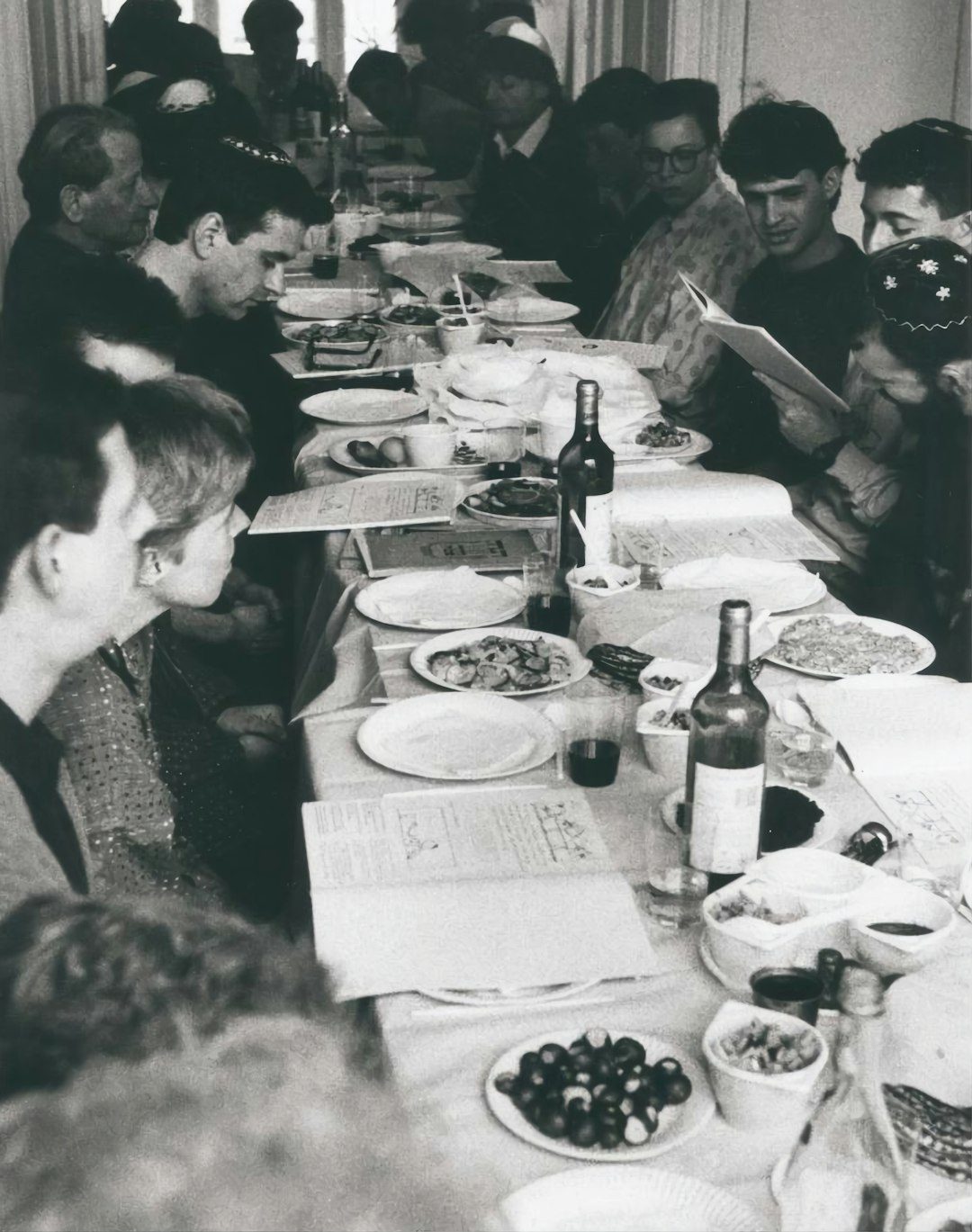
Early bird specials were huge in the 1950s, with places from restaurants to nightclubs offering discounts on dinners served in early evening hours, though the concept had evolved from its Prohibition-era origins as a way to encourage patronage of alcohol-free restaurants. Even drug stores and soda fountains offered discounted meals to customers who came in before the main lunch rush.
The Rise of Chinese-American Cuisine
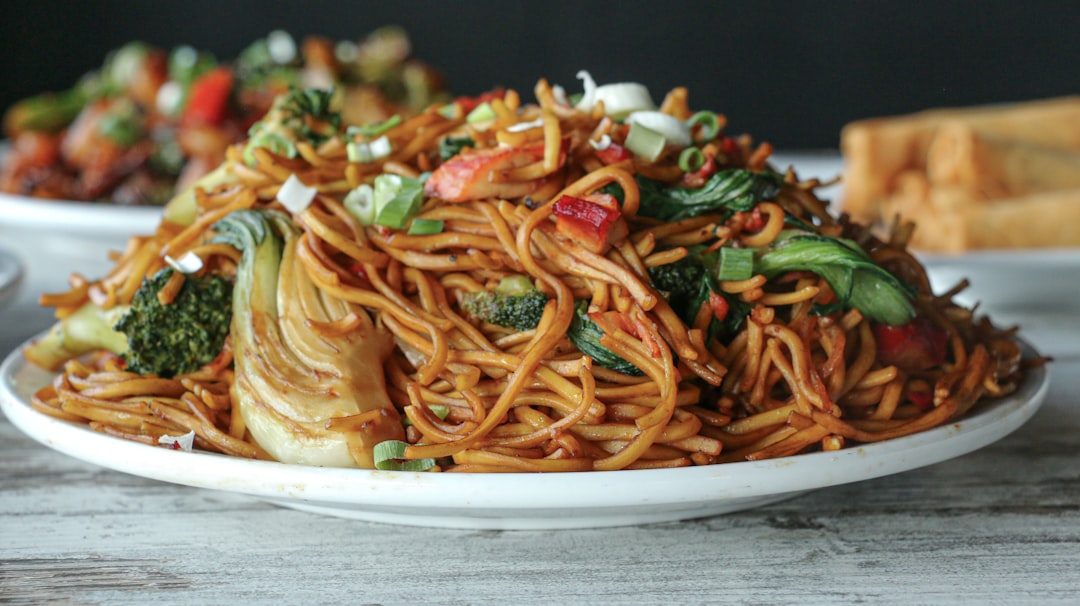
The Rice Bowl at 44 Mott Street operated from 1939 to 1970 as a sophisticated high-class restaurant that required gentlemen to dress in suit and tie, featuring quite an assortment of chow mein, the Americanized noodle dish that epitomized Chinese food decades ago. It’s tough to find a bowl of chow mein in the city today, amid all the trendy Asian fusion spots.
Chow mein regularly appeared alongside club sandwiches, fresh juices, and desserts like lemon meringue or cherry pie on mainstream American menus, showing how thoroughly this Americanized Chinese dish had integrated into typical restaurant offerings.
Forgotten Dishes That Defined Fine Dining
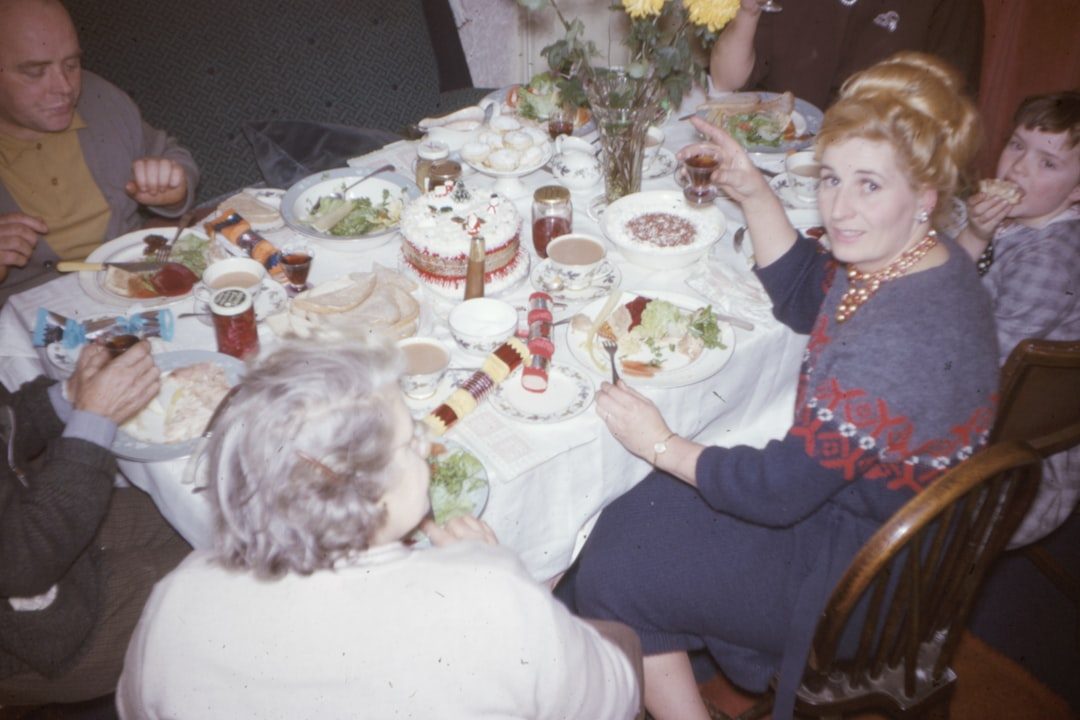
Chicken Divan, a casserole of chicken breasts and broccoli baked in Mornay sauce, was invented at the Divan Parisien Restaurant in New York City and was quite popular in the 1950s, though by the following decade it had vanished from most restaurant menus. Lobster Newburgh had an old New York backstory, supposedly first served at Gilded Age favorite Delmonico’s in 1876.
Tetrazzini, named after opera singer Luisa Tetrazzini, featured poultry or seafood with mushrooms in a creamy wine or sherry sauce served over pasta, sometimes cooked as a casserole with a cheesy, browned crust.
The Gelatin and Molded Food Phenomenon
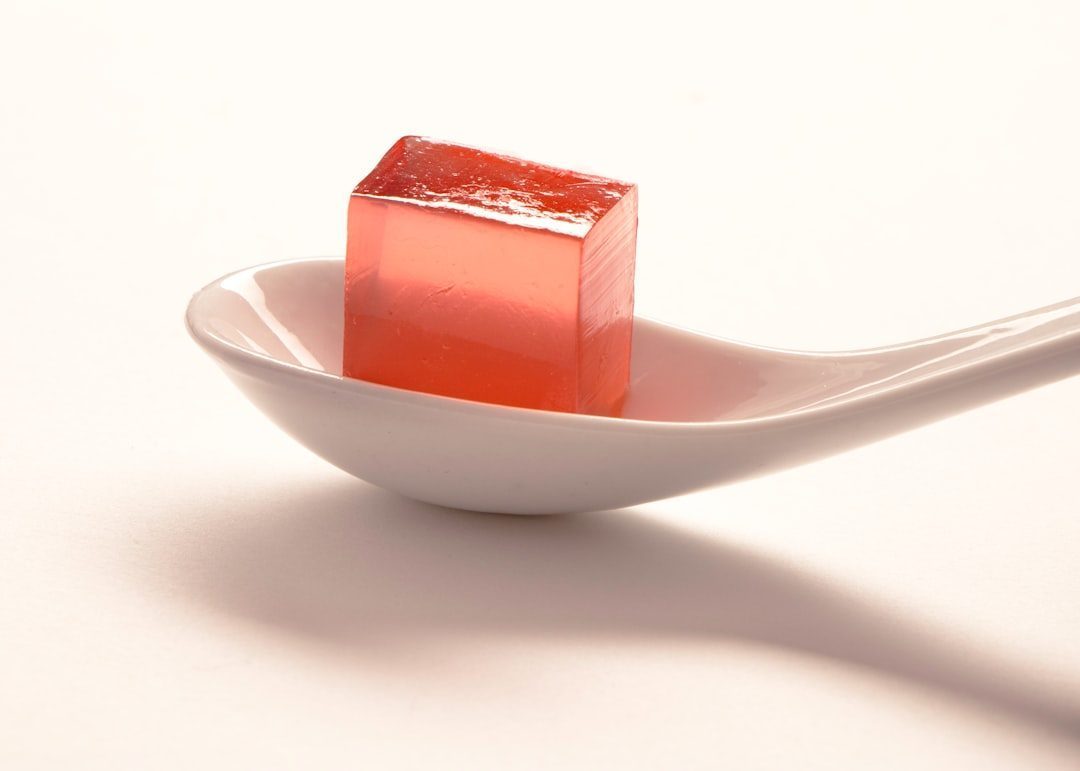
Molded gelatin was all the rage in the 1950s, taking surprising forms with sweet applications being most popular, but plenty of savory ones as well, including a tuna mold shaped like a fish. At the end of the day, it was a great way to use up a family’s leftovers, and it was neat and tidy.
These elaborate molded creations weren’t just home cooking experiments but appeared regularly on restaurant menus as sophisticated offerings. The visual appeal of these dishes matched the era’s emphasis on presentation and novelty in dining experiences.
Menu Design and Customer Experience
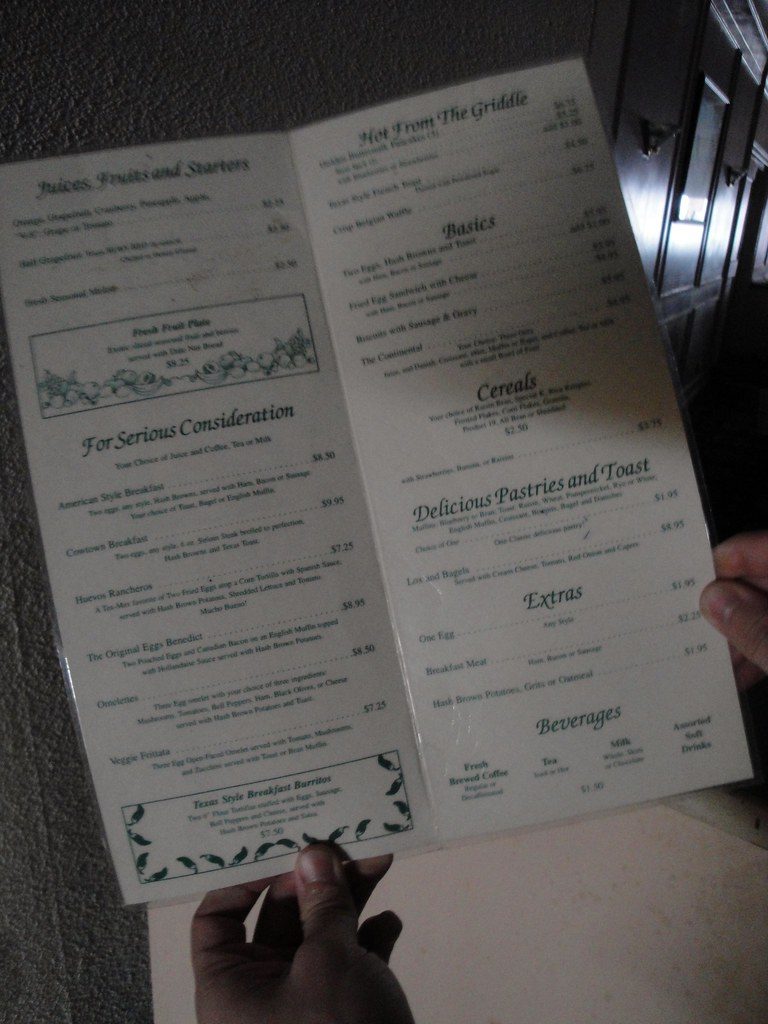
Restaurant menus had a very feminized look with floral images and pink type, and while customers in the 1950s likely didn’t complain, today’s customers might take issue with the traditional female feel. The menu items were quite hearty, featuring an assortment of old-school appetizers like stuffed celery hearts and seafood cocktail, plus 14 entrees that you would expect from a 1950s menu.
Some menus featured what might be the oldest mention of iced coffee, showing that even seemingly modern beverage trends had their roots in this transformative decade.
The Legacy of 1950s Dining Culture
The 1950s established many dining patterns that continue today, though often in evolved forms. Some popular sandwiches from the era like Reubens, chicken salad sandwiches, and breakfast sandwiches remain popular today, though many funky sandwich varieties that appeared alongside these familiar ones have disappeared. Classic dishes like meatloaf, green bean casserole and chicken and dumplings all have a place on today’s menus.
These vintage menus reveal a dining landscape where affordability, convenience, and hearty portions defined the restaurant experience. The decade’s emphasis on casseroles, processed foods, and standardized offerings created a foundation for modern American dining, even as specific dishes and prices seem almost fantastical by today’s standards.