8 Classic American Dishes That Are Almost Impossible to Find Today
The American dining landscape has undergone a dramatic transformation over the past century. What once dominated restaurant menus and family dinner tables across the nation has quietly disappeared from our culinary consciousness. These forgotten dishes tell the story of a changing America, where convenience culture and evolving tastes have swept away time-honored traditions.
Many of these vanished classics required patience, skill, and ingredients that modern kitchens no longer prioritize. While some survive in a handful of traditional establishments, finding authentic versions has become a treasure hunt for food enthusiasts. Let’s explore these culinary relics that shaped American dining for generations.
Turtle Soup: The Gilded Age’s Ultimate Luxury
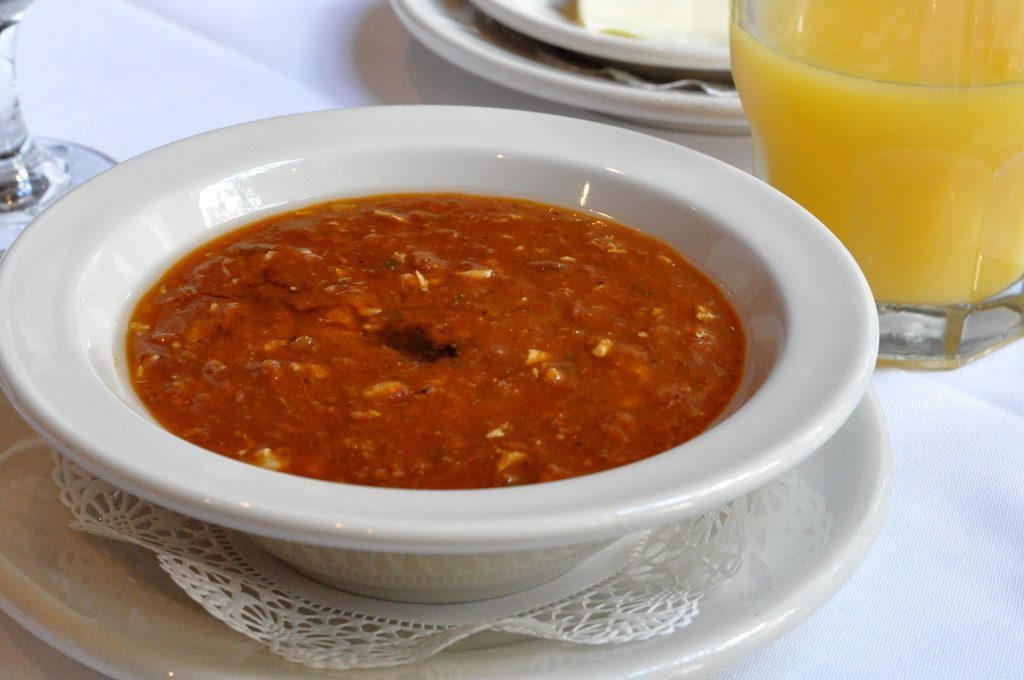
Green turtle soup was once the crown jewel of fine dining, served in the most prestigious establishments from New York to New Orleans. The labor-intensive preparation and exotic nature of the main ingredient made it a symbol of culinary sophistication. While historic restaurants like Galatoire’s in New Orleans and Salt Cellar in Scottsdale still offer turtle soup on their menus, finding authentic versions elsewhere has become nearly impossible.
The decline of turtle soup reflects both environmental concerns and changing tastes. Regulations protecting sea turtle populations, combined with the complexity of sourcing and preparing the dish, have made it economically unfeasible for most restaurants. The few establishments that still serve it often use farm-raised turtle or substitute ingredients that barely resemble the original delicacy.
Oysters Rockefeller: From Height of Elegance to Rare Treat
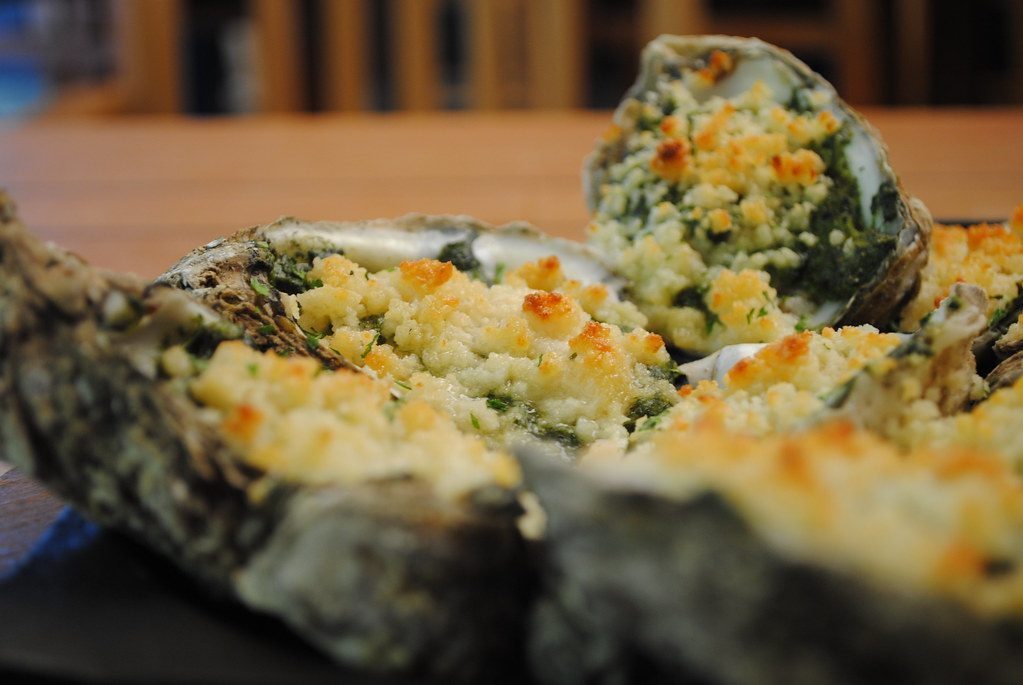
Named for their richness like John D. Rockefeller’s wealth, these baked oysters topped with herbs, butter and breadcrumbs were once the height of sophistication. Created at Antoine’s in New Orleans in 1899, the original recipe remains a closely guarded secret, while modern raw bars prefer simpler preparations.
The dish was created at Antoine’s restaurant in 1899, one of the oldest family-run restaurants in the United States. Today, the preparation’s labor-intensive nature and the skill required to execute it properly have led most restaurants to abandon this classic. Even when found on contemporary menus, the simplified versions often lack the complexity and richness that made the original so memorable.
Chinese-American Chop Suey: The McDonald’s of Its Era
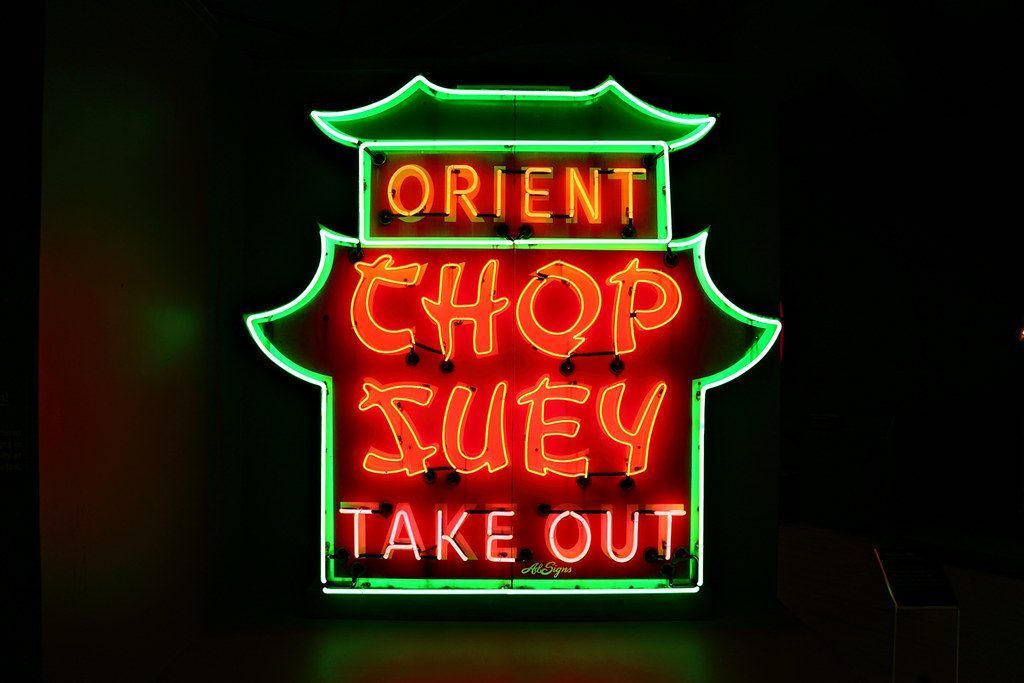
Chop suey’s popularity declined after new interest in China and immigration to the United States in the mid-20th century pushed new dishes into prominence while chop suey became perceived as inauthentic. It especially declined in popularity on the West Coast and East Coast with more diverse types of food available.
Epitomized by chop suey, American Chinese food was a forerunner of McDonald’s, democratizing the once-exclusive dining-out experience for marginalized groups including Anglos, African Americans, and Jews. Today, the end seems all but certain for chop suey, joining the roster of dishes like lobster Newburg and green turtle soup as relics of New York’s culinary past. The few places still serving authentic versions are mostly found in the Midwest, where traditional preparations linger in older establishments.
Beef Wellington: The Intimidating Masterpiece
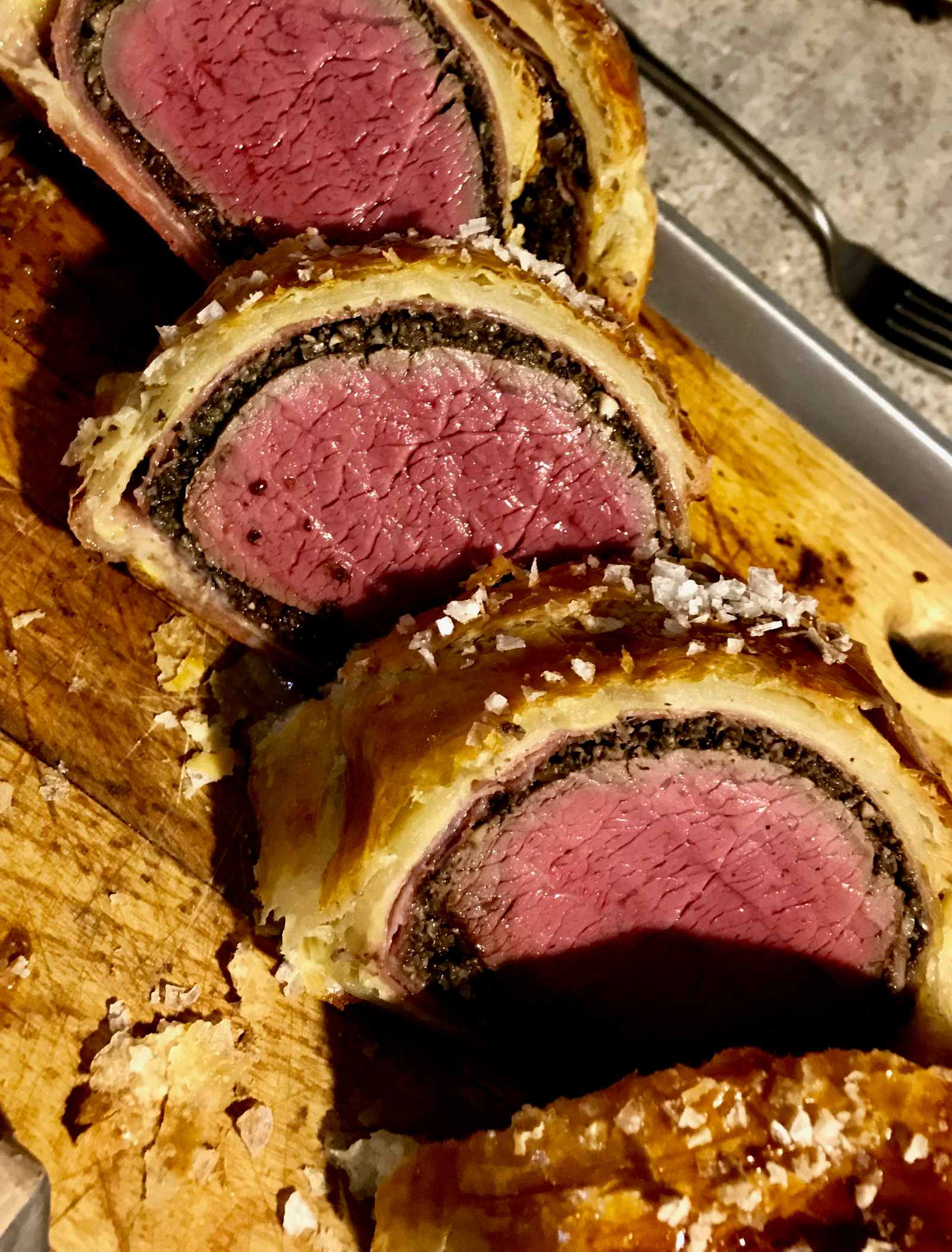
The showstopper of dinner parties past, this magnificent creation wraps tender beef fillet in mushroom duxelles and flaky pastry. The technical challenge of achieving perfectly cooked meat inside golden pastry intimidates even seasoned chefs, and though occasionally spotted on special occasion menus, this labor-intensive masterpiece has largely retreated to cooking shows.
While upscale establishments like Salt Cellar in Scottsdale still feature Beef Wellington on their menus, the dish requires exceptional skill and timing that few restaurants are willing to attempt. The risk of overcooking the beef or undercooking the pastry makes it a challenging item for consistent service, leading most chefs to avoid it entirely.
American Chop Suey: New England’s Misnamed Comfort Food
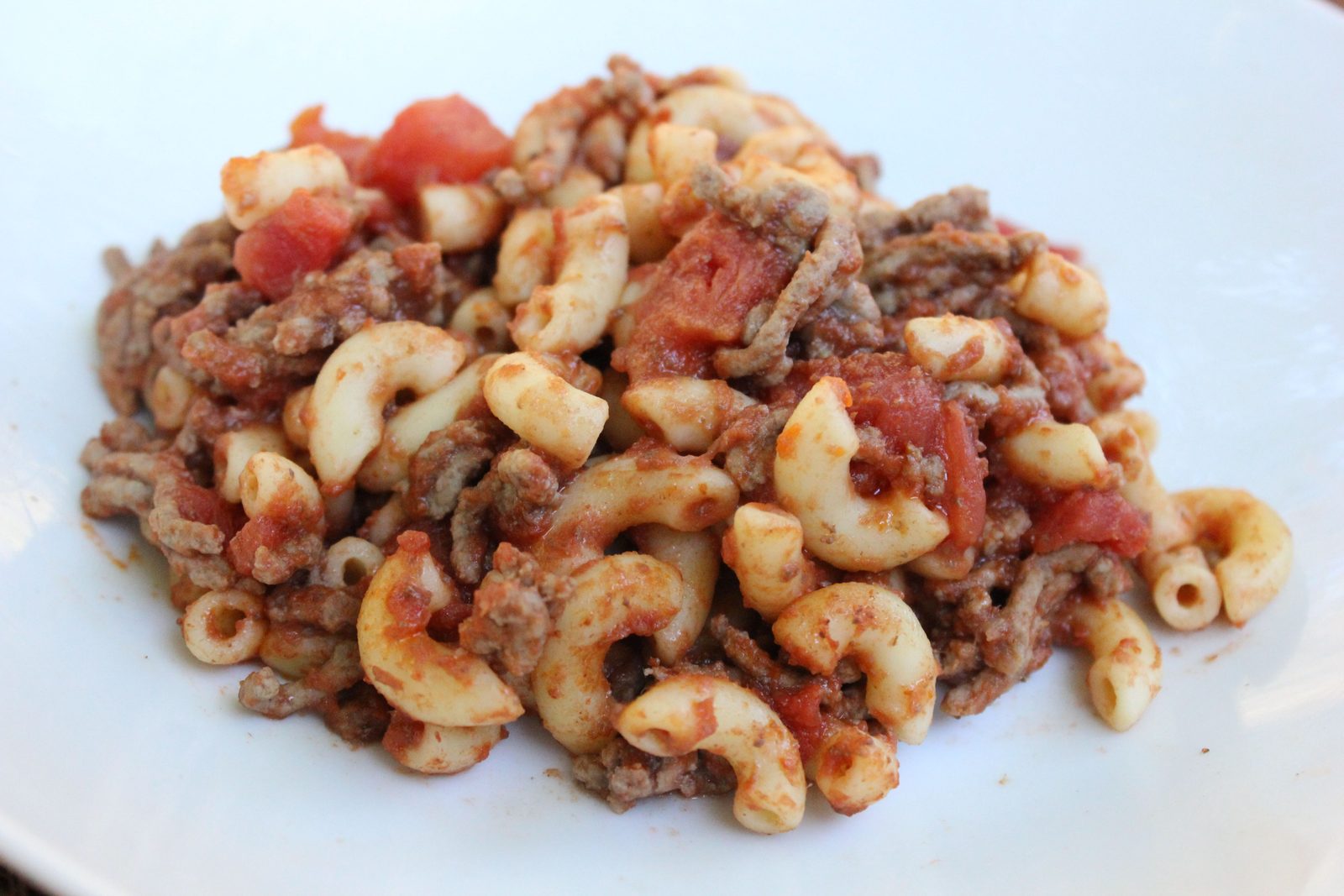
American chop suey is an American pasta casserole made with ground beef, macaroni and seasoned tomato sauce, found in the cuisine of New England and other regions. Outside New England, it’s sometimes called American goulash or Johnny Marzetti. In New England, this concoction of noodles, seasoned beef, and tomato goodness goes by one name alone, though it’s known by a slew of other names across the country while maintaining the same spirit.
Despite its regional popularity throughout the mid-20th century, American chop suey has largely vanished from restaurant menus. The dish’s association with school cafeterias and its simple ingredients made it seem outdated as American palates grew more sophisticated. Its survival depends mainly on home cooks preserving family recipes passed down through generations.
File Powder Gumbo: The Indigenous Thickening Agent
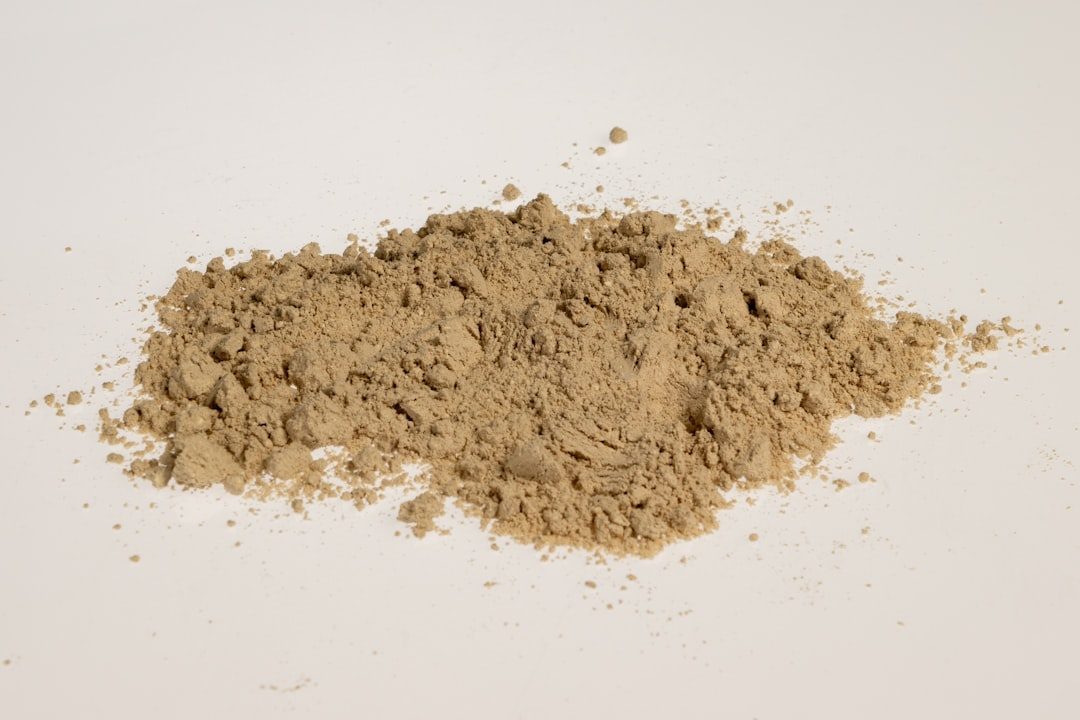
In Louisiana’s Gulf Coast, traditional gumbo made thick and green with filé powder represents an endangered American food tradition that’s increasingly difficult to find in authentic form. Choctaw filé powder, derived from ground sassafras leaves, is among the foods in danger of extinction according to the Ark of Taste.
This Native American contribution to American cuisine faces challenges from both supply and demand sides. The traditional knowledge of harvesting and preparing sassafras leaves is becoming rarer, while modern diners often prefer the convenience of okra-thickened gumbo. Authentic filé-based gumbo requires understanding of Indigenous food traditions that fewer chefs possess today.
Calf’s Head and Feet Dishes: Victorian Nose-to-Tail Dining
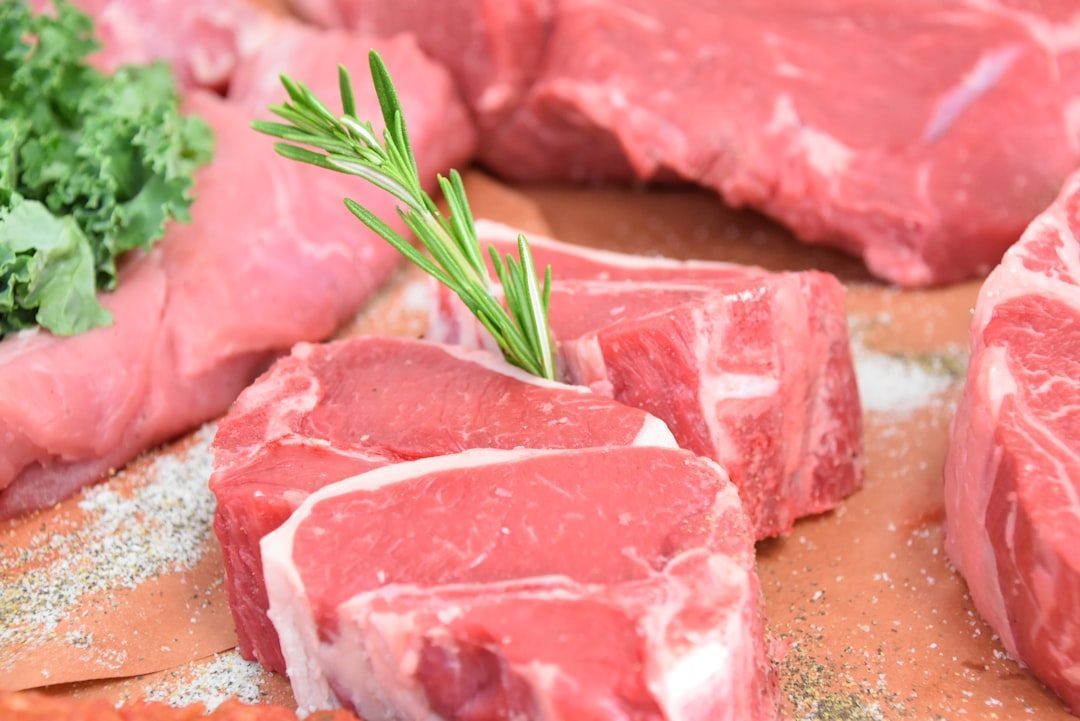
Once common in American kitchens and restaurants, dishes featuring calf’s head, feet, and organ meats were standard fare through the early 20th century. These preparations reflected an era when wasting any part of an animal was considered both economically and morally wrong.
Modern American diners’ aversion to organ meats and unusual cuts, combined with health regulations and sourcing difficulties, have made these dishes nearly extinct. The few restaurants brave enough to attempt nose-to-tail cooking typically focus on more palatable organs like liver or kidney, leaving the truly adventurous preparations to culinary history.
Syllabub and Posset: Colonial America’s Forgotten Desserts

These English-derived desserts were beloved in colonial America, featuring whipped cream or custard bases enhanced with wine or spirits. Syllabub combined cream with sweet wine, while posset used ale or wine curdled with hot milk to create a unique texture and flavor.
The rise of modern desserts and the complexity of achieving proper consistency have relegated these treats to historical curiosity. By the end of 2024, around 47% of restaurants had increased menu prices, with operators aiming to keep food costs between 28% and 35% of revenue. The labor-intensive nature of these desserts makes them economically impractical, while their alcohol content and unfamiliar textures clash with contemporary dessert preferences.
These vanished dishes represent more than lost recipes; they embody changing American values, economics, and tastes. From turtle soup’s environmental impact to chop suey’s authenticity questions, each tells a story of cultural evolution. While food enthusiasts work to preserve some traditions, most of these classics remain curiosities in culinary museums rather than living parts of our dining culture. What would you think about bringing any of these back to your local restaurant?